


Iron-deficiency anemia can signal health problems, like cancer. We aim to offer top-notch healthcare to patients worldwide.
Studies show that people with iron-deficiency anemia face a higher risk of cancer. In fact, 5.5% of these patients are found to have cancer.

The American Cancer Society notes that anemia can hint at cancer, mainly when cancer harms the bone marrow. Knowing this connection helps us give our patients the best care.
Key Takeaways
- Iron-deficiency anemia can be a symptom of underlying cancer.
- Patients with anemia have an elevated risk of being diagnosed with malignancies.
- Cancer affecting the bone marrow can lead to anemia.
- Understanding the link between anemia and cancer is key for diagnosis and treatment.
- Comprehensive care for international patients includes addressing anemia and its possible causes.
The Relationship Between Cancer and Anemia
The link between cancer and anemia is complex. It involves many physiological and pathological processes. Cancer can cause anemia in several ways, such as chronic blood loss, bone marrow invasion by tumour cells, and inflammatory cytokines that harm normal blood cell production.
Overview of Cancer-Related Blood Disorders
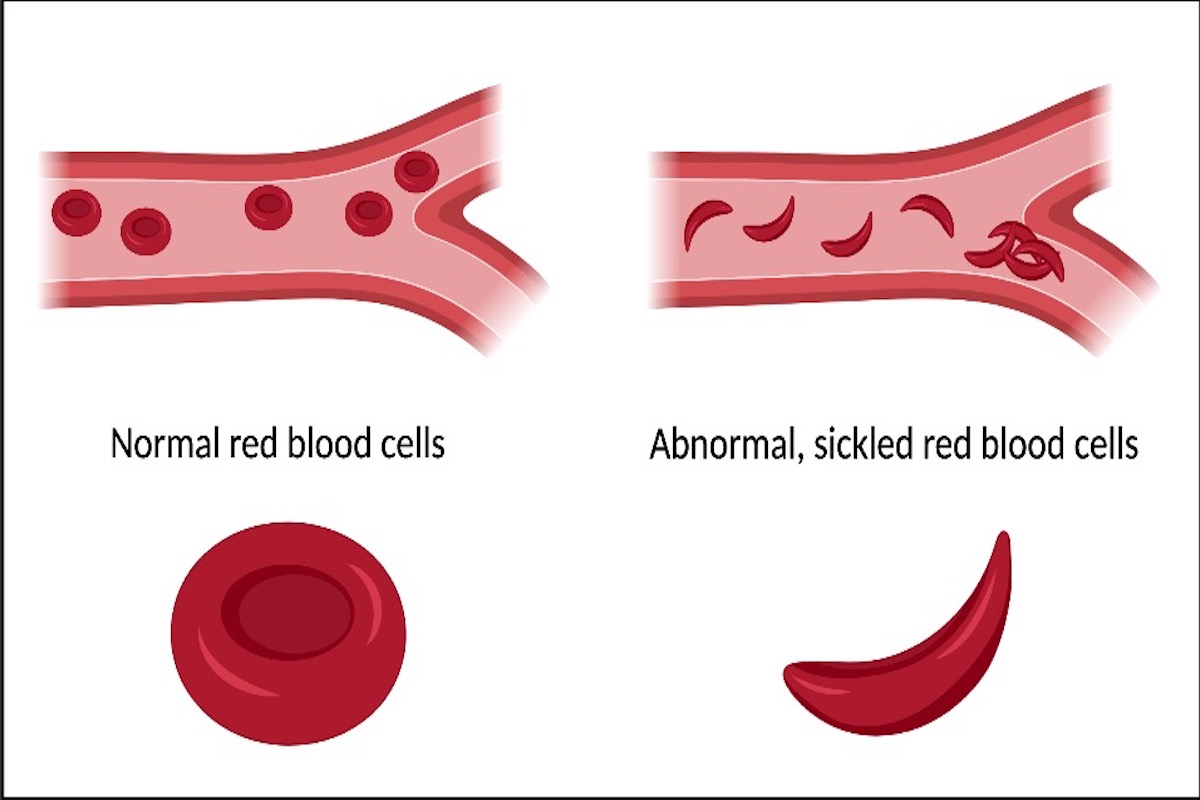
Cancer-related blood disorders include anemia, neutropenia, and thrombocytopenia. Anemia, a drop in red blood cells or hemoglobin, is common in cancer patients. It can come from the cancer itself or from treatments like chemotherapy and radiation.
Prevalence Statistics in Cancer Patients
Research shows that 30% to 90% of cancer patients also have anemia. This highlights a strong link between the two. The risk of anemia varies based on the cancer type, disease stage, and treatments. For example, those with gastrointestinal cancers are more likely to have anemia due to ongoing blood loss.
Knowing these statistics helps doctors spot at-risk patients and take action. By understanding anemia’s prevalence and causes in cancer patients, we can improve their outcomes and quality of life.
What is Iron-Deficiency Anemia?
Iron-deficiency anemia happens when the body doesn’t have enough iron. This is needed to make hemoglobin, a key protein in red blood cells. Hemoglobin carries oxygen to all parts of the body. Without enough oxygen, tissues and organs don’t get enough oxygen.
Definition and Normal Iron Metabolism
Iron-deficiency anemia means the body’s iron stores are low. This leads to less hemoglobin being made. Iron is important for making hemoglobin in red blood cells. It helps carry oxygen from the lungs to the body’s tissues. Without enough iron, the body can’t make enough hemoglobin, causing anemia.
Iron is absorbed in the small intestine. It then goes to different parts of the body. There, it’s used for making hemoglobin and other important processes.
Hemoglobin Levels and Red Blood Cell Production
Hemoglobin levels show if someone has iron-deficiency anemia. Hemoglobin carries oxygen from the lungs to the rest of the body. Low hemoglobin means red blood cells can’t carry enough oxygen. This can cause fatigue and weakness.
Iron is key to making red blood cells. Without enough, the body can’t make enough healthy red blood cells. This leads to anemia. Red blood cells are made in the bone marrow. Iron availability helps control this process.
- Key aspects of iron-deficiency anemia include:
- Low hemoglobin levels due to insufficient iron.
- Reduced red blood cell production.
- Impaired oxygen delivery to body tissues.

Common Causes of Iron-Deficiency Anemia
Iron-deficiency anemia can come from many sources. It’s not just about what we eat or our health. Cancer is also a big reason, and it’s often overlooked.
Non-Cancer Related Causes
There are many reasons for iron-deficiency anemia that don’t involve cancer. These include:
- Dietary deficiencies: Not getting enough iron from food or needing more during pregnancy.
- Chronic blood loss: Losing blood due to menstruation, ulcers, or taking NSAIDs for a long time.
- Malabsorption: Conditions like celiac disease or surgeries that make it hard to absorb iron.
These reasons often tie back to our lifestyle or health issues. For example, not eating enough iron can cause a deficiency. Also, losing blood regularly can lower iron levels.
Cancer as a Significant Cause
Cancer is a major reason for iron-deficiency anemia, mainly because of blood loss or changes in iron use. Studies show that cancers in the gut can cause anemia because of bleeding or other effects from the tumour.
When diagnosing iron-deficiency anemia, it’s important to think about cancer, too. This is true for people at risk for cancer. Finding and treating the cause early can greatly help patients.
Cancer Types Most Associated with Iron-Deficiency Anemia
Iron-deficiency anemia is often linked to various types of cancer. Some cancers are more commonly associated with this condition. We will explore the specific types of cancer that have a significant relationship with iron-deficiency anemia. This helps us understand the underlying causes and potentially lead to earlier diagnosis and treatment.
Gastrointestinal Cancers
Gastrointestinal cancers, including colorectal and stomach cancers, are among the most common types associated with iron-deficiency anemia. Chronic bleeding from these cancers is a primary cause of anemia. It depletes the body’s iron stores over time. Studies have shown that patients with gastrointestinal cancers often present with iron-deficiency anemia as a significant symptom.
Colorectal cancer, in particular, has a well-documented association with iron-deficiency anemia. The bleeding can occur due to the tumor’s presence in the colon or rectum. This leads to a gradual decline in iron levels. Similar to this, stomach cancer can cause chronic blood loss, contributing to anemia.
Other High-Risk Cancers
While gastrointestinal cancers are prominently associated with iron-deficiency anemia, other cancers also pose a risk. Cancers that cause chronic inflammation or affect nutrient absorption can contribute to the development of anemia. For instance, certain gynecological cancers and cancers of the small intestine can lead to iron-deficiency anemia through various mechanisms, including bleeding and malabsorption.
Understanding these associations is key for healthcare providers to diagnose and treat the underlying causes of iron-deficiency anemia effectively. By recognizing the link between specific cancers and anemia, we can improve patient outcomes through timely intervention.
How Cancer Leads to Iron-Deficiency Anemia
Iron-deficiency anemia in cancer patients comes from chronic blood loss, inflammation, and poor nutrition. Knowing how these factors work is key to managing the condition.
Chronic Blood Loss Mechanisms
Cancer can lead to ongoing blood loss in different ways. For example, tumors in the gut can bleed, causing iron loss. Gastrointestinal cancers, like colon and stomach cancer, are often linked to this issue.
- Tumors causing erosion into blood vessels
- Ulceration of tumors leading to bleeding
- Surgical interventions that result in blood loss
Inflammatory Processes in Cancer
Cancer causes ongoing inflammation, which messes with iron levels in the body. The body’s fight against inflammation can raise hepcidin levels. High hepcidin makes less iron available for making red blood cells, leading to anemia.
The complex interplay between cancer and inflammation highlights the need for a complete care plan.
Nutritional Impact of Cancer
Cancer and its treatment can harm a patient’s nutrition. Symptoms like nausea and loss of appetite can make it hard to get enough iron. Some treatments also make it harder for the body to absorb nutrients, worsening iron deficiency.
Dealing with iron-deficiency anemia in cancer patients needs a detailed approach. Understanding how cancer causes anemia helps doctors find better ways to treat it.
Recognizing Symptoms of Iron-Deficiency Anemia
The symptoms of iron-deficiency anemia can be different and might mean something serious like cancer. It’s key to spot these signs early for quick diagnosis and treatment.
Classic Anemia Symptoms
Common signs of anemia include fatigue, weakness, pale skin, and shortness of breath. This happens because the body has fewer red blood cells or the cells don’t carry enough oxygen.
Other signs might be dizziness, headaches, and cold hands and feet. Some people with iron-deficiency anemia might also crave non-food items like dirt or ice, known as pica.
When Symptoms May Suggest Underlying Cancer
These symptoms can be from many things, but sometimes they mean cancer. For example, gastrointestinal cancers can cause chronic blood loss, leading to iron-deficiency anemia.
Knowing other symptoms that might mean cancer, along with anemia, is important. These include unexplained weight loss, changes in bowel habits, or abdominal pain. If you have these symptoms with anemia, see your doctor right away.
“Early detection of cancer significantly improves treatment outcomes. Recognizing the signs of iron-deficiency anemia and understanding when they might indicate a more serious condition like cancer can be lifesaving.”
- Fatigue and weakness
- Pale skin and shortness of breath
- Dizziness and headaches
- Cold hands and feet
- Cravings for non-food items
We stress the need to watch for these symptoms and get medical help if they don’t go away or get worse. Early treatment can greatly help patients with iron-deficiency anemia, no matter the cause.
Diagnostic Approach for Cancer-Related Iron-Deficiency Anemia
Diagnosing cancer-related iron-deficiency anemia is complex. We must look at both the anemia and any cancer. This involves many diagnostic tools and techniques.
Blood Tests and Laboratory Values
Blood tests are key for diagnosing iron-deficiency anemia. A complete blood count (CBC) checks hemoglobin and red blood cells. We also measure serum iron, ferritin, and total iron-binding capacity (TIBC) to understand iron use.
Low serum ferritin levels show iron deficiency. We look at transferrin saturation too, to check iron levels.
Cancer Screening Protocols in Anemic Patients
Patients with iron-deficiency anemia and cancer risk get cancer screenings. These include gastrointestinal endoscopy and colonoscopy for certain cancers. We also use CT scans or ultrasound for other cancers.
Choosing tests depends on the patient’s symptoms, history, and risk. Early cancer detection is key for better treatment.
By using blood tests and cancer screenings, we can find both anemia and cancer. This helps start treatment quickly and effectively.
Treatment Strategies for Cancer-Induced Iron-Deficiency Anemia
Cancer-induced iron-deficiency anemia is a complex condition. It needs a treatment plan that focuses on the cancer, iron, and sometimes blood transfusions. A good plan must tackle both the cancer and the anemia.
Addressing the Underlying Cancer
Treating the cancer is key in managing anemia caused by it. Addressing the root cause helps reduce anemia symptoms. Treatments like surgery, chemotherapy, and radiation can help.
Iron Supplementation Approaches
Iron supplements are vital in treating anemia. Oral iron supplements are usually the first choice. But, some patients may not absorb them well. For these cases, intravenous iron therapy is a better option.
Blood Transfusions and Other Interventions
Managing severe anemia also involves other steps. Blood transfusions can quickly improve red blood cell count. Nutritional counseling and managing anemia caused by chemotherapy are also key.
With a multi-faceted approach, healthcare providers can manage cancer-induced anemia well. This improves the quality of life and outcomes for cancer patients.
Managing Anemia During Cancer Treatment
Managing anemia is key in cancer care. It affects how well patients do and their quality of life. Treatments like chemotherapy and radiation can harm the body’s ability to make red blood cells, causing anemia.
Chemotherapy and Radiation Effects on Blood Counts
Chemotherapy and radiation are main treatments for cancer. But, they can hurt the bone marrow, where red blood cells are made. This leads to fewer blood cells.
Chemotherapy-induced anemia happens because the treatment lowers the hormone that makes red blood cells. Radiation therapy, when aimed at the pelvis or spine, also damages the bone marrow, adding to anemia.
Supportive Care Strategies
Supportive care is vital in fighting anemia during cancer treatment. It includes iron supplementation to boost red blood cell production. For some, erythropoiesis-stimulating agents (ESAs) help the bone marrow make more red blood cells. When anemia is severe, blood transfusions may be needed to quickly raise red blood cell counts.
Nutritional support is also key. Eating enough iron, vitamin B12, and folate helps make red blood cells. Diet changes and supplements can be made to fit each patient’s needs, helping manage anemia better.
Understanding how cancer treatment affects blood counts and using supportive care can help manage anemia. This improves patient outcomes and quality of life.
Conclusion
It’s important to know how iron-deficiency anemia and cancer are connected. This knowledge helps us give better care to patients. Studies have found a strong link between the two, showing we need to be aware and manage it well.
Some cancers, like those in the gut, can cause iron-deficiency anemia. This happens because of blood loss and inflammation. Spotting anemia symptoms early and finding the cancer cause is key to treating it right.
To manage anemia in cancer patients, we must tackle the cancer itself. We also need to give iron supplements and other care. By understanding the link between anemia and cancer, we can offer top-notch care to patients from around the world.
FAQ
What is iron-deficiency anemia?
Can cancer cause iron-deficiency anemia?
What are the symptoms of iron-deficiency anemia?
How is iron-deficiency anemia diagnosed in cancer patients?
What are the treatment options for cancer-induced iron-deficiency anemia?
How does chemotherapy affect blood counts?
What is the role of iron supplementation in managing iron-deficiency anemia?
Are there specific cancers that are more commonly associated with iron-deficiency anemia?
How can anemia be managed during cancer treatment?
Why is it important to understand the relationship between iron-deficiency anemia and cancer?
References
- Ioannou, G. N., et al. (2002). Iron deficiency and gastric cancer: a systematic review and meta-analysis. The American Journal of Medicine, 113(7), 543“549. https://doi.org/10.1016/s0002-9343(02)01269-8
- Ludwig, H., et al. (2018). The prevalence of anemia in cancer patients and its relationship to tumor type. Journal of Cancer Research and Clinical Oncology, 144(1), 1“13. https://doi.org/10.1007/s00432-017-2512-4
- American Cancer Society. (2022). Anemia in people with cancer. Retrieved from https://www.cancer.org/treatment/treatments-and-side-effects/physical-side-effects/anemia.html


