
Lymphoma is a cancer that affects the immune system. It’s hard to find in its early stages, even more so in kids. A surprising fact is that lymphoma is among the most common cancers in children. Its symptoms are often subtle, making it tough for parents to spot.
Knowing how long lymphoma in kids can go unnoticed is key to catching it early. Parents must be on the lookout for silent symptoms that could mean the disease is present.
Key Takeaways
- Early detection of lymphoma in children is critical for effective treatment.
- Silent symptoms of lymphoma can be easily overlooked.
- Understanding the latency period of lymphoma is vital for parents.
- Lymphoma is one of the most common cancers in children.
- Awareness of early stage lymphoma symptoms in kids can save lives.
Understanding Childhood Lymphoma
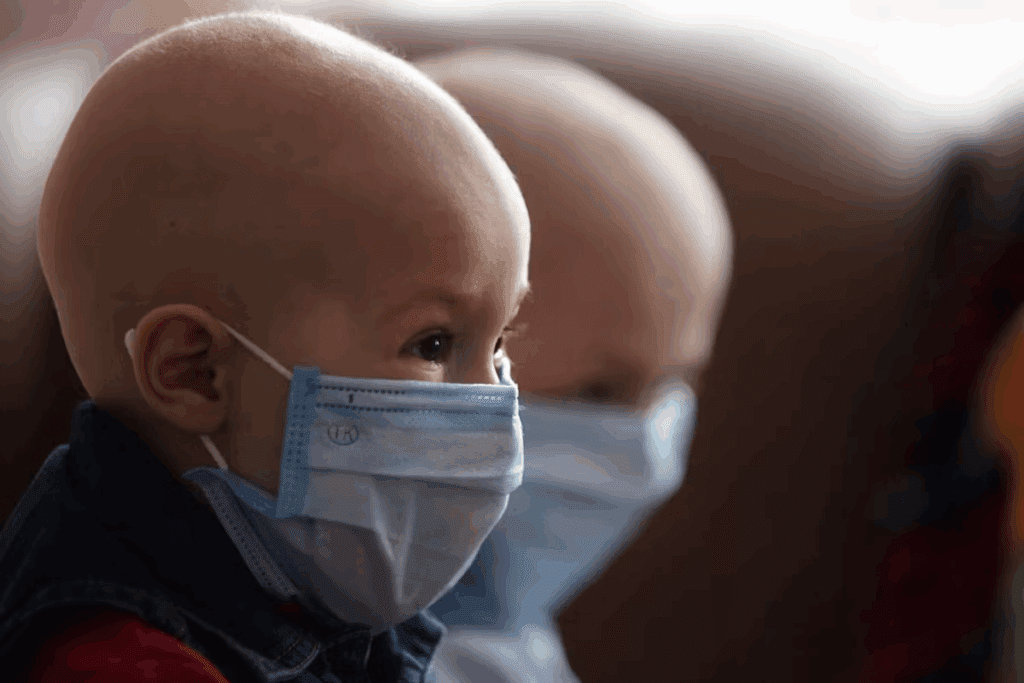
It’s important to know about childhood lymphoma to catch it early. This cancer starts in the lymphatic system, which fights off infections. This system is part of the immune system.
Types of Lymphoma in Children
Children can get two main types of lymphoma: Hodgkin lymphoma and non-Hodgkin lymphoma. Hodgkin lymphoma has Reed-Sternberg cells that look different under a microscope. Non-Hodgkin lymphoma is more common and includes types like Burkitt and lymphoblastic lymphoma.
Prevalence and Statistics
Lymphoma is rare in kids, making up 10% of childhood cancers. About 1,900 kids get lymphoma each year in the U.S. Hodgkin lymphoma often hits older kids and teens. Non-Hodgkin lymphoma can happen at any age in childhood.
| Type of Lymphoma | Age Group Most Affected | Annual Incidence |
| Hodgkin Lymphoma | Teenagers | About 500 cases |
| Non-Hodgkin Lymphoma | Children of all ages | Around 1,400 cases |
How Lymphoma Develops in Children

Lymphoma starts with genetic changes in lymphocytes, important immune cells. These changes make lymphocytes grow too much, forming tumors. We don’t know why these changes happen, but genetics and immune issues might be involved.
The Reality of Undiagnosed Childhood Lymphoma
Lymphoma in kids can sneak up on us because its early signs are not clear. It’s hard to spot early because its symptoms are like those of many common childhood illnesses.
Why Lymphoma Can Go Undetected
Lymphoma in children can hide for a long time. This is because its early signs are vague. Symptoms like tiredness, fever, and losing weight are common in many illnesses. This makes it hard for parents and doctors to think of lymphoma first.
Asymptomatic lymphoma in kids also leads to late diagnosis. Sometimes, kids don’t show symptoms until the disease has grown a lot.
Average Time Before Diagnosis
The time it takes to find out a child has lymphoma varies. Many things can change this time, like the type of lymphoma and the child’s health.
Research shows that from when symptoms start to when they’re diagnosed can take weeks to months. Prompt medical evaluation is key when symptoms don’t get better or get worse.
Factors Affecting Detection Time
Several things can make it harder to find lymphoma in kids. These include:
- The type and how aggressive the lymphoma is
- Signs that are not specific and could mean other things
- The child’s age and how well they can tell others about their symptoms
- How aware parents are of their child’s health
Knowing these factors can help parents and doctors watch more closely. This might help find lymphoma in kids sooner.
Common Symptoms That May Be Overlooked
It’s important to spot the early signs of lymphoma in kids. Lymphoma can show up in different ways. Some symptoms are often seen as minor or caused by other things.
Persistent Fatigue and Weakness
Persistent fatigue and weakness are common in kids with lymphoma. People might think it’s just too much activity or a cold. But if a child keeps feeling very tired, it could be a sign of something serious.
Unexplained Weight Loss
Unexplained weight loss is another symptom that’s often missed. Losing a lot of weight in kids is a big worry. It could mean lymphoma or another serious problem.
Night Sweats and Fever
Night sweats and fever can also be signs of lymphoma. These are often thought to be from infections. But if they keep happening without a clear reason, it’s time to check further.
Parents should watch for these signs and talk to a doctor if they don’t go away. Or if they’re worried about other symptoms too.
Painless Lymph Node Swelling: A Key Warning Sign
Painless swelling of lymph nodes is a warning sign that parents should not ignore. It could be a sign of lymphoma. Lymph nodes help the body fight off infections by filtering lymph fluid.
Swelling in these nodes can mean there’s a problem. It’s important to pay attention to this.
Normal vs. Abnormal Lymph Nodes
Lymph nodes are usually small and soft, making them hard to feel. But when they swell, they become more noticeable. Normal nodes are less than 1 cm and not tender.
Abnormal nodes are larger, tender, or painful. In lymphoma, nodes can swell without pain. This is a big sign that needs checking.
Locations to Check Regularly
Parents should know where lymph nodes are. Swelling in these areas can mean lymphoma. Key places to check are:
- Neck
- Armpits
- Groin
Checking these areas regularly can help find problems early. If you see unusual swelling, see a doctor right away.
When Swelling Should Raise Concern
Not all swollen lymph nodes mean lymphoma. But some signs should worry you. These include:
| Characteristic | Description |
| Size | Lymph nodes larger than 1 cm in diameter |
| Pain | Painless swelling, as opposed to tender or painful nodes often associated with infections |
| Duration | Swelling that persists or grows over time |
| Location | Swelling in multiple areas of the body |
If you see these signs, get medical help. Early diagnosis is key to treating lymphoma well.
Subtle Symptoms Parents Often Misinterpret
It’s hard for parents to spot the early signs of lymphoma because they look like common childhood sicknesses. This makes it important for parents to know the signs of something more serious.
Mistaking Symptoms for Common Childhood Illnesses
Kids often get sick with things like colds and flu. These can make them feel tired, have a fever, and swollen lymph nodes. But, persistent or severe symptoms could mean lymphoma. For example, if a fever doesn’t go away or if infections keep coming back, see a doctor.
Some parents think unexplained weight loss or not wanting to eat is just a minor issue. But, if these happen with other symptoms like night sweats or constant tiredness, it’s time to check further.
When to Be Concerned About Recurring Illness
When a child keeps getting sick, it might mean there’s something serious like lymphoma. If they get infections that last too long, get medical help. Keeping a symptom journal helps track these issues and gives doctors important info.
- Frequent or recurring fevers
- Unexplained weight loss or loss of appetite
- Night sweats or persistent fatigue
- Swollen lymph nodes that don’t resolve
Behavioral Changes That May Indicate Health Issues
Behavioral changes in kids can hint at health problems. For example, a child with lymphoma might seem more tired or upset. Changes in activity level, like getting tired easily or not wanting to play, can also mean something’s wrong.
Parents usually notice these small changes first. Listening to your gut and talking to a doctor is key to catching problems early.
Different Progression Rates in Childhood Lymphoma
It’s important for parents and doctors to know how fast childhood lymphoma grows. This knowledge helps in finding and treating the disease early.
Fast-Growing vs. Slow-Growing Lymphomas
Childhood lymphomas are divided into two types: fast-growing (aggressive) and slow-growing (indolent). Fast-growing lymphomas show symptoms fast, often in weeks or months. They grow quickly because of fast cell division.
Slow-growing lymphomas might not show symptoms for years. This makes them harder to find early.
Knowing the difference is key. Fast-growing lymphomas need quick and strong treatment. Slow-growing ones might be watched closely before treatment starts.
How Progression Affects Detection Time
The speed of lymphoma growth affects when it’s found. Fast-growing lymphomas are diagnosed sooner because symptoms come on fast. Symptoms include tiredness, weight loss, and swollen lymph nodes.
- Fast-Growing Lymphomas: Symptoms show up fast, leading to early diagnosis.
- Slow-Growing Lymphomas: Symptoms are mild or missing for a long time, delaying diagnosis.
Knowing how fast lymphoma grows in kids is key for early treatment. Parents should watch for unusual signs and see a doctor if they notice anything different in their child.
Risk Factors That May Increase Vigilance
Knowing the risk factors for lymphoma can lead to early detection and better outcomes. Some factors can raise a child’s risk of getting lymphoma. It’s important for parents to understand these risks.
Family History Considerations
A family history of lymphoma or other cancers is a big factor. Genetic predisposition is a known risk. Families with a history of cancer should watch closely.
Research shows a higher risk for those with a first-degree relative (parent or sibling) with lymphoma. Parents should tell their pediatrician about any family cancer history. This helps assess the child’s risk and decide on monitoring.
Environmental Factors
Some environmental factors can raise the risk of lymphoma. Pesticides and herbicides are substances studied for their link to lymphoma. Children exposed to these at home or on farms may be at higher risk.
Also, ionizing radiation from medical procedures or disasters can increase risk. Parents should talk about any big environmental exposures with their child’s doctor.
Immune System Disorders and Previous Conditions
Children with immune system disorders face a higher risk of lymphoma. Conditions like HIV/AIDS or autoimmune diseases weaken the immune system. This makes it harder to fight cancer cells.
Previous medical issues or treatments, like chemotherapy or radiation therapy, can also affect risk. Parents should make sure their child’s doctor knows about any past medical conditions or treatments.
Understanding these risk factors helps parents be more proactive about their child’s health. Regular check-ups and talking openly with healthcare providers can lead to early detection. This can improve outcomes for children at risk of lymphoma.
When to Seek Medical Attention
Knowing the signs of lymphoma in kids is key to early diagnosis and treatment. Parents should watch their child’s health closely. They need to know when it’s time to see a doctor.
Red Flags That Shouldn’t Be Ignored
Some symptoms in kids could mean lymphoma. Look out for:
- Unexplained weight loss
- Recurring fevers without an apparent cause
- Night sweats
- Swollen lymph nodes that are painless and persistent
- Fatigue that doesn’t improve with rest
What to Tell Your Doctor
Tell your doctor everything about your child’s symptoms. Share:
- The duration of the symptoms
- Any factors that make the symptoms better or worse
- A list of any medications or supplements your child is taking
Being detailed helps your doctor diagnose correctly.
Preparing for a Medical Appointment
Get ready for the doctor’s visit by:
- Writing down your questions and concerns
- Gathering any relevant medical records
- Noting down the symptoms and their progression
This helps make the visit more effective and ensures you remember important points.
The Diagnostic Process for Childhood Lymphoma
Diagnosing childhood lymphoma involves several steps. It starts with initial tests and moves to more detailed ones. Knowing this process can help parents feel more confident about their child’s diagnosis.
Initial Screening Tests
The first step is initial screening tests. These tests look for any issues that need more checking. They include a complete blood count (CBC), blood chemistry tests, and a physical exam to check for swollen lymph nodes.
A CBC is key because it shows the health of the child’s blood. It can spot signs of infection, anemia, or other problems that might mean lymphoma. Blood chemistry tests also check the child’s overall health and look for organ issues.
Biopsy and Imaging Procedures
If the first tests hint at lymphoma, the next step is biopsy and imaging procedures. A biopsy takes a sample of the suspected lymph node or tissue to check for cancer cells. There are different biopsies, each with its own use.
Imaging procedures like X-rays, CT scans, MRI scans, and PET scans show how far the disease has spread. They help figure out the lymphoma’s stage.
Staging Process and What It Means
The staging process is key in diagnosing lymphoma. It shows how far the disease has spread. The stage depends on how many lymph nodes are affected and if it’s spread to other organs.
Knowing the stage of their child’s lymphoma helps parents understand the severity. It also guides the treatment options. The staging process uses biopsies, imaging tests, and other tests to classify the lymphoma accurately.
Getting the stage right is vital for a good treatment plan. It also helps predict the outcome and track the disease’s response to treatment.
Common Misdiagnoses and Delays in Childhood Lymphoma
Diagnosing lymphoma in kids is tricky. Its symptoms can look like other illnesses. This can cause misdiagnosis, which delays treatment and can harm outcomes.
Conditions Frequently Confused with Lymphoma
Many conditions can be mistaken for lymphoma because of similar symptoms. These include:
- Infectious mononucleosis (mono)
- Viral infections
- Tuberculosis
- Other cancers
Healthcare providers must think of lymphoma when kids have ongoing or unclear symptoms.
Getting a Second Opinion
If you’re unsure about a diagnosis, getting a second opinion is very helpful. It can offer new insights and confirm or rule out lymphoma. Parents should ask for more tests if they’re not sure their concerns are being heard.
Advocating for Further Testing
Pushing for further testing is key if first results are unclear or symptoms don’t go away. This might mean more imaging, biopsies, or tests to get a clear diagnosis.
Being proactive and informed helps parents ensure their child gets the right diagnosis quickly. This is vital for effective treatment and better results.
Impact of Delayed Diagnosis on Prognosis
The effect of delayed diagnosis on childhood lymphoma prognosis is huge. Finding lymphoma early is key for good treatment and survival.
Early vs. Late Stage Detection Outcomes
Early lymphoma detection greatly improves treatment success. Early diagnosis means the disease is easier to treat, leading to better survival chances. Delayed diagnosis, on the other hand, often means the disease has spread, making treatment harder and prognosis worse.
Early-stage lymphoma shows fewer symptoms and is easier to treat. Late-stage lymphoma, having spread, needs more complex and aggressive treatments.
Treatment Effectiveness by Stage
Treatment success for childhood lymphoma depends on the stage. Early-stage lymphoma is more treatable, with higher cure rates. Treatments for early-stage often include less chemotherapy and sometimes no radiation.
For late-stage lymphoma, treatments are more intense. This includes aggressive chemotherapy, radiation, and sometimes stem cell transplants. Despite these efforts, late-stage lymphoma’s prognosis is less hopeful.
Long-term Survival Statistics
Long-term survival for childhood lymphoma has greatly improved. This is thanks to better treatments and early detection. Children diagnosed early have much better five-year survival rates than those diagnosed late.
Recent studies show a five-year survival rate of 85-90% for children with lymphoma. But, survival rates vary a lot based on when the disease is diagnosed. Early-stage disease has much higher survival rates.
Knowing how delayed diagnosis affects prognosis is key. It shows why early detection and treatment are so important for children with lymphoma.
Treatment Options for Childhood Lymphoma
It’s important for parents and caregivers to know about treatment options for childhood lymphoma. This knowledge helps them make informed decisions. Treatment for childhood lymphoma has changed, with many options available based on the type and stage of the disease.
Standard Treatment Protocols
Standard treatments for childhood lymphoma include chemotherapy, radiation therapy, and sometimes immunotherapy. Chemotherapy is the main treatment, given in cycles to let the body recover. The type of chemotherapy depends on the lymphoma type and stage.
Radiation therapy is used to target specific areas with lymphoma, if needed. It helps reduce side effects by focusing on the tumor area.
| Treatment Type | Description | Application |
| Chemotherapy | Use of drugs to kill cancer cells | Primary treatment for most lymphoma types |
| Radiation Therapy | High-energy rays to target cancer cells | Used for localized disease or bulky tumors |
| Immunotherapy | Treatment that boosts the body’s immune system | Emerging as a promising additional treatment |
New and Emerging Therapies
New therapies are being developed to help children with lymphoma. Targeted therapy focuses on cancer cell molecules. CAR-T cell therapy, a type of immunotherapy, is showing great results for some lymphomas.
Side Effects and Management
Managing treatment side effects is key to improving children’s quality of life. Common side effects include nausea, fatigue, and hair loss. Supportive care, like anti-nausea meds and nutrition, is part of the treatment plan. Long-term care is also important to watch for late effects.
Knowing about treatment options and their side effects helps families navigate the treatment journey. This knowledge aids in making informed decisions about their child’s care.
Supporting a Child Through Diagnosis and Treatment
When a child is diagnosed with lymphoma, families face a tough journey. They need emotional support, practical help, and access to resources. It’s a time of complex emotions and big decisions about care.
Emotional Support Strategies
Emotional support is key for the child and the family. It’s important to talk openly about feelings. Honest communication builds trust and lowers anxiety.
Parents should let their child share their fears and worries. It’s okay to feel scared. Keeping routines and traditions can also help. Professional counseling can offer more ways to deal with these tough times.
Practical Considerations for Families
Managing the practical aspects of care is just as important. This includes scheduling doctor visits, understanding treatments, and dealing with costs. Daily life may change a lot to care for the child.
Families should ask for help when they need it. Support from family and friends can make a big difference. They can help with chores, cook meals, or just be there. Resources like social workers or patient navigators can also guide with practical care.
Resources and Support Groups
Having access to resources and support groups is very helpful. Support groups provide a place to share experiences and learn from others. They offer valuable resources like educational materials, financial help, and counseling.
“The journey through a child’s illness is never easy, but with the right support, families can find the strength to face each day with hope and resilience.”
Families should look into these resources to find what works best for them. With emotional support, practical help, and resources, they can handle the challenges of a child’s lymphoma diagnosis and treatment.
Improving Early Detection of Undiagnosed Childhood Lymphoma
Finding lymphoma early in kids can really help their treatment. Knowing the signs is key. Parents and caregivers are very important in spotting these signs early.
Regular Health Check-ups
Regular health check-ups are a big help. They let doctors watch a child’s health closely. This way, they can catch problems early.
During these visits, talk about any worries or symptoms you’ve seen. It’s a chance to:
- Keep an eye on how they’re growing
- Spot any unusual physical changes, like swollen lymph nodes
- Talk about any symptoms or worries with a doctor
Documenting Symptoms Effectively
Documenting symptoms is very important. Keep a record of any strange signs or symptoms your child has. Note when they started, how long they last, and what might make them better or worse.
Good documentation means:
- Describing the symptom clearly
- Tracking how often and for how long symptoms happen
- Recording any changes in their behavior or health
Advocating for Your Child’s Health
Advocating for your child’s health means being proactive and persistent. If you’re worried and feel like your concerns aren’t being heard, don’t give up. Ask for a second opinion or more tests.
Here are some tips for advocacy:
- Be clear and specific about your worries
- Ask questions about their diagnosis and treatment choices
- Look for support from other parents or groups
By doing regular health check-ups, documenting symptoms well, and being an advocate, parents can greatly increase the chances of catching lymphoma early in their kids.
Conclusion
It’s important to know the risks and signs of undiagnosed childhood lymphoma. This knowledge helps in early detection and treatment. Parents should watch for symptoms like persistent fatigue, unexplained weight loss, and painless lymph node swelling.
Early detection is key to better treatment outcomes for kids with lymphoma. Knowing risk factors like family history and environmental factors helps too. This way, parents and doctors can be more alert.
Supporting a child through diagnosis and treatment is a big job. It needs emotional and practical efforts. Parents should push for regular health checks and keep a record of symptoms. This ensures their child gets the right medical care on time.
Being aware and watchful is the best way to spot lymphoma early. By staying informed and proactive, parents can greatly improve their child’s chances and overall health.
FAQ
What are the early signs of lymphoma in children?
Early signs of lymphoma in kids include swollen lymph nodes without pain, feeling very tired, and losing weight without trying. They might also have night sweats and fever. Spotting these signs early is key to getting help fast.
How long can lymphoma go undetected in children?
How long lymphoma goes unnoticed in kids depends on the type and how fast it grows. Early symptoms are often not clear. Some cases might go undiagnosed for months.
What are the risk factors for childhood lymphoma?
Kids with a family history of lymphoma or cancer are at higher risk. So are those exposed to certain things in the environment or have immune system issues. Knowing these can help parents watch for signs.
Can lymphoma be misdiagnosed in children?
Yes, lymphoma can be mistaken for other illnesses in kids because its symptoms are similar. Diseases like mononucleosis can be confused with lymphoma. This can cause delays in getting the right diagnosis.
How is childhood lymphoma diagnosed?
Diagnosing lymphoma in kids involves several tests. First, there are screening tests, then a biopsy, and imaging. After that, doctors figure out how far the disease has spread. This helps plan the treatment.
What are the treatment options for childhood lymphoma?
Treatments for childhood lymphoma include chemotherapy, radiation, and sometimes stem cell transplants. Doctors are also looking into new treatments to help more kids.
How can parents support a child with lymphoma?
Parents can offer emotional support and help with daily care. They can also find resources and join support groups. Knowing about the disease and treatment helps too.
What is the prognosis for children diagnosed with lymphoma?
The outlook for kids with lymphoma depends on when it’s found, the type, and how well they respond to treatment. Finding it early greatly improves their chances of getting better.
How can early detection of lymphoma be improved?
To catch lymphoma early, kids should have regular check-ups and symptoms should be noted. Knowing the risk factors and early signs is important. If parents have concerns, they should not hesitate to see a doctor.
Are there any resources available for families dealing with childhood lymphoma?
Yes, there are many resources like support groups, online forums, and organizations focused on childhood cancer. These offer information, emotional support, and help during treatment.
Reference
MedlinePlus – Leukemia Information:https://medlineplus.gov/leukemia.html