As a parent or guardian, knowing about health issues in your teenage daughter is vital. Thyroid disorders in adolescent girls are a big health concern. They can be missed because their symptoms seem like normal teenage behavior.
Thyroid problems can show up in different ways, making it hard to diagnose. Hyperthyroidism and hypothyroidism are two conditions that can affect teenage girls. They can cause anxiety, trouble focusing, unexpected weight changes, and irregular periods.
It’s important to spot thyroid disorders early and treat them. We’ll look at the common symptoms, causes, and effects. This will help you catch any issues early.
Key Takeaways
- Thyroid disorders can significantly impact adolescent girls’ development and well-being.
- Symptoms of thyroid problems can be subtle and mistaken for other conditions.
- Hyperthyroidism and hypothyroidism are two common thyroid conditions affecting teenagers.
- Early diagnosis and treatment are key to managing thyroid disorders.
- Knowing the warning signs is essential for timely medical help.
Understanding the Thyroid Gland and Its Function

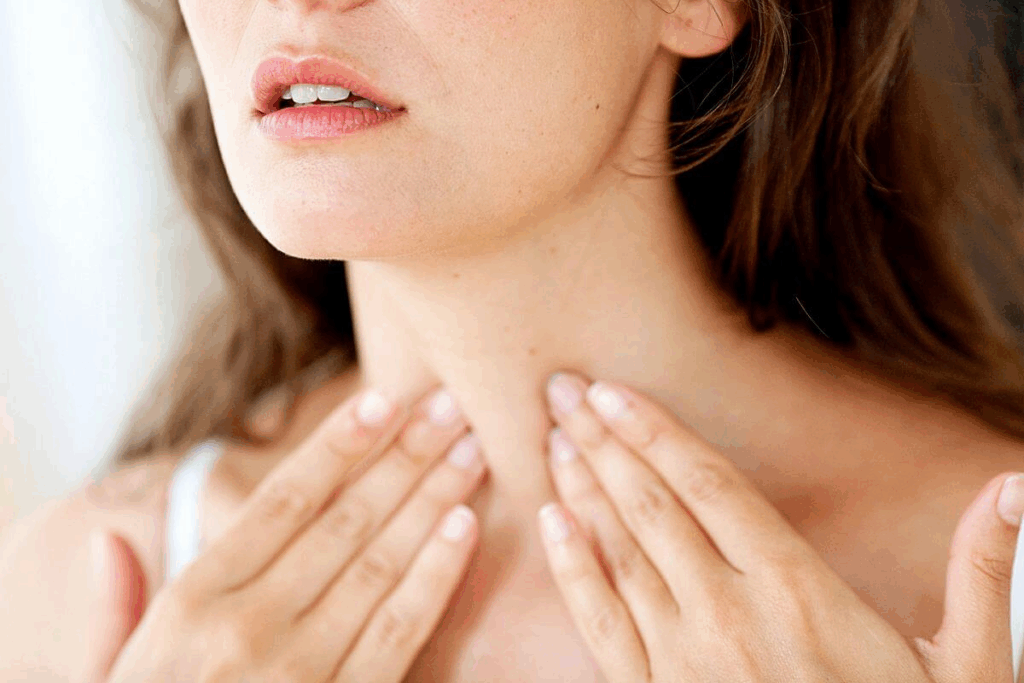
It’s important to know how the thyroid gland works to understand its role in growing up. The thyroid gland is in the neck and makes thyroid hormones. These hormones help control metabolism, growth, and development, which is key during the teenage years.
The Role of Thyroid Hormones in Adolescent Development
Thyroid hormones are vital for teenagers to grow and develop normally. They help control the metabolic rate and energy levels. During the teenage years, the body needs more thyroid hormones to support fast growth and development.
Any problem with thyroid hormone levels can cause health issues. These can affect both physical and emotional health.
Thyroid hormones also help the brain grow and mature. If they’re not balanced, it can make it hard for teens to do well in school and with friends.
How the Thyroid Affects Growth and Metabolism
The thyroid gland controls growth and metabolism by making thyroid hormones. These hormones are key for cell function and how the body uses energy. A healthy thyroid gland helps the body grow and develop properly.
An underactive thyroid gland (hypothyroidism) can slow down growth and development. On the other hand, an overactive thyroid gland (hyperthyroidism) can make the metabolism too fast. This can lead to weight loss and other problems. Both conditions need to be treated properly to help teens stay healthy.
Prevalence of Thyroid Disorders in Teenage Girls

Thyroid problems are quite common in teenage girls. It’s important to know how widespread they are to catch them early. Many adolescent girls face thyroid disorders, affecting their health and happiness.
Statistical Overview of Thyroid Problems in Adolescents
Research shows hyperthyroidism affects about 1 in 100 teens. Girls are 3 to 4 times more likely to have it than boys. This shows we need to watch thyroid health in teenage girls more closely.
Studies highlight the big issue of thyroid disorders in teens. Early diagnosis and treatment are key.
Why Girls Are More Susceptible Than Boys
Girls are more likely to get thyroid disorders for many reasons. Hormonal and genetic factors, along with autoimmune issues, are involved. Autoimmune thyroiditis, for example, hits girls harder, leading to more thyroid problems.
Healthcare providers must understand these risks to help at-risk girls. By knowing the gender-specific risks, we can manage thyroid disorders better. This improves their health in the long run.
What Are the Symptoms of Thyroid in Teenage Girls
It’s important for parents to know the signs of thyroid problems in teenage girls. These issues can really affect a teen’s life, both physically and emotionally.
Common Signs Parents Should Watch For
Parents are key in spotting early signs of thyroid issues in their teenage daughters. Look out for anxiety, weight changes, irregular periods, and heart rate problems. These signs can be easy to miss, as they might seem like normal teenage stuff or other health issues.
“The first signs of thyroid problems can be very subtle,” says Medical Expert, a pediatric endocrinologist. “But noticing changes in your daughter’s mood, appetite, or energy can help catch the problem early.”
Physical vs. Emotional Symptoms
Thyroid issues in teenage girls can show up in different ways. Physical signs might include weight changes, heart rate issues, and feeling really tired. Emotional symptoms can be mood swings, anxiety, or even depression.
- Physical symptoms:
- Weight changes
- Heart rate changes
- Fatigue
- Emotional symptoms:
- Mood swings
- Anxiety
- Depression
It’s important to remember that everyone’s symptoms can be different. Some girls might have both physical and emotional signs, while others might only have one.
Spotting these symptoms early can help get the right treatment. This can greatly improve the life of a teenage girl with thyroid issues.
Hyperthyroidism: Recognizing an Overactive Thyroid
Hyperthyroidism is when the thyroid gland makes too many hormones. This can really affect the health of teenage girls. It speeds up the body’s metabolism, causing many symptoms.
Anxiety and Mood Changes
Anxiety is a common sign of hyperthyroidism. Teenage girls might feel anxious or restless for no reason. These mood swings can be hard for everyone involved.
Weight Loss Despite Increased Appetite
Weight loss is another symptom, even when they eat more. The fast metabolism burns more calories. This can worry parents who see their daughter losing weight fast.
Heat Sensitivity and Sweating
Hyperthyroidism also makes people feel too hot and sweat a lot. Teenagers might feel hot even when it’s cool outside. This can make daily activities hard.
Rapid or Irregular Heartbeat
A fast or irregular heartbeat is a serious symptom. The extra hormones can mess with the heart. This can be scary and might need doctor’s help.
Spotting these signs early is key to treating hyperthyroidism. We’ll look at what causes it, how to diagnose it, and treatment options. This will help us understand how it affects teenage girls.
Graves’ Disease: The Leading Cause of Hyperthyroidism in Teens
Graves’ disease is the main reason for hyperthyroidism in teens. It affects their health and happiness. This autoimmune disease makes the thyroid gland produce too many hormones.
It’s the main cause of hyperthyroidism in kids, affecting mostly girls. This makes it a big health issue for teens.
Unique Symptoms of Graves’ Disease
Graves’ disease has symptoms similar to hyperthyroidism, like losing weight and having a fast heartbeat. But it also has unique signs. One key symptom is eye problems.
Eye problems can be mild or severe. They can include bulging eyes, double vision, and even vision loss. These issues can really affect a teen’s life and need quick medical help.
Eye Problems and Goiter Development
Another symptom of Graves’ disease is a goiter. This is when the thyroid gland gets bigger. It can make the neck swell and feel uncomfortable.
A goiter can also be seen and its size can vary. Treating these symptoms is key to helping teens with Graves’ disease feel better.
Knowing the unique symptoms of Graves’ disease is important for early diagnosis and treatment. This way, parents and doctors can give the right care and support to teens with this condition.
Impact of Hyperthyroidism on Menstrual Health
Hyperthyroidism can really mess with menstrual health in teenage girls. It leads to irregular periods and worries about fertility. This condition makes too much thyroid hormone, upsetting the balance of hormones needed for regular periods.
Irregular Periods and Fertility Concerns
Hyperthyroidism often causes irregular periods in teenage girls. They might see:
- Changes in menstrual cycle length
- Variations in menstrual flow, ranging from light to heavy bleeding
- Oligomenorrhea (infrequent periods) or amenorrhea (absence of periods)
These changes can really upset a girl’s mood and life quality. Also, if not treated, hyperthyroidism can mess with fertility. It can affect how often a girl ovulates and her reproductive health.
Long-term Reproductive Health Considerations
Untreated hyperthyroidism can have big effects on reproductive health later on. Girls with this condition might face:
- Prolonged menstrual irregularities
- Increased risk of osteoporosis due to hormonal imbalances
- Potential complications during pregnancy, should they become pregnant
It’s really important for girls with hyperthyroidism to get help early. This can help prevent long-term problems and keep reproductive health in check.
Knowing how hyperthyroidism affects menstrual health helps us support teenage girls better. We can help them manage their condition and stay healthy.
Hypothyroidism: Signs of an Underactive Thyroid
An underactive thyroid, or hypothyroidism, can show up in many ways in teenage girls. It can affect their body and mind. Knowing the signs is key to getting help early.
Fatigue and Energy Levels
One big sign of hypothyroidism is feeling very tired. Girls with this condition might feel exhausted, even after sleeping well. This can make it hard to do well in school or enjoy activities.
Weight Gain and Metabolism Changes
Hypothyroidism can cause weight gain because the body burns fewer calories. Girls might notice they’re getting heavier, even if they eat the same and exercise as usual. This can hurt their self-confidence.
Cold Sensitivity
Girls with hypothyroidism might feel cold, even when it’s not that chilly. This is because their thyroid isn’t making enough hormones. It makes it hard to keep warm.
Depression and Cognitive Issues
Hypothyroidism can also affect a girl’s mood, leading to depression. They might feel sad, hopeless, and lose interest in things they used to like. It can also make it hard to focus and remember things.
The table below lists the main symptoms of hypothyroidism in teenage girls:
Symptom | Description |
Fatigue | Persistent tiredness or sluggishness |
Weight Gain | Unexplained weight gain due to decreased metabolism |
Cold Sensitivity | Feeling cold even in mild temperatures |
Depression and Cognitive Issues | Symptoms of depression and difficulties with concentration and memory |
It’s important to know these symptoms to diagnose and treat hypothyroidism in teenage girls. Early treatment can greatly improve their life quality.
Hashimoto’s Thyroiditis in Teenage Girls
It’s important to know about Hashimoto’s thyroiditis to treat hypothyroidism in teen girls. This condition is an autoimmune disease. It happens when the immune system attacks the thyroid gland, causing inflammation and often hypothyroidism.
Autoimmune Factors and Family History
Hashimoto’s thyroiditis often runs in families. Teenage girls with a family history of thyroid issues are at higher risk. Autoimmune factors are key, and having other autoimmune diseases in the family increases the risk too.
Knowing about autoimmune diseases in the family is vital. Parents and doctors should watch for these signs in teenage girls. It helps in spotting health risks early.
Progressive Nature of Symptoms
Symptoms of Hashimoto’s thyroiditis can get worse over time. At first, the thyroid gland might swell. Later, it can cause hypothyroidism. Symptoms include tiredness, weight gain, feeling cold easily, and depression.
Early diagnosis is key to managing the condition. Knowing how Hashimoto’s thyroiditis progresses helps doctors treat teenage girls better. This way, they can improve their health and well-being.
How Thyroid Problems Affect Academic Performance
Thyroid disorders can deeply affect a teenager’s ability to focus and learn. Both hyperthyroidism and hypothyroidism can cause problems that hurt school performance.
Without proper management, thyroid issues can make it hard to concentrate, remember things, and think clearly. This is tough for teens, who already face a lot of school and activity demands.
Concentration and Memory Issues
Teenagers with thyroid problems may find it hard to concentrate and remember things. Hyperthyroidism can make them feel anxious and restless, making it hard to focus. Hypothyroidism can cause fatigue and make it hard to think clearly, affecting memory and learning.
These problems can really hurt a teen’s school grades. For example, a student with untreated hypothyroidism might find it hard to keep up with schoolwork. This can lead to lower grades and less confidence.
Strategies for School Success with Thyroid Disorders
But, there are ways for teens with thyroid disorders to do well in school. First, working closely with doctors is key. This might mean taking medicine, making lifestyle changes, or both.
Also, there are academic strategies that can help:
- Breaking down big tasks into smaller ones
- Using planners or apps to stay organized
- Getting extra help from teachers or tutors
- Creating a study space that helps you focus
Strategy | Benefit |
Task Segmentation | Reduces overwhelm and improves focus |
Organizational Tools | Helps keep track of assignments and deadlines |
Extra Academic Support | Provides additional guidance and understanding of complex topics |
Optimized Study Environment | Enhances concentration and productivity |
By using these strategies and talking to teachers, teens with thyroid disorders can overcome challenges. They can then succeed in school.
Diagnosis of Thyroid Disorders in Adolescents
Diagnosing thyroid disorders in teens involves several steps. We’ll look at the tools and methods used to spot thyroid issues in teenage girls.
Blood Tests and Laboratory Values
Blood tests are key in checking thyroid function. They measure hormones like TSH (Thyroid-Stimulating Hormone), T4 (Thyroxine), and T3 (Triiodothyronine). If these hormone levels are off, it could mean thyroid problems.
For example, high TSH levels might show hypothyroidism. Low TSH levels could point to hyperthyroidism. Tests for thyroid antibodies help diagnose conditions like Hashimoto’s thyroiditis.
Physical Examination and Medical History
A detailed physical exam is vital for spotting thyroid issues. We check for signs like goiter, skin and hair changes, and eye problems. A full medical history is also important. It helps us understand risk factors and past thyroid issues.
“A detailed medical history and physical examination are fundamental in diagnosing thyroid disorders and guiding further diagnostic testing.”
When to Consult an Endocrinologist
While family doctors can handle some thyroid cases, complex ones need an endocrinologist. We suggest seeing an endocrinologist if there are:
- Uncertain or abnormal thyroid test results
- Significant thyroid enlargement or nodules
- Complex or unclear diagnosis
An endocrinologist offers specialized care. They ensure teenage girls with thyroid issues get the right treatment and support.
Treatment Options for Teenage Girls with Thyroid Disorders
Treating thyroid disorders in teenage girls requires a mix of medication, lifestyle changes, and regular checks. This approach helps manage the condition well.
Every girl’s experience with thyroid issues is different. So, treatment must be tailored to fit each girl’s needs. “The key to successful treatment lies in tailoring the approach to the individual’s specific needs and circumstances,” say thyroid specialists.
Medication Management
Medicine is often the first step in treating thyroid disorders in teenage girls. For hypothyroidism, synthetic thyroid hormone is used to balance hormone levels. For hyperthyroidism, beta-blockers help control symptoms like a fast heartbeat and tremors. Sometimes, antithyroid medications are used to lower hormone production.
Effective medication management means regular blood tests to check hormone levels and adjust doses. It’s important for girls to stick to their medication and talk to their doctor about any issues or side effects.
Lifestyle Modifications
Changing your lifestyle is also key in managing thyroid disorders. Eating a balanced diet rich in iodine, selenium, and zinc helps the thyroid. Regular exercise can also help manage symptoms and improve health.
Girls with thyroid disorders should aim for a healthy lifestyle. This includes a balanced diet and regular exercise. “A healthy lifestyle can significantly impact the management of thyroid disorders,” says a healthcare provider.
Monitoring and Follow-up Care
Regular monitoring and follow-up care are vital for treating thyroid disorders in teenage girls. Visits to healthcare providers, including endocrinologists, help track hormone levels and adjust treatment plans.
Regular monitoring lets doctors catch any changes in hormone levels or symptoms early. This ensures girls with thyroid disorders get the care they need to manage their condition well.
Conclusion
Thyroid disorders in teenage girls are a big health issue. They need awareness, early detection, and the right care. These conditions can affect their physical health, emotional well-being, and school work.
Finding these problems early is key. It can greatly improve a teenager’s life. Knowing the signs, causes, and treatments helps parents support their kids.
Managing thyroid health is a team effort. It includes medicine, changes in lifestyle, and keeping an eye on health. We must make sure teenage girls get the care they need. This way, they can overcome thyroid challenges and grow well.
FAQ
What are the common symptoms of thyroid disorders in teenage girls?
Symptoms include weight changes, heart rate changes, and irregular periods. They also include anxiety, depression, and energy level changes.
How does hyperthyroidism affect menstrual health in teenage girls?
Hyperthyroidism can cause irregular periods and changes in menstrual flow. It can also affect fertility. If left untreated, it can harm reproductive health long-term.
What is Graves’ disease, and how does it relate to hyperthyroidism in teens?
Graves’ disease is an autoimmune condition that leads to hyperthyroidism in teens. It happens when the immune system attacks the thyroid gland, causing it to make too many hormones.
What are the symptoms of hypothyroidism in teenage girls?
Symptoms include fatigue, weight gain, and cold sensitivity. Depression and cognitive issues are also common.
How is Hashimoto’s thyroiditis related to hypothyroidism?
Hashimoto’s thyroiditis is an autoimmune condition that causes hypothyroidism. It’s more common in families with a history of thyroid disorders.
Can thyroid disorders affect academic performance in teenagers?
Yes, they can. Both hyperthyroidism and hypothyroidism can affect concentration, memory, and cognitive function. This can impact school performance.
How are thyroid disorders diagnosed in adolescents?
Diagnosis involves blood tests, physical exams, and a review of medical history. These help identify risk factors and previous thyroid issues.
What are the treatment options for teenage girls with thyroid disorders?
Treatment includes medication to balance hormone levels and lifestyle changes. Regular monitoring is also key to adjust treatment as needed.
What is the impact of untreated hyperthyroidism on reproductive health?
Untreated hyperthyroidism can harm reproductive health. It can lead to fertility issues and irregular periods.
Are thyroid disorders more common in teenage girls than boys?
Yes, hyperthyroidism is 3 to 4 times more common in girls than boys.
Can thyroid problems cause anxiety and mood changes in teenagers?
Yes, hyperthyroidism can cause anxiety and mood swings. Hypothyroidism can lead to depression and cognitive issues.
How can parents support their teenage girls with thyroid disorders?
Parents can be supportive by being aware of symptoms and ensuring timely medical care. They can also help with lifestyle changes and emotional support.
References
National Center for Biotechnology Information. Thyroid Symptoms in Adolescent Girls: A Guide for Parents. Retrieved from https://www.ncbi.nlm.nih.gov/pmc/articles/PMC5542743/