

Did you know that too much sperm volume, called hyperspermia, can mean health problems? It might also affect your ability to have kids. Even though more sperm is usually good, too much can be a bad sign the truth about prostate biopsy.
We’ll look into what hyperspermia is, why it happens, and how it affects fertility. Knowing about hyperspermia helps people deal with fertility issues and get the right medical help.
Key Takeaways
- Hyperspermia is a condition with too much sperm volume.
- Too much sperm can mean there’s a health issue.
- It can also mess with your ability to have kids.
- Knowing the causes and symptoms is key for finding and treating it.
- There are many ways to manage hyperspermia.
What is Hyperspermia?

Men who have more semen than usual during ejaculation should know about hyperspermia. It’s when you make too much semen, which can affect your fertility and health. This condition is different from having too little semen, known as oligospermia.
Definition and Overview
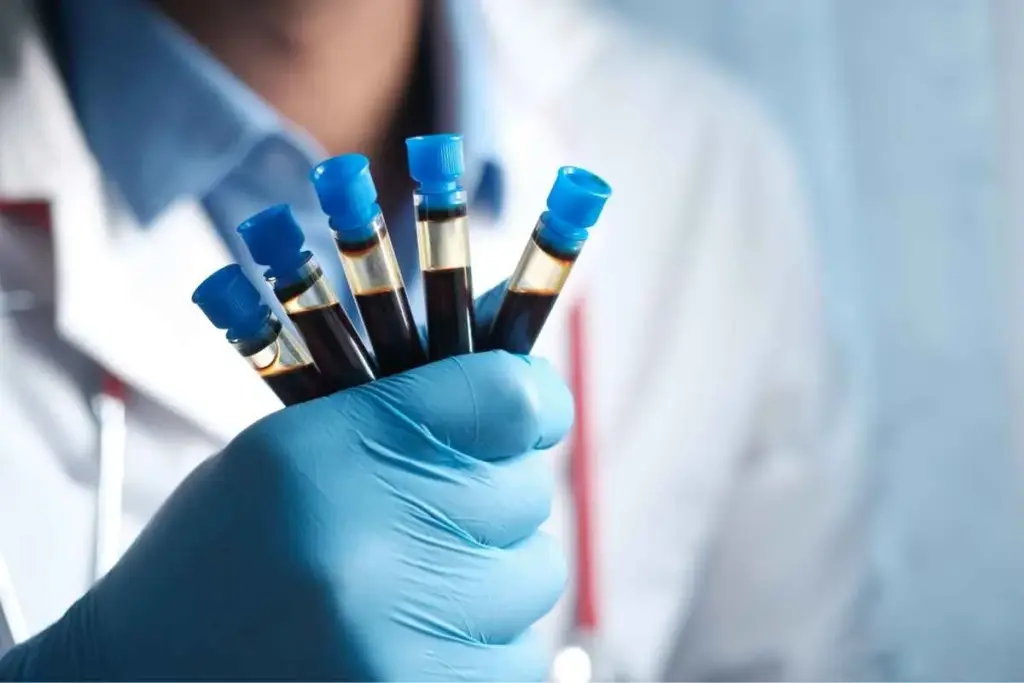
Hyperspermia means you make a lot of semen. It’s the opposite of oligospermia, where you have fewer sperm. While too few sperm can make it hard to get pregnant, too much semen’s effect is not as clear-cut. It depends on the quality of your sperm.
Men with hyperspermia might notice they have a lot more semen than others. The normal amount is between 1.5 and 5 milliliters. If you have more than that, it could be hyperspermia.
Common Symptoms
The main sign of hyperspermia is having a lot of semen. Some men might also feel pain or discomfort when they ejaculate because of the extra semen.
- Increased semen volume during ejaculation
- Potential discomfort or pain
- Possible impact on fertility, depending on sperm quality
How It Differs from Oligospermia
Hyperspermia and oligospermia are two different issues with semen. Oligospermia is when you have fewer sperm, while hyperspermia is when you have more semen. Here’s how they differ:
|
Condition |
Semen Volume |
Sperm Count |
Fertility Impact |
|---|---|---|---|
|
Hyperspermia |
Abnormally high |
Variable |
Dependent on sperm quality |
|
Oligospermia |
Normal or low |
Low |
Generally reduced fertility |
Knowing these differences helps doctors diagnose and treat fertility problems better.
Causes of Hyperspermia
Hyperspermia is caused by many factors. These include genetics, hormonal imbalances, and lifestyle choices.
Genetic Factors
Genetics can greatly affect hyperspermia. Some genetic conditions can lead to more sperm than usual. Men may inherit traits that affect their sperm count and quality.
Hormonal Influences
Hormones like testosterone and FSH are key in sperm production. An imbalance can cause too much sperm, leading to hyperspermia. We’ll look closer at how hormonal imbalances affect sperm production.
|
Hormone |
Role in Sperm Production |
Effect of Imbalance |
|---|---|---|
|
Testosterone |
Regulates sperm production and development |
Imbalance can lead to hyperspermia or hypospermia |
|
FSH |
Stimulates sperm production |
Elevated levels can contribute to hyperspermia |
Lifestyle and Environmental Factors
Lifestyle and environment also impact hyperspermia. Diet, stress, and toxins can affect sperm. A healthy diet and low stress can help, while toxins can harm.
Understanding hyperspermia requires looking at genetics, hormones, and lifestyle. This helps us grasp the full picture of this condition.
Signs and Symptoms of Hyperspermia
Hyperspermia shows clear signs and symptoms that men should know. Spotting these signs is key to understanding the condition and its effects.
Increased Semen Volume
One main symptom of hyperspermia is a lot of semen during ejaculation. Men might see their semen volume is way above average.
This high semen volume can worry men about their fertility and reproductive health.
Potential Discomfort or Pain
Men with hyperspermia might feel discomfort or pain during or after ejaculation. This pain can be mild or severe and is a concern.
It’s important to talk to a healthcare provider about any pain or discomfort. This helps rule out other health issues that need attention.
Fertility Considerations
Hyperspermia can affect fertility, making men question its impact on conceiving. Even though more semen might seem good, sperm quality is more important for fertility.
|
Symptom |
Description |
Potential Impact |
|---|---|---|
|
Increased Semen Volume |
Unusually high amount of semen during ejaculation |
May cause concern about fertility and reproductive health |
|
Discomfort or Pain |
Experienced during or after ejaculation |
Can be a source of distress and may require medical attention |
|
Fertility Concerns |
Impact on ability to conceive |
Sperm quality is a more significant factor than semen volume |
It’s vital for men to understand these signs and symptoms. This helps them address their concerns and get the right medical advice if needed.
Diagnosis of Hyperspermia
Diagnosing hyperspermia starts with a visit to a healthcare provider. This step is key to understanding your condition. It helps us figure out the best way to move forward.
Initial Consultation
The first step is talking to a healthcare provider. We’ll go over your medical history and symptoms. This helps us get a clear picture of your situation.
Semen Analysis Procedure
A semen analysis is a big part of diagnosing hyperspermia. This test checks sperm count, motility, and shape, as well as semen volume. It tells us if you have hyperspermia and gives insights into your reproductive health.
The semen analysis involves a few steps:
- Collecting a semen sample
- Checking sperm count and motility
- Looking at sperm shape
- Measuring semen volume
Other Diagnostic Tests
Other tests might be needed to find out what’s causing hyperspermia. These could include tests for hormones, genetic tests, and imaging studies. The tests we choose depend on your situation and what we find in your initial visit and semen analysis.
Here’s a table showing what’s involved in diagnosing hyperspermia:
|
Diagnostic Component |
Description |
Purpose |
|---|---|---|
|
Initial Consultation |
Discussion of medical history and symptoms |
Establish baseline understanding |
|
Semen Analysis |
Analysis of sperm count, motility, morphology, and semen volume |
Diagnose hyperspermia and assess reproductive health |
|
Hormonal Evaluations |
Assessment of hormone levels |
Identify hormonal imbalances |
|
Genetic Testing |
Analysis of genetic factors |
Identify genetic causes |
By using all these steps, we can fully understand your condition. Then, we can create a treatment plan that works for you.
The Impact of Hyperspermia on Fertility
Hyperspermia affects fertility by changing sperm quality and causing reproductive challenges. It’s when you have too much sperm. This can be good or bad for fertility.
Relationship with Sperm Quality
Sperm quality is key for fertility. A high sperm count is good, but hyperspermia can also mean other problems. These include:
- Reduced motility: Sperm may not move well towards the egg.
- Morphological issues: Sperm that are the wrong shape can’t fertilize the egg.
These issues are important when we look at how hyperspermia affects fertility.
Potential Challenges in Reproduction
Hyperspermia can help with fertilization because of the many sperm. But, it also brings challenges:
- Potential for oxidative stress, which can harm sperm DNA.
- Higher risk of genetic abnormalities because of more sperm.
- Possible hormonal imbalances that can affect reproductive health.
Treatment Options Available
There are many ways to tackle fertility issues with hyperspermia. These include:
- Medical interventions: Treatments to improve sperm quality and fix hormonal issues.
- Lifestyle changes: Changes in diet, exercise, and lifestyle to boost reproductive health.
- Counseling and support: Emotional support and guidance for those facing fertility challenges.
Understanding hyperspermia and fertility helps us tackle its challenges and benefits. Our aim is to offer full care and support to those with hyperspermia. We want to help them achieve the best reproductive health outcomes.
Treatment Approaches for Hyperspermia
Dealing with hyperspermia requires a mix of medical, lifestyle, and psychological support. The right treatment depends on the cause and what each person needs.
Medical Interventions
Medical treatments for hyperspermia include:
- Medications to fix hormonal issues or infections.
- Surgical options for anatomical problems.
Doctors usually suggest these after a detailed check-up.
Lifestyle Changes
Making lifestyle changes is key in managing hyperspermia. Some good changes are:
- Eating a balanced diet full of nutrients.
- Doing regular exercise to boost health.
- Staying away from excessive heat that harms sperm.
These steps can help improve reproductive health.
Counseling and Support
Counseling and support are important in treating hyperspermia. They help with the emotional side of the condition. We offer professional counseling and support groups.
What Time of Day is Sperm Strongest?
Circadian rhythms control sperm production and strength. Our body’s internal clock affects hormone levels and reproductive functions. Knowing how these rhythms impact sperm quality helps improve fertility.
Circadian Rhythms and Sperm Production
The body’s natural clock, or circadian rhythm, manages reproductive health. Sperm count, motility, and shape change throughout the day. This is due to hormone level changes and other processes controlled by the circadian rhythm.
Testosterone levels peak in the early morning. This can boost sperm production. This natural change may affect sperm quality throughout the day.
Best Times for Semen Analysis
The timing of semen analysis is key due to circadian rhythms’ impact. For the best results, semen analysis should be done when sperm quality is highest.
- Many fertility experts recommend collecting semen samples in the morning, shortly after waking. This is when sperm count and motility are usually best.
- Not ejaculating for 2-3 days before the test can also help get accurate results.
- Always follow the specific guidelines from the fertility clinic or healthcare provider.
Potential Implications for Fertility
Knowing the best time for sperm production and semen analysis is vital for fertility. Couples trying to conceive might want to time intercourse when sperm quality is highest.
Morning is often the best time for conception because of better sperm quality. But, remember, fertility is influenced by many factors, not just sperm strength.
Understanding the link between circadian rhythms and sperm production helps individuals and couples make better reproductive health choices. This can improve their chances of conception.
Hyperspermia and Emotional Well-Being
Understanding the emotional side of hyperspermia is key to helping those with this condition. Getting a diagnosis can change a person’s life, affecting both their body and mind.
Psychological Effects of Diagnosis
Getting a hyperspermia diagnosis can lead to many emotions. Some might feel anxious or stressed about fertility or how it might affect their relationships. Others might feel relieved to know what’s causing their symptoms.
It’s important to recognize and deal with these feelings. The emotional impact can be complex, involving:
- Anxiety and Stress: Worries about fertility, sex, or how hyperspermia might affect health.
- Relief: Having a diagnosis can be a big relief, helping people understand and manage their condition.
- Emotional Distress: Feelings of shame, embarrassment, or not being good enough because of the condition.
Importance of Support Systems
Support systems are vital for dealing with hyperspermia’s emotional side. Having people to talk to, join support groups, or just have understanding friends and family can help a lot. These networks offer emotional support, advice, and a sense of belonging, helping people deal with their diagnosis.
Effective support systems include:
- Professional Counseling: Therapists can help manage anxiety, stress, and other emotional challenges.
- Support Groups: Meeting others with similar experiences can offer comfort and useful advice.
- Family and Friends: A supportive network of loved ones can provide emotional support and make individuals feel less alone.
Resources for Mental Health
It’s important to have access to mental health resources for hyperspermia’s emotional impact. There are many resources available, like online counseling, mental health apps, and local support groups.
|
Resource Type |
Description |
Benefits |
|---|---|---|
|
Online Counseling |
Virtual access to licensed therapists |
Convenience, accessibility, and anonymity |
|
Mental Health Apps |
Mobile apps with mental health tools and resources |
Easy access to coping strategies, mood tracking, and support |
|
Local Support Groups |
In-person meetings with others facing similar challenges |
Community support, shared experiences, and practical advice |
By understanding the emotional side of hyperspermia and using available resources, people can better handle their diagnosis and improve their well-being.
Preventing Hyperspermia: Is It Possible?
Looking into preventing hyperspermia shows that lifestyle choices and health screenings are key. We can’t always stop hyperspermia, but we can manage its effects.
Healthy Lifestyle Choices
Living a healthy lifestyle is key for reproductive health. Eating well, staying active, and avoiding too much alcohol and smoking are important. These habits help your overall health and may improve sperm quality.
Stress management, like meditation or yoga, can also help. It keeps hormones balanced, which might lower hyperspermia risk. Avoiding toxins and keeping a healthy weight also affects reproductive health.
Regular Health Screenings
Regular health checks are important for spotting issues early. Semen analysis is a key test for spotting sperm problems. Early detection means doctors can suggest treatments or lifestyle changes.
Screenings for hormonal imbalances and other health issues help find hyperspermia causes. Talk to your doctor about how often you should get these checks.
Importance of Education and Awareness
Knowing about hyperspermia is vital for prevention and management. Understanding what causes it helps people make better choices for their reproductive health. Staying up-to-date with the latest research is important.
By spreading awareness, we can help people get the medical help they need. This could lower hyperspermia rates and its effects on fertility.
Future Research Directions on Hyperspermia
Looking ahead, research in reproductive health is key to understanding hyperspermia better. We aim to deliver top-notch healthcare worldwide. We also offer full support and guidance to our international patients.
Studying reproductive health will help us grasp hyperspermia’s causes and effects. This knowledge will lead to new treatments and better patient results. Future studies will explore new ways to diagnose and treat hyperspermia.
Advances in Studies
Research into reproductive health is vital for hyperspermia. It helps us find the root causes and develop specific treatments. This way, we can enhance patient care.
New Treatment Options
New treatments are on the horizon, thanks to ongoing research. By leading in reproductive health studies, we ensure patients get the best care.
Ongoing Education
Keeping up with the latest on hyperspermia is essential. Education for patients and healthcare providers is a top priority. This way, we can improve health outcomes and quality of life.
FAQ
What is hyperspermia?
Hyperspermia is when a man makes a lot of semen during ejaculation. This is more than usual.
How does hyperspermia differ from oligospermia?
Hyperspermia means a lot of semen, while oligospermia means a low sperm count. Knowing the difference helps in treating fertility issues.
What are the common symptoms of hyperspermia?
Symptoms include a lot of semen during ejaculation. Some people might also feel pain or discomfort.
What causes hyperspermia?
Causes include genetics, hormones, and lifestyle. Knowing these helps in finding the right treatment.
How is hyperspermia diagnosed?
First, see a healthcare provider. Then, a semen analysis is done. This checks sperm count and volume. More tests might be needed to find the cause.
Can hyperspermia affect fertility?
High sperm count can help with fertility. But, hyperspermia can also cause problems. We look at how it affects sperm quality and reproduction.
What are the treatment options for hyperspermia?
Treatments include medicine, lifestyle changes, and counseling. These help with fertility issues related to hyperspermia.
How can circadian rhythms affect sperm production?
Circadian rhythms can affect sperm production. Knowing the best times for semen analysis can improve fertility.
What is the importance of support systems for individuals with hyperspermia?
Getting a hyperspermia diagnosis can be tough emotionally. But, there are support systems and resources for mental health.
Can hyperspermia be prevented?
Preventing hyperspermia is hard. But, a healthy lifestyle and regular check-ups can help keep reproductive health good.
How can I produce more sperm or improve sperm consistency?
Eat well, exercise, and avoid heat or toxins. Supplements and medical treatments can also help. Always talk to a healthcare provider first.
Does ejaculating multiple times reduce sperm count?
Yes, frequent ejaculation can lower sperm count. But, sperm levels usually go back up in a few days. It can also affect sperm quality, depending on the person.
What are the signs of healthy sperm?
Healthy sperm have a normal count, move well, and look right. A normal semen volume and pH also indicate healthy sperm.
Are there any pills or supplements for hyperspermia?
Some supplements and treatments might help with hyperspermia. But, always talk to a healthcare provider before trying anything.
Why do I experience excessive cum or hyperspermia cum?
Excessive cum can be due to genetics, hormones, or lifestyle. A healthcare provider can help find the cause.
What is hyper spermia, and how does it relate to hyperspermia?
Hyper spermia is another name for hyperspermia. It means having a lot of semen during ejaculation. Both terms mean the same thing.
References
World Health Organization. Evidence-Based Medical Insight. Retrieved from https://www.who.int/publications/i/item/9789241547789



 Departments
 Related Videos
 Our Doctors
 News
News