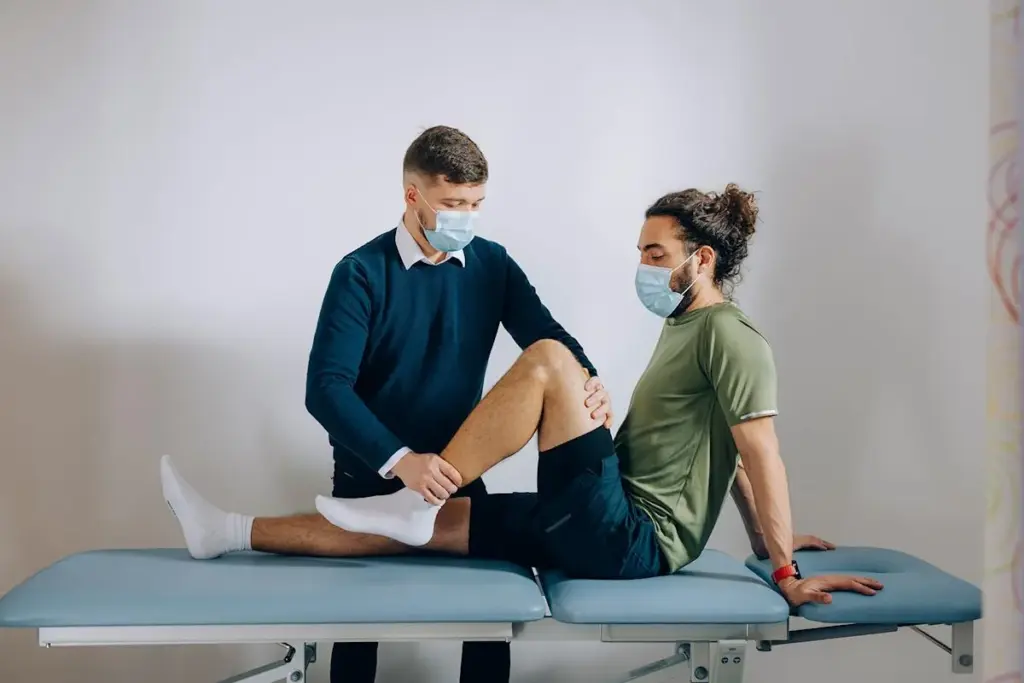
Osteoarthritis is a big problem worldwide, causing a lot of pain and disability. Did you know that over 32.5 million adults in the United States alone are diagnosed with osteoarthritis? This condition affects many people and also puts a big strain on healthcare systems. So, finding good ways to manage osteoarthritis is very important.
We believe in a holistic approach to osteoarthritis therapy. This means using different treatments to help patients get better. Physical therapists are key in this effort. They use physical therapy for osteoarthritis to help patients deal with their symptoms and stay mobile.
Key Takeaways
- Osteoarthritis is a common condition affecting millions worldwide.
- Effective management strategies are key to better patient outcomes.
- Physical therapists are essential in treating osteoarthritis.
- A holistic approach to therapy uses many treatments.
- Physical therapy helps patients manage symptoms and stay mobile.
Understanding Osteoarthritis: The Foundation of Treatment
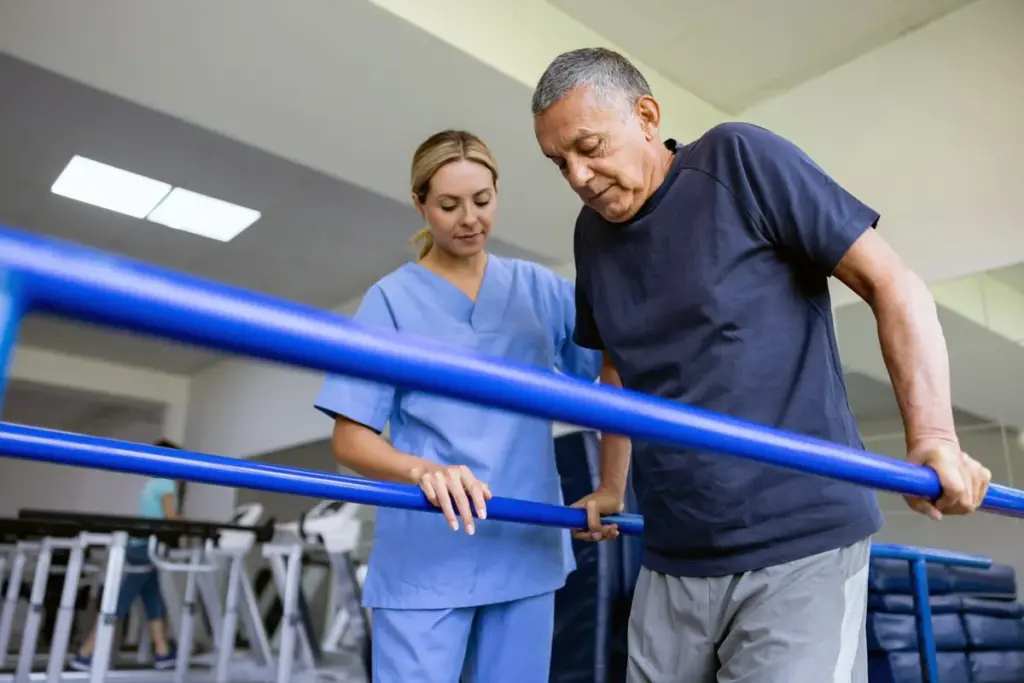
To manage osteoarthritis well, knowing its details is key. It’s a condition where joints wear down, causing pain and stiffness. This usually happens in the hands, knees, hips, and spine.
Pathophysiology of Osteoarthritis
Osteoarthritis is complex, involving many factors. Cartilage degradation is a main issue, caused by an imbalance in cartilage growth and breakdown. This imbalance is influenced by inflammatory mediators and mechanical stress. Knowing these factors helps in creating better treatments.
Common Symptoms and Their Impact on Daily Life
Osteoarthritis symptoms can really affect your life. You might feel pain, stiffness, and have trouble moving. These issues can make simple tasks hard, like walking or getting dressed.
The pain can also affect your mood, leading to depression and anxiety. This makes managing osteoarthritis even harder.
Risk Factors and Disease Progression
Several factors can increase your risk of getting osteoarthritis. These include age, obesity, previous joint injuries, and genetic predisposition. Knowing these helps in early treatment.
The disease gets worse over time, with joints getting smaller and bones changing. Joint space narrowing, osteophyte formation, and subchondral sclerosis are signs of this. Keeping track of these changes helps in adjusting treatments.
Understanding osteoarthritis fully helps doctors create better treatment plans. These plans are made to fit each patient’s needs.
The Physical Therapist’s Role in Osteoarthritis Management
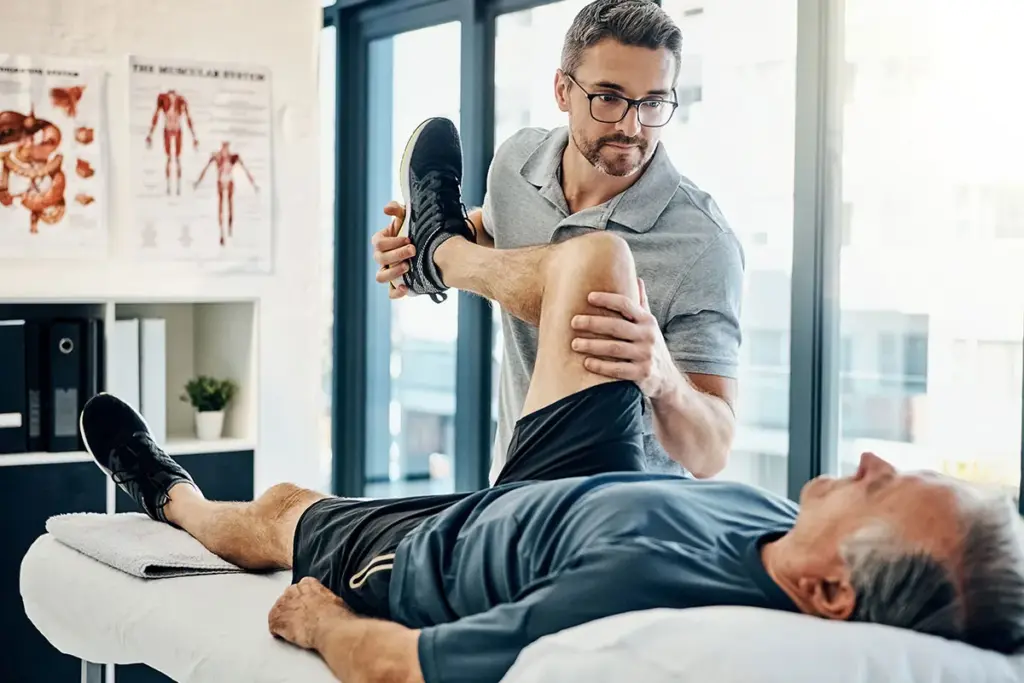
Physical therapists are key in managing osteoarthritis, a common condition. We focus on movement and function, helping patients with osteoarthritis.
Scope of Practice in Osteoarthritis Care
Our role in osteoarthritis care is wide-ranging. We check how patients move and find what limits them. Then, we create plans to boost mobility and cut pain.
We design exercises, use manual therapy, and teach patients how to manage their condition. This helps them move better and feel less pain.
Key components of our scope of practice include:
- Comprehensive assessment and evaluation
- Personalized exercise prescription
- Manual therapy techniques
- Patient education on joint protection and self-management
Educational Requirements and Specializations
To be a physical therapist, you need a Doctor of Physical Therapy (DPT) degree and a license. Many also get extra training in orthopedics or rheumatology. This helps them handle complex cases like osteoarthritis better.
Specializations include:
- Orthopedic manual physical therapy
- Rheumatology physical therapy
- Geriatric physical therapy
The Multidisciplinary Approach
Managing osteoarthritis works best with a team effort. Physical therapists team up with rheumatologists, orthopedic surgeons, and primary care doctors. This team approach covers all aspects of the condition.
Together, we create a complete treatment plan. This improves patient outcomes and quality of life.
Initial Assessment and Evaluation Techniques
The start of osteoarthritis care is all about thorough initial assessments and evaluation techniques. We know that a correct diagnosis and treatment plan start with knowing the patient’s condition well.
Comprehensive Patient History Taking
Getting a detailed patient history is key. We learn about the patient’s symptoms, medical history, and lifestyle. We find out when symptoms started, what treatments they’ve tried, and how osteoarthritis affects their daily life.
Physical Examination Methods
Physical exams are a big part of the initial assessment. We use methods like palpation, range of motion tests, and strength checks. These help us see how the affected joints and tissues are doing.
Functional Assessment Tools
Functional assessment tools help us see how well patients can do daily tasks and physical activities. We use tools like the Western Ontario and McMaster Universities Osteoarthritis Index (WOMAC). These tools help us measure pain, stiffness, and how well patients can function.
Diagnostic Imaging Interpretation
Diagnostic imaging, like X-rays and MRI, gives us important info on joint damage and disease progress. We look at these images to help decide on treatments and see if they’re working.
|
Assessment Component |
Description |
Clinical Utility |
|---|---|---|
|
Patient History |
Detailed questioning about symptoms, medical history, and lifestyle |
Informs diagnosis and treatment planning |
|
Physical Examination |
Palpation, range of motion, strength assessment |
Evaluates joint and surrounding tissue status |
|
Functional Assessment |
Standardized tools (e.g., WOMAC) |
Assesses pain, stiffness, and functional ability |
|
Diagnostic Imaging |
X-rays, MRI |
Informs treatment decisions and monitors disease progression |
Therapy for Osteoarthritis: Evidence-Based Approaches
Osteoarthritis management has changed a lot. Now, we use evidence-based methods in physical therapy. This lets us tailor treatments to each patient’s needs.
Current Clinical Guidelines
Guidelines for osteoarthritis management now include both medicine and non-medicine treatments. Physical therapy is often the first choice because it works well to improve function and lessen pain.
Effectiveness of Physical Therapy Interventions
Studies show that physical therapy helps a lot with osteoarthritis. It includes exercises, manual therapy, and using heat or cold. Exercise, in particular, helps a lot by making joints work better and reducing pain.
Personalized Treatment Planning
Personalized plans are key in treating osteoarthritis. Physical therapists work with patients to create special exercise programs. This approach helps patients get better and stick to their treatment plans.
- Assessment of patient goals and preferences
- Development of a customized exercise program
- Regular review and adjustment of the treatment plan
Cost-Effectiveness of Physical Therapy
Physical therapy for osteoarthritis is cost-effective. It can avoid the need for surgery and medicine, saving money. It also makes life better for people with osteoarthritis by improving function and reducing pain.
By using evidence-based practices, physical therapists can give top-notch care. They meet the complex needs of people with osteoarthritis.
Exercise Prescription for Osteoarthritis
Exercise is key in managing osteoarthritis. It brings many benefits that make life better for those with the condition. A good exercise plan can lessen pain, improve joint movement, and boost overall health.
Strengthening Exercises
Strengthening exercises are vital for osteoarthritis patients. They help build muscle around the joints, which reduces pain and boosts function. Resistance training is a main part, done with weights, bands, or bodyweight exercises.
For knee osteoarthritis, squats, lunges, and leg press are good. Start with light weights and slowly increase as you get stronger.
Range of Motion and Flexibility Training
Range of motion exercises keep joints flexible, reducing stiffness and improving movement. Gentle stretching is often suggested, tailored to the joint in question.
Flexibility training also boosts mobility. Yoga or tai chi are great because they mix stretching with relaxation.
Aerobic Conditioning
Aerobic exercises are essential for heart health and fitness. For osteoarthritis, low-impact activities like swimming, cycling, or brisk walking are best. They’re easy on the joints.
These exercises help manage weight, which is important for joint health. They also improve mood and reduce tiredness.
Aquatic Therapy Benefits
Aquatic therapy, or hydrotherapy, is done in water. Water’s buoyancy is gentle on joints, making it perfect for those with osteoarthritis, mainly in the lower limbs or hips.
The warm water also relaxes muscles and eases pain. Aquatic therapy can include walking in water or more complex exercises and stretches.
|
Exercise Type |
Benefits |
Examples |
|---|---|---|
|
Strengthening Exercises |
Improves muscle strength, reduces pain |
Squats, lunges, leg press |
|
Range of Motion and Flexibility Training |
Enhances flexibility, reduces stiffness |
Gentle stretching, yoga, tai chi |
|
Aerobic Conditioning |
Improves cardiovascular health, aids in weight management |
Swimming, cycling, brisk walking |
|
Aquatic Therapy |
Reduces joint impact, relaxes muscles |
Walking in water, aquatic exercises |
Joint-Specific Treatment Approaches
Managing osteoarthritis well means understanding the unique needs of each joint. Osteoarthritis affects different joints in various ways. So, a single treatment plan doesn’t work for everyone.
Each joint needs its own treatment plan. This is because osteoarthritis affects joints differently. We’ll look at treatments for the knee, hip, hand, wrist, and spine.
Knee Osteoarthritis Interventions
Knee osteoarthritis is common and can really hurt your mobility and life quality. To help, exercises that strengthen the quadriceps and hamstrings are key. They make the knee more stable and reduce pain.
Other treatments include knee braces, orthotics, and devices like canes. Sometimes, injections or surgery are needed.
|
Treatment Approach |
Description |
Benefits |
|---|---|---|
|
Strengthening Exercises |
Targeted exercises for quadriceps and hamstring muscles |
Improved joint stability, reduced pain |
|
Knee Bracing |
Use of braces to support the knee joint |
Reduced stress on the knee, improved stability |
|
Orthotics and Assistive Devices |
Use of orthotics, canes, or walkers |
Alleviated stress on the knee, improved mobility |
Hip Osteoarthritis Management
Hip osteoarthritis can cause a lot of pain and make it hard to move. To manage it, exercises that strengthen the hip are important. So are exercises that keep the joint moving well.
Manual therapy, like joint mobilization, can also help. In severe cases, a hip replacement might be needed.
“Exercise and physical therapy are key in managing hip osteoarthritis. They help keep the joint moving and reduce pain.”- A leading orthopedic journal
Hand and Wrist Osteoarthritis Techniques
Osteoarthritis in the hand and wrist can make everyday tasks hard. It causes pain and makes it hard to move. To treat it, exercises that keep the joints moving and strengthen the hand and forearm muscles are important.
Using adaptive equipment and orthotics can also help. Sometimes, corticosteroid injections are recommended to reduce pain and inflammation.
Spine Osteoarthritis Considerations
Spine osteoarthritis can affect the neck, middle back, or lower back. It can cause pain, stiffness, and make it hard to move. Treatment includes exercises to improve flexibility and strength, and manual therapy.
Bracing may also be suggested to support the spine. It’s important to treat any other conditions, like spinal stenosis or spondylolisthesis, too.
By focusing on each joint’s needs, healthcare providers can give better care. This improves patient outcomes and quality of life.
Manual Therapy Techniques
Manual therapy techniques are key in managing osteoarthritis. They offer relief and improve function. Skilled physical therapists use these techniques to enhance life quality for those with osteoarthritis.
Joint Mobilization
Joint mobilization enhances joint mobility while alleviating pain and stiffness. Physical therapists apply controlled forces to the joint. This restores normal movement, improving function and reducing discomfort.
The benefits of joint mobilization include:
- Improved joint range of motion
- Reduced pain and stiffness
- Enhanced functional ability
Soft Tissue Mobilization
Soft tissue mobilization manipulates muscles, tendons, and ligaments to improve function and reduce tension. It helps alleviate pain and stiffness from osteoarthritis.
The advantages of soft tissue mobilization are:
- Reduced muscle tension
- Improved tissue extensibility
- Enhanced overall mobility
Massage and Myofascial Release
Massage and myofascial release target the fascia and muscles to reduce tension and improve circulation. These techniques manage pain and improve function in osteoarthritis patients.
Some benefits of massage and myofascial release include:
- Reduced pain and inflammation
- Improved range of motion
- Enhanced overall well-being
Manual Traction Approaches
Manual traction applies a gentle, sustained pull to the spine or a specific joint. It improves mobility and reduces pain. This technique benefits patients with osteoarthritis affecting the spine or other joints.
A comparison of the different manual therapy techniques is provided in the table below:
|
Therapy Technique |
Primary Benefit |
Target Area |
|---|---|---|
|
Joint Mobilization |
Improved joint mobility |
Joints |
|
Soft Tissue Mobilization |
Reduced muscle tension |
Soft tissues (muscles, tendons, ligaments) |
|
Massage and Myofascial Release |
Reduced pain and inflammation |
Fascia and muscles |
|
Manual Traction |
Improved spinal or joint mobility |
Spine or specific joints |
By adding these manual therapy techniques to a treatment plan, physical therapists help patients with osteoarthritis. They see significant improvements in pain, function, and quality of life.
Pain Management Strategies
Pain management is key for those with osteoarthritis. It makes life better. Different methods are used, based on what each person needs.
Physical Modalities (Heat, Cold, Ultrasound)
Physical methods are common for osteoarthritis pain. They include heat, cold, and ultrasound therapy.
Heat therapy relaxes muscles and boosts blood flow. This reduces pain and stiffness. Cold therapy, on the other hand, cuts down inflammation and numbs pain.
Ultrasound therapy uses sound waves to heal tissues. It also reduces pain and swelling.
Electrotherapy Options
Electrotherapy is another good way to manage osteoarthritis pain. It includes different electrical treatments.
Electrotherapy can be used with other treatments. This makes them work better together.
TENS and Other Electrical Stimulation
Transcutaneous Electrical Nerve Stimulation (TENS) is a well-known electrotherapy method. It sends electrical impulses to nerves. This stops or blocks pain signals to the brain.
Other electrical treatments, like interferential current therapy, also help with osteoarthritis pain.
Integration with Pharmacological Approaches
Managing osteoarthritis pain often combines physical therapy and medicine.
Doctors often prescribe NSAIDs and analgesics. These help with pain and swelling.
|
Treatment |
Description |
Benefits |
|---|---|---|
|
Heat Therapy |
Application of heat to relax muscles and increase blood flow |
Reduces pain and stiffness |
|
Cold Therapy |
Application of cold to reduce inflammation and numb pain |
Reduces inflammation and pain |
|
Ultrasound Therapy |
Use of high-frequency sound waves to promote tissue repair |
Reduces pain and inflammation, promotes healing |
|
TENS |
Electrical stimulation to interrupt pain signals to the brain |
Effective pain relief |
By combining these strategies, healthcare providers can give better care. This improves the lives of osteoarthritis patients.
Assistive Devices and Bracing
Managing osteoarthritis often means using assistive devices and bracing. These tools help ease symptoms and improve life quality. Assistive devices are key to better patient outcomes.
Joint Unloading Techniques
Joint unloading techniques reduce stress on osteoarthritis-affected joints. Canes and walkers are common tools. They lessen the load on hips and knees. It’s important to fit and use them correctly.
Proper Cane and Walker Use
Using canes and walkers right is key to their benefits. Hold a cane in the hand opposite the affected joint for better weight distribution. Adjust walker height for proper posture and avoid back and shoulder strain.
“The proper use of assistive devices like canes and walkers can significantly enhance the mobility and independence of individuals with osteoarthritis.”
Orthotic Considerations
Orthotics are vital in managing osteoarthritis. Custom orthotics correct biomechanical issues, reduce pain, and improve function. For example, shoe orthotics redistribute pressure, easing pain in feet, ankles, and knees.
|
Type of Orthotic |
Benefit |
Common Use |
|---|---|---|
|
Shoe Orthotics |
Redistributes pressure, alleviates pain |
Foot, ankle, and knee osteoarthritis |
|
Knee Braces |
Provides support, stability |
Knee osteoarthritis |
|
Wrist Splints |
Immobilizes, reduces pain |
Wrist osteoarthritis |
Adaptive Equipment for Activities of Daily Living
Adaptive equipment helps people with osteoarthritis do daily tasks. Tools like reachers, grabbers, and dressing aids reduce joint strain. They make dressing, cooking, and bathing easier.
Using assistive devices and bracing can improve function and reduce pain for those with osteoarthritis. Healthcare providers should assess the need for these tools and teach patients how to use them.
Telehealth and Virtual Physical Therapy
Telehealth is becoming key in managing osteoarthritis. It lets physical therapists offer care from afar. This care is both easy to get and tailored to each person.
Remote Assessment Techniques
Remote assessment lets physical therapists check on patients online. This includes:
- Video calls to see how patients move and function
- Surveys to track symptoms and how well they’re doing
- Watching how well patients stick to their exercise plans
These methods help therapists make quick changes to treatment plans. This keeps patients getting the care they need.
Virtual Exercise Supervision
Virtual exercise supervision is a big part of telehealth for osteoarthritis. Physical therapists can:
- Lead patients through exercises live on video calls
- Give tips on how to do exercises right
- Change exercise plans based on how patients are doing
This helps patients stay on track with their exercises. It’s key for managing osteoarthritis well.
Technology Tools for Home Monitoring
There are many tech tools for monitoring at home. These include:
- Wearable devices to track activity and movement
- Mobile apps for logging symptoms and meds
- Telehealth platforms for safe talking and sharing data
These tools help patients be more involved in their care. They also give therapists important data for making treatment choices.
Effectiveness of Virtual Care for Osteoarthritis
Studies show virtual care for osteoarthritis works well. It offers:
- Easier access to care, great for those in rural areas or hard to reach places
- More satisfied patients because care is tailored and easy to get
- Results as good as seeing a therapist in person
By using telehealth and virtual physical therapy, we can help more people with osteoarthritis. This can make a big difference in their lives.
Patient Education and Self-Management
Patient education is key in managing osteoarthritis. It helps people take charge of their health. By learning about their condition and how to manage it, they can live better lives.
Joint Protection Principles
Protecting joints is vital in osteoarthritis care. It means using methods to lessen joint stress. This can help avoid pain and damage.
Simple steps like using aids, improving posture, and avoiding repetitive actions can help a lot.
- Using ergonomic furniture and tools to reduce strain on joints.
- Avoiding heavy lifting and bending.
- Distributing loads evenly, for example, by using a backpack instead of carrying bags in one hand.
Activity Modification Strategies
Changing how we do things is important when living with osteoarthritis. It’s about finding ways to do tasks that don’t hurt our joints as much.
- Breaking down larger tasks into smaller, manageable chunks to avoid fatigue.
- Substituting high-impact activities with low-impact alternatives, such as swimming or cycling.
- Using adaptive equipment to facilitate daily activities.
Pacing Techniques
Pacing is about finding a balance between doing things and resting. It helps people with osteoarthritis stay active and enjoy life.
Pacing techniques include:
- Alternating between activity and rest periods.
- Prioritizing tasks based on importance and energy levels.
- Learning to say “no” to tasks that are too demanding.
Flare-Up Management
Even with good care, flare-ups can happen. Knowing how to handle them is important. This means knowing the signs, when to rest, and how to manage pain.
Effective flare-up management involves:
- Applying heat or cold therapy as needed.
- Adjusting activity levels.
- Seeking professional advice if flare-ups are severe or persistent.
By using these strategies every day, people with osteoarthritis can manage their condition better. They can reduce pain and keep their ability to function.
Home Exercise Programs and Adherence
For those with osteoarthritis, a good home exercise program can really help. It lets them manage their condition better. Home exercises are key in taking care of osteoarthritis.
Designing Effective Home Programs
Creating a good home exercise program needs careful thought. It must fit the person’s needs and abilities. This means looking at their current health, pain, and any physical limits.
Key Components of Effective Home Exercise Programs:
- Exercises that improve joint mobility and strength
- Aerobic conditioning to enhance overall health
- Flexibility and stretching exercises to maintain range of motion
- Functional activities to improve daily living skills
Monitoring and Progression
It’s important to keep checking and updating the home exercise program. This helps avoid getting stuck and keeps progress going. Regular meetings with a physical therapist help a lot.
|
Monitoring Method |
Description |
Benefits |
|---|---|---|
|
In-person visits |
Regular visits to a physical therapist for assessment and adjustment of the home exercise program. |
Hands-on assessment, immediate feedback, and adjustments. |
|
Telehealth |
Remote monitoring and guidance through digital platforms. |
Convenience, increased accessibility, and reduced costs. |
|
Patient logs |
Patients record their exercise adherence and any symptoms or concerns. |
Encourages patient engagement, provides valuable feedback. |
Technology-Assisted Home Exercise
Technology has made it easier to create and manage home exercise programs. Apps, wearables, and online tools help guide and track progress. They also offer support and motivation.
Strategies to Improve Compliance
Getting people to stick to their home exercise programs is key. Setting realistic goals and explaining the benefits of exercise helps. Making the program fun also boosts adherence.
Strategies for Improving Adherence:
- Set clear, achievable goals with the patient.
- Educate patients on the benefits of their specific exercises.
- Encourage patient feedback and adjust the program as needed.
- Use technology to track progress and provide reminders.
Real-World Success Stories and Case Examples
Understanding osteoarthritis treatment is easier with real success stories. These examples show us the best ways to manage the disease. They also show how these methods improve patients’ lives.
Early Intervention Cases
Early action is key in fighting osteoarthritis. We’ve seen how quick physical therapy and lifestyle changes can slow the disease. For example, a 55-year-old with knee osteoarthritis stayed active and felt less pain with a special exercise plan and joint care.
Delaying treatment is not wise. Early treatment helps avoid worse symptoms and keeps patients’ quality of life high.
Advanced Osteoarthritis Management
For severe osteoarthritis, a team effort is needed. This might include physical therapy, medicine, and surgery. Patients who get all-around care, including before and after surgery rehab, do better.
A patient with severe hip osteoarthritis got a care plan that included therapy, pain control, and surgery. Then, they had a rehab program. This helped them move better and feel less pain.
Pre and Post-Surgical Rehabilitation
Rehab is key for osteoarthritis, even with surgery. It gets patients ready for recovery before surgery and helps them regain strength and mobility after.
A patient who had knee surgery was back to normal faster thanks to a good rehab plan. They felt less pain too.
Long-Term Management Success
Managing osteoarthritis long-term means making lifestyle changes and sticking to physical therapy. Regular exercise, managing weight, and healthy habits lead to lasting benefits.
A patient with hand osteoarthritis kept their hands working well and felt less pain for years. They did exercises, protected their joints, and used special tools.
These stories show how to manage osteoarthritis well. It’s all about early action, complete care, and a long-term commitment to health.
Conclusion: The Vital Role of Physical Therapy in Osteoarthritis Care
Managing osteoarthritis well needs a complete therapy plan, and physical therapy is key. We’ve seen how different parts of care work together, from first checks to ongoing plans.
Physical therapy is very important for osteoarthritis care. It offers custom treatment plans, exercises, and hands-on therapy. These help reduce pain and improve how well people can move and live their lives.
Adding physical therapy to osteoarthritis care helps cut down on medicines and surgeries. This method is backed by studies and guidelines that show physical therapy works well.
As physical therapy keeps getting better, it’s clear it’s a big part of caring for osteoarthritis patients. Teaching patients how to manage their condition and doing exercises at home helps them be more involved in their care.
FAQ
What is osteoarthritis and how is it managed?
Osteoarthritis is a disease where the cartilage in joints breaks down. It causes inflammation. To manage it, people use physical therapy, exercise, and pain relief. They also make lifestyle changes.
How do physical therapists help patients with osteoarthritis?
Physical therapists help by creating custom exercise plans. They use manual therapy and pain management. This improves joint function and lessens symptoms.
What types of exercises are beneficial for osteoarthritis?
Good exercises for osteoarthritis include strengthening and flexibility training. Aerobic exercises and aquatic therapy are also helpful. They improve joint mobility and strength.
Can physical therapy help reduce osteoarthritis pain?
Yes, physical therapy can reduce pain. It uses manual therapy, physical modalities, and electrotherapy. It also includes exercises tailored to the individual.
How do physical therapists assess and evaluate osteoarthritis?
Physical therapists assess osteoarthritis through patient history and physical exams. They use functional assessment tools and imaging. This helps them create a treatment plan.
What is the role of assistive devices in osteoarthritis management?
Assistive devices like canes and walkers are key in managing osteoarthritis. They reduce joint stress and improve mobility. This enhances overall function.
Can telehealth and virtual physical therapy be effective for osteoarthritis management?
Yes, telehealth and virtual physical therapy are effective. They offer remote assessments and virtual exercise supervision. They also use technology for home monitoring.
How can patients with osteoarthritis manage flare-ups?
Patients can manage flare-ups by modifying activities and using pain management strategies. Pacing techniques also help reduce symptoms and improve well-being.
What is the importance of patient education in osteoarthritis management?
Patient education is vital in managing osteoarthritis. It empowers individuals to manage their care. They learn about joint protection, activity modification, and self-management.
How can home exercise programs be designed for osteoarthritis?
Home exercise programs for osteoarthritis should be tailored to the individual. They should monitor progress and use technology. This improves adherence and effectiveness.
New England Journal of Medicine. Evidence-Based Medical Insight. Retrieved from https://www.nejm.org/doi/full/10.1056/NEJMoa1605462