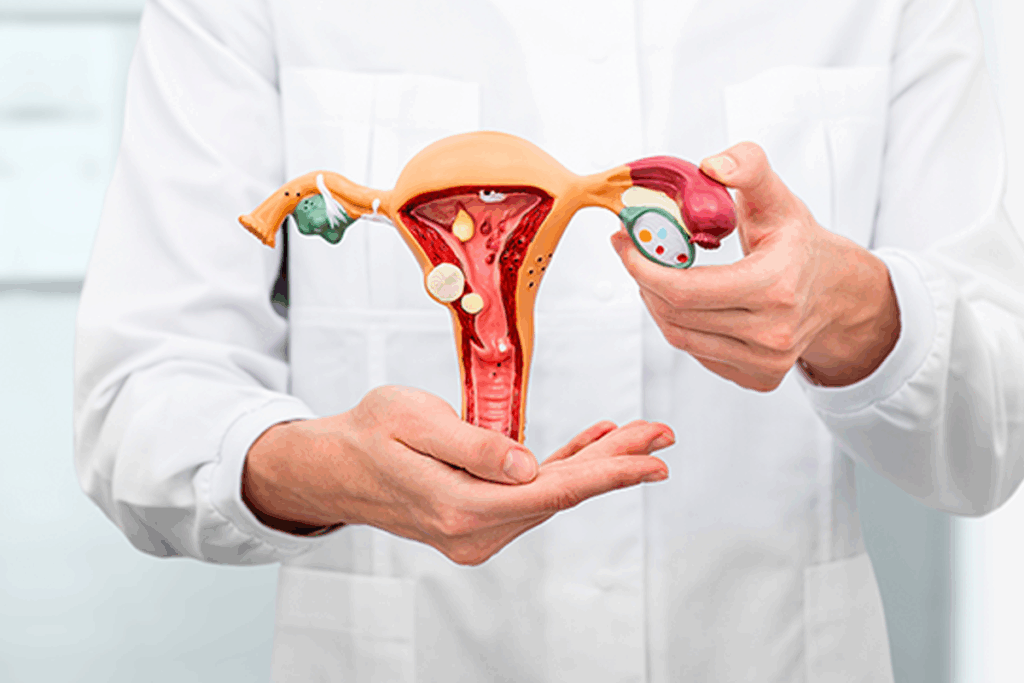
A thick endometrial lining, also known as endometrial hyperplasia, is when the endometrium gets too thick. This is seen on ultrasound. The endometrium changes with the menstrual cycle, thanks to hormones. What does a thick endometrial lining mean? This essential guide explains the alarming, critical causes and vital next steps you must take.
Seeing a thickened uterine lining on an ultrasound is a big deal. It could mean many things, from normal hormonal changes to serious health issues. Even cancer risk is a possibility.
At Liv Hospital, our team uses the latest imaging and care to understand these findings. We make sure you get the best diagnosis and care possible.
Key Takeaways
- Abnormal thickening of the endometrium can indicate various health issues.
- Hormonal imbalances can cause a thickened uterine lining.
- A thick endometrial lining may increase cancer risk.
- Advanced imaging protocols help in accurate diagnosis.
- Patient-centered care is key for complete treatment.
Understanding the Endometrial Lining

The endometrium, or uterine lining, changes a lot during a woman’s menstrual cycle. It’s key for reproductive health and helps with fertility. It’s also important for overall well-being.
Structure and Function of the Endometrium
The endometrium has two layers: the basal and the functional. The basal layer is deeper and stays the same. It helps grow the functional layer back. The functional layer gets thicker and ready for an embryo. If there’s no pregnancy, it sheds during menstruation.
Normal Cyclical Changes Throughout the Menstrual Cycle
The endometrium changes a lot during the menstrual cycle. In the proliferative phase, it gets thicker because of estrogen. After ovulation, progesterone makes it even more ready for an embryo.
Role of Estrogen and Progesterone in Endometrial Regulation
Estrogen and progesterone control the endometrial cycle. Estrogen makes the endometrium thicker in the first half of the cycle. Progesterone comes after ovulation and makes it ready for an embryo. If these hormones are off balance, the endometrium might not work right.
It’s important to understand how the endometrial lining works. This helps us see its role in reproductive health. It also helps us spot problems with its thickness and function.
Normal Endometrial Thickness Measurements

Normal endometrial thickness is a key sign of reproductive health in women. The thickness changes a lot during the menstrual cycle. This is because of changes in hormones.
Thickness Variations During Different Menstrual Cycle Phases
The lining of the uterus changes a lot during the cycle. Right after menstruation, it’s very thin, about 2 to 4 millimeters. As the cycle goes on, it gets thicker, up to 7 to 16 millimeters, ready for pregnancy in premenopausal women.
“The normal range for endometrial thickness varies throughout the menstrual cycle, and understanding these variations is key for accurate diagnosis and treatment,” says Medical Expert, a leading gynecologist.
Normal Measurements in Premenopausal Women
In premenopausal women, the thickness of the endometrium changes. It’s usually 2 to 4 millimeters right after menstruation. Then, it grows to 7 to 16 millimeters as it gets closer to ovulation.
Normal Measurements in Postmenopausal Women
Postmenopausal women have different expectations for endometrial thickness. A thickness of less than 5 millimeters is usually normal. But, this can change based on how long it’s been after menopause and if they’re on hormone replacement therapy (HRT).
Factors Affecting Normal Measurements
Many things can affect normal endometrial thickness, like hormones, age, and health conditions. For example, polycystic ovary syndrome (PCOS) can cause changes in thickness because of hormone imbalances.
It’s important to think about these factors when checking endometrial thickness. This helps give accurate diagnoses and the right care.
What Is a Thick Endometrial Lining on Ultrasound?
A thick endometrial lining on ultrasound can mean a few things. It might be normal or it could be a sign of a health issue. We’ll look at how doctors tell the difference.
Diagnostic Criteria for Endometrial Hyperplasia
Endometrial hyperplasia happens when the endometrium grows too much. This is often because of too much estrogen. Doctors check the lining’s thickness to diagnose this condition.
“The thickness of the endometrium is a critical factor in diagnosing endometrial hyperplasia,” as it directly correlates with the risk of hyperplasia and potentially cancer. For women before menopause, a lining over 16 mm is seen as abnormal. Women after menopause should worry if their lining is over 5 mm.
Threshold Measurements in Premenopausal Women (>16mm)
In women who haven’t reached menopause, the lining changes with the cycle. If it’s over 16 mm in the secretory phase, it’s a sign to check for hyperplasia or other issues.
Threshold Measurements in Postmenopausal Women (>5mm)
For women after menopause, a lining over 5 mm is a red flag. Without menstrual cycles, the lining should be thinner. A thicker lining means more tests are needed to find out why.
Appearance and Characteristics on Ultrasound Images
These images can hint at what’s causing the thickness, like polyps or cancer.
Knowing how to spot endometrial hyperplasia is key to helping women. Ultrasound is a big help in checking the lining’s thickness and what it looks like. This information helps doctors make the right choices for treatment.
Types of Endometrial Hyperplasia
Understanding endometrial hyperplasia is key to women’s health. It’s divided into types based on gland complexity and atypia presence.
Simple Hyperplasia
Simple hyperplasia means more endometrial glands. These glands are crowded but not irregular. Without atypia, cancer risk is low.
Complex Hyperplasia
Complex hyperplasia has more gland crowding and irregularity. Glands are crowded and may bulge. This type has a higher cancer risk, mainly with atypia.
Hyperplasia With Atypia vs. Without Atypia
Atypia’s presence greatly affects cancer risk. Hyperplasia without atypia has a lower risk. Atypia means cells look abnormal under a microscope.
Simple atypical hyperplasia has an 8% risk of cancer. Complex atypical hyperplasia has a nearly 30% risk. Knowing this helps choose the right treatment.
Progression Risk to Endometrial Cancer
The risk of cancer varies with hyperplasia types. Atypia’s presence is a big factor. We watch patients with atypia closely to stop cancer.
Correctly diagnosing and classifying endometrial hyperplasia is vital. It helps manage the condition and avoid complications.
Common Causes of Thick Endometrial Lining
Hormonal imbalances, like too much estrogen, often cause a thick uterine lining. “Estrogen dominance happens when estrogen levels are too high compared to progesterone,” says Medical Expert, a well-known gynecologist.
Several factors can lead to hormonal imbalances and a thick endometrial lining. Let’s look at these causes in more detail.
Hormonal Imbalances (Estrogen Dominance)
Hormonal imbalances, mainly estrogen dominance, are a big reason for a thick endometrial lining. When estrogen is higher than progesterone, the endometrium grows and thickens.
This imbalance can happen for many reasons, including:
- Anovulatory cycles where progesterone isn’t produced
- Exogenous estrogen exposure (e.g., hormone replacement therapy)
- Estrogen-producing tumors
- Obesity, which can increase estrogen levels
Polycystic Ovary Syndrome (PCOS)
PCOS is a common disorder in women of childbearing age. It’s linked to hormonal imbalances and a thick endometrium. Women with PCOS often have cycles without progesterone, leading to more estrogen and a higher risk of a thick endometrium.
Key factors linking PCOS to thick endometrial lining include:
- Chronic anovulation
- Hormonal imbalance
- Insulin resistance
Obesity and Its Impact
Obesity is also a big factor in endometrial thickening. Fat tissue can turn androgens into estrogens, raising estrogen levels and possibly causing endometrial hyperplasia.
The link between obesity and endometrial health is complex. It involves:
- Increased estrogen production
- Chronic inflammation
- Insulin resistance
Medications That Can Cause Endometrial Thickening
Some medications can also make the endometrium thicker. These include:
- Tamoxifen, used in breast cancer treatment
- Estrogen replacement therapy without progesterone
- Some types of hormone replacement therapy
Healthcare providers need to think about these factors when dealing with patients with a thick endometrial lining.
Distinguishing Normal vs. Pathological Thick Endometrial Lining
Understanding endometrial thickness on ultrasound is complex. We need to know both normal and abnormal patterns. The patient’s symptoms, medical history, and menstrual cycle phase are key. They help us tell normal thickening from possible problems.
Physiological Thickening During Menstrual Cycle
The endometrium changes throughout the menstrual cycle. It gets thicker in the proliferative phase due to estrogen. This is a normal process and not a sign of disease. Knowing these normal changes is important for correct diagnosis.
Pathological Patterns and Warning Signs
Abnormal thickening of the endometrium can show up in different ways. Signs like quick thickening, irregular bleeding, and uneven ultrasound images are warning signs. Spotting these signs early is key to treating problems quickly.
Homogeneous vs. Heterogeneous Thickening
Ultrasound can show if the thickened endometrium is uniform or not. Uniform thickening looks the same everywhere. But uneven thickening might mean a problem. Knowing the difference helps us decide what to do next.
Importance of Clinical Context in Interpretation
The situation of the patient is very important when looking at endometrial thickness. Things like age, hormones, and symptoms matter a lot. For example, a thick endometrium in a postmenopausal woman is different from a premenopausal woman’s.
“The interpretation of endometrial thickness must always be correlated with clinical findings and symptoms to ensure accurate diagnosis and appropriate management.”
We must use all the information we have to give the best care possible.
Clinical Significance and Risks
A thick endometrial lining on ultrasound needs more study. We’ll look at its effects on health, like abnormal bleeding, cancer risk, and fertility. These are all important for women’s health.
Relationship to Abnormal Uterine Bleeding
A thick endometrium often leads to abnormal uterine bleeding (AUB). This can cause heavy or irregular periods. Women with this issue may feel their quality of life is affected.
Hormonal imbalances, like too much estrogen, are key. Fixing these imbalances can help manage AUB and reduce endometrial thickness.
Association With Endometrial Cancer Risk
A thick endometrium raises the risk of endometrial cancer. Studies show a link, with higher risk in postmenopausal women.
Thickness over 5mm in postmenopausal women is a warning sign. So, it’s important to watch and check regularly.
Implications for Fertility and Reproductive Health
A thick endometrium can harm fertility and reproductive health. It can make it harder for a fertilized egg to implant and increase miscarriage risk.
PCOS, linked to endometrial thickening, also affects fertility. Hormonal treatments and lifestyle changes can help manage these issues.
Long-term Health Considerations
Ignoring a thick endometrium can cause more problems over time. Too much estrogen without enough progesterone can lead to more growth and cancer risk.
It’s vital to monitor and manage this condition. This might include hormone treatments, regular biopsies, and lifestyle changes to avoid long-term health issues.
Diagnostic Procedures for Evaluating Thick Endometrial Lining
When a thick endometrial lining is found, several tests can help find the cause. These tests are key to understanding the thickening and finding the right treatment.
Transvaginal Ultrasound Techniques
Transvaginal ultrasound is a main tool for checking the endometrial lining. It gives clear images of the uterus, helping measure the endometrium accurately. Key features assessed during transvaginal ultrasound include:
- Endometrial thickness
- Endometrial texture and homogeneity
- Presence of any focal lesions or abnormalities
Saline Infusion Sonography
Saline infusion sonography (SIS) is a detailed ultrasound method. It involves putting saline solution in the uterine cavity to see better. SIS is great for:
- Finding focal lesions like polyps or fibroids
- Looking at the uterine cavity’s shape and any oddities
- Helping with more tests or treatments
Endometrial Biopsy and Sampling
Endometrial biopsy is a key test for getting tissue samples from the endometrium. It’s important for:
- Diagnosing endometrial hyperplasia or cancer
- Checking how hormones affect the endometrium
- Looking into abnormal uterine bleeding
The tissue samples are looked at under a microscope to find any disease.
Hysteroscopy and Advanced Imaging
Hysteroscopy lets us see inside the uterus with a thin, lighted scope. It’s useful for:
- Finding and removing focal lesions like polyps
- Seeing how much endometrial hyperplasia there is
- Helping with surgery
Advanced imaging, like MRI, might be used too. They help check how far the disease has spread or if there’s cancer.
Treatment Options and Management Strategies
Managing a thick endometrial lining needs a detailed plan. It aims to balance hormones and lessen symptoms. We’ll look at treatments like hormonal therapies, surgeries, and lifestyle changes.
Hormonal Therapies
Progesterone treatment is often used to treat a thick endometrium. It balances estrogen levels. Progesterone counters estrogen’s effects, reducing the lining’s thickness and risks.
Surgical Interventions
Surgical choices include Dilation and Curettage (D&C), endometrial ablation, and hysterectomy. These depend on the lining’s thickness and cause. They aim to remove or lessen the lining and fix any issues.
Lifestyle Modifications
Changing your lifestyle can help balance hormones and ease symptoms. Staying at a healthy weight and managing stress are key. Eating right and exercising regularly are also good ideas.
Preventive Strategies
Those at high risk should take preventive steps. This includes regular health check-ups and watching for symptoms. Knowing when to seek medical help is important.
Conclusion
Understanding a thickened endometrium is key to managing and treating it. We’ve looked at how the endometrium works, signs of endometrial hyperplasia, and treatment options. This knowledge helps in dealing with this condition.
A thick endometrium might mean hormonal issues or other health problems. If not treated, it could lead to endometrial cancer. Early detection and treatment can greatly improve outcomes for those with endometrial hyperplasia.
It’s vital to be aware and seek proper medical care for this condition. Knowing the risks and treatment options helps people take care of their reproductive health. This proactive approach is essential.
Managing a thick endometrium needs a full plan, including hormones, surgery, and lifestyle changes. Working with healthcare providers helps create a treatment plan that meets individual needs. This approach promotes the best health outcomes.
FAQ
What does a thick endometrial lining mean on ultrasound?
A thick endometrial lining on ultrasound means the uterine lining is too thick. This can be a sign of health issues like hormonal imbalances or increased cancer risk.
What is considered a normal endometrial thickness?
In premenopausal women, a normal endometrial thickness is up to 16mm. For postmenopausal women, anything over 5mm is considered abnormal.
What causes a thick endometrial lining?
Causes include hormonal imbalances, polycystic ovary syndrome (PCOS), obesity, and certain medications. Estrogen dominance is a common cause of endometrial hyperplasia.
What is the difference between simple and complex hyperplasia?
Simple hyperplasia increases endometrial gland numbers. Complex hyperplasia has a more complex gland structure. Complex hyperplasia is linked to a higher cancer risk.
How is a thick endometrial lining diagnosed?
Diagnosis involves transvaginal ultrasound, saline infusion sonography, endometrial biopsy, and hysteroscopy. These help find the cause and assess cancer risk.
What are the treatment options for a thick endometrial lining?
Treatment options include hormonal therapies, surgical interventions, and lifestyle changes. The right treatment depends on the cause and individual health.
Can a thick endometrial lining affect fertility?
Yes, it can affect fertility. Abnormal bleeding and hormonal imbalances from endometrial hyperplasia can impact reproductive health.
Is a thick endometrial lining a sign of cancer?
While it’s a sign of precancerous endometrial hyperplasia, it’s not a definitive cancer sign. But, complex hyperplasia with atypia increases cancer risk.
How can I prevent a thick endometrial lining?
Prevention includes maintaining a healthy weight, managing hormonal imbalances, and regular check-ups. Lifestyle changes and hormonal therapies can prevent endometrial hyperplasia.
What is the clinical significance of a thick endometrial lining?
A thick endometrial lining is significant because it can lead to abnormal bleeding, increased cancer risk, and fertility issues. Accurate diagnosis and management are key to addressing these concerns.
References
Government Health Resource. Thick Endometrial Lining on Ultrasound: Hyperplasia and Hormonal Influence. Retrieved from https://www.acog.org/womens-health/faqs/endometrial-hyperplasia