
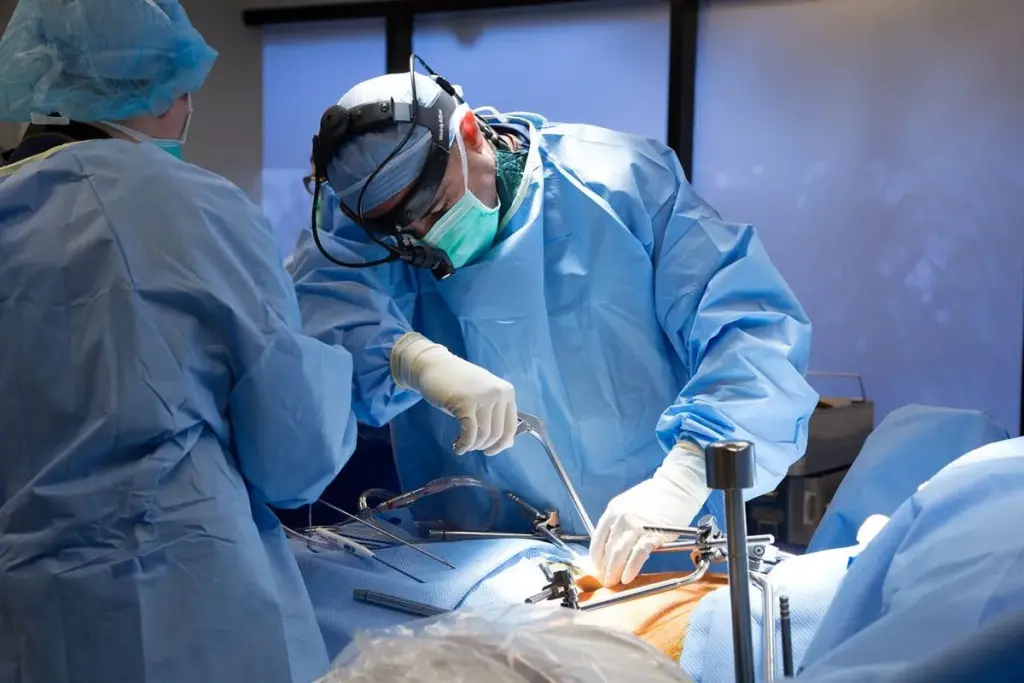
Back surgery, like spinal fusion surgery, is a big decision. It needs careful thought about your health, any existing conditions, and your lifestyle. This surgery is risky because it’s close to the brain and spinal cord.
Back surgery is often chosen when other treatments don’t work for chronic back pain. But, some people might not be good candidates because of health issues.
Our medical team stresses the need to check your overall health before back surgery. Your current health and lifestyle are key in deciding if you’re a good candidate for this big surgery.
Key Takeaways
- Back surgery is a high-risk procedure due to its proximity to the central nervous system.
- Overall health and pre-existing conditions are crucial in determining candidacy.
- Lifestyle factors significantly influence suitability for back surgery.
- Careful evaluation is necessary before undergoing spinal fusion surgery.
- Chronic back pain sufferers should consider all options before opting for surgery.
Understanding Back Surgery: Types and Purposes
Back surgery covers a wide range of procedures. Each one is aimed at fixing different spinal problems. It’s often considered when other treatments don’t work and back pain is severe.
Common Types of Back Surgeries
There are many types of back surgeries, each with its own goal and benefits. Here are a few:
- Diskectomy: This surgery removes a herniated disk that’s pressing on a nerve.
- Laminectomy: It’s done to take pressure off the spinal cord or nerves by removing part or all of the lamina.
- Spinal Fusion: This procedure fuses two or more vertebrae together to stabilize the spine.
- Artificial Disk Replacement: It replaces a damaged disk with an artificial one to keep the spine mobile.
Each surgery is for a different spinal issue. The right surgery depends on the patient’s needs.
|
Surgery Type |
Purpose |
Common Indications |
|---|---|---|
|
Diskectomy |
Relieve nerve pressure |
Herniated disk |
|
Laminectomy |
Decompress spinal cord/nerves |
Spinal stenosis |
|
Spinal Fusion |
Stabilize spine |
Spondylolisthesis, scoliosis |
|
Artificial Disk Replacement |
Maintain spinal mobility |
Degenerative disk disease |
When Doctors Typically Recommend Surgical Intervention
Doctors usually suggest surgery when other treatments don’t help. This is when the patient’s quality of life is greatly affected. The decision is based on how severe the symptoms are, if there are neurological deficits, and how it impacts daily life.
Before surgery, patients are often told to try other treatments first. This includes physical therapy, medication, and alternative therapies.
It’s important for patients to talk thoroughly with their surgeon. They need to understand the surgery’s benefits and risks. This helps decide if surgery is the best option for their condition.
Medical Contraindications for Back Surgery

Some health conditions can make back surgery risky or even not possible. When we think about spinal surgery, we look at many things. These include health issues that might make surgery more complicated and how old the patient is.
Underlying Health Conditions That Increase Risk
Health problems like bleeding disorders and severe osteoporosis can make surgery riskier. For example, people with bleeding disorders need special care before and after surgery. This is to manage their condition safely.
Other issues, like diabetes and heart disease, can also affect how well surgery goes. It’s very important to manage these conditions well before, during, and after surgery to reduce risks.
|
Health Condition |
Potential Risk |
Preoperative Consideration |
|---|---|---|
|
Bleeding Disorders |
Increased risk of bleeding |
Special hematological management |
|
Severe Osteoporosis |
Compromised bone healing |
Preoperative bone density treatment |
|
Diabetes |
Impaired wound healing |
Tight glycemic control |
Age-Related Considerations
Age is a big factor in deciding if back surgery is right. Older patients might have more health problems and heal slower. Young patients might have conditions that are hard to understand or might be too young for surgery.
Each patient’s age and health are evaluated carefully. We think about their overall health, how bad their condition is, and if surgery will help.
In short, back surgery is not for everyone because of possible risks. We need to check the patient’s health and age carefully before deciding on surgery.
Psychological Factors That May Disqualify Candidates

Choosing to have back surgery is more than just a medical decision. Your mental health and what you expect from surgery are key. These factors can tell us if you’re ready for surgery.
Mental Health Considerations
Before surgery, your mental health is very important. Some mental health issues can make it hard to recover or deal with the surgery. For example, people with untreated depression or anxiety might not be good candidates.
We think it’s important to check a patient’s mental health before surgery. This helps us spot any problems that could affect how well the surgery goes.
|
Mental Health Condition |
Potential Impact on Surgery |
|---|---|
|
Untreated Depression |
May affect recovery and coping mechanisms |
|
Anxiety Disorders |
Can complicate postoperative pain management |
|
Substance Abuse |
May lead to complications during recovery |
Unrealistic Expectations About Outcomes
It’s important to have realistic hopes about what surgery can do. If you have too high hopes, you might be unhappy even if the surgery works.
Patients should know that surgery doesn’t always mean no more pain or being able to do everything again. We suggest talking to your surgeon about what you expect. This way, you’ll know what to look for after surgery.
Looking at both physical and mental factors helps us decide if surgery is right for you. This approach can make surgery more likely to succeed.
When Conservative Treatments Haven’t Been Fully Explored
Looking into non-surgical treatments is key before back surgery. Most back pain gets better with noninvasive therapy in a few weeks. So, it’s important to try all non-surgical options before surgery.
Physical Therapy Options
Physical therapy is often the first treatment for back pain. It includes exercises and stretches to improve flexibility and strengthen muscles. A physical therapist can make a plan just for you.
Studies show physical therapy can greatly reduce back pain and improve function for many.
Medication Management Approaches
Medication management is also key in conservative treatment. This includes over-the-counter pain relievers, muscle relaxants, or prescription drugs. The goal is to control pain without harmful side effects. It’s important to work closely with a healthcare provider to find the right medication and dosage.
- Over-the-counter pain relievers like ibuprofen or acetaminophen
- Prescription medications for severe pain or muscle spasms
- Muscle relaxants to reduce muscle tension
Alternative Therapies Worth Trying
Alternative therapies can also help manage back pain. These include acupuncture, chiropractic care, or massage therapy. While evidence varies, many find these treatments helpful in reducing pain and improving life quality.
In conclusion, before surgery, it’s vital to try all non-surgical treatments. By using physical therapy, medication management, and alternative therapies, many can find relief from back pain without surgery.
Patients With Unidentified Pain Sources
Many patients don’t know where their back pain comes from until they get a detailed check-up. Finding the pain’s source is key to treating it right. Diagnostic imaging is a big help in this search.
The Importance of Clear Diagnostic Imaging
Clear images from tests like MRI and CT scans are crucial. They show the spine’s details, helping doctors spot problems like herniated discs or spinal stenosis. Getting the diagnosis right is essential for a good treatment plan.
We use top-notch tools to see the spine and tissues around it. This helps find structural issues and rule out other conditions. It narrows down what might be causing the pain.
When Pain Doesn’t Match Structural Findings
At times, the pain a patient feels doesn’t match what the scans show. This makes finding the right treatment tricky. Doctors then look at other factors that might be causing the pain.
We take a wide view, looking at both physical and mental pain factors. This might mean more tests, talking to specialists, or trying new pain management methods.
By using advanced imaging and a detailed check-up, we can understand back pain better. This way, we can create treatment plans that really work for each patient.
Smokers and Nicotine Users: Special Considerations
Smokers and nicotine users face unique challenges when undergoing back surgery. Nicotine products can greatly affect the body’s healing and recovery from surgery.
How Smoking Affects Surgical Outcomes
Smoking can harm blood flow and oxygen delivery to tissues. It also weakens the immune system, which is key for healing after surgery. Nicotine, in particular, constricts blood vessels and reduces circulation, making it harder for the body to repair tissues and bone.
“Smoking is a significant risk factor for complications during and after surgery,” say medical professionals. The risks include infection, delayed healing, and potentially, the need for additional surgeries.
Recommendations for Smoking Cessation Before Surgery
Given the risks of smoking and nicotine use during back surgery, smoking cessation is highly recommended before undergoing a surgical procedure. Quitting smoking can show benefits almost right away. Improvements in circulation and oxygenation start within days.
- Consult with your doctor about the best strategies for quitting smoking.
- Consider nicotine replacement therapy (NRT) or prescription medications to help manage withdrawal symptoms.
- Join a support group or counseling program to increase your chances of successfully quitting.
By quitting smoking before surgery, patients can greatly improve their surgical outcomes and reduce the risk of complications.
“Quitting smoking is one of the most important steps a patient can take to ensure a successful surgical outcome,” says a leading spine surgeon.
Obesity and Its Impact on Back Surgery Success
The link between obesity and back surgery success is complex. Obesity can greatly affect the success of back surgery. It’s key to understand the many factors involved.
Weight-Related Complications
Obesity raises the risk of problems during and after back surgery. Some issues include:
- Increased risk of infection
- Delayed healing
- Greater risk of blood clots
- Reduced mobility post-surgery
These issues stem from reduced blood flow and increased pressure on the surgery site. Keeping a healthy weight before surgery can help reduce these risks.
BMI Guidelines for Surgical Candidates
Body Mass Index (BMI) helps decide if someone is a good candidate for back surgery. BMI isn’t perfect but gives a general idea of weight healthiness.
|
BMI Category |
BMI Range |
Surgical Consideration |
|---|---|---|
|
Underweight |
Less than 18.5 |
Potential nutritional deficiencies may affect healing. |
|
Normal weight |
18.5-24.9 |
Ideal weight range for surgery. |
|
Overweight |
25-29.9 |
May have increased risk of complications. |
|
Obese |
30 or greater |
Significantly increased risk of complications; may require weight loss before surgery. |
The table shows that higher BMI patients face more risks during and after surgery. Doctors often suggest losing weight for obese patients to improve surgery success.
“The impact of obesity on surgical outcomes cannot be overstated. It’s crucial for patients to understand the risks and work with their healthcare providers to optimize their weight before undergoing back surgery.”
Understanding obesity’s effect on back surgery and BMI guidelines helps patients make better choices. We suggest talking to a healthcare provider to find the best approach for your situation.
Things I Wish I Knew Before Spinal Fusion Surgery
Many patients who had spinal fusion surgery wish they knew something before. Their insights are very helpful for those thinking about this big surgery.
Real Patient Experiences and Insights
People who had the surgery say it’s a mix of good and bad. They stress how important it is to get ready for recovery. This means resting well, doing physical therapy, and maybe changing your lifestyle after surgery.
Talking clearly with doctors is key. Patients say it’s crucial to ask lots of questions. They want to know about the surgery, risks, and what to expect. This helps set realistic hopes and lowers worry.
Common Regrets and Unexpected Challenges
Some patients wish they had been ready for the emotional and mental effects of surgery. They talk about dealing with pain, getting used to new limits, or feeling changes in their mind.
Another issue is the different times it takes to recover. People often find their recovery time is longer than they thought. Knowing recovery is different for everyone can help with this.
- Be prepared for a potentially longer recovery time than expected.
- Maintain open communication with your healthcare team.
- Understand the potential emotional and psychological impacts.
Learning from others can help you prepare for your own spinal fusion surgery journey.
Essential Questions to Ask Your Surgeon Before Deciding
Choosing back surgery needs careful thought. Asking the right questions to your surgeon is key. It’s important to know all about the surgery before making a decision.
Questions About Surgical Necessity
First, you need to know if surgery is really needed. Ask your surgeon about other treatments that might work. Find out why they think surgery is the best choice.
- What are the reasons for recommending surgery over other treatments?
- Have all conservative treatment options been explored?
- How will surgery address my specific condition?
Questions About Surgeon Experience and Success Rates
Your surgeon’s experience and success rates matter a lot. It’s important to ask about their experience with your surgery.
- How many times have you performed this specific surgery?
- What are your success rates with this procedure?
- Can you share any patient testimonials or reviews?
Also, asking about their experience shows their skill. This can make you feel more confident in their abilities.
Questions About Recovery and Rehabilitation
Knowing about recovery is crucial. Ask about the recovery time, possible complications, and what rehabilitation you’ll need.
- What is the typical recovery time for this surgery?
- Are there any specific rehabilitation programs or physical therapy recommended?
- How will pain be managed during the recovery period?
By asking these questions, you can prepare better. This ensures a smoother recovery.
How to Determine if You’re Getting Good Surgical Advice
Figuring out if surgical advice is reliable is key when deciding on back surgery. It’s important to know what makes advice good and when you might need more information.
Red Flags in Surgical Consultations
When you’re in a surgical consultation, watch out for red flags. Some important ones include:
- A lack of transparency about potential risks and complications
- Unrealistic expectations about the surgery’s outcome
- Not discussing other treatments or trying conservative options first
- Being pushed to have surgery without enough time to think about it
Knowing these red flags can help you make better choices about your care.
When to Seek a Second Opinion
If you spot any red flags or just want more reassurance, getting a second opinion is wise. A second opinion can give you more insight into the need for surgery and what to expect. It can also show you other treatment options, making you feel more sure about your choice.
Understanding Success Rates: How Successful is Back Surgery?
To understand back surgery success rates, we need to look closely at different surgeries and how they affect patients. Back surgery includes many procedures, each with its own success rates and factors that influence them.
Success Metrics for Different Types of Back Surgery
Back surgery success rates vary a lot, depending on the type of surgery. For example:
- Spinal Fusion Surgery: Success rates can range from 60% to 90%, depending on the number of vertebrae fused and patient health.
- Discectomy: This procedure often has high success rates, typically above 80%, especially when performed with modern minimally invasive techniques.
- Laminectomy: Success rates can be high for relieving pressure on nerves, but outcomes depend on the underlying condition being treated.
Factors That Influence Outcomes
Many factors can affect how well back surgery works, including:
- Patient Health: Pre-existing health conditions, such as diabetes or heart disease, can impact recovery and success.
- Surgical Technique: The skill of the surgeon and the technique used can significantly affect outcomes.
- Post-operative Care: Adherence to rehabilitation protocols is crucial for achieving optimal results.
Potential Complications and Long-Term Implications
It’s important to know the risks of back surgery before deciding. Back surgery can save lives but comes with its own set of dangers.
Common Complications of Spinal Fusion Surgery
Spinal fusion surgery is used to treat many spinal issues. But, it can lead to serious complications. These include infections, nerve damage, and hardware failure.
Infections are a risk with any surgery, and spinal fusion is no exception. Nerve damage can cause numbness, weakness, or pain in the legs or arms. If the hardware used in the surgery fails, it might need to be replaced.
Other complications include blood clots, bleeding, and reactions to anesthesia. It’s vital to talk to your surgeon about these risks to understand your personal risk.
Long-Term Effects on Mobility and Adjacent Segments
Spinal fusion surgery can affect your mobility over time. It joins vertebrae together, reducing flexibility and motion range. This can change how you move and put strain on other spine parts.
The surgery can also impact segments next to the fusion site. The spine is dynamic, and fusing one segment can stress the ones nearby. This can cause adjacent segment disease, where these segments degenerate faster.
Knowing these long-term effects is key for those thinking about spinal fusion surgery. It’s important to consider these risks against the surgery’s benefits and talk to a healthcare provider about any concerns.
What Type of Doctor Does Back Surgery: Choosing the Right Specialist
Choosing the right doctor for back surgery is crucial. Back surgery is complex and needs a lot of skill and care.
“The choice of surgeon can significantly impact the outcome of back surgery,” emphasizes the importance of selecting a qualified doctor.
Neurosurgeons vs. Orthopedic Surgeons
Both neurosurgeons and orthopedic surgeons can do back surgery. But they focus on different things. Neurosurgeons work on the nervous system, like the brain and spinal cord. Orthopedic surgeons work on bones, joints, and muscles.
Neurosurgeons do surgeries on the spinal cord or nerves. This includes fixing herniated discs or spinal stenosis. Orthopedic surgeons do surgeries on the spine’s structure. This includes spinal fusion or fixing deformities.
Qualifications to Look For
When picking a back surgery specialist, look for certain things. Board certification is key. It shows the surgeon meets high standards. Also, check if they have experience with your surgery.
Ask about their success rates and how often they have complications. A good surgeon will share their results and explain how they’ll care for you.
In conclusion, picking the right doctor for back surgery means knowing the difference between neurosurgeons and orthopedic surgeons. Also, look for qualifications like board certification and experience.
Preparing for a Spine Specialist Consultation
Knowing what to expect at a spine specialist visit can reduce stress. It helps make your visit more effective. Being ready is essential for a good experience.
Documentation to Bring
It’s important to bring all important documents to your visit. This includes:
- Medical records: Any past diagnoses, treatments, or spine surgeries.
- Imaging studies: X-rays, MRIs, CT scans, or other tests done.
- Medication list: A list of all medications you’re taking, including how much and how often.
- Symptom journal: A log of your symptoms, when they happen, how bad they are, and what makes them better or worse.
How to Effectively Communicate Your Symptoms
Telling your spine specialist about your symptoms is key for a correct diagnosis. Here are some tips:
- Be specific: Give detailed descriptions of your symptoms, not just “pain.”
- Use descriptive language: Explain how your symptoms impact your daily life and overall well-being.
- Prioritize your symptoms: Tell your specialist about the symptoms that bother you the most first.
Being well-prepared and clearly sharing your symptoms ensures a helpful consultation. You’ll get a thorough evaluation from your spine specialist.
Alternative Approaches for Poor Surgical Candidates
For those who aren’t good candidates for back surgery, there are other ways to find relief. These methods can be just as good at managing back pain and related problems.
Non-Surgical Pain Management Strategies
Non-surgical pain management uses many different methods. Medication management is key. It involves using the right medicines in the right amounts to control pain well.
- Oral medications such as NSAIDs or muscle relaxants
- Injections like corticosteroids or nerve blocks
- Topical creams or patches for localized pain relief
Physical therapy is also important. It focuses on exercises and stretches to boost mobility and strength. A physical therapist can create a program that fits the individual’s needs, helping them move better.
“Physical therapy has been a game-changer for my back pain. The exercises have helped me regain my strength and mobility.”
— Patient Testimonial
Lifestyle Modifications That Can Help
Changing your lifestyle can also help manage back pain. Diet and nutrition are key. Keeping a healthy weight helps reduce pressure on the spine.
|
Lifestyle Change |
Benefit |
|---|---|
|
Regular Exercise |
Improves flexibility and strengthens back muscles |
|
Healthy Diet |
Supports weight management and overall health |
|
Stress Management |
Reduces tension that can make back pain worse |
Emerging Treatments and Clinical Trials
For some, new treatments and clinical trials might offer hope. These could include things like stem cell therapy or advanced pain management technologies.
It’s important for patients to talk to their healthcare provider about these options. This way, they can find the best treatment for their condition.
Conclusion: Making an Informed Decision About Back Surgery
Choosing back surgery needs careful thought. We’ve looked at the good and bad sides of it. Knowing these helps patients decide what’s best for them.
It’s important to think about the benefits and risks of surgery. Talking to a doctor is key to finding the right treatment. This way, patients can choose what’s best for their situation.
Deciding on surgery should be well thought out. Patients should understand what might happen and what risks there are. We suggest patients ask questions and look at other options. This helps them make a choice that fits their needs.
FAQ
What are the most common types of back surgeries?
Common back surgeries include diskectomy, laminectomy, and spinal fusion. These help relieve pressure on nerves, stabilize the spine, or fix damaged disks.
When is back surgery typically recommended?
Surgery is considered when other treatments fail and the condition is severe. This includes nerve damage, spinal instability, or pain that affects daily life.
Who is not a good candidate for back surgery?
People with health issues like bleeding disorders or severe osteoporosis might not be good candidates. Smokers, nicotine users, and those with obesity also face higher risks. Their suitability depends on their health.
How does smoking affect back surgery outcomes?
Smoking can harm surgery outcomes by reducing blood flow and impairing bone healing. It also increases the risk of complications. Quitting before surgery can improve results.
What are the potential complications of spinal fusion surgery?
Spinal fusion surgery can lead to infection, nerve damage, and hardware failure. It may also affect mobility and other spinal segments, impacting quality of life.
What type of doctor performs back surgery?
Neurosurgeons or orthopedic surgeons who specialize in spinal surgery perform back surgery. Look for a surgeon who is board certified, experienced, and has a good success rate.
What should I ask my surgeon before deciding on back surgery?
Ask about the need for surgery, the surgeon’s experience, success rates, recovery, and rehabilitation. This helps you make an informed choice and ensures you get the best care.
How can I prepare for a spine specialist consultation?
Bring medical records and imaging studies to your consultation. Be ready to describe your symptoms, when they started, and what makes them better or worse.
What are some alternative approaches for patients who are not suitable for back surgery?
For those not suited for surgery, consider non-surgical pain management, lifestyle changes, and new treatments or clinical trials. These can help manage pain and improve life quality.
How successful is back surgery?
Back surgery success varies based on the procedure, patient characteristics, and condition being treated. Success is measured by pain relief, improved function, and patient satisfaction.
What are the long-term implications of back surgery?
Back surgery can affect mobility and lead to future complications. Discuss these risks with your surgeon to plan and minimize them.
Reference
National Center for Biotechnology Information. Evidence-Based Medical Insight. Retrieved from https://pubmed.ncbi.nlm.nih.gov/36527219/