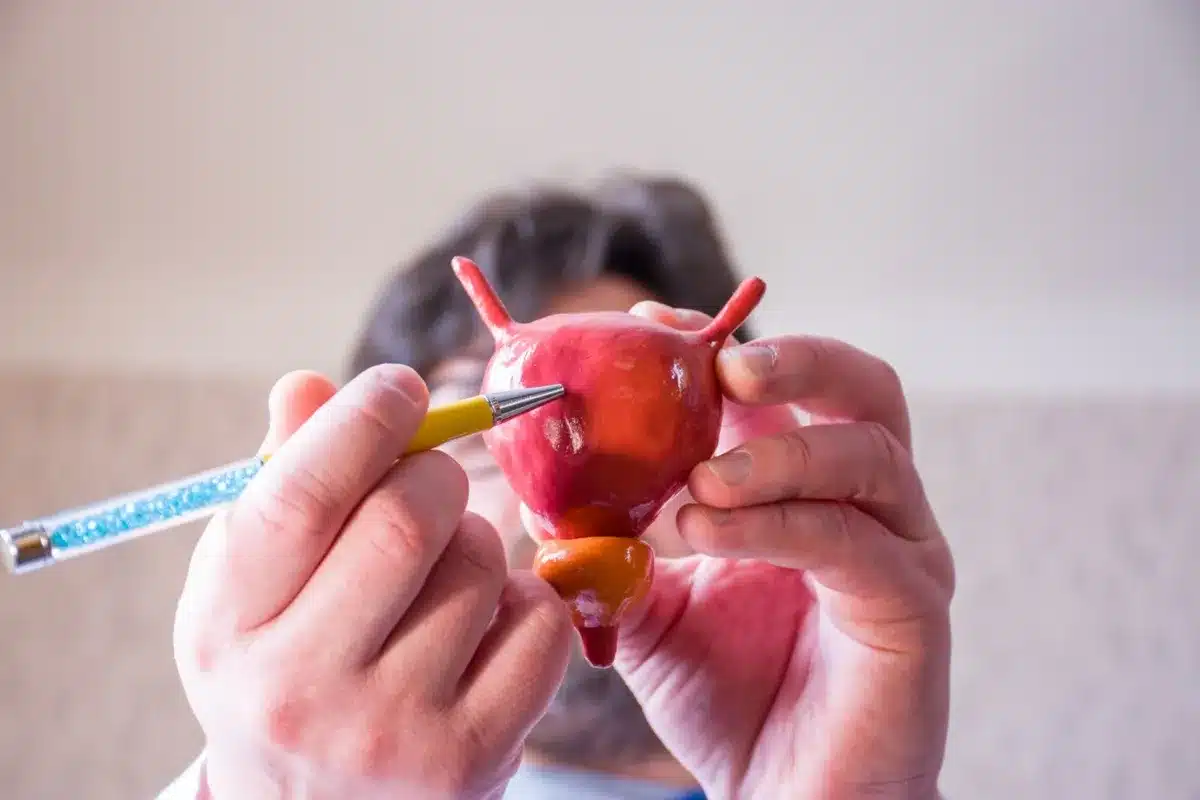
Getting a pacemaker implant is a big deal. Some procedures, such as a pacemaker implant, require careful thought and planning. Pacemaker implantation helps with many heart issues. Knowing how long you’ll stay in the hospital is key for patients and their families. Things you can’t do with a pacemaker include rushing home. Stay is short! Get best info. usually one night is vital for amazing safety checks.
It depends on your health and how complex the surgery is. This shows how important it is to get care that fits you during recovery.
Key Takeaways
- Pacemaker implantation is a common treatment for heart conditions.
- The hospital stay for pacemaker implantation varies based on patient health and procedure complexity.
- Knowing the restrictions related to pacemakers is essential for a smooth recovery.
- Post-implant care includes monitoring and follow-up appointments.
- Recovery timelines can differ significantly among patients.
- Pacemaker implantation is generally a safe procedure with a high success rate.
Understanding Pacemakers and Their Purpose
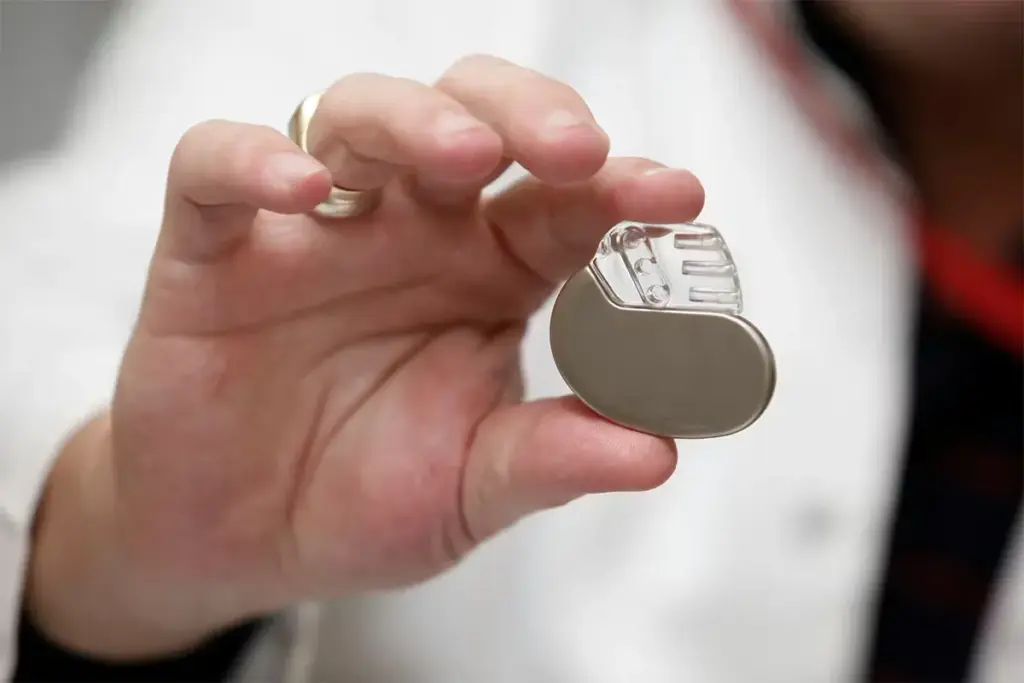
Pacemakers are small devices that help manage heart rhythm disorders. They control the heartbeat by sending electrical impulses to the heart muscle.
What is a Pacemaker and How Does it Work?
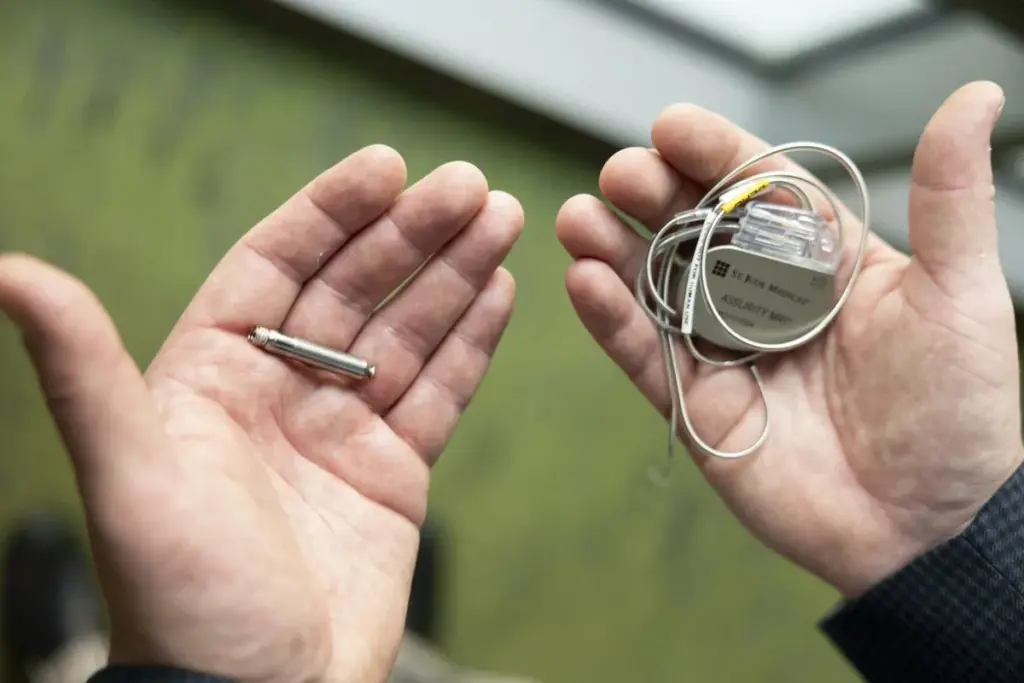
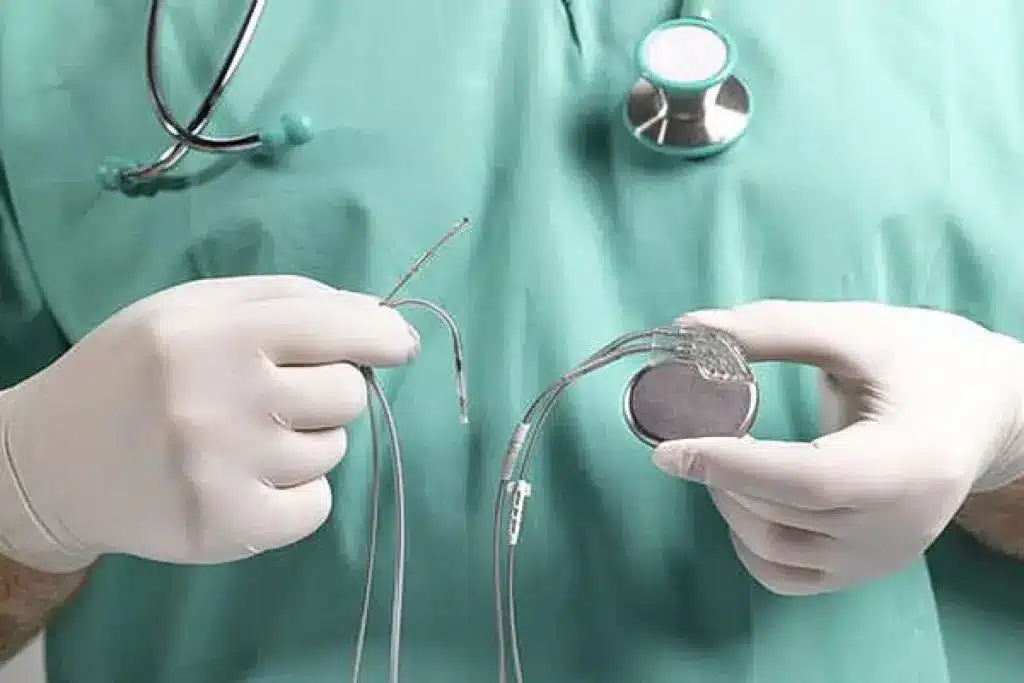
A pacemaker is a tiny device implanted under the skin, near the collarbone. It has two main parts: the pulse generator and the leads. The pulse generator has the battery and the circuitry that controls it. The leads are thin wires that connect the pulse generator to the heart.
These leads send electrical impulses to the heart. This ensures it beats at a normal rate.
The pacemaker’s purpose is to treat heart rhythm disorders. This includes bradycardia (slow heart rate) and tachycardia (fast heart rate). Pacemakers help alleviate symptoms like dizziness, fatigue, and shortness of breath.
Common Conditions Requiring Pacemaker Implantation
Several heart conditions may need a pacemaker. These include:
- Bradycardia: a slow heart rate
- Atrioventricular block: blocked electrical signals between heart chambers
- Sick sinus syndrome: heart’s natural pacemaker not working right
- Heart failure: pacemakers can manage symptoms in some cases
a cardiac electrophysiologist, says, “Pacemakers treat heart rhythm disorders. Their implantation is common for managing heart conditions.” Tom Derrington’s story shows how pacemakers improve life for those with irregular heartbeats.
Preparing for Pacemaker Implantation
To have a successful pacemaker implantation, you need to know what to do before. We’ll show you the important steps to take before your procedure.
Pre-Procedure Testing and Evaluation
Before your pacemaker implantationstresses the need for tests. They check your health, look at your medical history, and do tests like blood work and chest X-rays.
These tests help us understand your health better. We can then plan the procedure just for you. Make sure to follow any instructions from your healthcare team about what to do before the procedure.
What to Bring to the Hospital
When you go to the hospital, bring important documents. This includes your ID, insurance cards, and a list of your medicines. It’s also a good idea to bring a family member or friend for support.
Here’s a list of what to bring:
|
Item |
Description |
|---|---|
|
Identification |
ID cards or passports |
|
Insurance Cards |
Medical insurance cards |
|
Medication List |
A list of your current medications |
|
Medical Records |
Previous medical records and test results |
|
Comfort Items |
Glasses, hearing aids, or other necessary items |
Having the right documents and information ready makes the process smoother. If you have any questions or concerns, talk to your healthcare provider.
The Pacemaker Implantation Procedure
Getting a pacemaker involves several important steps. We’ll explain the process, talk about new pacemaker tech, and share safety tips.
Step-by-Step Process of Implantation
The first step is to numb the area with local anesthesia. This is done in the upper chest, just below the collarbone.
- A small incision is made to allow for the insertion of the pacemaker generator and leads.
- The leads are guided through a vein into the heart using fluoroscopy, a type of X-ray imaging.
- Once the leads are in place, they are connected to the pacemaker generator, which is then secured under the skin.
- The incision is closed with sutures or staples, and the area is bandaged.
The whole process takes a few hours. The patient is watched closely. New tech, like the EBR Wise CRT system, makes the procedure safer and more effective.
Types of Anesthesia Used
Most pacemaker implants use local anesthesia to numb the area. Some might also get conscious sedation to relax.
- Local Anesthesia: Numbs the specific area where the procedure is performed.
- Conscious Sedation: Helps the patient relax and remain comfortable, but they remain awake and able to respond to instructions.
After the procedure, patients get pacemaker safety tips. These tips help with a smooth recovery and ensure the device works well. It’s important to follow these guidelines to avoid problems.
“The key to a successful pacemaker implantation lies not just in the technology, but in the meticulous care taken during the procedure and the follow-up instructions given to the patient.”
—Cardiologist
Typical Hospital Stay Duration After Pacemaker Implantation
After getting a pacemaker, how long you stay in the hospital varies. The procedure is usually safe. But, how quickly you recover and your health matters a lot.
Same-Day Discharge Procedures
Many patients can go home the same day after getting a pacemaker. This is good for those who did well during the procedure and are feeling okay. You might go home the same day if:
- The procedure went smoothly.
- You’re in good health.
- You don’t show any signs of problems right after.
- You have a plan for care at home and follow-ups.
Discharging home the same day may reduce the risk of infections and allows for a more comfortable recovery in your own space.
Overnight Observation Cases
Some people need to stay overnight. This is when there are worries about problems or if you have other health issues. Staying overnight lets doctors:
- Keep an eye on your heart rhythm and adjust the pacemaker if needed.
- Help with any pain or discomfort.
- Quickly deal with any issues or concerns.
Doctors usually recommend an overnight stay if you have heart problems that need careful watching.
Extended Stays: When and Why
Extended stays are for those with complications or complex health issues. Reasons for a longer stay include:
|
Reason for Extended Stay |
Description |
|---|---|
|
Complications during the procedure |
Complications during the procedure might mean you need to stay longer for care and observation. |
|
Post-procedure complications |
After the procedure, you might face issues like infection or pacemaker problems. These need more time to manage. |
|
Underlying health conditions |
If you have serious health issues, you might need to stay longer to keep you safe and manage your health. |
Wearing a heart monitor is often suggested during recovery. It’s for those with complex conditions or who had problems. It helps keep an eye on your heart and catch any issues early.
Immediate Post-Procedure Care in the Hospital
Patients who get a pacemaker are watched closely in the hospital. This is a key time for their recovery. It’s when they can start to feel better and safer.
Monitoring and Vital Sign Checks
Right after the pacemaker is put in, doctors keep a close eye on patients. They watch heart rate, blood pressure, and oxygen levels. This helps find any problems early on.
Vital sign checks happen often. This makes sure the patient is doing okay. How often depends on the patient’s health and the procedure details.
Pain Management After Implantation
Managing pain is very important after a pacemaker is put in. Some people might feel pain or discomfort where the pacemaker is. We use different ways to help with pain, like medicine and other comfort methods.
Our goal is to make sure the patient is as comfortable as possible. This helps them recover better.
|
Aspect of Care |
Description |
Benefits |
|---|---|---|
|
Monitoring |
Continuous observation of vital signs and overall condition |
Early detection of complications, timely intervention |
|
Vital Sign Checks |
Regular checks of heart rate, blood pressure, and oxygen saturation |
Ensures stability, guides further treatment |
|
Pain Management |
Use of medication and comfort measures to alleviate pain |
Minimizes discomfort, supports recovery |
The Discharge Process
Understanding the discharge process can help alleviate concerns. It ensures a smooth transition from hospital to home after your pacemaker implantation.
Criteria for Being Released from the Hospital
To be discharged, you typically need to meet certain criteria. These may include:
- Stable vital signs
- No complications from the procedure
- Ability to manage your condition at home
- Understanding of post-discharge instructions
Our healthcare team will assess your condition. They ensure that you are ready for discharge.
Discharge Instructions and Medications
Upon discharge, you will receive detailed instructions on how to care for yourself at home. This includes information on:
- Medication management
- Wound care
- Activity levels
- Follow-up appointments
Adhering closely to these instructions is crucial. This ensures a smooth recovery.
Regarding medications, you will be prescribed a regimen to manage your condition. It’s essential to adhere to this regimen. Contact your healthcare provider if you have any questions or concerns.
|
Medication |
Dosage |
Frequency |
|---|---|---|
|
Aspirin |
81mg |
Once daily |
|
Beta Blocker |
50mg |
Twice daily |
Properly wearing a heart monitor is another important aspect of your post-discharge care. We will provide you with instructions on how to wear it correctly. This ensures accurate readings.
By following the discharge instructions and medication regimen, you can minimize the risk of complications. This ensures a successful recovery.
How to Wear a Heart Monitor
After getting a pacemaker, doctors tell patients to wear a heart monitor. This device tracks the heart’s rhythm and activity. It helps doctors see if the pacemaker is working right and how the patient is recovering.
It’s important to wear the heart monitor right to get good readings. The device sticks to the body with electrodes on the chest. Doctors will tell you exactly how to put it on and use it.
Activity Restrictions During Initial Recovery
While wearing a heart monitor, patients should avoid hard activities. This means no heavy lifting or bending. It’s to keep you safe and get accurate readings.
Keeping a diary of your activities is also a good idea. It helps doctors see if any symptoms match what you’ve been doing. Log things like sleeping, eating, exercising, and any odd feelings you have.
|
Activity |
Allowed |
Not Allowed |
|---|---|---|
|
Light Walking |
Yes | |
|
Strenuous Exercise |
No | |
|
Heavy Lifting |
No | |
|
Bending or Straining |
No |
One patient said, “Following the activity rules and wearing the heart monitor helped me recover well. It made me feel at ease.” Doctors agree, saying it’s key for a good recovery.
“The heart monitor is a valuable tool that helps us understand how the pacemaker is working and how the patient’s heart is responding. It’s a critical part of the recovery process.”
Cardiologist
By knowing how to use a heart monitor and sticking to activity rules, patients can recover safely and well after getting a pacemaker.
Things You Can’t Do With a Pacemaker
Having a pacemaker means you need to watch out for certain things. It’s designed to help your heart, but there are activities you should avoid. This is to keep it working right.
Electromagnetic Interference Concerns
People with pacemakers need to worry about electromagnetic interference (EMI). Some devices and places can mess with your pacemaker. Knowing what to avoid is key to staying safe.
- Strong magnetic fields, like those in MRI machines (unless it’s a compatible MRI), can mess with your pacemaker.
- Avoid being near powerful magnets or devices that generate strong electromagnetic fields.
- Some older models of certain medical equipment, like diathermy machines, can also cause interference.
To manage these risks, we recommend the following precautions:
|
Device/Source |
Precaution |
|---|---|
|
MRI Machines |
Ensure your pacemaker is MRI-compatible or consult your doctor. |
|
Strong Magnets |
Avoid direct contact or proximity. |
|
Diathermy Machines |
Inform your healthcare provider about your pacemaker. |
Physical Activities to Avoid
While exercise is good for you, some activities are not safe with a pacemaker. It’s important to know which ones to avoid.
- Contact Sports: Avoid activities that could hit your pacemaker site hard to prevent damage.
- Strenuous Upper Body Activities: Heavy lifting or hard upper body exercises can move the pacemaker leads.
Talking to your doctor about your exercise plans is a good idea. They can tell you what’s safe and what’s not.
By following these guidelines, you can keep your pacemaker working well. This helps you stay healthy.
Pacemaker Restrictions and Safety Guidelines
Knowing about pacemaker restrictions and safety guidelines is key for a healthy life. After getting a pacemaker, it’s important to follow certain precautions. This ensures your safety and the device’s proper function.
Airport Security and Travel Considerations
Traveling with a pacemaker needs special care, mainly at airports. Tell security about your pacemaker before any scans. Try not to stand near scanners for too long.
Carrying a pacemaker ID card is a good idea. It helps explain your situation to security. Some people find they get extra checks, so being ready is smart.
Workplace Environment Precautions
Tell your employer and coworkers about your pacemaker at work. Some jobs might have strong magnetic fields or EMI that could affect your pacemaker.
Jobs with heavy machinery, welding, or near big electrical gear need extra care. Talk to HR or your boss to see if you can adjust your job or duties.
Key Workplace Precautions:
- Inform your employer about your pacemaker.
- Avoid exposure to strong magnetic fields.
- Discuss possible job adjustments.
Many wonder if they can drink coffee with a heart monitor. Usually, drinking coffee is okay. But always check with your doctor about your health and any devices you’re using.
|
Situation |
Precaution |
|---|---|
|
Airport Security |
Inform security personnel, avoid prolonged exposure to security scanners. |
|
Workplace |
Inform employer, avoid strong magnetic fields, discuss work adjustments. |
“Patients with pacemakers should be aware of their surroundings and the possible risk of electromagnetic interference in certain places.”
Wearing a Heart Monitor After Pacemaker Implantation
A heart monitor is key for checking your heart’s health after a pacemaker. It lets your healthcare team see how well your heart is working. They can also check if your pacemaker is doing its job right.
How to Wear a Heart Monitor Properly
Using a heart monitor, or Holter monitor, needs some care. First, make sure it’s on your body right, as your doctor told you. The electrodes go on your chest, and the monitor connects to them.
To use it right, keep it dry and don’t get it wet. Even though some Holter monitors can handle a bit of water, it’s best to avoid showers or baths. Unless your doctor says it’s okay.
Tips for Wearing a Holter Monitor:
- Keep the monitor and electrodes dry.
- Avoid tight clothing that might dislodge the electrodes.
- Keep a diary of your activities and any symptoms you experience.
What Not to Do While Wearing a Holter Monitor
There are things you should not do while wearing a Holter monitor. Don’t get it wet, as water can mess with its work. Also, stay away from MRI machines, as their strong fields can mess with the monitor.
Also, don’t get too close to strong magnetic fields or high-voltage equipment. These can also mess with the monitor’s work.
Can you shower with a 7-day heart monitor?
It’s usually best to not shower with a Holter monitor unless your doctor says it’s okay. Even if your monitor is made to handle a little water, it’s safer to follow the rules given with your device.
Follow-Up Care and Appointments
Follow-up care after a pacemaker implant is key to your recovery and device success. We know that caring for a pacemaker is a long-term commitment. Regular check-ups are vital for keeping an eye on your heart and the device’s performance.
Typical Follow-Up Schedule
Right after your pacemaker is put in, we set up follow-up appointments. The first visit is usually a few weeks later. Then, visits are spaced out every 3 to 6 months, based on your health and pacemaker type.
At these appointments, we check the pacemaker’s battery and adjust settings if needed. It’s also a chance for you to ask any questions or share concerns about your device or health.
Remote Monitoring Options
Many pacemakers can be checked remotely. This lets us watch your device and heart rhythm from afar, cutting down on some visits. Remote monitoring can spot problems early, helping us act fast if needed.
We’ll show you how to use remote monitoring at home. This includes setting up the equipment and understanding the data it sends. It makes monitoring your pacemaker easier and more convenient for you.
Following the recommended follow-up schedule and using remote monitoring when you can helps us keep your pacemaker working well. Together, we can make sure your heart stays healthy.
Potential Complications to Watch For
After getting a pacemaker, it’s important to know about possible problems. The procedure is usually safe, but knowing the risks helps patients stay safe and recover well.
Warning Signs That Require Medical Attention
Some symptoms can mean trouble after a pacemaker is put in. It’s key to spot these signs and get help fast. Look out for:
- Persistent pain or discomfort at the implantation site
- Swelling, redness, or bleeding around the pacemaker pocket
- Fever or chills
- Dizziness or fainting spells
- Palpitations or irregular heartbeats
If you notice any of these, call your doctor right away.
Infection Prevention Strategies
Infection is a risk after getting a pacemaker. To lower this chance, follow these steps:
|
Prevention Strategy |
Description |
|---|---|
|
Keep the Implantation Site Clean |
Gently wash the area with soap and water as directed by your doctor. |
|
Monitor for Signs of Infection |
Watch for redness, swelling, increased pain, or fever. |
|
Follow Post-Procedure Instructions |
Adhere to your healthcare provider’s guidelines for post-implant care. |
Pacemaker safety tips also include being aware of your surroundings and avoiding strong magnetic fields, which can interfere with your pacemaker’s function.
By knowing about possible problems and following steps to prevent infection, patients can greatly reduce risks after getting a pacemaker.
Pacemaker Battery Life and Replacement
Knowing how long a pacemaker battery lasts is key for those with these devices. Pacemaker batteries are made to last many years. Yet, they have a limited life and will need to be replaced.
How Long Pacemaker Batteries Last
The life of a pacemaker battery varies. It depends on the pacemaker type, the patient’s heart condition, and how often it’s used. Generally, pacemaker batteries last from 5 to 15 years. Regular check-ups with your doctor are vital to keep track of the battery’s life and plan for a replacement.
Today’s pacemakers have tech that lets doctors check the battery remotely. This means patients get alerts when their battery is almost out. This way, the battery can be replaced before it stops working.
The Battery Replacement Procedure and Hospital Stay
Replacing a pacemaker battery is a surgery, but it’s less invasive than the first implant. The procedure uses local anesthesia. It involves accessing the pacemaker generator under the skin.
The length of a hospital stay for this procedure can vary. Often, patients can go home the same day. But, some might need to stay overnight if they have other health issues or if the surgery is more complex.
After the surgery, patients are watched closely for a short time. Following your doctor’s post-procedure care is important for a smooth recovery.
Knowing what to expect can ease worries for those facing pacemaker battery replacement.
Lifestyle Changes and Adaptations
Getting a pacemaker means making big changes in your life. These changes help your pacemaker work right and keep you healthy. The specific changes depend on your health and the pacemaker type.
Exercise Guidelines for Pacemaker Patients
Exercise is key to staying healthy, even with a pacemaker. But, there are some rules to follow:
- Avoid heavy lifting or bending, at least in the first few weeks.
- Start with easy exercises like walking and slowly increase your activity.
- Talk to your doctor before doing hard activities or sports.
Recommended Exercises:
|
Exercise Type |
Intensity Level |
Recommended Duration |
|---|---|---|
|
Walking |
Low |
30 minutes, 3 times a week |
|
Swimming |
Low to Moderate |
20 minutes, 2 times a week |
|
Cycling |
Moderate |
30 minutes, 3 times a week |
Nutrition and Wellness Recommendations
Eating right is vital for heart health and pacemaker function. Here are some tips:
- Eat lots of fruits, veggies, whole grains, and lean proteins.
- Try to eat less saturated fats, cholesterol, and sodium.
- Drink lots of water to stay hydrated.
By adjusting your lifestyle and following these exercise and nutrition tips, pacemaker patients can live active, healthy lives. It’s also good to keep up with new pacemaker tech and advice.
Conclusion
Understanding pacemaker implantation is key for patients. We’ve covered the hospital stay and recovery. It’s also important to know about pacemaker safety.
By following the guidelines in this article, patients can avoid complications. It’s vital to know the safety rules for pacemaker users. This includes avoiding certain electromagnetic interference and following exercise guidelines.
Being informed helps patients take charge of their recovery and health. Following safety guidelines and talking to healthcare providers is essential. This way, people with pacemakers can live active and happy lives.
FAQ
How long do I need to stay in the hospital after a pacemaker implantation?
Most people leave the hospital in a day after getting a pacemaker. But, some might need to stay longer because of their health.
Can I shower with a 7-day heart monitor?
It’s best to avoid showers with a Holter monitor to prevent damage. Always check with your doctor for specific advice.
What are the things I can’t do with a pacemaker?
You should avoid strong magnetic fields and certain medical tests with a pacemaker. Also, contact sports can be risky. Always talk to your doctor about what’s safe for you.
How do I wear a heart monitor properly?
Follow the instructions from your doctor or the device’s maker to wear a heart monitor right. The electrodes go on your chest, and the monitor is on a belt or in a pocket.
Can I drink coffee while wearing a heart monitor?
Drinking coffee is usually okay with a heart monitor. But, your doctor might have specific rules about caffeine and activities during monitoring.
What are the pacemaker restrictions I should be aware of?
Stay away from strong magnetic fields and some medical scans with a pacemaker. Also, avoid contact sports. Your doctor will give you detailed safety tips.
How often do I need to follow up with my doctor after pacemaker implantation?
You’ll see your doctor a few weeks after the implant, then every 3-6 months, and yearly after that. Remote monitoring might also be an option.
What are the warning signs of possible complications after pacemaker implantation?
Look out for signs of infection like redness, swelling, or fever. Also, report any unusual symptoms like dizziness or irregular heartbeats to your doctor. Quick medical help might be needed.
How long do pacemaker batteries last?
Pacemaker batteries can last from 5 to 15 years, depending on the device and how much it’s used. Your doctor will tell you when it needs to be replaced.
Are there specific exercise guidelines for pacemaker patients?
Yes, pacemaker patients should avoid contact sports and heavy lifting at first. But, most can start exercising again with their doctor’s okay.
What lifestyle changes should I make after getting a pacemaker?
You can usually keep doing most things you like. But, be careful of things that might mess with your pacemaker, eat well, and drink plenty of water. Your doctor will give you advice that fits your needs.
National Center for Biotechnology Information. Evidence-Based Medical Insight. Retrieved from https://pmc.ncbi.nlm.nih.gov/articles/PMC2639329/