
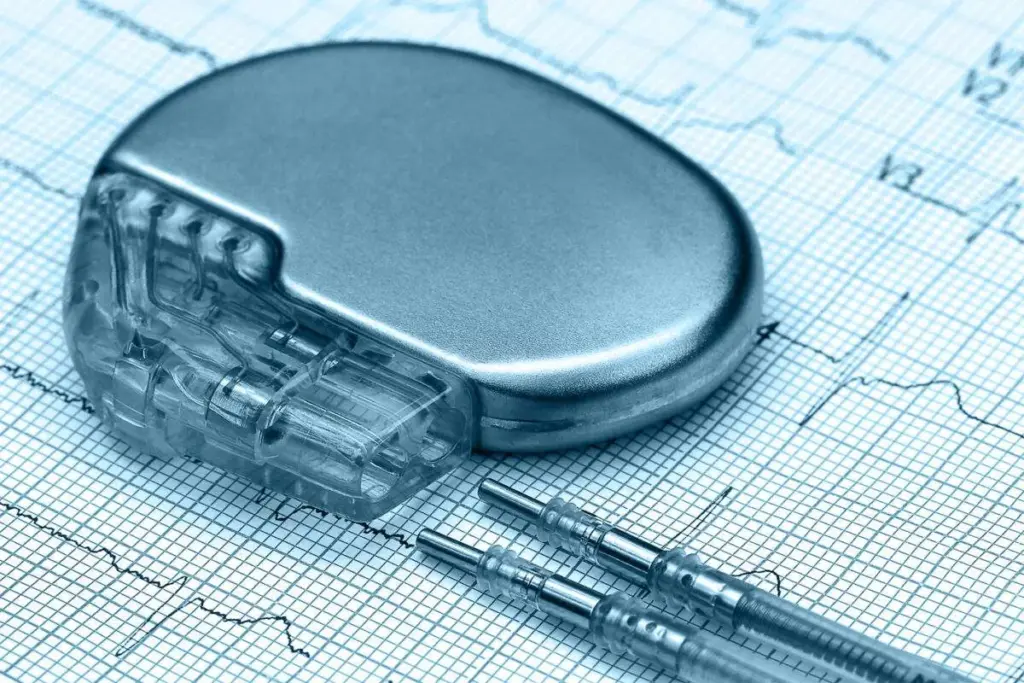
Medical technology has improved a lot. Now, pacemaker patients can live more active lives. But, there are some restrictions to keep in mind, mainly when traveling or doing physical activities.Things you can’t do with a pacemaker? Flying is allowed! Get best safe travel tips. Show your ID card to avoid dangerous security hassles.
Studies show that almost 3 million people globally have a pacemaker. Many of them want to fly. But, flying with a pacemaker needs careful planning to stay safe.
We will look into the important info pacemaker patients need to know. This includes travel and activity limitations. It helps them stay safe and healthy.
Key Takeaways
- Understand the specific travel restrictions for pacemaker patients.
- Learn about the necessary precautions for flying with a pacemaker.
- Discover the activities that are restricted or recommended for individuals with a pacemaker.
- Find out how to manage your pacemaker and maintain an active lifestyle.
- Know what to discuss with your healthcare provider before traveling or engaging in new activities.
Understanding Pacemakers: What They Are and How They Work
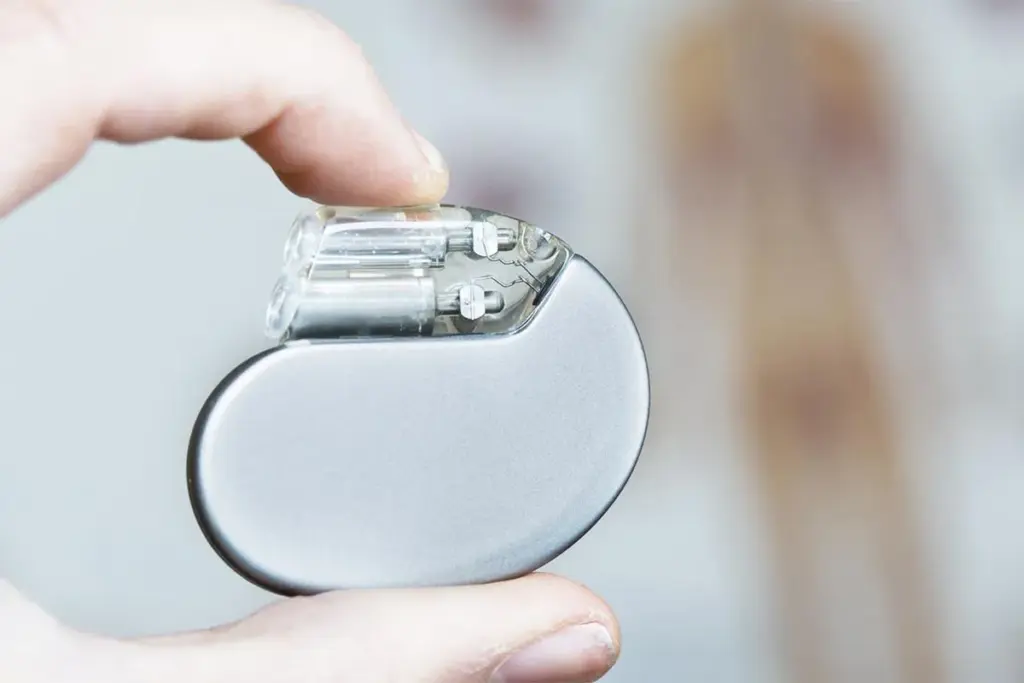
Pacemakers are advanced medical tools that help control the heartbeat. They send out electrical signals to keep the heart beating right. These devices are key for people with heart rhythm problems.
The Purpose of a Pacemaker
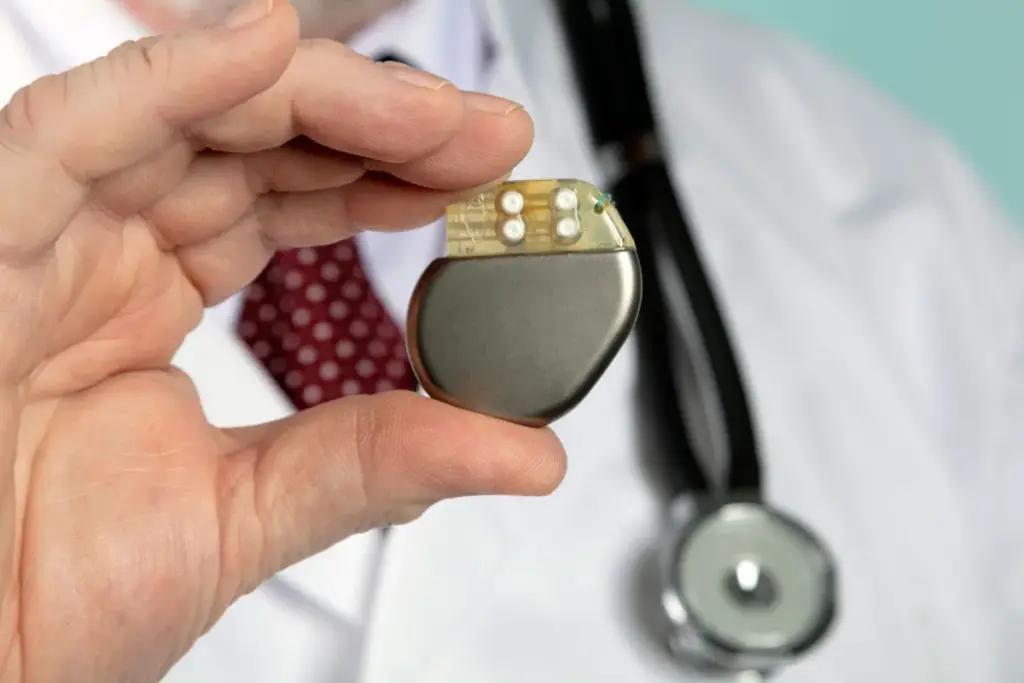
Pacemakers keep the heart beating at the right speed. Pacemakers are designed to treat arrhythmias and other heart issues. They watch the heart’s rhythm and send out signals when needed.
Types of Pacemakers
There are many types of pacemakers, each for different heart problems. Here are a few:
- Single-chamber pacemakers, with one lead in the atrium or ventricle.
- Dual-chamber pacemakers, with two leads for both the atrium and ventricle, for a more natural beat.
- Biventricular pacemakers, used in cardiac resynchronization therapy to treat heart failure by making both ventricles contract together.
How Pacemakers Function
Pacemakers keep an eye on the heart’s rhythm and send out signals to fix any problems. They have a pulse generator and leads. The pulse generator has the battery and electronics, and the leads are thin wires that connect to the heart.
Knowing how pacemakers work and their role in managing heart conditions helps patients. It shows why it’s important to follow their doctor’s advice on activity and travel.
The Role of Cardiac Electrophysiologists in Pacemaker Management
Cardiac electrophysiologists are key in managing pacemaker patients. They make sure these devices work right and safely. They can diagnose and treat heart rhythm problems, which is vital for pacemaker users.
What is a Cardiac Electrophysiologist?
A cardiac electrophysiologist is a cardiologist with extra training in heart rhythm disorders. They handle complex arrhythmias and are important for pacemaker care.
These experts get extra 1-2 years of training after general cardiology. They know how to read complex heart rhythm tests and fix arrhythmias.
How Electrophysiologists Monitor Your Pacemaker
Electrophysiologists check pacemaker function in different ways. They make sure the device is working right and the heart rhythm is stable. They do this through:
- Regular check-ups to check pacemaker function and adjust settings.
- Remote monitoring technology to track pacemaker performance and find issues early.
- Advanced diagnostic tests to check heart rhythm and pacemaker interaction.
|
Monitoring Method |
Description |
Frequency |
|---|---|---|
|
Regular Check-ups |
In-person visits to assess pacemaker function and adjust settings. |
Typically every 6-12 months. |
|
Remote Monitoring |
Use of technology to track pacemaker performance remotely. |
Can be daily or as needed. |
|
Diagnostic Tests |
Tests such as ECGs to evaluate heart rhythm and pacemaker interaction. |
As needed based on patient condition. |
When to Consult Your Specialist
Pacemaker patients should know when to see their specialist. This includes:
- Experiencing symptoms like dizziness, fainting, or palpitations.
- Noticing changes in heart rate or rhythm.
- Receiving alerts from your pacemaker device.
Talking regularly with your electrophysiologist helps fix any problems fast. This keeps your pacemaker working its best.
Flying with a Pacemaker: Is It Safe?
Flying with a pacemaker raises important safety questions. It’s key to know how the device works and how it might react to flight conditions. Modern pacemakers are built to handle different environments, including those found in the air. But, it’s wise to take some steps to make sure flying is safe.
Effects of Air Travel on Pacemaker Function
During air travel, you might face changes in air pressure and electromagnetic interference (EMI). Most pacemakers can handle air pressure changes without issue. But, it’s possible for EMI from planes to affect them. Luckily, planes are designed to shield against EMI, keeping pacemakers safe.
Precautions during flight: Try to stay away from plane electronics and strong magnetic fields. These are rare, but it’s better to be safe.
Pre-Flight Medical Clearance
Before you fly, get a thumbs-up from your doctor. They’ll check if your pacemaker is working right and if you’re healthy enough for travel. They can give you advice based on your pacemaker and health.
Documentation: Always carry your pacemaker card and medical records when you travel.
Altitude Considerations
Altitude isn’t usually a worry for pacemaker users on commercial flights. Planes pressurize the cabin to keep it safe, like being at 6,000 to 8,000 feet. This keeps passengers safe from extreme altitudes.
- Cabin pressure is safe for pacemaker patients.
- Most pacemaker users don’t need special altitude precautions.
In short, flying with a pacemaker is usually safe with the right precautions. Knowing how air travel affects pacemakers, getting medical clearance before flying, and understanding altitude issues helps keep pacemaker patients safe and healthy while traveling.
Airport Security Screening: What to Expect
Traveling with a pacemaker can be tough at airport security. But knowing what to expect can help. It’s key to understand the screening steps and how they might impact your pacemaker.
At airports, you’ll go through metal detectors or body scanners. Sometimes, you might also be checked with hand-held wands. These tools aim to find metal, but they could mess with your pacemaker.
Metal Detectors and Body Scanners
Metal detectors and body scanners are usual at airports. Tell security about your pacemaker before you go through these. Metal detectors usually don’t cause big problems. But body scanners might, even though most pacemakers are made to resist this.
The TSA says it’s okay for pacemaker users to go through security. But they suggest telling TSA officers about your device.
Hand-Held Wands
Security might use hand-held wands on you. These could mess with your pacemaker’s signals. Ask for a pat-down instead, if you can, to stay safe.
Presenting Your Pacemaker ID Card
It’s a good idea to carry a pacemaker ID card when you travel. This card tells important details about your pacemaker. Showing this card to security can make things easier and safer for you.
Being ready and informed helps you feel confident at airport security. Always talk to your doctor if you’re worried about traveling with a pacemaker.
In-Flight Considerations for Pacemaker Patients
Flying with a pacemaker is more than just getting on a plane. You need to know how flight conditions might affect your device. We’ll look at important factors that can keep you safe and comfortable in the air.
Cabin Pressure Effects
One big worry for pacemaker patients is cabin pressure changes. Even though planes are pressurized, the pressure shifts can affect your pacemaker.
These changes might cause minor shifts in the pacemaker’s lead positioning. But most modern pacemakers can handle these changes well. It’s key to watch for any discomfort or unusual feelings during the flight.
Electromagnetic Interference on Aircraft
Another thing to think about is electromagnetic interference (EMI) from plane systems. Modern planes have shielding to reduce EMI, and most pacemakers are made to resist it. Yet, it’s good to know this risk exists.
To lessen the risk, we suggest:
- Carrying your pacemaker ID card.
- Telling the flight crew about your pacemaker.
- Staying away from electronic devices.
Emergency Preparedness
Being ready for emergencies is key when flying with a pacemaker. This means knowing what to do in a medical crisis, like having your emergency contact info and knowing how to talk to the flight crew.
It’s smart to bring a list of your medications and medical history. If your pacemaker fails, knowing where the nearest hospital is and having travel insurance for medical emergencies can help.
Understanding cabin pressure, electromagnetic interference, and having emergency plans can help pacemaker patients fly more safely and comfortably.
Things You Can’t Do With a Pacemaker: A Complete Guide
Having a pacemaker means you need to think about what activities are safe. Pacemakers help the heart, but some activities can be risky. They might not work right or could even hurt the device.
High-Risk Activities to Avoid
Some activities are too risky for people with pacemakers. They could mess up the device or hurt it. Here are some examples:
- Contact sports like football or hockey can damage the pacemaker or its leads.
- High-impact sports like skydiving or bungee jumping can shock the device.
- Working with strong magnetic fields, like welding, can also harm the pacemaker.
Moderate-Risk Activities: Proceed with Caution
Some activities are not completely banned but need careful thought. They include:
- Running or intense aerobics need a doctor’s okay to make sure it’s safe.
- Gardening or lifting can be managed by taking breaks and not pushing too hard.
Low-Risk Activities: Generally Safe Options
Many everyday activities are safe for pacemaker users. These include:
- Walking or low-impact exercises are good for health and usually okay.
- Swimming or water aerobics are safe and good for the heart, but tell your doctor first.
- Most household chores like cooking or laundry are safe, as long as you don’t lift too much.
It’s key for pacemaker patients to talk to their doctors before doing any activity. This makes sure it’s safe for them.
Electromagnetic Interference: Understanding the Risks
It’s key for pacemaker users to know about electromagnetic interference. This is when something outside affects an electrical circuit. For pacemakers, this could mess with how they work.
Common Sources of EMI
Many things around us can cause EMI. Here are some examples:
- Power lines and transmission towers
- Microwaves and other kitchen appliances
- Certain medical equipment, such as MRI machines and radiation therapy devices
- Industrial equipment and machinery
Even though pacemakers are made to resist EMI, it’s good to stay alert about what’s around you.
How EMI Affects Pacemaker Function
EMI can mess with a pacemaker in different ways. It might not work right, or it could change how it works. The impact depends on how strong the EMI is and the pacemaker’s design.
- Temporary or permanent changes in pacemaker settings
- Interference with the pacemaker’s ability to detect heart rhythms
- Inappropriate pacing or inhibition of pacing
Protective Measures Against EMI
To avoid EMI, pacemaker users can follow these tips:
|
Precaution |
Description |
Benefit |
|---|---|---|
|
Avoid close proximity to strong EMI sources |
Maintain a safe distance from sources like industrial machinery and certain medical equipment |
Reduces risk of pacemaker malfunction |
|
Use devices with caution |
Be cautious when using appliances like microwaves and electric razors |
Minimizes possible interference |
|
Carry a pacemaker ID card |
Inform medical personnel and security personnel about your pacemaker |
Ensures proper handling in medical and security screening situations |
By knowing where EMI comes from and taking steps to protect yourself, pacemaker users can lower their risk of device problems.
Daily Activities and Household Appliances: Safety Guidelines
For those with pacemakers, knowing how to safely use household appliances is key. This helps keep them independent and living well. Most appliances are safe, but some need extra care, like power tools with strong electromagnetic fields.
Kitchen Appliances
Kitchen items are used a lot. Most are safe for pacemaker users. But, it’s wise to stay away from microwaves and induction cooktops when they’re on.
- Stand back from microwave ovens while they are operating.
- Avoid leaning against or standing very close to induction cooktops.
- Use electric appliances normally, but avoid malfunctioning or damaged appliances.
Electronic Devices
Devices like phones, tablets, and laptops are part of our daily lives. They’re usually safe to use. But, it’s best not to carry phones in a breast pocket over the pacemaker site.
- Keep devices at a reasonable distance from your body when not in use.
- Avoid placing electronic devices directly over your pacemaker when in use.
Power Tools and Equipment
Power tools and heavy equipment can cause a lot of electromagnetic interference (EMI). It’s vital to follow safety rules when using these tools.
|
Tool/Equipment |
Safety Precaution |
|---|---|
|
Drills and saws |
Maintain a safe distance or use battery-powered tools. |
|
Welding equipment |
Avoid using welding equipment or maintain a significant distance. |
“Understanding the risks associated with EMI and taking appropriate precautions can significantly reduce the risk of pacemaker malfunction.” This highlights the need to know about the dangers of power tools and equipment.
By following these guidelines, pacemaker users can lower risks from daily activities and appliances. Always talk to your doctor for advice tailored to you.
Sports and Exercise Restrictions with a Pacemaker
For those with a pacemaker, knowing what sports and exercises to avoid is key. Many safe options are out there, allowing for an active life.
Contact Sports and High-Impact Activities
Activities like contact sports and high-impact exercises can be dangerous for pacemaker users. They might cause the device to malfunction or get damaged. Examples include:
- Contact Sports: Football, rugby, and hockey, where collisions can occur.
- High-Impact Activities: Skydiving, bungee jumping, and intense aerobics that involve significant jarring or sudden movements.
These activities can harm the pacemaker site or disrupt its function. Always talk to your doctor before trying any activity that might be risky.
Safe Exercise Options
There are many safe exercises for pacemaker users. These include:
- Low-Impact Aerobics: Gentle exercises that promote cardiovascular health without excessive strain.
- Swimming and Water Aerobics: Low-impact exercises that are easy on the joints and can be very beneficial.
- Cycling: Stationary cycling or using a recumbent bike is a safe way to improve cardiovascular fitness.
- Walking: A simple, effective way to stay active and healthy.
These activities help keep your heart healthy and improve your overall well-being. Always check with your doctor before starting any new exercise.
Monitoring Your Heart Rate During Exercise
Keeping an eye on your heart rate while exercising is vital for pacemaker users. It ensures you’re not pushing too hard and lets you adjust your workout as needed. Many pacemakers have heart rate monitoring features. There are also wearable devices that track your heart rate in real-time.
“The focus should be on safely engaging in activities that are important to you rather than trying to do everything.”
Medical Procedures to Avoid with a Pacemaker
Having a pacemaker means you need to be careful about some medical procedures. These procedures could harm your pacemaker or your health. Pacemakers are designed to be safe, but some treatments can be risky.
MRI Compatibility Issues
Magnetic Resonance Imaging (MRI) scans are common, but they can be a problem for pacemaker patients. The strong magnetic fields in MRI machines can mess with pacemaker function. This could cause it to malfunction or get damaged.
But, new pacemaker technology makes some devices MRI-compatible. If you need an MRI, tell your doctor about your pacemaker. Make sure your device can handle MRI scans.
Radiation Therapy Considerations
Radiation therapy is another treatment that needs careful thought for pacemaker patients. High doses of radiation can harm pacemaker function, leading to failure. The risk depends on the type of radiation therapy and where the pacemaker is.
Talk to your healthcare team about your treatment options. They can find the safest way to protect your pacemaker.
Alternative Diagnostic Options
For pacemaker patients, there are often safer ways to diagnose problems. If an MRI is not needed, other imaging methods like CT scans or ultrasound might be suggested. Sometimes, pacemaker settings can be adjusted to make procedures safer.
Your doctor will find the best diagnostic methods for you. They consider your specific needs and the presence of your pacemaker.
Knowing the risks of certain procedures and looking for safer alternatives helps pacemaker patients. This way, they can get the care they need without harming their device or health.
Other Forms of Transportation: Trains, Boats, and Automobiles
After getting a pacemaker, people often wonder about safe travel options. Flying is a big worry, but trains, boats, and cars are also important. We’ll look at safety tips for each to help pacemaker patients travel safely.
Driving Restrictions After Implantation
Driving is usually safe after a pacemaker is put in, but there might be some rules. You might not be able to drive for 24 to 48 hours after the surgery. This is to make sure you can drive safely without risking your health or others.
Your doctor will give you specific advice based on your situation. It’s important to listen to them.
Don’t drive if you feel dizzy or faint. Talk to your doctor if you’re worried about driving with a pacemaker.
Train and Subway Safety
Trains and subways are usually safe for pacemaker users. But, you should watch out for electromagnetic interference (EMI) from the train or subway’s electrical systems. Modern pacemakers are made to resist EMI, but it’s wise to be careful.
If you feel strange symptoms like heart racing or dizziness, get help right away.
“Modern pacemakers are designed with safety features to minimize the risk of electromagnetic interference.”
Cruise Ships and Boat Travel
Cruise ships and boats can be great for pacemaker patients. They offer a calm way to see many places. But, talk to your doctor before you go to make sure it’s okay.
Also, check if the ship or boat has a medical area in case of emergencies. Tell the travel company about your pacemaker and any special needs you have.
Knowing the safety rules for different ways to travel helps pacemaker patients feel confident on their trips. Always talk to your doctor before planning a trip to know what precautions to take.
International Travel Considerations for Pacemaker Patients
Pacemaker patients planning international trips need to be ready for medical emergencies. They must also know how to use foreign healthcare systems. It’s important to be safe and enjoy your trip.
Planning for Medical Care Abroad
Before you go, research medical care in your destination. This means:
- Finding local healthcare facilities close to where you’ll stay
- Learning about the quality of care available
- Locating hospitals or clinics for heart emergencies
- Keeping emergency contact numbers handy, like your cardiologist
Talk to your doctor for advice on medical facilities abroad. They can also address any pacemaker concerns.
Insurance and Documentation
Having the right insurance and documents is key for traveling with a pacemaker. Here’s what to do:
- Make sure your health insurance works abroad, or get travel insurance
- Carry your pacemaker ID card and medication list
- Keep a copy of your medical records, including pacemaker info
- Know how to file medical claims when you’re away
Check with your insurance to see what’s covered and what you need to do.
Country-Specific Regulations
Every country has its own rules for medical devices and care. Be aware of:
- Regulations on pacemakers or other implants in your destination
- If device checks or reprogramming are available
- Local laws or customs that might impact your care
Knowing these things helps you prepare for a safe and fun trip with your pacemaker.
Communicating with Healthcare Providers About Travel Plans
For pacemaker patients, telling healthcare providers about travel plans is key to safety. Traveling, whether near or far, comes with risks. But, with the right advice from doctors, these risks can be lessened.
Pre-Travel Medical Consultation
Before you go, make sure to see your doctor. This visit helps your doctor check your health and give advice on pacemaker care while traveling. Talk about your trip plans, like where you’re going and what you’ll do, to spot any dangers.
Your doctor can also help with:
- Managing your pacemaker during travel
- Understanding any travel restrictions
- Precautions to take during security screenings
- Emergency procedures while traveling
Obtaining Necessary Documentation
Your doctor can give you important papers, like a pacemaker ID card. This card has key info about your pacemaker. It’s important to have it with you, just in case.
They might also suggest:
- Carrying a letter about your medical condition and pacemaker
- Having a list of emergency contact numbers, like your doctor and family
Emergency Contact Information
Make sure you have easy access to emergency contacts. This includes numbers for your doctor, local emergency services, and a family member to reach in an emergency.
It’s also smart to:
- Register with your country’s travel advisory department, if available
- Keep a digital copy of your important documents and contact information accessible
By talking well with your healthcare providers and being prepared, you can have a safer and more fun trip with a pacemaker.
Advancements in Pacemaker Technology and Travel Safety
New advancements in pacemaker tech have made traveling safer for those with pacemakers. These updates improve how pacemakers work and give travelers more confidence on the road.
MRI-Compatible Pacemakers
The creation of MRI-compatible pacemakers is a big step forward. MRI compatibility lets patients get important tests done safely. This is great for travelers who might need medical help while away from home.
Remote Monitoring Capabilities
Remote monitoring lets doctors keep an eye on pacemakers from afar. This tech helps avoid unnecessary hospital trips. It makes traveling easier for those with pacemakers.
Future Innovations
Even more safety and convenience are coming. Leadless pacemakers and advanced remote monitoring systems are on the way. They promise to make traveling with a pacemaker even better.
Psychological Aspects of Living with a Pacemaker
Living with a pacemaker can change your life, but it also brings its own challenges. Adjusting to a device that controls your heartbeat can be tough. It affects your daily life and travel plans.
Overcoming Travel Anxiety
Traveling with a pacemaker can make you anxious. You might worry about airport security, how the flight affects your device, and being ready for emergencies. But, with the right planning, you can manage these worries.
Carrying a pacemaker ID card and telling airline staff about your condition can help a lot. “I’ve traveled a lot with my pacemaker,” says a patient. “Being prepared has really helped me feel less stressed.”
Building Confidence in Daily Activities
Staying active is important for your health, but it can worry pacemaker patients. It’s key to know which activities are safe and how your body reacts. Talking to your healthcare provider to make a safe exercise plan can boost your confidence.
- Start with low-impact activities like walking or swimming.
- Gradually increase the intensity based on your healthcare provider’s advice.
- Monitor your heart rate and be aware of any unusual symptoms.
Support Groups and Resources
Support groups and resources are key for pacemaker patients. Sharing experiences and advice with others who get it can be very comforting and empowering.
Joining online forums or local support groups can give you a lot of information and emotional support. Many organizations also offer specific help for pacemaker patients, guiding them through the challenges.
Conclusion: Living Fully with a Pacemaker
People with pacemakers can live active and fulfilling lives. They just need to take the right steps and make some lifestyle changes. We’ve looked at how pacemakers work and how to stay safe while traveling and doing daily activities.
Keeping your pacemaker safe is key. Knowing about risks like electromagnetic interference is important. By following travel tips and safe exercise and daily activity guidelines, you can reduce risks and improve your life quality.
Pacemaker patients should stay informed and connected with their healthcare providers. Using pacemaker patient resources and support groups can offer valuable advice and reassurance.
By being proactive about living with a pacemaker and making informed choices, you can have a full and active life. We encourage pacemaker patients to stay confident and engaged. With the right care and precautions, they can thrive.
FAQ
What is a pacemaker and how does it work?
A pacemaker is a small device implanted under the skin. It helps control the heartbeat by sending electrical impulses. This is used to treat heart conditions and arrhythmias.
Can I fly with a pacemaker?
Yes, you can fly with a pacemaker, but get medical clearance first. Modern pacemakers can handle air travel. Just remember to take some precautions.
How do I navigate airport security screening with a pacemaker?
Tell security about your pacemaker. Carry an ID card. If needed, you might go through different screening methods.
Are there any activities I should avoid with a pacemaker?
Yes, avoid high-risk activities like contact sports. Be cautious with moderate-risk activities. Always check with your doctor first.
Can electromagnetic interference affect my pacemaker?
Yes, EMI can affect your pacemaker. This includes strong magnetic fields and some medical equipment. Be careful around these sources.
Are there any household appliances I should avoid using with a pacemaker?
Most household appliances are safe. But stay away from strong magnetic fields. This includes some kitchen appliances and power tools.
Can I exercise with a pacemaker?
Yes, but avoid high-impact activities. Safe exercises include walking and cycling. Always watch your heart rate.
Are there any medical procedures I should avoid with a pacemaker?
Yes, avoid MRI scans and radiation therapy. Look for alternative diagnostic options. Always check with your doctor.
Can I drive with a pacemaker?
Generally, yes, but follow your doctor’s advice. There might be driving restrictions after implantation.
What should I consider when traveling internationally with a pacemaker?
Plan for medical care abroad and insurance. Know the local healthcare system and regulations. This ensures a smooth trip.
How can I overcome travel anxiety with a pacemaker?
Understand your pacemaker and follow safety guidelines. Talk to your healthcare provider. This builds confidence in traveling safely.
What are the latest advancements in pacemaker technology?
New advancements include MRI-compatible pacemakers and remote monitoring. These improvements make travel safer for pacemaker patients.
Reference
National Center for Biotechnology Information. Evidence-Based Medical Insight. Retrieved from https://pmc.ncbi.nlm.nih.gov/articles/PMC8412049/[1



 Departments
 Related Videos
 Our Doctors
 News
News