
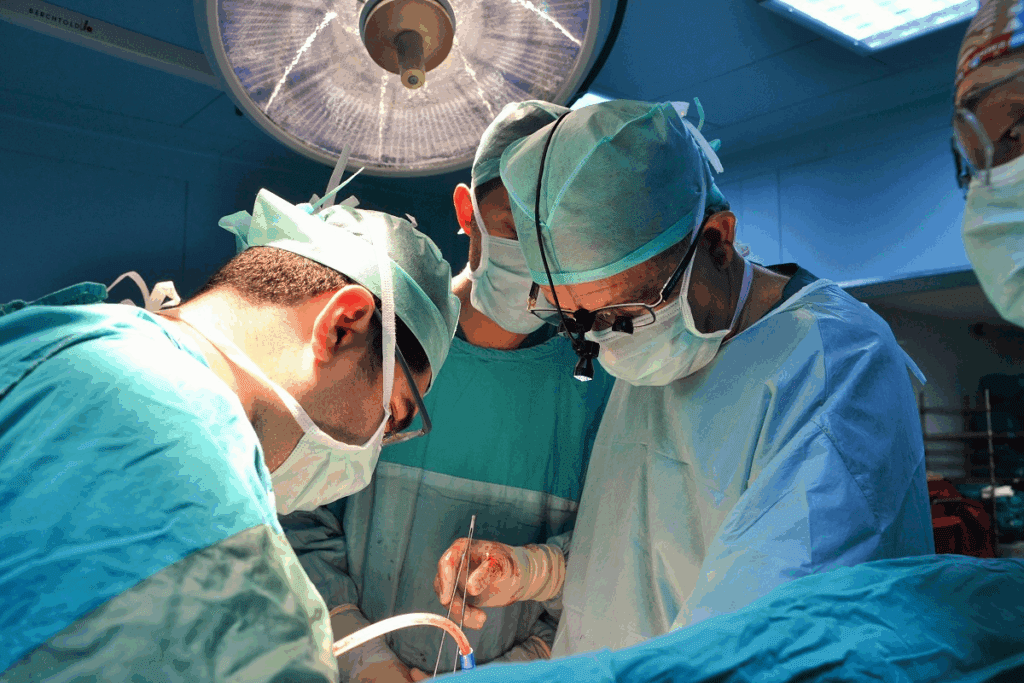
Many people get confused about where thoracic surgery fits in the world of surgery. They wonder if it’s part of general surgery. Let’s clear up this confusion. Surgical specialties have grown to focus on specific areas and procedures.
Key Takeaways
- The classification of thoracic surgery in relation to general surgery is often misunderstood.
- Thoracic surgery is a specialized field focusing on surgical procedures of the chest cavity.
- General surgery, on the other hand, covers a broader range of surgical procedures across different body parts.
- The distinction between the two lies in their areas of focus and procedural complexity.
- Understanding the difference is key for patients looking for the right medical care.
The Scope and Definition of Thoracic Surgery
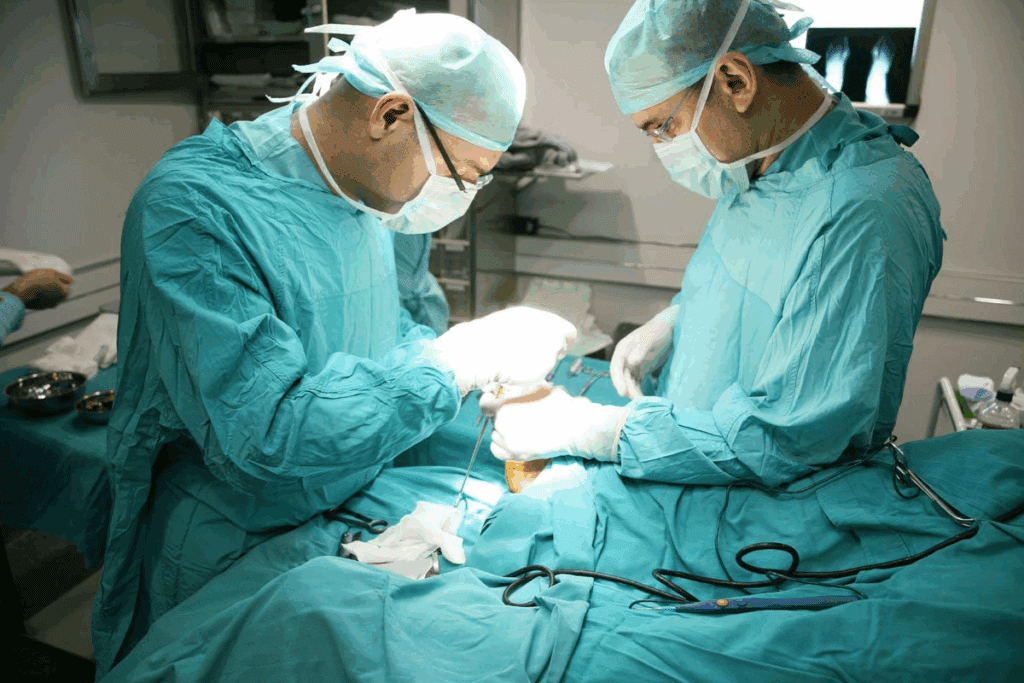
Thoracic surgery is a special branch of surgery. It focuses on the chest area. We will look into what thoracic surgery covers, including its focus and different areas within it.
Anatomical Focus and Organ Systems
Thoracic surgery deals with the chest’s organs and structures. This includes the lungs, esophagus, diaphragm, and mediastinum. Knowing the chest’s anatomy is key to understanding thoracic surgery’s complexity.
Primary Diseases Treated by Thoracic Surgeons
They need to know a lot about the chest’s anatomy and diseases.
- Lung cancer
- Esophageal cancer
- Mediastinal tumors
- Pleural diseases
Thoracic Surgery Subspecialties
Thoracic surgery has many subspecialties. These include general thoracic surgery and cardiothoracic surgery. There’s also minimally invasive thoracic surgery. These show the variety and complexity of thoracic surgery.
The field of thoracic surgery keeps growing. New techniques and technology help improve patient care.
General Surgery: Core Principles and Practice Areas
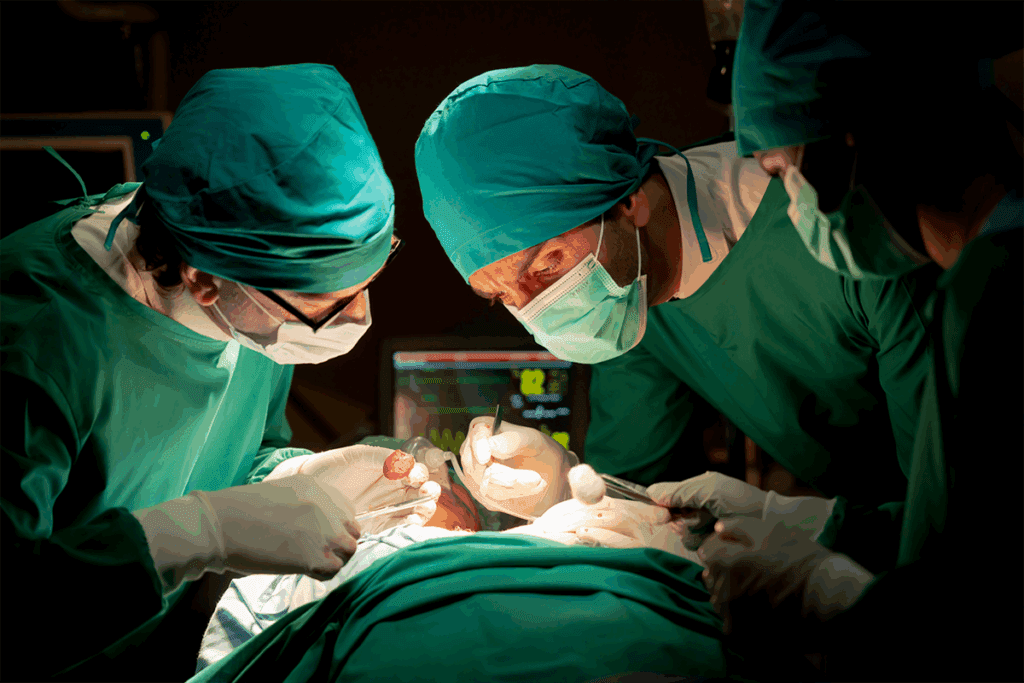
General surgery is key in the surgical field. It offers vital care for patients with many surgical needs. It’s the foundation for specialties like thoracic surgery.
Defining the General Surgeon’s Domain
General surgeons handle a wide range of surgeries. This includes abdominal emergencies and skin infections. They use general surgery techniques that are essential in many situations.
They are experts in all stages of surgery, from before to after. They are vital in hospitals, often leading emergency surgeries.
Common General Surgery Procedures and Techniques
General surgeons do many surgeries, like removing the appendix and gallbladder, and fixing hernias. These general surgery services are key for treating common surgeries.
| Procedure | Description | Frequency |
| Appendectomy | Surgical removal of the appendix | High |
| Cholecystectomy | Removal of the gallbladder | Moderate |
| Hernia Repair | Surgical correction of hernias | High |
General Surgery Services in Hospital Settings
In hospitals, general surgeons offer vital general surgery services. They handle emergency care and elective surgeries. Their role is essential in managing surgical patients and supporting other specialties.
Comparing general surgery vs thoracic surgery, general surgeons can do some thoracic procedures. But thoracic surgeons are trained for complex cases. General surgeons and thoracic surgery often work together, showing the teamwork in surgical care.
Historical Development of Thoracic Surgery from General Surgery
The journey of thoracic surgery from general surgery to its own field is filled with key moments and pioneering surgeons. At first, general surgeons did thoracic work, setting the stage for today’s specialized field.
Early Thoracic Procedures by General Surgeons
Back then, general surgeons did thoracic work like draining empyema and treating thoracic trauma. These early steps were vital for today’s thoracic surgery.
One of the first thoracic surgeries was draining empyema, where pus builds up in the chest. General surgeons used simple methods to tackle this problem.
The Emergence of Thoracic Surgery as a Distinct Field
As medical tech and knowledge grew, the need for thoracic surgery training became clear. The field grew as thoracic procedures got more complex and needed specialized skills.
New tools like radiography and CT scans changed the game. They helped doctors diagnose and plan better, pushing thoracic surgery forward.
Key Historical Figures in Thoracic Surgery Specialization
Many key figures helped make thoracic surgery its own field. They brought new methods, trained others, and fought for thoracic surgery’s recognition.
Thoracic Surgery General Surgery: Analyzing the Relationship
Thoracic and general surgery have both similarities and differences. They share some areas, but each has its own focus and skills. This makes them unique in their own ways.
Overlapping Competencies and Procedures
Both thoracic and general surgeons handle emergencies and basic surgeries. They also focus on preoperative and postoperative care. This shows they share some common ground.
Some of the overlapping procedures include:
- Basic surgical techniques such as suturing and tissue handling
- Emergency surgery for trauma
- Drainage procedures for abscesses or fluid collections
Fundamental Differences in Focus and Expertise
Thoracic surgery focuses on complex operations in the thoracic cavity. This includes the lungs, esophagus, and mediastinum. Thoracic surgeons get special training for these detailed procedures.
The main differences are:
- The complexity and delicacy of thoracic surgical procedures
- The need for specialized training and equipment in thoracic surgery
- The distinct patient populations and disease profiles managed by thoracic versus general surgeons
| Characteristics | Thoracic Surgery | General Surgery |
| Primary Focus | Operations within the thoracic cavity (lungs, esophagus, mediastinum) | Broad range of surgical procedures across various body systems |
| Training and Expertise | Specialized training in complex thoracic procedures | General surgical training with possible further specialization |
| Patient Population | Patients needing thoracic surgical interventions | Diverse patient population across various surgical needs |
Training Pathways and Educational Requirements
Surgeons go through tough training to become experts. They follow different paths for general and thoracic surgery. This journey is long and requires a lot of hard work and determination.
General Surgery Residency Structure
A general surgery residency lasts five to seven years. During this time, residents learn a lot about surgery, patient care, and how to operate. They also get to try out different surgical areas, building a strong base for their future.
Thoracic Surgery Fellowship Requirements
After finishing a general surgery residency, those wanting to be thoracic surgeons need more training. This training, lasting two to three years, focuses on the chest area. It includes learning about the lungs, esophagus, and chest wall.
Board Certification Process for Both Specialties
Getting certified is key for surgeons in general and thoracic surgery. General surgeons get certified by the American Board of Surgery (ABS) after a tough exam. Thoracic surgeons, after their fellowship, get certified by the American Board of Thoracic Surgery (ABTS) after passing their exam.
Continuing Education and Maintenance of Certification
Both types of surgeons must keep learning to stay up-to-date. They attend conferences, workshops, and online courses. They also need to keep their certification by passing exams and evaluations regularly.
The training for general and thoracic surgery has some similarities but also big differences. Knowing these educational needs shows the skill and commitment needed to be great in these fields.
Types of Thoracic Surgery Procedures
Thoracic surgery covers a wide range of procedures. They are key for treating chest cavity issues. These surgeries help with lung, esophagus, and other chest problems.
Pulmonary Resections and Lung Procedures
Pulmonary resections remove part or all of a lung. They treat lung cancer, severe infections, or damaged lung tissue. We use video-assisted thoracoscopic surgery (VATS) and open thoracotomy to reduce recovery time and improve results.
The types of pulmonary resections include:
- Lobectomy: Removal of a lung lobe
- Pneumonectomy: Removal of an entire lung
- Segmentectomy: Removal of a lung segment
- Wedged resection: Removal of a small, wedge-shaped portion of lung tissue
Esophageal Surgery Approaches
Esophageal surgery treats conditions like esophageal cancer and severe GERD. We use minimally invasive techniques or open surgery, based on the patient’s needs.
Common esophageal surgical procedures include:
- Esophagectomy: Removal of part or all of the esophagus
- Heller myotomy: A procedure to relieve esophageal obstruction
- Fundoplication: Surgery to treat GERD by wrapping the top of the stomach around the lower part of the esophagus
Chest Wall and Pleural Procedures
Surgeries for chest wall and pleural conditions treat tumors, infections, and pleural effusions. These may involve reconstruction of the chest wall or drainage of pleural fluid.
| Procedure | Description | Common Indications |
| Thoracentesis | Drainage of pleural fluid | Pleural effusion |
| Chest wall reconstruction | Repair or replacement of chest wall structures | Tumors, trauma |
| Pleurectomy | Removal of the pleura | Pleural tumors, recurrent pleural effusions |
Mediastinal Surgery
Mediastinal surgery treats conditions in the chest cavity’s center. It’s for tumors, cysts, or infections in the mediastinum.
Common mediastinal surgical procedures include:
- Mediastinoscopy: A diagnostic procedure to examine the mediastinum
- Thymectomy: Removal of the thymus gland, often performed for thymoma or myasthenia gravis
- Mediastinal mass resection: Removal of tumors or cysts within the mediastinum
General Surgery Techniques Applied to Thoracic Cases
Thoracic surgery uses many techniques from general surgery. This makes sense because both types of surgeons get similar training. They learn about many surgical procedures.
Shared Surgical Principles and Approaches
General and thoracic surgery share important principles. These include careful handling of tissues, precise bleeding control, and choosing the right patients. These basics are key to success in both fields.
- Minimally invasive techniques: Both types of surgeons use these to cut down on recovery time and scarring.
- Surgical staging: Accurate staging is vital for cancer cases. It helps figure out how far the disease has spread and plan treatment.
- Collaboration with other specialists: Working together with radiologists, oncologists, and others is critical. It ensures patients get the best care.
When General Surgeons Perform Limited Thoracic Procedures
General surgeons can do some thoracic procedures, mainly in emergencies. They might do:
- Chest tube insertion: They can put in chest tubes to handle pneumothorax or pleural effusion.
- Thoracotomy for trauma: In severe chest injuries, they might do an emergency thoracotomy to save lives.
- Drainage of thoracic abscesses: They can drain abscesses or collections in the chest.
This shows general surgeons’ flexibility and skill. It also shows how general and thoracic surgery overlap in some situations.
Cardiothoracic Surgery vs. General Thoracic Surgery
Cardiothoracic and general thoracic surgery both focus on the chest area. But, they have different ways of treating conditions and require different skills.
Cardiothoracic surgery covers both the heart and lungs. Surgeons in this field are trained to work on both organs and other chest structures.
Cardiac Component: Additional Training and Skills
Cardiothoracic surgery needs more training than general thoracic surgery, mainly for heart operations. Surgeons get training in both heart and lung surgeries. This lets them do complex surgeries like heart transplants.
Working on the heart is very precise. Surgeons must be very skilled to handle the heart’s delicate tissues. They deal with serious conditions that can be life-threatening.
Practice Differences Between Cardiothoracic and General Thoracic Surgeons
Cardiothoracic surgeons can handle more cases than general thoracic surgeons. General thoracic surgeons mainly work on lungs and esophagus. But, cardiothoracic surgeons can also do heart surgeries.
- Cardiothoracic surgeons do heart surgeries like bypass grafting and valve repairs.
- They also handle complex lung and esophagus surgeries.
- General thoracic surgeons often send heart cases to cardiothoracic surgeons.
Integrated Cardiothoracic Training Programs
Now, there are training programs that mix thoracic and cardiac surgery. These programs aim to make surgeons good at both areas. This makes them more versatile and skilled.
These programs include training in general surgery and cardiothoracic surgery. This way, trainees learn a wide range of skills and knowledge.
Role of Thoracic Surgery in Cancer Treatment
Thoracic surgery is key in fighting cancer. It helps treat lung, esophagus, and other chest cancers. Thoracic surgeons use special techniques to help patients.
Surgical Management of Lung Cancer
Lung cancer is a big problem worldwide. Surgery is the best way to treat it early. Thoracic surgeons remove tumors, keeping lung function good.
“Surgery is the best chance for early lung cancer patients,” say experts. The right surgery depends on the tumor and the patient’s health.
Esophageal Cancer Approaches
Thoracic surgery is also vital for esophageal cancer. It involves removing part of the esophagus. The method used depends on the tumor’s spot and the surgeon’s choice.
New, less invasive surgeries have made treatments better. “Minimally invasive surgery cuts down on risks and deaths,” shows its value.
Multidisciplinary Cancer Care Teams
Patients with chest cancers need a team approach. This team includes thoracic surgeons, oncologists, and more. They work together for the best care.
- Thoracic surgeons handle surgeries.
- Medical oncologists give chemotherapy.
- Radiation oncologists use radiation therapy.
This teamwork boosts patient results. A top oncologist says, “A team effort is key for complex cancer care.”
In summary, thoracic surgery is essential for lung and esophageal cancer treatment. The skills of thoracic surgeons and new surgical methods have greatly helped patients.
Minimally Invasive Approaches in Modern Thoracic Surgery
Thoracic surgery has changed a lot with new, less invasive methods. These new ways help patients heal faster and with less pain. We’ll look at these new approaches that are changing how thoracic surgery is done.
Video-Assisted Thoracoscopic Surgery (VATS) Techniques
Video-Assisted Thoracoscopic Surgery (VATS) is a big deal in thoracic surgery now. It lets surgeons do big surgeries through tiny cuts. This means less pain and quicker healing for patients.
VATS is used for many things, like removing lung parts and treating pleural diseases. It helps surgeons do better work with fewer problems.
Robotic Thoracic Surgery Advancements
Robotic thoracic surgery is the newest thing in surgery tech. It makes surgeries more precise and easier to see. This is great for tricky surgeries.
Robotic surgery means less blood loss, less pain, and shorter stays in the hospital. As tech gets better, we’ll see even more improvements in robotic surgery.
Comparing Recovery: Open vs. Minimally Invasive Approaches
How fast you recover is key when comparing surgeries. Minimally invasive methods like VATS and robotic surgery are way better than old-school open surgery. They make recovery faster and with fewer problems.
Let’s look at how they compare:
| Criteria | Open Surgery | Minimally Invasive Surgery |
| Recovery Time | Typically longer, often requiring several weeks to months | Generally shorter, with many patients recovering within a few weeks |
| Postoperative Pain | More significant due to larger incisions | Less severe, as smaller incisions result in less tissue trauma |
| Complications | Higher risk of complications, including infection and adhesions | Lower risk, with fewer complications reported |
Thoracic Surgery Centers and Specialized Units
Thoracic surgery centers are key in treating thoracic diseases. They offer a team approach to patient care. These places are set up to handle all aspects of thoracic surgery.
Organization of Dedicated Thoracic Surgery Departments
Dedicated thoracic surgery departments focus on quality patient care. They have teams of experts like thoracic surgeons, anesthesiologists, nurses, and more. These teams work together from diagnosis to recovery.
These departments have the right setup for complex surgeries. They have modern operating rooms and intensive care units. This setup helps provide the best care for patients with thoracic conditions, like lung cancer and esophageal diseases.
Relationship with General Surgery Departments in Hospitals
Thoracic surgery departments often team up with general surgery departments. This teamwork is key for managing complex cases. It ensures patients get the care they need.
The partnership between these departments varies by hospital size. In some places, thoracic surgery is part of general surgery. In bigger hospitals, it might have its own team.
Working together improves patient care. It means care is coordinated and the latest techniques are used. It also helps share knowledge and improve surgical skills.
Emergency and Trauma Scenarios: Specialty Overlap
In emergency situations, thoracic surgery and general surgery often work together. This is true for managing thoracic trauma, where both specialties are key.
Thoracic Trauma Management
Managing thoracic trauma involves many procedures. Thoracic surgeons lead in treating complex chest injuries. These include lung, heart, and major blood vessel injuries.
General surgeons also play a big role, mainly in the initial assessment and stabilization. Their skill in managing trauma to multiple systems is critical in emergencies.
“The management of thoracic trauma requires a multidisciplinary approach, with thoracic and general surgeons working together to optimize patient outcomes.”
Call Coverage Models in Different Hospital Settings
Call coverage models differ across hospitals. This affects how thoracic and general surgeons work together in emergencies.
| Hospital Setting | Call Coverage Model | Specialty Involvement |
| Level I Trauma Center | 24/7 Thoracic Surgery Coverage | Thoracic and General Surgeons |
| Community Hospital | Shared Call Between Specialties | General Surgeons with Thoracic Backup |
| Specialized Thoracic Center | Dedicated Thoracic Surgery Team | Primarily Thoracic Surgeons |
Collaborative Approaches to Complex Cases
In complex cases, teamwork is key. Surgical consultations between specialists ensure a complete care plan.
- Preoperative planning involves both thoracic and general surgeons.
- Intraoperative consultations facilitate real-time decision-making.
- Postoperative care is coordinated across specialties.
Thoracic Surgeon Qualifications and Expertise
Thoracic surgeons need a mix of knowledge, skills, and experience to do well. Their qualifications and expertise are key to giving top-notch care in thoracic surgery.
Essential Skills and Knowledge Base
Thoracic surgeons have a deep education and training. They start with a medical degree and then get specialized surgical training. They must be precise, pay attention to details, and make quick decisions. They also need to keep up with new techniques and advancements in thoracic surgery.
They know a lot about anatomy, pathology, and special surgical techniques for the thoracic area. They understand the complex diseases of the lungs, esophagus, and other parts of the thoracic region.
Volume-Outcome Relationship in Thoracic Surgery
The volume-outcome relationship shows how many procedures a surgeon or hospital does affects the results. Studies have found that places that do more procedures have better results in complex surgeries, like thoracic surgery.
This shows how important experience and focus in thoracic surgery are. Surgeons and centers that do more procedures tend to have better results because they’ve honed their skills.
Future Trends in Thoracic Surgery Specialization
Thoracic surgery is getting better, thanks to new technology and specialized skills. The field is on the verge of big changes. These changes will help patients get better care and change how thoracic surgery is done.
Technological Innovations Shaping Practice
New technology is key in shaping thoracic surgery’s future. Some important developments include:
- Robotic Surgery: Robotic systems are making surgeries more precise and skilled.
- Minimally Invasive Techniques: Advances in video-assisted thoracoscopic surgery (VATS) are making recovery faster and patients more comfortable.
- 3D Printing and Modeling: 3D printing is being used more for planning surgeries and teaching patients.
These new technologies are not just making surgeries better. They’re also helping train the next generation of thoracic surgeons.
Subspecialization Within Thoracic Surgery
Subspecialization is a big trend in thoracic surgery. Surgeons are now focusing on specific areas, like:
| Subspecialty | Description | Key Procedures |
| Pulmonary Surgery | Focuses on surgical management of lung diseases. | Lobectomies, wedge resections |
| Esophageal Surgery | Deals with surgical treatment of esophageal disorders. | Esophagectomies, fundoplications |
| Mediastinal Surgery | Involves surgery of the mediastinum, including tumors and cysts. | Tumor resections, thymectomies |
Subspecialization means surgeons can focus more on their area. This leads to better care for patients.
“The future of thoracic surgery lies in its ability to adapt to new technologies and to continually refine its subspecialties. As we move forward, it is essential that we prioritize both innovation and specialization.”
By following these trends, thoracic surgeons can keep improving patient care and growing the field.
Choosing Between Thoracic and General Surgery Careers
Aspiring surgeons often face a big decision. They must choose between thoracic surgery and general surgery. This choice is important and depends on many factors. These include where they will work, the types of cases they will handle, and their lifestyle.
Practice Setting Differences
Thoracic surgeons work in specialized centers or big hospitals. These places have the latest technology for complex surgeries. General surgeons, on the other hand, can work in many places. This includes community hospitals and private practices. They handle a wide range of surgical cases.
Case Complexity and Technical Challenges
Thoracic surgery is very complex and requires special training and tools. The surgeries involve delicate parts inside the chest. General surgery is also challenging but covers a wider range of procedures. This includes surgeries in the abdomen that don’t need the same level of specialization as thoracic surgery.
| Aspect | Thoracic Surgery | General Surgery |
| Practice Setting | Specialized centers, large hospitals | Community hospitals, private practices |
| Case Complexity | Highly complex, specialized procedures | Varied complexity, broader range of procedures |
| Technical Challenges | Delicate structures, advanced techniques | Varied technical demands, including abdominal surgeries |
Lifestyle and Call Considerations
The lifestyle and call schedule are also key factors. Thoracic surgeons might have more regular hours because of their specialized work. But, they might also have to be on call for emergencies. General surgeons, depending on where they work, might have more varied hours. They could also handle more emergency cases.
In conclusion, choosing between thoracic and general surgery requires careful thought. It’s about the work environment, the types of cases, the technical challenges, and the lifestyle. Understanding these differences helps aspiring surgeons make a choice that fits their skills, interests, and personal life.
Conclusion: Thoracic Surgery as a Distinct yet Related Specialty to General Surgery
Our study shows that thoracic surgery and general surgery are closely linked but also different. Thoracic surgery has grown into a unique field with its own focus and skills.
We looked at how thoracic surgery and general surgery developed, trained, and practiced. Our findings stress the need to know thoracic surgery’s special aspects. This includes its role in treating serious conditions like lung cancer and esophageal diseases.
In conclusion, thoracic surgery and general surgery share a common base. But thoracic surgery needs its own set of knowledge and abilities. This difference is key for patients looking for advanced treatments and for doctors wanting to give full care.
FAQ
Is thoracic surgery considered a subset of general surgery?
No, thoracic surgery is not just a part of general surgery. It has grown into its own field. It needs special training and skills.
What is the scope of thoracic surgery?
Thoracic surgery deals with the chest area. It includes removing parts of the lung, fixing the esophagus, and working on the chest wall. It treats lung and esophageal cancers and chest problems.
What are the primary differences between thoracic surgery and general surgery?
The main difference is what they focus on. Thoracic surgery is about the chest. General surgery covers more areas of the body.
Can general surgeons perform thoracic surgery procedures?
General surgeons might do some simple chest surgeries. But, complex chest surgeries need special training. Thoracic surgeons get this training to be experts.
What is the role of thoracic surgery in cancer treatment?
Thoracic surgery is key in treating lung and esophageal cancers. Thoracic surgeons work with other doctors to give full care to patients.
What are the benefits of minimally invasive thoracic surgery?
Minimally invasive surgery, like VATS and robotic surgery, has many benefits. It causes less pain, heals faster, and has fewer complications.
How do thoracic surgeons and general surgeons collaborate in emergency and trauma scenarios?
In emergencies, thoracic and general surgeons work together. They handle complex cases, like chest injuries, as a team.
What are the essential skills and knowledge required for thoracic surgeons?
Thoracic surgeons need a solid base in surgery. They also need special knowledge and skills for chest surgery. They must keep up with new techniques and research.
How is thoracic surgery expected to evolve in the future?
Thoracic surgery will keep growing with new tech, like robotic surgery. It will also see more specializations within the field.
What factors should be considered when choosing between a career in thoracic surgery and general surgery?
When deciding between thoracic and general surgery, think about where you’ll work, the types of cases, and the challenges. Also, consider your lifestyle and call schedule.
References
- McGinnis, K., et al. (2009). The influence of surgeon specialty on outcomes in general thoracic surgery: Analysis of 587,000 patients. The Annals of Thoracic Surgery, 88(5), 1568-1574. https://pubmed.ncbi.nlm.nih.gov/19853114/