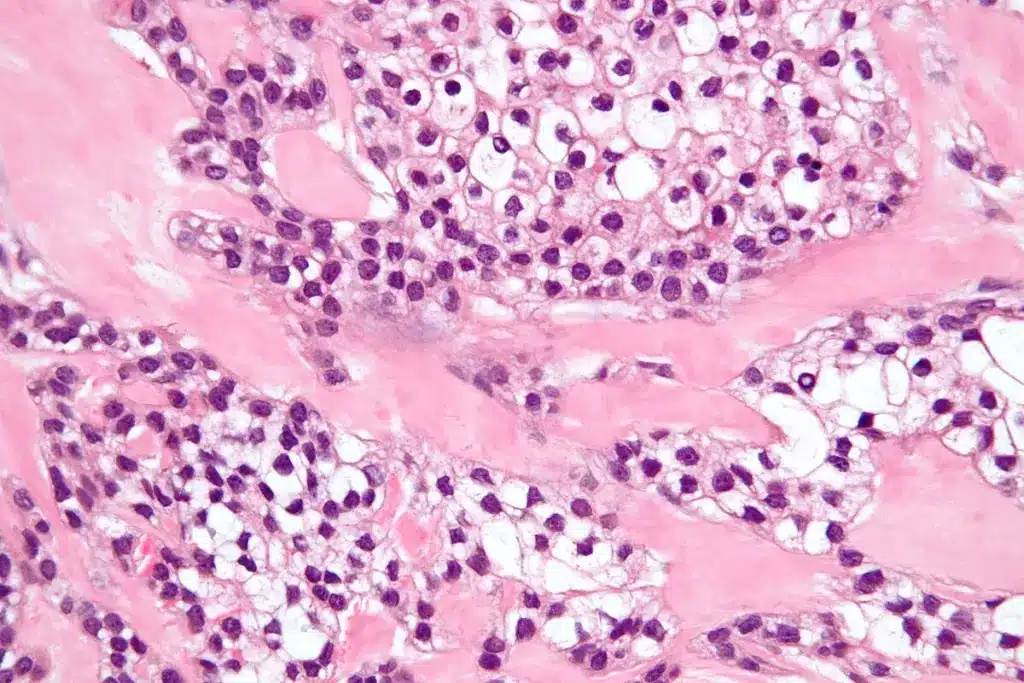
Early detection and modern care have greatly improved the chances of beating squamous cell carcinoma, a type of throat cancer. We see a big jump in cancer prognosis. This is thanks to treatments at places like Liv Hospital.
The five-year survival rate for SCC has gone up from 44.1% (2000–2004) to 51.5% (2015–2019). This shows a clear improvement in cancer treatment outcomes. At Liv Hospital, we use the newest methods to help our patients get better care.
Key Takeaways
- Advances in early detection have improved squamous cell carcinoma prognosis.
- Liv Hospital uses the latest treatment protocols to enhance patient outcomes.
- The overall five-year relative survival rate for SCC has increased over the years.
- Internationally accredited hospital networks offer better cancer treatment outcomes.
- Modern care pathways are key in boosting throat cancer survival rates.
Understanding Squamous Cell Carcinoma (SCC)
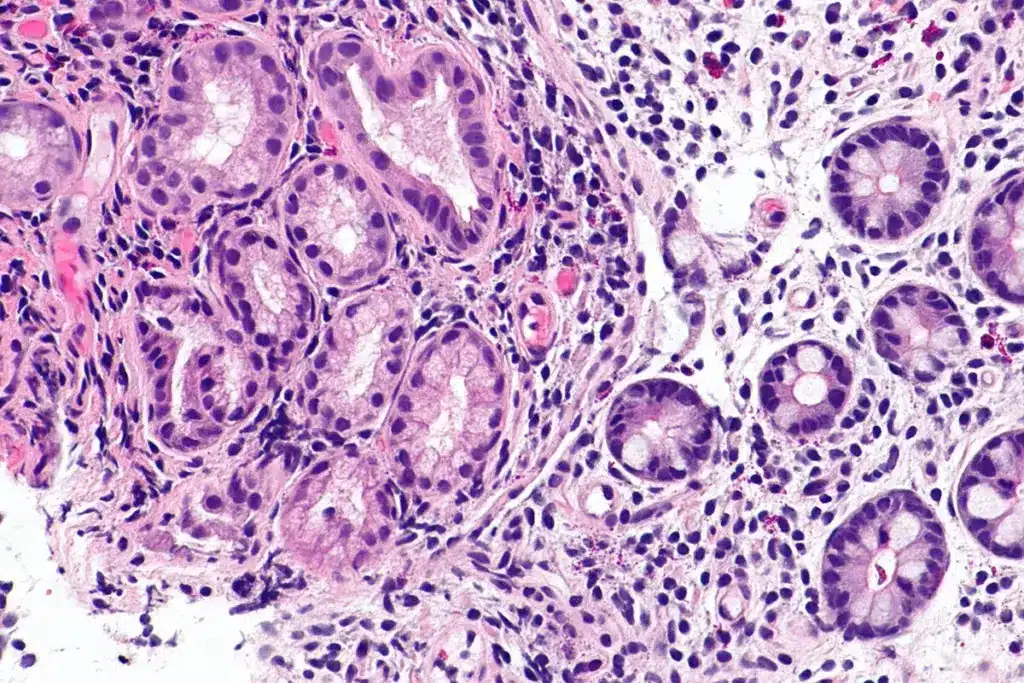
Squamous cell carcinoma (SCC) is a cancer that starts in squamous cells. These cells are flat and thin, found in the skin’s outer layer and some organs’ linings. It’s important to know about SCC because it’s common and can be serious.
Definition and Types of SCC
SCC happens when squamous cells grow out of control. There are different types, like:
- Cutaneous SCC: affects the skin
- Oral SCC: affects the mouth
- Laryngeal SCC: affects the larynx or voice box
- Esophageal SCC: affects the esophagus
Each type has its own risk factors and outcomes. For example, skin SCC is often caused by sun exposure. Other types might be linked to smoking and drinking.
Common Locations Where SCC Develops
SCC can happen in many places, like:
|
Location |
Type of SCC |
Common Risk Factors |
|---|---|---|
|
Skin |
Cutaneous SCC |
UV radiation, fair skin |
|
Mouth |
Oral SCC |
Tobacco use, alcohol consumption |
|
Throat |
Laryngeal SCC |
Tobacco use, alcohol consumption, HPV infection |
|
Esophagus |
Esophageal SCC |
Tobacco use, alcohol consumption, certain dietary factors |
Risk Factors for Developing SCC
>Several things can increase your chance of getting SCC, including:
“Being in the sun or using tanning beds can lead to skin SCC. Other risks are having had skin cancer before, a weak immune system, and being around certain chemicals.”
For SCC in the mouth and throat, smoking and drinking, and HPV infection are risks.
Knowing these risks helps prevent and catch SCC early. By understanding the risks and taking steps to avoid them, you can lower your chance of getting SCC.
The staging system for Squamous Cell Carcinoma
Knowing the SCC staging is key for treatment and outlook. The staging system shows how far the disease has spread. This helps doctors plan the best treatment.
Stage 0 (Carcinoma in situ)
Stage 0 SCC is the first stage. Cancer cells are only in the top layer of skin. Treatment here is usually very effective, leading to a high chance of cure.
Stage 1 Squamous Cell Carcinoma
Stage 1 SCC means the cancer is small and hasn’t spread. Early detection greatly improves chances of recovery. Treatment might include surgery or local therapies.
Stage 2 and 3 SCC
Stage 2 and 3 SCC see the tumor grow and nearby lymph nodes get involved. Stage 2 has a bigger tumor, while Stage 3 might have spread. Treatment gets more complex, often needing surgery, radiation, and chemotherapy.
Stage 4 SCC and Metastasis
Stage 4 SCC is the worst stage, with cancer spreading to distant places. The outlook is less good at this stage. Treatment aims to ease symptoms and improve life quality. Various treatments, like systemic therapies, are used.
Getting the SCC staging right is vital for the right treatment and outcome. We’ll look at how staging affects survival and treatment in the next parts.
Overall survival trends for Squamous Cell Carcinoma
SCC survival rates have improved a lot in recent years. This gives hope to patients all over the world. The progress comes from better treatments and early detection.
Historical Survival Rates
SCC survival rates have changed over time. They depend on when the cancer is found and where it is. Early-stage SCC has a better chance of survival than later stages.
Some important survival rates for SCC include:
- Early-stage SCC: 80-90% five-year survival rate
- Locally advanced SCC: 50-60% five-year survival rate
- Metastatic SCC: 20-30% five-year survival rate
Recent Improvements in Survival (2000-2019)
SCC survival rates have gotten much better over the last 20 years. The five-year survival rate for SCC went from 44.1% to 51.5% between 2000-2004 and 2015-2019.
This better survival rate is due to several things. These include:
- Advancements in surgical techniques
- More use of radiation therapy and chemotherapy
- New targeted therapies and immunotherapies
- Better early detection and diagnosis
Predicted Future Trends
We expect SCC survival rates to keep getting better. New treatments like immunotherapy and personalized medicine will help a lot. These treatments are expected to improve patient outcomes.
Future improvements will focus on:
- More development of targeted therapies
- More use of immunotherapy
- Better early detection and screening
- More personalized treatment plans
As research keeps moving forward, we’re hopeful about the future of SCC treatment and survival rates.
Cutaneous SCC: Skin cancer survival rate
Early detection is key to treating cutaneous SCC successfully. When caught early, the outlook for patients is usually good.
Early Detection and 2-Year Survival Rates
Early detection is critical. For cutaneous SCC found early, the five-year survival rate can hit 99%. This shows how vital regular skin checks and quick medical visits are if you notice anything odd.
Studies show that the 2-year survival rate for localized cutaneous SCC is very high, often over 90%. This success rate points to the effectiveness of current treatments and the need for early action.
Does Skin Cancer Kill You? Understanding the Risks
While cutaneous SCC is treatable, advanced cases pose risks. If not treated or if treatment is delayed, it can spread and cause serious health issues.
“The mortality rate for non-melanoma skin cancers, including SCC, is significant, with thousands of deaths attributed to these cancers annually.”
Knowing these risks stresses the need for constant vigilance and proactive skin health management.
Treatment Options and Cure Rates for Skin Cancer
The treatment for cutaneous SCC varies based on several factors. These include the tumor’s size, location, and if it has spread. Common treatments include surgical removal, Mohs surgery, radiation therapy, and sometimes systemic therapies.
|
Treatment Option |
Cure Rate |
Typical Use Case |
|---|---|---|
|
Surgical Excision |
High |
Localized tumors |
|
Mohs Surgery |
Very High |
Tumors in cosmetically sensitive or functionally critical areas |
|
Radiation Therapy |
Effective |
Patients who are not good candidates for surgery or have more advanced disease |
These treatments are highly effective, mainly when cancer is caught early. The cure rates for skin cancer, like localized cutaneous SCC, are encouraging. This highlights the importance of early detection and proper treatment.
Throat cancer survival rate: What the statistics show
Throat cancer survival rates vary a lot based on when it’s found. Knowing these stats is key for patients and doctors to choose the best treatment.
Throat Cancer Prognosis by Stage
The outlook for throat cancer changes a lot with the stage at diagnosis. Early stages usually have a better chance of recovery than later ones.
For example, stage I throat cancer patients often have a higher survival rate than those with stage IV. The five-year survival rate for stage I can be 80-90%. But for stage IV, it’s much lower, around 20-30% or less, depending on many factors.
Factors Affecting Throat Cancer Outcomes
Many things can affect how well throat cancer treatment works. These include the patient’s health, any other health issues, and the cancer’s genetics. Lifestyle choices like smoking and drinking also matter a lot.
Getting the right treatment quickly is also very important. Patients treated at cancer centers often do better because they get care from many experts.
Throat Cancer Treatment Outcomes
Thanks to new treatments, throat cancer outcomes have gotten better. The right treatment depends on the cancer’s stage, location, and the patient’s health.
For early-stage cancer, surgery or radiation might be enough. This gives patients a good chance of being cured. But for more advanced cancer, treatments like surgery, radiation, and chemotherapy are often needed together.
Oral cavity SCC: Cancer tongue prognosis and outcomes
Understanding the prognosis and outcomes of oral cavity SCC is key for those with tongue cancer. We will look at what affects survival rates and treatment options for this condition.
Survival rates for tongue cancer
Survival rates for tongue cancer depend on the stage at diagnosis. Early-stage tongue cancer has a better outlook. The 5-year survival rate for localized tongue cancer is about 80%. For regional and distant metastasis, it’s around 63% and 39%, respectively.
Several factors influence these survival rates, including:
- Stage at diagnosis: Early detection improves survival.
- Tumor size and location: Larger tumors or those at the base of the tongue have worse outcomes.
- Patient’s overall health: Comorbidities can affect treatment tolerance and outcomes.
Treatment approaches for oral SCC
Treatment for oral SCC, including tongue cancer, is often a team effort. The main treatments are:
- Surgery: Surgical removal is often the first step, aiming for clear margins.
- Radiation therapy: Used alone or with surgery, for advanced cases or to save organ function.
- Chemotherapy and targeted therapy: Used with radiation or surgery for advanced or recurrent disease.
Recent advancements in treatment have shown promising results. They help improve survival rates and quality of life for patients.
Quality of life considerations
Quality of life is a big part of managing oral SCC. Treatment can affect speaking, eating, and swallowing. So, rehabilitation and supportive care are key parts of treatment.
Important aspects include:
- Speech and swallowing therapy: To regain functional abilities.
- Pain management: Effective pain control to improve comfort.
- Nutritional support: Ensuring adequate nutrition during and after treatment.
By focusing on these areas, healthcare providers can greatly improve the quality of life for patients with oral SCC.
The impact of metastasis on SCC survival
Metastasis makes treating squamous cell carcinoma (SCC) much harder. It affects how long patients live. When SCC spreads, the outlook for patients changes a lot.
Cancer in Lymph Nodes Life Expectancy
Lymph nodes play a big role in SCC outcomes. Research shows that cancer in these nodes lowers survival chances a lot.
For example, if SCC reaches the lymph nodes, survival rates can be between 20% and 50%. This depends on how many nodes are affected and other factors.
Distant Metastases Life Expectancy
Distant metastases mean SCC has spread far, leading to a worse prognosis. Survival rates fall below 50% at this stage.
Life expectancy for distant metastases varies. It depends on where the metastases are, the patient’s health, and treatment success.
Treatment Options for Metastatic SCC
Even though metastatic SCC is tough to treat, there are ways to manage it. These can improve life quality.
- Surgery: To remove metastatic tumors when possible.
- Radiation therapy: To ease symptoms and shrink tumors.
- Chemotherapy: To slow the disease’s growth.
- Targeted therapy and immunotherapy: New treatments that offer hope for metastatic SCC patients.
We will look into these treatments more. We’ll discuss their benefits and what they can’t do.
|
Treatment Option |
Purpose |
Potential Benefits |
|---|---|---|
|
Surgery |
Remove metastatic tumors |
Can improve survival rates and quality of life |
|
Radiation Therapy |
Control symptoms and reduce tumor size |
Palliative care, symptom relief |
|
Chemotherapy |
Slow disease progression |
Can prolong life, reduce tumor burden |
|
Targeted Therapy and Immunotherapy |
Target specific cancer cells, boost immune response |
Potential for improved outcomes, fewer side effects |
Chances of surviving stage4 cancer
Surviving stage 4 cancer is tough, but knowing the recovery rates and survival factors can offer hope. Stage 4 cancer has spread to other parts of the body. The survival chances depend on the cancer type, the patient’s health, and the treatment’s success.
Recovery rate for stage 4 cancer
The recovery rate for stage 4 cancer is lower than earlier stages. Yet, each patient’s case is different, and survival rates vary a lot. Studies show the 5-year survival rate for all stage 4 cancers is about 20-30%.
For example, stage 4 melanoma has a 5-year survival rate of 23%. Stage 4 breast cancer can have up to a 30% survival rate with the right treatment. It’s important for patients to talk to their doctors about their specific survival chances.
Cancer stage 4 survival rate variations by location
The survival rate for stage 4 cancer changes based on where the cancer started. For instance:
|
Cancer Type |
5-Year Survival Rate |
|---|---|
|
Stage 4 Melanoma |
23% |
|
Stage 4 Breast Cancer |
30% |
|
Stage 4 Lung Cancer |
6% |
|
Stage 4 Colorectal Cancer |
14% |
This table shows how survival rates differ for various stage 4 cancers. Knowing these differences helps set realistic goals and make better treatment choices.
Factors that improve stage 4 outcomes
Several factors can help stage 4 cancer patients live longer. These include:
- Early detection and treatment: Early action in stage 4 can increase survival chances.
- Advancements in treatment: New treatments like immunotherapy and targeted therapy are showing promise.
- Patient’s overall health: Patients with fewer health issues and better overall health tend to do better.
- Access to specialized care: Getting treatment at cancer centers can offer access to the latest treatments and care teams.
By understanding these factors and working with their healthcare team, stage 4 cancer patients can improve their treatment plans. This can help increase their chances of survival.
Key factors influencing SCC prognosis
Several key factors play a significant role in determining the prognosis of patients with SCC. Understanding these factors is critical for both patients and healthcare providers. It helps in making informed decisions about treatment and care.
The Critical Importance of Early Detection
Early detection is key to improving SCC patient outcomes. When SCC is caught early, treatments work better, and survival chances increase. We stress the need for regular check-ups and screenings to spot SCC early.
Early detection strategies include:
- Regular skin examinations
- Awareness of risk factors and symptoms
- Prompt reporting of any suspicious changes to healthcare providers
Impact of Patient Age and Overall Health
The age and overall health of a patient greatly affect their SCC prognosis. Older patients or those with health issues may face more treatment challenges. We take these factors into account when creating personalized treatment plans.
|
Age Group |
5-Year Survival Rate |
|---|---|
|
<50 years |
80% |
|
50-69 years |
65% |
|
>70 years |
50% |
Cancer Subtype and Differentiation
The subtype and differentiation of SCC are also important for prognosis. Well-differentiated SCC generally has a better outlook than poorly differentiated types. Knowing the cancer’s specific characteristics helps in choosing the right treatment.
“The subtype and differentiation of SCC are critical factors in determining the prognosis and guiding treatment decisions.” – Oncologist
Access to Specialized Care
Getting specialized care is vital for better SCC outcomes. Patients treated at cancer centers often have better survival rates and quality of life. We support multidisciplinary care teams that include oncologists, surgeons, and other healthcare professionals.
By understanding and addressing these key factors, we can improve the prognosis and quality of life for SCC patients. It’s important for patients to work closely with their healthcare team to create a personalized treatment plan.
Treatment approaches and their effect on survival
The fight against Squamous Cell Carcinoma (SCC) has seen big changes. New treatments offer hope to patients. It’s important to know about the different treatments and how they affect survival rates.
Surgical Interventions
Surgery is key in treating SCC, mainly for tumors that haven’t spread far. Surgical excision aims to remove the tumor and some healthy tissue around it. The success of surgery depends on the tumor’s size, location, and stage.
For SCC caught early, surgery can cure it. New surgical methods, like micrographic surgery, help remove cancer more precisely. This way, more healthy tissue is saved.
Radiation Therapy Outcomes
Radiation therapy is also effective for SCC, mainly for tumors that respond well to it. It can be used alone or with surgery. External beam radiation therapy and brachytherapy are used to target the tumor directly.
Thanks to new technology, radiation therapy is more precise and has fewer side effects. For some, it’s a good alternative to surgery. It helps keep organs working better and improves life quality.
Chemotherapy and Targeted Treatments
Chemotherapy and targeted therapies are vital for SCC, mainly in later stages or when cancer has spread. Chemotherapy kills cancer cells, while targeted therapies target specific molecules that help cancer grow.
|
Treatment Modality |
Mechanism of Action |
Common Use in SCC |
|---|---|---|
|
Chemotherapy |
Kills rapidly dividing cells |
Advanced or metastatic SCC |
|
Targeted Therapy |
Targets specific cancer-related molecules |
Advanced SCC with specific genetic mutations |
Immunotherapy Advancements
Immunotherapy is a big step forward in SCC treatment. It uses the body’s immune system to fight cancer. Checkpoint inhibitors are a type of immunotherapy that have shown great promise in treating advanced SCC.
Research into immunotherapy for SCC is ongoing. Trials are looking into combining therapies and finding biomarkers to predict how well a treatment will work. As we learn more about how the immune system fights cancer, immunotherapy’s role in improving survival rates is growing.
The consequences of delayed treatment
Getting medical help quickly is key for SCC patients. Waiting too long can make the disease worse and hurt your chances of getting better.
Untreated SCC: A 2-Year Timeline
Not treating SCC for 2 years can make it much worse. Without treatment, SCC can grow, spread to deeper tissues, and even go to lymph nodes or other parts of the body.
Disease Progression: How fast SCC gets worse depends on the tumor’s size and where it is, and the patient’s health.
Disease Progression Timeline
Knowing how SCC progresses without treatment is important. While everyone is different, here’s a general idea:
|
Timeframe |
Disease Stage |
Characteristics |
|---|---|---|
|
0-6 months |
Localized |
SCC stays in the first place, possibly getting bigger. |
|
6-12 months |
Locally Advanced |
SCC starts to spread to nearby tissues, causing damage. |
|
1-2 years |
Metastatic |
SCC goes to lymph nodes or other parts of the body, making treatment harder. |
When to Seek Immediate Medical Attention
If you see SCC getting worse, like it’s growing fast or causing pain, get help right away. Look for signs like:
- Rapid growth of the tumor
- Increased pain or discomfort
- Ulceration or bleeding
- Difficulty swallowing or speaking, if the SCC is in the throat or oral cavity
Seeing a doctor early can really help SCC patients. We suggest talking to a healthcare professional as soon as you notice anything unusual.
Multidisciplinary care and specialized treatment centers
Multidisciplinary care is changing how we treat SCC. It gives patients a better shot at survival and a better life. Experts from oncology, surgery, and radiology work together. They create treatment plans that fit each patient’s needs.
The Role of Cancer Centers in Improving Outcomes
Cancer centers are key in SCC care. They offer specialized care and new treatments. These centers have the latest technology and skilled doctors who focus on patient care.
Going to a cancer center has many benefits:
- Access to teams of experts
- Chance to join clinical trials
- Treatment plans made just for you
- Support for patients and their families
Benefits of Internationally Competitive Protocols
Liv Hospital uses top protocols from around the world. This means patients get the best treatments. These protocols are based on the latest research and guidelines.
Key benefits of these protocols include:
- Better treatment results
- Higher patient safety
- More access to new treatments
Innovative Approaches in SCC Management
SCC treatment is always getting better. New treatments and technologies are being developed. Specialized centers lead in these advancements, giving patients the latest in SCC care.
Some new approaches include:
- Immunotherapy and targeted therapies
- Advanced surgery, like robotic surgery
- New radiation therapy, like proton therapy
Conclusion: The future of SCC treatment and survival
Understanding Squamous Cell Carcinoma (SCC) is key to better patient care. With new medical advancements, SCC treatment is getting better. This is thanks to ongoing research and care improvements.
SCC survival rates have gone up, thanks to early detection and treatment. The stage of cancer, patient age, and health all matter. New treatments like surgery, radiation, and immunotherapy have helped a lot.
We need to keep investing in SCC research to improve treatment and survival. This way, patients get care that fits their needs. The future of SCC treatment will likely include personalized medicine, targeted therapies, and team care.
FAQ
What is squamous cell carcinoma, and how common is it?
Squamous cell carcinoma (SCC) is a type of skin cancer. It starts in the squamous cells, which are thin and flat. These cells cover the outer layer of the skin and some organs. SCC is one of the most common skin cancers and is becoming more common worldwide.
What are the risk factors for developing SCC?
Several factors increase your risk of getting SCC. These include getting too much sun or UV radiation and having fair skin. People who have had skin cancer before, have a weak immune system, or certain genetic conditions are also at higher risk. Exposure to chemicals like arsenic and having had radiation therapy also increase your risk.
What are the survival rates for SCC, and how have they changed over time?
Survival rates for SCC depend on the cancer’s stage and where it is. Over the years, survival rates have greatly improved. Now, more than 90% of people with early SCC can survive for 5 years.
How does the stage of SCC affect the prognosis?
The stage of SCC is very important for predicting your outcome. Early-stage SCC (Stages 0 and 1) has a much better outlook than later stages. For example, Stage 1 SCC has a high 5-year survival rate, while Stage 4 has a lower rate.
What are the treatment options for SCC, and how effective are they?
There are several ways to treat SCC, including surgery, radiation, and chemotherapy. The success of these treatments depends on the cancer’s stage, location, and your overall health.
Can SCC be cured, and what are the chances of recurrence?
Yes, SCC can be cured if caught and treated early. The risk of it coming back depends on the cancer’s stage and how well it responds to treatment.
How does metastasis affect the prognosis for SCC?
If SCC spreads to other parts of the body, it makes the prognosis worse. The survival rate for SCC that has spread is generally lower than for cancer that is only in one place.
What is the impact of delayed treatment on SCC outcomes?
Waiting too long to get treatment can make SCC outcomes worse. This is because the cancer can grow and spread. Getting medical help quickly is key to better results.
How does access to specialized care affect SCC outcomes?
Getting care from cancer centers can really help with SCC. These places offer teams of experts, new treatments, and top-notch care plans.
What are the benefits of multidisciplinary care for SCC?
Multidisciplinary care means a team of doctors working together for you. This approach can lead to better treatment results, fewer side effects, and a better quality of life.
What is the role of immunotherapy in treating SCC?
Immunotherapy uses your immune system to fight cancer. It’s shown to be effective, mainly for advanced SCC.
Can SCC be prevented, and what are the strategies for prevention?
Yes, SCC can be prevented. To do this, avoid too much sun, wear protective clothes, and use sunscreen. Also, don’t smoke or drink too much alcohol, as these can increase your risk.
American Cancer Society (ACS):https://www.cancer.org/content/dam/cancer-org/research/cancer-facts-and-statistics/annual-cancer-facts-and-figures/2025/2025-cancer-facts-and-figures-acs.pdf