Gagging during laryngoscopy is a big worry for many. It affects how comfortable patients feel and how well the procedure goes. New studies have shown how often gagging happens and what makes it more likely. This helps doctors and nurses give better care to their patients.
Having an ENT procedure like laryngoscopy can be scary, and gagging makes it worse. A 2022 study found that patients who gagged more felt more uncomfortable during laryngoscopy. At Liv Hospital, we work hard to make patients more comfortable. We use new ways and care deeply about our patients to help.
Key Takeaways
- Gagging is a significant concern during laryngoscopy procedures.
- Recent research has identified predictors of gagging, enabling better preparation.
- Patient-centered care protocols can significantly reduce gagging and discomfort.
- Advanced ENT procedures require careful consideration of patient comfort.
- Liv Hospital is at the forefront of implementing protocols to minimize gagging.
What Happens During a Throat Scope Procedure
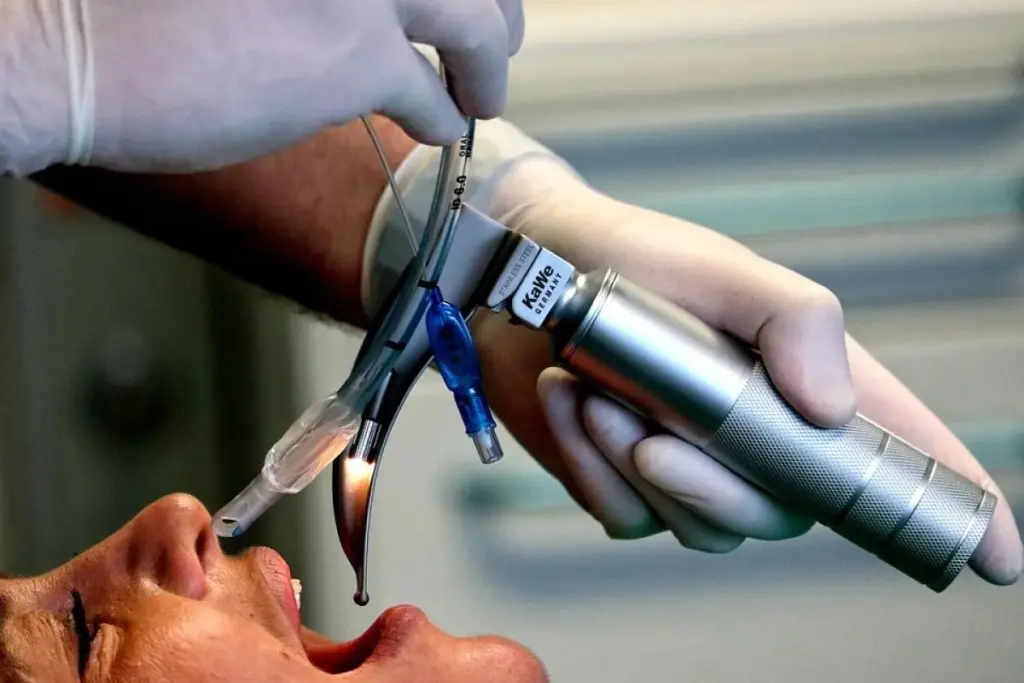
Laryngoscopy is a key medical test. It helps doctors find and track throat problems. This test is essential for spotting issues in the larynx and nearby areas.
Purpose and Medical Applications of Laryngoscopy
Laryngoscopy lets doctors see the larynx, vocal cords, and tissues around them. It’s used to find and diagnose many conditions. These include laryngeal cancer, vocal cord nodules, and other issues that might affect how we speak or breathe.
The Triological Society says laryngoscopy is key in ENT diagnostics. It helps doctors watch how diseases progress and if treatments are working.
Laryngoscopy is used for many things. It helps diagnose voice problems, find out why someone might have throat pain or trouble swallowing. It also investigates chronic coughs or hoarseness and monitors laryngeal cancer or other issues.
Different Types of Laryngoscopy Procedures
There are several laryngoscopy procedures, each with its own use. The main ones are indirect laryngoscopy, direct laryngoscopy, and rigid laryngoscopy.
|
Type of Laryngoscopy |
Description |
Typical Use |
|---|---|---|
|
Indirect Laryngoscopy |
Uses a mirror or flexible endoscope to visualize the larynx |
Routine examination, initial assessment |
|
Direct Laryngoscopy |
Involves a rigid scope to directly visualize the larynx and vocal cords |
Detailed examination, biopsy, or surgical intervention |
|
Rigid Laryngoscopy |
Employs a rigid tube with a camera to examine the larynx |
Procedures requiring precise visualization or intervention |
Knowing about the different laryngoscopy procedures helps patients know what to expect. The right method ensures a precise diagnosis and effective treatment.
The Science Behind the Gag Reflex
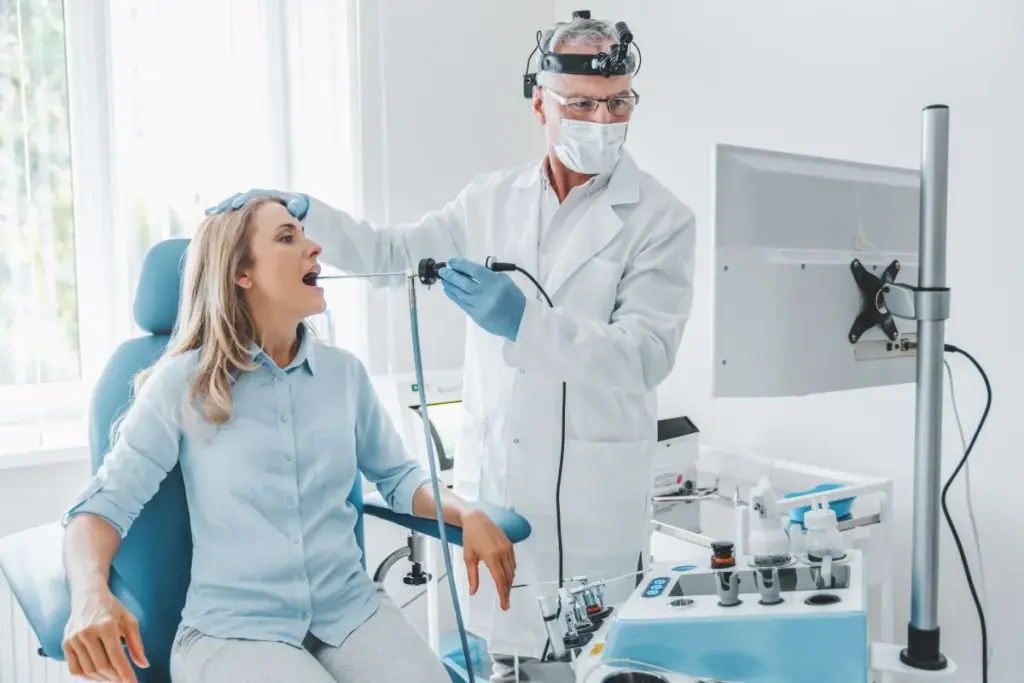
The gag reflex is a complex process. It involves the nervous system and various physiological processes. “The gag reflex is a protective mechanism that prevents foreign objects from entering the airway,” as noted by medical professionals.
Neurological Mechanisms of Gagging
The gag reflex starts when the glossopharyngeal nerve and vagus nerve are stimulated. These nerves send signals to the brain’s gag center. This complex process leads to the contraction of muscles in the throat.
Why Some People Have Stronger Gag Reflexes
Research shows that several factors can affect the gag reflex. For example, prior discomfort, anxiety, and anatomical traits play a role. People with high anxiety may gag more easily. Also, differences in anatomical structure can make some people more sensitive to gagging.
Research on Gagging During Laryngoscopy
Gagging during a laryngoscopy can be very upsetting for patients. This has led researchers to look into why it happens and how it affects patients. It’s a big worry because it can make the procedure less successful and less comfortable for the patient.
The Predictive Gagging Survey (PGS) Findings
A 2022 study found that higher PGS scores mean more gagging and discomfort for patients. The Predictive Gagging Survey helps doctors guess how likely gagging is during procedures.
Prevalence of Severe Gagging in Clinical Studies
Studies show that severe gagging can really affect how well laryngoscopy exams go. Not all patients gag severely, but it’s a big problem for doctors.
Impact on Examination Success Rates
How well a laryngoscopy exam goes can depend on how much gagging there is. Studies say that reducing gagging is key to making exams more successful.
|
Study |
Prevalence of Severe Gagging |
Impact on Examination Success |
|---|---|---|
|
2022 PGS Study |
35% |
Significant reduction in success rates |
|
Clinical Study 1 |
20% |
Moderate impact |
|
Clinical Study 2 |
40% |
High impact |
Why Your Throat Scope Experience Matters
A throat scope examination, or laryngoscopy, is key for diagnosing health issues. It affects patient comfort and diagnostic accuracy. Many patients feel anxious about this procedure.
Patient Comfort and Diagnostic Accuracy
Making patients comfortable during laryngoscopy is vital. It’s not just about easing anxiety. It’s also key for getting accurate results. Our ENT specialists focus on comfort, using methods that reduce pain and make the process smoother.
Long-term Effects of Negative Experiences
Bad experiences with throat scope exams can last a long time. A study showed that traumatic experiences can lead to anxiety in future medical visits. This shows how important a good experience is.
The Importance of Proper Technique
The right technique in laryngoscopy is critical for comfort and accuracy. ENT specialists need proper training and experience. This ensures a successful exam.
|
Factors Influencing Throat Scope Experience |
Impact on Patient Comfort |
Impact on Diagnostic Accuracy |
|---|---|---|
|
Proper Technique |
High |
High |
|
Patient Anxiety |
High |
Medium |
|
ENT Specialist Experience |
Medium |
High |
Factors That Influence Gagging During ENT Procedures
It’s important to know what causes gagging during ENT procedures. This helps make patients more comfortable and improves the success of the exam. Gagging can make the experience worse for the patient and affect how accurate the exam is.
Psychological Factors: Anxiety and Prior Experiences
Psychological factors like anxiety and past experiences greatly affect gagging. Studies show that anxious patients are more likely to gag. Bad experiences in the past can also make the gag reflex worse. Helping patients manage their anxiety or past fears can reduce gagging.
|
Psychological Factor |
Impact on Gagging |
|---|---|
|
Anxiety |
Increases gag reflex sensitivity |
|
Prior Negative Experiences |
Heightens gag response due to anticipation of discomfort |
Anatomical and Physiological Considerations
The shape of the mouth and how sensitive the gag reflex is also play a big role. Some people may need special care because of their anatomy or how sensitive they are.
Medical History and Predispositions
A patient’s past health can also impact gagging. Some conditions or surgeries can change how the throat works. Knowing a patient’s health history helps doctors tailor the procedure better.
By understanding these factors, doctors can work to reduce gagging. This makes the ENT procedure better for patients.
Direct vs. Indirect Laryngoscopy Techniques
Direct and indirect laryngoscopy are two ways to see the larynx in ENT procedures. The choice depends on patient comfort and the specific needs of the case.
Comparing Patient Comfort Between Approaches
Patient comfort differs between direct and indirect laryngoscopy. Indirect laryngoscopy uses a flexible endoscope and is often more comfortable. It’s less invasive. On the other hand, direct laryngoscopy uses a rigid laryngoscope and can be more uncomfortable. This is because it requires more manipulation of the throat.
Clinical Indications for Each Method
The choice between direct and indirect laryngoscopy depends on the situation. Direct laryngoscopy is best for treatments like removing lesions. It offers a clearer view and direct access. Indirect laryngoscopy is better for routine checks. It’s less invasive.
Gagging Incidence Comparison
Studies show indirect laryngoscopy causes less gagging than direct laryngoscopy. The Triological Society found that flexible endoscopes in indirect laryngoscopy reduce gagging. This makes it more comfortable for patients.
Rigid vs. Flexible Laryngoscopy: Which Is More Comfortable?
Choosing between rigid and flexible laryngoscopy affects how comfortable a patient feels. We’ll look at how these methods differ, focusing on comfort and medical needs.
Differences in Patient Experience
Flexible laryngoscopy is often seen as more comfortable. It lets patients swallow naturally and gag less. Studies show it’s better for patients because it’s less invasive.
Source: Journal of Laryngology and Otology
Rigid laryngoscopy, while giving a clearer view, can be more uncomfortable. This is because the scope is rigid.
When Each Type Is Medically Necessary
Rigid laryngoscopy is used for treatments like removing lesions. It’s needed for a stable view. Flexible laryngoscopy is for checking the larynx during speech and swallowing.
Modern Advancements in Scope Design
New technology has made scopes more comfortable and flexible. For example, distal chip technology has improved flexible laryngoscopy’s image quality. This makes it better for more patients. Patient comfort is key in designing ENT scopes.
In summary, both rigid and flexible laryngoscopy have their uses. The choice depends on the patient’s needs and the procedure’s goals. Understanding these differences helps make laryngoscopy better for patients.
Effective Methods to Reduce Gagging During Throat Scope Examinations
There are several ways to lessen gagging during throat scope exams. This makes the experience better. Knowing the right methods can really help.
Topical Anesthesia Options and Effectiveness
Topical anesthesia is a common way to reduce gagging. Lidocaine and benzocaine are two anesthetics often used. Studies show they can greatly lessen the gag reflex, making exams more comfortable.
- Lidocaine spray works fast.
- Benzocaine gel lasts longer, good for longer exams.
How well topical anesthesia works can differ from person to person. But it’s usually safe and effective in reducing gagging.
Breathing and Relaxation Techniques
Besides topical anesthesia, breathing and relaxation techniques are also key. Deep breathing exercises and progressive muscle relaxation can calm the patient. This can help lessen the gag reflex.
“Relaxation techniques can significantly impact the patient’s ability to tolerate the procedure without gagging.”
It’s a good idea for patients to practice these techniques before the exam. This way, they can get the most out of them.
Desensitization Strategies for Sensitive Patients
For very sensitive patients or those who gag easily, desensitization can help. It involves getting used to the thing that makes you gag slowly. This makes you less reactive over time.
- Start with a tongue depressor or similar tool.
- Slowly increase how deep or long you’re exposed to it.
Desensitization takes time but is very effective for those who gag a lot.
How to Check Your Throat at Home Between Professional Examinations
There are steps you can take to check your throat health at home. Monitoring your throat can help spot changes or issues early.
Safe Self-Examination Techniques
To check your throat at home, start with a mirror and a good light. Use a flashlight or lamp to light up the back of your throat. Look for redness, swelling, or white patches.
You can also feel your throat with your fingers. This can help find lumps or tenderness.
When to Seek Professional Evaluation
If you see unusual changes or symptoms, know when to see a doctor. Persistent sore throats, trouble swallowing, or visible issues are signs to see a healthcare professional. Also, seek medical help for sudden or severe symptoms.
Limitations of Home Assessment
While checking your throat at home is helpful, it has its limits. Home checks can’t replace a professional throat procedure or an ENT specialist’s exam. If you’re worried about your throat, always talk to a healthcare professional for a full check-up and care.
Preparing for Your Laryngoscopy: A Patient’s Guide
Getting ready for a laryngoscopy might seem scary, but with the right help, it can be easy. We know it can make you nervous, but being ready can really help.
Pre-Procedure Instructions and Considerations
Before your laryngoscopy, you need to follow some important steps. These might include:
- Fast for a certain period before the procedure
- Avoid certain medications that could interfere with the examination
- Arrange for someone to accompany you home after the procedure
Your ENT specialist will give you specific instructions that fit your needs.
What to Tell Your ENT Specialist Before the Procedure
Telling your ENT specialist about your health is key. Make sure to share:
- Any allergies you have, specially to anesthetics or medications
- Your current medications and supplements
- Any previous experiences with laryngoscopy or other ENT procedures
This info lets your specialist make the procedure better for you, making it more comfortable and effective.
Day-of Preparation Tips for Reduced Anxiety
On the day of your laryngoscopy, here are some tips to help you relax:
- Practice relaxation techniques, such as deep breathing or meditation
- Arrive early to complete any remaining paperwork
- Bring a friend or family member for support
Being prepared and informed can help you feel less anxious and make the laryngoscopy go smoothly.
Recovery and Post-Procedure Care After a Larynx Endoscopy
After a laryngoscopy, it’s key to follow care tips to feel better and avoid problems. These steps help your body heal smoothly.
Normal Post-Procedure Sensations
Patients might feel a bit of throat soreness after the procedure. This soreness is usually mild and goes away in a few days. Some might notice their voice sounds different or feel a tickle in their throat.
Managing Throat Discomfort
Drink lots of fluids, like warm water, to keep your throat moist. Gargling with salt water can also help. If you need to, take over-the-counter pain meds as told to do so.
When to Contact Your Doctor After the Procedure
Some soreness is okay, but watch for signs that need a doctor’s help. Severe pain, trouble swallowing, or a fever are red flags. Also, if you see signs of infection or symptoms get worse, call your doctor.
By knowing what to expect and following these tips, you can avoid serious issues. This makes your recovery more comfortable.
Conclusion: Improving Your Laryngoscopy Experience
Knowing what causes gagging during laryngoscopy is key to making patients more comfortable. Improving patient comfort is important. Studies show that 6–27% of patients face challenges during laryngoscopy, mainly because of high scores in Mallampati and Cormack.
Healthcare providers can lessen discomfort by understanding and addressing these issues. Techniques like topical anesthesia, breathing exercises, and desensitization can help a lot. These methods can greatly reduce gagging.
We’ve talked about ways to make laryngoscopy better, from start to finish. By using these tips, patients can have a smoother and more comfortable experience. Making laryngoscopy better is about educating patients, using the right techniques, and focusing on reducing gagging.
FAQ
What is a laryngoscopy, and why is it performed?
Laryngoscopy is a medical test to look at the larynx and throat. It helps find and watch throat and larynx problems. This includes issues like vocal cord problems, throat infections, and laryngeal cancer.
What are the different types of laryngoscopy procedures?
There are two main types of laryngoscopy: indirect and direct. Indirect uses a flexible or rigid laryngoscope for a view. Direct uses a laryngoscope for a direct look.
What is the difference between rigid and flexible laryngoscopy?
Rigid laryngoscopy gives a clearer view but might be more uncomfortable. Flexible is more comfortable but might not be as clear. The choice depends on your condition and the doctor’s preference.
How can I reduce gagging during a laryngoscopy?
You can use topical anesthesia, breathing and relaxation techniques, and desensitization strategies. Your ENT specialist can suggest the best method for you.
How should I prepare for a laryngoscopy?
Follow your doctor’s pre-procedure instructions. Tell your ENT specialist about any health conditions or medications. Practice relaxation techniques to lower anxiety.
What can I expect after a laryngoscopy?
You might feel some throat discomfort after. This can be managed with over-the-counter pain medication. If symptoms are severe or you have concerns, contact your doctor.
Can I check my throat at home?
Yes, you can do safe self-examination at home to check your throat. But, it’s important to know the limits of home checks. Seek professional evaluation if you have concerns.
What are the benefits of proper technique during laryngoscopy?
Using the right technique can make the procedure more comfortable. It also improves accuracy and reduces risks of complications.
How can I improve my throat scope experience?
Follow pre-procedure instructions and practice relaxation techniques. Communicate well with your ENT specialist. This can make your experience better and reduce anxiety.
What is the role of ENT specialists in laryngoscopy?
ENT specialists are key in performing laryngoscopy. They interpret results and guide on pre- and post-procedure care.
References
National Center for Biotechnology Information. Evidence-Based Medical Insight. Retrieved from https://pubmed.ncbi.nlm.nih.gov/33890497/



 Departments
 Related Videos
 Our Doctors
 News
News