


We often see patients with low platelet counts. This condition raises the risk of bleeding a lot. Thrombocytopenia, or low platelet count, is a serious issue that can cause bleeding problems.
Platelets are key in blood clotting. Without enough, patients can face bleeding issues. The National Center for Biotechnology Information says a count under 10,000/microliter can cause spontaneous bleeding. Counts below 50,000/microL can lead to bleeding during surgery.
It’s vital to understand thrombocytopenia’s causes and risks. This knowledge helps us give safe and effective care to those affected.
Key Takeaways
- Low platelet count increases the risk of bleeding.
- A platelet count under 10,000/microliter is associated with spontaneous bleeding.
- Platelet count below 50,000/microL is associated with surgical bleeding.
- Understanding thrombocytopenia causes is key for patient care.
- Platelets are vital for blood clotting.
Understanding Low Platelet Count and Normal Platelet Function
A low platelet count happens when you have too few platelets in your blood. We’ll explore what it means, how it’s diagnosed, and why platelets are important for stopping bleeding.
Definition and Diagnosis of Low Platelets
A low platelet count occurs when your platelet levels drop below normal. Typical counts range between 150,000 and 450,000 platelets per microliter of blood. If it’s lower, you might face serious bleeding risks.
A CBC (Complete Blood Count) test usually detects low platelets by counting them in your blood.
Normal Platelet Count Ranges
Maintaining a normal platelet count is key to avoiding bleeding complications. Counts between 150,000 and 450,000 per microliter are considered normal. Deviations may indicate underlying health problems.
Knowing these ranges helps doctors diagnose and manage low platelet conditions effectively.
How Platelets Prevent Bleeding
Platelets are vital for stopping bleeding. They form clots when a blood vessel is damaged. Platelets stick together and send signals to recruit more platelets.
Fibrin then solidifies the clot, making it strong. This entire process is crucial for preventing excessive bleeding and aiding in wound healing.
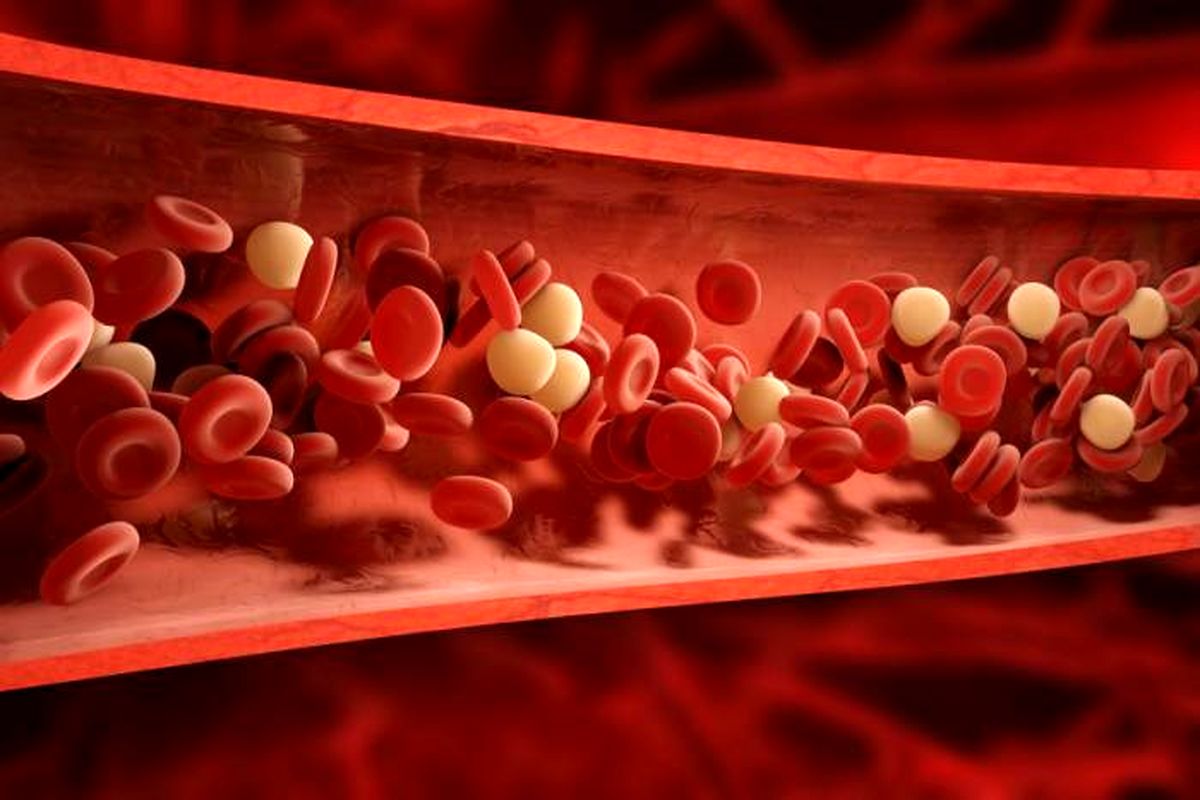
Studies show that very low platelet counts raise the risk of severe bleeding. This highlights the importance of understanding low platelet levels and their effects on bleeding.
The Relationship Between Platelet Count and Bleeding Risk
It’s important to know how platelet count affects bleeding risk. Low platelet counts can increase the chance of bleeding, and the risk grows as the platelet count drops further.
Platelet Count Thresholds and Clinical Significance
Platelet levels are key in understanding the risk of bleeding. Counts above 50×10 ³/μL usually don’t show symptoms, but counts below 10×10 ³/μL significantly raise the risk of severe bleeding.
Research shows that as platelet counts fall, the ability to stop bleeding decreases. Monitoring platelet levels in patients with low counts is vital, as highlighted by haematologica.org.
Patients with counts under 20“30×10â¹/L face a higher risk of bleeding, emphasizing the importance of regular monitoring.
Correlation Between Severity of Low Platelets and Bleeding
The severity of a low platelet count directly affects bleeding risk. As platelets decrease, the body’s ability to clot effectively diminishes. This risk increases sharply when counts drop below critical thresholds.
“The lower the platelet count, the higher the risk of bleeding complications.”
Understanding this relationship helps doctors manage patients safely and effectively.
Scientific Evidence on Platelet Count and Hemorrhage
Studies confirm the link between low platelet counts and increased bleeding risk. A count of 70×10 ³/μL is considered low. While not extremely critical, it can still be risky, especially if the count continues to decline. Knowing these thresholds is essential for effective patient care.
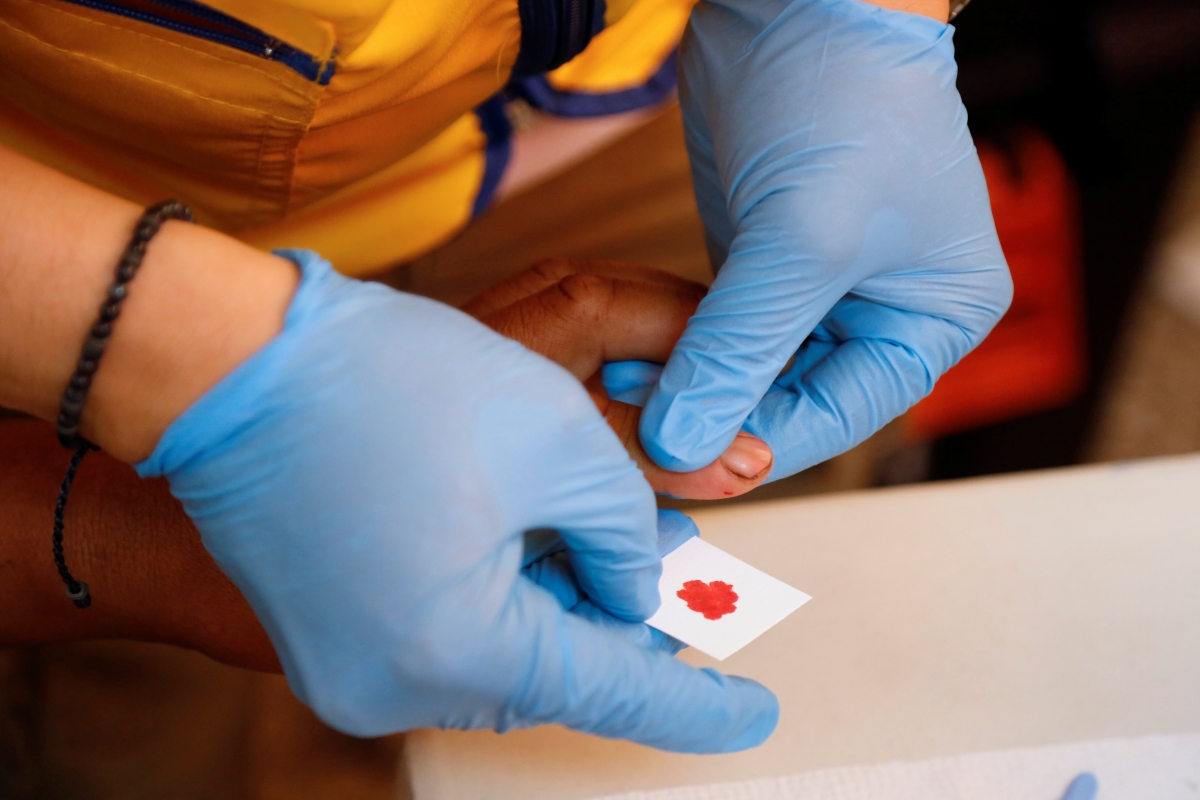
Severity Levels of Thrombocytopenia and Associated Risks
Thrombocytopenia is a condition where you have too few platelets. This can lead to serious bleeding problems. Knowing how severe thrombocytopenia is helps doctors figure out what’s causing it and how to treat it.
The risks of bleeding are higher in people with thrombocytopenia. This risk can be even greater if you’re older, taking certain medications, or have other health issues. The type of medical procedures you undergo also plays a role in your risk.
Doctors need to understand thrombocytopenia to create good treatment plans. By knowing what causes it, they can manage it better. This approach helps reduce the risks associated with it.
FAQ
What is thrombocytopenia?
Thrombocytopenia is when you have too few platelets in your blood. Platelets help your blood clot. Having too few can make you bleed more easily.
What is a normal platelet count?
A normal platelet count is between 150,000 and 450,000 per microliter of blood. If it’s lower, you might have thrombocytopenia.
How do platelets prevent bleeding?
Platelets help stop bleeding by forming clots. When a blood vessel gets hurt, platelets gather and form a plug. This plug seals the vessel.
What are the risks associated with thrombocytopenia?
Thrombocytopenia can lead to bleeding problems. This includes spontaneous bleeding, bruising, and hemorrhage. The risk depends on how low your platelet count is.
How is thrombocytopenia diagnosed?
Doctors use a complete blood count (CBC) test to find thrombocytopenia. This test counts your platelets. They might do more tests to find out why you have it.
Can thrombocytopenia cause severe bleeding?
Yes, severe thrombocytopenia can cause serious bleeding. This includes life-threatening hemorrhage. The risk is higher with very low platelet counts.
How does age affect the risk of bleeding in thrombocytopenia?
Older adults might be more at risk for bleeding. This is because of other health issues, medicines, and less ability to recover. Age is a factor in assessing risk.
What factors influence the risk of bleeding in patients with thrombocytopenia?
Several things can affect bleeding risk. These include age, health conditions, medicines (like anticoagulants), and how severe the thrombocytopenia is.
Is a platelet count of 70 considered low?
Yes, a platelet count of 70 is low. It’s considered thrombocytopenia. At this count, bleeding risk is higher, so close monitoring is needed.
What is the correlation between the severity of thrombocytopenia and bleeding risk?
The more severe the thrombocytopenia, the higher the bleeding risk. Lower platelet counts mean a greater risk of bleeding problems.
References
- Slichter, S. J. (2004). Relationship between platelet count and bleeding risk in thrombocytopenic patients. Transfusion Medicine Reviews, 18(3), 153-167. https://pubmed.ncbi.nlm.nih.gov/15248165/


 Departments
 Related Videos
 Our Doctors
 News
News


