Sickle Cell Disease is the most common inherited blood disorder worldwide. It affects millions of people globally.
By 2021, about 7.74 million people worldwide had Sickle Cell Disease. This makes it a big health issue, mainly for children.
This disease affects hemoglobin, causing health problems due to genetic risk factors. Knowing about Sickle Cell Disease is key to finding good treatments.
Key Takeaways
- Sickle Cell Disease is the most common inherited hematological disorder.
- It affects approximately 7.74 million people worldwide.
- The condition poses significant health challenges, specially in children.
- Genetic risk factors play a key role in Sickle Cell Disease.
- Understanding the disease is vital for effective management and treatment.
Overview of Inherited Hematological Diseases
Inherited hematological diseases are a wide range of blood and bone marrow disorders. They are passed down through families and can greatly affect a person’s life.
Definition and Classification of Blood Disorders
These diseases affect how blood cells are made, work, or look. They include red blood cells, white blood cells, and platelets. The type of blood cell and the genetic cause determine the disorder.
For example, Sickle Cell Disease and Thalassemia mainly affect red blood cells. Other disorders might target white blood cells or how blood clots.
A detailed classification system helps us understand these diseases. It includes:
- Hemoglobinopathies
- Bone marrow failure syndromes
- Inherited thrombocytopenias
- Clotting disorders
Genetic Mechanisms in Inherited Blood Conditions
The genetic causes of these diseases involve mutations in genes. These mutations can be inherited in different ways. For instance, Sickle Cell Disease is caused by a specific mutation in the HBB gene, leading to abnormal hemoglobin.
Knowing the genetic basis of these diseases is key for diagnosis and treatment. Genetic testing has improved, allowing for early detection and management.
Sickle Cell Disease: The Most Common Inherited Blood Disorder

Sickle cell disease is the most common inherited blood disorder worldwide. It affects millions, making it a big public health issue.
Global Prevalence Statistics
Over 7.74 million people worldwide have sickle cell disease. Sub-Saharan Africa carries a big part of this burden. Cases are also found in the Middle East, India, and the Mediterranean.
The disease is common in areas where malaria used to be a big problem. This is because the sickle cell gene is more common in these places.
Historical Context and Discovery
Sickle cell disease was first found in the early 1900s. It was first seen in African populations. Later, scientists figured out its genetic cause and how it’s passed down.
Learning about sickle cell disease’s history helps us see how far we’ve come in treating it. Research has found new things about the disease. This includes how it works and possible treatments.
Epidemiology of Sickle Cell Disease
Understanding sickle cell disease is key to better healthcare. It’s a big issue worldwide, hitting hardest in certain areas.
Global Distribution and Affected Populations
Sickle cell disease touches millions globally. It’s common in Africa, the Mediterranean, the Middle East, and parts of India. The disease spreads where malaria used to be common.
- Sub-Saharan Africa is hit hardest, making it a major health problem.
- In other places like the Mediterranean and Middle East, it’s less common.
- Migration has spread the disease to North America and Europe too.
Sub-Saharan Africa Burden
Sub-Saharan Africa carries most of the sickle cell disease burden. About 80% of cases are here. The high rate of the sickle cell gene is why.
The disease heavily impacts healthcare and economies in these countries.
Prevalence in the United States
In the U.S., sickle cell disease affects 70,000 to 80,000 people. Most are African American. It also affects Hispanics, Middle Easterners, and South Asians.
- Newborn screening has helped catch and manage the disease early.
- Medical progress has greatly increased life expectancy for those with the disease.
- Research continues to find new treatments and improve life quality.
The study of sickle cell disease shows we need more research and better healthcare. We must also focus on specific interventions to tackle this global issue.
Genetic Basis and Inheritance Patterns
Understanding sickle cell disease starts with its genetic roots. It’s caused by a mutation in the HBB gene. This mutation leads to abnormal hemoglobin, known as hemoglobin S (HbS).
Hemoglobin S Mutation and Molecular Mechanisms
The hemoglobin S mutation changes glutamic acid to valine in the beta-globin chain. This change makes HbS, which turns red blood cells into a sickle shape. The molecular mechanism is due to valine’s hydrophobic interaction, forming insoluble fibers.
A famous geneticist said, “The discovery of sickle cell disease’s genetic basis has been key. It helps us understand its molecular mechanisms.”
“The genetic defect responsible for sickle cell disease is a single nucleotide change in the HBB gene.”
Autosomal Recessive Inheritance
Sickle cell disease is inherited in an autosomal recessive pattern. This means you need two copies of the mutated HBB gene to have the disease. Carriers, with one normal and one mutated gene, usually don’t show symptoms but can pass the mutated gene to their kids.
- Carriers have one mutated gene.
- Carriers have a 50% chance of passing the mutated gene to each child.
- If both parents are carriers, there’s a 25% chance each child will have the disease.
Carrier Status and Genetic Counseling
Genetic counseling is key for those carrying the sickle cell trait or with a family history. Counselors explain the risks of passing the mutated gene and discuss reproductive choices. Carrier screening helps find those at risk of having children with sickle cell disease.
“Genetic counseling is vital for families to manage sickle cell disease risks,” the American Society of Human Genetics says.
Pathophysiology of Sickle Cell Disease
To understand sickle cell disease, we need to look at the sickling process and its effects on the body.
Sickling Process and Vaso-occlusive Events
The sickling process happens when red blood cells change shape in low oxygen. They turn from flexible to rigid, sickle shapes. This is because of a genetic mutation in sickle cell disease.
The sickled cells are more likely to break down and block small blood vessels. This leads to vaso-occlusive events. These events cause tissue ischemia and pain crises, which are key symptoms of the disease.
Hemolysis and Chronic Anemia
The hemolysis in sickle cell disease is due to the early destruction of red blood cells. This includes both sickled and non-sickled cells. The result is chronic anemia, as the body can’t keep enough healthy red blood cells.
For more info on sickle cell disease, check out the Connecticut Department of Public Health’s resource.
|
Pathophysiological Aspect |
Description |
Clinical Consequence |
|---|---|---|
|
Sickling Process |
Red blood cells become rigid and sickle-shaped under low oxygen conditions. |
Vaso-occlusive events and pain crises. |
|
Hemolysis |
Premature destruction of red blood cells. |
Chronic anemia. |
|
Vaso-occlusive Events |
Obstruction of small blood vessels by sickled red blood cells. |
Tissue ischemia and organ damage. |
Clinical Manifestations and Complications
People with sickle cell disease face many challenges. They often have acute pain crises and organ problems. These issues can really affect their lives and need careful management.
Acute Pain Crises and Management
Acute pain crises are a big problem for those with sickle cell disease. They happen when sickled red blood cells block blood vessels. This causes pain and tissue damage. Managing these crises includes quick assessment, staying hydrated, and using painkillers.
A study in the Journal of Pain Research found that opioids are key in treating severe pain. But, they can lead to addiction and side effects.
“Opioid therapy should be individualized based on patient needs and monitored closely for adverse effects.”
Other ways to manage pain include finding and treating triggers like infections. Also, using non-medical methods like warmth and relaxation can help. Hydroxyurea can also reduce pain crises by making more fetal hemoglobin, which stops sickling.
Organ-Specific Complications
Sickle cell disease can cause serious problems in different organs. Splenic sequestration is very dangerous. It happens when sickled red blood cells pile up in the spleen, leading to severe anemia and shock.
Other issues include stroke and brain problems from damaged blood vessels. Pulmonary hypertension can also occur from chronic damage. And, kidney disease can happen from repeated kidney damage.
- Splenic sequestration
- Stroke and cognitive impairment
- Pulmonary hypertension
- Chronic kidney disease
Childhood Mortality and Contributing Factors
Death in children with sickle cell disease is a big worry, mainly in poor areas. Big reasons for death include infections, acute chest syndrome, and splenic sequestration. Thanks to newborn screening and better care, more kids survive in rich countries. But, there’s a big gap.
Early action and prevention, like giving penicillin and vaccines, can save lives. Getting more people to healthcare and teaching families are key to better results.
Diagnosis and Screening Approaches
Early detection of sickle cell disease is key. It’s done through detailed diagnosis and screening. Timely diagnosis is vital. It lets doctors start the right treatment early, which helps a lot.
Newborn Screening Programs
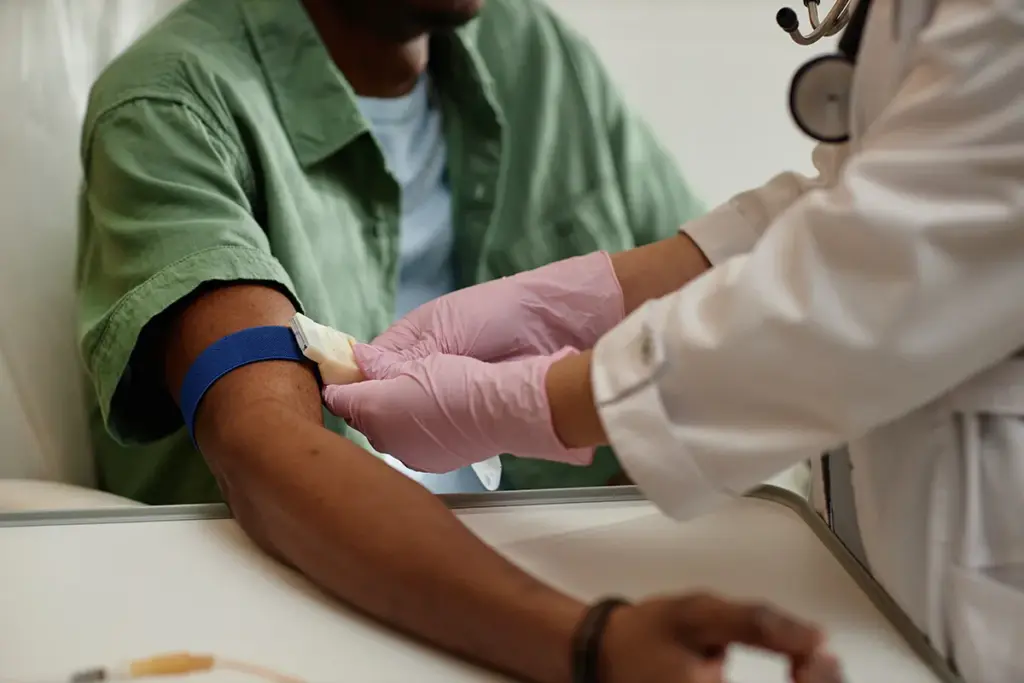
Newborn screening is a big help in finding sickle cell disease early. It tests newborns with a blood test, along with other tests. Early detection means early action, which lowers the risk of serious problems.
Laboratory Tests and Diagnostic Criteria
Laboratory tests are essential for diagnosing sickle cell disease. The main test is hemoglobin electrophoresis, which spots abnormal hemoglobin. Other tests like HPLC and genetic testing might also be used. Getting the diagnosis right is key to managing the disease well.
- Hemoglobin electrophoresis
- High-performance liquid chromatography (HPLC)
- Genetic testing
Prenatal Testing and Genetic Counseling
Prenatal testing for sickle cell disease is available. It can tell families at risk a lot. Tests like CVS and amniocentesis can find the disease in the fetus. Genetic counseling is very important during prenatal testing. It helps families understand what the diagnosis means and make choices.
Prenatal testing and counseling give families a chance to get ready for a child with sickle cell disease. Or they might think about other options. This shows how important it is to be proactive in dealing with sickle cell disease.
Thrombophilia Diseases: Understanding Inherited Clotting Disorders
Thrombophilia diseases are a group of inherited clotting disorders. They increase the risk of blood clots. These conditions happen because of genetic mutations that affect how blood clots.
Definition and Classification
Thrombophilias are divided into primary (inherited) and secondary (acquired) types. Inherited thrombophilias come from genetic mutations that affect blood clotting proteins. The most common include Factor V Leiden mutation, Prothrombin gene mutation, and deficiencies in Protein C, Protein S, and Antithrombin.
Classification of Thrombophilias:
|
Type |
Description |
Common Mutations/Deficiencies |
|---|---|---|
|
Primary (Inherited) |
Caused by genetic mutations |
Factor V Leiden, Prothrombin Gene Mutation |
|
Secondary (Acquired) |
Result from other medical conditions or factors |
Cancer, Antiphospholipid Syndrome |
Prevalence and Risk Factors
The prevalence of thrombophilia varies by population and is influenced by genetics and environment. For example, Factor V Leiden mutation is more common in Europeans. Knowing the prevalence and risk factors helps identify high-risk individuals and prevent thrombosis.
“The prevalence of inherited thrombophilia is significant in populations with a history of venous thromboembolism, highlighting the need for genetic screening and counseling.”
Comparison with Other Inherited Blood Disorders
Thrombophilia diseases differ from other inherited blood disorders like sickle cell disease and hemophilia. Thrombophilias increase the risk of clotting, not bleeding. Sickle cell disease causes vaso-occlusive crises, while thrombophilias lead to harmful blood clots.
Comparison of Inherited Blood Disorders:
|
Disease |
Primary Manifestation |
Genetic Basis |
|---|---|---|
|
Thrombophilia |
Increased clotting risk |
Mutations in clotting factors (e.g., Factor V Leiden) |
|
Sickle Cell Disease |
Vaso-occlusive crises |
Mutation in HBB gene |
|
Hemophilia |
Bleeding tendency |
Deficiency in clotting factors (e.g., Factor VIII or IX) |
Types of Inherited Thrombophilia Diseases
Thrombophilia is a condition where blood clots form more easily. It can be passed down through genes. Knowing the different types of inherited thrombophilia is key for treatment.
Factor V Leiden Mutation
The Factor V Leiden mutation is a common cause of inherited thrombophilia. It’s a change in the F5 gene. This change makes the factor V protein not work right with activated protein C (APC).
This makes blood more likely to clot.
Prevalence: This mutation is more common in people of European descent. About 5% of some populations carry it.
Prothrombin Gene Mutation
The prothrombin gene mutation, or G20210A, is another big cause of inherited thrombophilia. It makes more prothrombin, a clotting protein. This raises the risk of blood clots.
Clinical Implications: People with this mutation are more likely to get deep vein thrombosis (DVT) and pulmonary embolism (PE).
Protein C, Protein S, and Antithrombin Deficiencies
Protein C, protein S, and antithrombin deficiencies are also inherited thrombophilia types. These proteins help control blood clotting.
- Protein C Deficiency: Protein C is a vitamin K-dependent protein. When it’s activated, it stops factors V and VIII from causing clots.
- Protein S Deficiency: Protein S helps activated protein C work better. This helps prevent clots.
- Antithrombin Deficiency: Antithrombin stops many clotting enzymes. Without enough, clots can form too easily.
These deficiencies increase the risk of blood clots, mostly in young people.
Treatment Strategies for Sickle Cell Disease
Doctors are always working to make treatments for sickle cell disease better. They use a mix of methods to manage the disease’s many challenges.
Hydroxyurea: Mechanism and Benefits
Hydroxyurea is a key drug for sickle cell disease. It boosts fetal hemoglobin, which helps reduce pain crises and may cut down on blood transfusions. It also makes red blood cells less likely to sickle, lowers hemolysis, and improves patients’ lives.
Blood Transfusion Protocols
Blood transfusions are vital for sickle cell disease care. They introduce normal red blood cells to counteract sickling. They help prevent strokes and are key for those with severe crises.
Doctors regularly check if a patient needs a transfusion. They look at hemoglobin levels and other factors.
Pain Management and Supportive Care
Managing pain is key for sickle cell disease patients. Pain crises can be caused by dehydration, infections, and stress. Doctors use medicines and other methods to control pain, like hydration and alternative therapies.
Supportive care also helps with the disease’s mental toll. Counseling and support groups help patients deal with the long-term effects.
Advanced Therapeutic Approaches
New treatments are changing how we fight sickle cell disease. Medical research has led to new therapies. These aim to ease symptoms and prevent complications.
Hematopoietic Stem Cell Transplantation
Hematopoietic stem cell transplantation (HSCT) is a hopeful treatment. It swaps the patient’s bone marrow with healthy stem cells. The National Institutes of Health say HSCT can cure sickle cell disease, mainly in young patients.
The HSCT process is detailed and involves several steps. It includes conditioning regimens to get the bone marrow ready. While it offers a cure, it comes with risks like graft-versus-host disease (GVHD) and infections.
|
Aspect |
Description |
Considerations |
|---|---|---|
|
Donor Selection |
Finding a compatible donor is key |
Family members are often first choices |
|
Conditioning Regimens |
Chemotherapy or radiation to prepare the bone marrow |
Intensity depends on patient and donor factors |
|
Complications |
GVHD, infections, and graft failure |
Monitoring and management are critical |
Gene Therapy Developments
Gene therapy is a new way to treat sickle cell disease. It changes or replaces the gene causing the condition. Recent studies with CRISPR/Cas9 show promise.
Gene therapy could cure without a donor, lowering GVHD risk. But, it’s in early stages. Clinical trials are testing its safety and effectiveness.
Novel Pharmaceutical Agents
New medicines are also being developed. They aim to reduce pain crises, improve anemia, and prevent complications.
Voxelotor has been shown to boost hemoglobin levels and cut down on hemolysis. Crizanlizumab also reduces vaso-occlusive crises.
These new treatments are changing sickle cell disease management. They offer hope for better lives and possible cures for patients.
Management of Thrombophilia Disorders
Managing thrombophilia disorders needs a detailed plan. This plan includes many strategies to stop blood clots and help patients get better.
Anticoagulation Therapies
Anticoagulation therapy is key in managing thrombophilia. Anticoagulants like warfarin, heparin, and NOACs help prevent new blood clots. The right anticoagulant depends on the type of thrombophilia, other health issues, and bleeding risk.
Warfarin needs regular INR checks to work right and avoid bleeding. NOACs, on the other hand, are easier to use because they don’t need constant monitoring.
Risk Assessment and Preventive Strategies
Knowing who’s at high risk is vital in managing thrombophilia. Identifying high-risk individuals helps focus on preventive steps. This includes using anticoagulants during risky times like surgery or pregnancy.
Doing a full risk assessment means looking at personal and family history of blood clots. It also includes genetic tests and checking for other risk factors like age, weight, and being immobile.
Special Considerations During Pregnancy and Surgery
Pregnancy and surgery are risky times for blood clots in people with thrombophilia. Careful planning and management are key to reduce risks.
Pregnancy increases the risk of blood clots due to changes in the body. Anticoagulants might be started or changed during pregnancy to lower this risk.
“The management of thrombophilia during pregnancy requires a multidisciplinary approach, involving hematologists, obstetricians, and other healthcare professionals to ensure optimal outcomes.”
In surgeries, stopping blood clots is very important. The type and length of anticoagulant therapy depend on the surgery, patient’s risk factors, and bleeding risk.
Global Health Impact and Healthcare Disparities
Sickle cell disease affects over 300,000 children every year. It’s a serious condition that impacts not just individuals but also healthcare systems around the world.
Mortality Statistics in Children Under Five
In sub-Saharan Africa, sickle cell disease is a top cause of death in kids under five. The World Health Organization says many children in low-income countries don’t make it past their fifth birthday. This is because they lack access to the healthcare they need.
“In many African countries, the mortality rate for children with sickle cell disease can be as high as 50-90% before the age of five.” This shows how critical it is to improve healthcare and get kids the help they need.
Access to Care Challenges in Low and Middle-Income Countries
Getting care for sickle cell disease is hard in low and middle-income countries. These places often lack the facilities, medicines, and doctors needed to treat the disease.
- Limited availability of newborn screening programs
- Insufficient access to hydroxyurea and other essential medications
- Lack of trained healthcare providers in managing sickle cell disease
This leads to late diagnosis and poor treatment. It greatly affects the lives and survival chances of those with sickle cell disease.
Public Health Initiatives and Global Collaborations
Many public health efforts and global partnerships are tackling sickle cell disease. Groups like the World Health Organization and non-governmental organizations are working together. They aim to raise awareness, improve diagnosis, and increase treatment access.
“Global partnerships are key in fighting sickle cell disease. They help share resources, knowledge, and best practices to tackle this big health issue.”
These efforts include starting newborn screening programs, creating treatment guidelines, and training healthcare workers. By joining forces, we can lessen the impact of sickle cell disease worldwide. This will greatly improve the lives of those affected.
Living with Inherited Blood Disorders
Inherited blood disorders, like sickle cell disease, need careful management to improve life quality. These conditions affect not just physical health but also emotional and psychological well-being.
Quality of Life Considerations
Living with an inherited blood disorder means adjusting to a new way of life. Quality of life includes physical health, emotional state, and social connections.
People with these conditions often deal with chronic pain, fatigue, and emotional stress. To better their lives, they need effective management plans. This includes medication, lifestyle changes, and support from others.
|
Aspect |
Challenges |
Management Strategies |
|---|---|---|
|
Physical Health |
Chronic pain, fatigue |
Medication, physical therapy |
|
Emotional Well-being |
Anxiety, depression |
Counseling, support groups |
|
Social Relationships |
Social isolation |
Family support, social activities |
Psychosocial Support and Resources
Psychosocial support is key for those with inherited blood disorders. It includes counseling, support groups, and educational materials.
Support groups offer a place to share experiences and get emotional support. Counseling helps with the emotional and psychological challenges of these conditions.
Transition from Pediatric to Adult Care
The move from pediatric to adult care is a big step for those with inherited blood disorders. It needs careful planning to keep care and support consistent.
Good transition programs involve teamwork between pediatric and adult healthcare teams. They also educate patients and gradually give them more responsibility. This helps maintain quality care and supports independence.
By focusing on quality of life, providing psychosocial support, and ensuring a smooth transition, people with inherited blood disorders can have more fulfilling lives.
Future Directions in Research and Treatment
New frontiers in genetic editing and personalized medicine are changing how we treat inherited blood disorders. As research moves forward, several key areas are becoming vital for managing and treating these conditions.
Advances in Genetic Editing Technologies
Genetic editing technologies, like CRISPR/Cas9, are showing great promise. CRISPR/Cas9 allows for precise modifications to the genome. This could fix the genetic mutations that cause these disorders.
- Potential for curative treatments
- Precision in targeting genetic mutations
- Ongoing clinical trials to assess safety and efficacy
Personalized Medicine Approaches
Personalized medicine tailors treatment to the individual based on their genetic profile. For inherited blood disorders, this could lead to more effective symptom management and potentially curative treatments.
- Genetic profiling to identify specific mutations
- Tailored treatment plans based on genetic information
- Potential for reduced side effects and improved outcomes
Emerging Global Initiatives
Global initiatives are key for advancing research and treatment of inherited blood disorders. These efforts often bring together governments, research institutions, and patient advocacy groups.
- Increased funding for research into inherited blood disorders
- Global health programs to improve access to care
- International collaborations to share research findings and best practices
As these initiatives expand, they are set to make a big difference in the future of research and treatment for inherited blood disorders.
Conclusion
Inherited hematological diseases, like sickle cell disease and thrombophilia, are big health worries worldwide. Sickle cell disease is the most common inherited blood disorder. It affects millions, mostly in sub-Saharan Africa.
It’s important to understand the genetic basis and how these diseases work. This knowledge helps in managing and treating them. New technologies and global efforts are bringing hope for better patient care.
Dealing with these diseases requires a detailed approach. This includes better diagnosis, treatment, and care for patients. By looking at the main points, we see that more research and teamwork are needed to tackle these health issues.
FAQ
What is the most common inherited hematological disease?
Sickle cell disease is the most common inherited hematological disease. It affects millions worldwide.
What are inherited hematological diseases?
Inherited hematological diseases are blood disorders passed down through genes. Examples include sickle cell disease and thrombophilia.
What is sickle cell disease?
Sickle cell disease is a genetic disorder. It affects hemoglobin production, causing red blood cells to break down. This leads to anemia, pain, and other complications.
How is sickle cell disease inherited?
Sickle cell disease is inherited in an autosomal recessive pattern. A person needs two abnormal hemoglobin genes (one from each parent) to have the disease.
What is thrombophilia?
Thrombophilia is a condition that makes blood clotting more likely. It can be caused by genetic mutations or other factors.
What are the symptoms of sickle cell disease?
Symptoms include acute pain crises, anemia, infections, and organ damage. These can vary in severity.
How is sickle cell disease diagnosed?
It’s diagnosed through newborn screening, lab tests, and prenatal testing. These detect abnormal hemoglobin.
What are the treatment options for sickle cell disease?
Treatments include hydroxyurea, blood transfusions, pain management, and hematopoietic stem cell transplantation. These aim to manage symptoms and improve quality of life.
Can thrombophilia be treated?
Yes, thrombophilia can be treated with anticoagulation therapies. Preventive strategies can also reduce blood clot risk.
How does sickle cell disease affect quality of life?
It can significantly impact quality of life. Symptoms like chronic pain and fatigue affect daily activities and overall well-being.
What is the role of genetic counseling in inherited blood disorders?
Genetic counseling helps understand the risks of inherited blood disorders. It aids in making informed decisions about testing and treatment.
Are there any new treatments on the horizon for sickle cell disease?
Yes, researchers are exploring new treatments. These include gene therapy and novel pharmaceutical agents, promising better outcomes for those with sickle cell disease.
What is the global impact of sickle cell disease?
Sickle cell disease has a significant global impact. It’s a major public health concern in sub-Saharan Africa and affects diverse populations worldwide.
How can individuals with inherited blood disorders access care and support?
Individuals can access care and support through specialized healthcare providers, patient organizations, and online resources. These offer guidance and support.
References
Here is a numbered References section for those links:
- “Sickle‑cell disease.” World Health Organization (WHO). Available at: https://www.who.int/news-room/fact-sheets/detail/sickle-cell-disease
- PMC article. NCBI / PMC. Available at: https://pmc.ncbi.nlm.nih.gov/articles/PMC2881491/
- “Sickle Cell Disease.” Connecticut Department of Public Health (CT.gov). Available at: https://portal.ct.gov/dph/family-health/sickle-cell-disease/sickle-cell-disease
- “Sickle Cell Disease.” NCBI Bookshelf. Available at: https://www.ncbi.nlm.nih.gov/books/NBK1377/
- “Data & Statistics on Sickle Cell Disease (SCD).” Centers for Disease Control and Prevention (CDC). Available at: https://www.cdc.gov/ncbddd/sicklecell/data.html