Cancerous thyroid nodules often show few symptoms early on, making it hard to catch them early. The American Thyroid Association says thyroid nodules are common. But, only 4–6.5% of them are cancerous.
The main sign is a painless lump or swelling in the neck. This is seen in up to 84% of people with the condition. As the nodules grow, they can cause symptoms like hoarseness and trouble swallowing.
Knowing the symptoms and risks of cancerous thyroid nodules helps with early detection. This can lead to better treatment outcomes. We will look at the symptoms and what they mean for patients.
Key Takeaways
- Cancerous thyroid nodules often present few symptoms in the early stages.
- A painless lump or swelling in the neck is the most common symptom.
- Hoarseness and trouble swallowing are also reported by some individuals.
- Early detection is key for better outcomes.
- Understanding symptoms and risks helps patients seek medical help.
Understanding the Thyroid Gland and Its Function

The thyroid gland is below Adam’s apple. It makes hormones that control our metabolism. It’s key to our health and how our body works.
Anatomy of the Thyroid
The thyroid gland is in the neck, around the trachea. It looks like a butterfly, with two lobes and a middle part. It’s important for our health because it makes thyroid hormones.
The thyroid gland’s shape helps it work well. It has lots of blood vessels. This lets it get the nutrients and oxygen it needs to make hormones.
Role of the Thyroid in Body Regulation
The thyroid gland controls our metabolism. It makes triiodothyronine (T3) and thyroxine (T4). These hormones affect our heart rate, body temperature, and energy.
When the thyroid works right, it keeps hormone levels balanced. But problems like hypothyroidism or hyperthyroidism can upset this balance. This can cause health problems.
Knowing how the thyroid gland works is important. It helps us understand how thyroid issues affect our body. By understanding the thyroid, we can see how thyroid problems impact us.
What Are Thyroid Nodules?
Thyroid nodules are lumps in the thyroid gland. They are common, more so as people get older. These growths can be harmless or cancerous. Knowing about thyroid nodules helps figure out cancer risk and treatment.
Definition and Types
Thyroid nodules are growths in the thyroid gland, found in the neck. The isthmus connects the two lobes. They can be small or large and are mostly harmless but sometimes cancerous.
Research shows that thyroid nodules are more common with age and in women. According to medical research, nearly half of people over 60 have them.
There are different types of thyroid nodules, including:
- Colloid nodules: These are the most common type and are usually benign.
- Follicular nodules: These can be either benign or malignant.
- Thyroid cysts: These are fluid-filled nodules that are usually benign.
- Complex nodules: These contain both solid and fluid components.
Prevalence in the General Population
Thyroid nodules are common in the general population. They are more common in women and increase with age. Nearly 50% of people over 60 have them.
Understanding thyroid nodules is key to assessing cancer risk and treatment. We will look into the link between thyroid nodules and cancer next.
The Thyroid and Cancer: Understanding the Connection
It’s important to know how the thyroid gland and cancer are connected. The thyroid gland is a small, butterfly-shaped organ in the neck. It helps control how our bodies grow, develop, and use energy by making thyroid hormones.
Thyroid cancer happens when thyroid cells turn bad and grow out of control. This change is caused by a mix of genetic and environmental factors.
How Normal Thyroid Cells Become Cancerous
Genetic changes can make normal thyroid cells turn into cancer. These changes can happen because of genes we’re born with or because of things we’re exposed to. For example, too much radiation, like from X-rays, can raise the risk of thyroid cancer, even in kids.
Some families might have a higher risk of thyroid cancer because of their genes. Knowing about these risks helps doctors find people who might need extra checks.
Factors That Increase Cancer Risk
There are several things that can make someone more likely to get thyroid cancer. These include:
- Radiation Exposure: Being exposed to too much radiation, like in childhood, raises the risk.
- Family History: If your family has had thyroid cancer, you might be at higher risk too.
- Genetic Mutations: Some genetic changes, like in the RET gene, can increase the risk.
- Age and Gender: Women are more likely to get thyroid cancer, and it often happens between 30 and 60 years old.
Knowing these risk factors helps doctors find thyroid cancer early. This way, they can treat it better. Understanding how thyroid cells turn bad and what increases this risk helps us find who needs extra care.
The Challenge of Early Detection
Finding thyroid cancer early is hard because it often doesn’t show symptoms at first. This is different from many cancers, where symptoms lead people to see doctors.
Why Cancerous Nodules Often Go Unnoticed
Cancerous thyroid nodules can grow big without causing pain or symptoms. This makes it hard to catch thyroid cancer early.
Reasons for delayed detection include:
- Lack of pain or discomfort in the early stages
- Nodules or tumors may not be palpable during a routine examination
- Symptoms, when they occur, can be nonspecific and similar to those of other conditions
Importance of Regular Check-ups
Regular health check-ups are key to finding thyroid cancer early. Doctors can do neck exams and look for thyroid gland issues during these visits.
|
Check-up Component |
Importance for Thyroid Health |
|---|---|
|
Neck Examination |
Helps in identifying nodules or swelling in the thyroid gland |
|
Thyroid Function Tests |
Assesses the level of thyroid hormones in the blood, indicating possible thyroid problems |
|
Imaging Studies |
Ultrasound or other imaging can show details about thyroid nodules |
Adding these check-ups to your health routine can help find thyroid cancer early. This makes treatment more effective.
Primary Symptom: Neck Lumps and Swelling
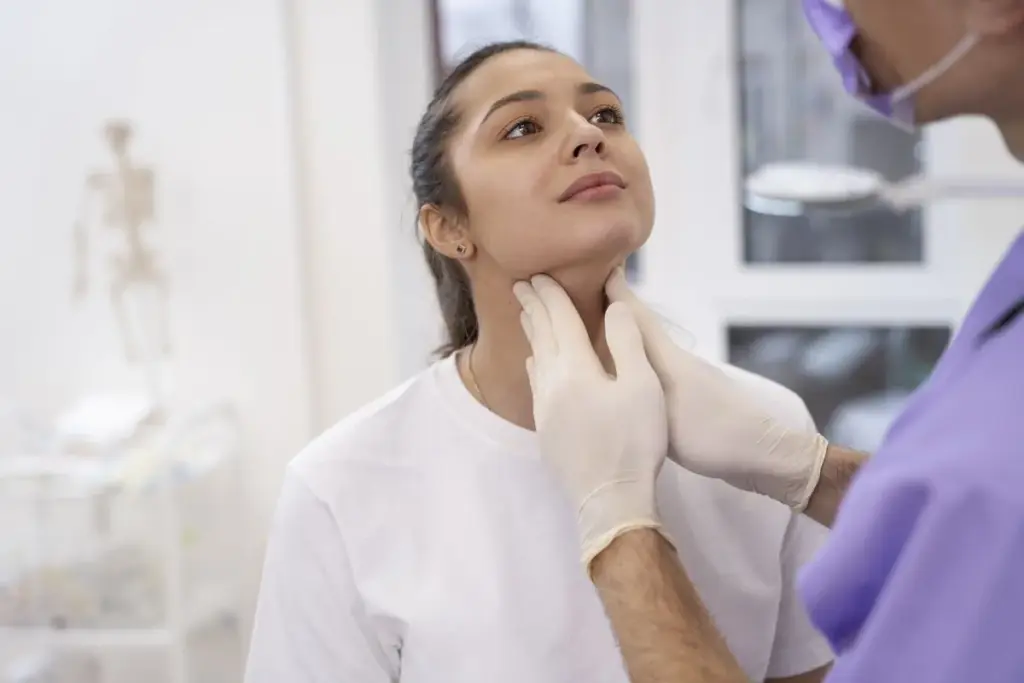
Thyroid cancer often shows up as a painless lump or swelling in the neck. This symptom is usually the first sign that makes people go to the doctor.
How to Identify Abnormal Neck Swelling
Spotting abnormal neck swelling means watching for changes, mainly around the Adam’s apple. A swelling or lump that doesn’t hurt and gets bigger is a big worry. It’s smart to keep an eye out for any odd changes and see a doctor if you notice:
- A lump or swelling in the neck that is painless
- Swelling that persists or grows over time
- Difficulty swallowing or breathing
- Changes in voice or hoarseness
Distinguishing Thyroid Nodules from Other Neck Masses
Telling thyroid nodules apart from other neck lumps needs a detailed check-up and tests. We use tools like ultrasound and fine-needle aspiration biopsy to figure out what’s going on. Thyroid nodules are common, but if they’re cancerous, they’re usually firm and don’t hurt.
Seeing a doctor is key if you find any odd swelling in your neck. They can do a physical check and suggest tests to find out why you’re swelling.
Voice Changes and Persistent Hoarseness
Persistent hoarseness and voice changes might mean you have thyroid cancer. This is because thyroid cancer is near the vocal cords. It can really mess with how your voice sounds.
Impact on Vocal Quality
The thyroid gland is near the larynx, or voice box. It has the vocal cords. When thyroid cancer grows, it can harm these areas. This can change how you sound.
Some common voice-related symptoms include:
- A hoarse or raspy voice
- Voice fatigue or strain
- Difficulty speaking in a normal tone
- Changes in pitch
Vocal Cord Paralysis in Advanced Cases
In later stages, thyroid cancer can damage the nerves of the vocal cords. This can cause vocal cord paralysis. It leads to voice changes, breathing issues, and swallowing problems.
|
Symptom |
Description |
Potential Cause |
|---|---|---|
|
Hoarseness |
Raspiness or change in voice quality |
Pressure on or invasion of vocal cords |
|
Voice Fatigue |
Strain or tiredness when speaking |
Nerve invasion affecting vocal cord function |
|
Difficulty Speaking |
Challenges in maintaining normal speech |
Vocal cord paralysis or nerve damage |
Knowing these symptoms is key to catching thyroid cancer early. If you keep having voice changes or hoarseness, see a doctor. They can check you out thoroughly.
Difficulty Swallowing and Breathing
Thyroid cancer can cause trouble swallowing and breathing. This happens when the tumor presses on nearby areas. These signs need quick medical help.
Mechanisms Behind These Symptoms
Big thyroid nodules or tumors can block the esophagus and trachea. This makes swallowing and breathing hard. The esophagus carries food to the stomach, and the trachea leads to the lungs.
The thyroid gland is near the esophagus and trachea. So, a growing tumor can easily affect these areas. This leads to symptoms like trouble swallowing and breathing.
Severity Indicators
The severity of these symptoms depends on the tumor’s size and location. Important signs include:
- Persistent trouble swallowing, even with liquids
- Shortness of breath or feeling winded even when sitting
- Stridor, a high-pitched sound while breathing, indicating partial airway obstruction
If you or someone you know has these symptoms, get medical help fast. Early treatment can greatly improve thyroid cancer outcomes.
Dealing with thyroid cancer symptoms is tough. Our team offers full care and support to those fighting thyroid cancer.
Pain and Discomfort Associated with Thyroid Cancer
Thyroid cancer can cause pain and discomfort. This is often due to a large or invasive cancerous nodule. The pain can be felt in the neck, jaw, and ear because of the thyroid gland’s location.
Locations of Pain (Neck, Jaw, Ear)
Pain from thyroid cancer often occurs in the neck. This is because the thyroid gland is located there. The pain can be caused by the nodule pressing on nearby tissues or structures.
In some cases, the pain can spread to the jaw or ear. This makes it uncomfortable for the person experiencing it.
Neck Pain: Neck pain is a common symptom of thyroid cancer. The pain can vary from a dull ache to sharp pains. This depends on the size and location of the nodule.
Jaw and Ear Pain: Pain from thyroid cancer can also affect the jaw or ear. This happens when the cancer presses on nerves or other structures. Sometimes, this pain can be mistaken for TMJ disorders or ear infections.
Differentiating Cancer Pain from Other Conditions
It can be hard to tell if pain is from thyroid cancer or another condition. But, there are clues. If the pain doesn’t go away, gets worse over time, or comes with other symptoms like trouble swallowing or voice changes, it might be thyroid cancer.
If you have persistent or severe pain in your neck, jaw, or ear, see a doctor. Early diagnosis and treatment are important for managing thyroid cancer effectively.
Lymph Node Involvement and Metastasis
It’s important to know about lymph node involvement in thyroid cancer. Lymph nodes are small, bean-shaped parts of the body’s lymphatic system. They help fight infections and diseases. When thyroid cancer spreads, it often goes to the lymph nodes in the neck.
Signs of Lymph Node Spread
Swollen lymph nodes in the neck are a common sign of cancer spread. These swollen nodes can feel like lumps or bumps under the skin. Other signs include:
- Pain or discomfort in the neck
- Difficulty swallowing or breathing if the swollen nodes press on the throat or windpipe
- Changes in voice due to pressure on the nerves controlling the vocal cords
It’s important to remember that swollen lymph nodes can also be caused by infections or other conditions, not just cancer. A thorough medical evaluation is needed to find out the cause.
Advanced Symptoms When Cancer Metastasizes
When thyroid cancer spreads to other parts of the body, it can cause different symptoms. These symptoms depend on where the cancer spreads. Some advanced symptoms include:
|
Location of Metastasis |
Possible Symptoms |
|---|---|
|
Lungs |
Coughing, difficulty breathing, or chest pain |
|
Bones |
Pain, fractures, or high calcium levels in the blood |
|
Brain |
Headaches, seizures, or neurological deficits |
Medical professionals stress the importance of early detection and treatment of thyroid cancer. “The key to managing thyroid cancer lies in its early detection and appropriate treatment, which can greatly enhance the patient’s quality of life,” says a leading oncologist.
We will keep exploring thyroid cancer, including its diagnosis and treatment options, in the next sections.
Types of Thyroid Cancer and Their Specific Symptoms
Thyroid cancer is not just one disease. It’s a group of cancers with different traits and symptoms. Knowing these differences is key for the right diagnosis and treatment.
Papillary Thyroid Cancer
Papillary thyroid cancer is the most common, making up 80-85% of cases. It often goes to the lymph nodes but usually has a good outlook. Symptoms include a painless lump in the neck, swollen lymph nodes, and voice changes.
Follicular Thyroid Cancer
Follicular thyroid cancer is the second most common, about 10-15% of cases. It spreads through the blood, affecting bones, lungs, and liver. Symptoms are often mild and may include a thyroid nodule, neck pain, or trouble swallowing.
Medullary Thyroid Cancer
Medullary thyroid cancer comes from the parafollicular cells (C cells) of the thyroid gland. It’s about 3-5% of thyroid cancer cases. This type can be linked to genetic syndromes and may produce calcitonin, a hormone used as a tumor marker. Symptoms include a neck lump, diarrhea, and flushing.
Anaplastic Thyroid Cancer
Anaplastic thyroid cancer is rare but very aggressive, about 1-2% of cases. It grows fast and can invade nearby areas, making treatment hard. Symptoms include a fast-growing neck mass, trouble swallowing, breathing issues, and vocal cord paralysis.
Each type of thyroid cancer has its own traits and symptoms. Getting the right diagnosis is vital for the best treatment. We’ll look at how to diagnose and treat thyroid cancer next.
Demographic Patterns in Thyroid Cancer
Thyroid cancer rates change a lot based on gender and age. Knowing this helps us understand the disease better. It also helps us make better health plans.
Gender Disparities
Women get thyroid cancer more often than men. Women are three times more likely to develop thyroid cancer than men. This shows that hormones or genes might affect the disease.
Age Distribution
Thyroid cancer mostly happens between 30 and 60 years old. This peak incidence period is key for awareness and early screening. It helps catch the disease early.
These patterns show we need to focus on specific groups for better care. Knowing who’s at risk helps doctors improve treatment and prevention.
Diagnostic Procedures for Thyroid Nodules
To diagnose thyroid nodules, we use physical exams, imaging studies, and biopsies. These tools help us find out if cancer is present. They also guide us in choosing the right treatment.
Physical Examination Techniques
A detailed physical exam is the first step. We check the nodule’s size, tenderness, and if it’s fixed or moves. Palpation of the thyroid gland helps us understand its characteristics and how it affects nearby areas.
- Checking for lymph node enlargement
- Assessing voice changes or hoarseness
- Evaluating for difficulty swallowing or breathing
Imaging Studies and Advanced Detection Methods
Imaging studies are key in diagnosing thyroid nodules. Ultrasound is often used to check the nodule’s size, number, and characteristics. We also use CT scans or MRI to see how big the nodule is and if it has spread.
Advanced methods like thyroid elastography help us tell if a nodule is benign or malignant. They do this by checking the nodule’s stiffness.
Biopsy Procedures
Biopsy is the most accurate way to diagnose thyroid nodules. We do Fine-needle aspiration biopsy (FNAB) to get cell samples from the nodule. These samples are then checked under a microscope to see if the nodule is cancerous or not.
- Preparation for FNAB involves cleaning the skin and possibly using local anesthesia.
- A thin needle is guided into the nodule under ultrasound guidance.
- Cell samples are then examined under a microscope for abnormal cell growth.
By using physical exams, imaging studies, and biopsies together, we can accurately diagnose thyroid nodules. This helps us choose the best treatment for each patient.
Treatment Approaches for Cancerous Thyroid Nodules
Thyroid cancer treatment varies based on the case. The choice depends on the cancer type and stage, and the patient’s health.
Surgical Options
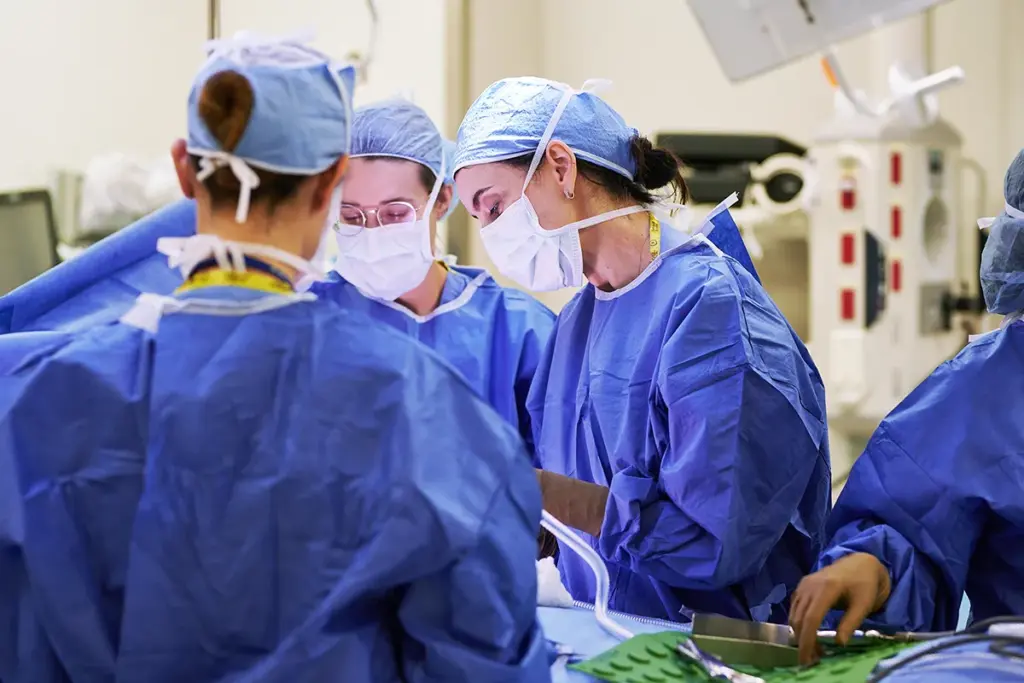
Surgery is a key treatment for thyroid cancer. Thyroidectomy, or removing the thyroid gland, is common. There are different types, like total thyroidectomy and lobectomy, each for specific cases.
- Total thyroidectomy is often chosen for larger tumors or cancer in both lobes.
- Lobectomy might be used for smaller tumors in one lobe.
Radioactive Iodine Therapy
Radioactive iodine therapy is used after surgery. It kills any remaining thyroid tissue, including cancer cells. This treatment works well for papillary and follicular thyroid cancer.
- The patient takes radioactive iodine orally, which is absorbed by the thyroid.
- This treatment destroys thyroid tissue, lowering cancer recurrence risk.
Other Treatment Modalities
Other treatments may be used based on the case. These include:
- Thyroid hormone therapy to lower TSH levels, which can help cancer grow.
- External beam radiation therapy for cancer that has spread and doesn’t respond to radioactive iodine.
- Targeted therapy with drugs that target cancer cells, protecting normal cells.
Every patient’s journey with thyroid cancer is different. Treatment plans are tailored to meet each person’s needs. By using these treatments together, we can manage thyroid cancer effectively and improve outcomes.
Prognosis and Long-Term Outlook
Knowing the prognosis for thyroid cancer is key for patients. It helps them understand their treatment journey. The prognosis depends on several factors, like the cancer type and stage, and the patient’s health.
Understanding the 84% Ten-Year Survival Rate
The 10-year survival rate for thyroid cancer is about 84%. This is a positive sign for many patients. But, this rate includes different types and stages of cancer. For example, papillary thyroid cancer has a high survival rate if caught early.
Factors Affecting Prognosis
Many factors influence the prognosis for thyroid cancer patients. These include:
- Type of Thyroid Cancer: The type, like papillary or anaplastic, affects the prognosis.
- Stage at Diagnosis: Being diagnosed early is better.
- Patient’s Age: Younger patients usually have a better prognosis.
- Overall Health: Patients with fewer health issues tend to do better.
|
Factor |
Impact on Prognosis |
|---|---|
|
Type of Thyroid Cancer |
Different types have varying survival rates; papillary has a high survival rate. |
|
Stage at Diagnosis |
Early stages have better prognosis. |
|
Patient’s Age |
Younger patients have better prognosis. |
|
Overall Health |
Better health correlates with better prognosis. |
Quality of Life After Treatment
Quality of life after thyroid cancer treatment is very important. Treatment can be effective but may cause long-term side effects. These can include hypothyroidism, voice changes, or swallowing issues. It’s vital to focus on both physical and emotional care to improve survivors’ quality of life.
We know that every patient’s journey with thyroid cancer is different. By understanding what affects prognosis and focusing on complete care, we can help improve the long-term outlook for thyroid cancer patients.
Conclusion
Early detection and treatment of thyroid cancer are key to better patient outcomes.
We’ve talked about thyroid cancer symptoms, diagnosis, and treatments. It’s clear that awareness and early action are vital. Recognizing thyroid nodule signs can lead to better health outcomes.
FAQ
What are the common symptoms of thyroid cancer?
A painless lump or swelling in the neck is the most common symptom. You might also notice voice changes, trouble swallowing, or breathing problems.
Where is the thyroid gland located?
The thyroid gland is in the neck, below Adam’s apple. It’s shaped like a butterfly and wraps around the trachea.
What is the role of the thyroid gland in the body?
The thyroid gland makes hormones that control metabolism, growth, and development.
What are thyroid nodules, and are they always cancerous?
Thyroid nodules are abnormal growths on the thyroid gland. Most are benign, but some can be cancerous.
What are the risk factors for developing thyroid cancer?
Risk factors include radiation exposure, family history, and certain genetic mutations.
How is thyroid cancer diagnosed?
Diagnosis involves a physical exam, imaging studies, and biopsies.
What are the different types of thyroid cancer?
Main types are papillary, follicular, medullary, and anaplastic thyroid cancer. Each has unique characteristics and implications.
How is thyroid cancer treated?
Treatment may include surgery, radioactive iodine therapy, and other methods. It depends on the cancer type and stage.
What is the prognosis for thyroid cancer patients?
The 10-year survival rate is about 84%. Prognosis varies based on type, stage, and age.
Can thyroid cancer be prevented?
No sure prevention exists, but avoiding radiation and a healthy lifestyle may help reduce risk.
How can I identify abnormal neck swelling?
Look for unusual lumps or swelling through self-examination or a medical check-up. If you find something, see a healthcare professional.
What are the signs of lymph node spread in thyroid cancer?
Swollen lymph nodes in the neck are a sign. Advanced cases may show more severe symptoms like swallowing or breathing trouble.
References
National Center for Biotechnology Information. Evidence-Based Medical Insight. Retrieved from https://pmc.ncbi.nlm.nih.gov/articles/PMC9273579/