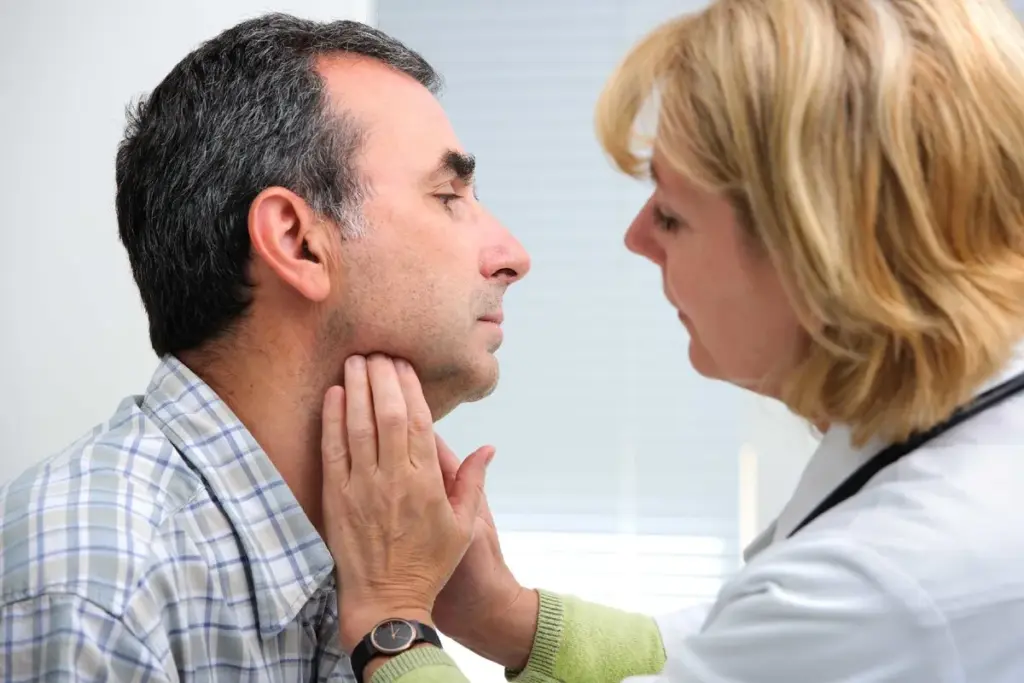
Thyroid cancer is one of the most treatable cancers. But, getting a 100% cure depends on many factors. For cases caught early, the five-year survival rate is over 98%. But, cases that are more advanced are much harder to treat.
Early detection and treatment are key to better survival chances. Getting a diagnosis can be scary. Our goal at LivHospital is to offer full care and support to patients from around the world.
We focus on creating treatment plans that fit each patient’s needs. This includes the type and stage of cancer, as well as the patient’s overall health. Our goal is to help patients with thyroid cancer get the best results possible.
Key Takeaways
- Thyroid cancer has a high survival rate when detected early.
- Advanced cases have lower survival rates, stressing the importance of early action.
- Personalized treatment plans are vital for better patient outcomes.
- Early detection greatly increases the chance of successful treatment.
- Comprehensive care and support are key for patients going through treatment.
Understanding Thyroid Cancer
Thyroid cancer starts with knowing the thyroid gland’s role. This gland is key for making hormones that control growth and metabolism. It’s vital for our health.
What is the Thyroid Gland?
The thyroid gland sits in the neck, below the Adam’s apple. It makes hormones like thyroxine (T4) and triiodothyronine (T3). These hormones help our body use energy and stay healthy. Thyroid hormones are essential for our body’s metabolism, affecting how we use energy and nearly every organ.
How Cancer Develops in the Thyroid
Cancer in the thyroid happens when cells grow out of control. This can happen in different types of thyroid cells, leading to various cancers. The most common types include papillary, follicular, medullary, and anaplastic thyroid cancer. These cancers have different treatments and outcomes. Thyroid cancer can be caused by genetics, radiation, and the environment.
Important things to know about thyroid cancer include:
- The role of genetic mutations in thyroid cancer development
- The impact of radiation exposure on thyroid cancer risk
- The different types of thyroid cancer and their prognoses
Thyroid cancer is treatable if caught early. Knowing its causes, symptoms, and treatments is key for managing it well.
Types of Thyroid Cancer and Their Curability
It’s important to know the different types of thyroid cancer. This knowledge helps doctors choose the best treatment. Each type of thyroid cancer has its own characteristics and how curable it is.
Papillary Thyroid Cancer
Papillary thyroid cancer is the most common, making up 80-85% of cases. It grows slowly and has a good chance of being cured if caught early. Treatment usually includes surgery, and sometimes radioactive iodine therapy.
Follicular Thyroid Cancer
Follicular thyroid cancer is the second most common, making up 10-15% of cases. It spreads through the blood and can reach distant parts of the body. Early detection and treatment, including surgery and radioactive iodine, are key for a good outcome.
Medullary Thyroid Cancer
Medullary thyroid cancer comes from the C cells of the thyroid gland. It can be sporadic or linked to a genetic syndrome. This cancer is more aggressive and may need a more detailed treatment plan, including surgery and genetic monitoring.
Anaplastic Thyroid Cancer
Anaplastic thyroid cancer is rare and aggressive, mostly found in older adults. It grows fast and is often diagnosed late, making treatment hard. Despite this, treatments like surgery, radiation, and chemotherapy are used to manage symptoms and possibly improve outcomes.
|
Type of Thyroid Cancer |
Frequency |
Characteristics |
Prognosis |
|---|---|---|---|
|
Papillary |
80-85% |
Slow-growing, often diagnosed early |
Favorable, with early detection |
|
Follicular |
10-15% |
May spread through bloodstream |
Generally good with proper treatment |
|
Medullary |
3-5% |
Can be part of genetic syndrome, more aggressive |
Variable, depends on stage and genetics |
|
Anaplastic |
<1% |
Rapidly growing, often diagnosed late |
Poor, due to aggressive nature and late diagnosis |
The chance of curing thyroid cancer depends on the type and stage at diagnosis. Papillary and follicular cancers have a better prognosis than medullary and anaplastic cancers. Knowing these differences helps doctors create better treatment plans and improve patient outcomes.
Thyroid Cancer Statistics in the United States
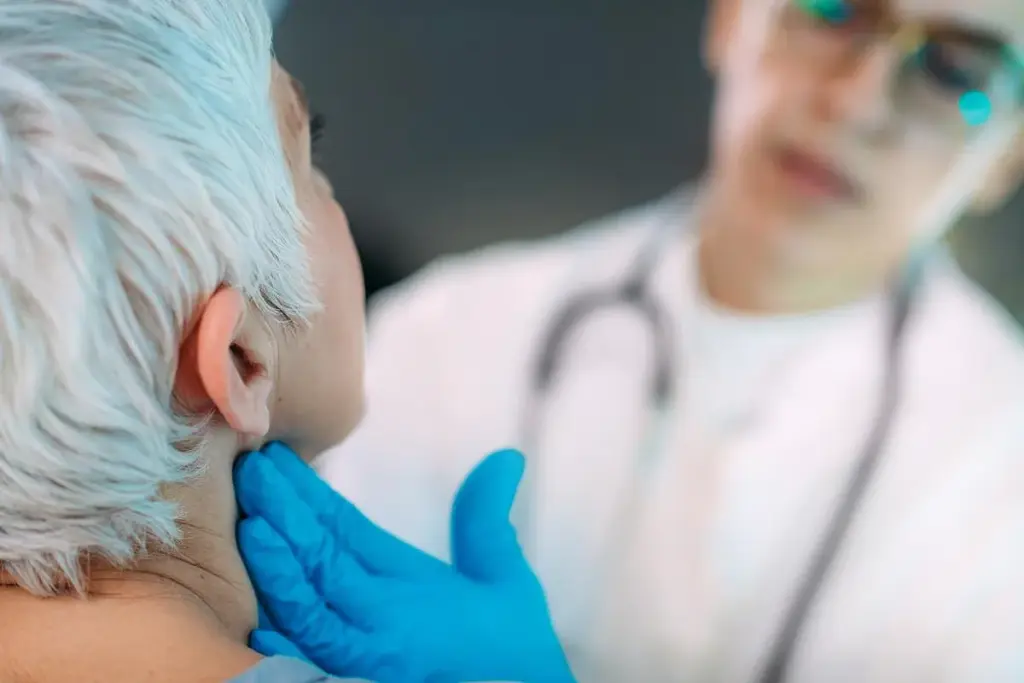
Thyroid cancer is becoming more common in the U.S. TheSurveillance, Epidemiology, and End Results (SEER) show us why. They help us understand the disease’s impact and plan health initiatives.
Incidence and Prevalence Rates
Thyroid cancer cases have been going up over the years. This increase is due to better diagnostic tools and more cases. Early detection makes it one of the most treatable cancers.
The American Cancer Society says thyroid cancer is a big part of endocrine cancers. The rising numbers show we need more research into causes and treatments.
Demographic Patterns
Thyroid cancer patterns are clear. It hits women more than men. It also varies by age and ethnicity. Knowing this helps us target health messages.
Looking at thyroid cancer stats helps us grasp its situation in the U.S. This info is key for raising thyroid cancer awareness and reducing thyroid cancer risk factors.
Early Warning Signs and Symptoms
It’s important to know the early signs of thyroid cancer for quick diagnosis and treatment. Thyroid cancer might not show symptoms early on. But knowing the signs can help you get checked by a doctor.
Physical Symptoms to Watch For
There are physical signs that could mean you have thyroid cancer. These include:
- A lump or swelling in the neck, which is often painless but can be a significant indicator.
- Difficulty swallowing or a sensation that something is stuck in the throat.
- Changes in voice, such as hoarseness or other voice alterations.
- Neck pain that may radiate to the jaw or ear.
- Swollen lymph nodes in the neck.
These symptoms can mean different things, not just thyroid cancer. But if you notice any, seeing a doctor is a good idea.
When to Seek Medical Attention
If you’re feeling any of these symptoms, knowing when to see a doctor is key. You should talk to a doctor if:
- You have a lump in your neck that doesn’t go away.
- You’re having trouble swallowing or your voice is changing.
- You have neck pain that keeps coming back.
Early detection is key to better outcomes for thyroid cancer patients. So, watch your body and see a doctor if you need to.
Diagnosis Methods for Thyroid Cancer
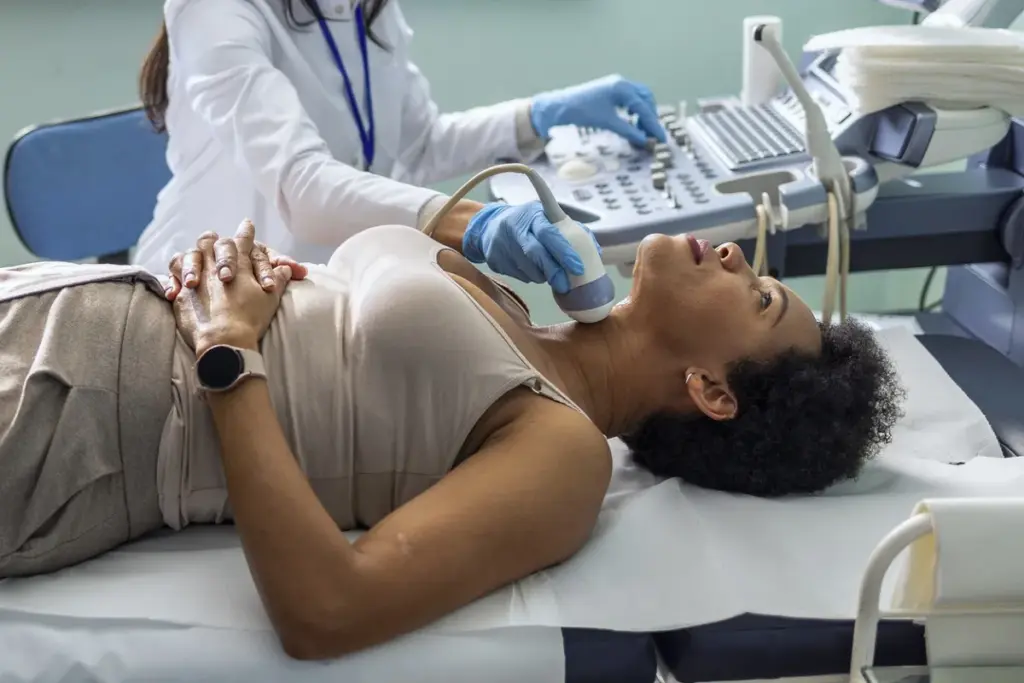
Healthcare professionals use several methods to find thyroid cancer. Finding it early is key for good treatment. We’ll talk about the tests and exams used to spot thyroid cancer.
Physical Examination
A physical check is the first step. A doctor looks for any oddities in the thyroid gland. They check its size, feel, and if it’s tender for cancer signs.
Blood Tests and Hormone Levels
Blood tests check how well the thyroid works and hormone levels. They look at TSH, T3, and T4 levels. These tests can’t find cancer but show thyroid health.
Imaging Tests
Imaging tests are key for finding thyroid cancer. The main ones are:
- Ultrasound: Uses sound waves to see the thyroid gland and find nodules.
- Computed Tomography (CT) Scan: Gives detailed pictures of the thyroid and nearby tissues.
- Magnetic Resonance Imaging (MRI): Shows detailed thyroid images and cancer spread.
- Positron Emission Tomography (PET) Scan: Finds areas with high activity, which might be cancer.
Biopsy Procedures
A biopsy is the best way to confirm thyroid cancer. Fine-needle aspiration biopsy (FNAB) is common. It uses a thin needle to get cells from the nodule for a microscope check.
|
Diagnostic Method |
Description |
Purpose |
|---|---|---|
|
Physical Examination |
Checking for thyroid abnormalities |
Identify possible cancer signs |
|
Blood Tests |
Checking thyroid hormone levels |
Look at thyroid function |
|
Ultrasound |
Imaging the thyroid gland |
Find nodules or oddities |
|
Biopsy (FNAB) |
Getting cells from thyroid nodules |
Confirm cancer diagnosis |
By using these methods, we can accurately find thyroid cancer. Early detection is vital for better treatment results.
Staging of Thyroid Cancer and Its Impact on Curability
Knowing the stage of thyroid cancer is key to finding the right treatment. Staging shows how far the cancer has spread. This helps doctors decide on treatment and gives a glimpse of what to expect.
TNM Classification System
The TNM system is used to stage thyroid cancer. It looks at three main things:
- T (Tumor size): How big the main tumor is.
- N (Lymph Node involvement): If the cancer has reached nearby lymph nodes and how far it has spread.
- M (Metastasis): If the cancer has moved to distant parts of the body.
By combining these, doctors can figure out the cancer’s overall stage. This is vital for planning treatment.
How Staging Affects Treatment Decisions
The cancer’s stage greatly affects treatment choices. For cancers caught early, surgery might be the main treatment. This could be followed by radioactive iodine therapy.
For more advanced cancers, treatments like external beam radiation or targeted therapy might be added.
Getting the staging right means patients get the best treatment for their cancer. This helps avoid treatments that might not be needed.
Staging and Survival Correlation
The cancer’s stage at diagnosis is a big factor in survival chances. Patients diagnosed early usually have a better outlook than those diagnosed later.
Knowing how staging affects survival helps patients and their families make better choices. It also gives a clearer idea of what to expect.
Comprehensive Treatment Options for Thyroid Cancer
There are many ways to treat thyroid cancer, each with its own benefits. The right treatment depends on the cancer type, stage, and the patient’s health.
Surgical Approaches
Surgery is a common first step in treating thyroid cancer. The goal is to remove the thyroid gland and sometimes nearby lymph nodes.
- Total Thyroidectomy: This is when the whole thyroid gland is removed. It’s often needed for bigger tumors or when cancer has spread.
- Lobectomy: This involves removing just one lobe of the thyroid gland. It’s usually for smaller tumors with no spread.
Choosing between total thyroidectomy and lobectomy depends on several factors. These include the tumor’s size and location, the patient’s age, and any other thyroid issues.
Radioactive Iodine Therapy
Radioactive iodine (RAI) therapy is used after surgery. It kills any remaining thyroid tissue and treats cancer that has spread.
- Indications: RAI therapy is often recommended for those at high risk of recurrence or with distant metastases.
- Procedure: Patients take a capsule or liquid with radioactive iodine. It kills thyroid cells by being absorbed.
Thyroid Hormone Therapy
After surgery, patients need thyroid hormone replacement. This is because they’ve lost thyroid function.
- Purpose: To keep the pituitary gland from making too much thyroid-stimulating hormone (TSH). TSH can make cancer cells grow.
- Monitoring: It’s important to regularly check thyroid hormone levels. This ensures the right dosage and helps prevent cancer from coming back.
External Beam Radiation
External beam radiation therapy (EBRT) is used for thyroid cancer that hasn’t responded to other treatments. It’s also used when cancer has spread to important areas.
|
Treatment Modality |
Indications |
Benefits |
|---|---|---|
|
Surgery |
Primary treatment for thyroid cancer |
Removal of tumor and affected thyroid tissue |
|
Radioactive Iodine Therapy |
High risk of recurrence, distant metastases |
Destruction of remaining thyroid tissue and cancer cells |
|
Thyroid Hormone Therapy |
Post-surgery thyroid hormone replacement |
Suppression of TSH, minimizing cancer recurrence |
|
External Beam Radiation |
Cancer not responding to other treatments, spread to critical areas |
Local control of tumor growth |
In conclusion, treating thyroid cancer involves surgery, radioactive iodine therapy, thyroid hormone therapy, and external beam radiation. Each treatment is chosen based on the patient’s specific needs.
Survival Rates by Type and Stage
Knowing about thyroid cancer survival rates is key for both patients and doctors. These rates change a lot based on the type and stage of the cancer.
Localized Thyroid Cancer Survival
Patients with localized thyroid cancer have a 5-year survival rate over 98%. This high rate is thanks to effective treatments and early detection of many cases.
Regional Spread Survival Rates
Thyroid cancer that spreads to nearby areas has a high survival rate too. The5-year survival rate for regional thyroid cancer is about. This shows how important early and right treatment is.
Distant Metastasis Survival Rates
But, if thyroid cancer spreads far away, the 5-year survival rate falls to 50-60%. Though lower than for local or regional cancer, new treatments are helping more patients.
Interpreting Survival Statistics
Survival statistics are based on past data and might not match your situation or the newest treatments. Your age, health, and how well you respond to treatment also affect your outlook.
Remember, survival rates are just estimates. They should be seen in the light of your overall health and specific situation. Always talk to a healthcare provider for personalized advice.
The Truth About Thyroid Cancer Curability
Understanding thyroid cancer’s curability is complex. Many patients can be cured, but some may see the cancer return. The idea of a “cure” in cancer is not simple.
Defining “Cure” in Cancer Treatment
In cancer treatment, a “cure” means removing all cancer cells. But, it’s hard to know for sure if all cells are gone.
We talk about “remission” and “complete cure” in cancer treatment. Remission means the cancer is controlled, but it can come back. A complete cure means the cancer won’t come back.
Remission vs. Complete Cure
Remission and complete cure are different. Remission means the cancer is managed, but there’s a chance it could return. A complete cure means the cancer won’t come back.
Knowing the difference between remission and complete cure is key. Some patients get a complete cure, while others have long-term remission.
The Reality of Thyroid Cancer Outcomes
Thyroid cancer outcomes depend on the type and stage at diagnosis. The prognosis is generally good, with high survival rates for some types.
|
Type of Thyroid Cancer |
5-Year Survival Rate |
|---|---|
|
Papillary Thyroid Cancer |
97-100% |
|
Follicular Thyroid Cancer |
90-95% |
|
Medullary Thyroid Cancer |
80-90% |
|
Anaplastic Thyroid Cancer |
7-14% |
The table shows the 5-year survival rates for different thyroid cancers. These rates highlight the need for early detection and treatment.
Thyroid cancer is not 100% curable for everyone. The stage at diagnosis, cancer type, and treatment response all affect outcomes.
Factors Affecting Thyroid Cancer Prognosis
Many factors influence thyroid cancer prognosis. These factors help decide treatment and outcomes. Knowing them is key for both patients and doctors to tackle thyroid cancer.
Age at Diagnosis
Age at diagnosis is a big factor in thyroid cancer prognosis. Younger patients usually have a better outlook than older ones. This is because their cancer is often less aggressive and easier to treat.
Age-related prognosis: Those under 40 tend to have a better chance of recovery than older patients.
Cancer Type and Aggressiveness
The type and how aggressive the cancer is also matter a lot. There are different types of thyroid cancer, each with its own traits and aggressiveness levels.
- Papillary thyroid cancer: Usually has a good prognosis, if caught early.
- Follicular thyroid cancer: Has a relatively good prognosis, but can be harder to diagnose.
- Medullary thyroid cancer: Can be aggressive, but early detection helps.
- Anaplastic thyroid cancer: The most aggressive, often with a worse prognosis.
Genetic and Molecular Factors
Genetic and molecular factors are also important in thyroid cancer prognosis. Some genetic mutations can make the cancer more aggressive or affect how well it responds to treatment.
|
Genetic Factor |
Impact on Prognosis |
|---|---|
|
BRAF mutation |
Linked to papillary thyroid cancer; may indicate a more aggressive disease. |
|
RET mutation |
Related to medullary thyroid cancer; can affect prognosis based on mutation type. |
Response to Initial Treatment
How well the cancer responds to initial treatment is also key. Patients who respond well to treatment usually have a better prognosis than those who don’t.
Effective initial treatment can greatly improve long-term outcomes. This shows why personalized treatment plans are so important.
Understanding Recurrence Risks
It’s key to know about thyroid cancer recurrence risks for good care. For those with thyroid cancer, knowing about recurrence risks is vital. It helps in managing and treating the disease better.
Recurrence Rates (20-30% Lifetime Risk)
The chance of thyroid cancer coming back is between 20-30% over a lifetime. This chance depends on the cancer type and stage, how well the first treatment worked, and the patient’s health. A leading thyroid cancer specialist says, “The risk of recurrence is a big deal for thyroid cancer patients.”
Papillary thyroid cancer tends to come back more often than other types. The cancer’s stage at first diagnosis also matters. A later stage means a higher chance of it coming back.
Monitoring After Initial Treatment
Keeping an eye on the patient after treatment is key to catching any recurrence early. This includes:
- Regular physical checks
- Thyroglobulin (Tg) blood tests for certain cancers
- Ultrasound, CT scans, or PET scans for imaging
“Finding recurrence early makes treatment more likely to work,” says an expert in thyroid cancer treatment. “A clear follow-up plan is vital for thyroid cancer patients.”
Managing Recurrent Disease
Dealing with thyroid cancer that comes back needs a team effort. The team uses different treatments based on the patient’s needs. These might include:
- Surgery to remove tumors
- Radioactive iodine therapy for some
- External beam radiation therapy
- Targeted therapy or other treatments for more serious cases
“Handling thyroid cancer that comes back needs a detailed and personal plan. It considers the patient’s health, the cancer’s details, and past treatments.” -American Thyroid Association Guidelines
The aim is to control the cancer, ease symptoms, and keep the patient’s quality of life good. New research and treatments are helping patients with thyroid cancer that comes back.
Living With Thyroid Cancer
Getting a thyroid cancer diagnosis starts a tough journey. It affects your body, mind, and emotions. Understanding these challenges is key.
Physical Challenges During Treatment
Thyroid cancer treatment can cause many physical problems. You might feel tired, have pain, or trouble speaking or swallowing. Knowing about these side effects helps manage them better.
- Fatigue and weakness
- Changes in voice or swallowing
- Neck discomfort or pain
A study in the Journal of Clinical Oncology found thyroid cancer treatment affects quality of life.
“The physical symptoms associated with thyroid cancer treatment can be distressing, highlighting the need for full support.”
Emotional and Psychological Impact
Thyroid cancer also has a big emotional and psychological toll. Patients often feel anxious, depressed, and scared of the cancer coming back. It’s important to recognize these feelings and find help.
|
Emotional Challenges |
Support Strategies |
|---|---|
|
Anxiety and depression |
Counseling, support groups |
|
Fear of recurrence |
Mental health resources, patient communities |
Support Resources and Communities
There are many support groups and resources for thyroid cancer patients. You can find online forums, local groups, and counseling services. Connecting with others who understand can really help.
Some great resources include:
- Thyroid Cancer Survivors’ Association
- Cancer support hotlines
- Online patient forums
Our care approach stresses the importance of full support for thyroid cancer patients. Using these resources helps patients deal with their challenges.
Life After Thyroid Cancer Treatment
Finishing thyroid cancer treatment is a big win, but it’s just the start. Patients need ongoing care to watch their health and catch problems early.
Long-term Monitoring Protocols
Keeping an eye on health long-term is key to spotting any cancer coming back. This means regular doctor visits, thyroid function tests, and imaging studies like ultrasound or CT scans. How often you need these checks depends on your cancer and risk factors.
It’s important to stick to your follow-up plan. This way, you can catch any problems early. It helps keep your health in check and lowers the chance of serious issues.
Thyroid Hormone Replacement Therapy
Most patients need thyroid hormone replacement therapy after treatment. This helps replace the lost thyroid function. You’ll take synthetic hormones to keep your metabolism and energy right. Your doctor will adjust the dose based on blood tests.
Working with your healthcare team is key to finding the right hormone levels. This can greatly improve your well-being and life quality.
Quality of Life Considerations
Beating thyroid cancer can change your life a lot. You might feel fatigue, emotional changes, and other symptoms that make daily life tough. But, with the right care and support, many people live full and happy lives.
We suggest talking to your doctor about any problems you face. There are many ways to manage these issues and boost your quality of life.
Advances in Thyroid Cancer Research and Treatment
The field of thyroid cancer treatment is changing fast. New research and technology are leading the way. This means better treatments for patients.
We’re moving towards more targeted and personalized care. This change comes from ongoing research and new treatments.
Emerging Treatment Approaches
New ways to treat thyroid cancer are exciting. Some key developments include:
- Targeted Therapies: These therapies target specific parts of thyroid cancer cells.
- Immunotherapies: These treatments use the body’s immune system to fight cancer.
- Clinical Trials: Trials test new treatments, giving patients access to the latest options.
Genetic Testing Developments
Genetic testing is key in fighting thyroid cancer. New tests help find genetic changes that cause the disease.
Next-generation sequencing lets us check many genes at once. This gives a clearer picture of thyroid cancer’s genetics. It helps doctors choose the best treatments.
Personalized Medicine Strategies
Personalized medicine focuses on each patient’s unique situation. It uses genetic tests and other data to create custom treatment plans.
Personalized medicine is used in many ways, such as:
- Genetic-guided treatment decisions: Genetic tests help choose the right treatments.
- Risk stratification: Genetic and clinical data help sort patients by risk.
- Treatment monitoring: Molecular markers track how well treatments work and if cancer comes back.
We’re hopeful about the future of thyroid cancer treatment. With new research and treatments, we aim to improve patient outcomes and quality of life.
Prevention and Risk Reduction Strategies
Knowing the risk factors for thyroid cancer is key to preventing it. Some risks can’t be changed, but being aware helps take steps to lower them.
Known Risk Factors
Several factors raise the risk of thyroid cancer. These include:
- Radiation Exposure: Being exposed to radiation, mainly in childhood, greatly increases the risk.
- Genetic Factors: Certain genetic conditions, like familial medullary thyroid cancer and MEN2, raise the risk.
- Family History: A family history of thyroid cancer also increases the risk.
- Age and Gender: Thyroid cancer is more common in women and increases with age.
Preventive Measures
While not all thyroid cancer can be prevented, there are ways to lower the risk:
- Avoiding Unnecessary Radiation: Reducing radiation exposure, like in medical settings, can help.
- Maintaining a Healthy Diet: Eating a diet full of fruits, vegetables, and iodine supports thyroid health.
- Regular Check-ups: Regular medical visits can help catch and treat cancer early.
Screening Recommendations
Screening for thyroid cancer isn’t routine for everyone. But it’s recommended for those with known risk factors:
|
Risk Group |
Screening Recommendation |
|---|---|
|
High-risk individuals (e.g., history of radiation exposure, family history of thyroid cancer) |
Regular thyroid ultrasound and clinical examination |
|
General population without known risk factors |
No routine screening recommended |
By understanding risks and taking preventive steps, people can lower their chance of getting thyroid cancer. For those at higher risk, regular screening can help catch and treat cancer early.
When to Seek a Second Opinion for Thyroid Cancer
Getting a thyroid cancer diagnosis can feel overwhelming. Seeking a second opinion is a key step in understanding your condition. It offers valuable insights, helping you make informed decisions about your care.
Understanding Your Diagnosis
It’s important to understand your thyroid cancer diagnosis. Knowing the type and stage of your cancer is key. This knowledge helps you choose the best treatment options.
Finding Thyroid Cancer Specialists
To get a second opinion, find specialists in thyroid cancer. Ask your primary care doctor for recommendations or check with professional organizations. Finding the right specialist is critical for your treatment plan.
Questions to Ask Your Doctor
When seeking a second opinion, prepare with questions. Key questions include:
- What is the stage and type of my thyroid cancer?
- What are the recommended treatment options for my specific case?
- Are there any clinical trials or new treatments available that I should consider?
For more detailed information, consider the following table:
|
Aspect |
Details to Consider |
|---|---|
|
Type of Thyroid Cancer |
Papillary, Follicular, Medullary, Anaplastic |
|
Stage of Cancer |
Localized, Regional Spread, Distant Metastasis |
|
Treatment Options |
Surgery, Radioactive Iodine Therapy, Thyroid Hormone Therapy, External Beam Radiation |
|
Specialist to Consult |
Endocrinologist, Oncologist, Surgeon specializing in thyroid cancer |
For more information on survival statistics related to thyroid cancer, visit this resource. Getting a second opinion is a proactive step towards ensuring you receive the best care.
Conclusion
Thyroid cancer is a complex disease that needs a full approach for diagnosis, treatment, and management. We’ve looked at its types, how to diagnose it, treatment options, and what the future looks like.
Early detection and accurate diagnosis are key to better outcomes. Treatment can include surgery, radioactive iodine therapy, and thyroid hormone therapy. This depends on the cancer type and stage.
Knowing what to expect from thyroid cancer is important for patients. Factors like age, cancer type, and how well the treatment works affect the prognosis.
Comprehensive care and support are essential for thyroid cancer patients. By helping them with resources and guidance, we can enhance their quality of life. Managing thyroid cancer well requires teamwork and ongoing research into this complex disease.
FAQ
What are the common symptoms of thyroid cancer?
Symptoms include a neck lump or swelling, trouble swallowing, voice changes, and neck pain. If you notice these, see a doctor right away.
How is thyroid cancer diagnosed?
Doctors use a physical check, blood tests, and imaging like ultrasound or CT scans. They also do biopsies to check thyroid cells for cancer.
What are the different types of thyroid cancer?
There are four main types: papillary, follicular, medullary, and anaplastic. Each has its own treatment based on its characteristics.
How is thyroid cancer staged?
Staging uses the TNM system. It looks at the tumor size, nearby lymph nodes, and if cancer has spread.
What are the treatment options for thyroid cancer?
Treatments include surgery, radioactive iodine, thyroid hormone therapy, and radiation. The choice depends on the cancer type and stage.
Can thyroid cancer be cured?
Many cases can be treated well. The chance of a “cure” depends on the cancer type, stage, and how well it responds to treatment.
What is the survival rate for thyroid cancer?
Survival rates vary. Localized cancer has over 98% survival. But, cancer that has spread has lower survival rates.
What factors influence thyroid cancer prognosis?
Factors include age, cancer type, genetics, and treatment response. These all affect the prognosis.
How can I reduce my risk of thyroid cancer?
Some risks can’t be changed. But, avoiding radiation and living healthily can help lower your risk.
When should I seek a second opinion for thyroid cancer?
If you’re unsure about your diagnosis or treatment, get a second opinion. A specialist can help clarify your care.
What kind of support is available for thyroid cancer patients?
There’s support from doctors, groups, and online communities. They offer emotional, psychological, and practical help during treatment.
What is the role of thyroid hormone replacement therapy after thyroid cancer treatment?
After treatment, hormone replacement is key. It helps regulate metabolism and health for patients who’ve lost their thyroid.
How is recurrent thyroid cancer managed?
Recurrent cancer is treated with a mix of methods. This includes surgery, radioactive iodine, and other treatments tailored to the patient.
What are the latest advances in thyroid cancer research and treatment?
New treatments, genetic tests, and personalized medicine are emerging. These aim to improve care for thyroid cancer patients.
References
National Center for Biotechnology Information. Evidence-Based Medical Insight. Retrieved from https://pmc.ncbi.nlm.nih.gov/articles/PMC12133832/



 Departments
 Related Videos
 Our Doctors
 News
News