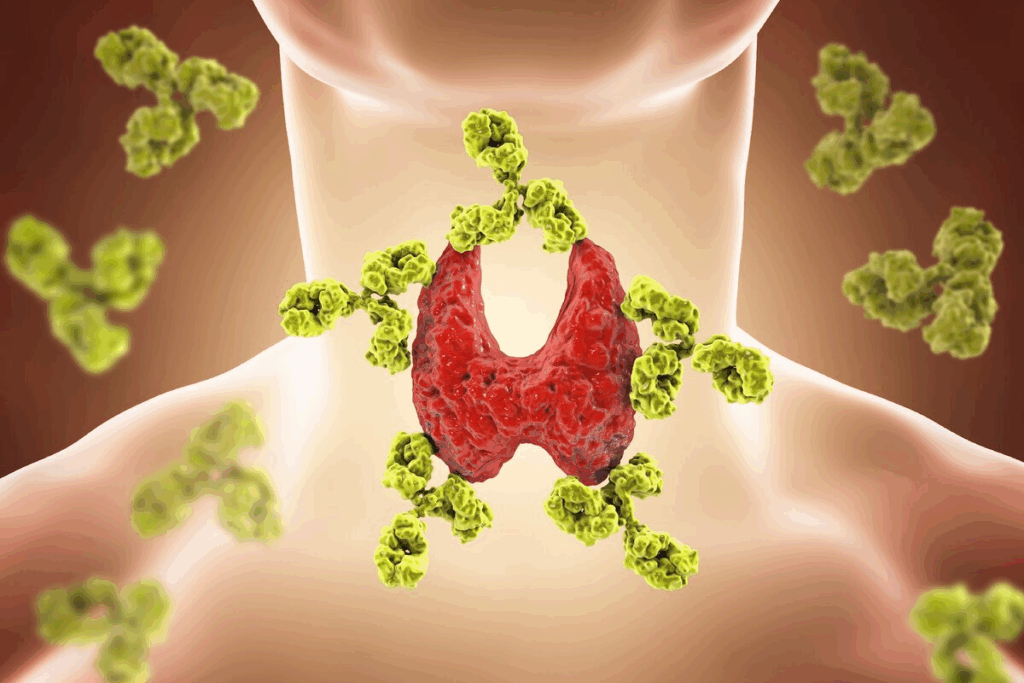
Hyperthyroidism in teenagers is when the thyroid gland makes too much thyroid hormone. This affects how the body works and many body systems. It’s more common in adults, but kids with certain health issues can get it too.
Finding symptoms of thyroid problems in teens can be hard. They often look like normal teen behavior. But catching it early is key to avoid serious health problems. At Liv Hospital, we have expert pediatric endocrinologists and the latest diagnostic tools. We offer full care for teens with thyroid issues.
Key Takeaways
- Hyperthyroidism can affect teenagers, not just adults.
- Early detection is vital to prevent serious health issues.
- Symptoms can be mistaken for typical teenage behavior.
- Liv Hospital offers specialized care for teenagers with thyroid disorders.
- Comprehensive diagnostic capabilities are essential for accurate diagnosis.
Understanding Hyperthyroidism in Adolescents

Hyperthyroidism in teens means the thyroid gland makes too much thyroid hormone. This hormone is key for how fast our bodies work, grow, and develop. Too much of it can cause many symptoms that affect different parts of the body.
What Happens When the Thyroid Overproduces Hormones
When the thyroid gland makes too many hormones, our body’s speed goes up. This can lead to symptoms like a fast heart rate, losing weight even when hungry, feeling nervous, and being tired. These hormones can mess with almost every part of our body, making it hard to figure out and treat.
Key effects of thyroid hormone overproduction include:
- Accelerated heart rate and palpitations
- Weight loss despite increased appetite
- Nervousness and anxiety
- Fatigue and muscle weakness
- Heat intolerance and excessive sweating
Prevalence Rates: 1 in 10,000 in Pediatric Population
Hyperthyroidism is rare in kids and teens, happening to about 1 in 10,000. It’s important for parents and doctors to know the signs and symptoms. This way, they can catch it early and start treatment right away.
“Early recognition of hyperthyroidism in adolescents is key for good management and avoiding long-term problems.”
Gradual Onset and Progression in Teenagers
Hyperthyroidism in teens often starts slowly, with symptoms getting worse over time. Teens might find it hard to focus in school and feel moody. If not treated, it can really hurt their life quality.
Watching for signs of hyperthyroidism and getting medical help early is very important. It can help manage the condition better.
Graves’ Disease: The Leading Cause of Teen Hyperthyroidism

Hyperthyroidism in teens is often caused by Graves’ disease, an autoimmune disorder. It makes up 60-80 percent of cases in kids and teens. This makes it the main condition to look for when diagnosing hyperthyroidism in this age group.
Distinguishing Features of Graves’ Disease
Graves’ disease is different from other thyroid issues. The immune system attacks the thyroid gland, leading to too much hormone. This is unlike other hyperthyroidism causes, like thyroid nodules or inflammation.
Key characteristics of Graves’ disease include:
- Autoimmune origin
- Overproduction of thyroid hormones
- Potential for significant impact on quality of life if left untreated
Autoimmune Factors in Adolescent Hyperthyroidism
Graves’ disease is an autoimmune condition. This means the immune system is involved. In teens, this can affect both their physical and emotional health during a key development time.
Genetic and Environmental Triggers
The exact cause of Graves’ disease is complex. Both genetics and environment are believed to play a part. Knowing these triggers can help manage the condition and lower the risk of problems.
Trigger Factor | Description | Impact on Graves’ Disease |
Genetic Predisposition | Family history of autoimmune diseases | Increases susceptibility |
Environmental Factors | Exposure to certain toxins or stress | May trigger onset in predisposed individuals |
Autoimmune Response | Immune system mistakenly attacks thyroid | Direct cause of hyperthyroidism |
Understanding Graves’ disease and its effects on teens helps healthcare providers. They can then offer better diagnosis and treatment. This improves the quality of life for affected teens.
Early Warning Signs: When to Suspect Thyroid Issues
As a parent, knowing the early signs of thyroid problems in your teenager is key. Hyperthyroidism in teens can show in many ways, some subtle or mistaken for other issues. Spotting these signs early is vital for quick action and good care.
Subtle Changes in Energy and Mood
One early sign of hyperthyroidism in teens is changes in energy and mood. They might feel more anxious, nervous, or irritable. These feelings can be seen as just normal teenage stuff, but if they last or get worse, it’s time to look closer.
For example, a teen with hyperthyroidism might feel more emotional or sensitive. They could have mood swings that are not usual for them. It’s important to tell the difference between normal teenage moodiness and the bigger emotional changes caused by hyperthyroidism.
Declining Academic Performance
A drop in school performance can also hint at thyroid issues. Hyperthyroidism can mess with concentration and memory, making schoolwork hard. If your teen is suddenly struggling in school without a clear reason, it might be due to a thyroid problem.
“The symptoms of hyperthyroidism can be nonspecific and may mimic other conditions, making diagnosis challenging. A thorough check-up is needed to find the cause of symptoms.”
Physical Changes Parents Should Watch For
There are physical signs that can point to hyperthyroidism in teens. These include losing weight without eating more, shaking, a fast heartbeat, and feeling too hot. Girls might also see changes in their menstrual cycles or have more frequent bowel movements.
Physical Symptom | Description |
Unexplained Weight Loss | Losing weight despite eating more, due to increased metabolism. |
Tremors | Shakiness or trembling, often in the hands. |
Rapid Heartbeat | A faster than normal heart rate, which can be uncomfortable or alarming. |
Heat Intolerance | Feeling overly hot or sweaty even in cooler temperatures. |
Watching for these physical changes and talking to a doctor can help get a diagnosis and treatment sooner. If you see any of these symptoms lasting or getting worse, it’s important to get medical help.
Symptom 1: Unexplained Weight Loss Despite Increased Appetite
Weight loss without reason, even when you eat more, is a key sign of hyperthyroidism in teens. Too much thyroid hormone makes your body burn calories fast. This leads to weight loss, even if you eat more.
Metabolic Mechanisms Behind Weight Changes
The thyroid hormone controls how fast your body burns energy. With too much of it, your body burns calories faster. This means you lose weight, even if you eat more. The increased metabolic rate affects not just fat metabolism but also protein and carbohydrate metabolism, leading to a complex interplay of factors contributing to weight loss.
Distinguishing from Other Causes of Teen Weight Loss
Weight loss can mean different things for different reasons. But, if you’re losing weight and feeling hungry, nervous, or your heart beats fast, it might be hyperthyroidism. It’s essential to differentiate hyperthyroidism-related weight loss from other causes like dietary changes, stress, or other medical conditions. A full medical check-up is needed to find out why you’re losing weight.
Nutritional Concerns and Management
Managing your diet is key when you have hyperthyroidism. Teens with this condition might need more calories because their body burns them faster. A balanced diet rich in proteins, complex carbohydrates, and healthy fats is recommended. Also, make sure you get enough vitamins and minerals, like iodine, which helps your thyroid. Seeing a dietitian or healthcare provider can help create a meal plan that’s right for you.
Symptom 2: Anxiety, Nervousness, and Concentration Problems
Too much thyroid hormone can cause big anxiety, nervousness, and trouble focusing in teens. It’s key to understand why this happens and how it affects their daily life.
How Thyroid Hormones Affect the Nervous System
Thyroid hormones help control the nervous system. Too much of them can make teens feel very anxious and jittery. They might feel irritable and restless too.
Anxiety often goes hand in hand with hyperthyroidism. It can make teens feel nervous or anxious, which might seem like normal teenage feelings. But with hyperthyroidism, these feelings are stronger and last longer.
Differentiating from Normal Teen Stress and Anxiety
It’s hard to tell if a teen’s stress or anxiety is just normal or caused by hyperthyroidism. Teens face stress from school, friends, and activities. But if anxiety is really strong and gets in the way of daily life, it might be a sign of a thyroid problem.
To tell if it’s just normal teen anxiety or something more, look at how long and how bad the symptoms are. Anxiety from hyperthyroidism is usually more intense and lasts longer. It often comes with other symptoms like shaking, fast heart rate, or feeling too hot.
Impact on School Performance and Social Interactions
Anxiety, nervousness, and trouble focusing can really hurt a teen’s school work and social life. Not being able to focus can lead to bad grades. Feeling too anxious can make them want to stay away from friends and activities they used to enjoy.
We need to see these symptoms as signs of a possible health issue like hyperthyroidism, not just normal teenage stuff. Knowing the cause helps us find the right help and support. This way, we can help teens feel better and live a better life.
Symptoms | Impact on Teens | Management Strategies |
Anxiety and Nervousness | Interferes with daily activities, social interactions, and school performance | Cognitive-behavioral therapy, relaxation techniques, medication |
Concentration Problems | Affects academic performance, leading to poor grades | Accommodations at school, such as extra time for tests, organizational support |
Emotional Distress | Can lead to social withdrawal, decreased self-esteem | Emotional support from family, friends, and mental health professionals |
Symptom 3: Rapid Heart Rate (Tachycardia) and Palpitations
Tachycardia, or a rapid heart rate, is a key symptom of hyperthyroidism in teens. It means the heart beats too fast. This can lead to palpitations, which are irregular or forceful heartbeats.
Normal vs. Abnormal Heart Rates in Adolescents
For teens, a normal heart rate is between 60 to 100 beats per minute (bpm). If the heart rate goes over this, it’s called tachycardia. It’s important to tell the difference between normal heart rate changes and those that might mean hyperthyroidism.
Some athletes or very fit people might have a lower heart rate, which is okay for them. But if your heart rate is always high, even when you’re not active, you should see a doctor.
Associated Cardiovascular Symptoms
People with hyperthyroidism might also have other heart symptoms. These include:
- Palpitations: feelings of irregular or forceful heartbeats
- Increased blood pressure
- Shortness of breath
- Chest discomfort or pain
These symptoms happen because too much thyroid hormone makes the heart work harder. If not treated, it could lead to serious problems.
Cardiovascular Symptom | Description | Potential Complication |
Tachycardia | Rapid heart rate exceeding 100 bpm | Heart failure if prolonged |
Palpitations | Sensations of irregular heartbeats | Anxiety and discomfort |
Increased Blood Pressure | Elevated blood pressure levels | Cardiovascular disease |
When Heart Symptoms Require Immediate Attention
Tachycardia and palpitations can be treated with hyperthyroidism care. But, some symptoms need quick medical help. Severe chest pain, trouble breathing, or a heart rate over 120 bpm at rest are urgent signs.
It’s vital to watch these symptoms closely. If you notice any of these, get medical help right away. This can prevent serious problems.
Symptom 4: Tremors and Muscle Weakness
Muscle weakness and tremors are tough symptoms for teens with hyperthyroidism. They can really affect their daily life and sports. It’s hard to do simple things or play sports well.
Identifying Thyroid-Related Tremors
Tremors from hyperthyroidism are fine and fast, often in the hands. They keep happening and aren’t just from being nervous or drinking too much caffeine. To see if you have tremors, hold your hands out with fingers apart. If they shake, it might mean you have hyperthyroidism.
Effects on Athletic Performance and Daily Activities
Tremors and muscle weakness really change a teen’s life. For athletes, muscle weakness can make sports harder. Tremors mess with fine motor skills, like writing or playing music. Even simple tasks, like holding things or buttoning a shirt, get tough.
Strategies for Managing Muscle Symptoms
Dealing with muscle weakness and tremors needs a few steps. Beta-blockers can help control tremors and lessen hyperthyroidism symptoms. Also, staying away from too much caffeine and doing physical therapy helps. Eating right, with enough vitamins and minerals, is key for muscle health.
Understanding and tackling these symptoms helps teens with hyperthyroidism. It makes their life better and improves their overall health and happiness.
What Are the Symptoms of Thyroid in Teenage Girls vs. Boys?
Teenage girls are more likely to get hyperthyroidism than boys. This condition shows different symptoms in each gender. We will look at how hyperthyroidism affects teenage girls and boys differently.
Gender Disparities in Prevalence and Presentation
Hyperthyroidism, often caused by Graves’ disease, is more common in teenage girls. Studies show girls are much more likely to get this condition. This is true in the pediatric population.
Key statistics:
- 1 in 10,000 in the pediatric population is affected by hyperthyroidism.
- Girls are more frequently diagnosed with Graves’ disease, the leading cause of hyperthyroidism.
Female-Specific Manifestations and Menstrual Irregularities
Teenage girls with hyperthyroidism may have symptoms unique to their gender. These include menstrual irregularities. Symptoms can range from lighter or heavier periods to not getting a period at all.
Common female-specific symptoms:
- Menstrual irregularities.
- Changes in breast tissue.
- Increased risk of osteoporosis due to hormonal imbalances.
Male-Specific Symptoms and Concerns
Hyperthyroidism in teenage boys is less common but has its own symptoms. These include changes in testicular size and function. Boys may also face growth and development issues if the condition is not managed well.
Male-specific concerns:
- Potential impact on testicular size and fertility.
- Effects on bone density and growth.
- Changes in energy levels and muscle strength.
It’s important to understand these gender-specific differences. This helps in early detection and effective management of hyperthyroidism in teenagers.
Symptom 5: Heat Intolerance and Excessive Sweating
Hyperthyroidism makes teenagers feel warm or sweaty, even when it’s cool outside. This is because too much thyroid hormone messes with how the body controls temperature. Teens might sweat a lot, which can be embarrassing and uncomfortable.
Thermoregulation Disruptions in Hyperthyroidism
The thyroid gland helps control how fast the body burns energy and manages heat. When it’s too active, the body burns energy faster, making more heat. This makes teens feel hot when others are fine, causing discomfort and affecting their well-being.
These issues can also lead to dehydration if not handled right. It’s key for teens and their caregivers to know this symptom comes from the thyroid, not being out of shape or not fitting in.
Impact on Daily Activities and School Performance
Heat intolerance and sweating a lot can really mess with a teen’s life. It can make it hard to play sports or focus in class. Feeling always warm or sweaty can be distracting and might lower confidence, making it tough during sports or presentations.
In school, this can make it hard to pay attention, which might hurt grades. The discomfort can also make teens irritable, making social life harder and affecting overall happiness.
Practical Management Strategies
Handling heat intolerance needs lifestyle changes and sometimes medical help. Teens should drink lots of water, wear light, breathable clothes, and stay away from extreme temperatures.
- Staying cool: Using fans or air conditioning can help keep a comfortable body temperature.
- Dressing appropriately: Wearing layers that can be easily removed helps manage body heat.
- Adjusting activities: Avoiding hard activities when it’s hottest can reduce discomfort.
By using these tips, teens with hyperthyroidism can manage their symptoms better. This improves their comfort and quality of life.
Symptom 6: Frequent Bowel Movements and Digestive Issues
Hyperthyroidism can really mess with your digestive system. It can cause frequent bowel movements and other stomach problems in teens. This can be really tough and mess up your daily life.
Gastrointestinal Effects of Excess Thyroid Hormone
Too much thyroid hormone makes food move too fast in your stomach. This can lead to frequent bowel movements or even diarrhea. It can cause discomfort, a need to go right away, and a feeling of losing control over your bowel movements.
Hyperthyroidism also changes how you feel hungry and digest food. Some teens might feel hungrier because of these stomach issues.
Nutritional Implications
The stomach problems from hyperthyroidism can affect how well you absorb nutrients. This can lead to nutrient deficiencies if not handled right.
It’s key for parents and caregivers to make sure their teen eats well. They might need to talk to a doctor or nutritionist to create a special meal plan.
Supportive Care for Digestive Symptoms
Helping with stomach symptoms is a big part of caring for a teen with hyperthyroidism. This can mean changing what you eat, like eating more fiber to help with bowel movements.
- Eating smaller, more frequent meals to ease digestion
- Avoiding foods that can make stomach problems worse
- Staying hydrated to prevent dehydration
By working with doctors, teens with hyperthyroidism can find ways to feel better. This can really improve their life quality.
Symptom 7: Goiter (Thyroid Enlargement)
Thyroid enlargement, or goiter, is a common sign of hyperthyroidism in teens. It makes the thyroid gland in the neck swell. This swelling can be a worry for both teens and their families.
Visual Identification and Self-Examination
To spot goiter, look for swelling in the neck. Stand in front of a mirror and tilt your head back. It’s key to see a doctor for a proper check, as not all neck swellings are goiters.
Associated Neck Discomfort and Swallowing Issues
Goiter can make the neck feel tight or pressured. It might also make swallowing hard or breathing tough if it presses on the esophagus or trachea. These signs need quick doctor visits.
- Neck discomfort or pain
- Difficulty swallowing
- Breathing difficulties in severe cases
When Goiter Requires Medical Intervention
Goiter often comes with hyperthyroidism but doesn’t always need treatment right away. But, if it causes a lot of pain, makes swallowing hard, or breathing hard, you need to see a doctor. Doctors might prescribe medicine, radioactive iodine, or surgery.
Seeing a doctor early is very important. They can help manage symptoms and avoid problems linked to goiter and hyperthyroidism.
Diagnosis and Treatment: The Path to Recovery
Managing hyperthyroidism in teens starts with early detection and a personalized treatment plan. We’ll walk you through the diagnostic steps and treatment choices.
Comprehensive Diagnostic Process
Diagnosing hyperthyroidism in teens involves a detailed evaluation. This includes looking at the teen’s medical history, discussing symptoms, and a physical exam. We start by understanding symptoms and medical history to spot patterns or risk factors.
The diagnostic process includes:
- Medical History: Reviewing personal and family medical history to identify any thyroid conditions or other autoimmune diseases.
- Symptom Discussion: Discussing symptoms such as weight loss, anxiety, and palpitations to understand their impact on daily life.
- Physical Examination: Conducting a physical exam to check for signs like goiter (thyroid enlargement), tremors, and rapid heart rate.
- Laboratory Tests: Performing blood tests to measure thyroid hormone levels and assess thyroid function.
Medication Options and Considerations for Teens
For many teenagers, the first treatment for hyperthyroidism is medication. This usually includes antithyroid drugs that reduce thyroid hormone production. We consider several factors when choosing a medication.
Key considerations include:
- Effectiveness in controlling symptoms
- Potential side effects and risks
- Patient compliance and monitoring requirements
Radioactive Iodine and Surgical Approaches
When medication isn’t suitable or effective, other treatments are considered. Radioactive iodine therapy is a common treatment that involves taking radioactive iodine orally to destroy part of the thyroid gland, reducing hormone production.
Surgical removal of part or all of the thyroid gland is another option. It’s usually considered for patients with a very large goiter or those who can’t tolerate antithyroid medications. We discuss the risks and benefits of each approach to find the best option.
Monitoring Progress and Adjusting Treatment
After starting treatment, we closely monitor the teenager’s progress. We adjust the treatment plan as needed to ensure the right thyroid hormone levels and minimize side effects. Regular follow-up appointments are key for effective management of hyperthyroidism.
Supporting Your Teen: School, Home, and Emotional Care
Hyperthyroidism in teenagers needs a full support system. This includes school, home, and emotional care. Parents, educators, and healthcare providers must work together. They should support teens through their diagnosis and treatment.
Educational Accommodations During Treatment
Teens with hyperthyroidism might need special help at school. This can include:
- Flexible Scheduling: Giving rest periods or flexible hours can help manage fatigue.
- Nutritional Support: Making sure they have nutritious snacks and meals can boost energy.
- Academic Adjustments: Changing workload or deadlines can reduce stress.
Parents can work with teachers and school admins. This helps create a supportive learning environment for their teen.
Emotional Support Strategies
Emotional support is key for teens with hyperthyroidism. It affects mood and mental health. Strategies include:
- Open Communication: Encouraging teens to share their feelings and concerns.
- Counseling: Professional counseling offers coping strategies and emotional support.
- Support Groups: Connecting with others who have hyperthyroidism is very helpful.
Creating a supportive environment helps teens deal with the emotional challenges of hyperthyroidism.
Building a Supportive Medical Team
A supportive medical team is essential for managing hyperthyroidism. This includes:
- Endocrinologists: Specialists who provide expert care for thyroid conditions.
- Primary Care Physicians: They coordinate overall healthcare and refer to specialists when needed.
- Nutritionists: They guide on diet and nutrition to support thyroid health.
Having a complete medical team ensures the best care for your teen.
Long-Term Outlook and Quality of Life
With the right treatment and support, most teens with hyperthyroidism can live active, healthy lives. It’s important to:
- Monitor Treatment: Regularly adjust treatment to keep thyroid hormone balance.
- Maintain Lifestyle Changes: Continue healthy habits started during treatment.
- Stay Informed: Keep up with the latest research and treatment options.
By being proactive and informed, families can help their teens have a positive outlook and high quality of life.
Conclusion: Empowering Teens with Hyperthyroidism
Hyperthyroidism in teens can be managed well with quick diagnosis and treatment. We talked about symptoms like unexplained weight loss and anxiety. It’s important to notice these signs early.
With the right treatment, teens with hyperthyroidism have a good chance of recovery. Treatment can be medication, radioactive iodine, or surgery. Support from doctors, family, and teachers is key to managing the condition.
Teens with hyperthyroidism need to know about their condition and stick to their treatment. This way, they can manage their condition and live a healthy life. It’s all about medical care, lifestyle changes, and regular check-ups.
FAQ
What is hyperthyroidism in teenagers?
Hyperthyroidism in teenagers is when the thyroid gland makes too much thyroid hormone. This speeds up the body’s metabolism. It causes many symptoms.
What are the symptoms of hyperthyroidism in teenage girls?
Teenage girls with hyperthyroidism might lose weight without trying, feel anxious, or have a fast heart rate. They might also shake, feel too hot, and have irregular periods.
How does hyperthyroidism differ from hypothyroidism?
Hyperthyroidism means the thyroid gland makes too much hormone. Hypothyroidism means it makes too little. They have different symptoms and treatments.
What is Graves’ disease, and how is it related to hyperthyroidism?
Graves’ disease is an autoimmune disorder. It’s the main cause of hyperthyroidism. It makes the thyroid gland produce too much hormone.
Can hyperthyroidism be treated in teenagers?
Yes, teenagers with hyperthyroidism can be treated. They might take medicine, get radioactive iodine, or have surgery. It depends on how severe it is and why it’s happening.
How does hyperthyroidism affect school performance?
Hyperthyroidism can make it hard to do well in school. Symptoms like anxiety and fatigue can distract and make it hard to focus. It’s important to manage it well.
Are there any long-term effects of hyperthyroidism in teenagers?
If not treated, hyperthyroidism can cause serious problems. These include heart issues, weak bones, and thyroid storm. It’s very important to get it treated early.
How is hyperthyroidism diagnosed in teenagers?
Doctors use many steps to diagnose hyperthyroidism in teens. They look at the medical history, do a physical exam, and run tests. They might also use imaging studies to find out why and how severe it is.
Can lifestyle changes help manage hyperthyroidism symptoms?
Yes, making healthy lifestyle choices can help. Eating right, managing stress, and exercising regularly can ease symptoms and improve overall health.
What support is available for teenagers with hyperthyroidism?
Teens with hyperthyroidism can get help. They can get special school accommodations, emotional support, and a team of doctors to help manage their condition. This improves their quality of life.
Is hyperthyroidism in teenagers curable?
Hyperthyroidism is a manageable condition. Whether it’s “curable” depends on the cause. Some cases need ongoing treatment to keep the thyroid hormone levels balanced.
References
National Center for Biotechnology Information. Hyperthyroidism Symptoms and Care in Adolescents. Retrieved from https://www.ncbi.nlm.nih.gov/pmc/articles/PMC8558900/[4



 Departments
 Related Videos
 Our Doctors
 News
News