Many patients worry about changes in their voice after thyroid surgery. Studies show that up to 87% of people notice a difference in their voice after the surgery.
At Liv Hospital, we take these concerns seriously. Our team is here to offer top-notch care and support for patients from around the world. We’ll help you understand what to expect during your recovery and how it might affect your voice.
Key Takeaways
- Voice changes are common after thyroid surgery.
- Understanding the recovery process can help manage expectations.
- Liv Hospital provides comprehensive care for international patients.
- Personalized support is available throughout the recovery journey.
- Our team is dedicated to delivering world-class healthcare.
Understanding Thyroid Surgery and Its Impact on Voice

Patients often worry about how thyroid surgery will affect their voice. It’s important to understand the link between thyroidectomy and voice production. Thyroid surgery removes part or all of the thyroid gland in the neck. This gland helps control metabolism, growth, and development.
What Is Thyroidectomy and Why Is It Performed?
Thyroidectomy is done for several reasons, like thyroid nodules, cancer, or hyperthyroidism. The surgery can be partial or total, depending on the gland’s condition. Doctors decide on the surgery after a thorough evaluation.
Here are the main reasons for thyroidectomy:
- Thyroid Nodules: These are growths on the gland that may cause discomfort or affect thyroid function.
- Thyroid Cancer: Cancerous cells in the gland that need to be surgically removed.
- Hyperthyroidism: When the gland makes too many thyroid hormones, surgery is considered if other treatments don’t work.
The Anatomical Relationship Between Thyroid and Voice Production
The thyroid gland is near the voice box’s muscles. The recurrent laryngeal nerve controls these muscles and runs close to the gland. During surgery, it’s important to protect this nerve to avoid voice changes.
The thyroid gland’s close location to the larynx and voice production nerves is key. The table below shows the important structures involved:
|
Structure |
Function |
Relation to Thyroid Gland |
|---|---|---|
|
Larynx (Voice Box) |
Produces sound for speech and singing |
Located near the thyroid gland |
|
Recurrent Laryngeal Nerve |
Controls muscles of the larynx |
Runs close to the thyroid gland |
|
Thyroid Gland |
Regulates metabolism, growth, and development |
– |
The table shows how close the thyroid gland is to the larynx and the recurrent laryngeal nerve. This highlights the surgery’s impact on voice production. Surgeons carefully work to protect these structures during the procedure.
A study in the Journal of Clinical Endocrinology and Metabolism notes the challenge of avoiding nerve injury during thyroidectomy. This shows the need for skilled surgeons and advanced techniques to reduce voice changes after surgery.
The Science Behind Voice Changes After Thyroidectomy
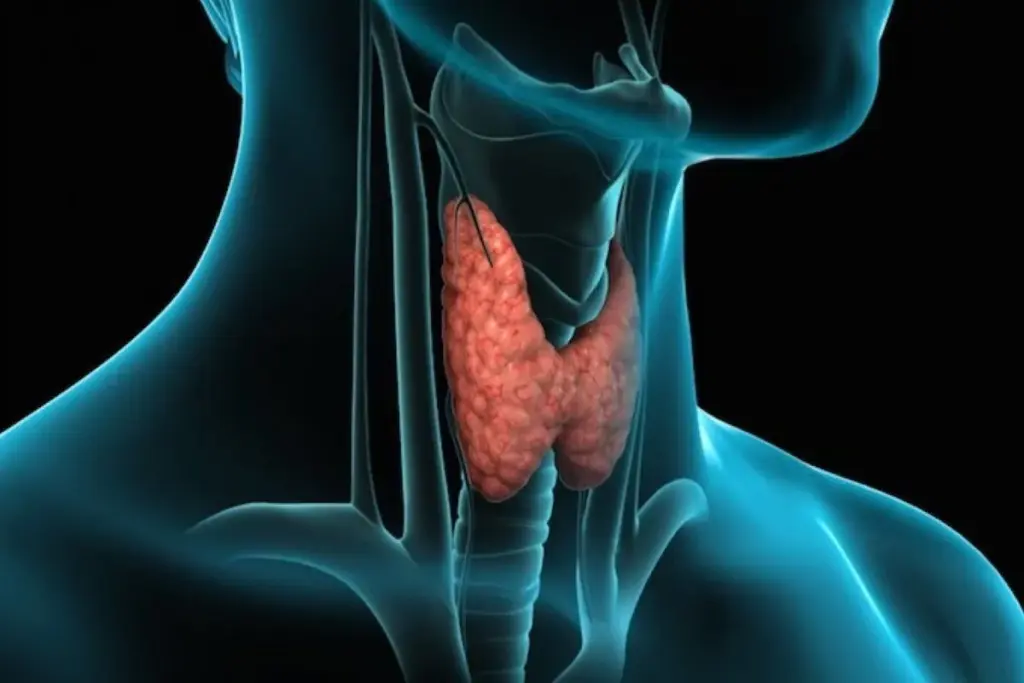
Thyroidectomy, a surgery to remove part or all of the thyroid gland, is common for thyroid diseases. It affects the vocal cords and the nerves that control them. This surgery is used to treat thyroid cancer and hyperthyroidism.
The thyroid gland is in the neck, near the trachea and larynx. These are key for voice production. The recurrent laryngeal nerve, a part of the vagus nerve, is close to the thyroid gland. It controls the vocal cords. Damage to this nerve during surgery can cause voice changes.
How Thyroid Surgery Can Affect Vocal Cords
The vocal cords are in the larynx and vibrate to make sound. Thyroid surgery can harm them in several ways:
- Direct injury to the vocal cords during surgery.
- Damage to the recurrent laryngeal nerve, which controls the vocal cords.
- Inflammation or swelling in the larynx area post-surgery.
These issues can lead to hoarseness, reduced vocal range, or changes in pitch and volume.
The Role of Recurrent Laryngeal Nerve in Voice Production
The recurrent laryngeal nerve is essential for voice production. It controls the muscles of the larynx, except for the cricothyroid muscle. Damage to this nerve can cause vocal cord paralysis or weakness, leading to voice changes. The nerve’s close location to the thyroid gland makes it vulnerable during surgery.
The risk of nerve damage depends on several factors:
- The extent of thyroid surgery (total vs. partial thyroidectomy).
- The surgeon’s experience and technique.
- The presence of thyroid cancer or other conditions that may complicate surgery.
Knowing these factors helps manage expectations and reduce the risk of voice changes after thyroid surgery.
Statistics on Voice Changes Following Thyroid Removal
Studies show that thyroid removal can cause voice changes in patients. This surgery, while common and mostly safe, can risk the nerves that control our voice. Knowing how common, long-lasting, and severe these changes are helps manage patient hopes and improve care after surgery.
Prevalence of Voice Alterations Post-Surgery
About 25-29% of patients see voice changes after thyroid surgery. This shows how important it is to talk about it before surgery and care for the voice after.
Many things can cause these changes, like the surgery method, how much of the thyroid is removed, and the patient’s body. It’s key for patients to know that voice changes can happen, even with careful planning.
- Studies show voice changes can be mild or severe.
- Most patients notice voice changes right after surgery.
- Some patients face lasting voice changes, but the exact number varies.
Duration and Severity of Voice Changes
How long voice changes last after thyroid removal varies a lot. Some changes go away in weeks, while others can last months or years.
How bad the changes are also varies. Some patients might just notice a little hoarseness or tiredness, while others might struggle more with their voice’s pitch, volume, or how long they can talk. Things like how much surgery is done, nerve damage during surgery, and how fast someone heals can affect this.
- Short-term voice changes are common and often get better by themselves.
- Long-term changes can happen and might need voice therapy.
- Seeing a healthcare provider regularly is key to tracking and managing voice changes.
By knowing these stats, patients can prepare for how thyroid surgery might affect their voice. They can work with their healthcare team to lessen any bad effects.
Common Voice Symptoms After Thyroid Surgery
Thyroidectomy can lead to various voice symptoms. Knowing these changes helps prepare for recovery.
Hoarseness and Voice Fatigue
Hoarseness is a common symptom after thyroid surgery. It can be mild or severe, affecting daily talk. Feeling tired when speaking, known as voice fatigue, is also common.
The thyroid gland’s close location to the vocal cords and nerves causes these symptoms. Surgery can irritate or damage these nerves, leading to voice changes.
Changes in Pitch and Volume
Some people notice changes in pitch and volume after surgery. This might mean their voice sounds higher or lower than usual. They might also struggle to control their voice’s volume. These changes are usually temporary.
|
Symptom |
Description |
Typical Duration |
|---|---|---|
|
Hoarseness |
Rough or raspy voice quality |
Several weeks to months |
|
Voice Fatigue |
Feeling tired when speaking |
Variable, often improves with rest |
|
Pitch Changes |
Alterations in voice pitch |
Typically temporary, resolving within months |
|
Volume Changes |
Difficulty controlling voice volume |
Often improves as healing progresses |
Difficulty With Loud Speech and Singing
Many struggle with loud speech and singing after surgery. This is due to vocal cord strain or changes in voice projection. These issues usually get better with time and proper voice care.
It’s important for patients to know about these symptoms and talk to their doctor. With the right care, many can regain their normal voice after surgery.
Thyroid Surgery Recovery: 5 Things You Should Know About Voice Protection
Recovering from thyroid surgery is more than just healing from the surgery. It also means taking care of your voice. We’ve talked about how thyroid surgery can affect your voice before. Now, we’ll cover five key points about protecting your voice during recovery.
Pre-Surgery Voice Assessment
A voice check before surgery is very important. This check helps your doctors understand your voice’s baseline. It helps them plan your care. You might have a laryngoscopy to look at your vocal cords closely.
This check helps you prepare for how surgery might change your voice. It also helps your doctors protect your voice during surgery.
Surgical Techniques to Minimize Voice Impact
New surgical methods have made voice changes after thyroid surgery less likely. Doctors now use techniques that protect the nerves that control your voice. They use tools like intraoperative nerve monitoring (IONM) to keep the important nerve safe.
- Less invasive surgeries cause less damage and help you recover faster.
- Identifying and saving the laryngeal nerves reduces voice changes.
- Nerve monitoring during surgery helps keep nerves safe.
Post-Surgery Voice Care Instructions
After surgery, taking care of your voice is key. Your doctors will give you specific advice. Here are some general tips:
- Rest your voice as much as you can in the first days after surgery.
- Avoid loud talking, shouting, or singing.
- Drink plenty of water to keep your throat moist and help it heal.
By following these tips and working with your healthcare team, you can lower the chance of voice problems after thyroid surgery.
Temporary vs. Permanent Voice Changes
It’s important to know what to expect with voice changes after thyroid surgery. These changes can be a big worry for those having a thyroidectomy. It’s key to tell the difference between changes that will go away and those that might not.
Short-Term Voice Alterations
Most voice changes after thyroid surgery are short-term and last from 6 to 12 months. These short-term voice alterations might include hoarseness, voice tiredness, and changes in how loud or clear your voice is. You might find it hard to speak loudly or sing.
Working with a speech-language pathologist can help. They can create a voice therapy plan just for you to help you get better.
The recurrent laryngeal nerve is key for making sound. If it gets hurt or irritated during surgery, you might notice voice changes. But, as the nerve heals, your voice should get better.
Long-Term or Permanent Voice Effects
Some people might have long-term or permanent voice changes after thyroid surgery. This is less common but can happen if the nerve gets badly hurt or if the surgery is complex. How much of the thyroid is removed and the surgery method can affect this risk.
Talking to your surgeon about your risks is important. Following their voice care advice after surgery can help avoid long-term voice problems. Regular check-ups are also key to tracking your voice’s recovery and solving any issues quickly.
Knowing about both temporary and permanent voice changes helps prepare for recovery. Our team is here to give you the best care and support for your voice after surgery.
Thyroid Hoarseness: Causes and Management
Hoarseness after thyroid surgery is a big concern. It happens for several reasons, mainly because of the surgery itself. This affects the areas around the thyroid gland.
Why Hoarseness Occurs After Thyroidectomy
Hoarseness can happen if the vocal cords or the recurrent laryngeal nerve get hurt during surgery. The recurrent laryngeal nerve is near the thyroid gland. It helps control the vocal cords.
Does Thyroid Hoarseness Go Away?
Often, hoarseness after thyroid surgery goes away by itself. It might take a few weeks to months. But, how long it lasts depends on the damage to the vocal cords or nerves.
There are ways to manage thyroid hoarseness:
- Voice rest
- Vocal therapy with a speech-language pathologist
- Medications to reduce inflammation or promote healing
“The key to managing hoarseness after thyroid surgery lies in understanding its causes and implementing appropriate treatment strategies,” says an expert in endocrinology.
|
Management Strategy |
Effectiveness |
Duration |
|---|---|---|
|
Voice Rest |
High |
Variable |
|
Vocal Therapy |
Moderate to High |
Several weeks to months |
|
Medications |
Variable |
Dependent on medication |
Thyroid hoarseness is a big worry for those having thyroid surgery. Knowing why it happens and how to manage it can help fix the problem.
Risk Factors for Voice Changes After Thyroidectomy
Knowing what can affect your voice after thyroid surgery is key. Several things can change how likely and how severe voice changes are. Being aware of these can help you get ready for your surgery.
Gender Differences in Voice Outcomes
Studies show men might face more voice changes after surgery than women. This could be because of differences in how men and women are built. Men often see bigger changes in their voice, like how it sounds and its pitch.
Age-Related Considerations
Age is also important for voice changes after thyroid surgery. Older people might see more changes because their tissues are less elastic. Younger people might recover faster because they’re healthier and have more resilient tissues.
Extent of Thyroid Removal
How much of the thyroid is removed affects voice change risk. Those who have the whole thyroid removed might face more risks. The skill of the surgeon and the method used also play big roles in avoiding voice changes.
|
Risk Factor |
Description |
Impact on Voice Changes |
|---|---|---|
|
Gender |
Men may be at higher risk |
More significant voice changes |
|
Age |
Older patients may be more susceptible |
Decreased tissue elasticity, longer recovery |
|
Extent of Thyroid Removal |
Total thyroidectomy may increase risk |
Higher risk of voice changes |
Understanding these risk factors helps patients prepare for thyroid surgery and its effects on their voice. It’s vital for doctors to talk about these with patients. This way, they can set realistic expectations and plan for recovery.
Timeline of Voice Recovery After Thyroid Surgery
Knowing when your voice will return after thyroid surgery helps manage your expectations and reduces anxiety. Voice recovery is a slow process that varies from person to person.
First Week Post-Surgery
Right after thyroid surgery, you might notice changes in your voice. This is because of swelling and irritation in your throat. In the first week post-surgery, you might find your voice hoarse, raspy, or hard to speak. Resting your voice and following your doctor’s instructions can help ease the discomfort.
One to Three Months Recovery Period
As your throat heals and swelling goes down, you’ll likely see your voice getting better in one to three months after surgery. You might feel tired when speaking and notice changes in pitch or volume. Doing vocal exercises and seeing a speech-language pathologist can help during this time.
Long-Term Voice Rehabilitation
For some, it can take several months to a year or more to fully recover your voice. The extent of surgery, how quickly you heal, and post-surgery care all play a role. Long-term voice rehabilitation might include ongoing vocal therapy and changes to your lifestyle to support your voice.
Recovering your voice after thyroid surgery takes time and sometimes professional help. By understanding the recovery timeline and taking proactive steps, you can improve your voice recovery.
Coughing and Throat Discomfort After Thyroidectomy
Coughing and throat discomfort are common after thyroid removal surgery. These symptoms can be unsettling. But, knowing their causes and how to manage them can help a lot in recovery.
Why Coughing Occurs After Thyroid Surgery
Coughing after thyroidectomy often happens because of throat or vocal cord irritation during surgery. The surgery can cause inflammation and irritation. This leads to coughing as the body tries to clear the airway.
Managing Throat Discomfort and Coughing
It’s important to manage these symptoms well for a smooth recovery. Here are some strategies:
- Staying hydrated to keep the throat moist
- Using throat lozenges or gargling with salt water to soothe the throat
- Avoiding loud talking or singing to minimize strain on the vocal cords
|
Symptom |
Management Strategy |
|---|---|
|
Coughing |
Stay hydrated, use cough suppressants if advised by a doctor |
|
Throat Discomfort |
Gargle with salt water, use throat lozenges |
Voice Therapy and Rehabilitation Options
Effective voice therapy and rehabilitation can greatly improve your voice after thyroid surgery. We know how important it is to get your voice back to normal.
Working With Speech-Language Pathologists
Speech-language pathologists (SLPs) are key in helping you get your voice back after thyroidectomy. They are experts in treating voice disorders. With an SLP, you get voice therapy that fits your needs.
An SLP will first check your vocal cords and voice. Then, they create a treatment plan just for you.
Vocal Exercises for Recovery
Vocal exercises are a big part of voice therapy after thyroid surgery. They help make your vocal cords stronger and your voice better. Some exercises include:
- Simple vocal warm-ups, such as humming or lip trills
- Scales and arpeggios to improve pitch accuracy
- Breathing exercises to enhance lung capacity and control
Doing these exercises often can help you recover your voice faster and better.
Timeline for Voice Therapy
How long voice therapy lasts depends on your surgery and health. It can take weeks to months.
|
Recovery Stage |
Timeline |
Vocal Therapy Focus |
|---|---|---|
|
Initial Recovery |
0-6 weeks |
Vocal rest, gentle warm-ups |
|
Intermediate Recovery |
6-12 weeks |
Vocal exercises, pitch accuracy |
|
Advanced Recovery |
3-6 months |
Breathing exercises, vocal endurance |
Knowing about voice therapy and rehabilitation helps you take charge of your recovery. This way, you can get the best voice outcome after thyroid surgery.
Hypothyroidism and Voice Changes: The Connection
Hypothyroidism is when the thyroid gland doesn’t make enough hormones. This affects many body functions, including how we sound. We’ll look at how it changes our voice and what treatments can help.
How Hypothyroidism Affects Voice Quality
Hypothyroidism can make our voice sound different. It can make the vocal cords swell or get inflamed. This leads to a hoarse or raspy voice.
It also affects the muscles we use to speak and sing. This can make our voice change even more.
The swelling can make our vocal range smaller. It can also make our voice get tired easily. This makes it hard to speak loudly or sing.
Hypothyroidism Hoarse Voice Treatment Options
To treat hoarseness from hypothyroidism, we first treat the thyroid issue. Thyroid hormone replacement is often used. This can help our voice symptoms improve.
In some cases, more treatments might be needed for the vocal cords. Vocal therapy with a speech-language pathologist can also help. It includes exercises and techniques to improve our voice.
Staying hydrated and avoiding loud noises are also important. These steps can help keep our voice healthy.
In summary, hypothyroidism can change how we sound. But, there are treatments to help. By treating the condition and taking care of our voice, we can improve how we sound.
When to Seek Medical Help for Voice Concerns
After thyroid surgery, it’s important to watch your voice for any changes. These changes could mean you have a complication. We’ll show you the signs that mean you need to see a doctor. We’ll also talk about the follow-up care you need for a smooth recovery.
Voice changes after thyroid surgery can be scary. It’s key to know when to get medical help. Some symptoms need quick attention, and knowing them can help you act fast.
Warning Signs of Complications
Some voice symptoms need you to see a doctor right away. These include:
- Severe voice changes or hoarseness that gets worse
- Breathing problems or feeling short of breath
- Hard time swallowing or pain when swallowing
If you notice any of these, call your doctor fast. Quick action can make a big difference and prevent long-term problems.
Follow-up Care Schedule
After thyroid surgery, you’ll have several follow-up visits. These visits are important for checking on your recovery and answering any questions you have.
|
Follow-up Visit |
Timeline |
Purpose |
|---|---|---|
|
First Follow-up |
1-2 weeks post-surgery |
Wound check, suture removal, first voice check |
|
Second Follow-up |
6-8 weeks post-surgery |
Check on your voice, thyroid function tests |
|
Third Follow-up |
3-6 months post-surgery |
Keep checking your voice, adjust thyroid meds if needed |
Stick to this schedule to catch any problems early. Your doctor might change it based on how you’re doing and what you need.
Special Considerations for Professional Voice Users
Singers, public speakers, and others who use their voice for work face unique challenges after thyroid surgery. Their careers depend on their voice, making recovery a top priority.
Implications for Singers and Public Speakers
For singers and public speakers, their voice is key to their job. Thyroid surgery can harm their ability to sing or speak well. Pre-surgery voice assessment is vital to understand their voice before surgery.
After surgery, they might need extra voice therapy to sound like before. Working with a speech-language pathologist who knows how to help them is very important.
Specialized Recovery Programs
Special programs for professional voice users offer specific help to get their voice back. These programs include vocal exercises and voice therapy techniques made for singers and public speakers.
|
Program Component |
Description |
Benefit |
|---|---|---|
|
Vocal Exercises |
Customized exercises to improve vocal strength and flexibility |
Enhanced vocal performance |
|
Voice Therapy |
Techniques to improve vocal technique and reduce strain |
Better vocal control and endurance |
|
Breathing Techniques |
Training on effective breathing to support vocal production |
Improved vocal quality and reduced fatigue |
By using these special programs, professional voice users can recover their voice better. This lets them go back to work with confidence.
Distinguishing Normal Voice Changes from Complications
After thyroid removal, it’s important to know the difference between normal voice changes and signs of trouble. We’ll guide you on what to expect and when to see a doctor.
Expected Voice Alterations vs. Warning Signs
Voice changes after thyroid surgery can vary. Some people might notice mild hoarseness, while others might see bigger changes in pitch or volume. Most changes happen right after surgery and are temporary.
But, some symptoms need quick medical help. These include lasting hoarseness, trouble breathing, or big voice quality changes.
Advances in Voice Preservation Techniques
New surgical methods have made keeping a good voice easier. Techniques like nerve monitoring and precise surgery help avoid nerve damage. This is key for keeping a good voice after thyroid surgery.
A study on the National Institutes of Health shows these advances improve voice outcomes for patients.
Knowing the difference between normal voice changes and complications helps patients through recovery. We aim to provide the latest care to reduce voice changes and ensure the best results for our patients.
Being informed and watchful about voice changes after thyroid surgery is key. Recognizing what’s normal and what’s not helps patients take charge of their recovery.
Conclusion: Managing Your Voice Recovery Journey After Thyroid Surgery
Managing your voice after thyroid surgery is key to a good outcome. We’ve looked at how surgery affects your voice, including the science behind it. We’ve also covered common symptoms and how long it takes to recover.
To manage your voice recovery, you need a full plan. This includes checking your voice before surgery, choosing the right surgery, and caring for your voice after. By understanding the risks and acting early, you can lessen voice changes and improve your recovery.
It’s vital to work with your healthcare team, including speech-language pathologists. They can help create a recovery plan just for you. With the right care, many people can get their voice back to normal. This helps them live a better life.
FAQ
Will my voice change permanently after thyroid surgery?
Some voice changes can happen after thyroid surgery. But, how long they last varies. Most people notice changes right after surgery. Yet, many get their voice back in a few weeks to months.
What causes hoarseness after thyroidectomy?
Hoarseness can come from surgery touching the vocal cords or nerves. This can cause swelling and affect how you sound.
How long does it take to recover my voice after thyroid surgery?
Recovery time for voice after surgery is different for everyone. You might start to feel better in a few weeks. But, it can take up to three months to fully recover.
Can hypothyroidism cause hoarseness, and will it go away with treatment?
Yes, hypothyroidism can make your voice hoarse because of swollen vocal cords. Treatment can help, but how fast it improves varies.
Are there any specific exercises or therapies that can help in voice recovery after thyroid surgery?
Yes, voice therapy with a speech-language pathologist can help. Certain exercises can also improve your voice’s quality, strength, and endurance.
How can I manage coughing and throat discomfort after thyroidectomy?
To manage coughing and throat discomfort, drink plenty of water and use throat lozenges. Avoid things that irritate your throat. Sometimes, doctors may prescribe medicine to help.
Are professional voice users at a higher risk of significant voice changes after thyroid surgery?
Professional voice users might notice voice changes more easily. They might need special care to protect their voice. New surgical techniques and voice therapy can help reduce risks.
What are the warning signs that I should seek medical help for voice concerns after thyroid surgery?
If you have persistent or worsening hoarseness, trouble breathing, or big voice changes, see a doctor. These signs need medical attention.
Can the extent of thyroid removal affect the likelihood of voice changes?
Yes, how much of the thyroid is removed can affect voice changes. More extensive surgery might increase the risk of damage to voice-producing areas.
Is there a difference in voice outcomes between men and women after thyroid surgery?
Research shows there might be differences in voice outcomes for men and women after surgery. Some studies suggest women might face higher risks of certain voice changes.
References
National Center for Biotechnology Information. Evidence-Based Medical Insight. Retrieved from https://pmc.ncbi.nlm.nih.gov/articles/PMC8901944/