Thyroidectomy is generally safe but can have risks. These risks can affect how well you live after surgery. Knowing about these risks is important, as it can change your life.
A study on the found a problem. About 6.1% of patients face nerve damage during thyroid surgery. This can cause voice problems. It shows why knowing the risks of thyroid surgery is key.
Key Takeaways
- Thyroidectomy carries risks of complications that can impact patient outcomes.
- Recurrent laryngeal nerve injury occurs in approximately 6.1% of patients.
- Vocal cord paralysis is a possible side effect of thyroid surgery.
- Understanding the risks is vital for those having thyroid gland removal.
- Using advanced methods is important for the best results.
The Basics of Thyroid Surgery and Its Necessity
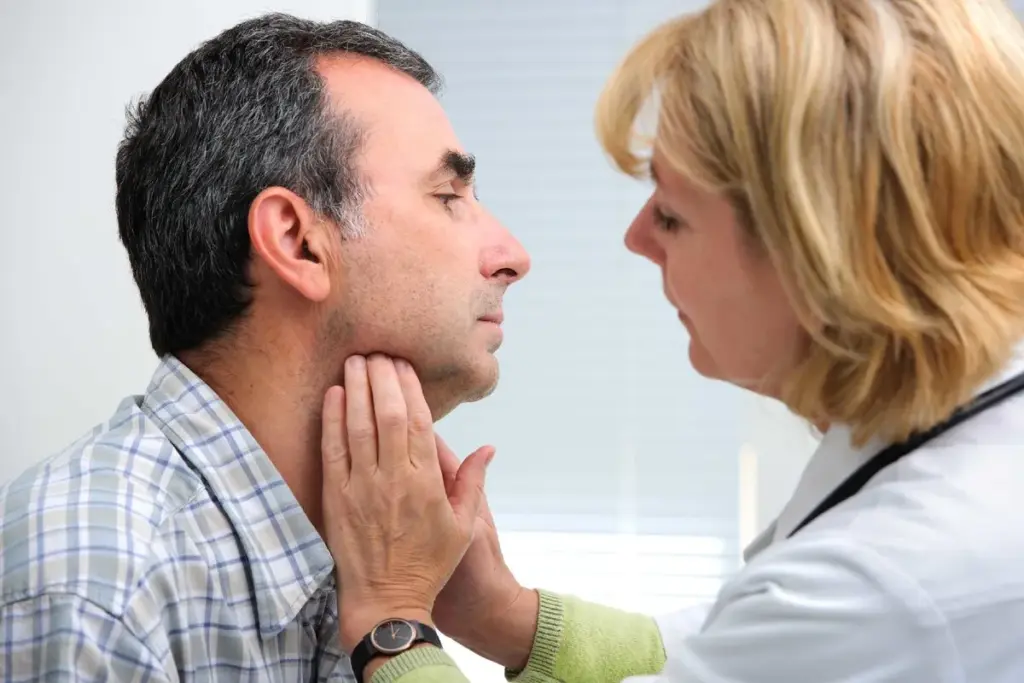
Individuals with thyroid issues should understand the details regarding thyroid surgery. This surgery, also called thyroidectomy, removes part or all of the thyroid gland. It’s done for conditions like thyroid cancer, goiter, and hyperthyroidism.
Different Types of Thyroidectomy Procedures
There are many types of thyroidectomy procedures. A total thyroidectomy removes the whole gland. A partial thyroidectomy or hemithyroidectomy takes out just one lobe. The choice depends on the condition, like thyroid cancer or hyperthyroidism.
A study in shows the type of surgery affects outcomes and care after surgery.
Common Medical Reasons for Thyroid Removal
Thyroid removal surgery is key for diagnosing and treating thyroid issues. Thyroid cancer is a big reason for this surgery, as it can save lives. Other reasons include goiter and hyperthyroidism, when other treatments don’t work.
Doctors say, “Thyroid surgery is a vital treatment for thyroid disease. It can cure thyroid cancer and ease symptoms of goiter and hyperthyroidism.”
Pre-Surgery Risk Assessment and Patient Preparation
We focus on assessing each patient’s risk before thyroid surgery. This step is key to avoiding complications and achieving the best results.
Patient-Specific Risk Factors
Each patient’s unique factors can affect the success of thyroid surgery. Age, health conditions, and past surgeries or treatments are important. For example, older patients or those with health issues may need more care before and after surgery.
When we evaluate risk, we look at several key areas:
- Age and overall health status
- Presence of comorbid conditions
- History of previous neck surgery or radiation therapy
- Thyroid gland size and location
|
Risk Factor |
Potential Impact |
Pre-operative Consideration |
|---|---|---|
|
Advanced Age |
Increased risk of complications |
Comprehensive geriatric assessment |
|
Comorbidities |
Higher risk of surgical and anesthetic complications |
Optimization of comorbid conditions before surgery |
|
Previous Neck Surgery/Radiation |
Difficulty in surgery due to scarring and altered anatomy |
Detailed review of previous surgical records and imaging studies |
Essential Pre-operative Testing
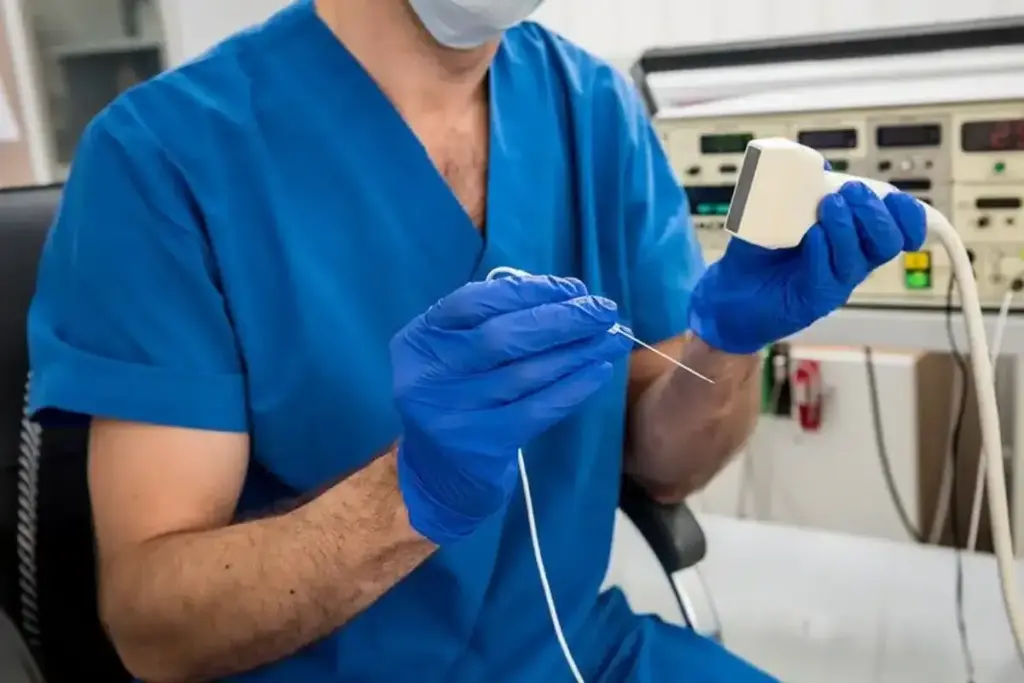
Pre-operative tests are critical to check the patient’s health before surgery. These tests include lab work, imaging, and other diagnostic procedures.
Some important tests are:
- Complete Blood Count (CBC) to check overall health and detect issues.
- Thyroid Function Tests (TFTs) to see thyroid hormone levels.
- Imaging studies like ultrasound or CT scans to look at the thyroid gland.
By evaluating risk factors and doing necessary tests, we can lower surgery risks. This helps improve patient outcomes.
Understanding Thyroid Surgery Complications: Statistical Overview
Understanding the risks associated with thyroid surgery is essential for making informed decisions. Thyroidectomy, or removing part or all of the thyroid gland, is a common treatment. While it’s usually safe, it can lead to complications.
Recent studies have given us valuable insights into these complications. We’ll look at the rates and risk factors of thyroid surgery complications.
Complication Rates in Modern Thyroid Surgery
Modern thyroid surgery has made big strides, thanks to better techniques and care after surgery. Yet, complications can happen.
A 2024 study found that about 6.1% of thyroidectomy patients suffer from recurrent laryngeal nerve injury. Other issues include hypocalcemia, bleeding, and wound infections, each with its own rate.
|
Complication |
Incidence Rate (%) |
|---|---|
|
Recurrent Laryngeal Nerve Injury |
6.1 |
|
Hypocalcemia |
4.5 |
|
Bleeding |
1.2 |
|
Wound Infection |
0.8 |
Risk Factors That Increase Complication Likelihood
Several factors can raise the risk of complications after thyroid surgery. These include the surgeon’s experience, the patient’s health, and certain medical conditions.
Patient-specific risk factors include being older, having diabetes or heart disease, and having had neck surgery before. Surgical technique also matters, with less invasive methods sometimes leading to fewer complications.
It’s vital for both surgeons and patients to understand these risk factors. This helps in making informed decisions about thyroid surgery.
Recurrent Laryngeal Nerve Injury: Voice and Swallowing Complications
Thyroid surgery is usually safe but can risk injury to the recurrent laryngeal nerve. This nerve is key for voice and swallowing. Damage can greatly affect a patient’s life quality.
Anatomy and Function of the Recurrent Laryngeal Nerve
The recurrent laryngeal nerve is a part of the vagus nerve. It controls most of the larynx muscles, except for the cricothyroid. Its long path through the neck and chest makes it prone to injury during surgery. Knowing its anatomical relationship with the thyroid gland is vital for surgeons to avoid nerve damage.
Symptoms of Nerve Damage
Nerve injury can cause vocal cord paralysis or weakness. This leads to symptoms like:
- Hoarseness or changes in voice quality
- Difficulty speaking or singing
- Swallowing difficulties (dysphagia)
- Breathing difficulties in severe cases
The severity of these symptoms depends on the nerve injury’s extent.
Treatment Options and Recovery Timeline
Treatment for nerve injury aims to manage symptoms and improve function. Options include:
- Voice therapy with a speech-language pathologist to improve voice quality and strength
- Surgical interventions, such as vocal cord medialization or injection laryngoplasty, to improve vocal cord function
- Swallowing therapy to manage dysphagia
Recovery time varies based on injury extent and treatment success. Early intervention is key for the best results.
Dealing with thyroid surgery complications can be tough. Our team offers full care and support to patients, including those with recurrent laryngeal nerve injury.
Hypocalcemia and Parathyroid Gland Damage
After thyroid surgery, some people face hypocalcemia. This is because the parathyroid glands might get hurt during the operation. Low calcium levels can really affect how well someone recovers and their overall quality of life.
The Critical Role of Parathyroid Glands
The parathyroid glands are key to keeping calcium levels right in our bodies. They’re tiny glands near the thyroid and make parathyroid hormone (PTH). This hormone helps control calcium by working on bones, gut absorption, and kidney excretion.
When thyroid surgery happens, these glands might get damaged or taken out by mistake. This leads to less PTH being made. With less PTH, calcium levels drop, causing hypocalcemia. This condition can be mild or very serious.
Temporary vs. Permanent Hypoparathyroidism
Hypoparathyroidism means not enough PTH is made. It can be short-term or last forever after thyroid surgery. Short-term cases usually heal on their own. But, if the glands are badly damaged, the problem can be permanent.
It’s important to know if someone’s hypoparathyroidism is temporary or permanent. This helps set the right expectations and plan the best care after surgery.
Managing Post-Thyroidectomy Hypocalcemia
Handling hypocalcemia after thyroid surgery involves a few steps. We watch calcium levels closely, give calcium supplements, and sometimes vitamin D analogs. Our goal is to keep calcium levels normal and ease symptoms.
|
Management Strategy |
Description |
|---|---|
|
Monitoring |
Regular measurement of calcium levels to detect hypocalcemia early. |
|
Calcium Supplementation |
Oral calcium supplements to maintain normal calcium levels. |
|
Vitamin D Analogs |
Use of vitamin D analogs to enhance calcium absorption. |
By being proactive in managing hypocalcemia, we can lessen its effects on patients after thyroid surgery.
Postoperative Bleeding and Hematoma: A Surgical Emergency
Postoperative bleeding is a serious risk with thyroid surgery. It can cause a life-threatening hematoma. This can block the airway, needing emergency care.
Incidence and Risk Factors for Bleeding
The risk of bleeding after thyroid surgery varies. But, it’s a serious issue for surgeons and medical teams. Several factors can raise the risk of bleeding, including:
- Patient-specific factors: Bleeding disorders or anticoagulant use can increase risk.
- Surgical technique: The surgery method and extent can affect bleeding risk.
- Postoperative care: Proper monitoring and management are key to early bleeding detection.
Recognizing Neck Hematoma Symptoms
It’s important to know the signs of a neck hematoma. Symptoms include:
- Swelling or bulging at the surgical site.
- Difficulty breathing or swallowing.
- Voice changes or hoarseness.
- Pain or discomfort in the neck.
These symptoms can get worse fast. It’s vital for patients and caregivers to watch for them and seek help right away.
Emergency Management and Prevention Strategies
Managing postoperative bleeding and hematoma requires quick action. This includes securing the airway and surgical intervention. Prevention strategies include:
- Careful patient selection and preparation before surgery.
- Meticulous surgical technique to reduce bleeding.
- Close postoperative monitoring for early detection of complications.
By understanding the risks and being prepared, we can lower the chance of postoperative bleeding and hematoma. This ensures the best results for patients having thyroid surgery.
Wound Healing Issues and Infection Following Thyroid Surgery
After thyroid surgery, problems like wound healing issues and infections can happen. It’s important to take good care after surgery. We will look at the risks and how to prevent and manage them.
Incision Site Complications
Problems at the incision site can be small, like redness and swelling, or serious, like infection. Proper wound care is key to avoiding these issues. Keep the area clean and dry, and follow your surgeon’s advice.
Choosing a skilled surgeon and using minimally invasive methods can help. These approaches cause less damage and lead to faster healing and less scarring.
Surgical Site Infections: Prevention and Treatment
Surgical site infections (SSIs) are serious and can happen after thyroid surgery. While rare, they need quick treatment to avoid more problems. Antibiotic prophylaxis might be used to lower SSI risk.
If an SSI happens, treatment usually includes antibiotics and sometimes draining the site. Watch the wound for signs of infection like more redness, swelling, or discharge. See a doctor if you notice these symptoms.
Cosmetic Outcomes and Scar Management
Many patients worry about how their scars will look after thyroid surgery. Thanks to new techniques, scars are now less noticeable. Minimally invasive approaches are often used for this reason.
To get the best results, talk to your surgeon about scar management. They might suggest silicone gel or sheeting to make the scar less noticeable. Other treatments can also help.
Hormone Imbalances: Life After Thyroid Removal
Removing the thyroid gland changes how the body regulates hormones. This can lead to hypothyroidism, where the body doesn’t make enough thyroid hormones.
Post-Thyroidectomy Hypothyroidism
Hypothyroidism is common after thyroid removal, more so if the whole gland is taken out. The thyroid gland controls metabolism and energy. Without it, patients need synthetic hormones to stay healthy.
Thyroid Hormone Replacement Therapy
Thyroid hormone replacement is the main treatment for hypothyroidism after surgery. Patients take synthetic hormones, like levothyroxine (T4), to replace missing hormones. This helps restore normal hormone levels and eases symptoms.
The right dosage of these hormones is found through tests and doctor’s checks. Regular blood tests help adjust the dosage as needed.
Monitoring and Long-term Management
Managing hypothyroidism after thyroid surgery needs ongoing care. This includes regular blood tests and adjusting medication. Diet and exercise also play a role in hormone levels and health.
Long-term care involves more than just medication. It’s about educating patients and helping them manage their condition. With the right care, patients can live active and healthy lives without their thyroid gland.
Rare but Serious Complications of Thyroid Surgery
Thyroid surgery, like any surgery, has rare but serious complications. Most surgeries go well, but knowing these risks is key. It helps patients make informed choices.
Tracheal and Esophageal Injury
Tracheal and esophageal injuries are serious. They can happen because the thyroid gland is close to these areas. A study in shows the need for careful surgery to avoid these risks.
Tracheal injury can make breathing hard. Esophageal injury might cause trouble swallowing or pain when swallowing. It’s important to catch and treat these injuries quickly.
- Tracheal injury symptoms: difficulty breathing, stridor
- Esophageal injury symptoms: dysphagia, odynophagia
Superior Laryngeal Nerve Damage
The superior laryngeal nerve is at risk during surgery. Damage can lead to voice problems, like losing control over pitch or feeling tired when speaking. Knowing the anatomy and being careful during surgery can help avoid this.
Key symptoms of superior laryngeal nerve damage include:
- Voice changes
- Loss of pitch control
- Vocal fatigue
Thoracic Duct Injury and Chyle Leak
Thoracic duct injury and chyle leak are rare but serious. They are more common with left-sided surgeries. Chyle leak can lead to nutritional problems and weaken the immune system.
Dealing with chyle leak often starts with diet changes or, sometimes, surgery to stop the leak.
Conservative management strategies for chyle leak:
- Dietary modification (e.g., low-fat diet)
- Total parenteral nutrition
- Surgical ligation of the thoracic duct
The Recovery Process After Thyroid Surgery
Recovering from thyroid surgery is a journey with different stages. Each stage has its own challenges and achievements. We’ll help you understand the immediate post-op, the recovery timeline, and when to seek medical help.
Immediate Post-Operative Experience
Right after surgery, you might feel a sore throat and neck pain. These symptoms can be eased with pain meds. Rest and eating soft foods can also help.
Week-by-Week Recovery Timeline
The recovery time can vary, but here’s a general guide:
|
Week |
Expected Recovery Progress |
|---|---|
|
1 |
Rest, soft diet, gradual return to normal activities |
|
2-3 |
Improvement in pain, return to most normal activities |
|
4-6 |
Significant reduction in swelling, continued improvement in energy levels |
Red Flags During Recovery
Keep an eye out for signs of complications. Look for severe pain, trouble breathing, or big swelling. If you notice these, get medical help right away.
Long-term Quality of Life After Thyroid Surgery
Life after thyroid surgery brings many changes. Patients must adjust to living without a thyroid gland. This can greatly affect their overall health and happiness.
Physical Adjustments to Life Without a Thyroid
Thyroid surgery changes a patient’s health. The thyroid gland helps control metabolism and energy. Without it, patients need hormone replacement therapy to stay healthy.
Common physical changes include:
- Managing thyroid hormone replacement medication
- Monitoring for signs of hypothyroidism or hyperthyroidism
- Adjusting to changes in energy levels and metabolism
One patient shared,
“After my thyroidectomy, I had to learn how to manage my medication and adjust my lifestyle to maintain my energy levels.”
Psychological Impact of Thyroid Removal
Thyroid removal affects mental health too. Losing a gland that balances hormones can change mood and emotional state.
Some may feel:
- Mood swings from hormonal changes
- Anxiety or depression from thyroid loss
- Concerns about long-term health
Healthcare providers must offer support. Emotional support is key for those facing big medical changes.
Support Resources for Thyroid Surgery Patients
Support resources are vital for adjusting to life after surgery. They include:
|
Resource Type |
Description |
Benefits |
|---|---|---|
|
Support Groups |
Connecting patients with others who have gone through similar experiences |
Emotional support, shared experiences |
|
Online Forums |
Places to discuss concerns, ask questions, and share advice |
Accessibility, community support |
|
Healthcare Providers |
Professional advice on managing hormone therapy and health concerns |
Expert advice, personalized care |
Using these resources helps patients deal with surgery challenges. It improves their quality of life in the long run.
Minimizing Risks: How to Choose the Right Thyroid Surgeon
Choosing the right thyroid surgeon is a big decision. It can greatly affect your surgery’s success. A skilled surgeon is key to a smooth surgery and a good outcome.
Surgeon Qualifications and Specialization
When looking for a thyroid surgeon, check their qualifications and focus. A surgeon who specializes in thyroid surgery has the right skills. Look for someone who is board-certified and has a good track record.
Key Qualifications to Look for:
- Board certification in otolaryngology or endocrine surgery
- Fellowship training in thyroid surgery or a related field
- Significant experience in performing thyroid surgeries
- Positive patient reviews and testimonials
a well-known thyroid surgeon, says,
“The key to successful thyroid surgery lies in the surgeon’s ability to balance precision with caution. It’s not just about removing the thyroid gland; it’s about preserving the surrounding tissues and ensuring the patient’s quality of life post-surgery.”
Hospital Volume and Specialized Thyroid Centers
The number of thyroid surgeries a hospital does matters. Hospitals that do many thyroid surgeries tend to have better results. Specialized centers have teams of experts for better care.
|
Hospital Characteristics |
High-Volume Hospital |
Low-Volume Hospital |
|---|---|---|
|
Surgeon Experience |
Highly experienced surgeons with specialized training |
Less experienced surgeons with variable training |
|
Complication Rates |
Lower complication rates due to high-volume experience |
Higher complication rates due to less experience |
|
Multidisciplinary Care |
Comprehensive care from a team of specialists |
Limited care from a smaller team |
Essential Questions to Ask Before Scheduling Surgery
Before thyroid surgery, ask important questions. This ensures you’re in good hands. Some key questions include:
- What is your experience with thyroid surgery?
- What are the risks and complications associated with thyroid surgery?
- How will you manage pain and discomfort post-surgery?
- What is the expected recovery time, and what follow-up care can I expect?
By choosing a qualified and experienced thyroid surgeon and being informed about the process, you can minimize risks and ensure the best possible outcome from your surgery.
Conclusion: Balancing the Risks and Benefits of Thyroid Surgery
Thyroid surgery, or thyroidectomy, is a complex procedure. It needs careful thought about its risks and benefits. We’ve looked at the different sides of thyroid surgery, like when it’s needed, possible problems, and how to recover.
While thyroid surgery can help with many thyroid issues, it’s not risk-free. Issues like nerve damage, low calcium, and bleeding can happen. But, with the right patient, skilled surgeon, and care after surgery, these risks can be lessened.
Deciding on thyroid surgery should weigh its good points against its possible downsides. Patients need to know all about the surgery, including risks and how it might affect their life. Knowing the risks and benefits helps patients make smart choices for their health and get the best results.
Choosing a good thyroid surgeon and a trusted medical center can lower risks and make recovery smoother. As we’ve said, finding the right balance between risks and benefits is key for successful thyroid surgery.
FAQ
What are the possible complications of thyroid surgery?
Thyroid surgery can have risks like nerve injury, low calcium, and bleeding. Wound problems and hormone imbalancesare also possible.
How common are complications after thyroid surgery?
Thyroid surgery is mostly safe, but complications can happen. They depend on the surgeon, the surgery type, and the patient. Studies show 5-15% of patients face complications.
What is the risk of recurrent laryngeal nerve injury during thyroid surgery?
Nerve injury risks vary. Temporary injury affects 5-10% of patients. Permanent injury is rarer, affecting 1-2%.
How is hypocalcemia managed after thyroid surgery?
Low calcium after surgery is treated with supplements. The goal is to keep calcium levels normal. Sometimes, medication is needed to manage symptoms.
What are the symptoms of postoperative bleeding or hematoma?
Signs include swelling, pain, and trouble breathing. Seek help right away if you notice these. Quick action is key to managing this serious issue.
How can wound healing issues be prevented or treated after thyroid surgery?
Follow post-op instructions and keep the incision clean. Attend all follow-up appointments. If problems occur, treatment may include antibiotics or more surgery.
How will thyroid removal affect my hormone levels?
Removing the thyroid usually leads to hypothyroidism. You’ll need hormone replacement therapy. Regular checks and medication adjustments are needed to balance hormones.
What are the long-term effects of thyroid surgery on quality of life?
Surgery can affect life, but many adapt well. Hormone therapy and support help manage daily life.
How do I choose the right thyroid surgeon?
Look for a surgeon with the right qualifications and experience. Ask about their approach, complication rates, and care after surgery. This ensures you get the best care.
What should I expect during the recovery process after thyroid surgery?
Expect some discomfort, swelling, and bruising. These can be managed with medication and care. Most people can get back to normal in a few weeks, but full recovery takes months.
Are there any rare but serious complications associated with thyroid surgery?
Yes, rare but serious issues can happen. These include injuries to the trachea, esophagus, and nerves. Quick action is key to managing these complications.
What are the benefits of having thyroid surgery performed at a specialized thyroid center?
Specialized centers have experienced surgeons and teams. They offer better care and lower complication rates. They provide full care, from before surgery to after.
References:
- Yaniv D, Vainer I, Amir I, Robenshtok E, Hirsch D, Watt T, Hilly O, Shkedy Y, Shpitzer T, Bachar G, Feinmesser R, Mizrachi A. Quality of life following lobectomy versus total thyroidectomy is significantly related to hypothyroidism. J Surg Oncol. 2022;126(4):640-648. doi:10.1002/jso.26983