Recent advances in thyroid surgery have made hospital stays much shorter. Now, patients can go home in just 24 hours. We’ll look at what’s behind this change and what recovery is like.
New surgical methods, like minimally invasive and robotic thyroidectomy, have made a big difference. They’ve improved how well patients do and how fast they recover. So, most people are sent home in under 24 hours.
Key Takeaways
- Hospital stays for thyroid surgery are now significantly shorter.
- Advances in surgical techniques have improved patient outcomes.
- Most patients are discharged within 23 hours.
- Minimally invasive and robotic thyroidectomy reduce recovery times.
- Patients can expect a shorter recovery period.
Understanding Thyroid Surgery: An Overview

Thyroid surgery is a common treatment for thyroid issues. It involves removing part or all of the thyroid gland. We’ll look at why this surgery is needed and the different procedures used.
Common Reasons for Thyroid Surgery
There are several reasons for thyroid surgery:
- Thyroid Cancer: Surgery is a main treatment for thyroid cancer. It may involve removing the whole gland or just one lobe.
- Goiter: A goiter is an enlarged thyroid gland. It can cause discomfort and breathing problems. Surgery may be needed to shrink it.
- Hyperthyroidism: If other treatments don’t work, surgery might be an option. It involves removing part or all of the gland.
- Suspicious Thyroid Nodules: Nodules that might be cancerous or cause symptoms need to be removed surgically.
These reasons highlight the significance of thyroid surgery. The choice to have surgery depends on the diagnosis, how severe the condition is, and the patient’s health.
Types of Thyroid Surgical Procedures
The type of surgery depends on the patient’s condition and how far the disease has spread. The main surgeries are:
- Total Thyroidectomy: This is when the whole gland is removed. It’s often for thyroid cancer or severe goiter.
- Lobectomy (Hemithyroidectomy): This involves removing one lobe. It’s for patients with a single nodule or a condition in one lobe.
- Near-Total Thyroidectomy: This leaves a small amount of gland behind. It’s used for goiter or hyperthyroidism.
Each surgery has its own reasons, benefits, and risks. Knowing these is key for patients to make the best choices for their care.
Evolution of Hospital Stays for Thyroid Surgery
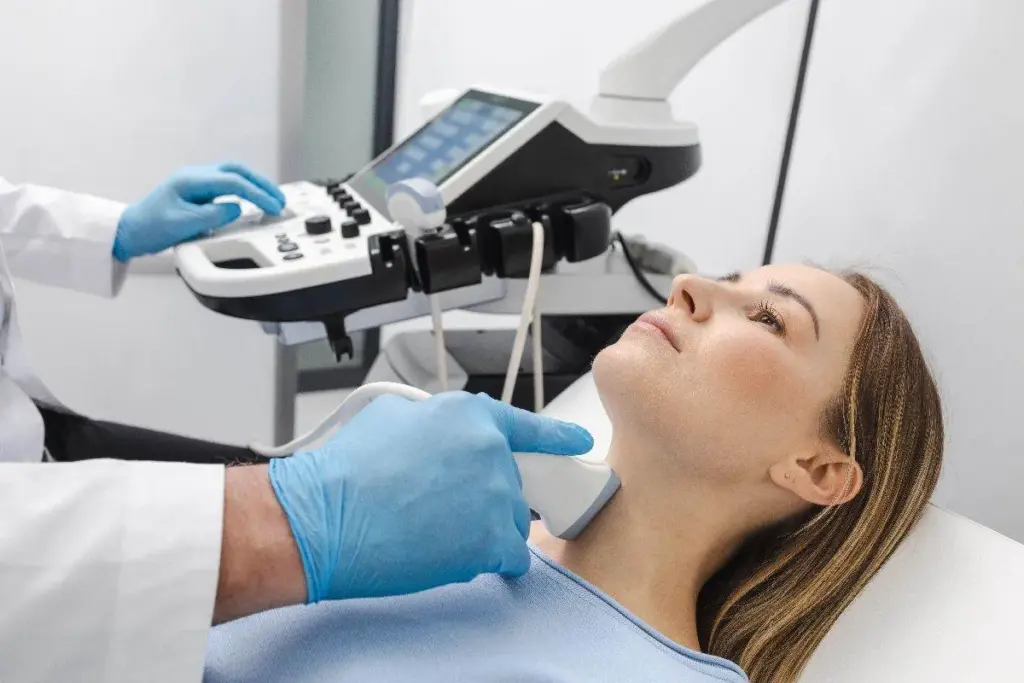
The way we recover from thyroid surgery has changed a lot over time. Medical practices and surgical techniques have improved. This has led to shorter hospital stays after thyroid surgery.
Historical Length of Stay Patterns
Years ago, patients needed to stay in the hospital longer after thyroid surgery. This was to make sure they recovered well and to watch for any problems. The average stay was about 2.5 days.
Back then, hospitals were more careful and had strict rules for when to let patients go home. They wanted to avoid having to bring patients back for more treatment.
Modern Trends in Hospitalization Duration
Nowadays, patients usually stay in the hospital for just 1–2 days after thyroid surgery. Some hospitals can even send patients home the same day or the next morning. This change is thanks to better surgery methods, improved care after surgery, and choosing the right patients for surgery.
Today, hospitals tailor the recovery time to each patient’s needs and risks. The table below shows how hospital stays have gotten shorter over time.
|
Time Period |
Mean Length of Stay |
Common Practices |
|---|---|---|
|
Historical |
2.5 days |
Conservative hospitalization protocols, stringent discharge criteria |
|
Modern |
1-2 days |
Advanced surgical techniques, personalized care, earlier discharge |
|
Advanced Centers |
Same-day or overnight |
Selected cases, enhanced patient selection, rapid recovery pathways |
As we keep improving thyroid surgery and care after surgery, hospital stays will likely get even shorter. This change makes patients happier and helps hospitals use their resources better. It makes thyroid surgery safer and more efficient.
Average Hospital Stay Duration After Thyroid Surgery
Knowing how long you’ll stay in the hospital after thyroid surgery is important. The time you spend there depends on the surgery type, your health, and if any complications arise.
Standard Hospitalization Timeframes
Most patients can go home safely within 23 hours after surgery. The average stay for thyroid surgery is a few hours to a couple of days. This time varies based on the surgery’s complexity and how well you recover.
For simple thyroid surgeries, a short hospital stay is common. New surgical methods and better care have made hospital stays shorter.
Factors Affecting Length of Stay
Several things can change how long you stay in the hospital after thyroid surgery. These include:
- The extent of the surgery (partial or total thyroidectomy)
- The presence of pre-existing medical conditions
- The occurrence of post-operative complications
- The patient’s overall health and age
Understanding how these factors affect your stay is crucial; here are some key points to consider:
|
Factor |
Typical Impact on Hospital Stay |
|---|---|
|
Extent of Surgery |
More extensive surgery may require longer stay |
|
Pre-existing Conditions |
Presence of conditions like diabetes may prolong stay |
|
Post-operative Complications |
Complications such as bleeding may necessitate longer hospitalization |
Understanding these factors can help you prepare for your hospital stay and recovery.
Same-Day Thyroid Surgery: Is It Possible?
Thanks to new medical tech, same-day thyroid surgery is now an option for some patients. It lets patients go home the same day, which can lower infection risks and boost happiness.
Criteria for Outpatient Thyroid Procedures
Not everyone can have same-day thyroid surgery. To qualify, patients must meet certain criteria:
- Patients with a small thyroid gland or a single nodule
- Those having a partial thyroidectomy
- Patients with no major health issues
- Individuals with a good home environment
We check each patient to see if they’re right for same-day surgery. We look at their health, the surgery’s complexity, and if they can follow post-op instructions.
Success Rates and Safety Considerations
Research shows same-day thyroid surgery works well for those who qualify. Choosing the right patients and following strict care plans are key to success.
We watch our patients closely after surgery. Most have few problems afterward. But, like any surgery, there are risks. We do everything we can to keep our patients safe.
By using the latest surgery methods and careful post-op care, we reduce surgery risks. This helps our patients recover smoothly.
Short-Stay Thyroid Surgery Protocols
Medical practices are changing, making short-stay thyroid surgery a popular choice. It offers a good mix of care and early discharge. This method is becoming more common worldwide, thanks to better surgery techniques and a focus on the patient.
23-Hour Observation Periods
A key part of short-stay thyroid surgery is the 23-hour watch. It lets doctors keep an eye on patients for any problems like bleeding or low calcium. They also manage pain and check if the patient is healing well. Research shows that with the right patients, a 23-hour watch can catch most early surgery issues .
Having a 23-hour watch has many benefits. It can save on hospital costs and lower the chance of infections. It also helps hospitals treat more patients without keeping them in the hospital for too long.
Patient Selection Criteria
Picking the right patients for short-stay thyroid surgery is very important. Doctors look at the patient’s health, how complex the surgery is, and any other health issues. Patients with big health problems or complex surgeries might need to stay longer.
Key factors in patient selection include:
- Age and overall health status
- Type and complexity of thyroid surgery
- Presence of comorbid conditions
- Social support at home
- Ability to follow post-operative instructions
By carefully looking at these factors, doctors can pick the right patients for short-stay surgery. This makes sure the surgery is safe and works well.
In conclusion, short-stay thyroid surgery, including 23-hour watches, is changing how we care for thyroid patients. Knowing who can benefit from these protocols helps us improve care for those having thyroid surgery.
Preparing for Thyroid Surgery to Minimize Hospital Time
Getting ready for thyroid surgery is important for a quick recovery. It helps avoid long stays in the hospital. You need to do some tests and make lifestyle changes before surgery.
Pre-operative Testing and Evaluation
Before thyroid surgery, you’ll have tests to check your health and thyroid. These tests include:
- Blood Tests: To check thyroid function and overall health.
- Imaging Tests: Like ultrasound or CT scans to see the thyroid gland and any issues.
- Laryngoscopy: To look at the vocal cords and check how they work.
These tests help the surgeon plan the best surgery and spot any risks.
|
Test Type |
Purpose |
Benefits |
|---|---|---|
|
Blood Tests |
Assess thyroid function and overall health |
Helps identify any risks or complications |
|
Imaging Tests |
Visualize the thyroid gland and abnormalities |
Aids in planning the surgical approach |
|
Laryngoscopy |
Examine vocal cord function |
Assesses the impact on voice after surgery |
Lifestyle Adjustments Before Surgery
Changing your lifestyle before surgery can help your recovery. These changes include:
- Dietary Changes: Eating a balanced diet to stay healthy before surgery.
- Smoking Cessation: Quitting smoking to lower surgery risks and aid healing.
- Medication Management: Telling your surgeon about all medications and supplements to avoid interactions.
Making these changes can significantly reduce your risk of complications and promote a smoother recovery.
Good preparation for thyroid surgery is key to short hospital stays and a good outcome. Knowing about pre-operative tests and making lifestyle changes can greatly improve your recovery.
Advances in Surgical Techniques Reducing Hospital Stays
Thyroid surgery has seen big changes in recent years. New surgical techniques have improved patient care and shortened hospital stays. Let’s look at what’s behind these changes.
Minimally Invasive Thyroid Surgery Approaches
Minimally invasive thyroid surgery is a big step forward. It uses smaller cuts than old-school surgery, causing less damage and pain. Minimally invasive techniques help patients heal faster, often letting them go home the same day.
With smaller cuts and less damage, patients feel less pain and can get back to life quicker.
Robotic Thyroid Surgery and Recovery Time
Robotic thyroid surgery is another big leap. It uses a robot to make even smaller cuts than before. This method is more precise, leading to less bleeding and pain.
Patients who have robotic thyroid surgery often heal faster. This means they might not need to stay in the hospital as long.
Endoscopic Thyroid Surgery Benefits
Endoscopic thyroid surgery removes part or all of the thyroid gland through tiny cuts. It’s great for those with thyroid nodules or small cancers. The benefits include little scarring, less pain, and quicker healing.
These perks make endoscopic thyroid surgery a popular choice for those wanting to stay in the hospital less.
In summary, new surgical methods for thyroid surgery have greatly reduced hospital stays. By using minimally invasive, robotic, and endoscopic techniques, doctors can help patients recover faster and feel less pain. This improves care overall.
Medications and Drugs for Thyroidectomy Management
Medications are key in managing thyroidectomy, from start to finish. They help prevent problems and aid in recovery. Using the right medicines before, during, and after surgery is vital.
Pre-operative Medication Protocols
Before surgery, patients might get medicines to get their thyroid ready. These can include:
- Antithyroid medications to lower thyroid hormone levels in hyperthyroidism.
- Beta-blockers to manage heart rate and prevent heart issues.
- Iodine preparations to make the thyroid less vascular and lower bleeding risk.
These medicines are chosen based on the patient’s health and the surgery’s needs.
Post-operative Pain Management
Managing pain well after surgery is key for comfort and healing. Common methods include:
- Nonsteroidal anti-inflammatory drugs (NSAIDs) for mild to moderate pain.
- Opioid analgesics for more severe pain, used carefully to avoid addiction.
- Local anesthetics injected at the surgery site to lessen pain.
We adjust pain management for each patient, balancing effectiveness and safety.
Hormone Replacement Therapy Initiation
After surgery, many patients need hormone replacement therapy (HRT) due to lost thyroid function. HRT usually starts soon after surgery. The dose is adjusted based on thyroid function tests.
Levothyroxine is often the first choice for HRT because it works well. It’s important to monitor and adjust the dose to keep hormone levels right. This prevents too little or too much thyroid hormone.
In summary, managing thyroidectomy involves using medicines in many ways. From preparing before surgery to long-term hormone therapy, the right medicines are key. This approach helps ensure the best outcomes and improves patients’ lives.
Post-Operative Monitoring Requirements
After thyroid surgery, it’s key to watch patients closely. This helps keep them safe and ensures the surgery was a success.
Vital Signs and Wound Assessment
Keeping an eye on vital signs like heart rate and blood pressure is vital. We also check the wound often for signs of infection or bleeding. This helps us catch problems early and treat them quickly.
Calcium Level Monitoring
Thyroid surgery can mess with calcium levels because of the parathyroid glands nearby. We watch calcium levels closely to spot hypocalcemia early. Regular blood tests help keep calcium levels safe.
Voice and Nerve Function Evaluation
Checking voice and nerve function is also important. Surgery can harm the nerve that controls the vocal cords. We test voice quality and nerve function to catch any issues early.
By watching these areas closely, we can give the right care for any problems. This helps our patients get the best results.
Common Complications Extending Hospital Stays
Thyroid surgery is usually safe, but complications can happen. Knowing about these can help with recovery and expectations.
Hypocalcemia Management
Hypocalcemia is a common issue after thyroid surgery. It’s when blood calcium levels drop too low. This can happen if the parathyroid glands get hurt or removed during surgery.
We keep a close eye on calcium levels after surgery. We use calcium and vitamin D supplements to treat hypocalcemia.
Managing hypocalcemia means regular blood tests. We adjust supplements as needed. Sometimes, patients need intravenous calcium for severe symptoms.
Bleeding and Hematoma Formation
Bleeding and hematoma formation are serious issues after thyroid surgery. They can cause airway problems, which need quick action. We try to avoid bleeding during surgery and watch patients closely after.
If we find bleeding or hematoma, we act fast. This might mean surgery to remove the hematoma and stop bleeding.
Respiratory Concerns and Airway Management
Respiratory concerns can happen after thyroid surgery. These include airway blockage due to swelling, bleeding, or nerve damage. We focus on airway management to catch any problems early.
If airway issues are found, we have plans to act quickly. This might include intubation or, rarely, a tracheostomy.
Knowing about these complications and how we manage them can ease worries. Our team works hard to provide the best care. We aim to prepare patients well and support them through recovery.
Thyroid Removal Side Effects and Management
Thyroidectomy treats thyroid conditions but comes with side effects. Removing the thyroid gland disrupts hormone balance. This leads to short-term and long-term issues.
Short-term Side Effects After Surgery
Right after surgery, you might feel pain and discomfort in your neck. This can be eased with pain meds. You might also see swelling and bruising at the surgery site, voice changes, and trouble swallowing.
These symptoms usually go away in a few weeks. But sometimes, they can last longer or get worse. If this happens, you’ll need to see a doctor again.
Long-term Consequences of Thyroid Gland Removal
One big long-term issue is hypothyroidism. This is when your body doesn’t have enough thyroid hormone. You’ll need to take thyroid hormone replacement therapy for life to keep your metabolism right.
Other long-term effects include voice changes and calcium imbalances. This can happen if the parathyroid glands get damaged during surgery. You’ll also need to keep an eye on your thyroid hormone levels.
Quality of Life After Thyroidectomy
How well you do after thyroid surgery varies. Some people get back to normal in a few weeks. Others take longer.
Managing side effects and taking thyroid hormone as directed is key to a good life after surgery. It’s important to keep up with follow-up care. This way, most people can live active, normal lives after thyroidectomy.
Discharge Criteria After Thyroid Surgery
Ensuring a safe discharge after thyroid surgery is key. We check if patients are physically recovered, manage their pain well, and understand post-operative instructions. We aim to make sure our patients are ready for a smooth recovery at home.
Physical Milestones for Safe Discharge
Before discharge, patients must show they are physically recovering well. This means:
- Stable vital signs
- Adequate pain management
- Ability to swallow and eat
- No signs of significant bleeding or hematoma
Pain Management Considerations
Managing pain is a big part of discharge. We make sure patients know their pain management options, including:
- Medication regimens
- Potential side effects
- Alternative pain relief methods
By teaching patients about pain management, we help them handle discomfort at home.
Patient Education Requirements
Before leaving, patients must show they understand their post-operative care. This includes:
- Wound care and dressing changes
- Activity restrictions and limitations
- Follow-up appointment schedules
- Recognizing signs of complications
We make sure patients are confident in following these instructions. We provide written materials and contact info for any questions or concerns after discharge.
Following these discharge criteria helps ensure our patients have a safe and smooth recovery after thyroid surgery.
The First Week of Thyroid Surgery Recovery
Recovering from thyroid surgery in the first week is a big step. It’s important to know what to expect and how to handle it. We’ll help you understand the healing process and any possible issues.
What to Expect During Initial Recovery
Right after surgery, you might feel pain, swelling, and bruising. Managing pain is key, and your doctor will give you medicine for it.
Your voice might sound different, like it’s hoarser. Resting your voice by not talking loudly or singing helps it heal.
Warning Signs Requiring Medical Attention
Keep an eye on your body’s signs and get help if you see any red flags. These include:
- Increasing pain not managed by prescribed medication
- Difficulty breathing or swallowing
- Signs of infection, such as redness, swelling, or discharge around the incision site
- Fever above 101.5°F (38.6°C)
If you notice any of these, contact your healthcare provider right away.
Wound Care and Activity Restrictions
Keeping the wound clean and dry is vital. Follow your doctor’s advice for dressing changes. This helps prevent infection and speeds up healing.
|
Activity |
Restriction |
|---|---|
|
Lifting heavy objects |
Avoid for at least 2 weeks |
|
Driving |
Resume when comfortable and off pain medication |
|
Exercise |
Gradually resume with light activities, avoiding strenuous exercise for 2-3 weeks |
By sticking to these guidelines and listening to your body, you can make the first week after surgery easier.
Special Considerations for Thyroid Cancer Surgery
Thyroid cancer surgery is complex. It often involves more than just removing the thyroid gland. Additional treatments and considerations are also part of the process.
Extended Procedures and Hospital Duration
Thyroid cancer surgery can be more involved than a simple thyroidectomy. It may include detailed dissections or the removal of affected tissues. This makes the hospital stay longer than for other thyroid surgeries.
” “We always strive to balance the need for thorough cancer removal with the patient’s overall well-being and recovery prospects.”
Lymph Node Dissection Impact on Recovery
Lymph node dissection is a key part of thyroid cancer surgery. It involves removing lymph nodes in the neck that may have cancer. This step is vital but can affect recovery, leading to swelling, pain, or numbness in the neck.
- Increased risk of temporary or permanent nerve damage
- Potential for longer recovery times
- Possible need for additional post-operative care
Radioactive Iodine Treatment Planning
Some patients need radioactive iodine treatment after surgery. This treatment destroys any remaining thyroid tissue or cancer cells. It involves taking radioactive iodine that targets thyroid cells.
Planning for this treatment starts right after surgery. We look at the patient’s condition and the results of the pathology to decide if it’s needed. Patients must follow specific guidelines to stay safe and avoid exposing others.
Advances in treating thyroid cancer show the importance of a detailed approach. Understanding the special considerations of thyroid cancer surgery helps patients prepare for their journey.
Conclusion: The Future of Thyroid Surgery Hospital Stays
Looking back, thyroid surgery has made big strides. New surgical methods and better care after surgery have cut down on hospital stays. This trend of shorter stays is expected to grow, thanks to new thyroid surgery techniques and better patient care.
Now, more thyroid surgeries are done in a day or with a short stay. This is thanks to better surgery methods and choosing the right patients. New ways to do surgery, like minimally invasive and robotic methods, have also helped. Plus, better care after surgery and pain management have made patients’ recoveries better.
As we move forward, we expect even more progress in thyroid surgery. The goal is to make care better and keep hospital stays short. With ongoing improvements in surgery and patient care, we’re looking forward to even shorter stays for patients having thyroid surgery.
FAQ
What is the average hospital stay after thyroid surgery?
The time you stay in the hospital after thyroid surgery varies. It depends on the surgery type, your health, and care after surgery. Usually, it’s a few hours to a few days.
What are the benefits of minimally invasive thyroid surgery?
Minimally invasive surgery has many benefits. It means smaller cuts, less damage, and quicker healing. It also lowers the risk of problems and makes scars less noticeable.
Can I have same-day thyroid surgery?
Some patients can have thyroid surgery the same day. It depends on your health and the surgery’s complexity. You need someone to take care of you at home and follow instructions well.
What are the common complications after thyroid surgery?
After thyroid surgery, you might face hypocalcemia, bleeding, or breathing issues. But, these can be handled with quick medical help and proper care.
How do I manage pain after thyroid surgery?
Managing pain after surgery involves medicine and lifestyle changes. Your doctor will guide you on using pain meds and other ways to feel better.
What are the long-term consequences of thyroid gland removal?
Removing the thyroid gland can lead to needing hormone therapy forever. You might also feel tired, gain weight, or have mood swings. But, with the right care, these can be managed.
How can I prepare for thyroid surgery to minimize hospital time?
To prepare for surgery, follow several steps. This includes tests, lifestyle changes, and learning about care after surgery. Being ready can help you stay in the hospital less and recover better.
What are the criteria for discharging patients after thyroid surgery?
To be discharged, you need to meet certain criteria. This includes being able to swallow and breathe, managing pain, and understanding your care instructions. You must show you know how to take care of yourself at home.
What can I expect during the first week of thyroid surgery recovery?
In the first week, you might feel some pain, swelling, and bruising. Follow your doctor’s instructions for wound care and rest. Also, watch for signs that mean you need to see a doctor again.
Are there special considerations for thyroid cancer surgery?
Thyroid cancer surgery needs special attention. It might involve longer surgeries and treatments like radioactive iodine. Talk to your doctor about your specific needs and treatment plan.
What medications are used for thyroidectomy management?
After surgery, you might take meds for pain, hormones, and other needs. Always follow your doctor’s advice on taking these medications.
How do advances in surgical techniques impact hospital stays for thyroid surgery?
New surgical methods, like minimally invasive and robotic surgery, improve outcomes and recovery times. They can also lead to shorter hospital stays and quicker return to daily activities.
References:
- Materazzi G, Dionigi G, Berti P, Rago R, Frustaci G, Docimo G, Puccini M, Miccoli P. One-day thyroid surgery: retrospective analysis of safety and patient satisfaction on a consecutive series of 1,571 cases over a three-year period. Eur Surg Res. 2007;39(3):182-188. doi:10.1159/000100904
- Bhattacharyya N, Fried MP. Assessment of the morbidity and complications of total thyroidectomy. Arch Otolaryngol Head Neck Surg. 2002;128(4):389-392. doi:10.1001/archotol.128.4.389
National Center for Biotechnology Information. Evidence-Based Medical Insight. Retrieved from https://pubmed.ncbi.nlm.nih.gov/37408051/**[web:0