A thyroidectomy is a surgery to remove part or all of the thyroid gland. With thyroid cancer rates increasing globally, it’s important to understand this surgery well. We’ll look into the details of thyroid surgery, including its types and risks.
A thyroidectomy is not a simple procedure. It needs careful thought and skilled hands. A study on the National Center for Biotechnology Information website found a significant risk of major injuries during thyroid surgery. About 0.48% of patients face such injuries.
Key Takeaways
- Thyroidectomy is a significant surgical procedure with distinct risks.
- The surgery requires expertise, as thyroid cancer rates are rising.
- Major structure injuries during thyroid surgery can have serious consequences.
- The risk of injury is higher in patients undergoing thyroidectomy with neck dissection.
- Patients with major structure injuries often need blood transfusions and face more complications after surgery.
Understanding Thyroidectomy: Definition and Purpose

Thyroidectomy is a surgery that removes part or all of the thyroid gland. It’s a treatment for different thyroid problems. We’ll look into what thyroidectomy is and why the thyroid gland is important for our health.
What Exactly is a Thyroidectomy?
A thyroidectomy is a surgery to remove the thyroid gland in the neck. This gland helps control metabolism by making hormones. The surgery can be partial or total, depending on the condition being treated.
The Role of the Thyroid Gland in Your Body
The thyroid gland makes hormones that control metabolism, growth, and development. Knowing its role helps understand the effects of thyroidectomy. These hormones affect heart rate, energy, and metabolic health.
|
Thyroid Hormone Function |
Impact of Thyroidectomy |
|---|---|
|
Regulates metabolism |
May require lifelong hormone replacement therapy |
|
Influences heart rate and energy levels |
Post-surgery, patients may need to adjust their lifestyle and medication |
|
Essential for growth and development |
In cases of total thyroidectomy, careful monitoring of hormone levels is necessary |
In conclusion, thyroidectomy is a major surgery that needs a deep understanding of the thyroid gland’s role. We’ll keep exploring thyroidectomy in the next sections.
When is a Thyroidectomy Necessary?
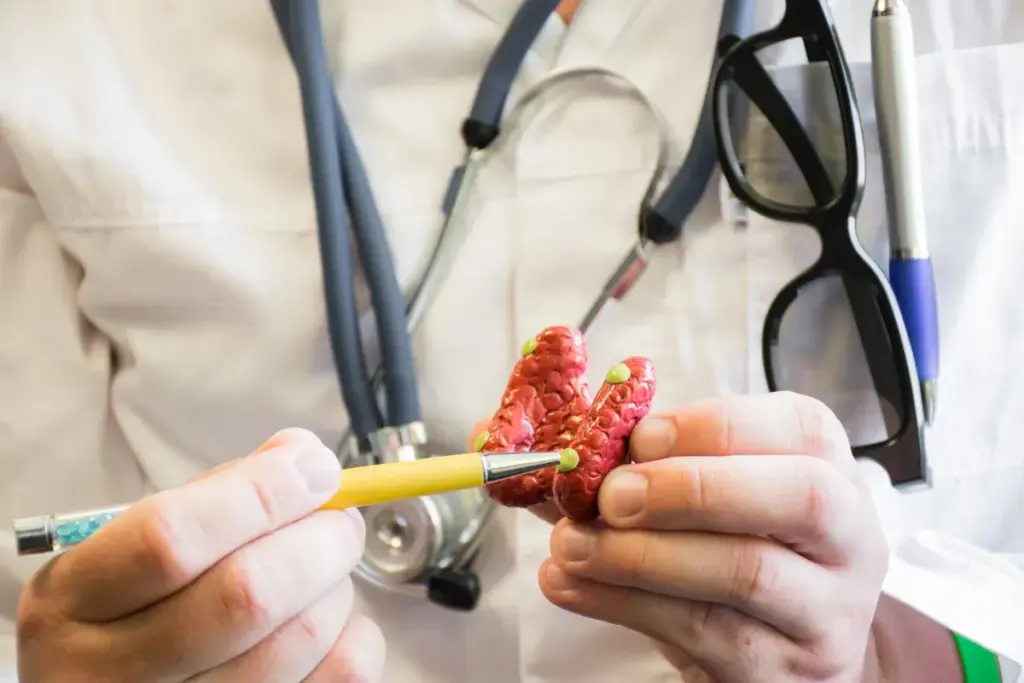
A thyroidectomy is needed for different thyroid issues, like cancer or benign growths. The choice to have surgery depends on the condition’s severity and the patient’s health.
Thyroid Cancer and Malignancies
Thyroid cancer often means a thyroidectomy is needed. The surgery’s extent varies based on the cancer’s stage and type. For many, surgery is the main treatment for thyroid cancer.
Types of Thyroid Cancer:
- Papillary thyroid carcinoma
- Follicular thyroid carcinoma
- Medullary thyroid carcinoma
- Anaplastic thyroid carcinoma
Benign Thyroid Conditions Requiring Surgery
Some non-cancerous thyroid issues also need surgery. Large goiters or nodules that cause symptoms or might be cancerous often require surgery. Also, hyperthyroidism that doesn’t respond to other treatments might need a thyroidectomy.
Goiter and Thyroid Nodules
Goiter is when the thyroid gland gets too big, causing discomfort or trouble swallowing. Thyroid nodules are lumps that might need to be removed. Whether to remove the nodules or the whole gland depends on their size and symptoms.
|
Condition |
Surgical Indication |
Type of Surgery |
|---|---|---|
|
Thyroid Cancer |
Cancer diagnosis |
Total or partial thyroidectomy |
|
Large Goiter |
Causing symptoms |
Total thyroidectomy |
|
Suspicious Nodules |
Suspicion of malignancy |
Lobectomy or total thyroidectomy |
Deciding if a thyroidectomy is needed involves looking at the thyroid condition and its effects on health. Surgery is key in managing thyroid diseases well.
Types of Thyroidectomy Procedures
There are several ways to do a thyroidectomy, each with its own benefits. The right procedure depends on the patient’s condition, how much of the gland is affected, and the surgeon’s opinion.
Total Thyroidectomy
Total thyroidectomy means removing the whole thyroid gland. It’s often chosen for thyroid cancer, severe disease, or when other treatments don’t work. It ensures all diseased tissue is removed.
Partial (Subtotal) Thyroidectomy
Partial thyroidectomy removes part of the gland, leaving some behind. It’s for patients with benign conditions or those wanting to keep some thyroid function. It might reduce the need for lifelong hormone replacement.
Thyroid Lobectomy
Thyroid lobectomy removes one lobe of the gland. It’s good for patients with a nodule or cancer in one lobe. It helps keep the other lobe and some thyroid function.
Isthmusectomy
Isthmusectomy removes the isthmus, the part connecting the lobes. It’s less common but might be needed for specific cases of nodule or pathology in the isthmus.
The table below shows the main points of each thyroidectomy procedure:
|
Procedure |
Description |
Indications |
|---|---|---|
|
Total Thyroidectomy |
Removal of the entire thyroid gland |
Thyroid cancer, severe thyroid disease |
|
Partial (Subtotal) Thyroidectomy |
Removal of part of the thyroid gland |
Benign conditions, preserving thyroid function |
|
Thyroid Lobectomy |
Removal of one lobe of the thyroid gland |
Nodule or cancer in one lobe |
|
Isthmusectomy |
Removal of the isthmus connecting the two lobes |
Specific cases of isthmus pathology |
Every patient is different, and the right thyroidectomy procedure must match their needs. Knowing about the different procedures helps patients make informed choices about their care.
“The choice of thyroidectomy procedure is critical. It depends on the condition, disease extent, and patient health.”
Is a Thyroidectomy Truly Considered Major Surgery?
Thyroidectomy is often seen as a major surgery. But what does this really mean? We need to look at what makes a surgery major, how complex thyroidectomy is, and how it compares to other surgeries.
Defining “Major Surgery” in Medical Terms
Major surgery means procedures that are complex, risky, or need a long recovery. Thyroidectomy falls into this category because of risks like bleeding and damage to nearby structures.
The complexity of surgery depends on several factors. These include the surgeon’s skill, the procedure’s length, and the risks involved. Thyroidectomy, with its delicate neck structures, requires great precision and care.
Complexity of Thyroid Surgery
Thyroid surgery is complex because of the gland’s location and its closeness to vital structures. Surgeons must carefully avoid the vocal cords and parathyroid glands. The delicacy required in thyroidectomy is immense, with little room for error.
Thyroidectomy can be done in different ways, like total, partial, or lobectomy. Each method has its own challenges and risks. Surgeons must adjust their approach based on the patient’s specific needs.
Comparison to Other Surgical Procedures
Thyroidectomy has unique challenges compared to other surgeries. For example, surgeries like appendectomy or cholecystectomy remove organs but don’t require the same precision as thyroidectomy.
The recovery from thyroidectomy is also different. Patients may face hormonal changes post-surgery, which is not common in other surgeries. This requires a detailed follow-up plan for care.
In conclusion, thyroidectomy is considered major surgery due to its complexity, risks, and need for specialized care. Understanding these points is key for patients to prepare well for the surgery and recovery.
The Surgical Approach to Thyroidectomy
The choice of surgical approach for thyroidectomy is key for good results and quick recovery. The method used can greatly affect the patient’s experience and satisfaction.
We will look at different ways to do thyroidectomy surgery. This includes traditional open surgery, minimally invasive methods, robotic-assisted surgery, and endoscopic approaches. Each has its own benefits and challenges.
Traditional Open Thyroidectomy
Traditional open thyroidectomy uses one incision in the neck to reach the thyroid gland. It’s the most common method. Surgeons like it because it’s straightforward and lets them see everything clearly.
Key aspects of traditional open thyroidectomy include:
- A single incision, typically 2-4 inches long, made in the lower neck
- Direct visualization of the thyroid gland and surrounding vital structures
- Flexibility to adjust the extent of surgery based on intraoperative findings
Minimally Invasive Techniques
Minimally invasive thyroidectomy is becoming more popular. It uses smaller incisions, which can lead to less scarring and faster healing.
The benefits of minimally invasive thyroidectomy include:
- Smaller scars, which can be less noticeable
- Less postoperative pain
- Shorter hospital stays and faster return to normal activities
Robotic-Assisted Thyroidectomy
Robotic-assisted thyroidectomy is a new method that uses robotic technology. It helps surgeons be more precise, which can lead to better results for some patients.
Advantages of robotic-assisted thyroidectomy:
- Enhanced precision and dexterity during surgery
- Potential for improved cosmetic outcomes due to the ability to make incisions in less conspicuous locations
- Reduced risk of complications in some cases
Endoscopic Approaches
Endoscopic thyroidectomy uses an endoscope to see the thyroid gland through small incisions. It’s less invasive than traditional surgery and can cause less scarring.
Key features of endoscopic thyroidectomy include:
- Small incisions, often resulting in less noticeable scarring
- Use of an endoscope to visualize the surgical site
- Potential for less postoperative pain and quicker recovery
The right surgical approach for thyroidectomy depends on many factors. These include the patient’s health, the surgeon’s skills, and the technology available. Knowing about these options helps patients make better choices for their care.
Potential Risks and Complications of Thyroidectomy
It’s important for patients to know about the risks of thyroidectomy. This surgery is usually safe, but complications can happen. These can occur during or after the surgery.
Voice Changes and Vocal Cord Damage
One big risk is damage to the vocal cords. This can lead to voice changes like hoarseness or vocal cord paralysis. Vocal cord damage might be temporary or permanent.
Hypoparathyroidism and Calcium Issues
Hypoparathyroidism can happen after thyroidectomy. It’s when the parathyroid glands don’t work right, causing calcium imbalances. Symptoms include numbness and muscle cramps. Hypoparathyroidism can be treated with medicine, but it needs close monitoring.
Bleeding and Infection
Bleeding and infection are risks with any surgery, including thyroidectomy. Bleeding might need more surgery to stop. Infection can be treated with antibiotics, but watch for signs like redness and fever.
Hypothyroidism Following Surgery
Thyroidectomy can lead to hypothyroidism, needing lifelong hormone replacement. This is because the thyroid gland is removed. Studies show managing hypothyroidism is key to avoiding long-term problems and living well.
In summary, while thyroidectomy is mostly safe, knowing the risks is vital. Patients can make better choices and get the right care by understanding these risks.
Preparing for Thyroid Surgery
Getting ready for thyroid surgery involves many steps. This includes medical checks, changing medications, and making lifestyle changes. It’s key for a good surgery and easy recovery.
Medical Evaluations and Tests
Before surgery, you’ll have many tests. These help doctors understand your health and thyroid condition. You might have:
- Blood tests to check thyroid function and overall health
- Imaging tests such as ultrasound or CT scans to assess the thyroid gland
- Laryngoscopy to evaluate vocal cord function
These tests help the surgical team plan your surgery well.
|
Test Type |
Purpose |
|---|---|
|
Blood Tests |
Assess thyroid function and overall health |
|
Imaging Tests |
Evaluate the thyroid gland and surrounding structures |
|
Laryngoscopy |
Assess vocal cord function |
Medication Adjustments Before Surgery
Some medications might need to be changed or stopped before surgery. It’s important to tell your doctor about all your medicines. This includes:
- Blood thinners
- Thyroid medications
- Other prescription or over-the-counter drugs
Changing your medications as your doctor says is very important for a safe surgery.
Dietary and Lifestyle Preparations
Doctors might suggest changes in your diet and lifestyle. These can help you get ready for surgery and recover better. You might be told to:
- Eat a balanced diet rich in nutrients
- Avoid certain foods that may interfere with surgery or recovery
- Stay hydrated
- Quit smoking and avoid alcohol
What to Expect During a Thyroidectomy Procedure
Thinking about a thyroidectomy can make you curious about what happens during it. Knowing the steps of the surgery can ease your worries and get you ready for what’s to come.
Anesthesia and Surgical Setup
A thyroidectomy uses general anesthesia to keep you comfortable. You’ll be asleep and won’t feel pain. The surgical team will watch your vital signs closely during the surgery.
Key aspects of the anesthesia and surgical setup include:
- General anesthesia given by an anesthesiologist
- Watching your vital signs, like heart rate and blood pressure
- Putting you in a position on the table to reach the thyroid gland
Step-by-Step Surgical Process
The surgery carefully removes the thyroid gland or the part that needs to go. The surgeon will make a cut in your neck, usually in a skin fold to hide the scar.
The steps involved in the surgical process are:
- Making a cut in the neck
- Separating the thyroid gland from the tissues around it
- Finding and keeping safe the parathyroid glands and the recurrent laryngeal nerve
- Removing the thyroid gland or the affected lobe
- Closing the cut with stitches or staples
Duration and Immediate Post-Operative Care
The surgery’s length depends on how complex it is and if it’s a total or partial thyroidectomy. It usually takes 1 to 3 hours.
Right after, you’ll go to the recovery room. They’ll watch your vital signs closely. You might feel some pain or discomfort, which they’ll manage with medicine.
Immediate post-operative care includes:
- Watching for any quick problems
- Handling pain and discomfort
- Looking out for signs of bleeding or infection
Knowing what to expect during a thyroidectomy can help you prepare for the surgery and recovery.
Recovery Timeline After Thyroidectomy
Knowing the recovery timeline after thyroidectomy is key for patients. It helps them set realistic goals and plan their care. We’ll walk you through the recovery stages, from hospital stay to long-term goals.
Hospital Stay Duration
The time spent in the hospital after thyroidectomy is usually short. It can be a few hours to a couple of days. This depends on the surgery’s complexity and the patient’s health. Most patients go home within 24 hours.
First Week After Surgery
The first week is vital for recovery. Patients need to rest and follow post-operative instructions carefully. This includes wound care, managing medications, and watching for signs of complications like bleeding or infection.
During this time, patients might feel discomfort, swelling, or numbness at the incision site. Doctors usually prescribe medication to manage pain.
Returning to Normal Activities
As patients recover, they can start doing normal activities again. They should avoid heavy lifting, bending, or hard work for a few weeks. Everyone recovers at their own pace, but most can get back to their usual life in a few weeks.
Long-term Recovery Milestones
Full recovery and adjusting to post-surgical changes, like hormone therapy, are long-term goals. It can take months for the body to fully adjust after thyroidectomy.
Regular check-ups with healthcare providers are vital. They help monitor recovery, adjust medications, and address any issues that come up.
|
Recovery Stage |
Timeline |
Key Activities |
|---|---|---|
|
Hospital Stay |
1-2 days |
Post-operative care, pain management |
|
First Week |
1 week |
Rest, wound care, medication management |
|
Returning to Normal |
2-4 weeks |
Gradual resumption of activities |
|
Long-term Recovery |
Several months |
Adjustment to hormonal changes, follow-up care |
Post-Thyroidectomy Care and Management
Managing care after thyroid surgery is key for healing and long-term management. The post-operative period can be tough, but with the right care, patients can recover well and manage their condition effectively.
Wound Care and Physical Recovery
Proper wound care is vital to avoid infection and aid healing. Patients are taught how to care for their wound, manage discomfort, and watch for complications.
Recovery from thyroidectomy varies, but most can get back to normal in a few weeks. We suggest gentle exercises and avoiding heavy lifting or bending to help with recovery.
Hormone Replacement Therapy
Many patients need thyroid hormone replacement therapy after surgery to manage hypothyroidism. We help determine the right dosage and check hormone levels regularly.
For many, hormone replacement is a lifelong need. We guide patients on managing their medication and any side effects.
Follow-up Appointments and Monitoring
Regular check-ups are key to monitor recovery, adjust treatment, and catch complications early. We schedule follow-ups to track progress and adjust care plans as needed.
|
Follow-up Care |
Frequency |
Purpose |
|---|---|---|
|
Wound Check |
1-2 weeks post-op |
Monitor healing and remove sutures |
|
Hormone Level Check |
6-8 weeks post-op |
Adjust hormone replacement therapy |
|
Thyroid Function Test |
3-6 months post-op |
Monitor thyroid hormone levels |
By sticking to this care plan, patients can ensure a smooth recovery and effective management of their condition after thyroidectomy.
Living Without a Thyroid: Long-term Considerations
Thyroidectomy patients face a new normal, with lifelong commitments to medication and monitoring. Living without a thyroid gland is a big change. It requires careful management of hormone levels and regular check-ups to ensure overall health.
Lifetime Medication Management
One of the most critical aspects of living without a thyroid is the need for lifelong thyroid hormone replacement therapy. This medication is essential to replace the hormones that the thyroid gland would normally produce. Proper management of thyroid hormone levels is critical to maintaining energy, metabolism, and overall well-being.
Patients must work closely with their healthcare provider to find the right dosage and type of medication. Regular blood tests are necessary to monitor thyroid hormone levels and adjust the medication as needed. It’s a lifelong commitment, but one that allows patients to lead active and fulfilling lives.
“The key to successful management of life without a thyroid is adherence to the prescribed medication regimen and regular follow-up with healthcare providers.”
Monitoring for Recurrence in Cancer Cases
For patients who underwent thyroidectomy due to thyroid cancer, regular monitoring is critical to detect any recurrence early. This typically involves regular check-ups, imaging tests, and blood tests to monitor for signs of cancer recurrence. Early detection is key to effective management and treatment.
|
Monitoring Activity |
Frequency |
Purpose |
|---|---|---|
|
Blood Tests |
Every 6-12 months |
Monitor thyroid hormone levels and detect cancer markers |
|
Imaging Tests (e.g., Ultrasound, CT Scan) |
As recommended by healthcare provider |
Visualize the neck area for signs of recurrence |
|
Physical Examination |
Regularly during follow-up visits |
Check for any physical signs of recurrence |
Quality of Life After Thyroidectomy
While thyroidectomy can significantly impact one’s life, many patients lead active and fulfilling lives with proper management. Adjusting to life without a thyroid requires patience, education, and support. Patients can experience a range of emotions and physical changes, but with the right care and support, they can adapt and thrive.
By understanding the long-term considerations of living without a thyroid, patients can better prepare themselves for the challenges and opportunities that lie ahead. With the right mindset and support, it’s possible to maintain a high quality of life.
The Rising Incidence of Thyroid Cancer and Surgery
Thyroid cancer cases have been rising worldwide. This has led to more thyroid surgeries globally. Improved diagnostic tools and lifestyle changes are thought to be reasons for this increase.
Global Trends in Thyroid Cancer Rates
Research shows thyroid cancer rates have been going up. This trend is seen in various groups and places. For example, a study found thyroid cancer cases have doubled in recent years.
Better detection methods like new imaging and tests are helping find more cancers. But some think environmental or lifestyle changes might also play a part in the rise.
Factors Contributing to Increased Diagnosis
Several things are leading to more thyroid cancer diagnoses. Improved diagnostic techniques are a big factor. They help find cancers that were missed before. Also, more people are getting screened, which means more cases are found.
“The rise in thyroid cancer incidence is a complex issue, influenced by a combination of factors including diagnostic advancements and potentially environmental exposures.” -A leading endocrinologist
Impact on Surgical Practices and Expertise
The increase in thyroid cancer has made skilled surgeons more needed. There’s a growing need for surgeons to specialize in thyroidectomy procedures. Hospitals also need to get better at caring for thyroid cancer patients.
Now, we’re seeing more advanced and less invasive surgeries. These changes help patients recover faster and better. This shift is key to handling the rising need for thyroid cancer treatment.
Psychological Aspects of Undergoing Thyroidectomy
The journey of a patient getting a thyroidectomy is complex. It involves anxiety, body image worries, and adjusting to life after surgery. It’s key to tackle these psychological aspects for full care.
Managing Anxiety Before Surgery
Many patients feel anxious before thyroidectomy. Strategies to manage this anxiety include counseling, relaxation techniques, and support groups. We suggest talking to your healthcare provider to find the best way to handle it.
Body Image and Scar Concerns
Scarring and body image changes worry many patients. Talking to healthcare providers about these fears can help. They can give realistic views of what to expect. We also offer tips on managing scars after surgery.
Coping with Hormonal Changes and Mood Effects
Adjusting to hormonal changes after thyroidectomy can be tough. It affects mood and overall health. Support is key during this time. We stress the importance of follow-up care and managing hormone replacement therapy.
Support Resources for Thyroid Surgery Patients
Having access to support, like counseling and support groups, is very helpful for thyroidectomy patients. We share info on these services. They help patients deal with their condition and the surgery’s effects.
|
Support Resource |
Description |
Benefit |
|---|---|---|
|
Counseling Services |
Professional counseling to address anxiety and emotional challenges |
Reduces anxiety, improves mental well-being |
|
Support Groups |
Group meetings for patients to share experiences and support one another |
Provides community, reduces feelings of isolation |
|
Hormone Replacement Therapy Guidance |
Expert guidance on managing hormone replacement post-thyroidectomy |
Helps stabilize hormonal balances, improves quality of life |
Alternatives to Thyroidectomy
There are many ways to treat thyroid conditions, not just surgery. Thyroidectomy is a common treatment, but other options exist. These depend on the condition and what the patient needs.
Medication-Based Approaches
Medicine can be a good choice for some thyroid problems. For hyperthyroidism, drugs can lower thyroid hormone levels. Hypothyroidism is treated with hormone replacement. Medications also help with thyroid nodules or goiter symptoms.
- Antithyroid drugs for hyperthyroidism
- Thyroid hormone replacement for hypothyroidism
- Beta-blockers to manage symptoms like rapid heartbeat and tremors
Radioactive Iodine Treatment
Radioactive iodine (RAI) therapy is another option. It uses radioactive iodine that the thyroid gland absorbs. This treatment can destroy thyroid tissue, helping with thyroid cancer and hyperthyroidism. It’s good for those who can’t have surgery or have thyroid cancer that comes back.
- Effective for treating thyroid cancer
- Used for hyperthyroidism when medication is not effective
- Minimally invasive, avoiding the need for surgical incision
Watchful Waiting for Certain Conditions
For some thyroid issues, like small nodules or goiters, waiting and watching might be best. This means regular checks with ultrasound and blood tests. It’s a good choice for mild or symptom-free thyroid problems.
There are many treatment options for thyroid conditions. It’s important for patients to talk to their doctor about these choices. This way, they can find the best treatment for their situation.
Finding the Right Thyroidectomy Surgeon
Finding a skilled thyroidectomy surgeon is key for a safe and effective surgery. The surgeon’s expertise greatly affects the surgery’s success and your recovery.
Importance of Surgical Experience and Specialization
Surgeons with lots of thyroid surgery experience can handle complications better. It’s important to pick a surgeon who specializes in thyroidectomy. Their focus means they know the latest techniques and best practices.
Key factors to consider when evaluating a surgeon’s experience include:
- The number of thyroidectomy procedures they have performed
- Their success rate and complication rates
- Any additional training or certifications they have in thyroid surgery
Questions to Ask Your Surgeon
Be ready to ask about the surgeon’s experience, approach, and care after surgery. Important questions include:
- What is your experience with thyroidectomy procedures?
- What approach do you typically use for thyroid surgery?
- How will you manage possible complications during and after surgery?
- What is your policy on follow-up care and monitoring after the surgery?
The Role of Hospital Volume in Outcomes
The number of thyroid surgeries done at a hospital affects results. High volume centers usually have better outcomes. They have more efficient processes and better staff, leading to better patient results.
|
Hospital Characteristic |
High Volume Center |
Low Volume Center |
|---|---|---|
|
Number of Thyroidectomies Performed Annually |
High (>100) |
Low (<50) |
|
Surgeon Experience |
More experienced surgeons |
Less experienced surgeons |
|
Complication Rates |
Lower complication rates |
Higher complication rates |
By carefully looking at these factors and asking the right questions, you can choose the best thyroidectomy surgeon. This careful choice can lead to a better surgery outcome and easier recovery.
Conclusion: Weighing the Necessity and Risks of Thyroidectomy
Thyroidectomy is a big surgery with some risks. But, it’s often needed for many thyroid diseases. It’s important for patients and doctors to understand the pros and cons.
Deciding if thyroidectomy is needed involves looking at the disease’s severity. It also considers the surgery’s benefits and risks. Risks include voice changes, hypoparathyroidism, and bleeding. But, most patients do well after surgery.
In short, thyroidectomy is a key treatment for many thyroid issues. By carefully thinking about the need for surgery and its risks, patients can make smart choices. Our healthcare team works with patients to find the best treatment. We support them every step of the way.
FAQ
What is a thyroidectomy?
A thyroidectomy is a surgery to remove part or all of the thyroid gland. It’s done for conditions like cancer, goiter, and nodules.
Is thyroidectomy considered major surgery?
Yes, it’s a major surgery because of its complexity and the delicate structures involved. But, with skilled surgeons and new techniques, the risks are low, and recovery is usually smooth.
What are the types of thyroidectomy procedures?
There are several types, including total, partial, thyroid lobectomy, and isthmusectomy. We choose the best one based on your condition and diagnosis.
What are the risks and complications associated with thyroidectomy?
Risks include voice changes, vocal cord damage, hypoparathyroidism, bleeding, infection, and hypothyroidism. We take all precautions to minimize these risks and ensure a good outcome.
How long does it take to recover from a thyroidectomy?
Recovery time varies, but most people can get back to normal in a few weeks. We provide personalized care and guidance to help with recovery.
Will I need hormone replacement therapy after a thyroidectomy?
Yes, if you have a total thyroidectomy or significant removal, you’ll likely need hormone replacement therapy. We work closely with you to adjust medication and monitor your condition.
Can I live a normal life without a thyroid gland?
Yes, with the right hormone replacement therapy and management, you can live a normal and active life without a thyroid gland. We offer ongoing support and monitoring for the best outcome.
How do I find a qualified thyroidectomy surgeon?
Look for a surgeon with experience, specialization, and a good track record. Ask questions and research their credentials to ensure you get the best care.
Are there alternatives to thyroidectomy?
Depending on your condition, alternatives might include medication, radioactive iodine treatment, or watchful waiting. We evaluate each case to find the best treatment plan.
What kind of follow-up care is required after a thyroidectomy?
We provide detailed follow-up care, including wound care, hormone replacement therapy management, and monitoring for complications or recurrence. Regular appointments are key to a successful recovery.
References
National Center for Biotechnology Information. Evidence-Based Medical Insight. Retrieved from https://pmc.ncbi.nlm.nih.gov/articles/PMC11374351/[1