Getting ready for a thyroidectomy can make your recovery easier. It also helps reduce stress and meets your needs while in the hospital. The Medical College of Wisconsin says most patients stay overnight and go home the next day.
Knowing what to bring to the hospital is key for a comfortable stay. We suggest packing the essentials to help your recovery go smoothly.
Being well-prepared helps you focus on getting better. In the next parts, we’ll tell you what to bring for a thyroid removal surgery.
Key Takeaways
- Pack comfortable clothing for your hospital stay.
- Bring personal toiletries to maintain hygiene.
- Understand your hospital’s guidelines and what to expect.
- Plan for your post-surgery recovery needs.
- Ensure you have all necessary documents and information.
Understanding Your Upcoming Thyroidectomy

Getting ready for your thyroidectomy means knowing what’s ahead. This surgery removes part or all of your thyroid gland. It’s done for reasons like thyroid cancer or nodules.
Types of Thyroid Removal Procedures
There are several types of thyroidectomy procedures:
- Total Thyroidectomy: This removes the whole thyroid gland.
- Partial Thyroidectomy: It takes out part of the gland.
- Lobectomy: This is when one lobe of the gland is removed.
Why Thyroidectomies Are Performed
Thyroidectomies are done for a few main reasons:
- For thyroid cancer or when cancer is suspected.
- When large goiters cause symptoms.
- For hyperthyroidism that doesn’t respond to other treatments.
- When thyroid nodules seem suspicious.
Expected Hospital Stay Duration
The time you’ll spend in the hospital varies. It depends on your surgery’s complexity and your health. Usually, patients stay for:
- 1-2 days for simple surgeries.
- Longer stays if complications happen.
Medical Preparation Before Your Thyroidectomy
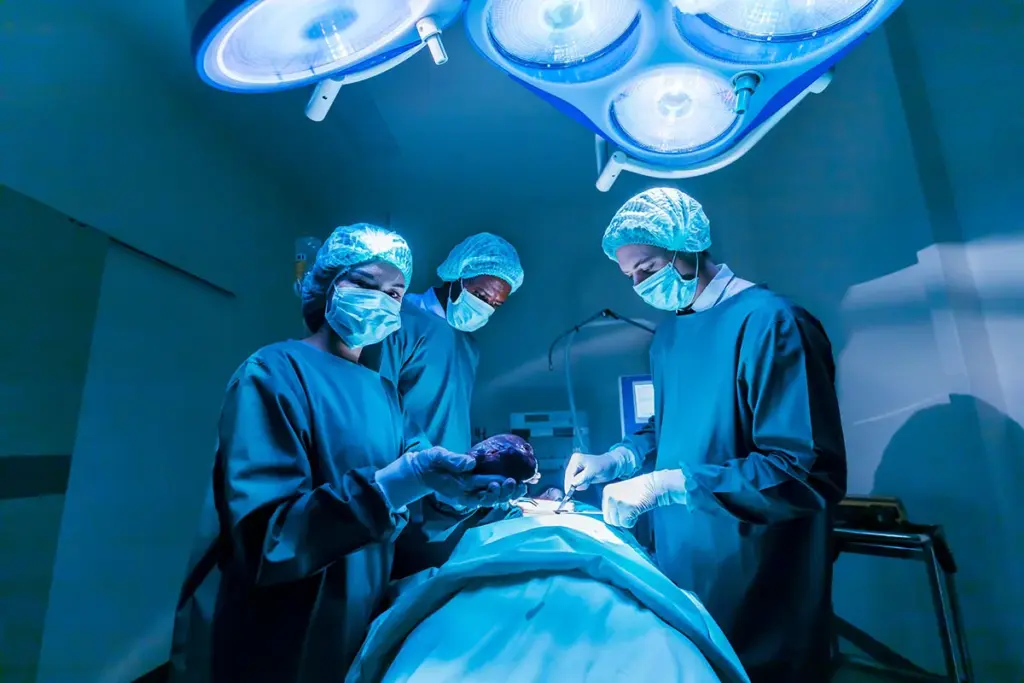
Before your thyroidectomy, you need to do some pre-operative assessments. These tests make sure you’re ready for the surgery. They help find any risks and take steps to avoid them.
Required Pre-operative Assessments
Your healthcare team will ask for several tests. You’ll need an electrocardiogram (ECG), a chest X-ray, and blood tests. These tests check your health and find any issues that might affect your surgery or recovery.
Important Blood Tests and Imaging
Blood tests are key to checking your blood chemistry, like calcium levels. This is very important for thyroid surgerypatients. You might also have ultrasound or CT scans to see your thyroid gland and nearby areas. For more info on getting ready for thyroid surgery, check out .
Medication Management Before Surgery
Managing your medications before surgery is very important. Some meds might need to be changed or stopped to lower bleeding risks or avoid anesthesia problems. Your doctor will tell you how to handle your meds before your surgery.
By following these pre-operative steps and doing the needed tests, you’ll be ready for a successful thyroidectomy. You’ll also have a smooth recovery.
Essential Documents for Hospital Admission
To make your hospital stay easier, prepare certain documents for your thyroidectomy. Having all your paperwork ready will make the admission process smoother. This lets you focus on your surgery without stress.
Insurance and Identification Requirements
Before you go to the hospital, gather your insurance cards and ID. It’s best to bring:
- Primary insurance card
- Secondary insurance card (if you have one)
- Driver’s license or government-issued ID
Having these documents ready will help us quickly process your admission. It also ensures your insurance is current.
Medical History Documentation
Your medical history is important for your surgery. Please bring:
- A detailed list of your current medications
- Any important medical records, like test results and diagnoses
- Info about past surgeries or hospital stays
This info helps our team understand your medical history. It helps us make better decisions for your care.
Consent Forms and Advance Directives
You’ll need to sign consent forms for your treatment during admission. Also, talk to your healthcare provider about advance directives. These documents state your medical wishes if you can’t speak for yourself.
Key considerations include:
- Choosing a healthcare proxy
- Deciding on life-sustaining treatments
- Sharing these documents with family or caregivers
Being prepared with the right documents makes the admission process smoother. It lets you focus on recovering from your thyroidectomy.
Medication Planning for Thyroidectomy Patients
Managing your medications before and after thyroidectomy is key for a smooth recovery. It’s important to have a clear plan. This ensures your medications are managed well throughout the process.
Bringing Current Prescription Medications
When you go to the hospital for your thyroidectomy, bring all your current prescription medications. This includes any thyroid medications and other prescriptions you’re taking. Pack them in their original packaging to avoid confusion.
Creating a Detailed Medication List
Along with bringing your medications, make a detailed list of them. Include dosages and how often you take them. This list helps your healthcare team understand your current medications and make any needed changes. Don’t forget to include any over-the-counter medications or supplements, as they can interact with your prescription medications.
For more information on preparing for thyroidectomy surgery, visit for detailed guidance.
Special Considerations for Thyroid Medications
If you’re taking thyroid medications, your doctor may need to adjust your dosage before or after surgery. It’s important to follow their instructions carefully. This ensures your thyroid hormone levels stay stable. Discuss your medication plan with your healthcare provider to understand any specific requirements for your situation.
|
Medication Type |
Pre-Surgery Instructions |
Post-Surgery Instructions |
|---|---|---|
|
Thyroid Medications |
Dosage adjustment as instructed by your doctor |
Continue as directed by your healthcare provider |
|
Other Prescription Medications |
Bring all medications to the hospital |
Resume as directed by your healthcare team |
|
Over-the-Counter Medications |
Inform your doctor about any OTC medications |
Use as directed, under medical supervision |
By carefully managing your medications and following your healthcare team’s instructions, you can help ensure a successful thyroidectomy recovery.
Clothing Essentials for Your Hospital Stay
When you go to the hospital for a thyroidectomy, the right clothes can make a big difference. It’s important to wear and bring clothes that are comfortable and easy to use.
Comfortable Recovery Clothing Options
Wearing loose clothes is best after surgery. Comfortable clothing helps avoid irritation and discomfort. Choose soft fabrics that won’t rub or irritate.
Appropriate Nightwear for Post-Surgery
Choose nightwear that is loose and comfy. It should be easy for doctors to check on your surgery site. Bring extra nightwear in case the first one gets dirty or you need a fresh change.
Button-Front or Loose-Neck Shirts
Shirts with buttons or loose necks are great. They don’t need to be pulled over your head, which is easier on your neck and the surgery site.
Slip-on Footwear and Slippers
Slip-on shoes or slippers are perfect for the hospital. They’re easy to put on and take off, which is good for your feet and ankles. Make sure they have non-slip soles to prevent slipping.
“The right clothing made a huge difference in my recovery comfort; it was all about ease and minimizing irritation.”
Many people who have had similar surgeries agree. They say choosing the right clothes is key to a better recovery.
By picking comfortable clothing and practical items, you can make your recovery better. The goal is to be as comfortable as possible and make the recovery process smoother.
Personal Hygiene and Toiletry Necessities
When getting ready for a thyroidectomy, it’s key to pack a toiletry kit with the basics. These items will make your hospital stay more comfortable. Bringing your personal hygiene items can really help your recovery.
Basic Toiletry Kit Components
A basic toiletry kit should have items you use every day. These are the essentials for keeping clean:
- Toothbrush and toothpaste for clean teeth
- Deodorant to stay fresh
- Hairbrush or comb for grooming
- Any other personal hygiene items you use daily
Gentle Cleansing Products for Incision Area
It’s important to have gentle cleansing products for your incision area after surgery. You should bring:
- Mild soap that’s gentle on your skin
- Antiseptic wipes as your healthcare provider suggests
Following your healthcare provider’s advice on caring for your incision is vital. It helps with healing and prevents infection.
Lip Balm and Throat Comfort Items
After a thyroidectomy, your throat might feel sore. To ease this, consider bringing:
- Lip balm to keep your lips moist
- Throat lozenges or sprays as your healthcare team advises
These items can make your recovery more comfortable. They help with dry lips and throat irritation.
Electronics and Communication Tools
Electronics make your hospital stay better and keep you connected after a thyroidectomy. The right devices offer fun, comfort, and a way to talk when needed.
Cell Phone with Charger
Your cell phone is key during your hospital time. It lets you talk to loved ones, get updates, and find important info. Remember to bring your charger so your phone stays charged.
Entertainment Devices
Bring other fun devices too. Tablets or laptops are great for movies, the internet, or books. They help make time go by faster during recovery.
|
Device |
Purpose |
Tips |
|---|---|---|
|
Cell Phone |
Communication, Information |
Bring a charger and consider a backup battery |
|
Tablet/Laptop |
Entertainment, Browsing |
Download content for offline use to save data |
|
Headphones |
Private Listening |
Noise-cancelling headphones can be very useful |
Communication Apps for Voice Rest Periods
Apps are super helpful when you can’t talk. They let you send messages, make calls, and even talk through text-to-speech. Apps like messaging and video calls are great.
Tips for Using Electronics in the Hospital:
- Keep your devices charged and bring backup batteries or chargers.
- Use headphones to keep noise levels down for everyone.
- Download content for offline use to avoid data charges.
- Keep your devices clean and bring wipes for cleaning.
Comfort Items for Thyroidectomy Recovery
When you’re getting ready for your thyroidectomy, think about what will make you feel better. The right items can make your hospital stay more comfy and help you heal faster.
Neck Support Pillows and Cushions
Neck support pillows and cushions are key for feeling better after surgery. They keep your neck in the right spot, easing pain. Bring a contour pillow or a cervical roll for the best support.
Soft Scarves for Incision Coverage
Soft scarves can cover your incision, making you feel safer and more comfortable. They also help with any neck pain or sensitivity. Choose soft, breathable fabrics like cotton or silk.
Ice Pack or Cooling Options
Ice packs or cool things can lessen swelling and pain after surgery. Always listen to your doctor about using them. Use cold compresses or gel ice packs in a cloth to protect your skin.
Stress Reduction Tools
Reducing stress is important for healing. Tools like meditation apps, calming music, or guided imagery can help. Bring a portable relaxation device or download apps on your phone.
|
Comfort Item |
Purpose |
Recommended Type |
|---|---|---|
|
Neck Support Pillows |
Reduce neck strain |
Contour or cervical roll |
|
Soft Scarves |
Cover incision area |
Soft, breathable fabrics |
|
Ice Packs |
Reduce swelling |
Cold compresses or gel ice packs |
Adding these comfort items to your hospital stay can really improve your recovery. Always check with your doctor before bringing new items to make sure they’re safe and right for you.
Nutritional Support Following Thyroidectomy
After a thyroidectomy, eating the right foods is key. It helps manage risks and supports health. Patients should focus on nutrition to aid in recovery and avoid complications.
Calcium-Rich Foods and Supplements
Managing calcium levels is important after surgery. Up to 60% of patients might need calcium supplements due to low parathyroid hormone. Eating foods high in calcium can help.
Calcium-rich foods: include dairy, leafy greens like kale and broccoli, and fortified plant-based milk.
Soft Foods for Throat Comfort
Soft foods are gentle on the throat in the early recovery days. Choosing easy-to-swallow foods can lessen throat pain.
- Soups
- Mashed potatoes
- Yogurt
- Scrambled eggs
Hydration Essentials
Drinking enough water is vital for recovery and health. It’s important to drink fluids that don’t irritate the throat.
Managing Possible Hypocalcemia
Hypocalcemia, or low calcium, can happen after surgery. Keeping an eye on calcium levels and adjusting diet or supplements is key to managing it.
|
Nutritional Element |
Food Sources |
Benefits |
|---|---|---|
|
Calcium |
Dairy, leafy greens, fortified plant-based milk |
Manages hypocalcemia |
|
Protein |
Eggs, yogurt, soft meats |
Supports healing |
|
Fluids |
Water, clear broths |
Maintains hydration |
By focusing on these nutrients, patients can support their recovery and health after a thyroidectomy.
Entertainment Options for Hospital Recovery
Entertainment is key to making your hospital stay more comfortable. The right stuff can take your mind off any pain. It makes the time go by more smoothly.
Books and Reading Materials
Books, magazines, or e-readers are great for passing time. Pick something fun but not too hard, as you might be feeling a bit off.
Some good choices include:
- Light novels or fiction books
- Magazines or comics
- E-books on a tablet or e-reader
Puzzles and Quiet Activities
Puzzles and quiet games keep your mind busy without too much effort. You might want to bring:
- Crossword or Sudoku puzzles
- Playing cards or travel-sized board games
- Coloring books or sketchpads
Relaxation Audio or Music
Listening to calming music or audio can be really soothing. You could bring:
- A portable music player with your favorite calming tunes
- Guided meditation or relaxation audio downloads
- White noise or nature sound recordings
Here’s a quick rundown of some entertainment ideas:
|
Entertainment Type |
Examples |
Benefits |
|---|---|---|
|
Reading Materials |
Books, magazines, e-reader |
Engaging, distraction from discomfort |
|
Puzzles & Quiet Activities |
Crosswords, playing cards, coloring |
Mental stimulation, relaxation |
|
Relaxation Audio |
Calming music, guided meditation |
Reduces stress, promotes rest |
Support Person Preparations
Getting your support person ready for your hospital stay is key. Having them with you during your thyroidectomy can greatly improve your recovery. They can offer emotional support, help with daily tasks, and talk to your healthcare team for you.
Caregiver Packing List
Your support person needs to pack the essentials for their stay. Here are some must-haves:
- Snacks and refreshments to keep their energy up.
- Entertainment like books, magazines, or a tablet to keep them busy.
- Comfortable clothing for long hours of sitting or waiting.
- Chargers for their devices to keep them connected and your devices charged.
Coordinating Hospital Visits
It’s important to plan hospital visits with your support person. This ensures you have the support you need without too many people in your room. Talk to your healthcare team about the best times for visitors and how many can come at once. Your support person can manage who comes and when, helping you rest.
Communication Plan with Healthcare Team
Having a clear plan for talking to your healthcare team is essential. Your support person can help by:
- Taking notes during talks with healthcare providers.
- Asking questions for you if you can’t.
- Keeping family and friends updated on your health.
With a well-prepared support person, you can focus on getting better. They’ll handle the practical and communication tasks for you.
Understanding Possible Complications After Thyroidectomy
Knowing about possible complications after a thyroidectomy can make your recovery easier. The surgery is usually safe, but knowing about risks helps manage your recovery better.
Vocal Cord Function Changes
Thyroidectomy can sometimes affect your vocal cords. The thyroid gland is close to the vocal cords, and surgery might harm the nerves. This can cause a hoarse or weak voice.
Watching your voice after surgery is key. If your voice changes a lot or don’t go back to normal, see your doctor.
Calcium Level Monitoring
Thyroidectomy can also lead to low calcium levels, known as hypocalcemia. This happens because the parathyroid glands, which control calcium, are near the thyroid gland and can get hurt during surgery.
Symptoms of low calcium include numbness in your fingers, toes, or mouth. If you notice these signs, tell your doctor right away. They might prescribe calcium supplements.
Wound Care Awareness
Good wound care is vital after a thyroidectomy to avoid infections and help your wound heal. Your healthcare team will teach you how to take care of your incision.
When to Contact Your Doctor
It’s important to know when to call your doctor. Reach out if you have:
- More pain or swelling at the incision site
- Redness or discharge from the wound
- Fever
- Difficulty swallowing or breathing
- Big changes in your voice or hoarseness
- Symptoms of low calcium
Being aware of these complications and knowing when to call your doctor can greatly improve your recovery.
Hospital Discharge Planning
A well-planned hospital discharge is key for a comfortable recovery after your thyroidectomy. As you prepare for surgery, think about how you’ll smoothly transition back home.
Transportation Arrangements
Getting home from the hospital is a big part of discharge planning. We suggest:
- Ask a friend or family member to drive you home
- Don’t drive yourself, as anesthesia or pain meds can affect you
- Book a non-emergency medical transport if you can’t get a ride
Home Preparation Before Surgery
Get your home ready for a comfortable recovery before surgery. This means:
- Stock up on soft foods, water, and any meds you need
- Set up a cozy recovery area with pillows and blankets
- Clear clutter and tripping hazards to avoid falls
Follow-up Appointment Information
It’s important to keep up with follow-up appointments with your healthcare team. We’ll tell you:
- When and how often to see your healthcare team
- What you need to do or bring before these visits
- How to reach your healthcare team if you have questions
Plan ahead for a smooth hospital discharge. If you have questions or concerns, reach out to your healthcare team for help and support.
What Not to Bring to the Hospital
When you’re getting ready for a thyroidectomy, it’s important to know what not to bring. This ensures a safe and smooth hospital stay. It’s natural to want to bring personal items for comfort. But, some items can be risky or unnecessary during your stay.
Valuables and Jewelry
We strongly advise against bringing valuables or jewelry to the hospital. Items like wedding rings, watches, or expensive jewelry can get lost or damaged. It’s best to leave these at home to avoid any loss or complications during your surgery and recovery.
Prohibited Items
Certain items are prohibited in the hospital for safety and security reasons. This includes weapons, tobacco products, and some electronic devices. Always check with your hospital ahead of time to know their specific policies. This way, you can avoid bringing any prohibited items.
Space Considerations for Short Stays
Most thyroidectomy procedures only need a short hospital stay. So, it’s wise to pack lightly and avoid bringing unnecessary items that take up space. Stick to the essentials that will make your recovery more comfortable. Leave the rest behind.
Being mindful of what you bring to the hospital helps ensure a safe, comfortable, and stress-free experience during your thyroidectomy. If you have any questions or concerns about what to bring or leave behind, always talk to your healthcare provider.
Conclusion: Final Preparation Tips for Your Thyroidectomy
Getting ready for your thyroidectomy is a big step. We know how important it is to have the right info and support. By following the tips provided throughout this guide, you’ll be better prepared for your surgery and recovery.
Good preparation means knowing what to expect, packing smart, and planning for after the surgery. Make sure to check your meds, wear comfy clothes, and bring important papers to the hospital.
Our last tips are to stay informed, listen to your healthcare team, and be ready for any issues. Being proactive helps reduce risks and leads to a good outcome.
We’re dedicated to top-notch healthcare and support for international patients. By following these tips, you’ll feel ready and confident for your surgery. You’ll know you’ve done everything to help your recovery go smoothly.
FAQ
What is a thyroidectomy?
A thyroidectomy is a surgery to remove part or all of the thyroid gland. There are different types, like total and partial thyroidectomy.
What are the different types of thyroidectomy procedures?
There are two main types. Total thyroidectomy removes the whole gland. Partial thyroidectomy, or thyroid lobectomy, removes a part of it.
What should I bring to the hospital for a thyroidectomy?
Bring comfy clothes, toiletries, insurance cards, and ID. Also, don’t forget your phone, entertainment, and neck support pillows.
How should I manage my medications before and after thyroidectomy?
Bring all your meds to the hospital. Give a list of your medications, including how often you take them. Talk to your healthcare team about managing your meds.
What are the possible complications after a thyroidectomy?
Complications can include changes in your voice, calcium level issues, and wound problems. Knowing when to call your doctor is key.
How long is the hospital stay for a thyroidectomy?
Hospital stays vary, but most are short. Check with your hospital to know their policies.
What are the nutritional needs after a thyroidectomy?
Eating right is important. Eat foods high in calcium and take supplements if needed. Soft foods and staying hydrated are also important.
Can I have a support person with me during my hospital stay?
Yes, having someone with you can be comforting. They should pack snacks, entertainment, and comfy clothes.
What should I do to prepare my home before surgery?
Stock up on essentials and make a comfy recovery space. Also, arrange for transportation in advance.
Are there any items that I should not bring to the hospital?
Avoid bringing valuables or jewelry. Some items might be banned, so check with your hospital. Packing light is a good idea due to short stays.
References:
- Thyroid Surgery Instructions (Total Thyroidectomy). Brigham and Women’s Hospital. Accessed [insert date].
- Thyroid surgery: your recovery journey. NHS. Accessed [insert date].
- What is a thyroidectomy? Thyroid UK. Accessed [insert date].
- Patient Information: Total Thyroidectomy. Enherts ENT Department, NHS Trust. Accessed [insert date].
- Life after surgery | Thyroid cancer. Cancer Research UK. Accessed [insert date].
National Center for Biotechnology Information. Evidence-Based Medical Insight. Retrieved from https://pubmed.ncbi.nlm.nih.gov/24767897/