Getting ready for thyroid surgery means taking several steps to make sure you recover well and safely. At Liv Hospital, our skilled surgeons use the latest thyroid removal surgery methods. These are less invasive, helping you heal faster.
Studies show a move towards less big surgeries, like thyroid lobectomy instead of full thyroid surgery. This change started after the 2015 ATA guidelines. We help you get ready for your thyroid gland surgery. We make sure you get all the care you need.
Key Takeaways
- Minimally invasive techniques are used for faster recovery.
- Less extensive procedures are becoming more common.
- Comprehensive care is provided at Liv Hospital.
- Experienced surgeons perform advanced thyroid surgeries.
- Preparation involves carefully coordinated steps.
Understanding Thyroid Disorders and Surgical Indications
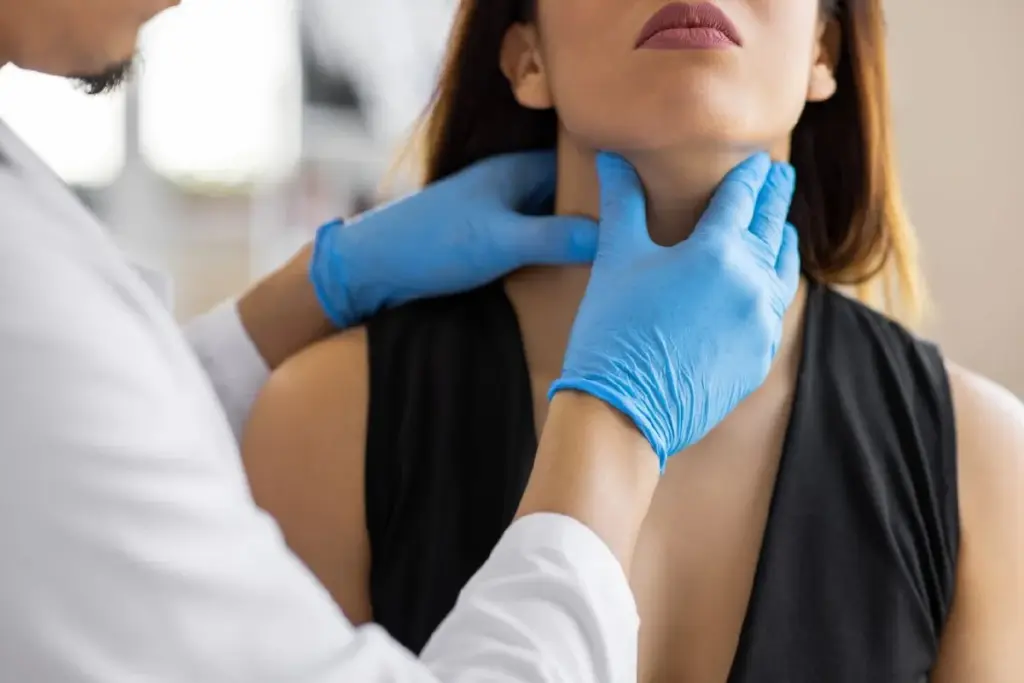
It’s important to know about thyroid disorders to see if surgery is needed. These disorders can really affect your life. Sometimes, surgery is the best way to treat them.
Common Thyroid Conditions Requiring Surgery
Some thyroid conditions need surgery. These include:
- Thyroid Nodules: These are abnormal growths on the thyroid gland. They can be harmless or cancerous.
- Goiter: This is when the thyroid gland gets too big. It can make it hard to swallow or breathe.
- Thyroid Cancer: This is when tumors on the thyroid gland are cancerous. They need to be treated quickly.
Caitlyn Jensen’s story shows why it’s key to understand these conditions. Our skilled surgeons help patients decide the best treatment.
When Surgery Becomes Necessary
Surgery becomes necessary when other treatments are ineffective. This includes:
- The presence of malignant or suspicious thyroid nodules.
- Significant enlargement of the thyroid gland causing compressive symptoms.
- Hyperthyroidism due to thyroid conditions that are unresponsive to other treatments.
Our team will help you figure out if surgery is right for you.
Types of Thyroidectomy Procedures
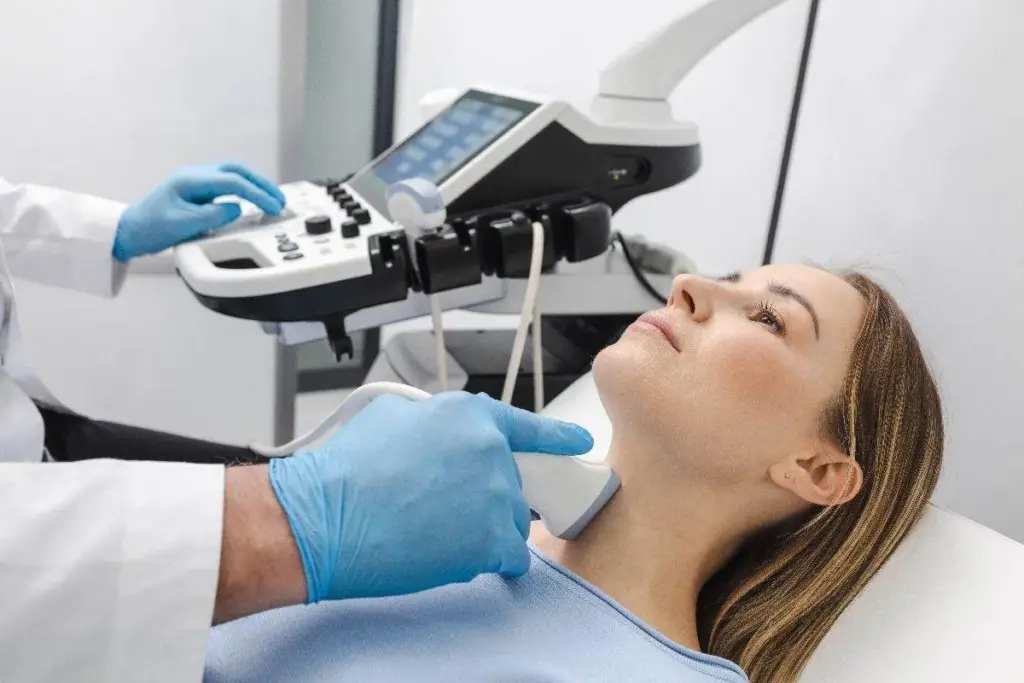
Thyroidectomy is a surgery to remove part or all of the thyroid gland. It comes in several forms, each with its own benefits and considerations. The choice of procedure depends on the patient’s specific condition and the nature of the thyroid disorder.
Total Thyroidectomy vs. Thyroid Lobectomy
There are two main types of thyroidectomy procedures: total thyroidectomy and thyroid lobectomy. Total thyroidectomy removes the entire thyroid gland. It’s often recommended for patients with thyroid cancer, large goiters, or Graves’ disease that doesn’t respond to other treatments.
Thyroid lobectomy removes only one lobe of the thyroid gland. It’s usually for patients with a nodule or tumor in one lobe. The choice between total thyroidectomy and thyroid lobectomy depends on the condition and the patient’s health.
Minimally Invasive Approaches
Minimally invasive thyroidectomy approaches are becoming more popular. They offer smaller incisions, less tissue damage, and faster recovery times. show a big increase in these operations, from 17% in 2015 to 28% in 2018.
These modern techniques use smaller incisions and advanced tools. They aim to reduce scarring and post-operative pain. While not for everyone, they’re a good option for those wanting less cosmetic impact and a quicker recovery.
Our surgeons will talk about the benefits and risks of each procedure with you. They’ll help decide the best approach for your condition. Knowing about the different thyroidectomy procedures helps you make an informed decision about your care.
Selecting a Qualified Thyroid Surgeon
Finding a skilled thyroid surgeon is key to a successful surgery. At our institution, we know how vital it is to have a surgeon with thyroid surgery expertise.
The Importance of Surgical Experience
Your surgeon’s experience greatly affects your surgery’s success. Studies show that patients of surgeons who do over 25 thyroid surgeries a year have fewer complications. This shows why picking a surgeon with lots of thyroid surgeryexperience is important.
Look at a surgeon’s experience not just by the number of surgeries. Also, check their success rate and how they handle any problems that might come up.
Questions to Ask During Your Consultation
When you meet a thyroid surgeon for the first time, ask important questions. This helps you see if they’re right for you. Here are some questions to ask:
- What experience do you have with thyroid surgeries?
- How many thyroidectomies do you perform annually?
- What are the possible risks and complications for my condition?
- How will you manage pain and other symptoms after surgery?
- What’s your plan for follow-up care?
These questions help you understand the surgeon’s skills and their care plan for you.
|
Criteria |
High-Volume Surgeon (>25 surgeries/year) |
Low-Volume Surgeon (<25 surgeries/year) |
|---|---|---|
|
Complication Rate |
Lower |
Higher |
|
Surgical Experience |
Extensive |
Limited |
|
Post-Operative Care |
Comprehensive |
Variable |
By looking closely at a surgeon’s experience and asking the right questions, you can choose wisely. This choice can greatly affect your surgery’s success.
Pre-Surgical Medical Evaluation
A pre-surgical medical evaluation is key before thyroid surgery. It makes sure you’re ready for the surgery and spots any risks.
Our team does a detailed check. This includes essential diagnostic tests to see how bad your thyroid problem is. These tests help us plan the surgery just right for you.
Essential Diagnostic Tests
Diagnostic tests are very important before surgery. Some main tests are:
- Ultrasound: To check your thyroid gland’s size and shape.
- Biopsy: To look at thyroid nodules or tissue for cancer cells.
- Blood tests: To check your thyroid function and health.
These tests give us the info we need to make your surgery plan perfect.
Understanding Your Lab Results
After the tests, we’ll go over your lab results with you. We know medical terms can be hard, so we explain everything clearly. This way, you’ll know what your diagnosis means for your surgery.
|
Test |
Purpose |
What to Expect |
|---|---|---|
|
Ultrasound |
Assess thyroid gland size and structure |
A non-invasive imaging test providing detailed images of your thyroid gland. |
|
Biopsy |
Examine thyroid nodules or tissue |
A sample of thyroid tissue is examined for abnormal cell growth. |
|
Blood Tests |
Evaluate thyroid function and overall health |
Blood samples are analyzed to assess your thyroid hormone levels and other health indicators. |
Knowing your lab results helps you get ready for surgery and recovery.
Medication Management Before Surgery
Getting ready for thyroid surgery means managing your meds carefully. Some drugs can mess with anesthesia or up the bleeding risk. We’ll help you adjust your meds for the best results.
Medications to Discontinue
Some meds might need to stop before surgery to avoid risks. These include:
- Blood Thinners: Drugs like warfarin, aspirin, and some antiplatelet meds might be paused to cut down on bleeding.
- Herbal Supplements: Stuff like St. John’s Wort, ginkgo biloba, and fish oil can up the bleeding risk or mess with anesthesia.
Tell us about all your meds and supplements. We’ll tell you when to stop them before your surgery.
Required Medication Adjustments
Some meds might need tweaking instead of stopping. For instance:
- Thyroid Medications: We might adjust your thyroid meds to keep hormone levels right before surgery.
- Diabetes Medications: If you’re diabetic, we might tweak your meds or insulin on surgery day to keep blood sugar in check.
We’ll work with you to manage your meds smoothly. It’s key to follow our advice to avoid risks.
By managing your meds before thyroid surgery, we can lower complication risks. If you have questions about your meds, just ask us.
Nutritional Preparation for Optimal Recovery
Getting your body ready for thyroid surgery is key. Eating a balanced diet full of important nutrients helps your body heal faster. This can also reduce the risk of complications and get you back to normal sooner.
Dietary Guidelines Before Surgery
To get your body ready for surgery, eat lots of fruits, veggies, whole grains, and lean proteins. These foods are packed with vitamins, minerals, and antioxidants. They help your body heal and stay healthy.
- Fruits and Vegetables: Try to eat foods of different colors to get a wide range of nutrients.
- Whole Grains: Eat brown rice, quinoa, and whole-wheat bread for fiber and nutrients.
- Lean Proteins: Choose chicken, fish, beans, and lentils to help your muscles recover.
Supplements to Consider or Avoid
While a balanced diet is essential, some supplements can help too. But, always talk to your doctor before taking any supplements.
|
Supplement |
Consideration |
Reason |
|---|---|---|
|
Vitamin C |
Consider |
Supports immune function and healing |
|
Omega-3 Fatty Acids |
Consider |
Reduces inflammation and supports heart health |
|
Blood Thinners (e.g., Ginkgo Biloba, Garlic) |
Avoid |
May increase risk of bleeding during surgery |
|
St. John’s Wort |
Avoid |
Can interfere with anesthesia and other medications |
It’s also important to avoid supplements that could harm your surgery or recovery. Always check with your doctor about your supplements to get advice that’s right for you.
Physical and Emotional Preparation
Thyroid surgery needs a skilled surgeon and a well-prepared patient. We’ll help you get ready, focusing on physical conditioning and emotional readiness. This ensures a smooth and successful surgery.
Physical Conditioning Before Surgery
Regular physical activity before surgery can help your recovery. Gentle exercises like walking or yoga boost your health and lower stress. Talk to your doctor to create a safe exercise plan for you.
Eating a healthy diet is also key. Foods rich in vitamins C and D and zinc support your immune system and healing. Drinking lots of water is important too.
Managing Anxiety and Stress
Surgery can cause a lot of stress and anxiety. We know how important it is to manage these feelings. Meditation, deep breathing exercises, or counseling can help.
Having a support network of family and friends is also vital. They can offer emotional support and help during your recovery. Don’t hesitate to share your worries with your healthcare team. They can offer advice and reassurance.
By preparing physically and emotionally, you can help ensure a successful surgery and easier recovery. Our team is here to support you every step of the way. We want to make sure you’re ready for your thyroid surgery.
Practical Arrangements for Surgery Day
Getting ready for your thyroid surgery means making plans for the big day. It’s a time of stress, but being organized can help ease your worries. Having everything ready can make a big difference.
Hospital Packing Checklist
What you pack for the hospital can affect your comfort and healing. Here are some essentials to bring:
- Comfortable clothes, like a robe and slippers
- Toiletries, like toothbrush, toothpaste, and more
- Any medicines or supplements you need
- A list of important phone numbers
- A book, magazine, or something to keep you entertained
Always check with your doctor about what to bring or avoid.
Transportation and Support Person Planning
Having someone with you on surgery day can be a big help. They can offer emotional support and assist with care after surgery. It’s a good idea to have someone stay with you.
Think about how you’ll get to and from the hospital:
- Get a driver to take you, as you might not be able to drive.
- Plan your return home if you use public transport.
Having a support person and a solid transportation plan can help you relax and focus on getting better.
The 24 Hours Before Your Thyroidectomy
With your thyroidectomy just a day away, it’s essential to follow our pre-operative instructions carefully. This period is critical for minimizing risks and ensuring a smooth surgical experience.
Final Pre-Operative Instructions
In the 24 hours leading up to your surgery, we will provide you with final pre-operative instructions. These instructions are designed to prepare you physically and emotionally for the procedure. It’s critical to follow these instructions closely to avoid any complications.
Our team will guide you on how to prepare your home for recovery. This includes setting up a comfortable recovery area and arranging for post-operative care. We’ll also provide information on what to expect during the immediate pre-operative period.
“The key to a successful surgery is not just the skill of the surgeon, but also the preparation of the patient.”
Thyroid Surgeon
Fasting and Medication Guidelines
Fasting is typically required for a certain period before surgery to minimize the risk of aspiration. You will be instructed on the specific fasting schedule, including when to stop eating and drinking. It’s essential to adhere to this schedule to ensure your safety during the procedure.
Regarding medications, we’ll provide you with detailed guidelines on which medications to continue or discontinue before surgery. Some medications may need to be adjusted or stopped temporarily to prevent bleeding or other complications.
|
Medication Type |
Pre-Surgery Instructions |
|---|---|
|
Blood Thinners |
Stop 5 days before surgery |
|
Diabetes Medications |
Adjust dosage as instructed |
|
Thyroid Medications |
Continue as usual unless instructed differently |
By following these guidelines and instructions, you’ll be well-prepared for your thyroidectomy. If you have any questions or concerns, don’t hesitate to reach out to our team. We’re here to support you throughout this process.
What to Expect During the Surgical Procedure
Getting ready for your thyroid surgery? Knowing what to expect can ease your worries. Our skilled surgeons use the latest surgical techniques to keep risks low and results high.
Anesthesia and Operating Room Experience
When you get to the operating room, you’ll get anesthesia to keep you comfortable. Our anesthesiologists are experts who watch your vital signs closely. We aim to make your time in the operating room as calm as possible, focusing on your safety and care.
Duration and Surgical Techniques
The surgical procedure usually lasts 1-2 hours, based on your situation. Our surgeons use the newest surgical techniques, like minimally invasive methods, to cut down on recovery time and scarring. They will carefully remove the thyroid gland or the part that needs to go, making sure to protect the surrounding areas.
Knowing the details of your surgical procedure can make you feel more ready and confident in your care team. We’re dedicated to giving you the best care and support every step of the way through your thyroidectomy.
Immediate Post-Operative Recovery
Recovering from thyroid surgery can be easier if you know what to expect. The first hours after surgery are key. Our team works hard to keep you comfortable and safe.
First 24-48 Hours After Surgery
In the first 24 to 48 hours, having someone help you is important. Pain management is a big part of this time. We’ll give you clear instructions on how to manage your pain.
Common feelings during this time include:
- Soreness or discomfort in the neck area
- Difficulty swallowing
- Hoarseness or changes in voice
These symptoms usually go away as you heal. It’s key to follow our post-operative care advice to avoid problems.
Managing Pain and Possible Complications
Good pain management is key for a smooth recovery. We’ll give you the right pain meds and tell you how to use them. It’s also good to know about possible problems, like infection or bleeding, though they’re rare.
|
Potential Complications |
Signs to Watch For |
Action to Take |
|---|---|---|
|
Infection |
Increased redness, swelling, or pus at the incision site |
Contact your doctor immediately |
|
Bleeding |
Excessive bleeding or hematoma formation |
Seek emergency care |
|
Adverse Reaction to Anesthesia |
Unusual symptoms such as difficulty breathing or severe dizziness |
Seek immediate medical attention |
By following our post-op instructions and watching for signs of trouble, you can lower the risk of problems. This helps ensure a good recovery from your thyroidectomy.
Home Recovery and Scar Management
After thyroid surgery, healing at home is key. This recovery time is as important as the surgery. It affects how well you heal and how small your scars will be.
Creating an Optimal Healing Environment
To recover well at home, make a quiet and comfy space. Keep it clean to avoid infections. Make sure it’s well-ventilated and not too hot or cold.
Here’s how to make a great healing space:
- Keep your area tidy and free of clutter
- Have what you need close to avoid getting up
- Use soft pillows and blankets to support you
Thyroidectomy Scar Care and Minimization
Taking good care of your scar is key after thyroid surgery. Be gentle and use the right methods to make scars less noticeable. Here’s how to manage your scar well:
|
Scar Care Technique |
Description |
Benefits |
|---|---|---|
|
Massage |
Gently massage the scar area with your fingertips in a circular motion. |
Promotes healing, reduces scar tissue formation |
|
Silicone Gel |
Apply silicone gel or sheets on the scar. |
Flattens and softens the scar, reduces redness |
|
Sun Protection |
Use sunscreen or protective clothing to shield the scar from the sun. |
Prevents darkening of the scar, promotes even healing |
By using these scar care tips and creating a good healing space, you can improve your recovery. You’ll also make your thyroidectomy scars less noticeable.
Conclusion
Getting ready for thyroid surgery needs careful planning and expert care. At Liv Hospital, our skilled surgeons and team are here to help. We offer top-notch healthcare and support for patients from around the world.
This guide has covered the key steps for thyroid surgery prep. We’ve talked about understanding thyroid issues and managing recovery. Our goal is to make sure you’re well-prepared.
At Liv Hospital, we follow the latest in thyroid surgery standards. This ensures the best results for our patients. Choosing us means you’re in the hands of a dedicated team. We’re here for you from the first visit to after your surgery.
We aim to make your thyroid surgery experience as easy as possible. For more details on our services and to book a consultation, visit our website or call us. We’re ready to help.
FAQ
What is thyroidectomy surgery?
Thyroidectomy surgery is a procedure to remove part or all of the thyroid gland. It’s often done to treat thyroid disorders like nodules, goiter, or thyroid cancer.
What are the different types of thyroidectomy procedures?
There are different types of thyroidectomy procedures. These include total thyroidectomy and thyroid lobectomy. The choice depends on the specific condition being treated.
What is the difference between total thyroidectomy and thyroid lobectomy?
Total thyroidectomy removes the entire thyroid gland. Thyroid lobectomy removes only the affected lobe. The latter is a less extensive procedure.
How do I prepare for thyroid surgery?
Preparing for thyroid surgery involves several steps. You’ll have a pre-surgical medical evaluation and medication management. You’ll also prepare nutritionally and physically, and emotionally.
What diagnostic tests are required before thyroid surgery?
Before thyroid surgery, you’ll need ultrasound and biopsy tests. These tests assess the thyroid gland and help determine the best treatment.
How do I manage my medications before thyroid surgery?
Before thyroid surgery, you’ll need to manage your medications. This includes stopping or adjusting certain medications, like blood thinners. It’s to minimize risks and ensure the best outcomes.
What are the benefits of minimally invasive thyroidectomy?
Minimally invasive thyroidectomy offers faster recovery times and less scarring. It’s a popular choice for patients undergoing thyroid surgery.
How can I manage anxiety and stress before thyroid surgery?
To manage anxiety and stress before thyroid surgery, try physical conditioning and relaxation techniques. Emotional support is also key to ensure the best outcomes.
What are the practical arrangements I need to make for surgery day?
For surgery day, make practical arrangements like packing for the hospital and planning transportation. Having a support person with you can make the experience smoother.
What can I expect during the surgical procedure?
During surgery, you’ll receive anesthesia and undergo the thyroidectomy procedure. Our experienced surgeons use advanced techniques to minimize risks and ensure the best outcomes.
What is the recovery like after thyroid surgery?
After surgery, you’ll need to manage pain and any complications. Our team will guide you in the first 24-48 hours and help with your recovery at home.
How can I care for my thyroidectomy scar?
To care for your thyroidectomy scar, create an optimal healing environment. Follow our guidance on scar care and minimization to reduce its appearance.
What are the benefits of choosing an experienced thyroid surgeon?
Choosing an experienced thyroid surgeon ensures the best outcomes. They have performed many thyroidectomies and can provide expert care and guidance throughout the process.
References:
- Toumi A, DiGennaro C, Vahdat V, Jalali MS, Gazelle GS, Chhatwal J, Kelz RR, Lubitz CC. Trends in thyroid surgery and guideline-concordant care in the United States, 2007-2018. Thyroid. 2021;31(6):941-949. doi:10.1089/thy.2020.0643
- Hagan JC III. The Science of Near-Death Experiences. Mo Med. 2018;115(1):29-34. PMCID: PMC6139799.
National Center for Biotechnology Information. Evidence-Based Medical Insight. Retrieved from https://pubmed.ncbi.nlm.nih.gov/26462967/