
Many people worry about thyroid surgery. They want to know how long it takes to get better.
The time it takes to recover can change. It depends on the surgery type and your health. Recovery time is a big worry for patients.
Most people can start with light activities in 1-2 weeks. They usually feel fully recovered in 6-12 weeks. For more info, check out our page on , and.
Key Takeaways
- Recovery time varies based on the type of thyroid surgery and individual health.
- Most patients return to light activities within 1-2 weeks.
- Full recovery is typically achieved in about 6-12 weeks.
- The type of surgery performed influences the recovery process.
- Individual health plays a significant role in the recovery timeline.
The Fundamentals of Thyroid Surgery
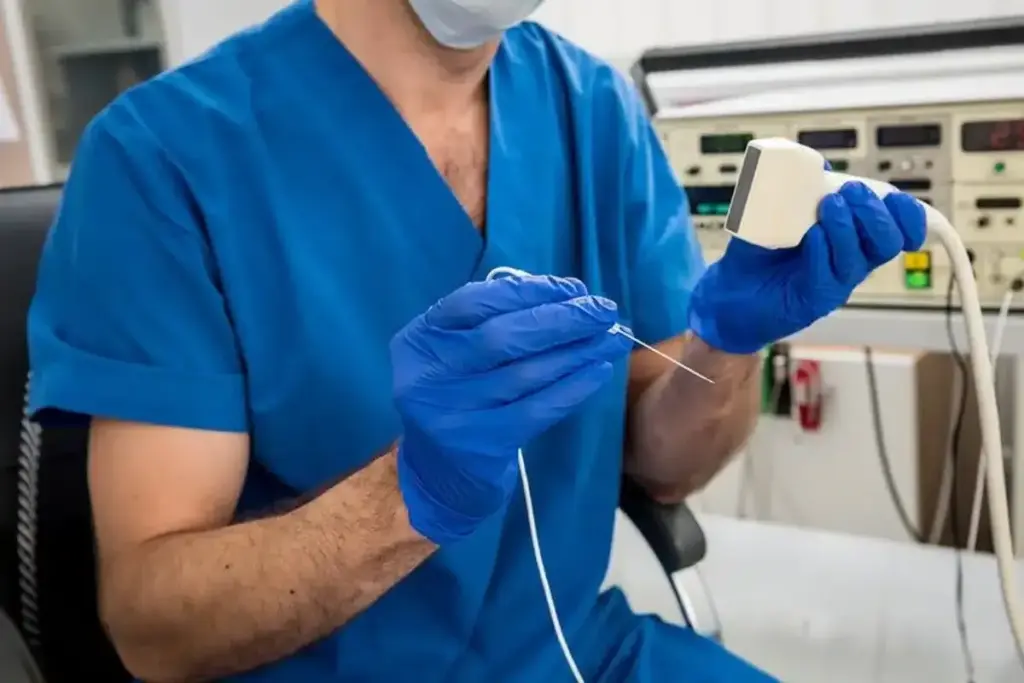
Thyroidectomy is a surgery to remove part or all of the thyroid gland. It’s a common treatment for many thyroid issues. Knowing the basics of thyroid surgery helps patients understand their recovery and treatment journey.
What is a Thyroidectomy?
A thyroidectomy is a surgery to remove part or all of the thyroid gland. It’s done for reasons like thyroid cancer, goiter, and hyperthyroidism. The surgery can be partial or total, depending on the case.
Common Reasons for Thyroid Surgery
Thyroid surgery is needed for several reasons. The main reasons include:
- Thyroid cancer or suspicion of cancer
- Goiter causing compression symptoms or cosmetic concerns
- Hyperthyroidism not responding to other treatments
- Suspicious thyroid nodules
Types of Thyroid Surgical Procedures
There are different types of thyroid surgeries. Here are a few:
|
Procedure |
Description |
Indications |
|---|---|---|
|
Total Thyroidectomy |
Removal of the entire thyroid gland |
Thyroid cancer, extensive goiter |
|
Thyroid Lobectomy |
Removal of one lobe of the thyroid gland |
Suspicious nodules, small cancers |
|
Near-Total Thyroidectomy |
Removal of most of the thyroid gland, leaving a small portion |
Thyroid cancer, goiter |
The type of surgery depends on the condition, disease extent, and patient health. Knowing this helps patients understand their treatment plan better.
Typical Recovery Timeline After Thyroidectomy
Knowing the recovery timeline after thyroidectomy is key for patients. It helps them plan their care after surgery. The recovery has several phases, each with its own milestones.
Immediate Post-Operative Period (First 24-48 Hours)
The first 24 to 48 hours after surgery are very important. Patients are watched closely for any issues like bleeding or breathing problems. Resting and avoiding hard activities are stressed during this time.
Patients might feel pain, discomfort, or swelling in their neck. This can be managed with pain meds and cold packs.
Short-Term Recovery (1-2 Weeks)
After one to two weeks, patients can start doing light activities again. It’s important to slowly get back to normal, avoiding heavy lifting or bending. Most can go back to work within this time, depending on their job and health.
Some might feel numbness or tingling around the incision. This usually goes away on its own.
Long-Term Recovery (6-12 Weeks)
The long-term recovery, from six to twelve weeks, is when patients get back to full strength. It’s advised to keep avoiding heavy lifting and hard activities. Most patients fully recover in this time, though some might feel tired or notice slight voice changes.
Regular check-ups with healthcare providers are key during this phase. They help monitor the healing and address any issues.
Understanding these phases helps patients prepare for their recovery after thyroidectomy. It makes the transition back to normal life smoother and more comfortable.
Factors That Influence Recovery Time After Thyroid Surgery
Knowing what affects recovery time can help patients get ready for their journey after surgery. Several things can change how fast and easy someone recovers from thyroid surgery.
Type and Extent of Surgery
The kind and how much of the thyroid is removed matters a lot for recovery time. Thyroidectomy procedures can range from removing part to all of the thyroid. The more complex the surgery, the longer it might take to heal. For example, removing the whole thyroid might take longer than just part of it.
A study on the shows how important the surgery’s extent is for recovery.
Patient Age and Overall Health
A patient’s age and health are key to how well they recover from thyroid surgery. Younger people with fewer health problems usually heal faster than older ones or those with serious health issues. Staying healthy before surgery can really help with recovery.
Pre-existing Medical Conditions
Having health problems before surgery can make recovery harder. Issues like diabetes, heart disease, or lung problems can slow healing and raise the chance of thyroid surgery complications. It’s important for patients to talk about their health with their doctor to understand risks and how to avoid them.
Understanding these factors helps patients get ready for recovery and lower thyroidectomy risks. It’s key to follow doctor’s orders and go to all follow-up visits for a smooth recovery.
Hospital Stay Duration After Thyroid Removal
The time you spend in the hospital after thyroid surgery varies. It depends on the surgery type and your needs. Knowing what affects this time can help you get ready for recovery.
Outpatient vs. Inpatient Procedures
Many thyroid surgeries are done on an outpatient basis. This means you can go home the same day. It’s good for those with simple surgeries or strong support at home.
But, some need to stay longer for more care. This is for complex surgeries or those with health issues.
When Extended Hospital Stays May Be Necessary
Some patients need to stay longer in the hospital. This could be due to bleeding, infection, or breathing problems. Also, those with health issues or big surgeries might need more watchful care.
Our doctors will decide how long you should stay based on your health and surgery details. They consider your overall health, surgery complexity, and any complications.
Preparing for Discharge
We give you detailed instructions for going home. You’ll learn about wound care, managing pain, and when to see us again. We also teach you to watch for any signs of trouble.
Knowing about hospital stay times and discharge helps you feel ready for recovery. Our team is here to support and guide you every step of the way.
Physical Limitations During Thyroidectomy Recovery
Knowing what you can and can’t do after thyroid surgery is key to a good recovery. After surgery, it’s important to watch your activities. This helps prevent problems and helps you heal better.
Activity Restrictions in the First Week
In the first week, avoid hard work. Don’t lift heavy things, bend, or do anything that strains your neck. Rest as much as you can and do only gentle, easy movements.
You can do simple things like walking or light housework. But, stop if you feel pain or discomfort.
Gradually Returning to Normal Activities
As you heal, you can slowly go back to your normal life. This should be slow and based on how you feel. Usually, in 1-2 weeks, you can start doing things you normally do, but be careful.
Listen to your body and don’t rush back to hard activities. This could cause problems or slow down your healing.
When to Resume Exercise and Strenuous Activities
Starting to exercise again should be with your doctor’s okay. Usually, you can start with easy exercises like stretching or short walks a week or two after surgery.
But, wait a few weeks for harder activities like lifting heavy things or high-impact exercises. Always follow your doctor’s advice for a safe recovery.
Incision Care and Healing Process
Learning how to care for your surgical incision is key to a smooth recovery from thyroid surgery. Proper care not only aids in healing but also reduces scarring. We’ll show you the best ways to care for your wound, the healing timeline, and how to manage scarring.
Proper Wound Care Techniques
Good wound care is vital to avoid infection and ensure healing. Keep the incision site clean by washing it with mild soap and water. Stay away from harsh or scented soaps, as they can irritate the skin. Pat the area dry with a clean towel after washing.
Always follow your surgeon’s specific wound care instructions, as they may have tailored advice for you. Usually, covering the incision with a bandage for the first 24-48 hours is recommended. After that, you can leave it uncovered or use a light dressing.
Timeline for Incision Healing
The healing of thyroid surgery incisions follows a typical timeline. Initially, the incision may appear red and swollen, which is normal. Here’s what you can expect:
|
Timeframe |
Healing Stage |
Characteristics |
|---|---|---|
|
0-48 hours |
Initial Healing |
Incision is red, swollen, and may ooze slightly |
|
2-7 days |
Early Recovery |
Swelling reduces, incision starts to close |
|
1-3 months |
Continued Healing |
Incision fades, becomes less noticeable |
Managing Scarring After Thyroid Surgery
Managing scarring is a big part of recovery. Using silicone gel or sheeting on the incision can help reduce scars. Also, protect the area from the sun to prevent scars from becoming more visible.
By following these incision care tips and knowing the healing timeline, you can have a smooth recovery and less noticeable scarring after thyroid surgery.
Common Post-Thyroidectomy Symptoms and Their Duration
Knowing what symptoms to expect after thyroid surgery helps patients get ready for their recovery. After surgery, patients might feel different because of the procedure and the area affected.
Neck Pain and Discomfort
Neck pain is common after thyroid surgery. It’s because of the cut made and the tissues moved during surgery. Most people feel mild to moderate pain, which doctors can help manage with medication.
How long neck pain lasts varies. But usually, it goes away in a few weeks. Some might feel pain longer, which can be helped by physical therapy or other treatments from their doctor.
Swallowing Difficulties
Swallowing can be hard after thyroid surgery. This is because of swelling or irritation in the esophagus or nearby tissues. It might feel like food is stuck in your throat, but this is usually short-term.
Swallowing problems usually get better as swelling goes down and tissues heal. It’s best to eat slowly, chew well, and avoid hard-to-swallow foods.
Voice Changes and Hoarseness
Voice changes and hoarseness can happen after thyroid surgery. This is often because of nerve irritation or injury to the vocal cords. How long these symptoms last can vary, with some getting better in weeks and others taking longer.
|
Symptom |
Typical Duration |
Management Tips |
|---|---|---|
|
Neck Pain |
A few weeks |
Use pain medication as prescribed |
|
Swallowing Difficulties |
A few weeks |
Eat slowly and chew thoroughly |
|
Voice Changes/Hoarseness |
Variable, potentially several months |
Rest your voice, stay hydrated |
Fatigue and Energy Levels
Fatigue is common after thyroid surgery. The body needs time to heal and recover. Rest well and eat a balanced diet to help your body get better.
Fatigue time varies, but most feel more energetic in a few weeks to a couple of months. Following your doctor’s post-op instructions is key for a smooth recovery.
Managing Hypocalcemia After Thyroid Surgery
Thyroid surgery can cause hypocalcemia, a condition that needs careful handling to avoid long-term health problems. This condition, or low calcium levels in the blood, happens when the parathyroid glands are damaged or removed during surgery.
Why Hypocalcemia Occurs
Hypocalcemia mainly happens because of damage or removal of the parathyroid glands during thyroid surgery. These glands make parathyroid hormone (PTH), which helps control calcium levels in the blood. Without enough PTH, calcium levels drop.
The chance of getting hypocalcemia depends on how much surgery is done and how well the parathyroid glands are saved. Knowing this helps both doctors and patients understand what to expect and how to recover.
Symptoms of Low Calcium Levels
Symptoms of hypocalcemia can be mild or severe. They include numbness or tingling in fingers, toes, or around the mouth, muscle cramps, and in serious cases, seizures or tetany. Spotting these symptoms early is key for quick action.
It’s important for patients to watch their condition closely and tell their doctor about any unusual feelings or muscle cramps. Catching it early helps avoid more serious problems.
Calcium Supplementation Protocols
Dealing with hypocalcemia often means taking calcium, either by mouth or through an IV, based on how bad it is. The aim is to get calcium levels back to normal and ease symptoms.
We suggest that patients talk to their doctor to figure out the right way to take calcium. This might include regular blood tests to check calcium levels and adjust the treatment as needed.
By knowing why hypocalcemia happens, recognizing its signs, and following the right calcium treatment, patients can handle this complication after thyroid surgery well.
Thyroid Hormone Replacement Therapy
Thyroid hormone replacement therapy is very important after thyroid surgery. After surgery, the body might not make enough thyroid hormones. This therapy helps get hormone levels back to normal, making the body work right.
Starting Hormone Replacement After Surgery
When to start hormone therapy after surgery varies. It depends on how big the surgery was and your health. Usually, people start therapy soon after surgery, once hormone levels are checked. Always listen to your doctor about when to start your medicine.
Finding the Right Dosage
Finding the right amount of hormone medication is key. The amount depends on your weight, surgery type, and hormone needs. Regular blood tests help adjust the dosage. It might take time, but working with your doctor is important.
Long-Term Management of Thyroid Function
Managing thyroid function long-term means regular checks and adjusting medication. Stick to your treatment plan and keep up with doctor’s visits. This helps keep your hormone levels healthy and avoids problems.
Good thyroid hormone therapy is vital after thyroid surgery. Understanding its importance and working with your doctor helps you live well. You can keep a good quality of life.
Follow-Up Care Schedule After Thyroidectomy
Having a good follow-up care plan is key to watching your recovery and handling any issues after thyroid surgery. We know this time can be tough. A clear plan can make a big difference in your experience.
First Post-Operative Appointment
The first check-up is usually within one to two weeks after surgery. We’ll look at how your incision is healing, check for complications, and talk about any worries you have. It’s also a chance to go over your surgery results. A study on the shows how important follow-up care is for spotting problems early.
At this first visit, we will:
- Check the incision site to make sure it’s healing right
- Talk about any symptoms or worries you have
- Look at your medication, including thyroid hormone if needed
Ongoing Monitoring Schedule
After the first visit, we’ll set up a schedule that fits your needs. This might include blood tests to check your thyroid and calcium levels. How often you need these tests will depend on your situation.
We aim to make sure you’re getting better and adjust your treatment as needed. It’s a good idea to keep a record of your symptoms and medications for your appointments.
When to Contact Your Doctor Between Appointments
Even though we schedule regular visits, it’s important to know when to call us in between. If you have severe pain, trouble breathing or swallowing, fever, or signs of infection, please reach out.
Being proactive and talking openly with us helps us handle any problems quickly. This ensures the best recovery for you.
Long-Term Outcomes and Return to Normal Function
It’s important for patients to know what to expect after thyroid surgery. We’ll talk about how long it takes to fully recover. We’ll also discuss possible ongoing symptoms and how they might affect your life.
Timeline for Complete Recovery
The time it takes to fully recover from thyroid surgery varies. Most people can get back to normal in 6 to 12 weeks. This depends on the surgery’s extent, your age, and overall health.
|
Recovery Stage |
Timeline |
Expected Outcomes |
|---|---|---|
|
Immediate Post-Operative Period |
First 24-48 hours |
Initial recovery, managing pain and discomfort |
|
Short-Term Recovery |
1-2 weeks |
Gradual return to light activities |
|
Long-Term Recovery |
6-12 weeks |
Return to normal activities, full recovery |
Persistent Symptoms in Some Patients
Not everyone recovers fully from thyroid surgery. Some may have lasting symptoms like voice changes or trouble swallowing. It’s key to know about these possible long-term effects.
Common Persistent Symptoms:
- Voice changes
- Swallowing difficulties
- Hypocalcemia (low calcium levels)
Quality of Life After Thyroid Surgery
How well you feel after thyroid surgery is very important. Most people feel good, but some might need to keep taking thyroid hormone medicine.
Every person’s experience is different. Knowing what might happen long-term can help a lot with your recovery.
Advanced Recovery Protocols and Modern Techniques
The world of thyroid surgery is changing fast. New recovery methods and techniques are being used more often. These advancements help patients recover better from thyroid surgery.
Internationally Competitive Protocols
New standards in thyroid surgery recovery are being set. These standards come from the latest research and trials. They ensure patients get the best care possible.
Healthcare providers use these protocols to improve patient results. They aim to cut down recovery time and lower the chance of problems.
Some key parts of these protocols include:
- Enhanced pre-operative preparation
- Standardized post-operative care pathways
- Multidisciplinary team approaches to patient management
Minimally Invasive Approaches and Their Impact on Recovery
Minimally invasive thyroid surgery is a big step forward. It can lead to faster recovery and less scarring. Surgeons use smaller cuts and new techniques to cause less damage.
The good things about these approaches are:
|
Benefit |
Description |
Impact on Recovery |
|---|---|---|
|
Smaller Incisions |
Reduced tissue damage |
Less post-operative pain |
|
Less Scarring |
Improved cosmetic outcomes |
Enhanced patient satisfaction |
|
Faster Recovery |
Reduced hospital stay |
Quicker return to normal activities |
Emerging Techniques to Minimize Recovery Time
New methods in thyroid surgery are being created. They aim to make recovery faster and better. These include better surgical tools and imaging.
Robotic-assisted thyroid surgery is one example. It allows for more precise surgery and less damage. Improved imaging techniques help surgeons see better, reducing risks.
Conclusion: What to Expect on Your Thyroid Surgery Recovery Journey
Recovering from thyroid surgery means knowing the typical recovery time, managing possible complications, and understanding long-term effects. We offer a detailed guide to help you through your thyroid surgery recovery journey.
Most people fully recover a few months after thyroid surgery. Being informed and ready can make your recovery smoother. Knowing what to expect after thyroid surgery is key for a good recovery experience.
Your journey to recover from thyroid surgery is special, but knowing what to expect can prepare you. We aim to provide top-notch healthcare and support for patients from around the world.
FAQ
What is the typical recovery time for thyroid surgery?
Recovery time for thyroid surgery varies. It depends on the surgery type and your health. Most people can get back to normal in 1-2 weeks. Full recovery might take 6-12 weeks.
How long does it take to recover from a total thyroidectomy?
Recovery after a total thyroidectomy typically takes longer than after a partial thyroidectomy. It usually takes 2-3 weeks. Some symptoms might last longer.
What are the common symptoms after thyroid surgery?
Symptoms include neck pain, swallowing trouble, voice changes, and tiredness. These are usually short-term and can be managed with rest and medication.
How long does it take for the incision to heal after thyroid surgery?
The incision heals in 6-8 weeks. Keeping it clean and dry helps with healing and reduces scarring.
What is hypocalcemia, and how is it managed after thyroid surgery?
Hypocalcemia is low calcium levels after surgery. It’s treated with calcium supplements. Proper treatment can ease symptoms.
When can I resume exercise and strenuous activities after thyroid surgery?
You can start with light activities in 1-2 weeks. Avoid heavy lifting and strenuous activities for 4-6 weeks.
How is thyroid hormone replacement therapy managed after thyroidectomy?
Hormone replacement starts after surgery. Dosage is adjusted based on blood tests to ensure proper thyroid function.
What is the follow-up care schedule after thyroidectomy?
You’ll have a first check-up in 1-2 weeks. Then, regular monitoring ensures a smooth recovery.
Can I expect to return to normal function after thyroid surgery?
Most people return to normal after surgery. Some might have lasting symptoms. Overall, quality of life improves, and most can resume activities.
Are there any advanced recovery protocols or modern techniques that can minimize recovery time?
Yes, modern techniques like minimally invasive surgery can reduce recovery time and improve outcomes.
How long do I need to stay in the hospital after thyroid removal surgery?
Hospital stay varies by procedure and individual factors. Some are outpatient, while others need longer stays.
What are the risks associated with thyroid surgery?
Risks include bleeding, infection, and nerve damage. But, these are rare, and most recover well.
Can I undergo partial thyroidectomy instead of total thyroidectomy?
It depends on your condition and the surgeon’s advice. Some might need a partial, while others require a total thyroidectomy.
References:
- Dou Y, Chen Z, Hu Y, Su X. The recovery of thyroid function in low-risk papillary thyroid cancer after lobectomy. Front Endocrinol (Lausanne). 2021;12:7899978. doi:10.3389/fendo.2021.7899978. PMCID: PMC7899978.
- Life after thyroid cancer surgery: an overview of what to expect.. October 27, 2021. Accessed [insert access date].
- Life after thyroid cancer surgery. Cancer Research UK. Accessed [insert access date].
- Post-operative expectations.The American Thyroid Association (). Accessed [insert access date].