Drinking a liter of water can make you need to pee in 5 to 15 minutes if you’re well-hydrated. The time to pee after drinking water depends on your body’s hydration, how full your bladder is, and your health.
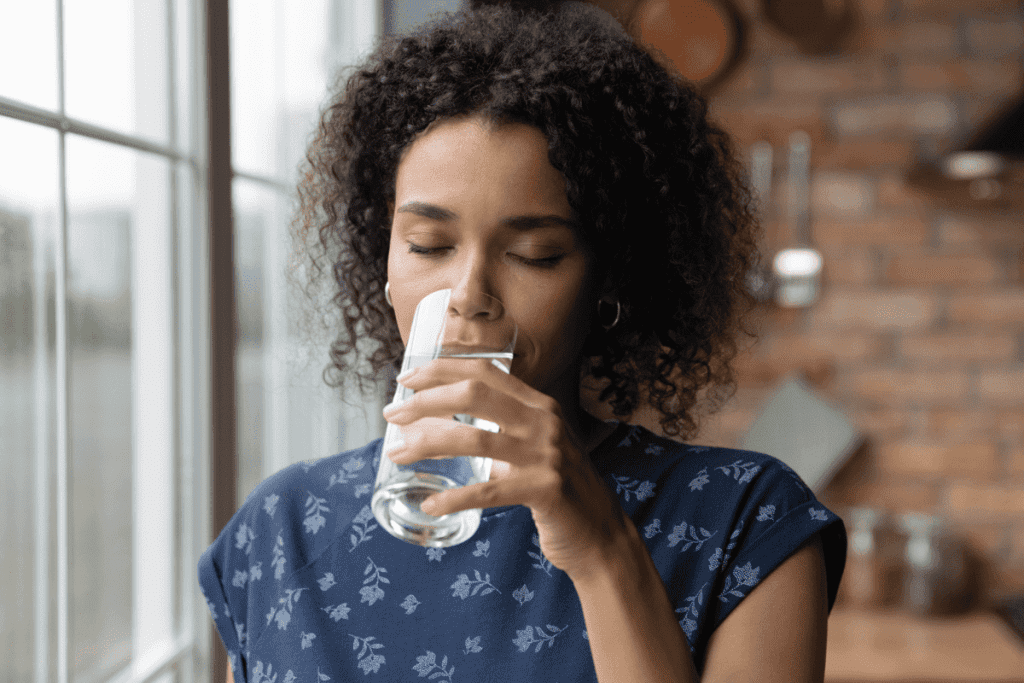
Water gets absorbed into your body quickly, and your kidneys work all the time to get rid of extra water. Studies show that water absorption reaches its peak about 20 minutes after you drink it. Any extra water is then quickly removed through urine.
Key Takeaways
- Drinking a liter of water can prompt urination in as little as 5-15 minutes.
- Water absorption peaks around 20 minutes after ingestion.
- The kidneys continually produce urine, eliminating excess liquids via urine.
- Hydration status, bladder fullness, and overall health influence urination time.
- Excess water leaves the body through urination, among other methods.
The Science Behind Urination After Drinking Water
Understanding the science of urination after drinking water helps explain why the time to pee after drinking water can vary from person to person. When you drink water, your body doesn’t simply “send it straight to the bladder.” Instead, it goes through a coordinated system involving digestion, blood circulation, hormones, the kidneys, and the bladder—each one influencing how quickly you feel the urge to urinate.
Below is a practical breakdown of what happens inside your body after you drink water and why that process leads to urination.
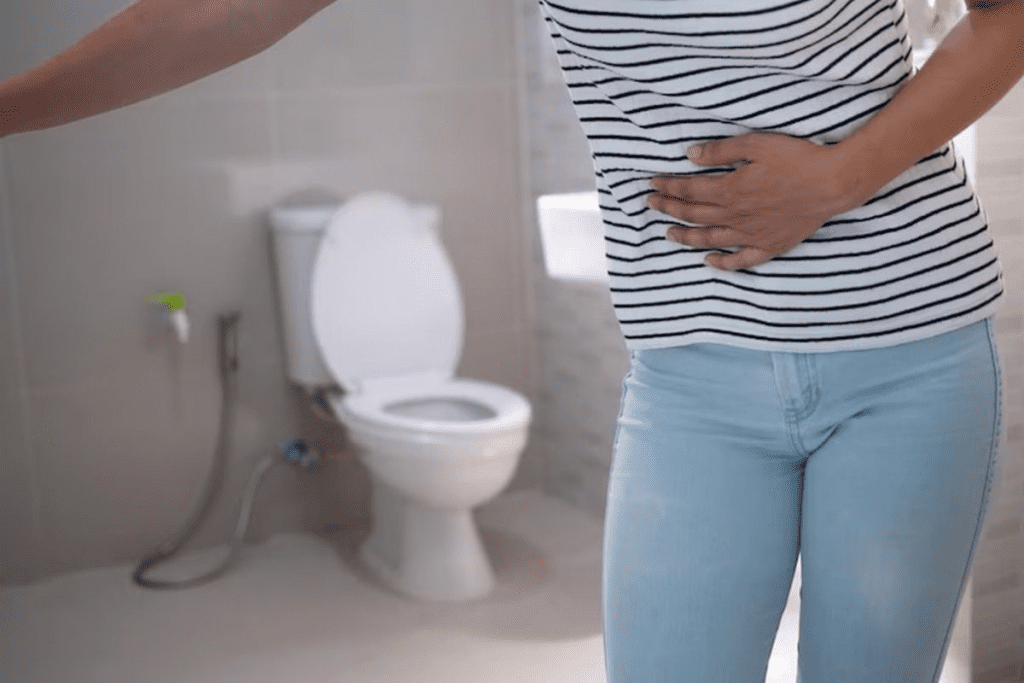
How Your Body Processes Fluids
Water is absorbed into the bloodstream right after we drink it. This starts 5 minutes after drinking and peaks 20 minutes later. The kidneys then filter this fluid, removing waste and excess.
The kidneys make urine through a detailed process. This includes filtration, reabsorption, and secretion. The amount of urine made depends on how much fluid we drink and our hydration level.
The 20% Rule: How Much Water Becomes Urine
About 20% of the water we drink turns into urine. So, if you drink a liter, about 200 milliliters will be urine. The rest is used by cells for bodily functions or lost through sweat.
Urination is essential for keeping our body’s fluid balance. Here are some important points:
- The kidneys filter waste and excess fluids from the blood.
- The amount of urine produced is influenced by hydration status and overall health.
- Drinking water triggers a physiological response that ultimately leads to urination.
How Long Does It Take to Pee After Drinking Water: Typical Timeframes
The time it takes to pee after drinking water varies a lot. It depends on how hydrated you are. When we drink water, our body works to get rid of the extra through pee. The time it takes can change if you’re well-hydrated or not.
For Well-Hydrated Individuals: 5-15 Minutes
If you’re well-hydrated, it might only take 5-15 minutes to pee after drinking water. This is because your body is already hydrated. Your kidneys can then quickly process the water. This means you can pee soon after drinking water.
For Dehydrated Individuals: Up to 9-10 Hours
But if you’re dehydrated, it can take much longer. It might take up to 9-10 hours for your body to pee. This is because your body tries to hold onto water to rehydrate itself. This slows down the pee-making process.
Knowing these times helps us understand how our bodies handle water. Whether you’re hydrated or not, knowing how you react to water can help you stay hydrated better.
5 Factors That Affect How Quickly You’ll Need to Urinate
Many things can change the time to pee after drinking water. Knowing these can help you manage your water and pee better.
- Current Hydration Status
Your body’s hydration level is key to the time to pee after drinking water. If you’re dehydrated, your body holds onto more water, making you wait longer to pee. - Bladder Fullness Before Drinking
How full your bladder is before drinking also matters. If it’s already a bit full, drinking more water can make you need to pee sooner, shortening the time to pee after drinking water. - Kidney Efficiency and Health
Your kidneys influence the time to pee after drinking water. Kidney function can be affected by your health, age, and other conditions. Efficient kidneys can shorten this time. - Drinking Water on an Empty vs. a Full Stomach
Drinking water on an empty stomach might be processed faster, making you pee sooner and reducing the time to pee after drinking water. Drinking after eating can slow things down as your body digests food.
Timing: Quick Time to Pee After Drinking Water — How Long Does It Take to Pee?
The time to pee after drinking water can feel surprisingly different from day to day. For most people, the body starts processing extra fluids fairly quickly, and it’s common to feel the urge to urinate within 20 to 60 minutes after drinking water. However, this timing varies based on hydration status, kidney function, bladder fullness, activity level, and even the type of drink you consumed.
Understanding what affects the time to pee after drinking water can help you interpret your hydration signals, avoid over- or under-drinking, and maintain healthy urinary habits.
What Affects the Time to Pee After Drinking Water?
Your body absorbs water through the digestive system, circulates it through the bloodstream, and then the kidneys filter excess fluid into urine. How fast that process happens depends on several factors:
1) Hydration level
- If you’re already well-hydrated, your body may eliminate excess water faster shortening the time to pee after drinking water.
- If you’re dehydrated, your body tends to conserve fluids, which can delay urination.
2) Bladder fullness
- A partially full bladder means you may need to pee sooner after drinking.
- If your bladder is relatively empty, the urge may take longer to build.
3) How much you drink and how quickly
- Drinking a large amount at once often triggers a faster urge to urinate.
- Sipping smaller amounts consistently through the day can create a steadier, more predictable pattern.
4) Exercise, heat, and sweating
If you’ve been sweating (workouts, hot weather, fever), more of the water you drink may be used to replace lost fluids—often extending the time to pee after drinking water.
5) Caffeine and alcohol
Caffeinated beverages and alcohol can increase urine production in some people, which may shorten the time it takes to feel the urge.
6) Diet and salt intake
High-sodium meals can lead the body to hold onto water temporarily, potentially delaying urination.
7) Age, health conditions, and medications
Kidney function, diabetes, pregnancy, prostate enlargement, overactive bladder, and certain medications (like diuretics) can significantly change how often—and how quickly—you need to urinate after drinking fluids.
Normal Urination Patterns (And What They Typically Mean)
A healthy urination pattern isn’t just about frequency—it’s also about volume, comfort, and consistency.
Healthy frequency: about 6–8 times in 24 hours
Most adults urinate 6 to 8 times per day, depending on fluid intake, climate, physical activity, and individual bladder capacity.
A commonly cited guideline: if you’re hydrated, you’ll usually pee several times per day without pain, urgency, or discomfort.
Average urine output: ~1.2–1.5 liters (40–50 oz) daily
A typical healthy adult produces around 1.2 to 1.5 liters of urine per day. Output changes with fluid intake, sweating, and diet.
If you drink about a liter of water, you may urinate much of it over the next few hours—though your body will keep what it needs first, which influences the time to pee after drinking water.
Practical Hydration Strategies for Healthy Urination
Good hydration isn’t just “drink more water.” It’s also when and how you drink it.
Space your water intake throughout the day
Instead of chugging large amounts, aim to drink steadily. Many people do well with roughly 8–10 cups (64–80 oz) daily, adjusted for body size, activity, and climate.
Steady intake supports more consistent energy, digestion, and a more regular time to pee after drinking water.
Pre-hydrate before activity
Drink water about 30 minutes before exercise or before spending time in heat. This can reduce dehydration and help prevent headaches, fatigue, and performance drops.
Adjust based on your body’s feedback
Clear-to-pale-yellow urine often suggests adequate hydration, while very dark urine may suggest you need more fluids. (Certain vitamins and foods can change urine color, so look at patterns over time.)
Manage water intake before bedtime
To reduce nighttime bathroom trips, try limiting large fluid intake 1–2 hours before sleep, especially if you’re prone to waking up to urinate.
How Long Is “Normal” After Drinking Water?
A realistic, practical range for the time to pee after drinking water is:
- 20–60 minutes for many people in everyday conditions
- Faster if your bladder is already somewhat full or you drink a large volume quickly
- Slower if you’re dehydrated, sweating heavily, or your body is conserving fluid
When to Seek Medical Advice
Occasional variation is normal, but consider speaking with a healthcare professional if you have:
- Burning or pain with urination
- Blood in urine
- Fever or flank/back pain
- Sudden, dramatic changes in frequency
- Persistent urgency, leakage, or trouble starting urination
- Signs of dehydration despite drinking (dizziness, very dark urine, extreme thirst)
Key Takeaway
The time to pee after drinking water depends mainly on hydration level, bladder fullness, kidney function, sweating, and what you drank. Building steady hydration habits spacing fluids, pre-hydrating for activity, and reducing late-night intake supports healthy urination patterns and more predictable timing.
Visit Liv Hospital.
FAQ
How long does it take for water to digest?
Water quickly gets into your bloodstream, usually in 5-15 minutes. It doesn’t need to be digested like food does.
How long does it take to digest water?
Water quickly gets into your bloodstream, often in just a few minutes. It doesn’t go through digestion.
How long after drinking water do you pee?
How long it takes to pee after drinking water varies. It’s usually 5-15 minutes for those who drink a lot. For those who don’t drink much, it can take up to 9-10 hours.
Why do I pee so much when I drink water?
Drinking water makes you pee more because your body gets rid of extra fluids. Your kidneys filter out waste and fluids, which become urine.
How to make someone pee instantly?
There’s no surefire way to make someone pee right away. But running water, a warm compress on the belly, or relaxation techniques might help.
Drinking a lot of water but not peeing much?
If you drink a lot of water but don’t pee often, it could mean you’re dehydrated or have kidney problems. It’s best to see a doctor.
How to pee quicker?
To pee faster, try relaxing, running water, or a warm compress on your belly. These can help you go quicker.
How much water do you pee a day?
On average, you pee about 40-50 ounces (1.2-1.5 liters) a day. But this can change based on how hydrated you are, how active you are, and your health.
How long do you pee after drinking water?
How long it takes to pee after drinking water can vary. It’s usually a few minutes to a few hours, depending on how hydrated you are and your health.