
Research shows a strong link between tinnitus and headaches. People with tinnitus often get headaches more often. Studies found that headaches are more common in those with tinnitus than in others. Head hurting? Tinnitus brain effects include pain. Best headache tips. Learn how constant noise triggers migraines and stress in you.
The neurological impact of tinnitus is complex. It affects the brain’s functioning in many ways. Tinnitus can also cause other sensations, like headaches. Head hurting? Tinnitus brain effects include pain. Best headache tips. Learn how constant noise triggers migraines and stress in you.
Key Takeaways
- Tinnitus and headaches are closely linked, with a higher prevalence of headaches in individuals with tinnitus.
- The neurological impact of tinnitus may contribute to the development of headache disorders.
- Understanding the relationship between tinnitus and headaches is key for effective management.
- More research is needed to understand this connection.
- Those with both tinnitus and headaches should see a healthcare professional for help.
The Connection Between Tinnitus and Headaches

Tinnitus and headaches often happen together, which is interesting. People with tinnitus often get headaches too. This shows a link between how our brain handles sound and pain.
Common Symptoms Occurring Together
Those with tinnitus often feel headaches too. Tension headaches and migraines are common in tinnitus patients. This might mean there’s a shared cause in the brain.
Statistical Evidence of Correlation
About half of tinnitus patients also have headaches. This shows a strong connection between the two. It could be due to how our brain handles sound and pain.
Patient Experiences and Case Studies
Case studies and patient reports give us a glimpse into their lives. Many say tinnitus makes their headaches worse, and vice versa. This shows how these conditions affect tinnitus and cognitive function together.
Understanding Tinnitus: More Than Just Ringing in the Ears
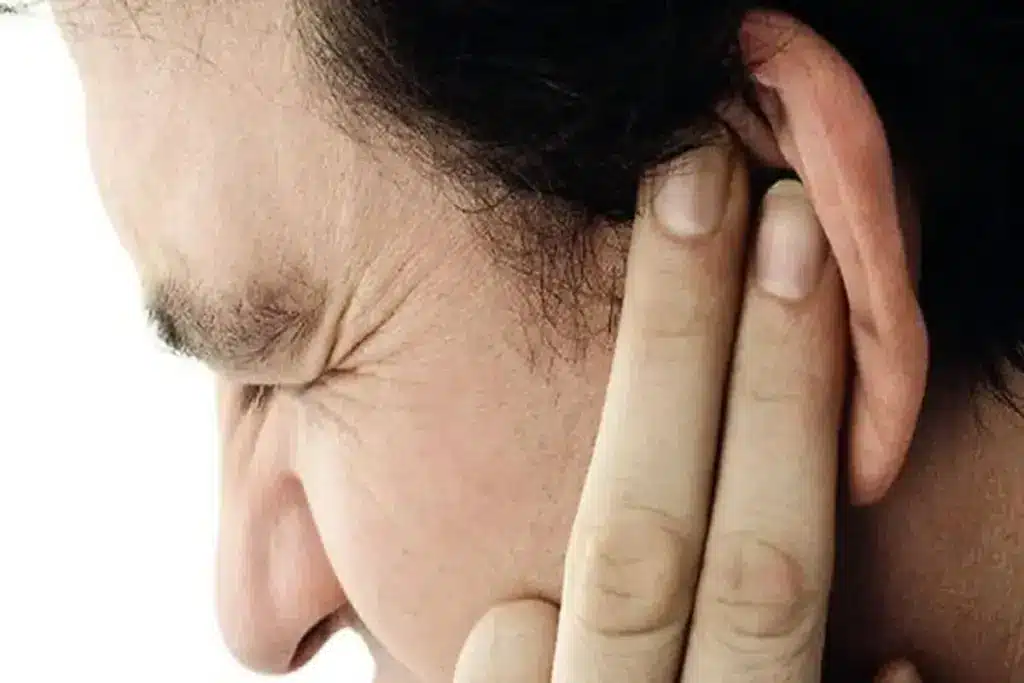
Tinnitus is more than just ringing in the ears. It affects millions worldwide, causing different sounds that can change daily life.
Types and Classifications
Tinnitus is divided into two main types: subjective and objective. Subjective tinnitus is common, where only the person with it can hear it. Objective tinnitus is rare and can be heard by others, often with special tools.
Prevalence and Demographics
Tinnitus affects different ages and groups in varying ways. Studies show about 1 in 5 people have tinnitus. It’s more common in older adults, with a big jump after 60.
|
Age Group |
Prevalence of Tinnitus |
|---|---|
|
20-30 years |
10% |
|
40-50 years |
15% |
|
60+ years |
25% |
Common Causes and Risk Factors
Tinnitus can come from loud noises, certain meds, and health issues. Noise-induced hearing loss and age-related hearing loss are big risks. Other causes include earwax, injuries, and conditions like Meniere’s disease.
Knowing about tinnitus helps in finding better ways to manage it. This improves life for those dealing with it.
Tinnitus Brain Effects: Neurological Mechanisms Explained
To grasp tinnitus, we must explore its brain roots and the wide effects it has. Studies have uncovered a complex mix of brain changes that lead to tinnitus.
How Tinnitus Alters Neural Pathways
Tinnitus changes the brain’s neural paths, affecting sound processing. People with tinnitus often have abnormal neural activity in the brain, including the auditory cortex. This can cause them to hear sounds that aren’t there.
The brain tries to make up for hearing loss by rewiring circuits. This makes tinnitus even harder to deal with. Knowing about these changes is key to finding treatments.
Auditory Cortex Changes and Adaptations
The auditory cortex, key for sound processing, changes a lot in tinnitus. Research shows it can become too active, making tinnitus worse. This happens when the brain tries to adapt to hearing loss or damage.
The brain’s ability to change also leads to a cycle where tinnitus gets worse. This shows we need specific treatments to break this cycle.
Limbic System Involvement in Tinnitus Perception
The limbic system, important for emotions and memory, also plays a part in tinnitus. Its connection with the auditory system can make tinnitus more distressing.
This shows how complex tinnitus is and why we need a full approach to manage it. By understanding the brain’s role, we can find better ways to treat it.
Mechanisms Linking Tinnitus to Headaches
To understand tinnitus and headaches, we must explore the brain’s workings. Research has found several ways these two conditions are connected.
Shared Neural Pathways
The brain’s sound and pain systems use the same paths. Studies indicate that this overlap might cause headaches in people with tinnitus. The brain’s effort to handle tinnitus can overload these paths, leading to headaches.
Stress and Tension Responses
Stress makes both tinnitus and headaches worse. Tinnitus can increase stress, causing muscle tension and headaches. This stress-tension cycle is a vicious loop, where tinnitus and stress feed each other.
Sensory Overload and Hypersensitivity
People with tinnitus often feel overwhelmed by their surroundings. This can make them more sensitive to sounds and lights, common headache triggers. Reducing this overload is key to managing both conditions.
Knowing how tinnitus and headaches are linked helps doctors find better treatments. This way, they can help patients with both issues.
Tinnitus and Cognitive Function: Beyond the Headache
Tinnitus does more than just affect the ears. It can also mess with your brain’s ability to focus, remember, and understand information. Knowing how tinnitus affects the brain is key to managing it better.
Impact on Attention and Concentration
Tinnitus can make it hard to focus and stay on task. The constant noise can be distracting. People with tinnitus often struggle more with tasks that need a lot of attention.
Memory Effects and Processing Speed
Tinnitus can slow down your brain’s memory and speed. It takes up brain power, making it harder to remember things. The stress from tinnitus can make these problems worse, creating a cycle of brain strain.
|
Cognitive Domain |
Effect of Tinnitus |
|---|---|
|
Attention |
Decreased focus and concentration |
|
Memory |
Impaired recall and memory formation |
|
Processing Speed |
Slower reaction times and information processing |
Executive Function Challenges
Tinnitus can also mess with your brain’s executive functions. This includes planning, making decisions, and switching between tasks. These skills are important for managing your life.
Decision-Making Difficulties
The stress from tinnitus can make it hard to make decisions. The constant distraction can affect your ability to choose wisely. This can impact your daily life, both at home and at work.
Task-Switching Problems
Switching between tasks can also be tough for people with tinnitus. The ongoing brain strain makes it hard to adjust to new situations. This can make everyday tasks more complicated.
Psychological Aspects: Tinnitus and Mental Health
Tinnitus is closely tied to mental health, including anxiety and depression. It’s not just about hearing sounds; it affects your mind deeply. People with tinnitus often feel frustrated, anxious, and depressed, which can really hurt their life quality.
Anxiety and Depression Connection
Tinnitus often goes hand in hand with anxiety and depression. The constant sound can make people stressed, which can make these conditions worse. Research shows that tinnitus can lead to more anxiety and depression, making it hard to manage both.
Anxiety can make people worry about tinnitus a lot. Depression can come from feeling stressed and helpless about it.
Sleep Disruption and Its Consequences
Many with tinnitus struggle to sleep because of the sounds they hear. This can make them tired, unfocused, and short-tempered. It makes managing tinnitus and mental health even harder.
- Good sleep habits are key for tinnitus sufferers.
- Cognitive behavioral therapy (CBT) helps with sleep problems in tinnitus patients.
Quality of Life Impact
Tinnitus can really change someone’s life, affecting daily tasks, social life, and mood. It can make people pull back from social activities, work less, and hurt relationships.
Managing tinnitus well means tackling both the sound and the emotional toll it takes.
Diagnosing the Tinnitus-Headache Relationship
Figuring out if tinnitus and headaches are linked is a detailed task. It needs a full medical check-up. This includes looking at the patient’s past health, their current symptoms, and sometimes, doing tests to find other reasons for their issues.
Medical Assessment Approaches
Getting a clear diagnosis of tinnitus and headaches is key. Doctors start by asking about the patient’s health history. They might also do physical checks and order tests like hearing exams or scans.
Differential Diagnosis Considerations
When trying to find out if tinnitus causes headaches, doctors have to think about other possible reasons. This includes things like migraines, tension headaches, or other health problems. By checking these out first, doctors can better see if tinnitus is really the cause.
The table below shows important points for differential diagnosis:
|
Condition |
Symptoms |
Diagnostic Approach |
|---|---|---|
|
Tinnitus-related headaches |
Headaches with tinnitus symptoms |
Comprehensive medical history, audiological assessment |
|
Migraines |
Severe, one-sided headaches, often with aura |
Medical history, symptom description |
|
Tension headaches |
Mild to moderate, band-like pressure around the head |
Symptom description, stress assessment |
When to Seek Medical Attention
If you have tinnitus and headaches, see a doctor if things get worse or change suddenly. Getting help early can make a big difference in managing these symptoms.
Treatment Strategies for Tinnitus-Related Headaches
Managing tinnitus-related headaches requires a detailed plan. This plan includes medical, cognitive, and lifestyle changes. By tackling tinnitus and headaches in many ways, people can find a lot of relief.
Medical Interventions
Medical treatments are key in handling tinnitus headaches. They might include medicines to ease headache pain or fix underlying tinnitus causes. Sometimes, antidepressants or anti-anxiety drugs are given to deal with tinnitus’s mental effects.
Cognitive Behavioral Approaches
Cognitive Behavioral Therapy (CBT) is a big help for tinnitus and headaches. It helps people see tinnitus differently, making it less of a problem in their lives. Cognitive restructuring and relaxation training are very helpful.
Lifestyle Modifications
Changing your lifestyle is vital for tinnitus and headache management. It means avoiding things that make tinnitus worse, like certain foods or stress.
Dietary Considerations
Eating a diet full of antioxidants and omega-3 fatty acids is good for your brain. It might also help with tinnitus symptoms.
Exercise and Stress Management
Doing regular exercise and stress management, like yoga or meditation, can help. It can lessen tinnitus stress and headache problems.
Emerging Therapies and Research
New research on tinnitus and brain health is finding new treatments. New therapies, like neuromodulation techniques and sound therapy, show promise. As we learn more about tinnitus brain effects and tinnitus cognitive decline, more treatment options will be available.
Conclusion: Managing the Dual Burden of Tinnitus and Headaches
Dealing with tinnitus and headaches together needs a full plan. It’s key to understand how tinnitus affects the brain. This knowledge helps in finding good treatments.
Tinnitus can really change how you feel and live. It affects your mind and can lead to anxiety and depression. This is why it’s important to look at tinnitus’s impact on mental health.
A good treatment plan should include medicine, therapy, and changes in lifestyle. These steps help with both tinnitus and headaches. By tackling these issues together, people can feel better and live a happier life.
FAQ
What is tinnitus and how does it affect the brain?
Tinnitus is when you hear sounds in your ears when there’s no real noise. It can change how your brain works. This includes altering neural pathways and affecting the auditory cortex and limbic system. It can lead to changes in how you think and feel.
Can tinnitus cause headaches?
The link between tinnitus and headaches is complex. But research shows tinnitus might make headaches worse. This is because they share neural pathways and can cause stress and sensory overload.
How common is tinnitus and what are its demographics?
Tinnitus is quite common, affecting millions globally. It’s more common with age and in people with hearing loss or certain health issues. It also affects those exposed to loud noises.
What are the cognitive effects of tinnitus?
Tinnitus can affect your brain’s functions. This includes attention, memory, and processing speed. It can also make it hard to manage daily tasks due to executive function challenges.
How is tinnitus diagnosed and what are the treatment options?
Doctors use hearing tests and check for underlying health issues to diagnose tinnitus. Treatment includes medical options, cognitive behavioral therapy, and lifestyle changes. New treatments like sound therapy and brain stimulation are also being explored.
Can tinnitus be linked to mental health conditions like anxiety and depression?
Yes, tinnitus often goes hand-in-hand with anxiety and depression. The discomfort from tinnitus can make these conditions worse. This shows the importance of treating both conditions together.
What lifestyle changes can help alleviate tinnitus symptoms?
Changes like managing stress, using relaxation techniques, and avoiding loud noises can help. A healthy lifestyle, including exercise and a balanced diet, also helps overall well-being.
Are there any emerging therapies for tinnitus and headaches?
Yes, new therapies like sound therapy, brain stimulation, and cognitive training are being researched. These aim to offer better treatment options for those with tinnitus and headaches.
References
Nature. Evidence-Based Medical Insight. Retrieved from https://www.nature.com/articles/s41598-020-65395-1