

Actor William Shatner, famous for playing Captain Kirk in Star Trek, talked about his tinnitus in a 2012 NPR interview. He said he had been dealing with it for about 15 years. Celebrity cure? Tinnitus prognosis varies. Best cure insights. Shatner used TRT habituation. Learn how you can retrain your brain too.
Shatner described his tinnitus as an empty TV channel sound, a constant “hiss-static.” His story has made people curious about tinnitus treatment and how well it works.
This article will look into Shatner’s tinnitus journey. We’ll also explore the different treatments available. We’ll discuss their prognosis for helping people with tinnitus.
Key Takeaways
- William Shatner shared his tinnitus experience in a 2012 NPR interview.
- Shatner’s tinnitus sounded like constant “hiss-static.”
- Understanding tinnitus treatment options is key for those affected.
- The article will explore various tinnitus treatments and their success.
- Shatner’s story offers a personal look at living with tinnitus.
William Shatner’s Battle with Tinnitus
When William Shatner was diagnosed with tinnitus, he didn’t know how it would change his life. The test used to find his tinnitus was called an audiometer test. It showed him the exact sound he was hearing.
The Star Trek Actor’s Initial Diagnosis
Shatner said the audiometer test was a key moment for him. When the test matched the sound of his tinnitus, he cried. This showed how serious his condition was.
The Impact on His Career and Daily Life
The diagnosis changed Shatner’s life and career. As an actor, he had to deal with the ringing in his ears all the time. He also felt a connection to veterans who suffer from tinnitus, seeing similarities in their struggles.
|
Aspect |
Impact |
|---|---|
|
Career |
Affected acting performances due to constant tinnitus |
|
Daily Life |
Increased stress and emotional distress |
|
Personal Connection |
Empathy for veterans suffering from similar conditions |
Shatner’s battle with tinnitus shows the tough challenges people face with this condition. His story emphasizes the need to understand and tackle tinnitus.
Understanding Tinnitus: Causes and Symptoms
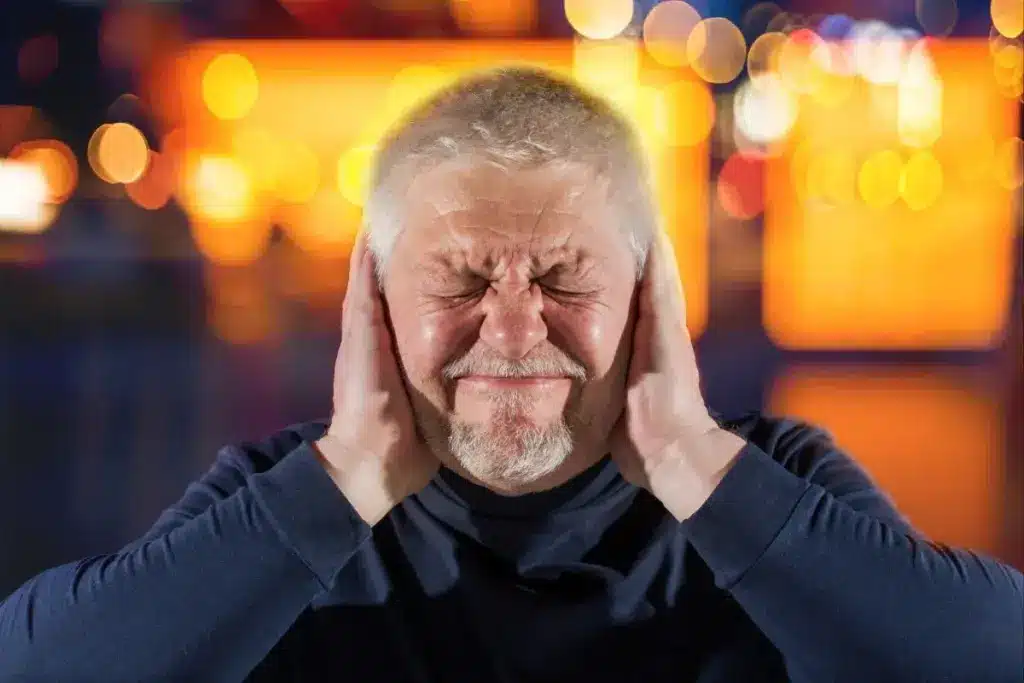
About 50 million American adults deal with tinnitus. It’s a constant ringing, buzzing, or whooshing sound that only they can hear. This can last a short time or be a long-term problem, affecting their life quality a lot.
What Exactly is Tinnitus?
Tinnitus is when you hear sounds in your ears but there’s no real noise. It’s not a disease but a sign of something else. It can happen from loud noises, some medicines, or hearing loss.
Common Causes of Tinnitus
Tinnitus can come from many things, like loud sounds, age-related hearing loss, or earwax buildup. Knowing what causes it is key to managing it better. Sometimes, it’s a side effect of medicines or a sign of another health issue.
Recognizing the Symptoms

The main sign of tinnitus is hearing sounds when there’s no real noise. You might hear ringing, buzzing, or hissing. How much it bothers you can vary a lot. Some people find it mildly annoying, while others find it very disruptive.
Tinnitus Prognosis: What Patients Can Expect
Tinnitus prognosis varies a lot among people. It depends on many factors. Knowing the possible outcomes is key.
Short-term vs. Long-term Tinnitus Outcomes
For some, tinnitus is short-term and goes away with little treatment. But for others, like William Shatner, it’s a long-term issue. Long-term tinnitus outcomes depend on the cause and treatment.
- Short-term tinnitus might come from loud noises.
- Long-term tinnitus can be from permanent ear damage.
- Good management can greatly improve life quality.
Factors Affecting Tinnitus Progression
Many things can change how tinnitus progresses. These include the cause, health, and loud noises. Identifying and addressing these factors is key to managing tinnitus well.
- The cause of tinnitus, like hearing loss or earwax.
- Loud noises can make tinnitus worse.
- Health issues, like high blood pressure or anxiety, also play a role.
The Psychological Impact of Chronic Tinnitus
Chronic tinnitus can deeply affect the mind. It can lead to anxiety, depression, and stress. It’s vital for patients to get help from healthcare professionals.
Understanding tinnitus prognosis and its factors helps patients manage it better. This can improve their life quality.
The Tinnitus Diagnosis Process
Diagnosing tinnitus involves many steps. Doctors use different tests to find out why it happens. It’s not just about finding the symptom. It’s about finding the cause, which could be hearing loss or other health issues.
Medical Evaluations and Tests
Doctors start by checking your hearing. Audiologists use tests like pure-tone audiometry and speech audiometry to see how much hearing loss you have. Sometimes, they might need to do more tests, like movement tests or scans like CT or MRI.
Shatner’s Diagnostic Journey
William Shatner had a long journey to figure out his tinnitus. He went through many tests to find out why he had it. “It was a long and sometimes frustrating process”, he said. But, it helped him understand his condition better and find ways to manage it.
Shatner’s story shows that finding out why you have tinnitus can be tough. But, it’s a key step to feeling better. Doctors can then create a treatment plan that fits your needs.
Shatner’s Tinnitus Journey: From Despair to Management
William Shatner’s story with tinnitus shows our ability to adapt and overcome. His journey is about more than just coping. It’s about finding tinnitus relief strategies that work.
The Breaking Point: When Tinnitus Became Unbearable
Shatner faced a big challenge with his tinnitus. The constant ringing was not just annoying; it was debilitating. He said there were times when the sound was so loud, it affected his daily life and work.
Seeking Professional Help
Shatner knew he needed professional help. He talked to specialists who helped him understand his condition. They showed him ways to cope with tinnitus, starting his journey to manage it.
His Turning Point in Finding Relief
Shatner found a turning point when he learned to live with the sound. He compared it to living near an airport, where the brain gets used to the noise. Though it’s tough at times, Shatner has learned to manage his tinnitus. He uses:
- Sound therapy
- Cognitive behavioral therapy
- Lifestyle adjustments
By sharing his story, Shatner offers hope and practical tips to others facing similar challenges.
Conventional Medical Treatments for Tinnitus
Managing tinnitus often involves exploring conventional medical treatments. These treatments aim to alleviate symptoms and improve the quality of life for those affected.
Several approaches are available, including medication, sound therapy, and the use of hearing aids and masking devices. Each of these methods has its benefits and is suited to different types of tinnitus and patient needs.
Medication Options
While there are no medications approved just for tinnitus, some drugs can help manage related symptoms. Antidepressants and anti-anxiety medications are sometimes prescribed to alleviate the emotional distress associated with tinnitus.
Sound Therapy Approaches
Sound therapy is a common and effective treatment for tinnitus. It involves exposure to specific sounds to help the brain become less aware of the tinnitus. Sound therapy can include white noise, nature sounds, or customized soundscapes. William Shatner, for instance, found relief through masking, a form of sound therapy that uses environmental sounds to distract from the tinnitus.
Hearing Aids and Masking Devices
Hearing aids can be very helpful for individuals with tinnitus who also experience hearing loss. By amplifying external sounds, hearing aids can help mask the tinnitus. Also, masking devices that produce constant, soothing sounds can be worn to help manage tinnitus symptoms throughout the day.
In conclusion, conventional medical treatments for tinnitus offer a range of options for managing this condition. By understanding the available treatments, individuals can work with healthcare professionals to find the most effective approach for their specific needs.
The Treatment Approach That Helped William Shatner
Tinnitus Retraining Therapy (TRT) was key in Shatner’s treatment. It helps the brain get used to tinnitus sounds, making them less annoying over time.
Tinnitus Retraining Therapy (TRT) Explained
TRT works by helping the brain get used to tinnitus sounds. It combines counseling and sound therapy to help patients cope. The goal is to lessen tinnitus’s impact on daily life, not to get rid of it.
First, a detailed assessment is done to understand the patient’s tinnitus. Then, a treatment plan is made. This might include sound therapy devices to mask the tinnitus sounds.
How Shatner Implemented TRT in His Life
Shatner’s exact treatment plan is not shared, but he worked with health experts. He likely had regular counseling and used sound therapy devices.
His dedication to the treatment was key. By following TRT daily, he managed his tinnitus better.
The Results of His Treatment Plan
Shatner’s treatment plan worked well for him. Though details are scarce, TRT was a big part of his relief journey.
|
Treatment Component |
Description |
Benefit |
|---|---|---|
|
Counseling |
Understanding and managing tinnitus |
Reduces psychological impact |
|
Sound Therapy |
Using sound to mask tinnitus |
Decreases tinnitus perception |
|
Personalized Treatment Plan |
Tailored approach based on individual needs |
Enhances treatment effectiveness |
By using TRT, Shatner actively managed his tinnitus. This improved his life quality.
Alternative and Complementary Approaches to Tinnitus Relief
There are ways to help with tinnitus beyond just medicine. Research shows that a mix of methods might work best. This way, people can find relief from tinnitus symptoms.
Acupuncture and Traditional Medicine
Acupuncture is a traditional Chinese method that some find helps with tinnitus. It’s thought to balance the body’s energy, or ‘qi,’ which might ease tinnitus. Even though more studies are needed, it’s seen as safe when done by a trained expert.
Dietary Changes and Supplements
Changing what you eat and taking supplements are also options. Some research points to zinc, magnesium, and vitamin B12 helping with tinnitus. Eating foods high in these nutrients or taking supplements can help. Also, cutting down on salt, caffeine, and alcohol might ease symptoms for some.
Mindfulness and Meditation Techniques
Mindfulness and meditation might also help with tinnitus. They help people stay in the moment, reducing stress and anxiety that can make tinnitus worse. Practices like meditation, yoga, and deep breathing can make tinnitus less bothersome. Always talk to a doctor before starting any new practice.
Exploring these alternative methods can offer more relief and improve life for those with tinnitus.
Effective Tinnitus Management Strategies
Managing tinnitus means understanding it, adopting good daily habits, and using technology. These steps help lessen the impact of tinnitus. Together, they can greatly reduce the distress it causes.
Daily Habits for Reducing Tinnitus Impact
Creating daily habits that help you relax and reduce stress is key. Yoga, meditation, and deep breathing can ease symptoms. Keeping a regular sleep schedule and a quiet sleep space also helps.
Running a fan, using a white noise machine, or ambient music can distract from tinnitus. This improves sleep quality.
Technology and Tools for Coping with Tinnitus
There are many technologies and tools for tinnitus management. Sound therapy apps, wearable sound devices, and hearing aids with sound masking are examples. These tools can make tinnitus sounds less bothersome by masking them.
Preventing Tinnitus from Worsening
To stop tinnitus from getting worse, protect your hearing and avoid loud noises. Wear ear protection in loud places, keep music volume low, and manage stress. A healthy lifestyle, including a balanced diet and exercise, also helps.
|
Strategy |
Description |
Benefit |
|---|---|---|
|
Sound Therapy |
Using sound to mask tinnitus |
Reduces perception of tinnitus |
|
Relaxation Techniques |
Activities like yoga, meditation |
Decreases stress, improves sleep |
|
Hearing Protection |
Avoiding loud noises, using ear protection |
Prevents tinnitus worsening |
Conclusion: Lessons from Shatner’s Tinnitus Experience
William Shatner’s journey with tinnitus is a beacon of hope for many. His story shows the importance of seeking treatment and trying different ways to manage tinnitus. This can greatly improve one’s prognosis.
Shatner’s choice to talk openly about his tinnitus was key. It helped raise awareness and encouraged others to seek help. He said, “If one person is listening to this can be helped by [me] saying, don’t despair. I promise you, eventually you won’t hear it; it won’t go away, but you won’t hear it.”
Managing tinnitus well involves medical treatments, lifestyle changes, and alternative therapies. By understanding these options and creating a personalized treatment plan, people can manage their tinnitus. This approach has helped Shatner and can help others too.
FAQ
What is tinnitus, and what are its common causes?
Tinnitus is when you hear sounds in your ears without anything being there. It can be caused by loud noises, some medicines, hearing loss, or earwax buildup.
How is tinnitus diagnosed, and what tests are involved?
Doctors check for tinnitus with a hearing test and ear exam. They might also use MRI or CT scans to find other problems.
What are the treatment options for managing tinnitus?
Ways to manage tinnitus include sound therapy, hearing aids, and masking devices. Medication, Tinnitus Retraining Therapy (TRT), acupuncture, and mindfulness are also options.
Can tinnitus be cured, or is it a chronic condition?
There’s no sure cure for tinnitus, but many people find relief. They use treatments and strategies to lessen its effects on their lives.
How did William Shatner manage his tinnitus?
William Shatner got help for his tinnitus. He might have tried Tinnitus Retraining Therapy (TRT) and other methods to find relief.
What lifestyle changes can help alleviate tinnitus symptoms?
To help tinnitus, manage stress, avoid loud noises, and use sound machines or apps. These daily habits can make symptoms better.
Are there any alternative therapies that can help with tinnitus relief?
Yes, some people try acupuncture, dietary changes, supplements, and mindfulness for tinnitus relief. Results vary, though.
How does tinnitus affect mental health, and what is the psychological impact?
Tinnitus can really affect your mind, causing stress, anxiety, and depression. It’s important to treat both the physical and emotional sides.
What is the prognosis for tinnitus patients, and can they expect improvement?
Improvement chances vary. Some see better days, while others face chronic tinnitus. Treatment success and cause play big roles.
Can hearing aids help with tinnitus, and how do they work?
Hearing aids can help by making hearing better and lessening tinnitus. Some have special features for tinnitus management.
References
National Center for Biotechnology Information. Evidence-Based Medical Insight. Retrieved from https://pubmed.ncbi.nlm.nih.gov/16389079/



 Departments
 Related Videos
 Our Doctors
 News
News