
We are seeing a big change in treating mitral regurgitation with Transcatheter Mitral Valve Replacement (TMVR). This new method is less invasive than traditional surgery. It’s a good choice for people with complex heart problems.
Recent studies show TMVR has success rates from 95.2% to 96.3%. Most patients have mild or less mitral regurgitation 30 days after the procedure. This shows TMVR is very effective in treating heart conditions.
As we keep improving in heart valve surgery, TMVR’s success is expected to grow. This brings new hope to those needing heart care.
Key Takeaways
- TMVR offers a less invasive alternative to traditional open-heart surgery.
- Technical success rates for TMVR range from 95.2% to 96.3%.
- Mild or less residual mitral regurgitation is achieved in 99% of patients at 30 days post-procedure.
- TMVR is revolutionizing the treatment of mitral regurgitation.
- Clinical outcomes associated with TMVR are expected to improve with advancements in heart valve surgery.
Understanding Transcatheter Mitral Valve Replacement (TMVR)

Mitral valve disease treatment has seen a big leap with TMVR procedures. TMVR is a new way to treat mitral valve disease. It’s less invasive than traditional open-heart surgery.
Definition and Purpose of TMVR
TMVR, or Transcatheter Mitral Valve Replacement, is a new medical procedure. It treats mitral valve disease without open-heart surgery. This approach uses a catheter to put in a new mitral valve, helping the heart work better.
TMVR aims to help those with severe mitral regurgitation. This is when the mitral valve doesn’t close right, causing poor blood flow. It’s a big help for those with this problem.
TMVR uses a catheter, which means less risk of complications. This includes less chance of infection, bleeding, and a quicker recovery. It’s great for patients at high risk for surgery.
How TMVR Differs from Traditional Surgery
TMVR is different from traditional surgery because it’s less invasive. It’s done through a small incision, usually in the chest or groin. This method causes less harm and lets patients recover faster.
TMVR has many benefits over traditional surgery. It’s safer, less painful, and patients don’t stay in the hospital as long. It’s also a good option for those who can’t have traditional surgery.
As TMVR gets better, so do the chances for better patient outcomes. TMVR is a big step forward in treating mitral valve disease. It gives hope to those with few treatment options.
The Clinical Need for TMVR Procedures
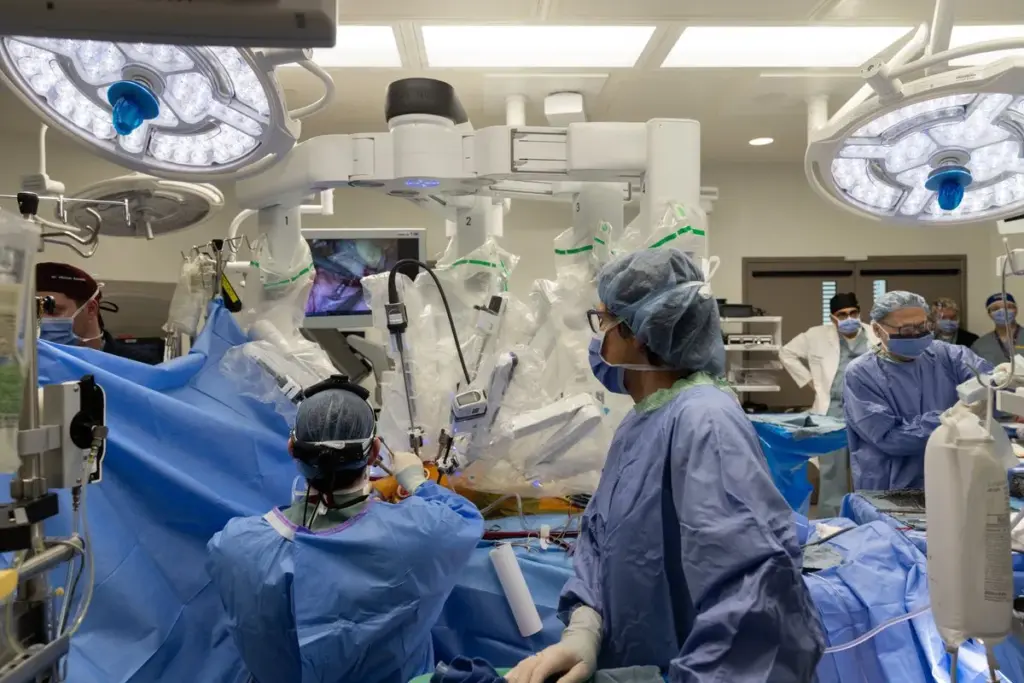
The need for TMVR procedures is growing as more people age. Mitral regurgitation happens when the mitral valve doesn’t close right. This lets blood flow back and can lead to heart failure.
This condition greatly affects people’s lives and can be deadly. It’s a big reason for illness and death in older adults.
Mitral Regurgitation: A Growing Health Concern
More than 10% of people over 75 have mitral regurgitation. This makes it a big problem for health and life. As more people get older, this problem will get worse.
A study shows TMVR can help. It shows TMVR is a good way to treat this growing health issue.
Mitral regurgitation really affects people’s lives. They might feel short of breath, tired, and swollen. These symptoms make it hard to do everyday things.
It also raises the risk of heart failure and death. TMVR can help by making symptoms better, improving life quality, and maybe even saving lives.
Key considerations for TMVR include:
- Patient selection based on clinical and anatomical characteristics
- The expertise of the heart team in performing TMVR procedures
- Ongoing monitoring and management of possible complications
By using TMVR, we can help people with mitral regurgitation. This improves their heart health and overall well-being.
Technical Success Rates of TMVR

TMVR is a promising treatment for mitral regurgitation. Its technical success rates show how well it works. Knowing these rates helps us see if TMVR is a good choice for patients.
Defining Technical Success in TMVR
Technical success in TMVR means the valve is placed right and works well. There should be few complications and no big problems with the valve after the procedure. This includes the valve being the right size and not leaking too much.
Current Success Rate Statistics
Research shows TMVR works well, with a success rate of 95.2% to 96.3%. These numbers show TMVR is a strong option for treating heart valve disease.
Let’s look at how different hospitals are doing with TMVR.
Leading Clinical Centers’ Outcomes
Top hospitals are getting great results with TMVR thanks to new tech and skills. Here’s a look at their success rates.
|
Clinical Center |
Number of Procedures |
Technical Success Rate |
|---|---|---|
|
Center A |
150 |
95.5% |
|
Center B |
200 |
96.0% |
|
Center C |
120 |
95.8% |
Clinical Outcomes After TMVR Procedures
Recent studies show TMVR is effective in reducing mitral regurgitation. It has promising short-term and long-term results. We need to look at both immediate and lasting effects of TMVR on patients.
Short-term Outcomes (30-day Results)
The short-term results of TMVR are encouraging. Most patients see a big drop in mitral regurgitation. At 30 days after TMVR, 99% of patients had mild or less residual mitral regurgitation.
Residual Mitral Regurgitation Rates
How much mitral regurgitation remains after TMVR is key. Studies show less regurgitation means better outcomes. Recent data shows most patients feel a lot better after TMVR.
Long-term Durability (Up to Two Years)
The long-term success of TMVR is important. A study in the EuroIntervention journal found TMVR’s benefits last up to two years. This shows TMVR can offer lasting relief for patients with mitral regurgitation.
|
Timeframe |
Residual Mitral Regurgitation Rate |
Clinical Outcome |
|---|---|---|
|
30 Days |
1% (moderate or severe) |
Significant improvement |
|
1 Year |
2% (moderate or severe) |
Durable reduction in MR |
|
2 Years |
3% (moderate or severe) |
Sustained clinical benefit |
In conclusion, TMVR has very good outcomes, both short-term and long-term. It significantly reduces mitral regurgitation. As we learn more about TMVR, it’s clear it’s a valuable option for patients with mitral regurgitation.
TMVR vs. Transcatheter Mitral Valve Repair (TEER)
It’s important to know the differences between TMVR and TEER for treating mitral valve disease. Each procedure has its own benefits. The choice depends on the patient’s condition and the type of mitral valve disease they have.
Comparing Procedural Success Rates
Looking at TMVR and TEER, success rates are a key factor. TMVR has shown higher success rates, ranging from 95.2% to 96.3%. This makes it a strong option for many patients.
TEER’s 88.9% Success Rate in Large Registries
TEER, on the other hand, has a success rate of 88.9% in big studies. It’s a very effective treatment for the right patients, even if it’s not as high as TMVR’s.
Choosing between TMVR and TEER depends on several things. These include:
- Patient anatomy
- Comorbidities
- Specific characteristics of the mitral valve disease
Patient Selection Considerations
Choosing the right patient for TMVR or TEER is key. Careful evaluation of the patient’s condition and mitral valve disease is needed. This helps pick the best treatment.
Complications and Risk Assessment in TMVR
TMVR is a promising treatment for mitral regurgitation. But, it’s important to know the possible complications.
Common Complications
TMVR, like other heart procedures, has risks. These include acute kidney injury, bleeding, and stroke. Knowing these risks helps choose the right patients and manage their care.
Acute Kidney Injury, Bleeding, and Stroke Rates
The chance of these problems varies. It depends on the patient and the procedure. Studies show these complications are common and need careful thought.
|
Complication |
Rate (%) |
Factors Influencing Rate |
|---|---|---|
|
Acute Kidney Injury |
5-10 |
Pre-existing kidney disease, procedural complexity |
|
Bleeding |
3-8 |
Anticoagulation therapy, vascular access site |
|
Stroke |
2-5 |
Atrial fibrillation, prior stroke history |
Mortality Rates
The 30-day death rates for TMVR are 2.7% to 9.2%. This shows big differences based on patient risks.
Impact of Age and Comorbidities
Older age and health problems raise the risk of death after TMVR. Choosing the right patients and assessing their risks is key to better results.
Understanding these risks helps doctors manage patient hopes and improve results. This is done through careful checks before and after the procedure.
Patient Selection for Optimal TMVR Outcomes
Picking the right patients is key to TMVR’s success. This procedure is changing how we treat mitral regurgitation. It’s important to choose wisely to get the most benefits and avoid risks.
Ideal Candidates for TMVR
The best candidates for TMVR are those who can’t have traditional surgery. They might have serious health issues or unique body shapes that make surgery too risky.
- Those with severe mitral regurgitation who can’t get better with medicine.
- People who are too old or frail for surgery, or have too many health problems.
- Patients with mitral valves that are too hard to fix with traditional surgery because of severe calcification.
Patients Unsuitable for Conventional Surgery
TMVR is a hope for those who can’t have traditional surgery. These patients often have complex health histories and need a team effort to care for them.
Key considerations include:
- Significant health problems that make surgery too risky.
- Previous heart surgeries or procedures that make traditional surgery hard.
- Body shapes or functions that make TMVR a better choice.
Contraindications and High-Risk Factors
TMVR is not for everyone. There are certain health issues and risks to think about. These include:
- Severe artery disease that makes it hard to access blood vessels.
- Active infections like endocarditis that could harm the procedure.
- Big problems with the left ventricle that might affect TMVR’s success.
It’s very important to carefully check each patient. This helps find who will most likely benefit from TMVR and avoid problems.
How Leading Hospital Networks Are Advancing TMVR Success
Hospital networks are key in improving TMVR success. They use a team approach and new care methods. This leads to better results for patients getting TMVR treatments.
Multidisciplinary Heart Team Approach
A team of experts is vital for TMVR success. This team includes cardiologists, surgeons, and imaging specialists. They work together to plan the best treatment for each patient.
This team effort brings many benefits:
- Comprehensive patient evaluation
- Improved procedural planning
- Enhanced post-procedure care
Implementation of Academic Protocols
Top hospital networks also use the latest research in TMVR. They follow new guidelines to give patients the best care. This ensures patients get care that is backed by science.
Case Study: Innovative Care Pathways
One example of new care paths is shorter hospital stays and faster recovery. A leading hospital network created a plan for better care. It included education before the procedure and follow-up after.
The results were impressive:
|
Outcome Measure |
Pre-implementation |
Post-implementation |
|---|---|---|
|
Average Hospital Stay |
5 days |
3 days |
|
Patient Recovery Time |
30 days |
21 days |
|
30-Day Readmission Rate |
10% |
5% |
Ethical Standards in TMVR Practice
Keeping ethics high is essential in TMVR. This means getting patient consent and treating everyone fairly. Top hospitals focus on these values to ensure the best care.
By using a team approach, following new research, and creating better care paths, hospitals are making TMVR better. These steps not only help patients but also improve the quality of care overall.
Conclusion: The Future of TMVR and Patient Outcomes
Transcatheter Mitral Valve Replacement (TMVR) is a promising treatment for mitral regurgitation. It has high success rates and brings significant benefits to patients. As we move forward in cardiovascular treatment, TMVR will become even more important for better patient results.
The outlook for TMVR is very positive. We expect new advancements in devices, techniques, and care plans. These will make TMVR safer and more effective. With more research, TMVR will become a top choice for treating heart problems.
To make the most of TMVR, we need to keep investing in research and innovation. This will help us use TMVR to its fullest. By doing this, we can greatly improve the lives of patients everywhere, giving them the best heart care possible.
FAQ
What is Transcatheter Mitral Valve Replacement (TMVR)?
TMVR is a new way to replace the mitral valve without open-heart surgery. It uses a catheter to do the job, making it safer and quicker to recover.
What are the benefits of TMVR compared to traditional mitral valve surgery?
TMVR is less invasive, which means fewer risks and a shorter recovery time. It’s a good choice for those who can’t have traditional surgery.
What is mitral regurgitation, and how does TMVR address it?
Mitral regurgitation happens when the mitral valve doesn’t close right. This lets blood flow back and can lead to heart failure. TMVR fixes this by putting in a new valve, greatly reducing the problem.
What are the technical success rates of TMVR?
TMVR is very effective, with success rates between 95.2% and 96.3%. This shows it works well for many patients.
How does TMVR compare to Transcatheter Mitral Valve Repair (TEER) in terms of success rates?
TEER has a success rate of 88.9% in big studies. But TMVR has even higher rates, making it a good choice for some patients.
What are the possible complications and risks of TMVR?
TMVR can lead to problems like kidney injury, bleeding, and stroke. The risk of death within 30 days is between 2.7% and 9.2%. Older patients and those with health issues face higher risks.
Who are the ideal candidates for TMVR?
TMVR is best for patients who can’t have traditional surgery. This includes those with serious health problems or specific body types that make surgery risky.
How do leading hospital networks advance the success of TMVR?
Top hospital networks improve TMVR by using a team approach and the latest medical knowledge. They also create new care paths to ensure the best care for patients.
What is the future of TMVR, and how will it impact patient outcomes?
TMVR’s future looks bright, with new technology and techniques on the horizon. These advancements will likely make the procedure even safer and more effective for patients.
References
National Center for Biotechnology Information. Evidence-Based Medical Insight. Retrieved from https://pmc.ncbi.nlm.nih.gov/articles/PMC8135015/