
Ulnar collateral ligament injuries are common in athletes, like pitchers. Tommy John surgery has changed how we treat these injuries. It helps athletes get back to their sports stronger and more stable.
We look into the history and importance of this surgery in sports medicine. We see how it affects athletes’ careers and the progress it has made in the field.
Key Takeaways
- The ulnar collateral ligament is key for elbow stability, mainly in athletes.
- Tommy John surgery fixes this ligament, letting athletes recover and keep playing.
- This surgery has a long history and has grown over time.
- Knowing about the procedure and its benefits helps athletes choose the right treatment.
- The effects of Tommy John surgery go beyond individual athletes, shaping sports medicine.
The History of Tommy John Surgery
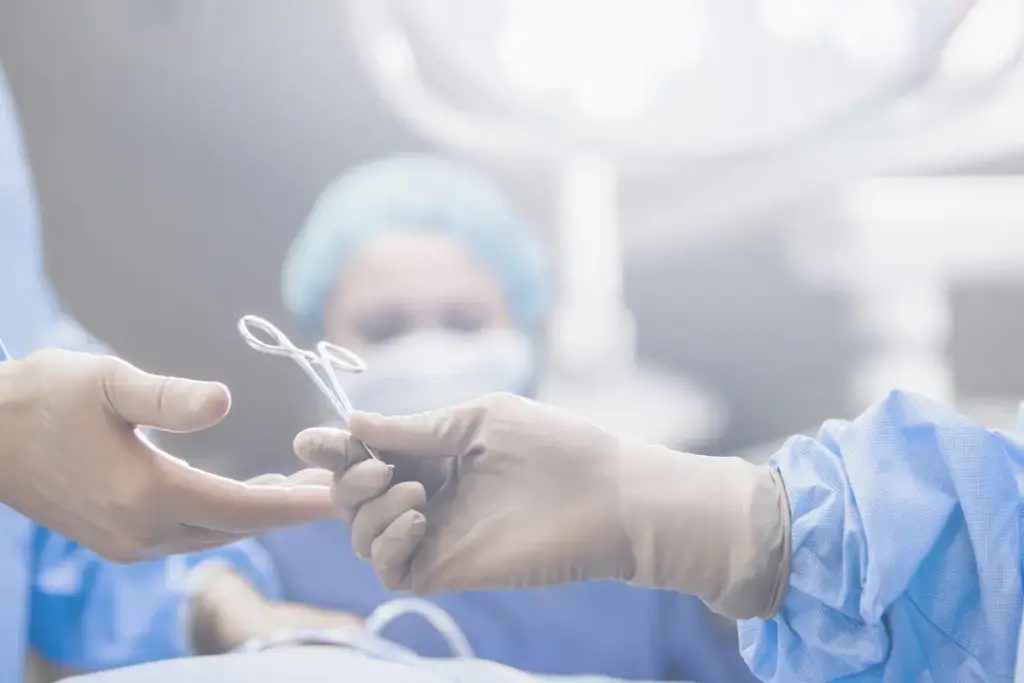
In 1974, a groundbreaking surgery was done on baseball pitcher Tommy John. This surgery, now called Tommy John surgery, started a new chapter in sports medicine. We will dive into its history in this section.
Who Was Tommy John?
Tommy John was a Major League Baseball pitcher. He played for teams like the Chicago White Sox, Los Angeles Dodgers, and New York Yankees. His career hit a snag when he hurt his ulnar collateral ligament (UCL), a key ligament for pitchers.
Dr. Frank Jobe’s Revolutionary Procedure
Dr. Frank Jobe, an orthopedic surgeon, did the first Tommy John surgery on Tommy John in 1974. He replaced the damaged UCL with a healthy tendon from John’s body. This innovative surgery let John pitch again professionally.
Evolution of the Surgery Over Time
Tommy John surgery has changed a lot over the years. New medical tech and understanding of the UCL have made it more successful. Now, the surgery is more precise, with better grafting and bracing methods.
|
Year |
Advancements in Tommy John Surgery |
|---|---|
|
1974 |
First Tommy John surgery performed by Dr. Frank Jobe |
|
1990s |
Improved surgical techniques and rehabilitation protocols |
|
2000s |
Advancements in grafting methods and internal bracing |
Understanding the Ulnar Collateral Ligament (UCL)
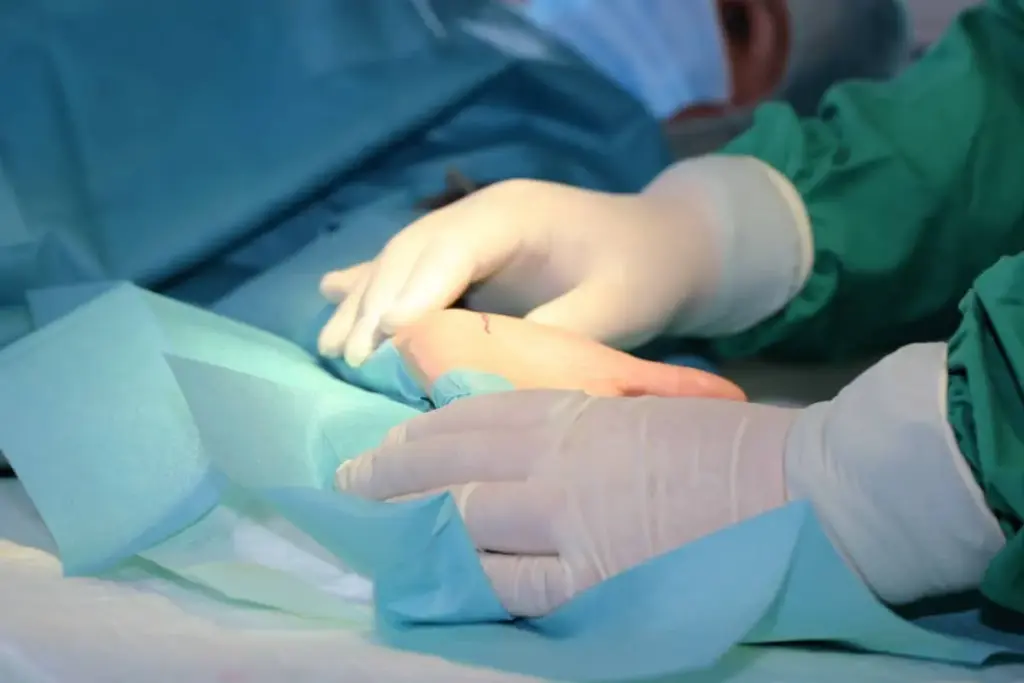
The ulnar collateral ligament (UCL) is key to the elbow’s stability and function. It’s very important for athletes in throwing sports. The UCL helps keep the elbow stable from the inside.
Anatomy of the Elbow
The elbow is a hinge joint that links the humerus to the radius and ulna. The UCL has three parts: the anterior, posterior, and transverse bundles. The anterior bundle is the most important, keeping the elbow stable against inward stress.
Function of the UCL
The UCL keeps the elbow stable, mainly during throwing or overhead movements. It fights against inward stress, common in sports like baseball. It works with other ligaments and muscles to ensure the elbow moves right and stays stable.
“The UCL is vital for athletes in throwing sports, as it provides the needed stability to perform at high levels.” – Dr. James Andrews, renowned orthopedic surgeon.
Why the UCL is Crucial for Pitchers
Pitchers need a strong UCL because throwing puts a lot of stress on the elbow. The UCL faces a lot of tension, making it more likely to get hurt. A UCL tear can be very serious and might end a pitcher’s career if not treated right.
|
Key Functions of the UCL |
Importance for Pitchers |
|---|---|
|
Provides medial stability |
Essential for withstanding valgus stress during pitching |
|
Resists valgus stress |
Critical for maintaining elbow integrity during throwing motions |
|
Works with other ligaments and muscles |
Ensures proper elbow movement and stability, reducing injury risk |
Knowing how the UCL works helps us understand the challenges pitchers face. It also shows why Tommy John surgery is so important for UCL injuries.
What Causes Tommy Johns Injury
It’s key to know what causes Tommy John injuries to prevent and treat them well. The ulnar collateral ligament is vital in the elbow, mainly for athletes in throwing sports.
Overuse and Repetitive Stress
Overuse and repetitive stress are big reasons for Tommy John injuries. Pitchers who throw a lot, at high speeds, face a higher risk of UCL tears. This is because the ligament gets strained over and over.
Improper Pitching Mechanics
Improper pitching mechanics also play a big part in UCL injuries. Techniques like dropping the elbow or using a sidearm motion add extra stress to the elbow. This can make injuries more likely.
Some common risk factors include:
- Throwing with excessive force or speed
- Poor pitching technique
- Insufficient rest and recovery between pitching sessions
Risk Factors for UCL Tears
Several factors can make athletes more likely to get UCL tears, including:
- Age and Developmental Factors: Young athletes, whose bones and muscles are growing, are more at risk.
- Previous Elbow Injuries: Athletes who’ve had elbow injuries before are more likely to get UCL tears.
- Pitch Count and Workload: High pitch counts and intense training without enough rest can cause overuse injuries.
Knowing these causes and risk factors helps athletes, coaches, and medical teams prevent Tommy John injuries. They can work together to lower the number of these injuries.
Recognizing Tommy Johns Symptoms
It’s key for athletes to spot the signs of a Tommy John injury early. This helps them get the right medical care fast. The symptoms show how bad the injury is and what steps to take to get better.
Pain and Discomfort Patterns
Pain in the elbow, mainly on the inner side, is a common sign. This pain can feel sharp or dull and gets worse with throwing. Medial elbow pain is a warning sign that shouldn’t be ignored.
Decreased Performance and Velocity
Athletes with a Tommy John injury might throw less hard or perform worse. This could be because of the pain or how their body reacts to the injury. Loss of velocity is a big sign of a problem.
When to Seek Medical Attention
If symptoms don’t go away or get worse, see a doctor right away. Getting help early can make a big difference. If you’re feeling elbow pain, throwing less hard, or have other concerns, talk to a doctor. Prompt evaluation is important for figuring out the best treatment.
Diagnosing a UCL Tear
To diagnose a UCL tear, we use a mix of physical checks and advanced imaging. We’ll look at how we find this injury in athletes, like pitchers.
Physical Examination Techniques
First, we do a detailed physical check. Our team uses the valgus stress test to check the UCL. This test applies a force to the elbow while it’s bent, looking for pain or instability.
The milking maneuver is also key. It helps find UCL injuries by making the patient’s pain worse.
Imaging Studies (MRI, Ultrasound)
Imaging is key to confirm a UCL tear. MRI is great at showing the UCL and finding tears. It also spots other elbow problems.
Ultrasound is another good tool. It lets us see the UCL moving in real time.
Differential Diagnosis
We must tell apart a UCL tear from other issues like medial epicondylitis or ulnar nerve problems. A detailed check helps find the right problem to fix.
By mixing physical checks with imaging, we can spot UCL tears well. Then, we make a treatment plan that fits the patient’s needs.
The Tommy Johns Surgery Procedure
Tommy John surgery has changed how we treat UCL injuries. It’s a detailed process that needs skill and care. This surgery is mainly for athletes, like baseball pitchers, with UCL tears. Knowing each step is key to success.
Preoperative Preparation
Before surgery, patients get a full check-up. This includes looking at their medical history, doing a physical exam, and using MRI or CT scans. We also check their overall health and any risks.
Getting ready for surgery is very important. It helps make sure the surgery goes well. This includes:
- Detailed patient history and physical examination
- Imaging studies to assess UCL damage
- Evaluation of overall patient health
- Discussion of surgical risks and benefits
Step-by-Step Surgical Technique
The Tommy John surgery has several important steps:
- Anesthesia and Incision: The surgery is done under general anesthesia. The surgeon makes an incision to reach the damaged UCL.
- Identification of UCL Damage: The surgeon finds out how bad the UCL tear is.
- Graft Harvesting: A graft is taken from another part of the body, like the forearm or leg.
- Grafting the New Ligament: The graft is used to replace the damaged UCL. It’s secured with sutures or other methods.
- Closure: The incision is closed, and the elbow is immobilized to start healing.
Advancements in Surgical Methods
Tommy John surgery has gotten better over time. New techniques and technology have made it more effective and faster. Some recent improvements include:
|
Advancement |
Description |
Benefit |
|---|---|---|
|
InternalBrace Technique |
A method that involves using an internal brace to support the graft |
Enhanced stability and potentially faster recovery |
|
Minimally Invasive Surgery |
Smaller incisions and less tissue damage |
Reduced scarring and quicker recovery |
|
Biological Augmentation |
Use of platelet-rich plasma (PRP) or stem cells to enhance healing |
Potential for improved graft integration and healing |
These new steps show how we’re always trying to make Tommy John surgery better. It helps athletes get back to their sports faster and with better results.
Tommy Johns Recovery Timeline
Knowing the recovery timeline for Tommy John surgery is key for athletes. It helps them plan their rehab well. The journey includes several important stages, from right after surgery to getting back to throwing.
Immediate Post-Operative Phase
The first part of recovery is all about managing pain and swelling. Patients are told to rest their arm and take meds to control pain and swelling. This stage is vital for a good recovery.
Early Rehabilitation (Months 1-3)
In the early rehab phase, patients start doing exercises to get their elbow moving and strong again. Physical therapy is key here, helping to avoid stiffness and aid healing. Athletes start doing more active movements to get ready for the next rehab stage.
Advanced Rehabilitation (Months 4-9)
As the elbow heals more, the focus is on stronger exercises and training for real-life activities. This stage is important for building up the athlete’s endurance and getting them ready for their sport. The rehab team watches progress closely and makes changes as needed for the best recovery.
Return to Throwing Program (Months 9-12+)
The last part of recovery is getting back to throwing. Athletes slowly start pitching again. This stage needs careful watching to avoid injury and make sure the athlete is ready to compete. The program is made just for the athlete, based on their progress and sport needs.
By following the Tommy Johns recovery timeline, athletes can have a better chance of a successful recovery. They can come back to their sport stronger and more ready than ever.
The Complete Tommy Johns Rehabilitation Process
The Tommy John surgery rehab is a detailed plan to get athletes back in action. It’s all about fixing the elbow and making sure athletes can play again without worry. This careful approach helps athletes recover fully and stay injury-free.
Rehabilitation Exercises
Rehab exercises are key to fixing the elbow. They make the muscles stronger, improve flexibility, and boost arm function. Important exercises include:
- Wrist curls and extensions
- Forearm pronation and supination
- Elbow flexion and extension exercises
Physical Therapy Protocols
Physical therapy is a big part of the rehab. It’s customized for each athlete, based on their recovery stage. At first, it’s about easing pain and swelling. Later, it’s about getting stronger and more functional.
|
Phase |
Goals |
Interventions |
|---|---|---|
|
Immediate Post-Op |
Reduce pain and inflammation |
Ice, compression, elevation |
|
Early Rehabilitation |
Improve range of motion |
Gentle exercises, manual therapy |
|
Advanced Rehabilitation |
Strengthen muscles, improve function |
Resistance exercises, plyometrics |
Progress Monitoring
Keeping track of progress is very important. Regular checks help spot any areas needing extra work. This ensures athletes are on the right path to meet their rehab goals.
Understanding the full rehab process helps athletes and doctors work together. Together, they can help athletes come back stronger and more ready for their sport than ever.
Success Rates of Tommy Johns Surgery
Knowing how well Tommy John surgery works is key for athletes and coaches. This surgery has changed how we treat UCL injuries. It’s been studied a lot to see how well it works for pro athletes.
Statistical Outcomes for Professional Athletes
Research shows Tommy John surgery works well for pro baseball pitchers. A study in a American Journal found an 80-90% success rate. This means most pitchers can get back to their old level after surgery.
Here’s a table showing the success rates:
|
Study |
Success Rate |
Return to Play Rate |
|---|---|---|
|
Study A |
85% |
80% |
|
Study B |
88% |
85% |
|
Study C |
82% |
78% |
Factors Affecting Success
Many things can affect how well Tommy John surgery works. The injury’s severity, any other injuries, the surgery method, and post-op rehab are important. Good rehab is key to getting back strong and moving well.
Performance Metrics Before and After Surgery
Studies look at how surgery changes a pitcher’s performance. They check things like ERA, WHIP, and fastball speed. Some say pitchers might not be as good after surgery, but others find they can stay or even get better.
Looking at these factors and metrics helps us understand Tommy John surgery’s success. It’s important for pro athletes to know this.
Famous Athletes Who Underwent Tommy Johns Surgery
Professional baseball has seen many talented pitchers face Tommy John surgery. This surgery is key for many MLB pitchers. It helps them keep playing after ulnar collateral ligament injuries.
Major League Baseball Pitchers
Stephen Strasburg, Jon Lester, and Max Scherzer are famous MLB pitchers who had Tommy John surgery. They show great resilience and dedication. They work hard to get back to their top form.
Justin Verlander and Gerrit Cole also had the surgery. Their successful recoveries show it’s possible to come back strong. They prove that with hard work, you can overcome surgery and perform well again.
Notable Comeback Stories
Noah Syndergaard and Chris Sale are inspiring comeback stories. They made amazing recoveries and returned to their teams. Their success shows the power of surgery and hard work.
These stories are a testament to medical progress and athlete dedication. They prove that with the right care, athletes can regain their strength and continue their careers.
Multiple Tommy John Recipients
Some athletes have had Tommy John surgery more than once. A.J. Burnett and Tim Hudson are examples. They show the ongoing risks and challenges pitchers face.
Their stories highlight the need for better care and innovation. Despite facing surgery multiple times, many athletes have successfully continued their careers. This shows the resilience of athletes and the importance of ongoing care.
Alternatives to Tommy Johns Surgery
New ways to treat UCL injuries are emerging, aside from Tommy John surgery. Not every patient needs or wants surgery for UCL injuries.
Conservative Treatment Options
Conservative treatments aim to heal without surgery. They include physical therapy, pain meds, and rest. Physical therapy is key in strengthening elbow muscles and improving joint stability.
Dr. James Andrews says, “Conservative management works for some patients, like those with partial UCL tears or not top athletes.” It’s a way to skip surgery and its long recovery.
Platelet-Rich Plasma (PRP) Therapy
PRP therapy is a new hope for UCL injuries. It uses the patient’s own blood to inject growth factors into the injury. These factors help heal and repair tissues.
- PRP therapy is minimally invasive
- It can be done on an outpatient basis
- Some studies show it works for partial UCL tears
Stem Cell Treatments
Stem cell treatments are another innovative method for UCL injuries. They use stem cells to heal damaged areas. Stem cells can turn into different tissue types.
Though some see it as experimental, stem cell therapy is being studied for its healing abilities.
When Non-Surgical Approaches May Be Appropriate
Non-surgical methods might work for milder UCL injuries or those not fit for surgery. Choosing non-surgical treatment depends on the injury’s severity, the patient’s health, and their activity level. A healthcare professional should guide this decision.
Exploring these alternatives helps patients make better choices about their treatment.
Preventing Tommy Johns Injury
To prevent Tommy John injuries, we need to focus on several key areas. These include proper pitching mechanics, managing workload, and strengthening programs. By working on these, athletes and coaches can lower the risk of UCL injuries.
Proper Pitching Mechanics
Using the right pitching mechanics is vital to avoid elbow stress. Pitching with proper form can greatly reduce injury risk. It’s important to keep a consistent motion, avoid twisting, and have a smooth follow-through.
Workload Management
Managing workload is key to avoiding overuse injuries. It’s important to keep an eye on pitch counts and rest times between pitches. Coaches and trainers should create a plan that balances practice needs with injury prevention.
Strengthening and Conditioning Programs
Strengthening exercises can make the elbow joint more resilient. These exercises target the forearm, shoulder, and core muscles. A strong shoulder helps reduce elbow stress during pitching.
Tommy John Prevention Exercises
There are specific exercises that can prevent Tommy John injuries. These include wrist extensions, flexor pronator strengthening, and elbow flexor stretching. Adding these to your training routine can help prevent UCL injuries.
|
Exercise |
Description |
Benefits |
|---|---|---|
|
Wrist Extensions |
Hold a light weight with your palm facing down and lift your wrist |
Strengthens forearm muscles |
|
Flexor Pronator Strengthening |
Use a light weight or resistance band to strengthen the flexor muscles |
Improves elbow stability |
|
Elbow Flexor Stretching |
Gently stretch the front of your elbow with your arm extended |
Enhances flexibility and reduces strain |
“Prevention is key when it comes to Tommy John injuries. By focusing on proper mechanics, workload management, and conditioning, we can significantly reduce the risk of these debilitating injuries.”
Dr. James Andrews, renowned orthopedic surgeon
Conclusion: The Future of Tommy Johns Treatment
Tommy John surgery is key for many athletes, mainly baseball pitchers. The surgery’s advancements have greatly improved results. This lets athletes return to their sports with more strength and skill.
The future of treating Tommy John injuries looks bright. Ongoing research aims to make surgery and recovery better. We’ll see even better results thanks to new medical tech and a better understanding of the body.
Healthcare experts are working hard to keep up with these advances. They aim to give athletes the best care after Tommy John surgery. This helps athletes recover fully and perform at their best. We’re dedicated to providing top-notch healthcare and support to patients from around the world.
FAQ
What is Tommy John surgery?
Tommy John surgery is a procedure that repairs a torn ulnar collateral ligament (UCL) in the elbow, most commonly in throwing athletes.
Who was the first person to undergo Tommy John surgery?
Tommy John, a Major League Baseball pitcher, was the first to have the surgery in 1974, performed by Dr. Frank Jobe.
What are the common symptoms of a UCL tear?
Common symptoms include inner elbow pain, decreased throwing performance, instability, and loss of velocity.
How is a UCL tear diagnosed?
A UCL tear is diagnosed through physical examination and imaging tests such as MRI or ultrasound.
What is the typical recovery time for Tommy John surgery?
Recovery usually takes 12–18 months, depending on the injury and adherence to rehabilitation.
What are the success rates of Tommy John surgery?
About 80–90% of athletes successfully return to their previous level of play after surgery.
Are there any alternatives to Tommy John surgery?
Non-surgical options include rest, physical therapy, medications, PRP therapy, and stem cell treatments.
How can Tommy John injuries be prevented?
Prevention includes proper throwing mechanics, workload management, and targeted strengthening exercises.
Can athletes undergo multiple Tommy John surgeries?
Yes, some athletes undergo multiple surgeries, depending on injury severity and overall health.
National Center for Biotechnology Information. Evidence-Based Medical Insight. Retrieved from https://pubmed.ncbi.nlm.nih.gov/20858908/



 Departments
 Related Videos
 Our Doctors
 News
News