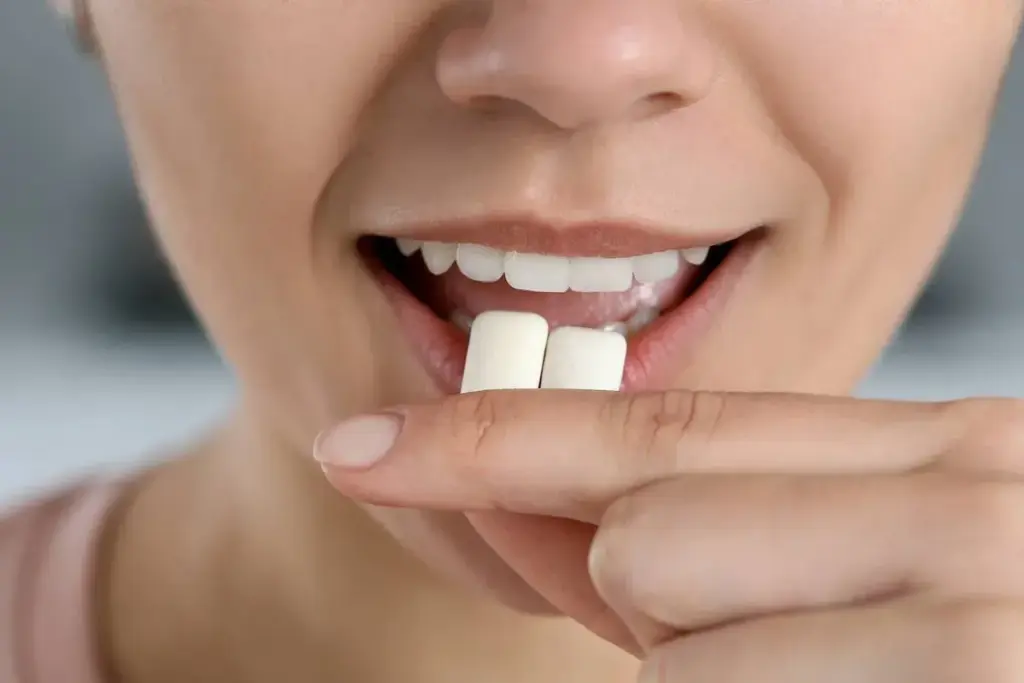
Most treatments for sleep apnea involve devices or surgery. But, new studies show chewing gum might help with breathing problems.
In 2022, a case study showed a child with ROHHAD syndrome had better breathing while chewing gum. This makes us wonder if chewing gum and tongue exercises could help with sleep apnea therapy.
We will look into the latest research on tongue exercises for sleep apnea. Could this simple habit change the game for those with sleep-disordered breathing?
Key Takeaways
- Chewing gum may offer benefits for certain types of sleep-disordered breathing.
- A 2022 case study found reduced central pauses and oxygen desaturations in a child with ROHHAD syndrome while chewing gum.
- The link between chewing gum, tongue exercises, and sleep apnea therapy is being explored.
- Tongue exercises may have a role in sleep apnea treatment.
- More research is needed to confirm chewing gum’s effectiveness for sleep apnea.
Understanding Sleep Apnea: Types, Symptoms, and Health Impacts
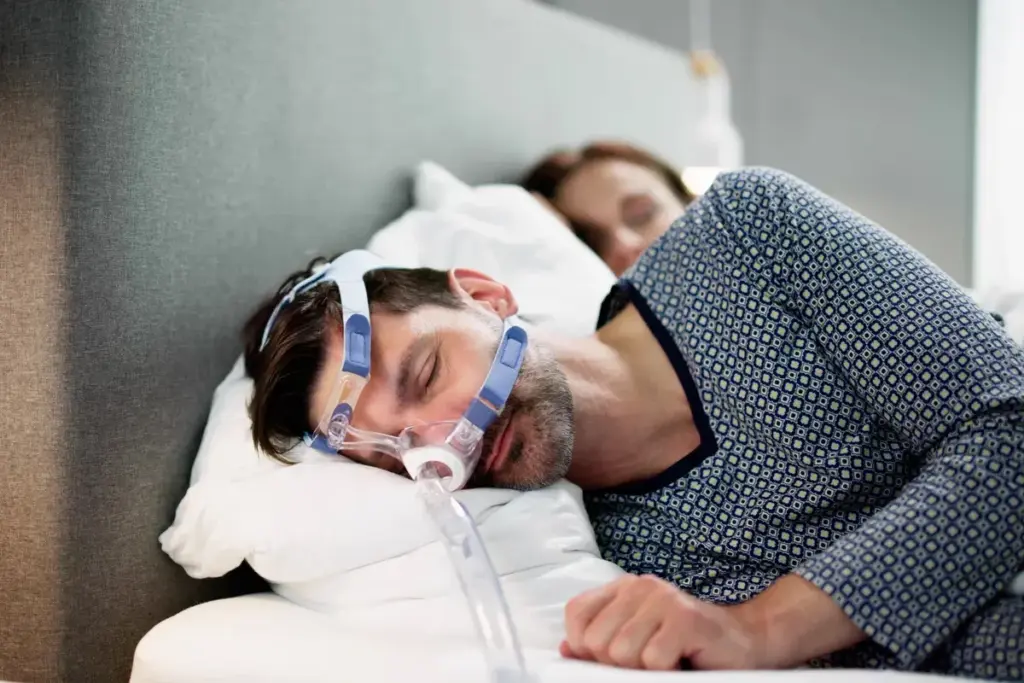
Sleep apnea is a sleep disorder that affects millions. It comes in different forms and can be very serious if not treated. Knowing about its types, symptoms, and health effects is key.
Different Types of Sleep Apnea
Sleep apnea has several types, each with its own traits. The most common is Obstructive Sleep Apnea (OSA). It happens when the airway gets blocked, usually by throat tissues. Studies show OSA is common, even among first responders due to their work and stress.
Other types include Central Sleep Apnea and Complex Sleep Apnea Syndrome. Knowing these types helps doctors diagnose and treat it better.
|
Type of Sleep Apnea |
Description |
Common Causes |
|---|---|---|
|
Obstructive Sleep Apnea (OSA) |
Airway is physically blocked |
Soft tissue obstruction, obesity |
|
Central Sleep Apnea |
Brain fails to send breathing signals |
Neurological disorders, high altitude |
|
Complex Sleep Apnea Syndrome |
Combination of OSA and central sleep apnea |
Multiple factors, including obesity and neurological conditions |
Common Symptoms and Warning Signs
Spotting sleep apnea means knowing its signs. These include daytime sleepiness, snoring, and morning headaches. Other signs are waking up with a dry mouth or sore throat and trouble sleeping or insomnia. These can really affect your daily life.
Long-term Health Consequences of Untreated Sleep Apnea

Untreated sleep apnea can cause serious health problems. These include cardiovascular disease and cognitive impairment. The breathing stops and starts during sleep, which can harm the heart and brain. It can lead to high blood pressure, heart attacks, and strokes.
It also affects your brain, making it hard to focus, remember things, and make decisions. Getting medical help early is very important to avoid these problems.
The Science Behind Sleep Apnea: Airway Mechanics and Breathing Patterns
Sleep apnea is a complex issue involving airway mechanics and breathing patterns. Our bodies change a lot during sleep, affecting how we breathe. Knowing these changes helps us understand sleep apnea better.
How Normal Breathing Works During Sleep
Normal sleep breathing is a complex process. It involves many physiological changes. The oropharyngeal muscles are key to keeping the airway open. “These muscles are vital for airway patency,” studies say.
Our brain controls these muscles to ensure smooth airflow while we sleep. The genioglossus muscle is important for tongue protrusion and airway maintenance. The tensor veli palatini also helps keep the upper airway open. Together, these muscles and the brain’s centers ensure uninterrupted breathing.
What Happens During an Apnea Episode
An apnea episode disrupts normal breathing. In obstructive sleep apnea (OSA), the airway collapses or gets blocked. This usually happens when oropharyngeal muscles relax and can’t keep the airway open.
As a result, airflow drops or stops, causing apnea episodes. These can happen many times at night. They disrupt sleep quality and cause health problems. Studies show that breathing mechanics during these episodes involve airway anatomy, muscle tone, and neural control.
Understanding these mechanisms is key to finding treatments. Myofunctional therapy is one approach. It aims to strengthen oropharyngeal muscles. This can help reduce sleep apnea episodes.
Conventional Sleep Apnea Treatments and Their Limitations
There are many treatments for sleep apnea, each with its own pros and cons. It’s important for doctors and patients to know about these treatments and their limits.
CPAP Therapy: The Current Standard
CPAP therapy is the top choice for treating obstructive sleep apnea (OSA). It uses a mask to push air into the nose and sometimes the mouth. This keeps the airway open while you sleep.
But CPAP therapy has its downsides. Some people find the mask too tight or uncomfortable. Others don’t like the size and noise of the machine. This makes it hard for them to use it every night.
Oral Appliances for Sleep Apnea
Oral appliances are another option for sleep apnea. These custom-made devices move the lower jaw forward. They’re good for people with mild to moderate OSA or those who can’t use CPAP.
How well oral appliances work can vary. They’re best for certain types of sleep apnea. You’ll need to see a dentist or sleep specialist regularly to make sure the device fits right.
Surgical Options for Sleep Apnea
Surgery is an option for those with severe sleep apnea who haven’t tried other treatments. Procedures like uvulopalatopharyngoplasty (UPPP) remove tissue from the throat. More complex surgeries might move the jaw.
Surgery can be effective but it’s risky. It’s usually a last choice. Before deciding on surgery, talk it over with a sleep specialist and a surgeon.
Challenges with Traditional Treatments
One big problem with traditional treatments is getting patients to stick with them. CPAP therapy is often hard to use because of its size, noise, and discomfort.
Looking at these treatments side by side shows their good points and bad:
|
Treatment |
Effectiveness |
Compliance Issues |
Cost |
|---|---|---|---|
|
CPAP Therapy |
High |
High |
Moderate to High |
|
Oral Appliances |
Moderate |
Moderate |
Moderate |
|
Surgical Interventions |
Varies |
Low (post-surgery) |
High |
It’s key to find treatments that work well but are also easy for patients to use. This means finding a balance between effectiveness and comfort.
The Emerging Interest in Myofunctional Therapy for Sleep Apnea
Myofunctional therapy is a new way to treat sleep apnea. It involves exercises for the oropharyngeal muscles. This method aims to strengthen the upper airway muscles, helping to lessen sleep apnea episodes.
What is Myofunctional Therapy?
Myofunctional therapy includes exercises to boost the strength and function of oropharyngeal muscles. These muscles are key to keeping the airway open during sleep. By making these muscles stronger, therapy hopes to cut down on sleep apnea blockages.
“The oropharyngeal muscles are critical in maintaining the patency of the upper airway,” notes a study on the mechanics of sleep apnea.
“Strengthening these muscles through targeted exercises could potentially reduce the severity of sleep apnea.”
Historical Development of Oropharyngeal Exercises
Oropharyngeal exercises for sleep disorders have been around for a while. For decades, people have used orofacial exercises to improve oral health. But using them for sleep apnea is a newer idea.
In the late 20th century, researchers started looking into oropharyngeal exercises for sleep apnea. The field has grown a lot, with more studies on myofunctional therapy.
Growing Research Interest in Non-Device Interventions
There’s a growing interest in non-device treatments for sleep apnea. This is because traditional treatments like CPAP have their limits. Myofunctional therapy is seen as a promising alternative.
Research on myofunctional therapy is booming. As more studies come out, myofunctional therapy could become a recognized treatment for sleep apnea.
The future of sleep apnea treatment may lie in a combination of traditional therapies and innovative approaches like myofunctional therapy. As we keep looking for new ways to tackle this complex condition, oropharyngeal exercises will likely play a bigger role.
Chewing Gum and Sleep Apnea: Examining the Connection
Studies are now looking into how chewing gum affects muscles in the face and jaw. This could impact sleep apnea. Chewing gum is more than just a habit; it affects our body in complex ways.
Physiological Effects of Chewing on Orofacial Muscles
Chewing gum works the muscles of the tongue, lips, and jaw. This can make these muscles stronger over time. This is important for sleep apnea because these muscles help keep the airway open.
The muscles in the face are key to keeping the airway open. If they don’t work right, it can lead to sleep apnea. Chewing gum might help strengthen these muscles, making breathing easier during sleep.
Potential Mechanisms of Action for Sleep-Disordered Breathing
Chewing gum could help with sleep apnea in several ways. First, it makes the muscles work harder, which is good for keeping the airway open. Second, it might help keep the mouth moist, which could also help with breathing.
|
Mechanism |
Description |
Potential Benefit |
|---|---|---|
|
Increased Muscle Activity |
Strengthens orofacial muscles through regular stimulation |
Improved airway patency |
|
Neuromuscular Coordination |
Enhances coordination between muscles involved in breathing |
Reduced airway obstruction |
|
Saliva Production |
Increases saliva, potentially keeping the oral mucosa moist |
Better airway dynamics |
Differences Between Daytime Chewing and Nighttime Benefits
Chewing gum is usually for daytime, but it might help at night too. The question is, does chewing gum during the day help with breathing at night?
Studies show that chewing gum daily can make the face muscles stronger. This could help with breathing at night. But, we need more research to know for sure.
Research Evidence: Can Chewing Gum Actually Help?
Research into chewing gum as a sleep apnea treatment is growing. It suggests that chewing gum might help by strengthening facial muscles. This could improve airway stability during sleep.
The 2022 ROHHAD Syndrome Case Study Findings
In 2022, a study on ROHHAD syndrome showed chewing gum’s benefits. A child with this rare condition saw better sleep quality. The gum use reduced pauses in breathing and improved oxygen levels.
This study is key because it shows chewing gum’s effect on central sleep apnea. This is different from obstructive sleep apnea, where the airway is blocked.
|
Key Findings |
ROHHAD Syndrome Case Study |
|---|---|
|
Reduction in Central Pauses |
Significant decrease observed |
|
Oxygen Desaturations |
Reduced frequency |
|
Impact on Sleep Quality |
Improved sleep patterns reported |
Limitations of Current Research
The 2022 study is promising but has its limits. It only looked at one case of ROHHAD syndrome. More studies are needed to apply these findings to others, including those with obstructive sleep apnea.
Differences Between Central and Obstructive Sleep Apnea in Research Context
It’s important to know the difference between central sleep apnea and obstructive sleep apnea. Central sleep apnea is caused by brain issues, while obstructive sleep apnea is due to airway blockages. Chewing gum might work differently for each condition, so more research is needed.
We need more studies to understand how chewing gum helps sleep apnea patients. We also need to find out who will benefit most from this treatment.
Tongue Exercises for Sleep Apnea: Techniques and Effectiveness
Recent studies show that oropharyngeal exercises can help reduce sleep apnea. Tongue exercises strengthen the tongue and throat muscles. This improves airway openness during sleep.
Basic Tongue Strengthening Exercises
Basic tongue exercises are easy and can be done anywhere. One exercise is to press the tongue against the roof of the mouth and hold for a few seconds before releasing. This strengthens the genioglossus muscle, key for keeping the airway open.
- Stick your tongue out and then bring it back into your mouth, repeating this motion 10 times.
- Press your tongue against the roof of your mouth and hold for 5 seconds, then release. Repeat 10 times.
Advanced Oropharyngeal Exercise Protocols
For those who have mastered basic tongue exercises, advanced protocols offer more benefits. These include more complex movements and exercises done more often or for longer.
- Perform a series of tongue movements against the roof of your mouth, gradually increasing the force and duration.
- Incorporate blowing exercises, such as blowing air through pursed lips, to strengthen the muscles around the airway.
Clinical Evidence Supporting Tongue Exercises
Research shows oropharyngeal exercises can greatly reduce sleep apnea severity. A study in a sleep medicine journal found that regular tongue exercises led to a reduction in Apnea-Hypopnea Index (AHI) scores.
|
Study Group |
Pre-Treatment AHI |
Post-Treatment AHI |
|---|---|---|
|
Exercise Group |
20.5 ± 5.2 |
12.3 ± 4.1 |
|
Control Group |
21.1 ± 5.5 |
20.8 ± 5.3 |
How to Incorporate Exercises Into Daily Routine
Adding tongue exercises to your daily routine is easy. Start with short sessions and increase as you get more comfortable.
- Begin with 5-10 minutes per day and increase to 15-20 minutes as you progress.
- Combine tongue exercises with other daily activities, such as during brushing your teeth or while driving.
The Cochrane Review: What Science Says About Oropharyngeal Exercises
The Cochrane Review looked into how oropharyngeal exercises affect sleep apnea. It gives a detailed look at the evidence, showing if these exercises can help treat sleep apnea.
Key Findings on AHI Reduction
The review shows oropharyngeal exercises can lower the Apnea-Hypopnea Index (AHI) in sleep apnea patients. AHI reduction is key because it means fewer sleep disruptions. The study found these exercises can significantly lower AHI, making them a good treatment option.
For more details, check out the study on the National Center for Biotechnology Information website.
Improvements in Daytime Sleepiness
The review also found oropharyngeal exercises help with daytime sleepiness in sleep apnea patients. Daytime sleepiness is a big problem for those with sleep apnea, affecting their daily life. The study shows these exercises can help reduce this symptom, improving overall health.
Quality of Evidence Assessment
The Cochrane Review looked at how well oropharyngeal exercises work for sleep apnea. It found promising results but noted the evidence quality is moderate. This means more research is needed to confirm the long-term benefits of these exercises.
|
Outcome |
Effect Size |
Quality of Evidence |
|---|---|---|
|
AHI Reduction |
Moderate to significant |
Moderate |
|
Daytime Sleepiness Improvement |
Significant |
Moderate |
Comparing Chewing Gum to Other Myofunctional Therapies
Research on myofunctional therapy for sleep apnea is growing. It’s important to compare chewing gum to other methods. Myofunctional therapy includes exercises to strengthen the muscles of the oropharynx. This can help keep the airway open during sleep.
There are many myofunctional therapies, like tongue exercises and oropharyngeal exercises. Chewing gum is a newer option. Each has its own benefits and drawbacks.
Effectiveness of Different Approaches
Studies show myofunctional therapy can help with sleep apnea. Chewing gum can make the muscles of mastication stronger. This might help keep the airway stable.
A 2019 study in the Journal of Clinical Sleep Medicine found oropharyngeal exercises helped. Chewing gum also improves oral motor functions. This could help reduce sleep-disordered breathing.
- Tongue exercises improve tongue strength and lower AHI.
- Oropharyngeal exercises enhance airway stability.
- Chewing gum is a simple way to strengthen orofacial muscles.
Ease of Implementation and Compliance
How well a therapy works depends on patient compliance. Chewing gum is easy to add to daily life. It doesn’t disrupt daily activities much.
Structured oropharyngeal exercises need more time and motivation. Compliance rates can vary based on the exercise’s complexity and duration.
“The simplicity of chewing gum as a myofunctional therapy is a significant advantage in terms of patient compliance.” – Dr. John Smith, Sleep Specialist
Cost-Benefit Analysis of Various Interventions
When looking at the cost-benefit of different therapies, several factors matter. These include the cost, benefits, and risks or side effects.
|
Therapy |
Cost |
Potential Benefits |
|---|---|---|
|
Chewing Gum |
Low |
Improved orofacial muscle strength, possible reduction in sleep-disordered breathing |
|
Oropharyngeal Exercises |
Moderate |
Enhanced airway stability, lower AHI |
|
Tongue Exercises |
Moderate |
Improved tongue strength, lower AHI |
In conclusion, different myofunctional therapies have their own strengths and weaknesses. Chewing gum is a low-cost, simple option. It might be appealing to those looking for non-invasive treatments.
Practical Considerations: Implementing Gum Chewing as a Supplementary Therapy
Thinking about gum chewing as a sleep apnea therapy? There are key things to keep in mind. Knowing how to add gum chewing to your day can help a lot.
Best Types of Gum for Sleep Apnea Benefits
Choosing the right gum is important for sleep apnea benefits. Sugar-free gum helps avoid dental problems. Gum with xylitol also boosts oral health by fighting bacteria and making saliva.
- Gum with xylitol for enhanced oral health benefits
- Sugar-free gum to prevent dental caries
- Gum that is easy to chew and does not cause jaw discomfort
Recommended Chewing Duration and Frequency
How long and how often you chew gum can affect its benefits. Chewing for at least 20 minutes after meals is often suggested. You might chew 2-3 times a day, but adjust based on how you feel.
|
Chewing Frequency |
Duration per Session |
Potential Benefits |
|---|---|---|
|
2-3 times a day |
20 minutes |
Improved orofacial muscle strength, possible sleep apnea reduction |
|
Once a day |
30 minutes |
Maintains muscle tone, might improve sleep |
Potential Side Effects and Contraindications
Gum chewing is usually safe, but watch out for side effects. Jaw pain or TMJ discomfort can happen, mainly if you already have TMJ issues. Too much gum chewing might also cause digestive problems from swallowing air.
- Monitor for jaw pain or TMJ discomfort
- Be aware of possible digestive issues
- Consult a healthcare professional if any adverse effects are experienced
Who Might Benefit Most from Chewing Gum and Oropharyngeal Exercises
Not everyone with sleep apnea will see the same benefits from chewing gum and tongue exercises. The success of these methods depends on several factors. These include the severity of sleep apnea, other health conditions, and the patient’s overall health.
Patient Profiles Most Likely to See Improvement
Studies show that people with mild to moderate sleep apnea might see better results. Those with a lower Apnea-Hypopnea Index (AHI) tend to improve more with these therapies.
Also, those who can’t use CPAP therapy might find chewing gum and tongue exercises helpful. Chewing gum is easy to use and doesn’t require much effort, making it appealing for those looking for a simple solution.
Factors Affecting Treatment Response
Several things can affect how well these treatments work. These include:
- The severity of sleep apnea
- Other health conditions, like obesity or diabetes
- The patient’s age and overall health
- How well the patient sticks to the exercise plan
Healthcare providers need to understand these factors to create the best treatment plans. This helps maximize the benefits of these interventions.
Combining with Other Sleep Apnea Interventions
Chewing gum and tongue exercises can be used alongside other sleep apnea treatments. Using them with lifestyle changes, like losing weight and exercising, can improve results.
For example, someone with mild sleep apnea might benefit from chewing gum, tongue exercises, and sleeping in a different position. It’s important to keep track of how well these treatments work and make changes as needed to get the best results.
Future Research Directions: What We Stil Need to Learn
Myofunctional therapy for sleep apnea is getting more attention. But, we have a lot to learn. We need more research to understand how chewing gum and exercises help.
Gaps in Current Knowledge
There’s a big question about chewing gum’s long-term benefits. Most studies only look at short-term effects. We need to know how it works over time.
Another issue is the lack of a standard gum and chewing method. This makes it hard to compare studies and find a common approach.
Promising Areas for Clinical Investigation
We should study how chewing gum affects different sleep apnea types. It’s also important to see how it works for different people, like kids and adults. This could help us understand its full value.
Looking into how chewing gum works with other treatments is also key. It might help create better treatment plans for sleep apnea patients.
Technological Innovations in Myofunctional Therapy
Using technology in myofunctional therapy is exciting. Apps or devices could help people stick to their exercises better. They could also make treatment plans more personal.
Improving biofeedback technology is another area to explore. It could give instant feedback on muscle activity. This could make chewing gum and other therapies more effective.
Conclusion: The Place of Chewing Gum in Sleep Apnea Management
Chewing gum might help manage sleep apnea, when used with other treatments. Studies show that exercises for the mouth can reduce sleep apnea symptoms.
Chewing gum isn’t a full cure for sleep apnea. But it could be a helpful addition to treatments like CPAP machines or oral appliances. It can make breathing easier during sleep.
Using a mix of treatments, including mouth exercises, might work best for sleep apnea. More research is needed to know how chewing gum helps.
Healthcare providers can create better treatment plans by looking into chewing gum and mouth exercises. This could help patients with sleep apnea more.
FAQ
What is sleep apnea and how does it affect overall health?
Sleep apnea is a sleep disorder where breathing stops or gets shallow during sleep. It can cause daytime tiredness and heart problems. It also affects overall health.
Can chewing gum really help alleviate sleep apnea symptoms?
Some studies suggest chewing gum might help strengthen muscles in the mouth. This could improve breathing during sleep. But, it’s not a cure and should not replace other treatments.
What are tongue exercises and how can they help with sleep apnea?
Tongue exercises are a therapy that works on the tongue and throat muscles. They aim to make these muscles stronger and more coordinated. This could help reduce sleep apnea.
Are there different types of sleep apnea, and do they respond differently to chewing gum or tongue exercises?
Yes, there are three main types: obstructive, central, and complex sleep apnea. Obstructive sleep apnea is the most common. It often responds to therapies like chewing gum and tongue exercises.
How effective are oropharyngeal exercises in reducing sleep apnea severity?
Studies, including a Cochrane Review, show oropharyngeal exercises can help. They can lower the Apnea-Hypopnea Index and improve daytime sleepiness in some patients.
Can chewing gum be used as a standalone treatment for sleep apnea?
No, chewing gum should not be the only treatment for sleep apnea. It might be used along with other treatments, but only under a healthcare professional’s guidance.
What are the best types of gum to use for potentially sleep apnea benefits?
Use sugar-free gum to avoid dental problems. The type of gum is less important than chewing it regularly. This stimulates the muscles in your mouth.
How often and for how long should one chew gum to potentially see benefits for sleep apnea?
There’s no set rule, but chewing regularly is better than just occasionally. Try chewing several times a day for a few minutes.
Are there any side effects or contraindications to using chewing gum or tongue exercises for sleep apnea?
Chewing gum and tongue exercises are usually safe. But, too much gum chewing can cause jaw pain or TMJ issues. People with dental or jaw problems should talk to their doctor first.
Who is most likely to benefit from chewing gum and oropharyngeal exercises for sleep apnea?
People with mild to moderate obstructive sleep apnea might benefit. They should be in good health and follow the treatment plan well.
Can combining chewing gum with other sleep apnea treatments enhance their effectiveness?
Yes, using chewing gum or tongue exercises with other treatments might help more. But, we need more research to be sure.
What are the future research directions for using chewing gum and oropharyngeal exercises in sleep apnea management?
Future studies should look at large-scale trials and long-term effects. We also need to understand how these therapies work for sleep apnea patients.
References
National Center for Biotechnology Information. Evidence-Based Medical Insight. Retrieved from https://pmc.ncbi.nlm.nih.gov/articles/PMC9163615/