Tonsillectomy is a surgery to remove the tonsils. It’s becoming more common for treating persistent tonsil stones. This condition can really affect your quality of life tonsil stones surgery.
Studies have found more people, mainly young adults, are getting tonsillectomies for this issue. It shows that it’s becoming a key treatment for those dealing with chronic halitosis and discomfort.
We’ll look into the tonsil stones surgery process, its benefits, and what you can expect. This will help you understand how it can solve the problem and boost your overall health.
Key Takeaways
- Tonsillectomy is a viable treatment option for persistent tonsil stones.
- The procedure can significantly improve quality of life by addressing chronic halitosis and discomfort.
- Recent studies show an increase in tonsillectomies for tonsil stones, specially among young adults.
- Understanding the surgery process and benefits is key for making informed decisions.
- Tonsillectomy can provide long-term relief from recurring tonsil stone issues.
Understanding Tonsil Stones: Overview and Causes

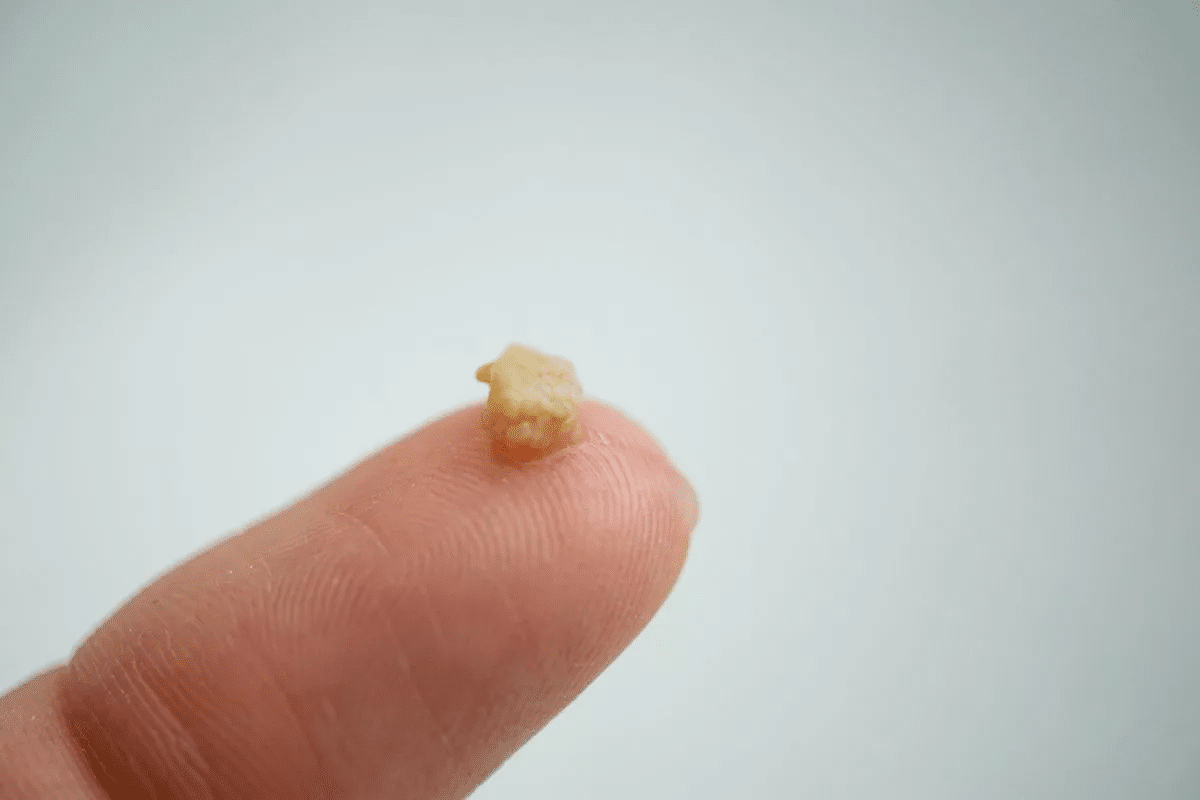
Tonsil stones, or tonsilloliths, are hard, white or yellowish formations on the tonsils. They come from debris like dead cells, mucous, and bacteria. Many people deal with tonsil stones often, so it’s key to know why they happen and how to treat them.
What Are Tonsil Stones?
Tonsil stones are hard, white or yellowish deposits on the tonsils. They’re made of trapped debris, like dead cells, mucous, and bacteria. These stones can be any size and may cause discomfort, bad breath, and other symptoms.
How Do Tonsil Stones Form?
Tonsil stones form when debris gets trapped in the tonsillar crypts. Bacteria and other materials can harden over time, creating stones. Keeping up with a good oral hygiene regimen helps prevent debris buildup and tonsil stones.
|
Factors Contributing to Tonsil Stones |
Description |
|---|---|
|
Poor Oral Hygiene |
Inadequate brushing and flossing can lead to debris accumulation. |
|
Tonsillar Crypts |
Deep crevices in the tonsils where debris can get trapped. |
|
Chronic Tonsillitis |
Inflammation of the tonsils can contribute to stone formation. |
Common Symptoms of Tonsil Stones
People with tonsil stones often have symptoms like:
- Bad breath (halitosis)
- Sore throat
- Difficulty swallowing
- Ear pain
- A sensation of something being stuck in the back of the throat
Knowing the causes and symptoms of tonsil stones helps us see why good oral hygiene is so important. It also shows why finding treatments for this condition is vital.
When to Consider Surgery for Tonsil Stones
Tonsil stones can be a big problem. If treatments like gargling and water irrigation don’t work, surgery might be needed. We’ll look at when surgery is a good choice, discuss other treatments, and talk about the dangers of ignoring tonsil stones.
Signs That Surgery Might Be Necessary
If tonsil stones keep coming back or hurt a lot, surgery could be the answer. Failed conservative care is a big sign. This means bad breath, sore throats, or trouble swallowing that doesn’t get better with other treatments.
Non-Surgical Treatment Options
Before surgery, there are other ways to try. Gargling with saltwater can help loosen stones. A gentle water irrigation device can also clean out the tonsils. You can even try to remove stones yourself, but this might not solve the problem for long.
Risks of Leaving Tonsil Stones Untreated
Not treating tonsil stones can cause problems. You might have bad breath because of bacteria. Large stones can make your throat sore. And there’s a chance of getting an infection.
- Bad Breath: Tonsil stones can cause halitosis.
- Discomfort: Large stones can cause throat irritation.
- Infection Risk: Bacteria accumulation around stones can lead to infection.
|
Treatment Approach |
Benefits |
Risks |
|---|---|---|
|
Non-Surgical Treatments |
Avoids surgical risks, effective for small stones |
May not be effective for large or recurrent stones |
|
Surgical Removal (Tonsillectomy) |
Long-term relief, reduces recurrence |
Surgical risk bleeding, recovery time, possible complications |
Deciding on surgery for tonsil stones means looking at non-surgical options and the risks of not treating them. By considering these, you can make a smart choice about your health.
The Tonsillectomy Procedure Explained
For those dealing with tonsil stones, knowing about the tonsillectomy is key. This surgery removes the tonsils, found on either side of the throat’s back. It’s a big step in treating tonsil stones.
What Is a Tonsillectomy?
A tonsillectomy is for those with frequent tonsillitis or tonsil stones. It’s a big decision. An ENT specialist usually performs it.
Step-by-Step Overview of the Procedure
The surgery has a few main steps. First, anesthesia is given to keep the patient pain-free. Then, the tonsils are removed. Lastly, bleeding is controlled. The whole thing takes about 30-45 minutes.
- Administration of anesthesia to ensure the patient remains pain-free.
- Removal of the tonsils using a suitable technique.
- Control of bleeding to prevent post-operative hemorrhage.
Recovery Expectations After Surgery
Recovering from a tonsillectomy takes 10-14 days. You might feel sore throats, trouble swallowing, and ear pain. It’s important to manage pain well.
Postoperative care tips include:
- Staying hydrated by drinking plenty of fluids.
- Eating soft, bland foods.
- Avoiding strenuous activities.
An ENT specialist evaluation is needed to see if the surgery is right for you.
“The decision to undergo a tonsillectomy should be made after careful consideration and consultation with an ENT specialist.” – Expert in Otolaryngology
Potential Benefits of Tonsillectomy
Tonsillectomy does more than just remove tonsil stones. It improves your overall oral health. This surgery helps patients feel better by removing the source of tonsil stone problems. It also reduces throat infections and boosts oral health.
Long-Term Relief from Tonsil Stones
Tonsillectomy is a top choice for treating tonsil stones. It removes the tonsils, solving the problem for good. Studies show it cuts down on tonsil stone returns. Options like laser cryptolysis and partial tonsil reduction are also available, but tonsillectomy is the most effective.
|
Procedure |
Long-Term Relief |
Recurrence Rate |
|---|---|---|
|
Tonsillectomy |
High |
Low |
|
Laser Cryptolysis |
Moderate |
Moderate |
|
Partial Tonsil Reduction |
Variable |
Variable |
Reduction in Throat Infections
Tonsillectomy also cuts down on throat infections. Tonsils can harbor bacteria, causing infections. Removing them reduces these infections, improving your life quality. A patient shared, “After my tonsillectomy, I noticed a big drop in throat infections. It’s been a game-changer.”
“Tonsillectomy has been a game-changer for my patients suffering from recurrent tonsillitis. The reduction in infections is not just a relief; it’s a new lease on life.”
An ENT Specialist
Improvement in Oral Health
Tonsillectomy does more than just treat tonsil stones. It also boosts your oral health. By removing tonsils, you reduce the risk of infections spreading. This can lead to better oral health and lower the chance of other oral issues. Some may also need crypt narrowing procedures for extra oral health benefits.
- Reduced risk of bacterial spread
- Lower incidence of oral infections
- Improved overall oral health
In conclusion, tonsillectomy offers many benefits. It provides long-term relief from tonsil stones, reduces throat infections, and improves oral health. While other treatments are available, tonsillectomy is often the most effective solution for recurring tonsil stones.
Risks and Complications of Tonsillectomy
Tonsillectomy is a common surgery, but it comes with risks. These include bleeding and pain after the surgery. We will talk about these risks and how to manage pain during recovery.
Common Surgical Risks
Like any surgery, tonsillectomy has risks. Some common ones are:
- Bleeding: Bleeding can happen during or after surgery. Sometimes, it needs extra treatment.
- Infection: There’s a chance of infection with any surgery.
- Reaction to anesthesia: Some people may react badly to the anesthesia.
Post-Operative Complications to Watch For
After surgery, watch out for these complications:
- Pain and discomfort: Managing pain is key to recovery.
- Swelling and inflammation: Swelling can make breathing hard in some cases.
- Dry socket: This happens if the blood clot is dislodged.
The inflammation flare can happen differently for everyone. Knowing the signs helps manage it better.
Managing Pain and Discomfort
It’s important to manage pain and discomfort after surgery. Here are some tips:
|
Strategy |
Description |
|---|---|
|
Medication |
Take pain relief medicine as your doctor tells you to. |
|
Dietary adjustments |
Eat soft foods and avoid spicy or sharp foods that can hurt your throat. |
|
Rest |
Rest a lot to help your body heal. |
By knowing the risks and taking steps to avoid them, you can have a smoother recovery.
Who Is a Good Candidate for Tonsillectomy?
To decide if a tonsillectomy is right, several important factors need to be looked at. An ENT specialist will evaluate these aspects. They consider the patient’s health and history with tonsil stones.
Age Considerations
Age can affect if a tonsillectomy is a good idea. Kids and adults can get the surgery, but it depends on their health and symptoms. Age alone is not a deciding factor.
- Children with many throat infections or bad tonsillitis might be good candidates.
- Adults with ongoing tonsil stones and problems might also benefit from surgery.
Health Assessments Before Surgery
Before a tonsillectomy, a detailed health check is needed. This includes looking at the patient’s overall health, medical history, and past experiences with tonsil stones. An ENT specialist evaluation is key to decide if the surgery is right.
- A full medical history check to spot any risks.
- A physical check to see how the tonsils are doing.
- Talking about past treatments and how well they worked.
Frequency of Tonsil Stone Recurrence
If you keep getting tonsil stones, a tonsillectomy might be an option if conservative care has failed. How often and how bad the stones are coming back is important. It helps decide if surgery is the best choice.
- Those with stones coming back a lot might get surgery to stop it.
- How the stones affect your life is also important.
In summary, being a good candidate for tonsillectomy depends on age, health, and how often stones come back. A detailed check by an ENT specialist is vital to find the best treatment.
Alternative Treatments for Tonsil Stones
Managing tonsil stones doesn’t always mean surgery. Many non-surgical options are available. For those with recurring stones, trying these alternatives can be key to relief.
Home Remedies and Lifestyle Changes
Home remedies and lifestyle changes can help with tonsil stone symptoms. Gargling with saline solution can dislodge stones and cut down on bad breath. Also, a gentle water irrigation device can clean out tonsil crevices.
- Regularly gargling with salt water
- Using a waterpik to clean the tonsils
- Maintaining good oral hygiene
Some people find quitting smoking and cutting down on dairy helps prevent tonsil stones.
Non-Surgical Medical Treatments
When home remedies don’t work, non-surgical medical treatments can help. Antibiotics might be given to fight bacterial infections that cause stones. Sometimes, a dentist or doctor will remove the stones manually.
“The use of antibiotics can be beneficial in reducing the bacterial load that contributes to tonsil stone formation.” – An ENT Specialist.
The Role of Oral Hygiene in Prevention
Good oral hygiene is key to preventing tonsil stones. Brushing, flossing, and tongue scraping can stop bacteria and debris buildup. Regular dental visits can catch oral health problems early.
- Brushing teeth at least twice a day
- Flossing daily to remove trapped food particles
- Using a tongue scraper to remove bacteria from the tongue surface
By following these habits, you can lower your risk of tonsil stones and biofilm throat odor.
Effectiveness of Tonsillectomy for Tonsil Stones
Clinical studies show tonsillectomy is effective for tonsil stones. This surgery removes the tonsils. It helps those with recurring tonsil stones a lot.
Success Rates Based on Clinical Studies
Many studies have looked at tonsillectomy’s success. A lot of evidence shows it can give long-term relief from tonsil stones. This improves patients’ lives a lot.
A study in a top medical journal found over 90% of patients got better. They no longer had tonsil stone symptoms.
Choosing the right patients is key for success. Those with recurring stones, who’ve tried other treatments, and have bad symptoms are good candidates. This helps doctors make the procedure work better.
Patient Testimonials and Experiences
Patient stories show tonsillectomy’s real benefits. Many say their symptoms and life quality improved a lot. For example, a patient might say,
“After years of dealing with tonsil stones, I chose tonsillectomy. It changed my life; I don’t feel the pain and worry anymore.”
These stories show tonsillectomy’s good points. They also stress the value of hearing from others when deciding on treatment.
Long-Term Outcomes After Surgery
Looking at how well tonsillectomy works long-term is important. Studies show it can give lasting relief from tonsil stones. Many patients don’t get symptoms again. It also lowers throat infections and other problems, making life better.
In summary, tonsillectomy is backed by science and patient stories. Knowing about success rates, who should get it, and long-term results helps people choose the best treatment.
Preparing for the Tonsillectomy
A successful tonsillectomy starts with thorough preparation. This includes health guidelines and discussions with your surgeon. We guide you through the preoperative process, highlighting the importance of following health guidelines and consulting with your ENT specialist.
Pre-Operative Health Guidelines
Before a tonsillectomy, it’s key to follow health guidelines. This helps minimize risks and ensures a smooth recovery. These guidelines include:
- Medical History Review: Informing your surgeon about any medications, allergies, or previous surgeries.
- Lifestyle Adjustments: Avoiding smoking and alcohol consumption in the weeks leading up to surgery.
- Dietary Recommendations: Following any specific dietary instructions provided by your healthcare team.
What to Discuss with Your Surgeon
Your preoperative consultation is a critical opportunity. It’s a chance to discuss several key aspects of your surgery with your surgeon. We recommend asking about:
- The surgeon’s experience with tonsillectomies.
- The specific technique used for the procedure.
- Expected outcomes and possible complications.
Essential Questions to Ask
To ensure you’re fully prepared, consider asking your surgeon these essential questions:
|
Question |
Why It Matters |
|---|---|
|
What are the possible risks and complications? |
Understanding risks helps you prepare for possible outcomes. |
|
How long is the recovery period? |
Knowing the recovery time helps you plan your schedule. |
|
Are there any post-operative care instructions? |
Following post-operative care instructions is key for a smooth recovery. |
By following health guidelines, discussing your concerns with your surgeon, and asking the right questions, you can ensure a successful tonsillectomy experience. We are committed to supporting you throughout this process.
Post-Surgery Care and Recovery Tips
Recovering well after a tonsillectomy needs good aftercare, diet changes, and watching for complications. We know it can be tough, so we’re here to help. We’ll guide you through the key steps and tips for a smooth recovery.
Immediate Aftercare Steps
Right after your surgery, it’s key to follow certain steps to ease pain and avoid problems. Here’s what we recommend:
- Rest in a comfy position, with your head up to lessen swelling.
- Stay away from hard work, like heavy lifting and bending.
- Take the pain meds your doctor gives you as directed.
Managing pain and discomfort is very important. Your doctor will give you pain meds to help. Make sure to take them as told and don’t take more than you should.
Suggested Diet for Recovery
Your diet is very important after a tonsillectomy. We suggest:
- Drink cool or lukewarm liquids and eat soft foods that are easy on your throat.
- Stay away from spicy, acidic, or sharp foods that can hurt your throat.
- Slowly add more solid foods to your diet as your throat gets better.
Eating soft foods can help you feel better and heal faster. Good foods include yogurt, scrambled eggs, and mashed potatoes.
|
Food Type |
Recommended Foods |
Foods to Avoid |
|---|---|---|
|
Liquids |
Water, clear broths |
Acidic juices (e.g., orange, lemon) |
|
Soft Foods |
Yogurt, scrambled eggs, mashed potatoes |
Spicy or sharp foods |
Signs of Complications to Monitor
While you’re recovering, keep an eye out for signs of trouble that need doctor help. Look out for:
- Severe pain that can’t be managed with meds.
- Too much bleeding or trouble swallowing.
- Fever or signs of infection.
If you see any of these concerning symptoms, call your doctor right away.
Conclusion: Is Tonsillectomy the Right Option for You?
Choosing to have a tonsillectomy is a big decision. It needs careful thought about the good and bad sides. We’ve talked about how well tonsillectomy works, what the procedure is like, and the possible dangers.
Evaluating the Quality Life Impact
Thinking about tonsillectomy means looking at how it might change your life. For many, it can make life better by cutting down on tonsil stones and their symptoms.
Understanding Patient Selection Criteria
Knowing who should get a tonsillectomy is key. Doctors look at how often tonsil stones come back and your overall health. This helps decide if the surgery is a good idea.
Talking to doctors is important to understand the surgery better. By looking at the good and bad sides and your own situation, you can choose what’s best for you.
FAQ
What are tonsil stones and how do they form?
Tonsil stones are small, hard deposits in the tonsils’ crevices. They form from trapped debris like dead cells, mucous, and bacteria. Over time, this debris calcifies.
What are the common symptoms of tonsil stones?
Symptoms include bad breath, sore throats, and trouble swallowing. You might also feel something stuck in your throat. Some people get ear pain or a metallic taste.
Can tonsil stones be treated without surgery?
Yes, you can treat tonsil stones without surgery. Keep your mouth clean, use a saline gargle, and try gentle water irrigation. Laser or radiofrequency treatments might also help.
When is a tonsillectomy considered for tonsil stones?
You might need a tonsillectomy if stones keep coming back or cause big problems. This is true if simple treatments don’t work and you have ongoing bad breath or other symptoms.
What is the tonsillectomy procedure like?
A tonsillectomy removes your tonsils under general anesthesia. Recovery takes a few days to a week. You’ll feel pain and discomfort, but pain meds can help.
What are the benefits of tonsillectomy for tonsil stones?
Tonsillectomy offers long-term relief from stones and reduces throat infections. It improves your oral health by removing the tonsils, reducing future stone risk.
What are the risks and complications associated with tonsillectomy?
Risks include bleeding, infection, and pain after surgery. Some might have voice or swallowing issues.
Who is a good candidate for tonsillectomy?
Good candidates have recurring stones, failed simple treatments, and quality of life issues. Age and health matter. An ENT specialist will evaluate if you’re a good fit.
How can I prepare for a tonsillectomy?
Follow health guidelines, discuss concerns with your surgeon, and ask about the procedure and recovery. An ENT specialist evaluation is key to ensure you’re a good candidate.
What is the recovery process like after a tonsillectomy?
Recovery takes a few days to a week. You’ll feel pain, but pain meds help. Follow care tips, including a diet, and watch for complications.
Will I experience a recurrence of tonsil stones after a tonsillectomy?
No, tonsillectomy removes the tonsils, so stones can’t come back. But, you might have biofilm or debris pockets. Good oral hygiene can manage these.
References
Tonsil Stones Surgery: Permanent Cure? https://www.ncbi.nlm.nih.gov/books/NBK564983/