

A complete guide on tonsillectomy recovery, including a timeline for pain, diet progression, and when to resume normal activities.
Knowing how to recover from a tonsillectomy is key for those about to have the surgery. Every year, over 500,000 tonsillectomies are done in the U.S. While it’s a common surgery, the recovery can be tough if not handled right.
The recovery after tonsil removal usually lasts 10 days to two weeks. Adults often need more time to heal than kids. During this time, you might feel sore, nauseous, and tired. Taking pain meds and resting can help.
At Liv Hospital, we’re dedicated to giving you the care and support you need during your recovery journey. We aim to help you know what to expect and manage your recovery well.
Key Takeaways
- Recovery from tonsillectomy typically takes 10 days to two weeks.
- Adults generally require longer healing times than children.
- Common symptoms during recovery include soreness, nausea, and fatigue.
- Pain management is key during the recovery period.
- Comprehensive care and support are vital for a smooth recovery.
Understanding Tonsillectomy and Recovery Expectations
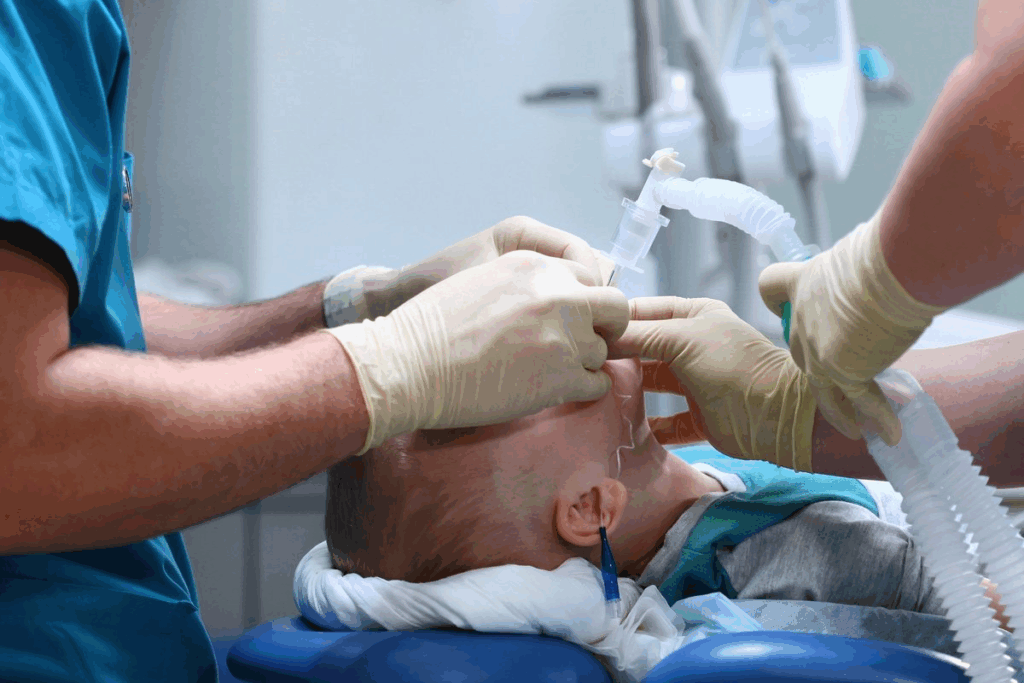
Tonsillectomies are done for many reasons, like treating tonsillitis and sleep apnea. Knowing about the surgery and recovery can make a big difference for patients.
Why Tonsillectomies Are Performed
A tonsillectomy removes the tonsils. It’s often needed for people with tonsillitis, sleep apnea, or tonsil stones. This surgery can greatly improve life quality for those affected.
Here are the main reasons for a tonsillectomy:
- Recurrent Tonsillitis: Having tonsillitis often can be very hard. A tonsillectomy offers a lasting fix.
- Sleep Disorders: Big tonsils can cause sleep apnea or other sleep issues. Removing them can solve these problems.
- Tonsil Stones: Though not serious, tonsil stones can be uncomfortable and cause bad breath. Sometimes, a tonsillectomy is considered.
Different Surgical Techniques and Their Impact on Recovery
There are many ways to do a tonsillectomy, like traditional dissection, laser, and intracapsular. The method used can change how recovery goes.
Here’s what makes each technique different:
- Traditional Dissection: This is a common method. It removes the tonsils completely.
- Laser Tonsillectomy: Uses a laser to remove tonsils, which might cut down on bleeding during surgery.
- Intracapsular Tonsillectomy: This method takes out the tonsil tissue but keeps the capsule. It can lead to less pain after surgery.
Research shows the biggest challenge after a tonsillectomy is pain. This pain can last 11 to 12 days. The surgical method can affect how much pain you feel and for how long.
Age-Related Recovery Differences
Recovery from a tonsillectomy changes with age. Kids usually get better faster than adults.
Here’s what’s different by age:
- Children: They tend to recover quickly, often going back to normal in a week.
- Adults: Adults may have a harder time recovering, sometimes taking up to two weeks or more.
Knowing these differences helps manage expectations and ensures a smoother recovery.
Preparing for Your Tonsillectomy Recovery

Getting ready for a tonsillectomy is more than just booking the surgery. It’s about setting up your recovery space. A good recovery area can make a big difference in your comfort and healing. We’ll show you how to prepare for a smooth and easy recovery.
Essential Supplies to Have Ready
Having the right supplies is key for a comfortable recovery. You’ll need:
- Soft, easy-to-eat foods like yogurt, applesauce, and soups
- Plenty of fluids, including water, clear broths, and electrolyte-rich beverages
- Pain management medications as prescribed by your doctor
- Comfort items like ice packs, humidifiers, and cozy blankets
Having these items ready will help you manage your recovery better. It’s also smart to prepare meals ahead of time that can be easily reheated.
Supply | Purpose |
Soft foods | Ease swallowing and minimize throat irritation |
Fluids | Stay hydrated and help soothe the throat |
Pain management medications | Manage post-operative pain effectively |
Setting Up Your Recovery Space
Creating a cozy recovery space is important for rest. Think about setting up a quiet, comfy area with:
- A comfortable bed or sofa
- Easy access to supplies and medications
- A humidifier to reduce throat irritation
- Entertainment like books, movies, or games to pass the time
Having a dedicated recovery space helps you rest and heal without moving around too much.
Medication Planning and Pain Management Strategy
Managing pain well is essential for a good recovery. Talk to your healthcare provider to create a pain plan. This should include:
- Prescribed pain medications and their schedules
- Alternative pain relief methods, such as ice packs or throat sprays
- Monitoring your pain levels and adjusting your plan as needed
A good pain management plan can make your recovery much better.
Days 1-2: Immediate Post-Surgery Recovery
The first 48 hours after a tonsillectomy are key for a smooth recovery. Patients often feel a lot of pain in their throat. This pain can also spread to the ear, jaw, or neck because of shared nerves.
What Your Throat Will Look Like After Surgery
After a tonsillectomy, your throat will look swollen and red. You might see white or yellow patches where the tonsils were. This is all part of healing.
Managing Initial Pain and Discomfort
Managing pain is very important right after surgery. Doctors usually give pain medicine to help. It’s important to take the medicine as told to keep pain under control.
Some people might feel pain in their ear, jaw, or neck too. This pain is connected to throat pain because of shared nerves. It should get better as your throat heals.
Hydration and Nutrition Strategies
Drinking lots of fluids is key after a tonsillectomy. Drink cool or lukewarm liquids to soothe your throat. Eat soft, easy foods that aren’t too hot or spicy.
Recommended Foods | Foods to Avoid |
Yogurt | Spicy foods |
Soups | Hot beverages |
Mashed potatoes | Crunchy or sharp foods |
Can You Talk After Tonsil Removal?
Yes, you can talk after a tonsillectomy, but it’s best to rest your voice. Talking can strain your throat and make recovery harder or more uncomfortable.
Knowing what to expect and following advice on pain, hydration, and nutrition can make this tough time easier.
Days 3-4: When Pain May Intensify
Days 3-4 after a tonsillectomy can be tough. The numbness from the surgery fades, and pain may get worse. This is normal and part of healing.
Why Pain Often Worsens at This Stage
Several reasons explain the pain increase. The anesthesia’s effects wear off, making the wound’s pain more noticeable. Also, scabs or white patches in the throat can be uncomfortable.
Key factors contributing to increased pain:
- The body’s natural healing process
- Formation of scabs or white patches
- Increased movement and activity
Dealing with White Patches in Your Throat
White patches or scabs in the throat are common after a tonsillectomy. They show up around days 3-4. They’re part of healing and usually not a worry. But, keeping your mouth clean and following your doctor’s advice is key.
Managing Referred Pain (Ear, Jaw, Neck)
Referred pain is common after a tonsillectomy. It feels like pain in the ears, jaw, or neck, even though the surgery was in the throat. To manage it, use the same pain relief methods as for throat pain.
Tips for managing referred pain:
- Use pain relief medication as directed
- Apply warm compresses to the affected area
- Practice relaxation techniques, such as deep breathing or meditation
Effective Pain Management Techniques
Managing pain well is important during recovery. It involves medicine, lifestyle changes, and other therapies. Always follow your doctor’s advice and drink plenty of water to ease discomfort.
Pain management strategies:
- Adhering to prescribed pain medication schedules
- Staying hydrated with plenty of fluids
- Using a humidifier to soothe the throat
- Resting and avoiding strenuous activities
Days 5-7: The First Week Milestone
By the 5th to 7th day after your tonsillectomy, you’re hitting a big milestone. This time is key as it often marks a healing turning point. You might start feeling more like yourself, but it’s important to stay careful with what you do and eat.
Expected Progress for Children
Children usually heal faster than adults. By days 5-7, most kids are much better. Some might even go back to school in 7-10 days after the surgery. But, always listen to your doctor about when to start normal activities again.
Expected Progress for Adults
Adults take longer to get better than kids. By days 5-7, you might see some improvement, but full recovery can take up to three weeks. Adults often feel pain ups and downs, but they should be getting better overall.
Normal Throat Healing Appearance
By days 5-7, your throat might look red and swollen, which is normal. You might see white patches or scabs on your tonsils; these are healing signs. Don’t touch these patches to avoid problems.
Gradually Expanding Your Diet
By days 5-7, you can start adding more foods to your diet. Begin with soft, easy-to-swallow foods like mashed potatoes, scrambled eggs, or pasta. Avoid spicy, sharp, or hard foods that could hurt your throat.
Tips for Expanding Your Diet:
- Start with soft, bland foods that are easy to swallow.
- Gradually introduce more variety into your diet.
- Avoid foods that are spicy, sharp, or hard.
- Stay hydrated by drinking plenty of fluids.
How Long is Tonsillectomy Recovery? Complete Timeline
Knowing the tonsillectomy recovery timeline is key for patients. It helps them understand what to expect and how to care for themselves. The recovery time differs a lot between kids and adults. Several factors can also change how long it takes to feel better.
Children’s Recovery Timeline
Children usually get better faster after a tonsillectomy. They often take about seven days to recover. It’s important for parents to watch their child’s drinking, eating, and pain closely during this time.
Adult Recovery Timeline (2-3 Weeks)
Adults take longer to recover, usually around ten days. Some might need up to two or three weeks. Things like health, age, and any complications can affect how long it takes.
Factors That Affect Recovery Duration
Many things can change how long recovery takes. These include:
- Age: Older patients recover slower.
- Overall health: Health problems can make recovery harder.
- Surgical technique: The surgery method can impact recovery time.
- Post-operative care: Following doctor’s orders is important for recovery.
When Does Tonsillectomy Pain Typically Go Away?
Pain after a tonsillectomy is a big worry for patients. Pain usually peaks around eight days after surgery. But, some relief starts around then, and pain gets better as the throat heals. Most people see a big drop in pain within two weeks.
Recovery Stage | Children | Adults |
Median Recovery Duration | 7 days | 10 days |
Peak Pain Period | Around 8 days | Around 8 days |
Full Recovery | 1-2 weeks | 2-3 weeks |
Days 8-14: Turning the Corner
Day 8 after a tonsillectomy is when pain peaks, but healing is also clear. Knowing what to expect can make recovery easier.
Managing Peak Pain Around Day 8
By day 8, pain levels are usually at their highest. Effective pain management is key. Stick to your pain plan, adjusting as your doctor advises.
Drink plenty of water and eat soft foods to ease pain. A humidifier and a cozy space can also help with throat pain.
Signs of Healing in Your Throat
As you near the second week, you might see signs of healing. Look for less pain, swelling that goes down, and normal throat function coming back.
White patches or scabs are common and usually mean you’re healing. But, always check with your doctor if you’re worried.
Signs of Healing | What to Expect |
Reduced Pain | Gradual decrease in throat pain |
Decreased Swelling | Throat and tonsil area starts to look less swollen |
Return of Normal Functions | Ability to swallow and eat normally starts to return |
Gradually Returning to Normal Activities
Feeling better means you can start doing more. But, listen to your body and don’t push too hard. Start with small steps and build up.
Most people can go back to work or school in 10 to 14 days. This depends on your job and health.
What to Do If Pain Persists
If persistent pain lasts longer than expected, see your doctor. It could mean there’s a problem, and your doctor can help.
Keep a pain diary. It helps your doctor understand your pain better.
Potential Complications and When to Seek Help
Tonsillectomy is usually safe, but there are risks to watch for during recovery. Knowing these can help you spot problems early and act fast.
Warning Signs During Recovery
Keep an eye on your health after a tonsillectomy. Look out for severe pain, trouble swallowing, and fever. If you see these signs, call your doctor right away.
Common warning signs to watch for:
- Severe throat pain
- Difficulty swallowing or breathing
- High fever (over 101.5°F)
- Severe bleeding or spitting up blood
- Dehydration symptoms (less urine output, dry mouth)
Bleeding Concerns and Emergency Care
Bleeding is a big risk after a tonsillectomy, often in the first week. There are two kinds: primary (first 24 hours) and secondary (after).
Type of Bleeding | Timeframe | Action |
Primary Bleeding | Within 24 hours | Immediate medical attention |
Secondary Bleeding | After 24 hours | Seek emergency care if active |
If you bleed, stay calm and get medical help fast. Active bleeding is a serious emergency.
Infection Symptoms to Watch For
Infections can happen after a tonsillectomy. Spotting the signs early is key. Look out for:
- Persistent fever
- Bad breath
- White patches in the throat
- Swollen lymph nodes
If you think you have an infection, call your doctor. They might prescribe antibiotics.
When to Contact Your Doctor
If you have unusual or severe symptoms, call your doctor. This includes:
- Severe pain not managed with medication
- Difficulty swallowing or breathing
- Fever above 101.5°F
- Signs of dehydration
- Any bleeding or spitting up blood
Your doctor can offer advice and reassurance. They can help you through any tough times during recovery.
Conclusion: Life After Tonsillectomy
Our guide on tonsillectomy recovery is coming to an end. But remember, healing takes more than just a few weeks. It can take up to a year for the tonsil area to fully heal.
After the surgery, you’ll likely feel sore and tired at home. But these feelings will get better as you heal. Knowing what to expect can make things easier.
Healing after a tonsillectomy is a slow process. By following our advice, you can make your recovery smoother. Always listen to your doctor and be patient with your body.
Even though recovery seems tough, with the right care, you’ll get through it. Taking care of yourself will help you heal fully and improve your life after the surgery.
FAQ
What happens when your tonsils are removed?
When your tonsils are removed, the area will be sore. It may look white or have scabs as it heals. This is normal.
How long does it take to heal from a tonsillectomy?
Healing time varies by age. Kids usually heal faster, in 7-10 days. Adults might take 2-3 weeks.
What does the mouth look like after tonsils are removed?
After removal, your throat might look red and swollen. You might see white patches or scabs. This is normal while healing.
Can you talk after tonsil removal?
Yes, you can talk, but it will hurt. Try to rest your voice as much as you can at first.
Why does tonsillectomy pain intensify around days 3-4?
Pain gets worse around days 3-4 because of healing. The scab that protects the area starts to fall off.
How do you manage referred pain after a tonsillectomy?
Use pain meds and warm compresses for ear, jaw, or neck pain. This can help manage it.
How long does tonsillectomy pain last?
Pain usually lasts 7-14 days. The worst pain is usually around day 3-8. It will get better as your throat heals.
What are the signs of healing in the throat after a tonsillectomy?
Healing signs include less pain, less swelling, and white patches or scabs fading away.
When can you return to normal activities after a tonsillectomy?
You can start doing normal things again as your body heals, usually in 7-14 days. But avoid hard activities and follow your doctor’s advice.
What are the possible complications of a tonsillectomy?
Complications can include bleeding, infection, or reactions to anesthesia. Watch for heavy bleeding, severe pain, or trouble breathing. Seek help if you see these signs.
When should you contact your doctor after a tonsillectomy?
Call your doctor if you have heavy bleeding, severe pain, trouble breathing, or signs of infection like a high fever or more pain.
References
- Centers for Disease Control and Prevention. (2022). Sore Throat. Retrieved from https://www.cdc.gov/antibiotic-use/community/for-patients/sore-throat.html