
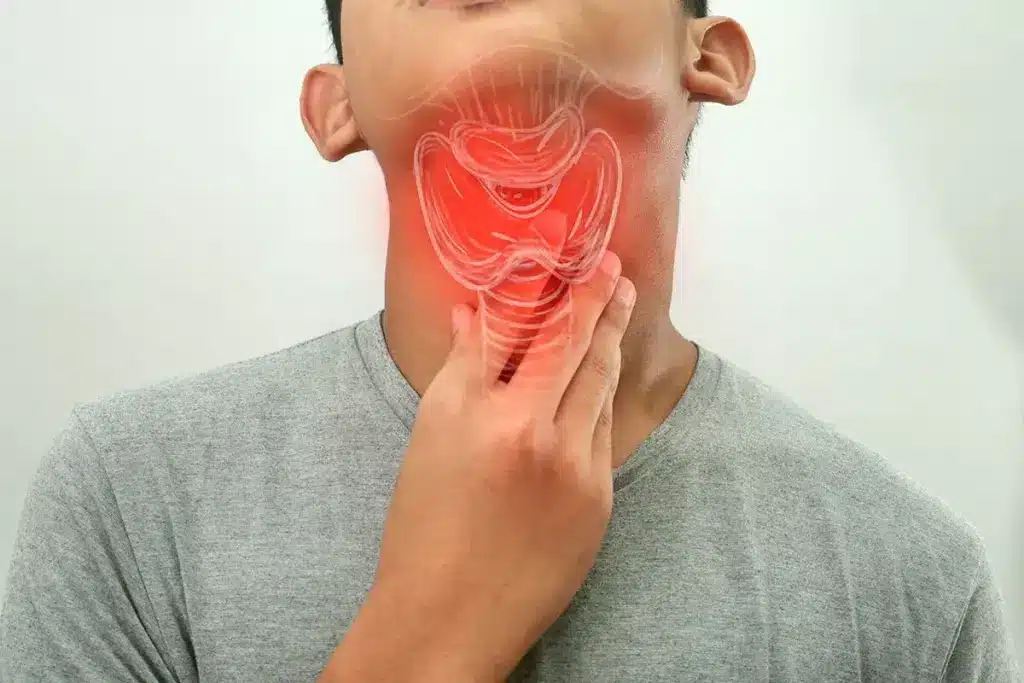
Tonsillitis is a common illness that affects many people. It can cause discomfort and serious problems if not treated. Nearly 1 in 5 children and 1 in 20 adults get tonsillitis often, making it a big health issue.tonsillitis emergency symptomsWhite Patches on Tonsils Pictures: Tonsillitis Symptoms
It can be hard to know when to go to the emergency room. Tonsillitis symptoms can be mild or severe. It’s important to know when to seek medical help.
Key Takeaways
- Understanding the severity of tonsillitis symptoms
- Recognizing when to seek emergency medical care
- Knowing the possible complications of untreated tonsillitis
- The importance of timely medical intervention
- Factors that increase the risk of tonsillitis complications
What is Tonsillitis?

Tonsillitis is when the tonsils get inflamed. This can happen due to viruses or bacteria. We’ll dive into what it is, why it happens, and its symptoms.
Definition of Tonsillitis
Tonsillitis means the tonsils, which are part of our immune system, get inflamed. They’re located on either side of the throat. This inflammation can cause a lot of discomfort.
The tonsils help keep us healthy by filtering out bad stuff. But when they’re inflamed, it can really affect our daily lives.
Causes of Tonsillitis
Tonsillitis can be caused by viruses or bacteria. Viruses like the common cold or flu are common culprits. Bacteria, like Streptococcus pyogenes, also play a big role.
Knowing what causes it helps doctors figure out how to treat it.
|
Cause |
Description |
|---|---|
|
Viral Infections |
Caused by viruses such as the common cold or flu |
|
Bacterial Infections |
Caused by bacteria, like Streptococcus pyogenes |
Symptoms to Look Out For
The symptoms of tonsillitis include a sore throat, fever, and swollen tonsils. You might also have trouble swallowing. Sometimes, you’ll see white or yellow patches on your tonsils.
Spotting these signs is key to getting the right help fast.
- Sore throat
- Fever
- Swollen tonsils
- Difficulty swallowing
- White or yellow patches on the tonsils
Understanding tonsillitis, its causes, and symptoms helps us know when to see a doctor.
When to Seek Immediate Medical Attention

Tonsillitis can get worse fast. Knowing when to go to the ER is key. Some symptoms mean you need to see a doctor right away. It’s important to catch these signs early to avoid serious problems.
Signs of Severe Tonsillitis
Severe tonsillitis presents with severe and alarming symptoms. Extreme throat pain and high fever that won’t go away are big warnings. Also, swollen tonsils that block breathing are serious signs. If you see these, get medical help fast.
Difficulty Breathing or Swallowing
Having trouble breathing or swallowing is a big emergency. Swollen tonsils can block the airway, which is very dangerous.
“The statistical analysis plan for the JNJ-53718678 clinical trial highlights the importance of monitoring severe symptoms and adverse events.”
This shows how important it is to watch tonsillitis closely.
High Fever and Change in Condition
A fever that keeps going up or gets worse is a warning sign. Keep an eye on the patient’s temperature and health. If things get worse, like breathing problems or confusion, get help right away.
Recognizing Complications of Tonsillitis
It’s key to spot the complications of tonsillitis early. This ensures we get help fast. Tonsillitis can cause serious issues if not treated right.
Abscess Formation
A serious issue is when tonsillitis leads to a peritonsillar abscess. This happens when the infection spreads to the tonsil area. It causes a lot of pain, makes swallowing hard, and changes your voice. Seeing a doctor quickly is vital to treat it and avoid worse problems.
Spread of Infection
The tonsillitis infection can spread to other areas. This might cause middle ear infections or sinusitis. Sometimes, it can even reach the neck or chest, leading to serious infections like Lemierre’s syndrome. Knowing these risks helps us take the right steps.
Dehydration Risks
Tonsillitis can make it hard to drink enough water, leading to dehydration. Dehydration makes symptoms worse and slows down healing. It’s important to keep an eye on how much water someone is drinking, but it’s even more critical for kids and older adults.
|
Complication |
Symptoms |
Risk Factors |
|---|---|---|
|
Abscess Formation |
Severe throat pain, difficulty swallowing, change in voice |
Untreated or severe tonsillitis |
|
Spread of Infection |
Ear pain, sinus pressure, fever |
Compromised immune system, inadequate treatment |
|
Dehydration |
Dry mouth, decreased urine output, dizziness |
Reduced fluid intake, age (children and elderly) |
Spotting these complications early can really help. We stress the need to see a doctor if symptoms get worse or if you think you might have one of these issues.
Evaluation Process at the ER
When patients visit the ER for tonsillitis, the first step is key. It helps us figure out how bad their condition is and what treatment they need. Medical staff do a detailed check to find out what’s causing the illness and how far it has spread.
Initial Assessment by Medical Staff
Right when they arrive, the medical team starts by asking a lot of questions. They want to know about the patient’s symptoms, past health issues, and other important health details. This is like what the KENNEALLY ACUPUNCTURE & HEALING RESOURCE CENTER does, where they collect all the health info they need to make good care plans.
We ask about when the symptoms started, how bad they are, and what might have caused them. This helps us understand what’s going on and decide the best course of action for the patient.
Possible Tests and Examinations
To really check things out, we might do a few tests and exams. These could be:
- A physical check of the throat to see how bad the tonsillitis is
- Looking over the patient’s medical history to see if there are any other health issues that could be adding to the problem
- Lab tests, like a throat swab or blood work, to find out what’s causing the tonsillitis
- Imaging tests, sometimes, to make sure there aren’t any other problems or complications
These tools help us get a clear diagnosis of tonsillitis and spot any possible complications. This way, we can give the best treatment plan for each patient.
Doctors always say, “A detailed check is vital for treating tonsillitis well, and even more so for severe cases where complications can happen.” This careful approach lets us tailor our care to meet each patient’s unique needs.
Treatment Options for Tonsillitis
Knowing how to treat tonsillitis is key to managing it well. Tonsillitis is when the tonsils get inflamed, often from viruses or bacteria. The treatment depends on the cause.
Medications Prescribed in the ER
In the ER, doctors focus on easing symptoms and finding the root cause of tonsillitis. For bacterial infections, antibiotics are given to fight the infection. It’s important to finish all antibiotics to get rid of the infection completely. For viral infections, treatment aims to ease symptoms with pain management drugs and plenty of fluids.
Here are some common ER medications:
- Penicillin or amoxicillin for bacterial tonsillitis
- Acetaminophen or ibuprofen for pain and fever relief
- Corticosteroids in some cases to reduce inflammation
Surgical Options: Tonsillectomy
For those with frequent or severe tonsillitis, tonsillectomy might be suggested. This surgery removes the tonsils. It’s considered when tonsillitis greatly affects daily life or when complications happen. The choice to have a tonsillectomy depends on several factors, like how often episodes occur and how severe they are.
The advantages of tonsillectomy include:
- Less frequent tonsillitis episodes
- Milder symptoms when episodes do happen
- Lower risk of complications
We talk about the pros and cons with patients to help them decide on tonsillectomy.
Home Care vs. ER Visit
Deciding whether to treat tonsillitis at home or visit the ER can be tough. We aim to help you understand when home care is enough and when you need urgent medical help.
When Home Remedies Are Sufficient
For mild tonsillitis, home remedies can be very helpful. Gargling with warm salt water, drinking plenty of water, and resting can ease symptoms. Over-the-counter pain relievers can also help with pain and fever.
“Rest, hydration, and over-the-counter medications can handle mild tonsillitis,” notes an ENT specialist. “But knowing when your condition gets worse is key.”
Signs That Indicate an ER Visit Is Necessary
Some symptoms mean your tonsillitis is serious and needs ER care right away. These include trouble breathing or swallowing, a fever that won’t go down with meds, and severe pain. If you have these symptoms, go to the ER without delay.
- Difficulty breathing or swallowing
- High fever above 103°F (39.4°C)
- Severe sore throat pain
- Symptoms that worsen over time
Pediatric Considerations for Tonsillitis
Tonsillitis in kids is a big worry for parents and doctors. Kids get tonsillitis more often because their immune systems are not fully grown. They are also exposed to many viruses and bacteria. It’s important to know how tonsillitis affects kids to treat it well.
How Tonsillitis Affects Children Differently
Kids’ immune systems are not as strong as adults’, making them more likely to get sick. Tonsillitis can hit kids harder, causing more severe symptoms. For example, kids might have trouble swallowing, high fevers, and be very cranky.
Special Signs in Children
Parents should watch for special signs of tonsillitis in their kids. These include:
- Severe sore throat
- High fever
- Difficulty swallowing
- Swollen lymph nodes
- White or yellow patches on the tonsils
- Irritability or restlessness
- Refusal to eat or drink due to throat pain
Spotting these signs early can help get medical help fast.
Adult Considerations for Tonsillitis
Tonsillitis in adults can cause a lot of discomfort and serious problems if not treated right. It’s not just a kids’ illness. Adults face different challenges and need special care.
Common Symptoms in Adults
Adults with tonsillitis might have a sore throat, trouble swallowing, fever, and swollen lymph nodes. They might also see white or yellow patches on the tonsils, which could mean a bacterial infection.
The symptoms can vary in severity. Some adults might feel more pain or have symptoms like bad breath or a raspy voice.
Complications Specific to Adults
Adults with health issues like diabetes or heart disease face higher risks. They could get abscesses or have the infection spread.
Adults can also get recurrent tonsillitis, which can really affect their life. This might mean they need a tonsillectomy to treat it.
Aftercare Following an ER Visit
Recovering from an ER visit for tonsillitis needs careful aftercare and follow-up. When you or your loved one leaves the emergency room, it’s key to follow the aftercare plan. This helps ensure a smooth and complication-free recovery.
Follow-up Appointments
After getting treated for tonsillitis in the ER, seeing your primary care doctor or an ENT specialist is important. This visit lets your healthcare provider check how you’re doing and adjust your treatment if needed.
We suggest setting up this follow-up within a week of your ER visit or as your doctor advises. Your doctor might do a throat check, look for infection signs, and talk about more treatment. This could include a tonsillectomy if you keep getting tonsillitis.
Key things to talk about during your follow-up include:
- Any persistent or worsening symptoms
- Following the treatment plan
- Any concerns or questions about your recovery
Recommended Home Care Practices
Good home care is key for a quick recovery from tonsillitis. Here are some practices to help manage your symptoms and support your recovery:
- Stay Hydrated: Drink lots of fluids like water, clear broths, or electrolyte-rich drinks to soothe your throat and prevent dehydration.
- Rest Your Voice: Try not to talk much to rest your voice and avoid straining your throat.
- Use Humidifiers: Using a humidifier in your home can keep your throat comfortable, reducing discomfort and pain.
- Gargle with Salt Water: Gargling with warm salt water several times a day can help reduce swelling and kill bacteria in your throat.
- Follow Medication Instructions: Stick to the medication plan your healthcare provider gave you, and finish all antibiotics if prescribed.
|
Home Care Practice |
Benefits |
|---|---|
|
Staying Hydrated |
Soothes the throat, prevents dehydration |
|
Resting Your Voice |
Reduces strain on the throat |
|
Using Humidifiers |
Maintains a comfortable throat environment |
|
Gargling with Salt Water |
Reduces swelling, kills bacteria |
|
Following Medication Instructions |
Ensures effective treatment, prevents complications |
By following these aftercare guidelines and going to your scheduled follow-up appointments, you can make your recovery smoother. If you have any concerns or questions, always reach out to your healthcare provider for help.
Prevention of Tonsillitis
To prevent tonsillitis, we need to focus on two main areas: good hygiene and vaccinations. By following these steps, we can lower the chance of getting tonsillitis.
Vaccination Benefits
Vaccines are key in stopping tonsillitis, mainly from certain bacteria or viruses. Shots for flu and pneumococcus can cut down tonsillitis cases. This is because they stop the infections that cause tonsillitis.
It’s important to keep up with all vaccinations. This not only fights tonsillitis but also guards against other serious diseases.
Good Hygiene Practices
Keeping clean is vital in stopping infections, like tonsillitis. Simple steps like washing hands often, staying away from sick people, and not sharing things can help a lot.
- Frequent Handwashing: Washing hands with soap and water often is a top way to stop infections from spreading.
- Avoiding Close Contact: Keeping a distance from people with tonsillitis or colds can stop the infection from spreading.
- Not Sharing Personal Items: Not sharing things like utensils, glasses, or personal items can lower the risk of getting sick.
By mixing good hygiene with vaccines, we can greatly lower tonsillitis risk. This approach not only keeps us safe but also helps make our community healthier.
Frequently Asked Questions About Tonsillitis
Tonsillitis can be a worrying condition. People often ask about how to prevent it, if it’s contagious, and how to treat it. We aim to answer these common questions to help you feel better.
Prevention and Contagiousness
There are many reasons tonsillitis happens, like viruses and bacteria. But, there are steps you can take to lower your risk. Washing your hands often is key to stopping infections. Also, try to stay away from people with colds or flu.
Tonsillitis can spread, depending on what causes it. Viral tonsillitis can jump from person to person through the air when someone coughs or sneezes. Bacterial tonsillitis, like strep throat, can also spread through touching someone who’s sick.
Knowing what causes tonsillitis and taking steps to prevent it can help. If you’re feeling sick or worried, seeing a doctor is the smartest thing to do.
FAQ
What is tonsillitis?
Tonsillitis is when the tonsils get inflamed. It’s usually from a virus or bacteria. We check for symptoms like a sore throat and fever to diagnose it.
What are the symptoms of tonsillitis?
Symptoms include a sore throat and trouble swallowing. You might also have a fever and swollen tonsils. Sometimes, you’ll see white or yellow patches on your tonsils.
Other signs are headaches, stomachaches, and feeling really tired.
When should I go to the ER for tonsillitis?
Go to the ER if you can’t breathe or swallow well. Or if you have a very high fever or severe throat pain. Also, seek help if your symptoms get worse or if you have a weak immune system.
Can tonsillitis be treated at home?
For mild cases, rest, drink lots of water, and use pain relievers can help. But, if your symptoms are bad or get worse, you should see a doctor.
Is tonsillitis contagious?
Yes, tonsillitis can spread, mainly if it’s caused by a virus or bacteria. Washing your hands often can help stop it from spreading.
Can tonsillitis be prevented?
We can’t stop tonsillitis completely, but we can lower the risk. Good hygiene, flu shots, and avoiding sick people can help.
What are the complications of tonsillitis?
Complications include abscesses and infections spreading. Dehydration is also a risk. Rarely, it can lead to kidney problems or rheumatic fever.
How is tonsillitis treated in the ER?
In the ER, we use antibiotics and pain meds to treat tonsillitis. For severe cases, we might suggest surgery like a tonsillectomy.
What can I expect during an ER visit for tonsillitis?
At the ER, we’ll first check you out. This includes a physical exam and talking about your health history. We might also do tests to find out what’s causing your symptoms.
How can I manage tonsillitis after discharge?
After you leave, follow the treatment plan we give you. This includes resting, staying hydrated, and taking any meds we prescribe. Make sure to see your regular doctor to check if your symptoms are gone.
What are the benefits of tonsillectomy?
A tonsillectomy can help if you keep getting tonsillitis. It can also lower the chance of serious problems and improve your life quality. We suggest it for severe or often recurring cases.
Are there any home remedies for tonsillitis?
Yes, there are home remedies like gargling with salt water and using a humidifier. Drinking lots of fluids is also helpful. Use these along with any treatment your doctor gives you.
References
Nimmana, B. K., & Paterek, E. (2025). Tonsillitis. In StatPearls [Internet]. StatPearls Publishing. Retrieved December 19, 2025, from
https://www.ncbi.nlm.nih.gov/books/NBK544342/



 Departments
 Related Videos
 Our Doctors
 News
News