
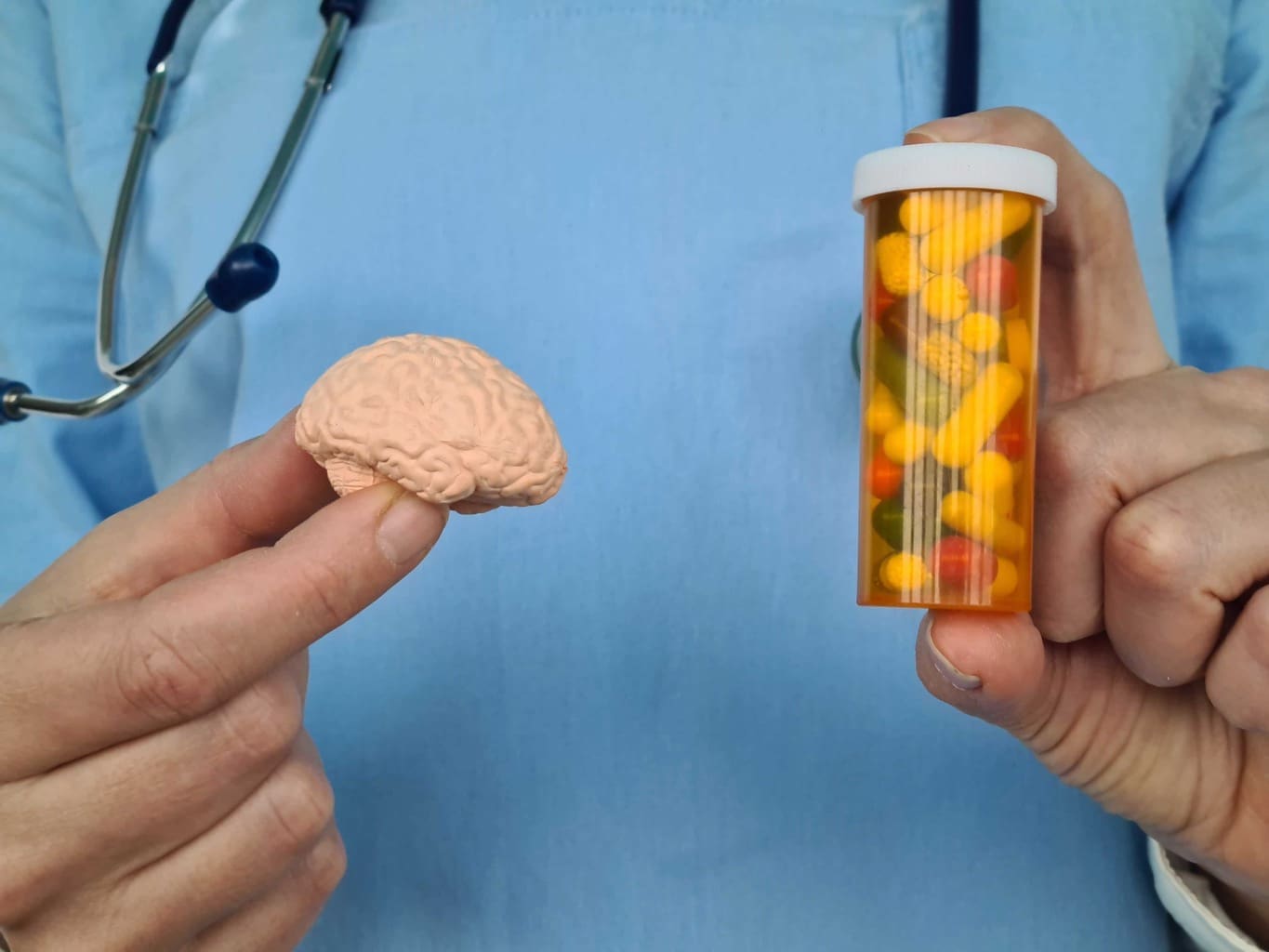
We are seeing big changes in how we treat tumors with new therapies. The FDA has approved new treatments that give hope to those with brain tumors. This article will look at the top 10 new medicines for tumor treatment in 2025.
At Liv Hospital, we aim to give top-notch healthcare to everyone. Our team has found the latest in treatments like targeted therapies and immunotherapies. These are making a big difference in how we treat brain cancer.
We will talk about the best brain cancer treatment drugs and medicines. We make sure our care is up-to-date and meets international standards.
Key Takeaways
- Recent FDA approvals have introduced new targeted therapies for tumor treatment.
- Actithera is advancing next-generation radiopharmaceutical therapies.
- Liv Hospital provides world-class healthcare with complete support for international patients.
- The top 10 brain cancer drugs and medications are changing the face of tumor treatment in 2025.
- Expert insights ensure up-to-date care tailored to patient needs and international standards.
The Evolving Landscape of Brain Cancer Treatment
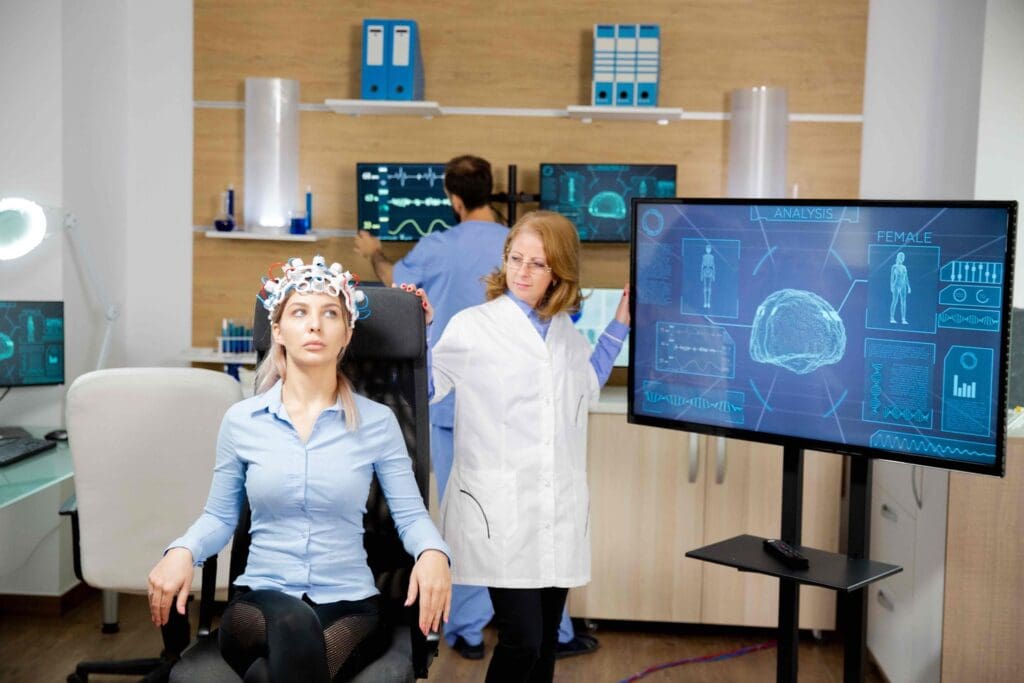
We’re seeing big changes in how we treat brain cancer. New treatments are giving patients hope. The field is getting more complex, with many new options for patients.
Current Challenges in Treating Brain Tumors
Even with progress, treating brain tumors is tough. The oct makes it hard for drugs to reach tumors. Also, tumors can become resistant to treatments, making them less effective over time.
Brain tumors vary a lot, making it hard to find treatments that work for everyone. Personalized medicine approaches are being tried. They aim to tailor treatments to each patient’s unique tumor.
Recent Breakthroughs in Brain Cancer Drug Development
Recently, we’ve seen big steps forward in brain cancer drug development. For example, vorasidenib for IDH-mutant gliomas has shown great promise in early trials.
New, targeted treatments are being developed. CAR-eNK cell therapies are one example. Healios K.K. and Kyushu University are working on these for brain tumors. Also, new drugs that can get past the blood-brain barrier are being made. These could mean fewer surgeries or radiation treatments for some patients.
The changing world of brain cancer treatment is full of new chances for patients and doctors. As we tackle the challenges of treating brain tumors, we’re likely to see better results and improved lives for those affected.
Understanding How Brain Cancer Drugs Work
Exploring brain cancer drugs shows a complex mix of medication, tumor, and brain barriers. The success of treatment depends on how drugs work with the tumor and brain.
Mechanisms for Crossing the Blood-Brain Barrier
The blood-brain barrier (BBB) is a big challenge in treating brain tumors. It keeps the brain safe from harmful stuff. To work, brain tumor drugs must get past this barrier. New drug-making methods help drugs get through the BBB.
Some of these strategies include:
- Creating drugs with special properties to cross the BBB
- Using focused ultrasound to open the BBB for better drug delivery
- Using nanoparticles to carry drugs across the BBB
For example, Actithera’s tech makes it easier for drugs to target tumors. This is a big step in getting drugs to brain tumors better.
Categories of Brain Tumor Medications in 2025
Today, we have many treatments for brain tumors, like chemotherapy, targeted drugs, and new immunotherapies. These options are a big change towards better, more personal treatments.
The main categories of brain tumor medications include:
- Traditional Chemotherapy: Drugs like temozolomide are key in treating brain tumors.
- Targeted Therapies: Drugs that focus on specific genetic changes, like larotrectinib for NTRK fusions.
- Immunotherapies: New treatments that use the immune system to fight tumors, like pembrolizumab.
These types of treatments are often used together to improve results.
Personalized Medicine Approaches for Brain Tumors
We’re seeing a big change in how we fight brain cancer. Now, we’re using treatments that fit each person’s needs. This means using genetic info to choose the best treatment for brain tumors.
Genetic Testing and Mutation-Targeted Therapies
Genetic testing is key in fighting brain tumors. It helps doctors find the right treatments by looking at the tumor’s genes. For example, vorasidenib for IDH-mutant gliomas shows how far we’ve come.
Mutation-targeted therapies attack cancer cells at their weak spots. They stop tumors from growing by targeting specific mutations. This makes treatments work better and hurts fewer normal cells.
Biomarkers for Treatment Selection and Monitoring
Biomarkers are vital in personalized medicine. They help find the right treatments for patients. In brain tumors, biomarkers track how treatments are doing and spot problems early.
Using biomarkers means treatments can change as needed. Experts say biomarkers are key to better treatment choices and outcomes in brain cancer.
In short, personalized medicine is changing brain tumor treatment. Genetic testing and biomarkers help us create treatments that really work. This leads to better results for patients.
Vorasidenib: The Revolutionary Brain Cancer Drug for IDH-Mutant Gliomas
Vorasidenib is a new hope for those with IDH-mutant gliomas. It’s a targeted therapy that attacks the genetic mutations causing these brain cancers. This makes it a key treatment for this tough disease.
Mechanism of Action and Clinical Trial Results
Vorasidenib blocks the mutant IDH1 and IDH2 enzymes. These enzymes make 2-hydroxyglutarate, a substance that helps gliomas grow. By lowering 2-HG, Vorasidenib slows tumor growth and boosts patient results.
Studies show Vorasidenib is very effective. It doubled the time patients lived without their tumors getting worse compared to those on a placebo. This makes Vorasidenib a game-changer in treating IDH-mutant gliomas.
Patient Selection Criteria and Side Effect Management
To get Vorasidenib, patients must have IDH mutations. This is checked through genetic tests. It means each patient gets a treatment that fits their specific needs.
Handling side effects is key with Vorasidenib. Side effects like tiredness, nausea, and headaches are common. Doctors adjust doses and offer supportive care to help manage these issues.
| Side Effect | Management Strategy |
|---|---|
| Fatigue | Dose adjustment, rest, and physical therapy |
| Nausea | Antiemetic medication, dietary changes |
| Headache | Pain management medication, monitoring |
Watching patients closely and following up is vital. It helps ensure Vorasidenib works best for them.
Top Chemotherapy Options for Brain Tumors
Chemotherapy is key in treating brain tumors. We’ll look at the best chemotherapy drugs for brain cancer. We’ll cover their uses, benefits, and side effects.
1. Temozolomide: First-Line Treatment for Glioblastoma
Temozolomide is a top choice for glioblastoma, a serious brain cancer. It stops cancer cells from growing by messing with their DNA. We take it by mouth and often pair it with radiation for better results.
One big plus of temozolomide is it can get past the blood-brain barrier. This means it can reach the tumor well. Studies show it can help patients with glioblastoma live longer.
2. Lomustine: For Recurrent High-Grade Gliomas
Lomustine is used for brain tumors, like high-grade gliomas that come back. It damages cancer cells’ DNA to stop them from growing. We use it when other treatments don’t work or aren’t right.
Lomustine is taken orally. The dose depends on the patient’s health and past treatments. It can help but might cause side effects like nausea, tiredness, and low blood counts.
3. Carmustine Wafers: Localized Chemotherapy Delivery
Carmustine wafers are a special way to get chemotherapy right to the tumor. These small, dissolvable wafers are filled with carmustine. They’re placed in the brain during surgery.
As they dissolve, they release the drug to kill cancer cells nearby. This method is good for treating high-grade gliomas.
To understand the differences between these chemotherapy options, let’s look at a table:
| Chemotherapy Drug | Administration Method | Primary Use | Notable Side Effects |
|---|---|---|---|
| Temozolomide | Oral | First-line treatment for glioblastoma | Nausea, fatigue, low blood counts |
| Lomustine | Oral | Recurrent high-grade gliomas | Nausea, fatigue, low blood counts, pulmonary toxicity |
| Carmustine Wafers | Implantation during surgery | Localized treatment of high-grade gliomas | Cerebral edema, seizures, infection |
Each chemotherapy option has its own use and side effects. Knowing these differences helps us tailor treatments to each patient’s needs.
Targeted Therapies Transforming Brain Cancer Treatment
Targeted therapies are changing brain cancer treatment for the better. They offer precise and effective treatments. These therapies target specific parts of the tumor, giving patients new hope for better lives.
Bevacizumab: Anti-Angiogenic Therapy
Bevacizumab is a special antibody that fights vascular endothelial growth factor (VEGF). VEGF helps tumors grow by creating new blood vessels. By stopping VEGF, bevacizumab cuts off the tumor’s food supply, slowing its growth.
Clinical Application: Doctors use bevacizumab mainly for glioblastoma that comes back. It has helped patients live longer without their tumors getting worse.
Larotrectinib: Precision Medicine for NTRK Fusions
Larotrectinib is a strong TRK inhibitor. TRK is found in NTRK genes, which are present in some cancers, including brain tumors. Larotrectinib works well against cancers with NTRK fusions.
Clinical Application: Larotrectinib is for patients with solid tumors that have NTRK fusions, including brain cancers.
Entrectinib: Multi-Kinase Inhibitor for Brain Metastases
Entrectinib is a TRK inhibitor that also works against ROS1 and ALK kinases. It can reach the brain, helping patients with brain metastases.
Clinical Application: Entrectinib is for NTRK fusion-positive and ROS1-positive lung cancer with brain metastases.
ONC201: Novel DRD2 Antagonist for H3K27M-Mutant Gliomas
ONC201 is a new DRD2 antagonist. It has shown promise in treating aggressive H3K27M-mutant gliomas.
Clinical Application: ONC201 is being tested for H3K27M-mutant gliomas and other cancers.
| Therapy | Mechanism | Primary Use |
|---|---|---|
| Bevacizumab | Anti-VEGF | Recurrent Glioblastoma |
| Larotrectinib | TRK Inhibitor | NTRK Fusion-Positive Tumors |
| Entrectinib | TRK, ROS1, ALK Inhibitor | NTRK Fusion-Positive and ROS1-Positive Tumors with Brain Metastases |
| ONC201 | DRD2 Antagonist | H3K27M-Mutant Gliomas |
These targeted therapies are a big step forward in treating brain cancer. They offer new hope and better treatment options for patients.
Immunotherapy and Emerging Brain Tumor Medications
Immunotherapy is a new hope in fighting brain cancer. It uses the body’s immune system to attack cancer cells. This field is growing fast, with many new ways to help patients.
Pembrolizumab: Checkpoint Inhibition in Brain Cancer
Pembrolizumab is a drug that helps the immune system fight cancer. It works by stopping cancer cells from hiding from the immune system. Early studies show it might help some brain cancer patients.
This drug is a big step in treating brain cancer. It can get into the brain and target cancer cells. We’re excited about its early success and look forward to more research.
CAR-T Cell Therapies for Glioblastoma
CAR-T cell therapy is a new way to fight glioblastoma. It changes T cells to find and kill cancer cells. Early tests show it can shrink tumors in some patients.
Creating CAR-T cell therapy for glioblastoma is complex. But, we’re hopeful it could help more patients. We’re working hard to make it available.
Vaccine Approaches for Brain Tumors
Vaccines are another promising area in brain cancer treatment. They help the immune system find and destroy cancer cells. We’re testing different types of vaccines to see what works best.
Creating effective vaccines needs a lot of research. Our team is dedicated to finding new ways to treat brain tumors. We want to give patients more options.
Combination Regimens: Maximizing Treatment Efficacy
As we explore new ways to treat brain tumors, combining drugs is becoming key. This method is important because brain tumors are complex and often don’t respond well to one drug alone.
Rationale for Multi-Drug Approaches
Using drugs with different ways of working can help beat resistance and boost treatment success. Combination therapies target different parts of the tumor at once. This could lead to better treatment plans.
“Combination regimens are changing how we treat brain tumors,” says a top neuro-oncologist. “By mixing different treatments, we can make plans that work better for each patient.”
Promising Combination Strategies in Clinical Trials
Researchers are testing many combinations in clinical trials. For example, mixing chemotherapy with targeted therapies is showing promise. This combo attacks both the tumor cells and their blood supply in glioblastoma.
- Combining chemotherapy with immunotherapy to enhance anti-tumor immune responses
- Pairing targeted therapies with radiation to increase tumor sensitivity
- Using multi-kinase inhibitors in combination with other targeted agents to block multiple signaling pathways
As research grows, we’ll see more new combinations in trials. Finding the best mix and tailoring it for each patient is the goal.
By using combination regimens, we’re getting closer to better treatments for brain tumors. A well-known oncologist, believes, “The future of brain tumor treatment is in combining different therapies.”
Conclusion: Making Informed Decisions About Brain Cancer Treatment in 2025
As we wrap up our look at the top 10 brain cancer drugs for 2025, it’s clear things are changing fast. New treatments like targeted therapies, chemotherapy, and immunotherapies offer more hope for patients. This means better chances of finding an effective treatment.
Personalized medicine is making a big difference in brain cancer care. Genetic tests and therapies that target specific mutations are leading the way. Drugs like Vorasidenib for IDH-mutant gliomas and Larotrectinib for NTRK fusions show how far we’ve come.
It’s vital for patients and doctors to keep up with these advances. Knowing about the latest brain tumor medicines helps patients make informed choices. This knowledge empowers them to face the complex world of brain cancer treatment with confidence.
Looking ahead, combining these treatments and introducing new ones will keep improving brain cancer care. We’re dedicated to sharing the latest info and support. Our goal is to help patients and their families feel empowered and informed.
What are the latest advancements in brain cancer treatment?
New treatments for brain cancer include targeted therapies and immunotherapies. Personalized medicine is also a big part of it. The FDA has approved new treatments that target specific genetic mutations.
How do brain cancer drugs cross the blood-brain barrier?
Brain cancer drugs use different ways to get past the blood-brain barrier. They can use lipid transport, receptor transport, or even break the barrier. Knowing how they work helps us understand new treatments.
What is vorasidenib, and how is it used in brain cancer treatment?
Vorasidenib is a new treatment for IDH-mutant gliomas. It targets specific genetic mutations. This treatment is tailored for patients with IDH-mutant gliomas.
What are the top chemotherapy options for brain tumors?
Top chemotherapy options for brain tumors include temozolomide, lomustine, and carmustine wafers. Each has its own use and benefits. They are chosen based on the specific case.
How is personalized medicine revolutionizing brain tumor treatment?
Personalized medicine uses genetic testing to find specific mutations. Then, it chooses treatments that target those mutations. Biomarkers help pick the best treatments and check how well they work.
What are the benefits of combination regimens in brain tumor treatment?
Combination regimens are key in treating brain tumors. They can help overcome resistance and improve treatment results. By mixing different therapies, doctors can create better plans.
What is the role of immunotherapy in brain tumor treatment?
Immunotherapy is a new hope for brain tumor treatment. It includes checkpoint inhibition, CAR-T cell therapies, and vaccine development. These methods could greatly improve patient outcomes.
How do targeted therapies work in brain cancer treatment?
Targeted therapies aim at specific genetic mutations or proteins in brain tumors. Examples include bevacizumab, larotrectinib, and ONC201. Each works differently and has its own use.
What are the challenges in treating brain tumors?
Treating brain tumors is tough due to the blood-brain barrier and resistance to treatments. Recent breakthroughs, like vorasidenib, offer hope. They are tailored to specific genetic mutations.
How can patients stay informed about the latest developments in brain cancer treatment?
Patients can keep up with new treatments by talking to their doctors and staying informed about research. They should also look for reliable sources of information.
REFERENCES
- National Cancer Institute (NCI). (n.d.). Targeted Cancer Therapies. Retrieved from https://www.cancer.gov/about-cancer/treatment/types/targeted-therapies/approved-drug-list



 Departments
 Related Videos
 Our Doctors
 News
News