
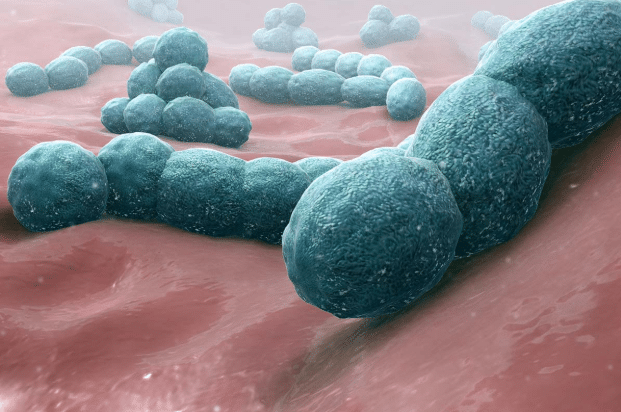
Did you know that bacterial infections affect millions worldwide, causing a wide range of health issues?
We are surrounded by bacteria, some of which are harmless, while others can cause serious infections. These leading bacterial infections can manifest in various forms. They include skin infections, respiratory tract infections, and urinary tract infections. These infections significantly impact global health.
Understanding the three most common bacterial infections is key. It helps in developing effective treatments and prevention strategies. In this article, we will explore these infections in detail. We will look at their causes, symptoms, and treatments.
Key Takeaways
- Bacterial infections are a significant global health issue.
- The top 3 bacterial infections vary in their impact and prevalence.
- Understanding these infections is key to effective treatment and prevention.
- We will explore the causes, symptoms, and treatments of these infections.
- Knowledge of these infections can help in developing prevention strategies.
Understanding Bacterial Infections
It’s important to know about bacterial infections to prevent and treat them well. These infections happen when bad bacteria get into our bodies and grow. This can cause health problems, from mild to serious.
What is a Bacterial Infection?
A bacterial infection occurs when harmful bacteria break through our body’s defenses. These bacteria can make toxins that harm tissues and make us sick.
“Bacteria are everywhere, and while many are harmless or even beneficial, some can cause significant health problems.”
Common Symptoms to Look For
Spotting the signs of bacterial infections early is key to getting better. Common signs include fever, fatigue, and feeling off. The symptoms can change based on the infection and where it is in the body.
Some common bacterial infections are:
- Respiratory infections, such as pneumonia
- Skin infections, like cellulitis
- Urinary tract infections (UTIs)
Seeing these symptoms early helps get the right treatment fast. This is vital to avoid bigger problems.
Overview of the Top 3 Bacterial Infections
Bacterial infections like Strep Throat, UTIs, and Bacterial Pneumonia are common worldwide. They are caused by different bacteria and can really affect someone’s life.
A Brief Introduction to the Top 3
The top 3 bacterial infections are Strep Throat, Urinary Tract Infections (UTIs), and Bacterial Pneumonia. Let’s dive into each one.
We will look at what makes each infection unique.
Characteristics of the Top 3 Bacterial Infections
- Strep Throat: Caused by Streptococcus pyogenes, this infection affects the throat and tonsils.
- Urinary Tract Infections (UTIs): UTIs happen when bacteria get into the urinary tract. This can affect the bladder, kidneys, or urethra.
- Bacterial Pneumonia: This is a serious lung infection caused by bacteria like Streptococcus pneumoniae.
| Infection | Cause | Common Symptoms |
| Strep Throat | Streptococcus pyogenes | Sore throat, fever, swollen lymph nodes |
| Urinary Tract Infections (UTIs) | E. coli and other bacteria | Burning while urinating, frequent need to urinate, abdominal pain |
| Bacterial Pneumonia | Streptococcus pneumoniae and other bacteria | Cough, fever, trouble breathing, chest pain |
Knowing about the top 3 bacterial infections is key for getting the right treatment. By understanding the causes and symptoms, people can get help fast.
Bacterial Infection 1: Strep Throat
Strep throat is caused by Streptococcus pyogenes. It makes your throat sore and raises your fever. It spreads easily through touching respiratory secretions.
Symptoms include a very sore throat, fever, swollen lymph nodes, and white patches on the tonsils. Spotting these signs early is key to getting treatment fast.
To diagnose, doctors use a rapid strep test or throat culture. Streptococcus pyogenes is confirmed through these tests. This guides how to treat the infection.
Antibiotics are the main treatment for strep throat. They help lessen symptoms and prevent serious problems. It’s important to finish the whole antibiotic course.
Managing symptoms includes drinking lots of water, gargling with salt water, using a humidifier, and resting. These steps help ease pain and aid in recovery.
- Drinking plenty of fluids
- Gargling with salt water
- Using a humidifier
- Getting adequate rest
Knowing about strep throat’s causes, symptoms, and treatments helps manage the infection well.
1: Strep Throat
Strep Throat is a highly contagious infection caused by Group A Streptococcus. It affects millions worldwide each year. This makes it a big worry for public health.
It spreads through direct contact with infected saliva or mucus. This shows why keeping clean is so important.
Healthcare workers see how Strep Throat affects people and communities. Knowing its causes and symptoms helps us treat it better. The leading bacterial pathogens can cause serious problems if not treated fast.
Key Takeaways
- Strep Throat is highly contagious and spreads through direct contact with infected saliva or mucus.
- Understanding the causes and symptoms is key for effective management.
- Prompt treatment is needed to avoid serious complications.
- Good hygiene practices are essential to stop it from spreading.
- Strep Throat is a major public health issue worldwide.
Bacterial Infection 2: Urinary Tract Infections (UTIs)
The urinary tract can get infected by bacteria, known as UTIs. This can really affect how well you live. We’ll look at why UTIs happen, what symptoms they cause, and how to treat them.
UTIs happen when bacteria get into the urinary tract and grow. This can cause pain when you pee, needing to pee a lot, and stomach pain. It’s very important to notice these signs early to avoid bigger problems. Look out for these symptoms:
- Pain or burning sensation while urinating
- Frequent or intense need to urinate
- Cloudy or strong-smelling urine
- Pelvic pain in women
Knowing why UTIs happen is the first step to stopping them. Bacteria, mainly Escherichia coli (E. coli), cause most UTIs. Things like being a woman, being sexually active, and using certain birth control can make you more likely to get a UTI.
We’ll talk about how to treat UTIs, like with antibiotics and other options. Antibiotics are usually the go-to for UTIs. The type of antibiotic used depends on the bacteria causing the infection.
Some important things about treating UTIs include:
- Using antibiotics to kill the bacteria
- It’s key to finish all the antibiotics you’re given
- There are other treatments for UTIs that come back or are hard to treat
To prevent UTIs, you can make some lifestyle changes and sometimes get medical help. Drinking lots of water, peeing when you need to, and keeping clean are good steps.
Bacterial Infection 3: Bacterial Pneumonia
Bacterial pneumonia is a common lung infection caused by bacteria like Streptococcus pneumoniae. It’s serious and needs quick medical help.
This infection is a big worry for certain groups. These include the elderly, young kids, and people with weak immune systems. Symptoms often include cough, fever, and trouble breathing.
Common Causes and Symptoms
The main cause is Streptococcus pneumoniae. Other bacteria like Haemophilus influenzae and Klebsiella pneumoniae can also cause it. Symptoms can come on fast and include:
- Cough, which may produce mucus or pus
- Fever, sweating, and shaking chills
- Shortness of breath or difficulty breathing
- Rapid, shallow breathing
- Chest pain or discomfort that worsens with coughing or deep breathing
Treatment Options
Antibiotics are the main treatment for bacterial pneumonia. The right antibiotic depends on the bacteria and how bad the pneumonia is. It’s key to finish all antibiotics as told to get rid of the infection.
Along with antibiotics, treatments like rest, drinking lots of water, and medicines for fever and cough help. In serious cases, hospital care is needed. This includes oxygen and fluids given through a vein.
3: Bacterial Pneumonia
Pneumonia is a major cause of death worldwide, says the Centers for Disease Control and Prevention (CDC). Bacterial Pneumonia is very dangerous, mainly for the elderly and young kids.
Getting a diagnosis of Bacterial Pneumonia is scary. It’s a serious bacterial infection that hurts the lungs’ air sacs. This makes it hard to breathe. Quick medical help is key to avoid worse problems and get better.
Key Takeaways
- Bacterial Pneumonia is a serious infection that requires immediate medical attention.
- Vulnerable populations, such as the elderly and young children, are at higher risk.
- Understanding the causes and symptoms is key for effective treatment.
- We provide complete care for patients with Bacterial Pneumonia.
- Early diagnosis and treatment can greatly improve patient outcomes.
How Bacterial Infections Spread
To stop bacterial infections, we must understand how they spread. These infections are a big problem worldwide. Knowing how they spread helps us find ways to prevent them.
Common Transmission Methods
Bacterial infections spread in several ways. The main methods are:
- Direct Contact: Touching someone with an infection or their fluids.
- Airborne Transmission: Breathing in bacteria from the air when someone coughs or sneezes.
- Contaminated Food and Water: Eating or drinking things with bacteria in them.
Prevention Tips
To stop bacterial infections, we need good hygiene and to know how they spread. Here are some tips:
- Wash Your Hands: Washing your hands often with soap and water is very effective.
- Avoid Close Contact: Staying away from people with infections helps prevent spread.
- Proper Food Handling: Handling and cooking food right can stop foodborne infections.
Health experts say,
“Prevention is key for bacterial infections. Knowing how they spread and taking simple steps can greatly lower the risk of getting infected.”
| Transmission Method | Description | Prevention Tips |
| Direct Contact | Touching someone with an infection or their fluids. | Avoid close contact, wash hands often. |
| Airborne Transmission | Breathing in bacteria from the air when someone coughs or sneezes. | Wear masks, stay away from crowded places. |
| Contaminated Food and Water | Eating or drinking things with bacteria in them. | Make sure food is handled and cooked right, drink safe water. |
Risk Factors for Bacterial Infections
Some groups face a higher risk of getting bacterial infections. This is because their bodies struggle more to fight off these harmful germs. We’ll look at why this is, including age, immune health, and lifestyle choices.
Age and Immune Status
Age is a big factor in who gets sick from bacteria. Older people and young kids are more at risk because their immune systems are weaker. People with weakened immune systems, because of age, illness, or treatments, are also more likely to get sick.
“The immune system is the body’s defense against infectious organisms and other invaders.” –
Source: National Institute of Allergy and Infectious Diseases
Medical issues like HIV/AIDS, cancer, and diabetes can really hurt how well our immune system works. This makes it easier for bacteria to cause infections.
Lifestyle Factors
Our lifestyle choices can also raise the risk of getting bacterial infections. For example, smoking and not keeping clean can make us more susceptible. Also, behaviors like not using protection during sex or sharing personal items can spread infections.
- Not eating well or not getting enough sleep can weaken our immune system.
- Living close to others, like in military barracks or prisons, can also increase the chance of getting sick.
Diagnosing a Bacterial Infection
To find out if you have a bacterial infection, doctors use a few key steps. They look at your symptoms and run lab tests. These steps help figure out if you have bacteria and what treatment you need.
Tests Used for Diagnosis
Lab tests are very important in finding bacterial infections. Here are some tests doctors often use:
- Cultures: This test grows bacteria from a sample. It helps find out what kind of bacteria you have.
- PCR (Polymerase Chain Reaction): PCR tests look for the genetic material of bacteria. This makes it easier to quickly find out if you have an infection.
- Blood Tests: Blood tests check for bacteria or their toxins in your blood. They help diagnose infections that spread through the blood.
| Diagnostic Test | Description | Advantages |
| Culture | Grows bacteria from a sample | Identifies the type of bacteria, allows for antibiotic sensitivity testing |
| PCR | Detects bacterial DNA | Rapid results, high sensitivity |
| Blood Test | Detects bacteria or toxins in blood | Helps diagnose systemic infections |
Importance of Early Detection
Finding out you have a bacterial infection early is very important. It helps doctors treat you right away. This can stop serious problems from happening.
If your symptoms get worse or don’t go away, see a doctor right away. Quick action can make a big difference in how well you recover. It can also help avoid long-term health issues.
Treatment Options for Bacterial Infections
Bacterial infections require prompt and effective treatment to prevent serious complications and promote recovery. It’s important for both patients and doctors to know about the different treatment options.
Antibiotics: How They Work
Antibiotics are the main way to treat bacterial infections. They either kill the bacteria or stop them from growing. This lets the body’s immune system fight off the infection.
We choose antibiotics based on the type of bacteria and how severe the infection is.
“The choice of antibiotic depends on the type of bacterial infection, its severity, and the patient’s overall health status,”
says a leading expert in infectious diseases. Doctors often prescribe penicillins, cephalosporins, and fluoroquinolones.
Alternative Treatments
As antibiotic resistance grows, researchers are looking into other treatments.
These alternatives might include probiotics to keep gut bacteria balanced and bacteriophage therapy, which uses viruses to target bacteria.
“Alternative treatments offer promising avenues for managing bacterial infections, even when traditional antibiotics don’t work,”
notes a researcher in the field.
When to Seek Medical Attention
It’s key to know when to get medical help for bacterial infections. This can prevent serious problems. Bacterial infections can show up in many ways, so knowing when to act is important.
Warning Signs of Severe Infections
Severe bacterial infections are serious and can be deadly if not treated fast. We need to watch for signs that mean we should get medical help right away. Some signs include:
- High Fever: A fever that doesn’t go down with over-the-counter meds.
- Severe Pain: Pain that’s really bad, doesn’t go away, or gets worse.
- Difficulty Breathing: Trouble breathing or feeling short of breath, which can mean pneumonia.
- Confusion or Disorientation: Feeling confused, disoriented, or not as alert as usual.
Spotting these symptoms early can make a big difference. If you see these signs in yourself or someone else, get medical help fast.
Importance of Timely Treatment
Getting treatment for bacterial infections quickly is very important. It helps avoid serious problems and keeps you healthy in the long run. Antibiotics are usually the first choice for treatment, and starting them early is key to getting better.
The table below shows why quick treatment is so important for common bacterial diseases:
| Bacterial Disease | Complications Without Timely Treatment | Benefits of Timely Treatment |
| Strep Throat | Rheumatic fever, kidney inflammation | Reduces risk of complications, quick recovery |
| Urinary Tract Infections (UTIs) | Kidney damage, sepsis | Prevents kidney damage, reduces risk of recurrence |
| Bacterial Pneumonia | Respiratory failure, sepsis | Improves lung function, reduces mortality risk |
We stress the need to see a doctor if symptoms get worse or if you see signs of severe infection. Quick treatment not only helps you but also stops infections from spreading in communities.
Living with Bacterial Infections
Managing bacterial infections means more than just treating them. It’s about understanding how to live with them. For many, these infections keep coming back, needing constant care and management.
Recurrence and Long-Term Management
Some infections come back, and managing them long-term is key. Knowing why they happen is important. This includes infections like Strep Throat, Urinary Tract Infections (UTIs), and Bacterial Pneumonia.
To prevent them from coming back, making lifestyle changes helps. This means better hygiene, staying away from sick people, and eating well to keep your immune system strong. Sometimes, doctors may give antibiotics to stop them from coming back.
Support and Resources
Dealing with recurring infections can be tough, both in body and mind. Having support and resources is vital. This includes doctors who can help and support groups where people share their stories.
Staying up-to-date with new research and treatments is also important. Look for reliable sources of information. Always talk to your doctor about new treatments or ways to manage your condition.
By understanding bacterial infections and the help available, you can manage your condition better. This improves your life quality.
Conclusion: Stay Informed About Bacterial Infections
Knowing about bacterial infections is key to staying healthy. We’ve talked about the top three: Strep Throat, Urinary Tract Infections (UTIs), and Bacterial Pneumonia. By knowing the signs and how they spread, we can prevent them.
Learning about bacterial infections helps us stay safe. By knowing the facts, we can make smart health choices. This helps us avoid getting sick.
Empowering Health Choices
Knowing what health choices to make is important. We need to know about the top bacterial infections and how they affect us. This way, we can get help fast and follow treatment plans.
Prevention Through Education
Learning is the best way to fight bacterial infections. We stress the need for education to help people protect their health. By understanding these infections, we can all work together to stop them from spreading.
FAQ
What are the top three bacterial infections?
The top three bacterial infections are Strep Throat, Urinary Tract Infections (UTIs), and Bacterial Pneumonia. These are common and serious worldwide.
What is a bacterial infection?
A bacterial infection happens when bacteria harm the body. It causes health problems. Antibiotics or other treatments can help.
How do bacterial infections spread?
Bacterial infections spread through contact with an infected person. They can also spread through contaminated food or water. Or when someone coughs or sneezes.
What are the common symptoms of Strep Throat?
Symptoms of Strep Throat include a sore throat and fever. Swollen lymph nodes and white patches on the tonsils are also signs. Seeing a doctor quickly is important.
How are UTIs diagnosed?
UTIs are found through urine tests. These tests look for bacteria. Finding UTIs early is key to avoid complications and treat them well.
What are the risk factors for Bacterial Pneumonia?
Bacterial Pneumonia risks include age and a weak immune system. Lifestyle factors like smoking also increase the risk.
How can bacterial infections be prevented?
Preventing bacterial infections is possible. Good hygiene, like washing hands, helps. Avoiding close contact with sick people and getting vaccinated also prevent infections.
What are the treatment options for bacterial infections?
Treatments for bacterial infections include antibiotics. These kill or stop bacteria from growing. Other treatments, like supportive care, are also available.
When should I seek medical attention for a bacterial infection?
Seek medical help for severe symptoms. This includes trouble breathing, chest pain, or severe stomach pain. Also, if symptoms get worse, it’s a sign of a serious infection.
Can bacterial infections recur?
Yes, bacterial infections can come back. This happens if the cause isn’t fixed or if the immune system is weak. Long-term management and prevention are key.
What support and resources are available for individuals living with bacterial infections?
People with bacterial infections can find support. Healthcare providers, support groups, and online resources are available. They help manage the condition and improve life quality.
How can education and prevention help in managing bacterial infections?
Education and prevention are vital. They empower people to make healthy choices and seek medical help when needed. This helps manage bacterial infections effectively.
References
World Health Organization. The WHO Bacterial Priority Pathogens List 2024: a prioritisation study to guide research, development, and public health strategies against antimicrobial resistance. The Lancet Infectious Diseases. Retrieved from https://pubmed.ncbi.nlm.nih.gov/40245910/



 Departments
 Related Videos
 Our Doctors
 News
News