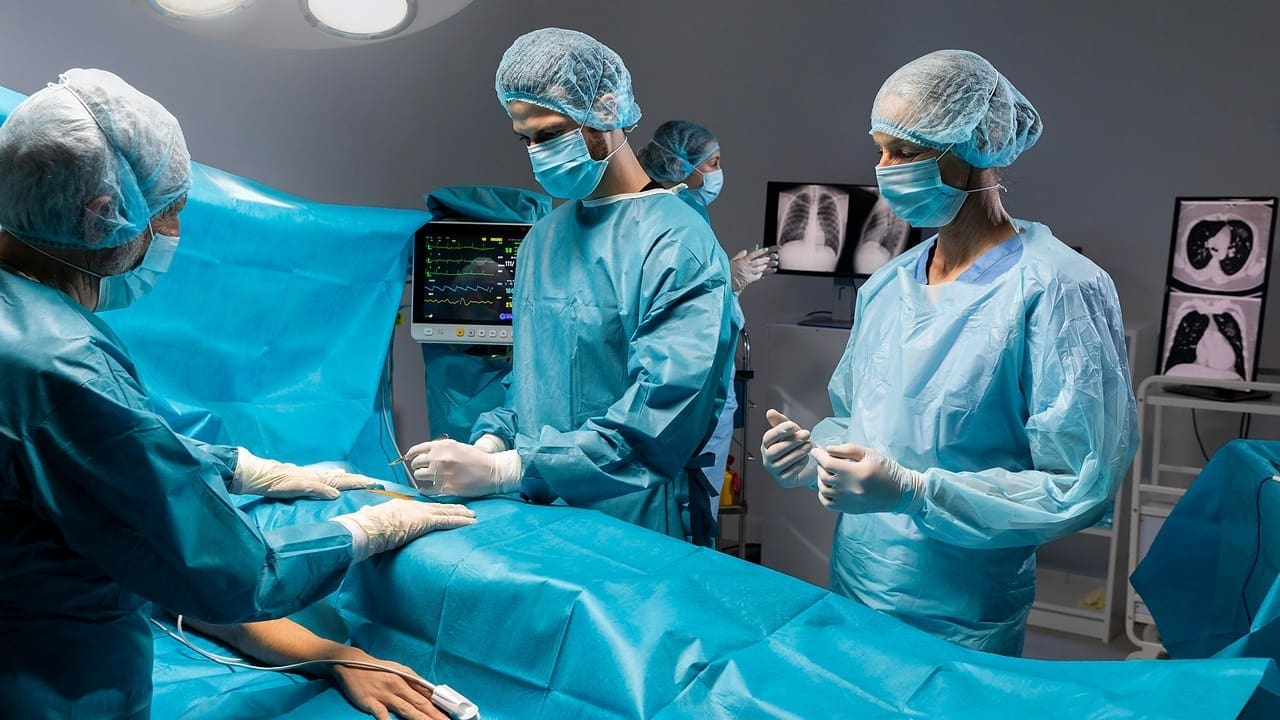
Knowing the types of spinal operations is key to good back health. At Liv Hospital, we focus on you, helping you understand spinal surgery.
Spinal surgery covers many procedures for different issues. The main spinal cord surgery types are discectomy, laminectomy, and spinal fusion. These surgeries aim to ease pain, improve function, and enhance life quality.
Our team at Liv Hospital is committed to the latest in spine surgery. By learning about spinal operations, you can see the treatment choices better.
Key Takeaways
- Discectomy, laminectomy, and spinal fusion are the primary types of spinal surgery.
- Each procedure addresses specific spinal conditions.
- Liv Hospital provides patient-centered care with up-to-date spinal surgery protocols.
- Understanding spinal operations helps in making informed decisions about back health.
- Spinal surgery aims to alleviate pain, restore function, and improve quality of life.
Understanding Spinal Surgery: An Overview
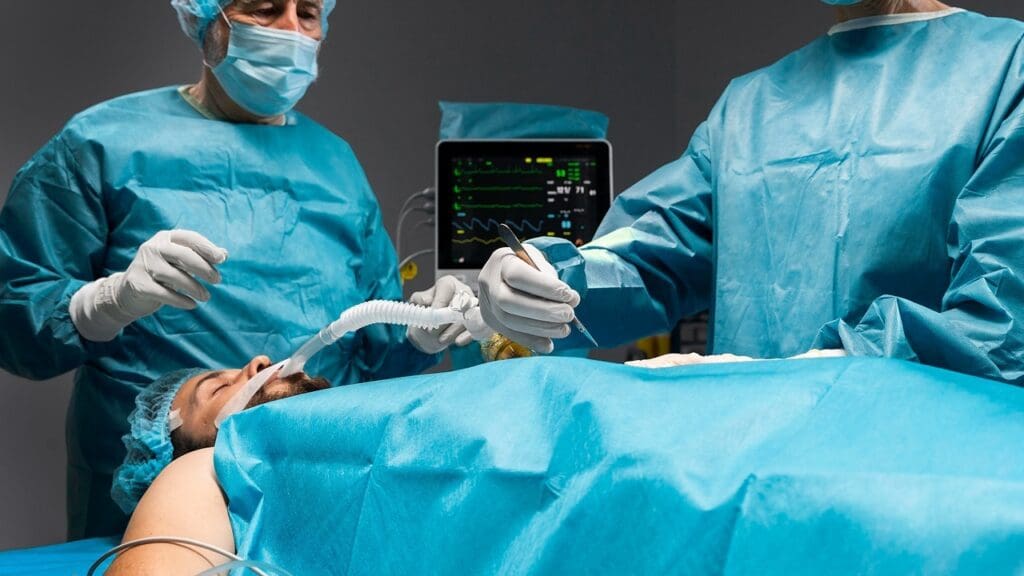
Spinal surgery is key for those with severe back problems that haven’t gotten better with other treatments. It covers many procedures for issues like herniated discs, spinal stenosis, and spinal deformities.
Common Spinal Conditions Requiring Surgical Intervention
Some spinal conditions need surgery. For example, herniated discs can press on nerves, causing pain and numbness. Spinal stenosis is when the spinal canal gets too narrow. And spinal deformities, like scoliosis, make the spine curve abnormally.
When Surgery Becomes Necessary
Surgery is needed when other treatments don’t work or when the condition gets worse. It affects a person’s life quality. Doctors usually suggest surgery after they’ve checked and diagnosed the problem.
The Evolution of Spine Surgery Techniques
Spinal surgery has made big strides, moving towards less invasive methods. These new techniques mean smaller cuts, less harm to tissues, and faster healing. They help patients recover better and feel happier with their results.
What Are the Three Types of Spinal Surgery?
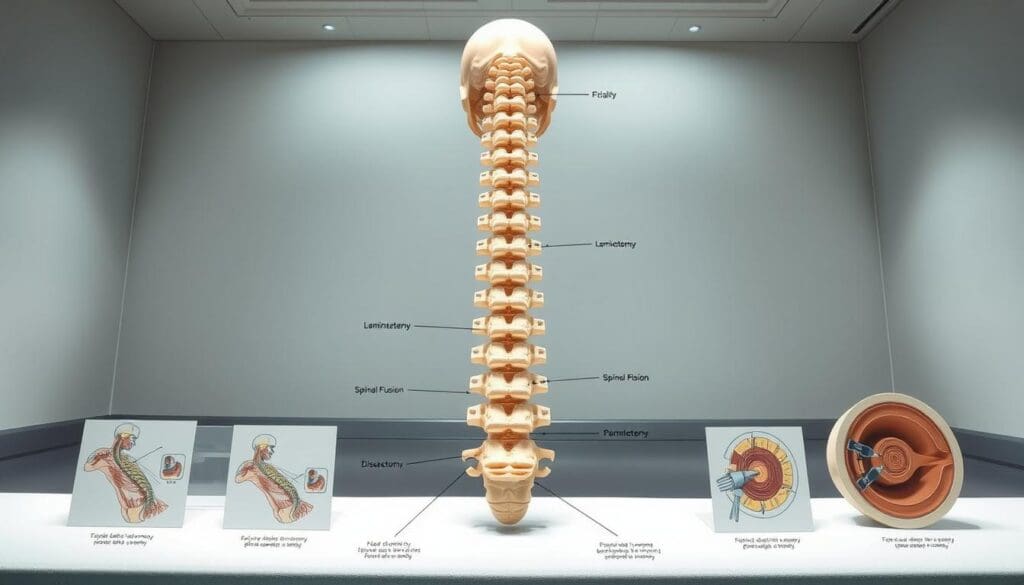
Spinal surgery includes many procedures, but three are most common and effective. These are discectomy, laminectomy, and spinal fusion. Knowing about these is key for those thinking about spinal surgery.
Primary Categories of Spine Procedures
The three main types of spinal surgery have different goals. Discectomy removes damaged disc material that’s pressing on nerves. Laminectomy removes part or all of the lamina to ease pressure on the spinal cord or nerves. Spinal fusion joins two or more vertebrae together to stabilize the spine.
| Procedure | Purpose | Common Indications |
|---|---|---|
| Discectomy | Relieve pressure on nerves | Herniated discs |
| Laminectomy | Decompress spinal canal | Spinal stenosis |
| Spinal Fusion | Stabilize the spine | Spondylolisthesis, scoliosis |
How Surgeons Determine the Appropriate Procedure
Surgeons look at many factors to choose the right procedure. They consider the patient’s health, the condition being treated, and how severe the symptoms are. Tests like MRI or CT scans help make this decision.
Terminology: What is Back Surgery Called in Clinical Settings?
In clinics, back surgery has specific names based on the procedure. For example, a discectomy might be called a “microdiscectomy” if it’s done with special microsurgical techniques. Knowing these terms helps patients understand their options better.
By learning about the three main types of spinal surgery, patients can make better choices about their care.
Discectomy: Relieving Nerve Pressure
Discectomy is a surgery to ease nerve pressure. It’s often done for herniated discs. The goal is to take pressure off nerves, easing pain and discomfort.
What is a Discectomy?
A discectomy removes part or all of a herniated disc. This is done when a disc’s soft center leaks out and irritates nerves. It aims to fix nerve problems and stop pain, numbness, and weakness.
Conditions Treated with Discectomy
Discectomy mainly treats herniated discs that press on nerves. Pain, numbness, tingling, or weakness in arms or legs might need this surgery. It’s chosen when other treatments don’t work.
Microdiscectomy vs. Traditional Approaches
There are different ways to do a discectomy, like microdiscectomy. Microdiscectomy uses a microscope and special tools for a smaller cut. It’s less invasive, with less damage and quicker healing than traditional methods.
Benefits of Minimally Invasive Techniques
Minimally invasive methods, like microdiscectomy, have big advantages. They mean smaller cuts, less muscle damage, and lower infection risk. This leads to faster healing and less pain after surgery.
Recovery Differences Between Approaches
Recovery times differ between traditional and microdiscectomy. Microdiscectomy patients usually have a shorter hospital stay and less pain. Traditional discectomy takes longer to recover from because it’s more invasive.
The Discectomy Procedure Explained
The discectomy procedure is a back surgery that removes damaged disc material. This helps to relieve nerve compression. At Liv Hospital, our skilled surgeons do this with great care, aiming for the best results for our patients.
Surgical Technique and Approach
A discectomy is done under general anesthesia. The method used can change based on the patient’s situation. The surgeon makes a small incision in the back to get to the herniated disc.
Then, they remove the damaged disc material. This takes pressure off the nerve, easing pain.
Recovery and Expected Outcomes
Patients usually recover quickly after the surgery. They often feel a lot better, with less pain and numbness. Most can go back to their usual activities in a few weeks.
“Discectomy has been a game-changer for many of our patients,” says our lead surgeon. “It’s a safe and effective procedure that can greatly improve quality of life.”
Potential Risks and Complications
Like any surgery, discectomy has some risks. These include infection, nerve damage, and bleeding. But these are rare. Our surgeons take all precautions to avoid these problems.
Laminectomy: Creating Space in the Spinal Canal
Laminectomy is a surgery that makes more room in the spinal canal. It helps when the spinal canal gets too narrow. This can happen due to conditions like spinal stenosis, which puts pressure on nerves and causes pain.
What is a Laminectomy?
A laminectomy removes part of the vertebrae that covers the spinal canal. This surgery helps relieve pressure on nerves or the spinal cord. It’s usually done when other treatments don’t work.
Spinal Stenosis and Other Indications
Spinal stenosis, or a narrow spinal canal, is the main reason for laminectomy. Other reasons include herniated discs, tumors, or injuries that press on nerves.
Types of Laminectomy Procedures
Laminectomy surgeries can differ in how much bone is removed. There are full and partial laminectomies.
Full vs. Partial Laminectomy
Full laminectomy removes the whole lamina. Partial laminectomy takes out just a piece. The choice depends on how severe the condition is and the doctor’s opinion.
Laminotomy as an Alternative
Laminotomy is a less invasive option. It removes a smaller part of the lamina. This method tries to cause less harm to the spine while easing nerve pressure.
Knowing about different back surgeries, like laminectomy, is key for those thinking about spine operations. A laminectomy can greatly improve life for those with nerve compression.
The Laminectomy Procedure Explained
Our team at Liv Hospital is skilled in laminectomy procedures. This surgery removes part or all of the lamina. The lamina is a bony plate that protects the spinal canal. It helps relieve pressure on the spinal cord or nerves.
Surgical Technique and Approach
The procedure starts with an incision in the back. The surgeon then removes bone and tissue to open up the affected area. Advanced imaging techniques help ensure the surgery is done right.
Recovery Timeline and Rehabilitation
Recovery time after laminectomy varies. Most people can get back to normal in a few weeks. Physical therapy is often needed to strengthen the back and improve flexibility.
Potential Risks and Complications
Laminectomy, like any surgery, has risks. These include infection, nerve damage, and spine instability. But, serious complications are rare when done by skilled surgeons.
| Aspect | Description | Expected Outcome |
|---|---|---|
| Surgical Technique | Removal of lamina to decompress spinal cord or nerves | Relief from pressure on spinal cord or nerves |
| Recovery Timeline | Several weeks | Return to normal activities |
| Potential Risks | Infection, nerve damage, spinal instability | Serious complications are rare with experienced surgeons |
Spinal Fusion: Stabilizing the Spine
Spinal fusion surgery joins two or more vertebrae together. It’s key for stabilizing the spine, easing pain, and improving function in patients with certain spinal issues.
What is Spinal Fusion?
Spinal fusion is a surgery where two or more vertebrae are fused together. It uses bone grafts, rods, or other devices. This fusion stabilizes the spine, reduces pain, and boosts mobility.
Conditions Requiring Spinal Fusion
Spinal fusion is often needed for degenerative disc disease, scoliosis, and spondylolisthesis. These conditions can lead to a lot of pain and instability. Spinal fusion helps fix these problems.
Different Approaches to Spinal Fusion
There are many ways to do spinal fusion, each with its own benefits. The choice depends on the patient’s condition and the surgeon’s preference.
Anterior vs. Posterior Approaches
The anterior approach goes through the front of the body. The posterior approach goes through the back. Each has its own uses and advantages.
Materials Used in Fusion Procedures
Bone grafts are often used in spinal fusion to help the bones fuse. Rods, screws, and cages are also used to support the spine during healing.
Understanding spinal fusion helps patients make better choices about their treatment. Our team is dedicated to providing personalized care and support every step of the way.
The Spinal Fusion Procedure Explained
At Liv Hospital, we use spinal fusion to treat spinal conditions. This surgery joins two or more vertebrae. It stabilizes the spine, relieves pain, and improves function.
Surgical Technique and Process
The spinal fusion procedure has several steps. We start by making an incision in the back to reach the spine. Then, we use bone grafts to help the vertebrae fuse.
The bone grafts can come from the patient or a donor. We use rods, screws, or plates to keep the vertebrae in place. This ensures they align and support each other properly.
Recovery and Rehabilitation Process
After surgery, patients need time to recover. They are watched closely for any issues. The recovery includes rest, physical therapy, and managing pain.
We create a personalized plan for each patient. This helps them regain strength and mobility.
Long-term Outcomes and Considerations
Spinal fusion surgery can lead to long-term success. Many patients feel less pain and live better lives. But, there are risks like infection, nerve damage, or hardware failure.
At Liv Hospital, we provide full care. We support our patients through the recovery process.
Different Back Surgeries: Beyond the Main Types
Spinal surgery goes beyond the usual procedures. It offers many options for patients. While discectomy, laminectomy, and spinal fusion are common, there are other surgeries for specific conditions.
Artificial Disc Replacement
Artificial disc replacement is a surgery. It replaces a damaged disc with an artificial one. This aims to keep the spine mobile. It’s often for those with degenerative disc disease.
Kyphoplasty and Vertebroplasty
Kyphoplasty and vertebroplasty are less invasive. They help with compression fractures in the spine. Bone cement is injected into the vertebra to ease pain and restore height.
Foraminotomy and Other Decompression Procedures
Foraminotomy widens the foramina to relieve nerve pressure. Other decompression procedures, like laminotomy or discectomy variations, also aim to reduce nerve compression.
Types of Lumbar Surgery Specific to Lower Back
Lumbar surgeries focus on the lower back. They include microdiscectomy for herniated discs and fusion techniques for instability or deformity. For more on preparing for back surgery, visit this resource.
These surgeries show the wide range of treatments for spinal conditions. Each is designed to meet specific needs and issues.
Minimally Invasive Approaches to Spine Surgery
Minimally invasive spine surgery has many benefits over traditional surgery. It’s becoming more popular because it cuts down on recovery time and tissue damage.
Benefits of Minimally Invasive Techniques
These surgeries use smaller cuts, which means less damage to the muscles and tissues. This leads to less blood loss, less pain after surgery, and shorter hospital stays. Patients can get back to their daily activities faster.
A study in the Journal of Neurosurgery: Spine found that these surgeries cause less blood loss and shorter hospital stays than traditional surgery.
“Minimally invasive spine surgery has become an increasingly popular option for treating various spinal conditions, providing patients with a faster recovery and less postoperative pain.”
When Minimally Invasive Surgery is Appropriate
Not every spinal condition can be treated with minimally invasive surgery. We check each patient’s condition to see if this method is right for them. Conditions like herniated discs, spinal stenosis, and some types of spondylolisthesis are often treated this way.
| Condition | Minimally Invasive Option | Traditional Surgery |
|---|---|---|
| Herniated Disc | Microdiscectomy | Open Discectomy |
| Spinal Stenosis | Laminectomy | Open Laminectomy |
| Spondylolisthesis | Minimally Invasive Fusion | Open Spinal Fusion |
Technology Enabling Less Invasive Spine Procedures
Technology has been key in making spine surgery less invasive. We use special tools, endoscopic cameras, and imaging to do complex surgeries through small cuts.
Navigation systems and robotic-assisted surgery also improve the safety and precision of these surgeries.
Preparing for Spine Surgery: What Patients Should Know
Getting ready for spine surgery is a big step. It involves several important steps to ensure a good outcome. Proper preparation helps achieve the best results and reduces risks.
Pre-operative Evaluations and Testing
Before surgery, patients must go through many tests. These tests check the patient’s health and spot any surgery risks. Tests include blood work, MRI or CT scans, and more, as the doctor decides.
Questions to Ask Your Surgeon About Spinal Cord Surgery Types
Talking openly with your surgeon is key. Ask about the surgery type, expected results, risks, and recovery. For more info, check out Preparing for Low Back Surgery.
Setting Realistic Expectations
It’s important to have realistic hopes for surgery. Understand that recovery takes time. Knowing what to expect can help manage stress.
Planning for Recovery and Rehabilitation
Planning for recovery is essential. Arrange home support, plan work time off, and understand the rehab process. A good plan can greatly improve surgery success.
| Pre-Surgery Preparation | Description | Importance |
|---|---|---|
| Pre-operative Evaluations | Assessments to evaluate overall health and possible risks | High |
| Questions to Surgeon | Asking about surgery details, risks, and recovery | High |
| Realistic Expectations | Understanding recovery timeline and outcomes | High |
| Recovery Planning | Arranging support, time off work, and rehabilitation | High |
Conclusion
Knowing about the different spinal surgeries is key for those with back pain or spinal issues. At Liv Hospital, we’ve looked into main spine procedures like discectomy and laminectomy. We also cover specialized surgeries such as artificial disc replacement and kyphoplasty.
Our team is committed to top-notch care. We use the newest spine surgery techniques for the best results. Choosing Liv Hospital means getting care that’s on par with the world’s best.
Getting the right diagnosis and treatment is vital for managing spinal conditions. We stress the need for experienced care. This ensures treatments fit each patient’s unique needs.
What are the three primary types of spinal surgery?
The main types of spinal surgery are discectomy, laminectomy, and spinal fusion. These help treat issues like herniated discs and spinal instability.
What is back surgery called in clinical settings?
In clinics, back surgery is known by different names. Terms like spinal surgery, spine surgery, and lumbar surgery are common.
What is a discectomy?
A discectomy is a surgery to remove a damaged disc from the spine. It helps relieve pressure on nerves, treating sciatica and radiculopathy.
What is the difference between microdiscectomy and traditional discectomy?
Microdiscectomy is a less invasive version of discectomy. It uses a microscope and small tools for less damage and quicker healing.
What is a laminectomy?
A laminectomy removes part or all of the lamina to relieve nerve pressure. It’s used for spinal stenosis and other narrowing conditions.
What is spinal fusion?
Spinal fusion joins vertebrae together with bone grafts and rods. It treats spinal instability and other conditions.
What are the benefits of minimally invasive spine surgery?
Minimally invasive spine surgery has many benefits. It includes smaller cuts, less blood loss, and faster healing. This leads to less pain and quicker recovery.
How do I prepare for spine surgery?
Preparing for spine surgery involves several steps. You’ll need to undergo tests, discuss your history and medications, and plan for recovery. Following your surgeon’s advice is key for a successful surgery.
What are the possible risks and complications of spine surgery?
Spine surgery carries risks like infection and nerve damage. Your surgeon will discuss these risks and the benefits of your procedure with you.
How long does it take to recover from spine surgery?
Recovery times vary based on the surgery and individual factors. Most people take several weeks to months to fully recover, returning to normal activities within a few months.
What types of lumbar surgery are available for lower back conditions?
Lumbar surgery options include discectomy, laminectomy, spinal fusion, and artificial disc replacement. The right procedure depends on your condition and needs.
What is artificial disc replacement?
Artificial disc replacement replaces a damaged disc with an artificial one. It aims to preserve motion and reduce pain in the spine.
What is kyphoplasty?
Kyphoplasty is a procedure for vertebral compression fractures. It uses bone cement to stabilize and restore the vertebra’s height.
What is vertebroplasty?
Vertebroplasty injects bone cement into a fractured vertebra to stabilize it and ease pain.
References
- Healthline: https://www.healthline.com/health/back-pain/types-of-spine-surgery
- National Center for Biotechnology Information (NCBI) / PMC: https://pmc.ncbi.nlm.nih.gov/articles/PMC10244307