When spine osteoarthritis or degenerative arthritis of the spine doesn’t get better with usual treatments, back surgery for arthritis is an option. At Liv Hospital, we focus on advanced medical care, patient safety, and comfort.
At Liv Hospital, we get how tough arthritis-related back pain can be. We offer cutting-edge, patient-centered care that meets international spine health standards. Our treatments range from anti-inflammatory meds and physical therapy to targeted injections. For cases that don’t get better, we consider surgery.
We know how important osteoarthritis back treatment is for our patients’ quality of life. Our team is committed to top-notch healthcare. We offer full support for patients from around the world.
Key Takeaways
- Conservative treatments are considered before surgery for spine osteoarthritis.
- Liv Hospital offers patient-focused care for arthritis-related back pain.
- Treatment options include medications, physical therapy, and targeted injections.
- Surgery is considered for persistent cases of degenerative arthritis of the spine.
- Our team provides full support for international patients.
Understanding Arthritis in the Spine
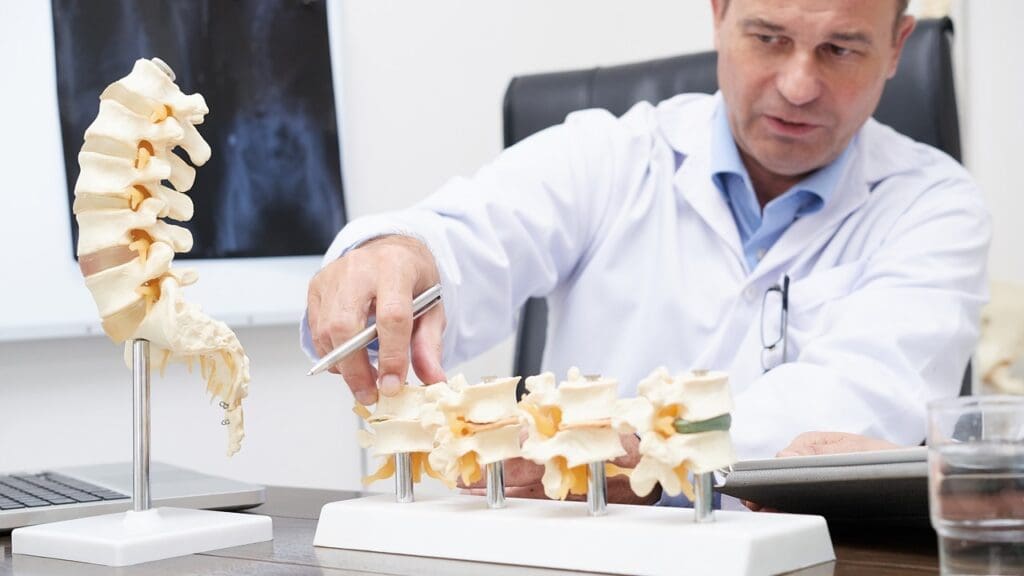
It’s important to understand arthritis in the spine to create effective treatments. Arthritis in the back can take many forms, each with its own challenges and treatments.
Types of Arthritis Affecting the Back
Several types of arthritis can affect the back, including osteoarthritis, rheumatoid arthritis, and ankylosing spondylitis. Osteoarthritis happens when cartilage in joints breaks down. Rheumatoid arthritis is a chronic condition that causes inflammation and damage to joints, including the spine.
Osteoarthritis is more common in older adults. Rheumatoid arthritis is more common in women and can be caused by genetics and environment.
| Type of Arthritis | Characteristics | Common Symptoms |
|---|---|---|
| Osteoarthritis | Breakdown of cartilage in joints | Chronic pain, stiffness, limited mobility |
| Rheumatoid Arthritis | Autoimmune inflammation | Pain, swelling, stiffness, possible deformity |
| Ankylosing Spondylitis | Chronic inflammation of spine and sacroiliac joints | Back pain, stiffness, possible fusion of vertebrae |
How Arthritis Damages Spinal Structures
Arthritis can damage the spine in several ways. It can break down cartilage, cause inflammation, and lead to bone spurs. This damage can cause chronic pain, stiffness, and reduced mobility. In severe cases, it can also compress nerves, leading to neurological symptoms.
Inflammation of the Joints of the Spine
Inflammation of the spine’s joints is common in conditions like rheumatoid arthritis and ankylosing spondylitis. This inflammation causes pain, swelling, and stiffness. It can also lead to the fusion of vertebrae, reducing mobility.
Understanding how arthritis affects the spine is key to creating effective treatments. By addressing the causes of inflammation and joint damage, we can help reduce symptoms and improve patients’ lives.
Common Symptoms and Diagnosis of Spinal Arthritis
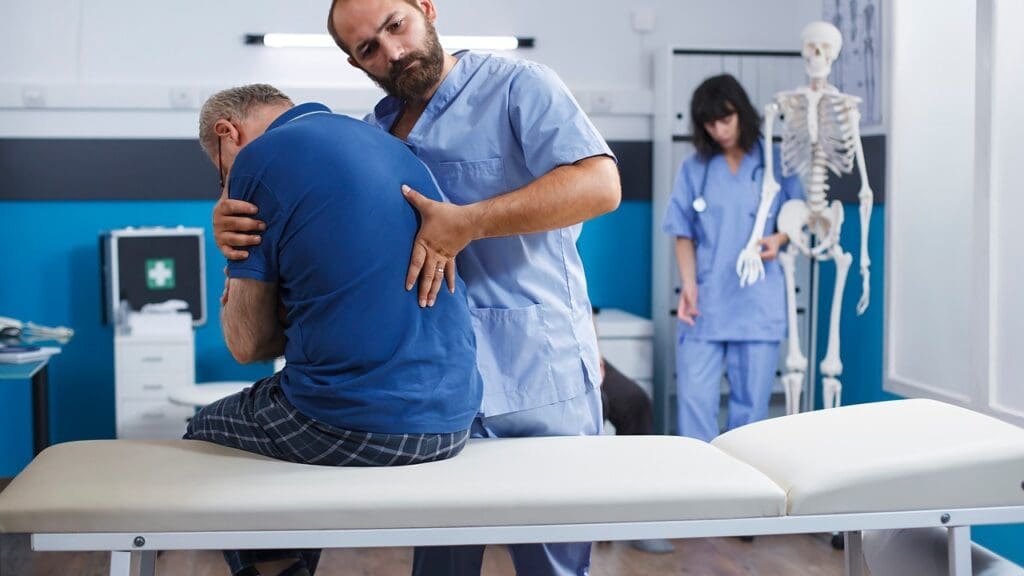
It’s important to know the signs of spinal arthritis to manage it well. Spinal arthritis shows up in different ways, affecting people in unique ways.
Recognizing Arthritis in Back Symptoms
Spinal arthritis symptoms can really hurt. You might feel chronic spine and joint pain, stiffness, and inflammation. These can make simple tasks hard to do.
- Persistent pain in the neck or lower back
- Stiffness, mainly in the morning
- Less flexibility and mobility
- Swelling or inflammation around the affected joints
Seeing these symptoms early is key. If you notice them, see a doctor right away for a check-up.
Diagnostic Procedures and Imaging
Diagnosing spinal arthritis involves checking you and using imaging. We use the latest imaging to see if you have spinal arthritis and how bad it is.
Here are some tests we use:
- X-rays to see bone spurs and joint damage
- MRIs to check soft tissue and nerves
- CT scans for detailed bone structure
These tests help us understand how serious the problem is. Then, we can plan the best treatment for you.
What Causes Arthritis in the Back?
Knowing what causes arthritis in the back is key to managing it. This condition affects the spine’s joints and discs, causing pain and stiffness. It’s also known as degenerative arthritis of the spine.
Many things can lead to arthritis in the back. We’ll look at these factors to understand their impact on spinal health.
Age-Related Factors
As we get older, our spinal discs and joints wear down. This makes us more likely to get arthritis. Age-related degeneration is a big risk factor. The discs lose moisture and flexibility, making the spine less flexible and increasing joint friction.
Genetic Predisposition
Genetics also play a big part in arthritis in the back. If your family has a history of arthritis, you’re more likely to get it. Genetic predisposition can influence how fast you develop arthritis and what type you might get, like rheumatoid arthritis (RA).
Injury and Repetitive Stress
Back injuries, like those from sports or accidents, can speed up arthritis. Also, doing the same thing over and over can harm the spine. We need to prevent injuries and manage stress on the spine.
Autoimmune Conditions
Autoimmune conditions, like rheumatoid arthritis (RA), can also hit the back. RA is more common in women and can be caused by genes and environment. When RA affects the spine, it can cause a lot of pain and stiffness, mainly in the neck.
Understanding these causes is vital for effective treatment. By tackling the root causes of arthritis in the back, we can manage symptoms and improve life quality.
Conservative Treatment Approaches for Spine Osteoarthritis
Spine osteoarthritis can be managed with various treatments. These methods help ease symptoms, improve function, and enhance life quality for those affected.
Medication Options
Medications are key in managing spine osteoarthritis symptoms. We often suggest nonsteroidal anti-inflammatory drugs (NSAIDs) to lessen pain and swelling. Oral corticosteroids might be used for short-term relief during flare-ups.
For severe pain, analgesics might be considered. It’s important to talk to a healthcare provider about the benefits and risks of these medications to find the best treatment.
Physical Therapy Protocols
Physical therapy is vital in managing spine osteoarthritis. A customized exercise program can boost flexibility, strengthen spine-supporting muscles, and improve function.
A physical therapist can also teach patients about proper body mechanics and posture to reduce spine strain. Studies show that regular physical therapy can greatly improve symptoms and life quality.
Lifestyle Modifications
Lifestyle changes are essential in managing spine osteoarthritis. Keeping a healthy weight reduces spine burden. Regular exercise, like swimming or walking, can also improve spinal health.
Adopting ergonomic practices at work and home can also help minimize spine strain. We advise against smoking as it can worsen spinal degeneration.
Injection Therapies
For some, injection therapies might be considered when other treatments fail. Corticosteroid injections can target inflammation around affected joints.
Viscosupplementation, which involves injecting hyaluronic acid into the joint, is another option. These injections can enhance joint lubrication and reduce pain.
| Treatment Approach | Description | Benefits |
|---|---|---|
| Medication | Use of NSAIDs, analgesics, and corticosteroids | Pain relief, reduced inflammation |
| Physical Therapy | Tailored exercise programs and education on body mechanics | Improved flexibility, strength, and function |
| Lifestyle Modifications | Weight management, regular exercise, ergonomic practices | Reduced strain on the spine, overall health improvement |
| Injection Therapies | Corticosteroid injections and viscosupplementation | Targeted pain relief, improved joint lubrication |
“Conservative management of spine osteoarthritis requires a multifaceted approach, incorporating medication, physical therapy, lifestyle changes, and sometimes injection therapies. By tailoring treatment to the individual, we can significantly improve symptoms and quality of life.”
When to Consider Back Surgery for Arthritis
Back surgery for arthritis is considered when it severely impacts daily life and other treatments don’t help. This decision is complex and involves many factors.
Signs Conservative Treatment Is Failing
If treatments like medication and physical therapy don’t work, surgery might be needed. Signs include persistent pain, limited mobility, and a lower quality of life.
Quality of Life Considerations
The impact of arthritis on daily activities and well-being is key. We look at how it affects routine tasks, hobbies, and independence.
Neurological Symptoms Requiring Intervention
Neurological symptoms like numbness, tingling, or weakness are serious. They often mean nerve compression or damage and need surgery quickly.
Patient Selection Criteria
Not everyone with spinal arthritis needs surgery. We check the severity of symptoms, overall health, and any other health issues to decide if surgery is right.
| Criteria | Description | Importance |
|---|---|---|
| Severity of Symptoms | Level of pain and disability | High |
| Overall Health | Presence of comorbid conditions | High |
| Conservative Treatment Failure | Failure of non-surgical treatments | High |
| Neurological Symptoms | Presence of numbness, tingling, or weakness | Critical |
Surgical Procedures for Degenerative Arthritis of the Spine
When other treatments don’t work, surgery is a key option for spine arthritis. These surgeries help ease nerve pressure, stabilize the spine, and greatly improve life quality.
Laminotomy and Laminectomy
Laminotomy and laminectomy remove parts of the vertebrae to ease spinal pressure. Laminotomy takes out a small part, while laminectomy removes the whole lamina. These surgeries help with spinal stenosis and other arthritis-related issues.
Foraminotomy
Foraminotomy enlarges the foramina to relieve nerve pressure. It’s great for those with nerve compression from spine degeneration.
Discectomy
A discectomy removes a herniated or damaged disc. It’s done through various methods, like microdiscectomy. It’s considered when other treatments don’t work.
Spinal Fusion Techniques
Spinal fusion joins two or more vertebrae to stabilize the spine. It uses bone grafts, rods, and screws. Techniques like ALIF and PLIF are used for this.
These surgeries offer relief and better life quality for those who didn’t get better with other treatments. Knowing about these options helps patients make better choices for their care.
Back Surgery for Arthritis: Risks and Outcomes
It’s important for patients with spinal arthritis to know about the risks and outcomes of back surgery. We’ll look at the good and bad sides of surgical treatments for back arthritis.
Potential Complications
Back surgery can help some people, but it’s not without risks. Complications like infection, nerve damage, and spine instability can happen. It’s key for patients to talk about these risks with their doctors.
Success Rates for Different Procedures
The success of back surgery for arthritis depends on the procedure and the patient. For example, spinal fusion works well for some, but laminectomy results vary. Knowing the details of each procedure helps set realistic hopes.
Factors Affecting Surgical Outcomes
Many things can affect how well back surgery works for arthritis. These include the patient’s health, how bad their arthritis is, and following post-op care. Who gets surgery is also important for success.
Long-term Prognosis
Many patients see big improvements after back surgery for arthritis. They feel less pain and live better lives. But, it’s important to remember that complications can happen later and ongoing care is needed.
Specialized Approaches for Rheumatoid Arthritis in the Back
Rheumatoid arthritis in the back is a complex challenge. It needs special treatment approaches. We know that RA in the spine is different from other arthritis types.
Unique Challenges of RA in the Spine
RA in the spine has its own challenges. It can cause a lot of inflammation and damage. This can lead to instability and nerve problems, making quick and right treatment key.
Surgical Considerations for Autoimmune Arthritis
When thinking about surgery for RA in the back, many things matter. These include how much inflammation there is, any structural damage, and the patient’s health.
We need to think hard about if surgery is needed. Options like spinal fusion or decompression surgery can help. They can make symptoms better and improve life quality.
Emerging Treatments for Inflammatory Arthritis
Treatment for inflammatory arthritis, like RA in the back, is getting better. New treatments include biologic medications and other targeted therapies. They aim to reduce inflammation and stop the disease from getting worse.
“The introduction of biologic therapies has revolutionized the treatment of rheumatoid arthritis, bringing new hope to those with severe disease.”
| Treatment Type | Characteristics | Benefits |
|---|---|---|
| Traditional DMARDs | Conventional synthetic disease-modifying antirheumatic drugs | Cost-effective, established efficacy |
| Biologic DMARDs | Targeted therapies, often used in combination with traditional DMARDs | High efficacy in reducing inflammation, possible to halt disease progression |
In conclusion, managing rheumatoid arthritis in the back needs a detailed approach. We must consider the special challenges it brings. By keeping up with new treatments and choosing surgery wisely, we can help our patients more.
Conclusion: Making Informed Decisions About Spinal Arthritis Treatment
Choosing the right treatment for spinal arthritis can be tough. By looking at all the options, patients can help manage their condition better. We’ve talked about the causes, symptoms, and how to diagnose spinal arthritis. We also discussed the different treatments available.
When it comes to arthritis in back treatment options, there are many choices. These include medicines, physical therapy, and even surgery like spinal fusion. Making informed decisions about back surgery means weighing the good and bad sides. It also means thinking about how it will affect your life. By being well-informed and working with doctors, you can find a treatment plan that fits your needs.
Good spinal arthritis treatment comes from teamwork. Patients, doctors, and caregivers all play a part. By working together and staying informed, we can make treatments better. This helps improve the lives of those with spinal arthritis.
Can you get arthritis in your back?
Yes, arthritis can affect the back, including the lumbar spine. Degenerative arthritis of the spine is a common condition. It can cause significant pain and discomfort.
What are the symptoms of arthritis in the back?
Symptoms include chronic pain, stiffness, and limited mobility. Inflammation of the spine’s joints can also cause pain and discomfort.
How is arthritis in the back diagnosed?
Diagnosis involves a physical exam, medical history, and imaging studies. X-rays or MRI scans are used. Lumbar spine arthritis can be seen on X-ray, showing degenerative changes.
What causes arthritis in the lower back?
Age, genetic predisposition, injury, and repetitive stress can cause arthritis in the lower back.
How do you treat arthritis in the lower back?
Treatment includes medication, physical therapy, and lifestyle changes. Surgery like spinal fusion or decompression may also be needed.
Can rheumatoid arthritis affect the back?
Yes, rheumatoid arthritis (RA) can cause inflammation and pain in the spine. RA in the back is challenging to manage. But, there are specialized treatment options available.
What are the treatment options for degenerative arthritis of the spine?
Treatment includes medication, physical therapy, and surgery. Spinal fusion, laminectomy, or discectomy are surgical options.
How can I manage spine and joint pain?
Managing pain involves lifestyle changes and medical treatments. Maintaining a healthy weight and exercising regularly are key. Medication or injection therapies may also be needed.