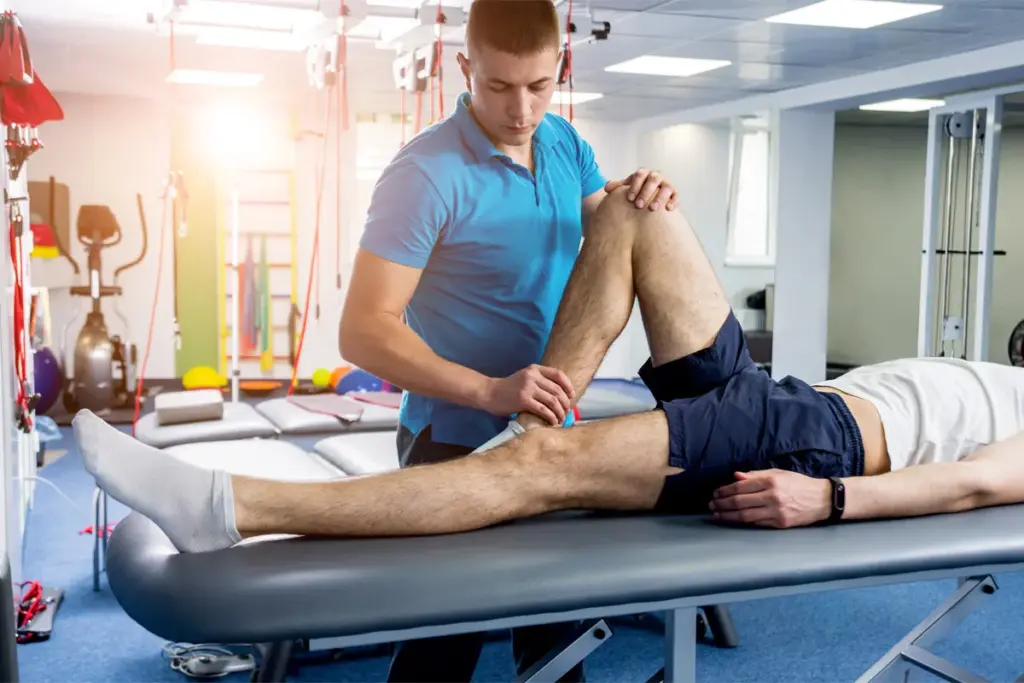
Discover the amazing truths about torn ligament regrowth and learn the best ways to support your body’s natural healing power.
Dealing with a ligament tear or damage can be tough. The journey to recovery involves knowing the healing process and what to expect. In this article, we’ll dive into the details of ligament injuries and recovery. We’ll also look into whether ligaments can grow back and how to help this natural healing.
Key Takeaways
- Ligament injuries are common and can significantly impact daily life.
- A clear understanding of the recovery process is essential for effective healing.
- Ligaments have a limited ability to regenerate on their own.
- Proper treatment and rehabilitation can support the healing process.
- Recovery time varies depending on the severity of the injury.
Understanding Ligaments: Structure and Function
What Are Ligaments?
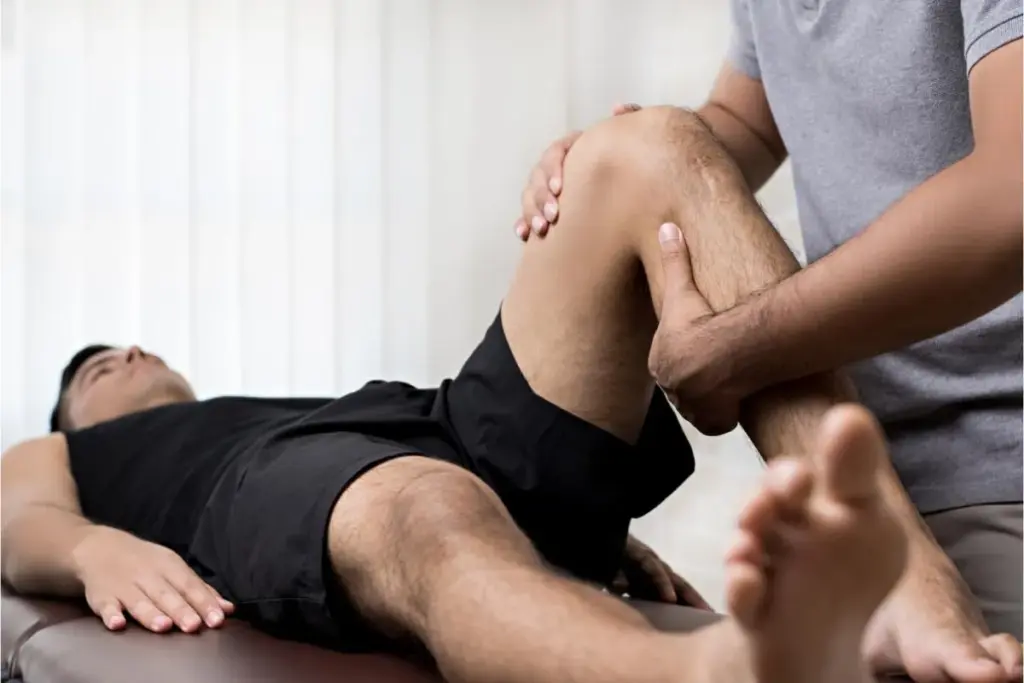
Ligaments are dense connective tissues that link bones together. They offer the support and stability needed for joints. Made mainly of collagen fibers, they are strong and long-lasting.
Ligaments are more than just simple links. They are complex structures that greatly help the musculoskeletal system’s overall health.
Types of Ligaments in the Human Body
There are many types of ligaments in our bodies, each with its own job:
- Collateral ligaments help keep joints stable from the sides.
- Cruciate ligaments in the knee help stabilize it.
- Extra-articular ligaments are outside the joint capsule.
- Intra-articular ligaments are inside the joint capsule.
What Do Ligaments Connect and Their Role in Joint Stability
Ligaments connect bones to bones, forming a key part of the joint. Their main job is to keep the joint stable. This lets us move freely but stops too much movement that could hurt us.
Knowing about ligaments helps us see how important they are for joint health and movement.
Common Types of Torn Ligament Injuries
It’s important to know about the different types of ligament injuries. These injuries, also called sprains, can be mild or severe. They affect the body in various ways.
Sprains vs. Tears vs. Ruptures
Ligament injuries fall into three main types: sprains, tears, and ruptures. A ligament sprain is when the ligament stretches too far but doesn’t tear. A ligament tear means the ligament is partially or fully broken. A ligament rupture is the worst, where the ligament completely breaks, causing joint instability.
We use a grading system to measure injury severity. This helps decide the best treatment.
Grading System for Ligament Injuries
The grading system for ligament injuries is as follows:
|
Grade |
Description |
Severity |
|---|---|---|
|
Grade 1 |
Mild stretching or micro-tearing of the ligament |
Mild |
|
Grade 2 |
Partial tear of the ligament |
Moderate |
|
Grade 3 |
Complete tear or rupture of the ligament |
Severe |
Most Frequently Injured Ligaments
The knee and ankle are common places for ligament injuries. The Anterior Cruciate Ligament (ACL) and Medial Collateral Ligament (MCL) in the knee are often hurt. The Anterior Talofibular Ligament (ATFL) in the ankle is also prone to injury.
Knowing about these injuries helps us diagnose and treat them better. We’ll explore more about these injuries and their treatments in the next sections.
The Biology of Ligament Healing
Inflammatory Phase
The inflammatory phase starts with bleeding and inflammation after a ligament injury. It’s the body’s first step to clean up the injury and get ready for healing. Inflammation is key because it brings cells and nutrients to the damaged area.
Important events in this phase include:
- The release of chemical signals that attract immune cells
- Increased blood flow to the injured area
- The activation of platelets to stop bleeding
Proliferative Phase
The proliferative phase comes after the inflammatory phase. It focuses on rebuilding the damaged ligament. This phase is all about making new tissue and creating a provisional matrix for healing.
During this phase:
- Cells like fibroblasts grow and make collagen
- A provisional matrix is formed, helping new tissue grow
- The new tissue starts to get stronger
Remodeling Phase
The remodeling phase is the last stage of healing. It’s where the new tissue gets shaped to be like the original ligament. This phase can take months or even years, depending on the injury.
Important aspects of this phase include:
- The reorganization of collagen fibers to improve strength
- The gradual increase in the mechanical properties of the ligament
- The continued maturation of the newly formed tissue
Limitations in Natural Healing
While our bodies can heal ligaments well, there are big challenges, especially with severe injuries. Things like the injury’s size, age, and health can affect how well it heals.
Some big challenges in natural healing are:
- Incomplete restoration of ligament strength and function
- The potential for re-injury during the healing process
- Variability in healing outcomes among individuals
Knowing these challenges is key to finding better ways to help the healing process.
Do Torn Ligaments Actually Grow Back?
It’s important to know if ligament regeneration is possible. Ligaments help keep joints stable. But, they can’t heal fully on their own, especially with serious injuries.
The Science of Ligament Regeneration
Ligament regeneration is a complex process. It starts with an inflammatory response after an injury. Then, cells multiply to help heal. But, the new tissue might not be as strong as the original ligament.
Studies show that different ligaments heal at different rates. Ligaments with more blood tend to heal better than those with less.
Differences Between Partial and Complete Tears
The severity of the injury affects healing. Partial tears have a better chance of healing than complete tears. Partial tears can heal with the help of the remaining fibers. Complete tears often need surgery.
|
Type of Tear |
Healing Potential |
Typical Treatment |
|---|---|---|
|
Partial Tear |
Higher |
Conservative management (RICE, physical therapy) |
|
Complete Tear |
Lower |
Surgical intervention (ligament repair or reconstruction) |
Factors Affecting Healing Potential
Many things can affect how well a torn ligament heals. These include the injury’s severity, the ligament type, the patient’s health, and age. Younger people tend to heal faster because their bodies are more active and tissues are better.
“The healing of ligaments is a complex process influenced by various factors, including the extent of the injury and the patient’s age. Understanding these factors is crucial for selecting the most appropriate treatment strategy.”
— Orthopedic Research Journal
Age-Related Considerations in Ligament Recovery
Age plays a big role in ligament recovery. Older people heal slower because their bodies don’t work as well. This means treatment plans for older patients might need to be different.
- Younger patients: Generally have a more robust healing response.
- Older patients: May require adjusted treatment strategies due to reduced healing capacity.
Understanding ligament regeneration helps doctors create better treatment plans. This way, they can help each patient recover as well as possible.
Diagnosing Ligament Injuries
Diagnosing ligament injuries needs a detailed approach. This includes physical exams and advanced imaging. Getting the diagnosis right is key for good treatment and recovery.
Physical Examination Techniques
A detailed physical exam is the first step. We check the ligaments’ stability and integrity. Here’s how:
- Inspecting the affected area for swelling, bruising, or deformity
- Palpating to identify areas of tenderness
- Assessing the range of motion and joint stability
- Performing special tests, such as the Lachman test for ACL injuries
These methods help us understand the injury’s severity. They guide further testing.
Imaging Methods
Imaging studies confirm the diagnosis and show how much damage there is. Common methods include:
|
Imaging Method |
Use in Ligament Injury Diagnosis |
Advantages |
|---|---|---|
|
X-ray |
Assesses bone fractures and joint alignment |
Quick, widely available |
|
MRI (Magnetic Resonance Imaging) |
Provides detailed images of soft tissues, including ligaments |
High sensitivity for detecting ligament tears |
|
Ultrasound |
Dynamic assessment of ligaments and surrounding tissues |
No radiation, can be used for guided injections |
Each method has its benefits. We choose based on the injury and symptoms.
Differential Diagnosis Considerations
When diagnosing ligament injuries, we must think of other possible causes. This includes fractures, tendon injuries, or other soft tissue damage. A thorough approach helps us find the real cause and plan the right treatment.
By using physical exams, imaging, and considering other possibilities, we can accurately diagnose ligament injuries. This guides patients to the right treatment and recovery path.
ACL Tears and Other Knee Ligament Injuries
Understanding knee ligaments is key to treating injuries like ACL tears. The knee has a complex system of ligaments. They help keep the knee stable and allow it to move.
Anatomy of Knee Ligaments
The knee has four main ligaments: ACL, MCL, PCL, and LCL. Each ligament is vital for knee stability and function. The ACL is especially important. It stops the tibia from moving too far forward and controls rotation.
Mechanisms of ACL Tears
ACL tears often happen in sports with sudden stops or changes in direction. They can also occur from direct contact. Knowing how these injuries happen helps in prevention and diagnosis.
MCL, PCL, and LCL Injuries
MCL, PCL, and LCL injuries can happen from direct blows, twisting, or falls. The MCL is often injured in sports due to inward knee pressure. The PCL can get hurt when the knee bends and a force pushes the front. LCL injuries are less common but can happen from outward knee pressure.
Treatment Approaches for Knee Ligament Damage
Treatment for knee ligament injuries varies based on the injury’s severity and the ligament involved. For ACL tears, treatment can range from physical therapy to surgery. MCL, PCL, and LCL injuries may also be treated with or without surgery, depending on the injury’s grade and other factors.
Every patient’s case is different, and treatment plans are customized. A thorough approach, including rehabilitation and prevention, is essential for recovery and to avoid future injuries.
Ankle and Foot Ligament Injuries
Understanding ankle and foot ligament injuries is key for proper treatment. These injuries are common and can really affect how you move and feel. We’ll look at the types of injuries, how to diagnose them, treatment options, and what recovery is like.
Common Ankle Sprains and Tears
Ankle sprains are very common. They happen when the ankle rolls, twists, or lands wrong. The severity of a sprain can range from mild to severe tears. Knowing the severity is important for the right treatment.
The ankle sprain grading system is as follows:
|
Grade |
Description |
Symptoms |
|---|---|---|
|
1 |
Mild stretching or micro-tears |
Mild pain, minimal swelling |
|
2 |
Moderate tearing |
Moderate pain, bruising, some instability |
|
3 |
Severe tearing or complete rupture |
Severe pain, significant swelling, instability |
Torn Ligaments in Foot: Diagnosis and Treatment
Foot ligament injuries can be just as bad as ankle ones. Doctors use physical exams and imaging like X-rays or MRI to diagnose. Treatment depends on the injury’s severity and may include rest, ice, compression, and elevation (RICE), or surgery for severe cases.
Conservative management is often the first step for less severe foot ligament injuries. This includes rest, physical therapy, and managing pain. For more serious injuries, surgical repair or reconstruction may be needed to fix stability and function.
Recovery Expectations for Lower Extremity Injuries
Recovery time for ankle and foot ligament injuries depends on the injury’s severity, treatment, and individual health. Mild injuries might heal in weeks, while severe ones can take months.
Following a structured rehab program is crucial to regain strength, flexibility, and function. This program includes strengthening exercises, balance training, and slowly getting back to activities.
Non-Surgical Treatment Options for Ligament Damage
Many people find relief from ligament injuries without surgery. The goal is to fix function, lessen pain, and aid in healing. Luckily, there are several non-surgical ways to do this.
RICE Protocol
The RICE protocol is key in treating ligament injuries. It stands for Rest, Ice, Compression, and Elevation. Rest stops further injury, Ice cuts down pain and swelling, Compression reduces swelling, and Elevation lessens bruising and swelling. Using RICE can greatly help in healing.
Bracing and Immobilization
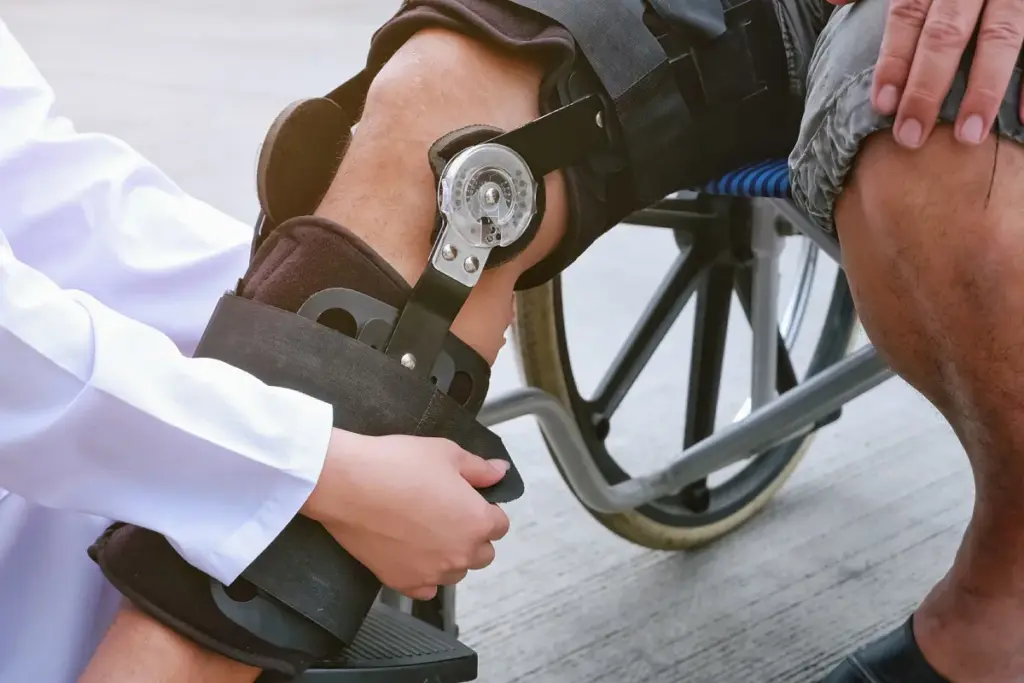
Bracing and immobilization are crucial in treating ligament injuries, especially early on. Braces offer support and stability, protecting the injured ligament. The right brace depends on the injury’s location and severity. Immobilization with casts or splints may also be needed for proper healing.
Physical Therapy Approaches
Physical therapy is essential in rehabilitating ligament injuries. A good physical therapy plan can boost strength, improve movement, and enhance function. It includes exercises for muscle strength, manual therapy for joint mobility, and treatments like ultrasound to aid healing and reduce pain.
Medications for Pain and Inflammation
Medications help manage pain and swelling from ligament injuries. Over-the-counter NSAIDs are often suggested. For more serious cases, stronger pain meds might be prescribed. Always follow a doctor’s advice when taking medications for safe and effective treatment.
Surgical Interventions for Ligament Rupture
Surgery for ligament rupture has become more common and effective. It’s used when a ligament is badly damaged. This helps restore joint stability and function.
When Surgery Is Necessary
Surgery is often needed for severe ligament ruptures. It’s especially true if the injury causes a lot of instability. Or if other treatments don’t work.
For athletes or those who are very active, surgery is key. It ensures their joints can handle the demands of their sport or activity.
Types of Ligament Repair Procedures
There are two main types of surgery for ligament injuries. These are ligament repair and ligament reconstruction.
- Ligament Repair: This method fixes the torn ligament by sewing it back together. It’s used for simpler tears.
- Ligament Reconstruction: If the ligament is too damaged to repair, reconstruction is used. This involves using a graft to replace the damaged ligament.
|
Surgical Technique |
Description |
Typical Use Case |
|---|---|---|
|
Ligament Repair |
Directly suturing the torn ligament |
Less complex tears |
|
Ligament Reconstruction |
Using a graft to replace the damaged ligament |
Severe ligament damage |
Ligament Reconstruction Techniques
Ligament reconstruction is a more complex surgery. It replaces the damaged ligament with a graft. The graft can come from the patient’s body or a donor.
“The choice between autograft and allograft depends on various factors, including the patient’s age, activity level, and the surgeon’s preference.” – Orthopedic Surgeon
Thanks to advances, reconstruction techniques have a high success rate. They help patients get back to their pre-injury level of activity.
Post-Surgical Care
After surgery, proper care is key. It includes a period of rest followed by a rehabilitation program. This helps regain strength and mobility.
Effective care includes:
- Following a rehabilitation plan
- Going to physical therapy to improve strength and mobility
- Watching for any signs of complications
By sticking to a good care plan, patients can recover well. They can achieve the best results from their surgery.
Rehabilitation After Ligamentous Injury
After a ligament injury, a good rehab plan is key for full recovery. Rehab helps bring back strength, flexibility, and function to the hurt area.
Early Phase Rehabilitation
The early rehab phase aims to lessen pain and swelling, aid healing, and keep movement. We suggest the RICE method (Rest, Ice, Compression, Elevation) and gentle exercises to avoid stiffness.
Progressive Strengthening Protocols
As the injury heals, strengthening exercises become more important. These exercises boost the ligament and muscle strength. We use resistance bands and weights, based on the person’s progress and injury.
Return to Activity Guidelines
Going back to activity too soon can harm healing. We give guidelines for a safe return, including tests and criteria. This makes sure the person is ready for their sport or daily tasks.
Long-term Rehabilitation Considerations
Long-term rehab keeps strength, flexibility, and function. We also teach injury prevention and keep up with conditioning exercises.
|
Rehabilitation Phase |
Goals |
Interventions |
|---|---|---|
|
Early Phase |
Reduce pain and inflammation, promote healing |
RICE protocol, gentle exercises |
|
Progressive Strengthening |
Improve strength and stability |
Resistance band exercises, weight training |
|
Return to Activity |
Ensure safe return to activity |
Functional testing, criteria-based progression |
|
Long-term |
Maintain strength and function, prevent re-injury |
Ongoing conditioning, education on proper techniques |
Emerging Treatments for Loose or Damaged Ligaments
New treatments are being explored to help ligaments heal. Medical research is moving forward, bringing new therapies to aid in ligament injury recovery.
Platelet-Rich Plasma (PRP) Therapy
PRP therapy uses a patient’s own blood to help heal. It’s made from platelet-rich plasma. This treatment is seen as a way to improve ligament repair by boosting cell growth and strengthening tissue.
It involves injecting PRP into the damaged ligament. Early studies show it can help reduce pain and improve function in ligament injuries.
Stem Cell Treatments
Stem cell therapy is another promising area for ligament treatment. It uses stem cells to repair or replace damaged ligament tissue.
Stem cells can turn into different cell types, including those in ligaments. Injected into injured areas, they may help the body heal itself by repairing tissue.
Tissue Engineering Approaches
Tissue engineering combines biology, engineering, and medicine to fix damaged tissues. For ligaments, it creates scaffolds for new tissue to grow on.
These scaffolds are filled with cells and growth factors to help them heal better. The aim is to make a new ligament that supports joint stability and function.
Future Directions in Ligament Healing
As research grows, we’ll see better treatments for ligament injuries. New technologies and therapies promise to improve outcomes and shorten recovery times.
The future of ligament healing will likely use a mix of these new treatments. Tailoring care to each patient’s needs will be key. Healthcare providers will offer the most advanced and effective treatments.
Preventing Sports-Related Ligament Injuries
To prevent ligament injuries in sports, we need a few key steps. These include proper warm-ups, strengthening exercises, and using protective gear. By following these steps, athletes can lower their injury risk a lot.
Proper Warm-up and Training Techniques
A good warm-up is essential to get muscles and ligaments ready for sports. It should include dynamic stretches that match the sport’s movements. Also, add some cardio to boost blood flow and muscle temperature.
- Dynamic stretching to improve flexibility and range of motion
- Cardiovascular exercises to enhance blood flow and warm the muscles
- Neuromuscular training to improve coordination and balance
Good warm-ups help prevent ligament injuries. They make joints more stable and muscles work better.
Strengthening Exercises for Joint Stability
Strengthening muscles around a joint is key for stability. The exercises should fit the athlete’s needs and sport demands.
|
Exercise |
Muscle Group |
Benefit |
|---|---|---|
|
Squats |
Quadriceps, Hamstrings, Gluteals |
Improves knee stability |
|
Lunges |
Quadriceps, Hamstrings, Gluteals |
Enhances hip and knee stability |
|
Leg Press |
Quadriceps, Hamstrings, Gluteals |
Strengthens lower limb muscles |
Adding these exercises to training can greatly improve joint stability. This reduces the chance of ligament injuries.
Protective Equipment and Bracing
Protective gear and bracing offer extra support and protection for joints. This is especially important for athletes in high-risk sports.
“The right protective gear can make a significant difference in preventing injuries. It’s not just about wearing something; it’s about wearing the right thing for your sport.” – Sports Safety Expert
Examples of protective gear include knee braces for ACL support, ankle braces for lateral ligament protection, and helmets for head and neck protection.
Risk Factors to Address
Knowing and tackling risk factors is key to preventing ligament injuries in sports. These include past injuries, biomechanical issues, and training mistakes.
- Previous injuries that may have left residual weakness
- Biomechanical issues such as overpronation or supination
- Training errors including sudden changes in intensity or volume
By understanding and addressing these risk factors, athletes and coaches can create better prevention plans.
Conclusion: Living with and Beyond Ligament Injuries
Recovering from ligament injuries takes time, effort, and the right treatment. We’ve looked into the details of ligament damage. This includes their structure, function, and treatment options for torn ligaments.
It’s possible to recover from ligament injuries with the right care and rehab. Knowing how ligaments heal helps us through the recovery. Treatments range from non-surgical to surgical, aiming to fix joint stability and function.
Dealing with ligament injuries needs a full plan. This includes preventing injuries, getting the right diagnosis, and effective treatment. We can lower injury risk with exercises, protective gear, and managing risk factors.
New medical treatments like PRP therapy and stem cell treatments are helping. Staying updated and working with healthcare pros can help overcome injuries. This way, people can get back to their normal lives.
FAQ
What are ligaments and what do they do?
Ligaments are fibrous tissues that connect bones. They provide stability and support to joints. They help maintain joint integrity and allow for movement.
Can torn ligaments heal on their own?
Some ligament injuries can heal with treatment. But severe tears or ruptures might need surgery. Healing depends on injury severity, location, and individual health.
What is the difference between a sprain, a tear, and a rupture?
A sprain is a mild to moderate injury. A tear is a more serious damage. A rupture is a complete tear, often needing surgery.
How are ligament injuries diagnosed?
Doctors use physical exams and imaging like X-rays or MRI to diagnose. They assess the injury’s severity and plan treatment.
What is the RICE protocol, and how does it help with ligament injuries?
The RICE protocol (Rest, Ice, Compression, Elevation) helps manage pain and inflammation. It promotes healing in the early stages of injuries.
When is surgery necessary for ligament injuries?
Surgery is needed for severe ruptures that affect joint stability. The surgery type depends on the injury’s location and severity.
What is the role of physical therapy in ligament injury rehabilitation?
Physical therapy is key in recovery. It helps restore strength and mobility. A good program can also prevent future injuries.
Can emerging treatments like PRP therapy or stem cell treatments help with ligament healing?
Treatments like PRP therapy and stem cell therapy show promise. More research is needed to confirm their effectiveness. They might help severe or chronic injuries.
How can I prevent sports-related ligament injuries?
Prevent injuries with proper warm-ups and training. Strengthening exercises and protective gear are also important. Identifying and addressing risk factors can help too.
How long does it take to recover from a ligament injury?
Recovery time varies by injury severity and treatment. Mild sprains may heal in weeks. Severe injuries or surgery can take months to a year or more.
What are the long-term considerations after a ligament injury?
After an injury, focus on long-term rehabilitation. This includes ongoing physical therapy and using protective gear. It helps prevent future injuries.
Reference
National Center for Biotechnology Information. Evidence-Based Medical Insight. Retrieved from https://pmc.ncbi.nlm.nih.gov/articles/PMC4041869/



 Departments
 Related Videos
 Our Doctors
 News
News