
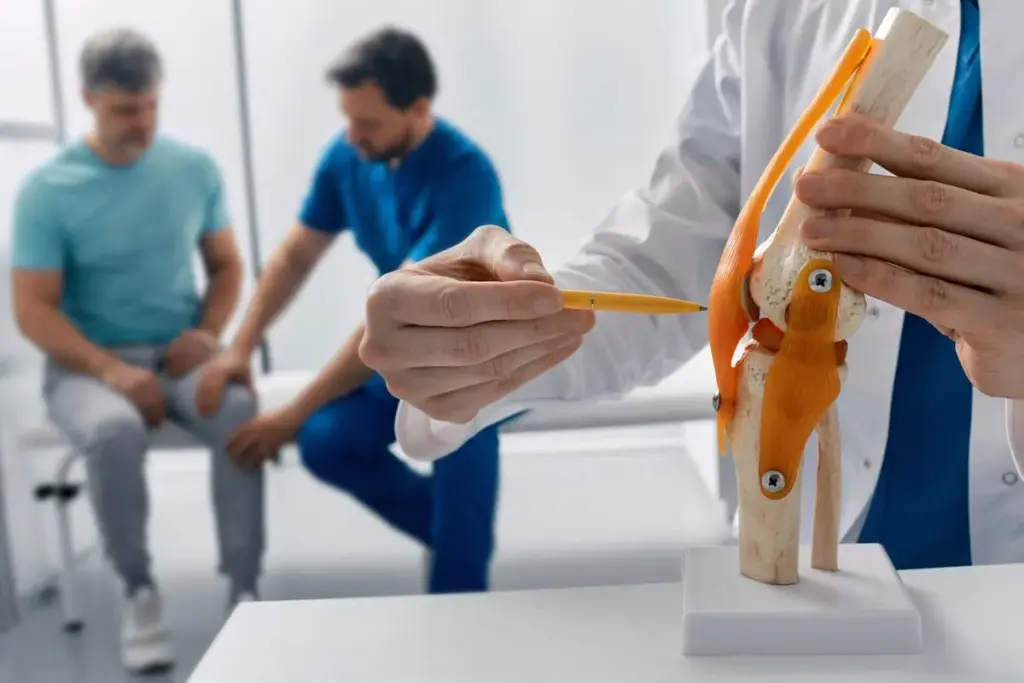
Ligament injuries are quite common, affecting millions globally each year. Ligaments, the fibrous tissues connecting bones, are vital for joint stability. A ligament tear means a long recovery, depending on injury severity and ligament type.
We’ll look at the recovery time for ligament injuries. We’ll discuss what affects healing and how long it takes for different ligament tears. Knowing how ligaments work is key to understanding their healing.
Key Takeaways
- The healing time for ligament injuries varies based on the severity of the injury.
- Ligaments are fibrous tissues that connect bones to other bones.
- The recovery process involves several stages, including inflammation, repair, and remodeling.
- The overall health of the individual and the specific ligament involved are key factors in determining recovery time.
- Understanding ligament structure and function is crucial for appreciating their healing process.
Understanding Ligaments: Structure and Function
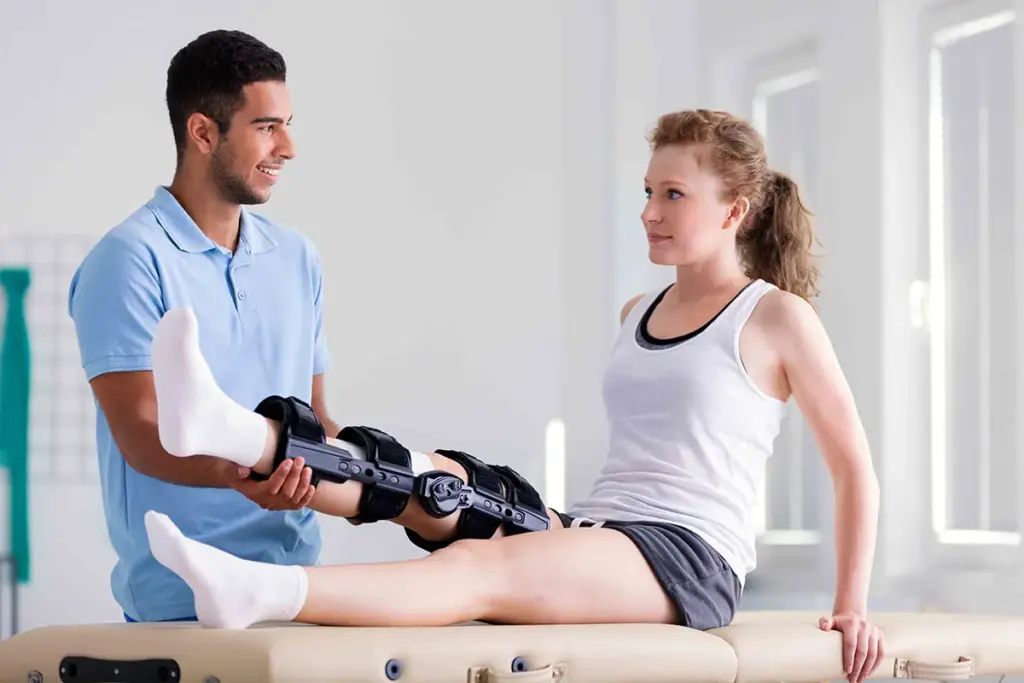
Ligaments are key to how our bodies move and heal from injuries. They are short, tough, and flexible bands of tissue. They are crucial for our musculoskeletal system.
Our body has almost 1,000 ligaments. They hold our bones together and support our joints. You can find them in places like the ankle, knee, wrist, and spine. They help us move in many ways.
What Are Ligaments?
Ligaments are made of dense, fibrous tissue. This tissue is rich in collagen fibers. These fibers make ligaments strong and flexible, helping them handle stress and strain.
Ligament Structure: Ligaments are composed of:
- Collagen fibers
- Elastin fibers
- Fibroblasts
The Role of Ligaments in Joint Stability
Ligaments keep our joints stable by linking bones together. They help prevent too much movement. This is important to avoid injuries or damage.
Key Functions of Ligaments:
- Provide joint stability
- Support joint movement
- Prevent excessive stress on joints
Different Types of Ligaments in the Human Body
There are many types of ligaments in our body. Each has its own role:
|
Type of Ligament |
Location |
Function |
|---|---|---|
|
Collateral ligaments |
Knee, ankle, and other joints |
Provide lateral stability |
|
Cruciate ligaments |
Knee |
Provide anterior and posterior stability |
|
Ankle ligaments |
Ankle |
Support ankle movement and stability |
Ligaments in the foot, like those in the ankle and toes, are very important. They help support our body’s weight and allow us to move. Injuries, like torn ligaments of the foot, can really affect how we move. They need the right treatment.
Common Causes of Torn Ligament Injuries
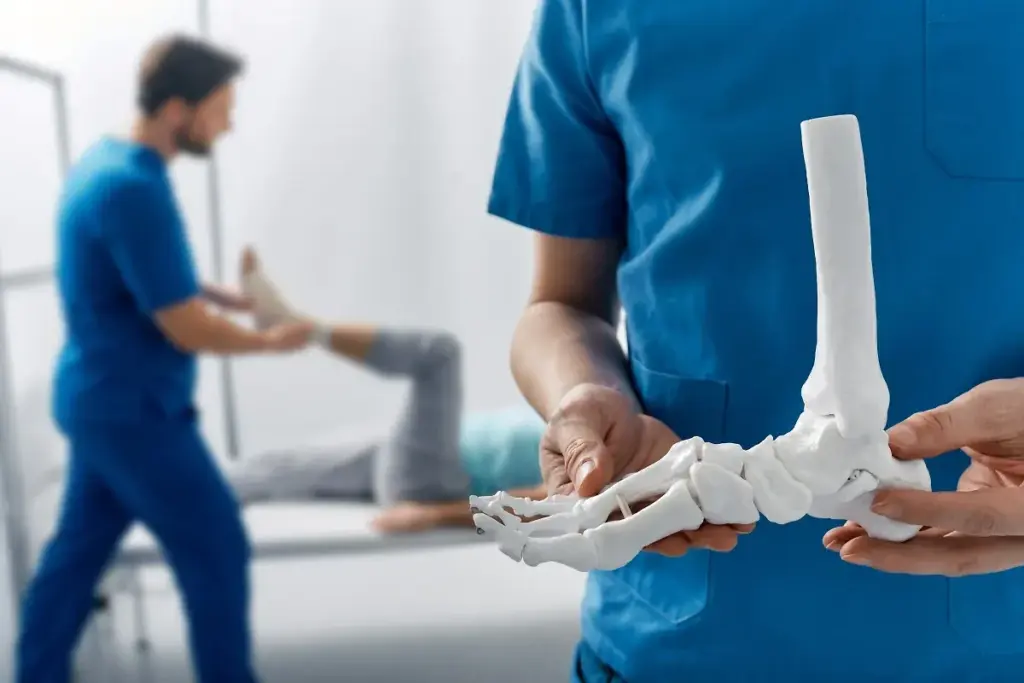
Knowing why ligaments get torn is key to staying safe and getting better. Ligament injuries are big worries for athletes and anyone who’s active. At The Physiotherapy Place, we see a lot of knee ligament injuries in footballers, hockey players, and basketball players.
Sports-Related Ligament Injuries
Sports with sudden stops, jumps, and quick turns are risky for ligament injuries. Football, basketball, and soccer players often get knee ligament injuries, especially to the ACL. We’ve seen many athletes get ligament sprains or tears because of their sports’ demands.
Common sports-related ligament injuries include:
- ACL tears in the knee
- MCL (Medial Collateral Ligament) sprains
- Ankle ligament sprains
Accidents and Falls
Accidents and falls can also hurt ligaments, especially if they involve awkward landings or direct hits. For example, falling onto an outstretched hand can hurt the wrist ligaments. A direct hit to the knee can hurt the MCL.
“The force of a fall or the impact of an accident can put immense stress on ligaments, leading to injuries.”
Repetitive Stress Injuries
Doing the same thing over and over can weaken ligaments, making them more likely to get hurt. Running or cycling can lead to chronic ligament strain. We tell our patients how to train safely to avoid this.
|
Activity |
Common Ligament Injury |
|---|---|
|
Running |
Ankle ligament sprains |
|
Cycling |
Knee ligament strain |
|
Gymnastics |
Wrist and ankle ligament injuries |
Age-Related Ligament Weakening
As we get older, our ligaments get weaker and less elastic, making them more likely to get hurt. This weakening can get worse with age and wear and tear, raising the risk of ligament sprains and tears.
We suggest that people, especially those who are active or play sports, take steps to protect their ligaments. Knowing the causes helps us find ways to prevent and treat these injuries.
Types and Grades of Ligament Injuries
Ligament injuries are graded based on their severity. Each grade has its own characteristics and treatment options. Knowing these grades helps us choose the right treatment and estimate recovery times.
Mild Ligament Sprain: Grade I
A Grade I injury is mild. It only damages a few ligament fibers. Patients with this injury usually feel little pain and swelling. They often recover in a few weeks.
Moderate Ligament Tear: Grade II
Grade II injuries partially tear the ligament. A big part of it still works. This injury hurts more and swells more than Grade I. Treatment includes physical therapy and using a brace.
Complete Ligament Rupture: Grade III
Grade III is the worst. The ligament completely breaks. This causes a lot of joint instability. We often need to operate to fix it. Then, we help patients with a long rehab plan.
Chronic Ligament Instability
Chronic instability happens when a ligament injury doesn’t heal right. It makes the joint unstable again. This can cause ongoing pain and more injuries. We stress the need for good rehab to avoid this.
|
Grade |
Description |
Typical Treatment |
Recovery Time |
|---|---|---|---|
|
Grade I |
Mild sprain, minimal fiber damage |
Rest, ice, compression, elevation (RICE) |
1-3 weeks |
|
Grade II |
Moderate tear, partial ligament damage |
Physical therapy, bracing |
3-6 weeks |
|
Grade III |
Complete rupture |
Surgery, extensive rehabilitation |
Several months |
Recognizing Symptoms of a Torn Ligament
It’s important to know the signs of a torn ligament to get the right treatment quickly. Ligament injuries can show up in different ways, based on how bad the tear is and where it is.
Immediate Signs of Ligament Injury
Right after a ligament is torn, you might feel:
- Pain that’s very bad
- Swelling around the joint
- Feeling like the joint is unstable
- Bruises or discoloration
- A popping sound when it happens
These signs mean you should see a doctor to figure out how bad the injury is.
Delayed Symptoms
Some symptoms might not show up right away. They can come later. These include:
- Pain that gets worse when you move
- Swelling that gets bigger over time
- Not being able to move as much
- Feeling unstable when you put weight on it
Spotting these symptoms later is key to getting the right medical help.
When to Seek Medical Attention
You should see a doctor if you notice:
- Pain that doesn’t get better with rest
- Big swelling or bruises
- Feeling unstable or having trouble moving the joint
- A joint that looks misshapen
Seeing a doctor early can help you get better faster.
Differentiating Ligament from Tendon Injuries
Ligament and tendon injuries can look similar, making it hard to tell them apart. But there are some differences:
- Ligament injuries often make the joint feel unstable
- Tendon injuries usually hurt when you move in certain ways
Knowing these differences helps doctors figure out the best treatment.
Diagnostic Procedures for Ligament Injuries
Diagnosing ligament injuries requires a mix of physical checks and advanced imaging. Getting the diagnosis right is key to treating the injury properly and helping it heal.
Physical Examination Techniques
First, doctors check the injury with physical exams. They look at the ligaments’ stability and health. They do this by:
- Looking for swelling, bruises, or odd shapes in the affected area
- Feeling the ligament for sore spots
- Checking how well the joint moves and how stable it is
- Doing special tests to see if the ligament is loose
For example, the Lachman test is used to check for ACL injuries. If the test shows damage, it means the ACL is hurt, leading to more tests.
“A thorough physical examination is essential for identifying ligament injuries and guiding further diagnostic testing.”
Imaging Tests: X-rays, MRI, and Ultrasound
Even with physical exams, imaging tests are needed to confirm the injury. These tests include:
|
Imaging Test |
Use in Ligament Injury Diagnosis |
|---|---|
|
X-rays |
Primarily used to rule out fractures; can show joint dislocation or bony avulsion injuries |
|
MRI (Magnetic Resonance Imaging) |
Provides detailed images of soft tissues, including ligaments; considered the gold standard for diagnosing ligament injuries |
|
Ultrasound |
Useful for dynamic assessment of ligaments and detecting superficial ligament injuries |
MRI is especially good at showing ligament tears and sprains. It helps doctors plan surgery or decide on non-surgical treatments.
Specialized Tests for Specific Ligament Injuries
Some injuries need special tests for a correct diagnosis. For example:
- The anterior drawer test and pivot shift test are used for diagnosing ACL injuries
- The valgus stress test is used to assess medial collateral ligament (MCL) injuries
- The varus stress test is used to evaluate lateral collateral ligament (LCL) injuries
These tests help doctors confirm the injury and plan the best treatment.
Healing Timeline for Different Torn Ligament Locations
Understanding the healing process of torn ligaments can be better grasped by categorizing them based on their location and function. Ligaments help keep joints stable. Their healing times can change based on blood flow, stress, and their role in the body.
Ankle Ligament Healing Timeline
Ankle ligament injuries are common, especially in sports. Mild to moderate sprains usually heal in 4-6 weeks. But, severe injuries might need 8-12 weeks or more to recover.
Knee Ligament Recovery Periods (ACL, MCL, PCL, LCL)
Knee ligaments, like the ACL, MCL, PCL, and LCL, are key for knee stability. Their healing times vary:
- ACL injuries often need 6-9 months to fully recover, especially with surgery.
- MCL injuries usually heal in 4-8 weeks, depending on the injury’s severity.
- PCL injuries may take 6-12 weeks or more, with severe cases needing surgery.
- LCL injuries are rare but heal like MCL injuries, usually in 4-8 weeks.
|
Ligament |
Typical Healing Time |
|---|---|
|
ACL |
6-9 months |
|
MCL |
4-8 weeks |
|
PCL |
6-12 weeks |
|
LCL |
4-8 weeks |
Wrist and Hand Ligament Healing
Wrist and hand ligament injuries can affect daily life. These injuries usually heal in 4-6 weeks. But, severe cases might need up to 8 weeks of rest followed by rehab.
Ligaments in Foot: Recovery Timeline
Foot ligament injuries, like those in the midfoot and forefoot, can happen during sports or from overuse. They usually heal in 4-8 weeks, depending on the injury’s severity and location.
Recovery times can vary based on health, treatment, and any complications. Getting a proper diagnosis and treatment plan from a healthcare professional is key.
Factors Affecting Ligament Healing Time
Knowing what affects ligament healing is key for a good recovery. Injuries, from minor sprains to severe tears, need a careful treatment plan. Different factors can influence healing, so it’s important for both patients and doctors to know about them.
Age and Overall Health
Age and health greatly impact how fast ligaments heal. Younger people usually heal faster because their bodies are more active and healthy. “The body’s natural repair mechanisms are more efficient in younger individuals,” which helps them recover quicker.
Older adults might heal slower because their bodies regenerate cells less efficiently. They might also have health issues that slow down healing.
Good health, including diet and circulation, also plays a big role. Eating right and having good blood flow helps the body repair itself better.
Severity of the Injury
The severity of the injury is another big factor. Injuries are graded from mild to severe. The more severe the injury, the longer it takes to heal.
For example, a complete rupture needs more treatment and takes longer to recover. The severity can also affect if the injury leads to long-term problems.
Location of the Injured Ligament
Where the ligament is injured also matters. Ligaments in different places heal at different rates. Areas with more blood flow, like the ankle, heal faster.
Ligaments that bear weight take longer to heal because they face more stress. This affects how long recovery takes.
Compliance with Treatment Plan
Following the treatment plan is crucial for healing. This includes physical therapy, using braces, and making lifestyle changes. Not following the plan can make recovery take longer and increase the risk of injury again.
“Adherence to a well-structured rehabilitation program is crucial for achieving full recovery and preventing future injuries,” emphasizes the importance of patient compliance in the healing process.
By understanding these factors, patients and doctors can create a better treatment plan. This helps in faster healing and reduces the chance of complications.
Initial Treatment for Ligament Injuries
Treating ligament injuries early is key to a quick recovery. When a ligament gets hurt, the body might make things worse. This can lead to more pain and swelling. The right treatment can help the healing process, reduce the chance of more harm, and aid in a full recovery.
The RICE Protocol Explained
The RICE protocol is a well-known first step for ligament injuries. It stands for Rest, Ice, Compression, and Elevation.
- Rest: Stay away from activities that make the injury worse.
- Ice: Use ice to lessen pain and swelling.
- Compression: Apply compression bandages to cut down swelling.
- Elevation: Keep the injured limb higher than your heart to reduce swelling.
Pain Management Options
Managing pain is a big part of treating ligament injuries. We can use over-the-counter pain relievers like NSAIDs. These help with pain and swelling.
Immobilization Techniques
Immobilizing the injured area is important for healing. We use splints, casts, or other devices to keep it still.
When to Use Braces and Supports
Braces and supports offer extra stability to the injured ligament. They help prevent more damage while it heals. A healthcare professional should decide if and when to use them, based on the injury’s severity and location.
|
Treatment Strategy |
Description |
Benefits |
|---|---|---|
|
RICE Protocol |
Rest, Ice, Compression, Elevation |
Reduces pain and swelling, promotes healing |
|
Pain Management |
Use of NSAIDs and other pain relievers |
Manages pain, reduces inflammation |
|
Immobilization |
Use of splints, casts, or immobilizing devices |
Allows ligament to heal, reduces risk of further injury |
|
Braces and Supports |
Provides additional stability to the injured ligament |
Prevents further injury, supports healing |
Medical Interventions for Severe Ligamentous Injuries
Severe ligament damage can be treated with various medical options. These injuries can make daily tasks hard. It’s important for both patients and doctors to know about these treatments.
Surgical Necessity
Not every ligament injury needs surgery. But, if it’s very severe or the ligament is badly damaged, surgery might be needed. Surgery is typically considered for complete tears or when other treatments don’t work.
Ligament Repair Procedures
There are different surgical methods for fixing ligaments. These include:
- Ligament reconstruction, where a graft replaces the damaged ligament.
- Ligament repair, where the torn ligament is stitched back together.
These surgeries are often done arthroscopically. This helps reduce recovery time and lowers the chance of complications.
Post-Surgical Care and Recovery
After surgery, post-surgical care is key for a good recovery. This care includes a time of rest followed by a rehabilitation plan. Physical therapy is crucial for getting strength, flexibility, and movement back.
Innovative Treatments
New treatments like Platelet-rich Plasma (PRP) therapy and stem cell therapy are being looked into. PRP therapy uses platelet-rich plasma to help healing. Stem cell therapy tries to fix damaged tissue with stem cells.
These treatments might be good options for severe ligament injuries. They could help avoid surgery or make surgery more effective.
Rehabilitation Process for Ligament Injuries
A good plan for rehab is key to getting better from ligament injuries. The process starts with simple exercises and moves to stronger ones. This helps you safely get back to doing what you love.
Early Phase Rehabilitation Exercises
In the beginning, the goal is to lessen pain and swelling. You also work on moving better and getting basic functions back. Early exercises might include gentle movements, muscle contractions, and small range-of-motion activities.
For example, after a knee ligament injury, you might start with knee straightening and bending. Or, you could do isometric exercises for the quadriceps. These help strengthen the muscles around the injured ligament without too much strain.
Progressive Strengthening Techniques
As healing happens, the focus shifts to making muscles stronger. This means doing more intense exercises. These help improve muscle strength, joint stability, and ligament healing.
Progressive exercises might include using resistance bands, doing weight-bearing activities, and practicing movements that are like daily or sports actions. For instance, someone with an ankle injury might do calf raises or balance exercises. These help strengthen the ankle area.
Return to Activity Guidelines
Going back to activities too soon can harm your recovery and lead to more injuries. So, it’s important to follow a careful plan for getting back to activities. This plan includes checking off certain goals before moving on to harder tasks.
These goals might include showing enough strength, flexibility, and endurance. You also need to be able to do sport-specific or everyday tasks without pain or feeling unstable.
Working with Physical Therapists
Having a physical therapist during rehab is very helpful. They give personalized advice, watch your progress, and change the plan if needed. This ensures you recover the best way possible.
They teach you how to do exercises right, help with joint mobility and pain, and share tips to avoid future injuries.
Alternative and Complementary Treatments
Looking into alternative and complementary treatments can open up new ways to help ligament injuries heal. While traditional medical care is key, other therapies can boost recovery and health.
Acupuncture for Ligament Healing
Acupuncture, an old method using thin needles in the body, helps with pain and healing. It can speed up ligament injury recovery by boosting healing and cutting down inflammation. It’s a great extra treatment.
Therapeutic Massage Benefits
Therapeutic massage boosts blood flow, eases muscle tightness, and relaxes the body. These benefits are great for those healing from ligament injuries. Getting regular massages can help the healing process and lead to better recovery.
Herbal Supplements and Their Efficacy
Herbal supplements like turmeric and ginger have anti-inflammatory effects. Their effectiveness can vary, but they can help reduce inflammation and aid in healing. They work well when used with standard treatments.
Heat and Cold Therapy Applications
Using heat or cold on the injured area is a simple yet effective way to manage pain and swelling. Cold therapy is often used right after an injury to lessen swelling. Heat therapy is used later to relax muscles and improve flexibility.
Preventing Ligament Injuries
Keeping ligaments healthy is key to joint health and mobility. Knowing what causes ligament injuries helps prevent them. By taking steps to prevent injuries, you can lower your risk.
Proper Warm-up and Training Techniques
A good warm-up is essential to prevent ligament injuries. It gets your muscles and ligaments ready for action. This includes dynamic stretches that match the sport’s movements.
Training should also focus on avoiding too much stress on ligaments. Strengthening muscles around a joint helps stabilize it. This reduces injury risk.
Supportive Equipment and Bracing
Supportive gear and bracing add stability to joints and ligaments. This is especially true for high-risk activities. For example, knee braces are great for athletes in high-impact sports. Wrist supports are good for those prone to wrist injuries.
|
Type of Support |
Benefit |
Common Use |
|---|---|---|
|
Knee Braces |
Provides stability to the knee joint |
Sports like football, basketball |
|
Wrist Supports |
Protects the wrist from excessive strain |
Activities like gymnastics, weightlifting |
|
Ankle Supports |
Prevents ankle rolls and sprains |
Sports like soccer, tennis |
Recognizing and Addressing Risk Factors
Knowing your risk factors is important for injury prevention. Age, past injuries, and biomechanical issues can increase risk. Tailored exercises, better footwear, or orthotics can help.
Sport-Specific Prevention Strategies
Different sports have unique injury risks. For example, ACL injuries are common in sports with sudden stops and direction changes. Sport-specific training can strengthen muscles and improve flexibility, preventing injuries.
By using proper warm-ups, supportive gear, and addressing risk factors, you can lower your injury risk. Sport-specific training also plays a big role in prevention.
Conclusion
Recovering from a torn ligament needs a good understanding of the healing process and how long it takes. We’ve looked at ligaments, why they get injured, and how to treat them.
The time it takes for ligaments to heal can change a lot. This depends on how bad the injury is, where it is, and the person’s health. Knowing these things and following a good treatment plan helps people get better faster.
Managing ligament injuries well means using the right treatment, rehab, and sometimes medical help. We talked about the RICE method, managing pain, and doing exercises to help ligaments heal.
Knowing about the recovery time and what affects it helps people heal better. This knowledge lets patients make smart choices about their care. It leads to a better recovery.
FAQ
What are ligaments and what is their function?
Ligaments are fibrous tissues that connect bones to other bones. They provide stability to joints and enable a wide range of motions.
How long does a torn ligament take to heal?
Healing time for a torn ligament varies. It depends on the injury’s severity, the ligament involved, and the individual’s health. Mild sprains might heal in weeks, while severe tears can take months.
What are the common causes of ligament injuries?
Ligament injuries often come from sports, accidents, repetitive stress, and aging. Sports with sudden stops and quick changes are especially risky.
What are the different grades of ligament injuries?
Ligament injuries are graded from I (mild sprain) to III (complete rupture). Knowing the grade helps determine treatment and recovery time.
How are ligament injuries diagnosed?
Diagnosing ligament injuries involves physical exams and imaging tests like X-rays, MRI, and ultrasound. Accurate diagnosis is key for effective treatment.
What is the RICE protocol, and how does it help in treating ligament injuries?
The RICE protocol (Rest, Ice, Compression, Elevation) is a recommended initial treatment. It reduces pain, inflammation, and further injury, aiding in faster recovery.
When is surgery necessary for ligament injuries?
Surgery is needed for severe injuries, like Grade III tears, or when treatments fail. The decision to have surgery depends on injury severity and overall health.
How can I prevent ligament injuries?
Preventing ligament injuries involves proper warm-up, training, and using supportive equipment. Recognizing and addressing risk factors and adopting prevention strategies are also important.
What is the role of physical therapy in ligament injury rehabilitation?
Physical therapy is crucial in rehabilitating ligament injuries. It helps restore strength, flexibility, and function. Working with a physical therapist can significantly improve recovery.
Are there any alternative treatments that can aid in ligament healing?
Yes, alternative treatments like acupuncture, therapeutic massage, and heat or cold therapy can support ligament healing. They can be used alongside conventional methods to enhance recovery.
How do age and overall health affect ligament healing?
Age and overall health can greatly impact ligament healing. Older individuals or those with health conditions may need longer recovery times.
What are the symptoms of a torn ligament?
Symptoms of a torn ligament include immediate pain and swelling. Delayed symptoms include instability and limited mobility. Recognizing these symptoms early can lead to better outcomes.
National Center for Biotechnology Information. Evidence-Based Medical Insight. Retrieved from https://pmc.ncbi.nlm.nih.gov/articles/PMC3214965/