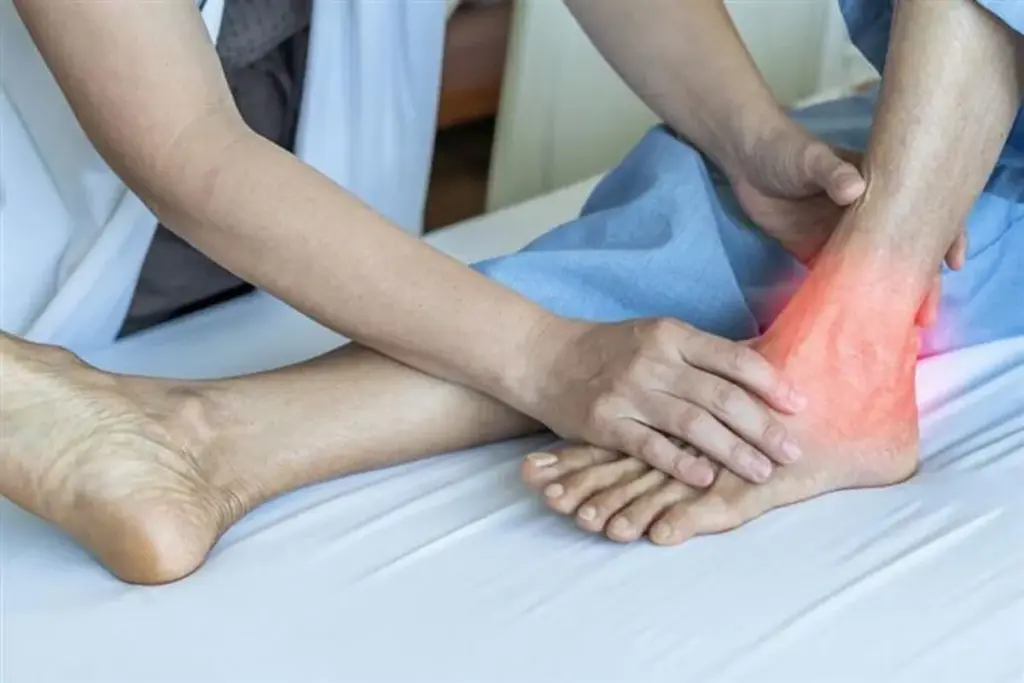
Recovering from a torn ligament? Use these incredible strategies and amazing therapies to heal quickly and regain your full power.
Did you know that ligament sprains and tears are common? They affect athletes and non-athletes alike. Knowing how ligaments work and how to help them heal is key for getting better.
We’ll look at the fastest ways to heal ligaments. We’ll talk about the importance of proper care and treatment for ligament tear recovery.
Key Takeaways
- Understanding ligament function is crucial for recovery.
- Proper care and treatment can speed up healing.
- Ligament injuries are common among athletes and non-athletes.
- Effective treatment options are available.
- Promoting ligament health is essential.
Understanding Ligaments and Their Function
To understand ligament injuries, we first need to know what ligaments are and how they work. Ligaments are fibrous tissues that are key to our musculoskeletal system.
What Are Ligaments?
Ligaments are strong, fibrous tissues that connect bone to bone or bone to cartilage. They keep our joints stable. They are made of collagen fibers, which make them strong and elastic.
Healthy ligaments let us move freely while keeping joints stable. But, injuries can cause joint instability and pain. This can make a ligament loose or loose ligaments, leading to unstable joints.
The Role of Ligaments in Body Mechanics
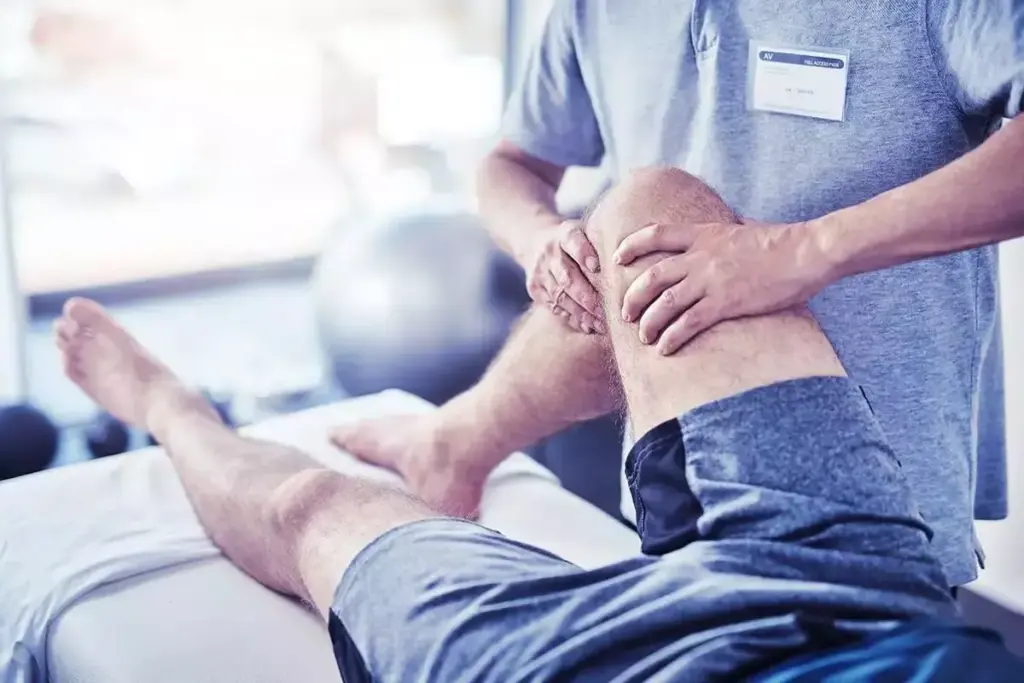
For example, knee ligaments stabilize the joint during activities like running or jumping. This prevents injuries. Knowing what do ligaments connect shows their importance in supporting our body’s structure.
Common Ligament Locations in the Body
Ligament injuries happen in many body parts, but the knee, ankle, and foot are most common. These areas are prone to injuries because of their high use and stress during activities. For instance, ligaments of the foot torn during sports can cause a lot of pain and disability.
|
Body Region |
Common Ligament Injuries |
|---|---|
|
Knee |
Anterior Cruciate Ligament (ACL) tears, Medial Collateral Ligament (MCL) injuries |
|
Ankle |
Ankle sprains, particularly involving the Anterior Talofibular Ligament (ATFL) |
|
Foot |
Ligament sprains in the midfoot and forefoot |
Knowing about ligament function and common injury spots helps us see why treating ligament injuries is so important.
Types and Causes of Torn Ligament Injuries
It’s important to know about torn ligament injuries. They are classified into three grades based on how severe they are. This helps doctors decide the best treatment and how long it will take to heal.
Grade I: Mild Sprains
A Grade I injury is a mild sprain. The ligament is stretched but not torn. The joint stays stable, and there’s little pain and swelling. Conservative treatment like rest, ice, compression, and elevation (RICE) is usually enough.
Grade II: Partial Tears
Grade II injuries are partial tears. They cause more pain, swelling, and bruising than Grade I. The joint might feel unstable, and moving it can be hard. Physical therapy is often needed to help regain strength and stability.
Grade III: Complete Tears
Grade III is the most severe, where the ligament is completely torn. This makes the joint very unstable, causes a lot of pain, and swelling. Surgery is often needed for Grade III injuries, especially if other treatments don’t work.
Common Causes of Ligament Injuries
Ligament injuries often happen during sports. They can occur when athletes twist, land wrong, or fall. Sports like football, soccer, and basketball are common places for these injuries because of collisions. Non-contact sports like skiing or gymnastics can also cause injuries from sudden stops or bad landings.
But ligament injuries aren’t just from sports. They can also happen from accidents, falls, or when ligaments are strained a lot. Knowing why they happen helps in finding ways to prevent and treat them.
Recognizing Torn Ligament Symptoms
Knowing the signs of a torn ligament is key to recovery. When a ligament tears, the body reacts in different ways. Some symptoms show up right away, while others take time.
Immediate Signs of Ligament Injury
Right after a ligament injury, you might notice several symptoms. These include:
- Pain: Sharp pain at the time of injury, which can be severe.
- Swelling: Rapid swelling due to inflammation.
- Bruising: Discoloration around the injured area.
- Instability: A feeling of the joint giving way.
Delayed Symptoms
Some symptoms may not show up right away but can appear later. These include:
- Reduced Mobility: Difficulty moving the affected joint.
- Pain During Activity: Pain that occurs when using the injured limb or joint.
- Instability: A delayed feeling of instability in the joint, which can be particularly noticeable in weight-bearing joints like the knee or ankle.
A torn ligament in the knee can make it hard to do daily tasks or sports. A torn ligament in the ankle can cause ongoing pain and trouble walking.
When to Seek Medical Attention
It’s important to see a doctor if you notice:
- Severe Pain: Pain that is unbearable or doesn’t improve with rest.
- Significant Swelling: Swelling that doesn’t reduce with elevation and ice.
- Instability: If the joint feels unstable or gives way.
Getting a diagnosis and treatment early can help a lot. If you’re showing these symptoms, see a healthcare professional for a check-up.
Diagnostic Procedures for Ligament Injuries
Diagnosing ligament injuries involves physical exams and advanced imaging. We use these methods to find out how severe the injury is. Then, we create a treatment plan.
Physical Examination Techniques
First, we do a physical exam to check for ligament injuries. We look at how stable the ligament is and how well the joint works. This includes:
- Manoeuvres to test ligament integrity
- Assessing pain and swelling
- Evaluating range of motion
- Checking for joint instability
A leading orthopedic specialist says,
“A thorough physical examination is crucial in diagnosing ligament injuries and guiding further diagnostic testing.”
Imaging Tests
Imaging tests are key to confirming the diagnosis and understanding the injury’s severity. We use:
- X-rays to rule out fractures
- MRI (Magnetic Resonance Imaging) to see soft tissue injuries
- Ultrasound to check ligament integrity and find tears
A study in a medical journal says,
“MRI is highly sensitive and specific for diagnosing ligament tears, making it a valuable tool in the diagnostic process.”
Specialized Tests for Specific Ligaments
Some injuries need special tests for accurate diagnosis. For example:
- The Lachman test for ACL injuries
- The valgus stress test for MCL injuries
- The posterior drawer test for PCL injuries
These tests help us pinpoint the injury and plan the right treatment. As medical tech gets better, so does our ability to care for ligament injuries.
The Biology of Ligament Healing
Ligament healing goes through stages like inflammation, repair, and remodeling. Each stage is crucial for recovery. When a ligament gets hurt, the body starts a complex healing process.
Natural Healing Process Timeline
The healing of ligaments happens in three main phases:
- Inflammation Phase: This first phase lasts from 0 to 72 hours after injury. The body increases blood flow to the hurt area, causing inflammation.
- Repair Phase: The repair phase starts about 48-72 hours after injury and can last weeks. The body begins to fix the damaged ligament by making collagen.
- Remodeling Phase: The last phase, remodeling, can take weeks to months or even years. Here, the new tissue gets stronger and works better.
|
Phase |
Timeline |
Description |
|---|---|---|
|
Inflammation |
0-72 hours |
Increased blood flow, inflammation |
|
Repair |
48-72 hours to several weeks |
Collagen production, initial repair |
|
Remodeling |
Several weeks to months/years |
Tissue remodeling, strength improvement |
Factors Affecting Healing Speed
Many things can affect how fast ligaments heal, including:
- Age: Older people might heal slower because their cells and collagen production decrease.
- Nutrition: Eating enough protein, vitamins, and minerals is key for healing.
- Severity of Injury: More serious injuries, like Grade III tears, need longer to heal.
- Overall Health: Having chronic conditions, like diabetes, can slow healing.
Why Some Ligaments Heal Slower Than Others
Some ligaments, like those in the knee (e.g., ACL), heal slower than others. This is because of poor blood supply, high stress, and the ligament’s anatomy.
Knowing these factors and the healing timeline is vital for creating good treatment plans. These plans help ligaments heal well from injuries.
Immediate Care for Torn Ligaments
When a ligament is torn, it’s important to act fast. This helps the healing process and prevents more damage. The first steps you take can greatly affect how well you recover.
The RICE Protocol Explained
The RICE protocol is a well-known method for treating torn ligaments. It stands for Rest, Ice, Compression, and Elevation. Each part is key in reducing pain and swelling.
- Rest: Stay away from activities that make the injury worse.
- Ice: Use ice to lessen pain and swelling.
- Compression: A compression bandage helps reduce swelling.
- Elevation: Keep the injured area above your heart to lessen swelling.
Over-the-Counter Pain Management
Over-the-counter pain relievers can help with pain and swelling. Ibuprofen and acetaminophen are common choices.
|
Medication |
Dosage |
Frequency |
|---|---|---|
|
Ibuprofen |
200-400 mg |
Every 4-6 hours |
|
Acetaminophen |
325-650 mg |
Every 4-6 hours |
Avoiding Further Damage
It’s crucial to avoid further injury during the healing phase. This might mean using protective gear or changing how you do activities to prevent re-injury.
Conservative Treatment Approaches
For many, torn ligaments can be treated without surgery. These methods help the body heal naturally and regain function. They avoid the need for surgery.
Physical Therapy Protocols
Physical therapy is key in treating torn ligaments. It helps improve joint stability and strengthens muscles. This enhances overall function.
|
Therapy Component |
Description |
Benefits |
|---|---|---|
|
Manual Therapy |
Hands-on techniques to improve joint mobility |
Enhances range of motion, reduces pain |
|
Strengthening Exercises |
Targeted exercises to build muscle around the injured ligament |
Improves joint stability, supports healing |
|
Functional Training |
Activities that mimic daily tasks or sports-specific movements |
Prepares the individual for return to normal activities |
Bracing and Support Options
Bracing and support devices help stabilize injured joints. They range from simple sleeves to complex hinged braces. This depends on the injury’s severity and location.
Activity Modification Strategies
Changing activities to prevent further injury is crucial. This might mean avoiding certain sports or using protective gear. Gradually returning to full activity is guided by healthcare professionals.
When Conservative Treatment Is Most Effective
Conservative treatment works best for mild ligament injuries. This includes Grade I and some Grade II sprains. Early treatment and a good plan can greatly improve outcomes.
Medical Interventions That Speed Healing
For those with torn ligaments, several medical options can speed up healing. These methods help reduce pain and promote faster recovery. They also help restore function.
Prescription Medications
Prescription drugs are key in managing pain and swelling from torn ligaments. Nonsteroidal anti-inflammatory drugs (NSAIDs) are often used to lessen swelling and pain. For severe pain, stronger medications might be given for a short time.
Injection Therapies
Injection therapies target torn ligaments directly. Corticosteroid injections can cut down inflammation and ease pain. Another option is Platelet-rich plasma (PRP) therapy, which uses the patient’s own blood to boost healing.
Emerging Regenerative Treatments
Regenerative medicine is growing fast, offering new hope for treating torn ligaments. Stem cell therapy uses stem cells to repair tissues. Though still new, these treatments look promising in helping the body heal itself.
It’s crucial to talk to a healthcare expert to find the best treatment for you. Combining these treatments with proper care and rehab can help you recover from torn ligament injuries.
Surgical Options for Torn Ligament Treatment
If pain and discomfort from a torn ligament don’t go away, surgery might be needed. This is especially true for severe injuries or when the ligament is completely torn. Such injuries can greatly affect how well a joint works.
When Surgery Is Necessary
Surgery is usually suggested when:
- The ligament injury is severe (Grade III)
- Other treatments haven’t helped
- The joint feels unstable
- The person is very active or an athlete
Types of Ligament Repair Procedures
There are two main surgeries for torn ligaments: repair and reconstruction.
|
Procedure |
Description |
Indications |
|---|---|---|
|
Ligament Repair |
This method fixes the torn ligament by sewing it back together. |
Best for recent injuries with good ligament tissue. |
|
Ligament Reconstruction |
This method uses a graft to replace the torn ligament. The graft can come from another part of the body or a donor. |
For serious injuries, long-term instability, or poor ligament tissue. |
Minimally Invasive Techniques
Arthroscopy has changed how we treat torn ligaments. It uses small incisions, causing less damage and leading to faster healing.
Post-Surgical Recovery Expectations
Recovering from ligament surgery needs a careful plan. The exact steps depend on the surgery and the patient’s health.
- Right after surgery: Managing pain, keeping the area still, and starting simple exercises.
- Early rehab: Getting stronger and moving better.
- Advanced rehab: Getting ready to do daily activities again.
Knowing about surgical options for torn ligaments helps patients make better choices. This way, they can aim for the best recovery.
Specific Approaches for Common Torn Ligament Locations
Ligament injuries can happen in many parts of the body. Each area needs its own treatment. We’ll look at how to treat torn ligaments in the knee, ankle, wrist, and foot.
Torn Ligament in Knee
The knee is a common spot for ligament injuries. The ACL and MCL are often affected. ACL injuries might need surgery, while MCL injuries start with bracing and exercises.
- ACL Injuries: Often require surgical intervention, especially for young athletes or those with high activity levels.
- MCL Injuries: Typically treated conservatively with bracing and physical therapy.
Torn Ligament in Ankle
Ankle ligament injuries are common in sports that involve running or quick changes of direction. Treatment starts with the RICE protocol and may include bracing or taping.
- Grade I and II Sprains: Usually treated conservatively with RICE and rehabilitation.
- Grade III Sprains: May require more intensive treatment, including possible surgical repair.
Torn Ligament in Wrist
Wrist ligament injuries can be tricky to diagnose and treat. Treatment may include a cast, physical therapy, or surgery.
- Scapholunate Ligament Injuries: May require surgical intervention to prevent chronic instability.
- Triangular Fibrocartilage Complex (TFCC) Injuries: Can be treated with arthroscopic surgery or conservative management.
Torn Ligament in Foot
Ligament injuries in the foot, like those affecting the Lisfranc ligament, can be very painful. Treatment can range from orthotics and physical therapy to surgery for severe cases.
- Lisfranc Injuries: Often require surgical intervention to ensure proper healing and prevent long-term complications.
- Midfoot Sprains: Can be treated conservatively with rest and rehabilitation.
Knowing how to treat torn ligaments in different areas is key. Tailoring treatment to the specific ligament and location helps people recover faster and get back to their activities.
Rehabilitation Exercises for Faster Recovery
Rehabilitation exercises are key to getting better after a torn ligament injury. They help you move better, get stronger, and feel more balanced. This way, you can get back to doing what you love sooner.
Early Stage Mobility Exercises
In the beginning, it’s important to keep your joints moving. Simple moves like toe touches and ankle circles help. These exercises should not hurt and help prevent more damage.
Progressive Strengthening Protocols
As you heal, you’ll need to get stronger. This means doing exercises that make your muscles work harder. You might use resistance bands or weights to build up your strength.
Balance and Proprioception Training
Training for balance and feeling is crucial, especially for injuries in your ankles or knees. Single-leg stands and balance boards are great for this. They help you feel where your body is and how it’s moving.
Sport-Specific Rehabilitation
For athletes, getting back to their sport is a big goal. They do exercises that match their sport’s needs. This helps them regain the speed and agility they need to play safely again.
Working with a healthcare professional is vital during rehab. They can make a plan that fits your injury and needs. With the right plan, you can recover faster and more effectively from a torn ligament injury.
Nutritional Support for Ligament Healing
Eating a balanced diet is key for ligament repair. When we get ligament injuries, our bodies need the right nutrients to heal well.
Essential Nutrients for Connective Tissue Repair
Ligaments are made of connective tissue. This tissue needs certain nutrients to repair itself. Vitamin C is important for making collagen, a key part of ligaments. Eating foods high in vitamin C, like citrus fruits and leafy greens, helps with healing.
Zinc is also vital for fixing tissues. Foods like nuts and seeds are good sources of zinc.
Anti-inflammatory Foods
Inflammation is a natural response to injury. But too much can slow down healing. Eating anti-inflammatory foods can help control this. Omega-3 fatty acids in fatty fish, flaxseeds, and walnuts are great for this.
Other foods like turmeric, ginger, and green tea also help reduce inflammation.
Supplements That May Enhance Recovery
While a good diet is essential, some supplements can help too. Glucosamine and chondroitin are known to support connective tissue health. Omega-3 supplements are also helpful for those who don’t get enough from food.
But, always talk to a doctor before taking any supplements.
Hydration’s Role in Healing
Drinking enough water is often forgotten but is very important for healing. Water keeps connective tissue strong and helps the body repair itself. Drinking enough water helps nutrients reach injured areas and removes waste, speeding up recovery.
Alternative and Complementary Approaches
Looking into alternative therapies can help with ligament injuries. These methods add to the usual care and can make healing faster. They also help ease symptoms.
Acupuncture for Ligament Injuries
Acupuncture is an old practice from traditional Chinese medicine. It uses thin needles in certain body points. Studies show it can help with pain and speed up healing of ligaments.
Benefits of acupuncture for ligament injuries include less pain, better function, and faster healing.
Massage Therapy Techniques
Massage therapy has many techniques good for ligament injury recovery. It boosts blood flow and eases muscle tension. This helps ligaments heal better.
- Improved circulation
- Reduced muscle stiffness
- Enhanced relaxation and reduced stress
Electrical Stimulation Methods
Electrical stimulation uses currents to help heal and lessen pain. Methods like Transcutaneous Electrical Nerve Stimulation (TENS) work well for ligament injury pain.
Electrical stimulation also strengthens muscles and helps ligaments recover.
Therapeutic Ultrasound
Therapeutic ultrasound uses sound waves to fix tissues and cut down inflammation. It’s great for ligament healing in the early stages.
Using therapeutic ultrasound makes tissues more elastic and reduces scar tissue.
Conclusion: Creating Your Optimal Ligament Healing Plan
Fixing ligament injuries needs a full plan. This includes knowing the injury, the right treatment, and how to recover. With these steps, you can make a healing plan that works best for you.
Starting with the RICE method is key. Then, use physical therapy and bracing. Sometimes, you might need medical help or surgery to heal.
Food is also important for healing ligaments. Eating the right foods and staying away from inflammation helps a lot. Adding exercises to your plan can make it even better.
In the end, a good healing plan helps you get better faster. It keeps your joints safe and healthy for the long run.
FAQ
What are the most common symptoms of a torn ligament?
Symptoms include pain, swelling, and bruising. You might also feel your joint is unstable. Sometimes, you might hear a popping sound when it happens.
How are ligament injuries diagnosed?
Doctors use a physical exam and imaging like X-rays or MRI. They might also do special tests to check how bad the injury is.
What is the RICE protocol, and how does it help in healing ligament injuries?
RICE means Rest, Ice, Compression, and Elevation. It’s a first step to reduce pain and swelling. It helps your injury heal faster.
Can ligament injuries heal without surgery?
Yes, many can heal without surgery. This is true for mild to moderate injuries. Treatments like physical therapy and bracing can help.
What role does physical therapy play in recovering from a ligament injury?
Physical therapy is key to getting your strength and range of motion back. It helps your ligament and surrounding tissues heal. It also lowers the risk of future injuries.
Are there any nutritional supplements that can aid in ligament healing?
Yes, some supplements like vitamin C and omega-3 fatty acids can help. They support collagen production and reduce inflammation.
How long does it typically take for a ligament to heal?
Healing time varies with the injury’s severity. Mild sprains might heal in weeks. More severe ones can take months.
What are some alternative therapies that can complement traditional treatments for ligament injuries?
Therapies like acupuncture and massage can help manage pain. They also reduce inflammation and aid in healing.
When is surgery necessary for a torn ligament?
Surgery is needed for severe tears or when other treatments don’t work. It’s for when the joint doesn’t have enough stability.
Can ligament injuries be prevented?
While not all injuries can be prevented, some steps can lower the risk. Staying healthy, exercising, and using proper sports techniques are important.
What is the importance of rehabilitation exercises after a ligament injury?
Exercises are vital for regaining strength and flexibility. They also improve your sense of body position. They help you fully recover and prevent future injuries.