
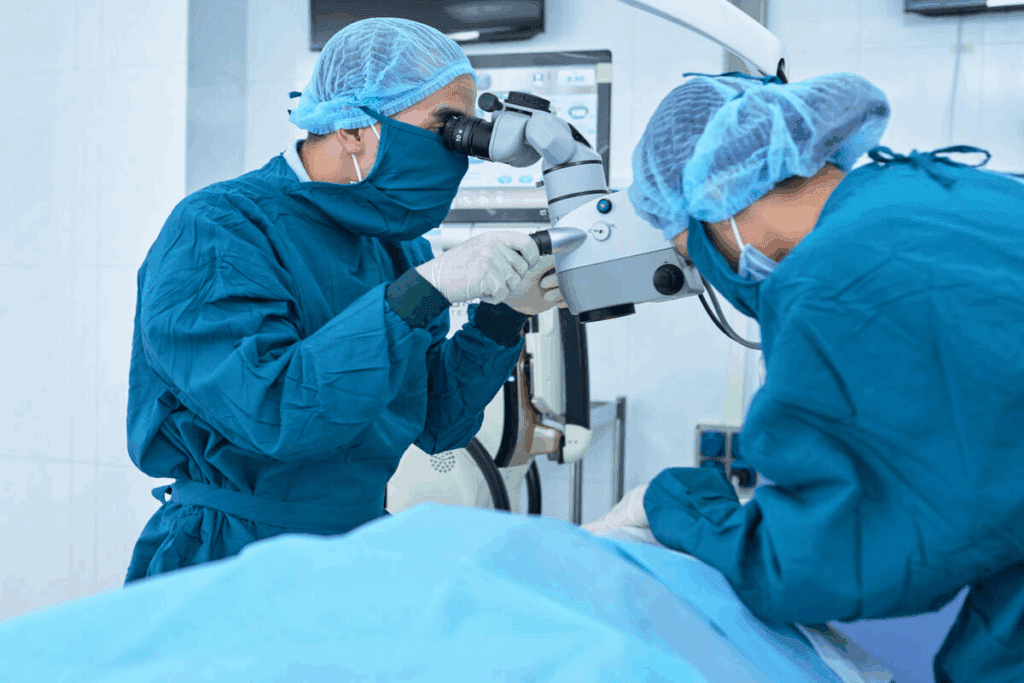
Nearly 40 million surgeries happen every year in the United States. A big part of these are complex and need to be done carefully. Plan the transition from pediatrician care. specific best age is 18-21. Learn how to move your child’s records to an adult provider.
These complex procedures touch important parts of our bodies. They are key to treating serious health issues. They also mean longer times to get better and come with more risks.
Cancer surgery is a big deal. It involves taking out tumors and affected tissues. Other major surgeries include open-heart surgery and organ transplants. These are called major because they are very invasive and affect critical areas of our bodies.
Key Takeaways
- Complex surgical procedures are often life-saving and critical in treating severe conditions.
- Cancer surgery is one of the major complex procedures that involve removing tumors.
- Open-heart surgery and organ transplants are other examples of major surgeries.
- These procedures require longer recovery periods and are associated with higher risks.
- Understanding the nature and risks of these surgeries is key for patients and healthcare providers.
Understanding Major Surgeries
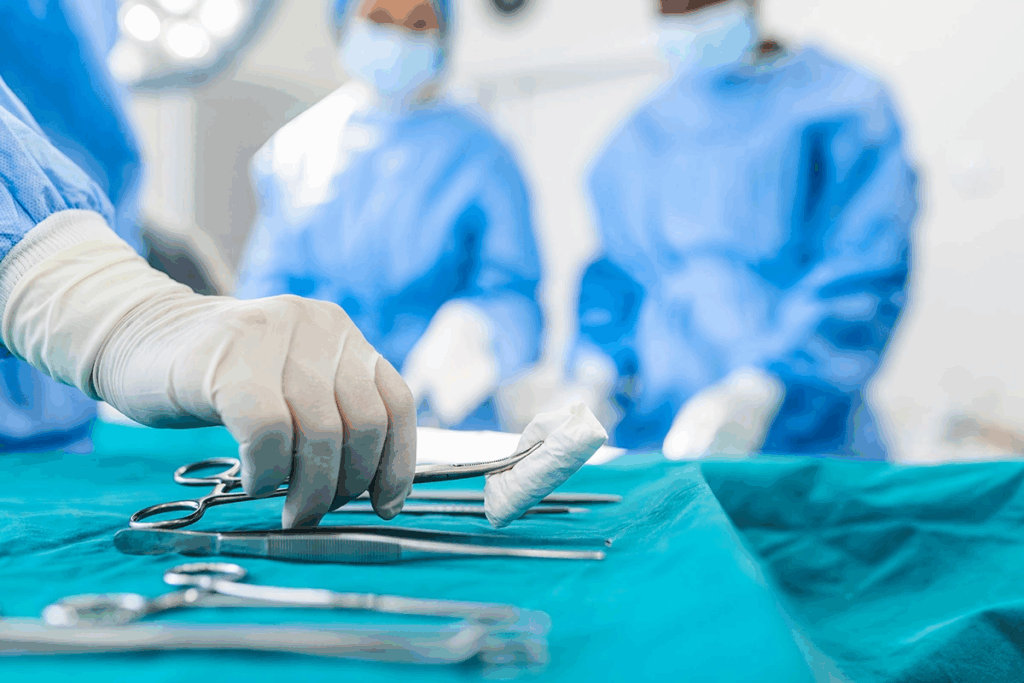
Major surgeries are critical for many serious health issues. They can save lives or greatly improve quality of life. These surgeries tackle both urgent and routine health problems.
Definition and Importance
Major surgeries carry a high risk to the patient’s life or significantly impact their quality of life. They are essential for treating serious conditions like heart diseases, bone injuries, and cancers.
These surgeries are vital for fixing life-threatening issues, reducing pain, and boosting overall health. Open heart surgery and organ transplant are examples that have greatly changed how we treat severe health problems.
Types of Major Surgeries
Major surgeries are divided into types based on their purpose and the body area they target. The main categories include:
- Cardiovascular surgeries, such as open heart surgery and heart transplants.
- Orthopedic surgeries, including hip replacements and complex fracture repairs.
- Oncological surgeries, aimed at removing tumors and cancerous tissues.
- Trauma surgeries, which are performed to address severe injuries.
Type of Surgery | Description | Examples |
Cardiovascular | Surgery related to the heart and blood vessels. | Open heart surgery, heart transplant. |
Orthopedic | Surgery related to the musculoskeletal system. | Hip replacement, fracture repair. |
Oncological | Surgery aimed at removing cancerous tissues. | Tumor removal, mastectomy. |
Trauma | Surgery to address severe injuries. | Emergency surgeries for accident victims. |
Common Major Surgeries
Several surgeries are very common and have a big impact on people’s lives. They are done to fix big health problems and make life better for patients.
Heart Bypass Surgery
Heart bypass surgery, or CABG, helps blood flow to the heart. It uses a graft to bypass blocked arteries. This improves blood flow to the heart muscle.
The American Heart Association says heart bypass surgery is often needed for heart disease. It can make life better by easing chest pain and shortness of breath.
“The use of CABG has been shown to improve survival in patients with complex coronary artery disease.” –
American Heart Association
Procedure | Recovery Time | Risks |
Heart Bypass Surgery | 6-12 weeks | Infection, bleeding, adverse reaction to anesthesia |
Hip Replacement Surgery
Hip replacement surgery, or hip arthroplasty, replaces a damaged hip joint with an artificial one. It’s for those with severe pain or limited mobility from osteoarthritis or other conditions.
Most patients see a big drop in pain and better mobility after hip replacement. The Journal of Orthopaedic Surgery says it’s a reliable treatment for severe hip osteoarthritis.
- Relieves hip pain
- Improves mobility
- Enhances quality of life
Gallbladder Removal
Gallbladder removal, or cholecystectomy, removes the gallbladder to treat pain or infection from gallstones. It can be done open or laparoscopically.
Laparoscopic gallbladder removal is a minimally invasive procedure. It usually means less pain and a quicker recovery than open surgery. A study in the Surgical Endoscopy journal says it’s the best treatment for symptomatic gallstones.
Surgery Type | Recovery Time | Benefits |
Laparoscopic Gallbladder Removal | 1-2 weeks | Less pain, quicker recovery, smaller scars |
Open Gallbladder Removal | 4-6 weeks | Effective for complex cases, allows for better visualization |
Major Surgeries: Risks and Complications
It’s important to know the risks and complications of major surgeries. This knowledge helps patients prepare and recover better. Major surgeries have risks that can affect how well a patient does.
Common Risks
Major surgeries have several common risks. These include infection, blood loss, and adverse reactions to anesthesia. Infection can make recovery longer and cause more problems. Blood loss might need blood transfusions.
- Infection
- Blood loss
- Adverse reactions to anesthesia
- Respiratory complications
Potential Complications
Major surgeries can also lead to other complications. These include respiratory issues, cardiac problems, and reaction to anesthesia. Some complications can be serious, needing more surgery or longer hospital stays.
Complication | Description | Management |
Infection | Bacterial or viral infection at the surgical site | Antibiotics, wound care |
Blood Loss | Significant loss of blood during or after surgery | Blood transfusions, fluid replacement |
Adverse Reaction to Anesthesia | Negative reaction to anesthesia, ranging from mild to severe | Monitoring, adjustment of anesthesia, post-operative care |
Managing these risks and complications is key to good outcomes for patients. Knowing about these issues helps in better preparation and recovery plans.
Recovery from Major Surgeries
Major surgeries, like reconstructive surgery and vascular surgery, need a detailed recovery plan. This plan is key for healing well and getting back to normal life.
The Healing Process
The healing after major surgery goes through several stages. These include inflammation, repair, and remodeling. Knowing these stages helps patients understand what to expect and follow their doctor’s advice.
First, the body works to prevent infection and close the wound. Then, it repairs damaged tissues. Lastly, it remodels the new tissues to regain strength and function.
Tips for a Smooth Recovery
To recover smoothly, patients should follow certain guidelines. These include:
- Following the surgeon’s instructions for post-operative care
- Managing pain effectively through medication and other recommended methods
- Maintaining a healthy diet rich in nutrients to support healing
- Staying hydrated to promote overall health
- Gradually resuming physical activities as advised by the healthcare provider
Also, patients should know about possible complications. If they notice anything unusual, they should reach out to their healthcare provider.
Recovery Tips | Benefits |
Follow post-operative instructions | Ensures proper wound healing and minimizes complications |
Manage pain effectively | Enhances comfort and promotes restful recovery |
Maintain a healthy diet | Supports the healing process with essential nutrients |
Preparing for Major Surgeries
Getting ready for surgery is key. It includes medical checks and lifestyle changes. These steps help lower risks and make recovery smoother.
Medical Evaluations
Before surgery, patients get detailed medical checks. These tests find health risks and make sure the patient is ready for surgery.
These evaluations include:
- Blood tests for infections or other issues
- Imaging tests like X-rays or MRI scans
- Heart checks to see how the heart is doing
- Other tests based on the patient’s health
A study in the Journal of the American Medical Association found that thorough checks before surgery can lower risks.
“The preoperative evaluation is a critical component of the surgical process, allowing clinicians to identify and mitigate possible risks.”
– Journal of the American Medical Association
Pre-operative Instructions
Patients also get instructions before surgery. These help avoid problems and make recovery easier.
Some common instructions are:
Instruction | Purpose |
Fasting or dietary restrictions | To prevent issues with anesthesia |
Medication management | To avoid bad reactions with anesthesia or other drugs |
Stopping smoking or tobacco use | To improve lung health and overall well-being |
By following these instructions, patients can lower their risk of problems and get better results from surgery.
Major Surgeries for Specific Conditions
Major surgeries are key in treating certain health issues. They help manage and treat conditions that greatly affect a person’s life.
Orthopedic Surgeries
Orthopedic surgeries treat bone and joint problems. Orthopedic surgery includes many procedures like joint replacements and repairs for broken bones. For example, hip replacement surgery helps those with severe arthritis by improving mobility and reducing pain.
These surgeries can greatly improve a patient’s life. They help people regain their independence and enjoy activities they love.
Cardiovascular Surgeries
Cardiovascular surgery treats heart and blood vessel issues. These surgeries address problems like coronary artery disease and heart valve disorders. Examples include coronary artery bypass grafting (CABG) and heart transplant.
The main goal is to improve blood flow and heart function. This can lead to better survival rates and quality of life. New surgical techniques and technology have made these surgeries more effective.
Cancer Surgeries
Cancer surgery, or surgical oncology, is a major part of cancer treatment. It involves removing tumors and affected tissues. The aim is to get rid of cancer cells and stop them from spreading.
Cancer surgeries are complex and need great skill. The surgeon’s goal is to remove the tumor while keeping as much tissue as possible. This helps maintain the patient’s function and appearance.
The Role of Anesthesia in Major Surgeries
Anesthesia is key in major surgeries, making sure patients are comfortable and safe. It has changed surgery, allowing for complex procedures without pain. With new tech, anesthesia keeps getting better, helping patients more than ever.
Types of Anesthesia
There are many types of anesthesia for surgeries, each with its own use and benefits. The main types are:
- General anesthesia, which makes you unconscious, perfect for big surgeries.
- Regional anesthesia, numbs a part of your body, like epidural or spinal.
- Local anesthesia, numbs a small area, for minor procedures.
- Monitored anesthesia care, for less invasive surgeries, with sedation and pain relief.
Safety Measures
Safety is top priority in anesthesia. Many steps are taken to keep patients safe, including:
- Pre-anesthetic evaluation to check the patient’s health and risks.
- Continuous monitoring during surgery, watching vital signs and anesthesia levels.
- Using the latest anesthesia equipment and tech.
- Post-anesthesia care to manage recovery and any complications.
Innovations in Major Surgery Techniques
The world of major surgeries is changing fast thanks to new techniques. These advances mean better results for patients, faster healing, and more precise surgeries.
Minimally Invasive Surgery
Minimally invasive surgery is a big deal in surgical oncology and other complex areas. It uses small cuts, which means less pain and quicker healing for patients. Benefits include less scarring, lower infection risk, and shorter hospital stays.
A study in a top medical journal says this method is now the go-to for many surgeries. It cuts down on patient risks and boosts success rates.
This surgery is used in many areas, including removing tumors with great care. It makes life better for patients after surgery and lets doctors tackle harder tasks safely.
Robotic Surgery
Robotic surgery is another big leap forward in major surgeries. It uses robotic systems to help surgeons do their jobs better. It’s great for complex surgeries that need careful moves.
A famous surgeon said, “Robotic systems have opened new doors for surgeons to do tricky operations that were hard or impossible before.”
Robotic surgery offers better accuracy, less blood loss, and less harm to patients. It’s being used more for surgeries like heart and bone work. As robotic tech gets better, so will surgery results.
Major Surgeries: Statistics and Trends
Medical technology has improved a lot, and so has the number of major surgeries. As people live longer and healthcare changes, it’s key to know the stats and trends of major surgeries.
Recent Trends in Surgery
In recent years, there’s been a big move towards less invasive surgeries. This is thanks to new tech and people wanting to heal faster. Minimally invasive surgeries mean less pain and shorter stays in the hospital for patients.
The number of surgical oncology procedures is also going up. This is because cancer is being caught earlier and treatments are getting better. More surgeries are being done to remove tumors and cancerous tissues.
Demographics and Age Factors
The people getting major surgeries are changing too. With more older adults, there’s a need for more surgeries. Orthopedic surgeries, like hip and knee replacements, help the elderly move better and live better lives.
Age plays a big role in the surgeries needed and the risks involved. Older patients often have more health issues, so they need careful planning before and after surgery. Knowing this helps doctors provide better care.
Patient Support Before and After Major Surgeries
Emotional support and family involvement are key in patient care before and after big surgeries. A strong support system greatly helps in recovery. It’s important for patients to have a good network of family and friends.
Emotional Support
Emotional support is vital in helping patients deal with the stress and anxiety of major surgeries. This support can be in many ways, including:
- Counseling: Professional counseling helps patients manage their fears and anxieties.
- Support Groups: Joining a support group connects patients with others who have gone through similar experiences.
- Family and Friends: Having loved ones nearby offers emotional comfort and reassurance.
It’s also key for patients to share their needs and feelings with their support system. This way, they get support that meets their specific emotional needs.
Family Involvement
Family involvement is also very important in patient support. Family members can greatly help in the recovery process by:
- Assisting with Daily Tasks: Helping with chores, cooking, and other daily tasks can ease the patient’s burden.
- Providing Emotional Support: Being there and giving emotional support can lower the patient’s stress levels.
- Monitoring Recovery: Family members can watch the patient’s recovery, spotting any issues early.
By actively helping in the patient’s care, family members can make the recovery smoother and more successful.
In conclusion, patient support before and after major surgeries involves emotional support and family involvement. Understanding the importance of these elements helps patients navigate their surgical journey more easily and confidently.
Finding the Right Surgeons for Major Surgeries
Choosing the right surgeon is key for a good surgical outcome, more so for complex procedures. A skilled surgeon can greatly impact your recovery and results.
Evaluating Credentials
When looking for a surgeon, check their credentials and experience. Ensure they are board-certified and have a good track record. Look at their medical school and residency training to confirm their expertise.
Preparing Questions
Before meeting a surgeon, make a list of questions. Ask about their experience with your procedure, complication rates, and follow-up care. This helps you choose wisely.
By carefully looking at a surgeon’s credentials, experience, and care approach, you can make a smart choice. This will give you confidence in your decision.
FAQ
What is considered a major surgery?
Major surgery is complex and risky. It needs a long recovery time. Examples include open heart surgery, brain surgery, and organ transplant.
What are the risks associated with major surgeries?
Major surgeries have risks like infection and bleeding. There’s also a chance of blood clots, organ failure, and stroke.
How long does it take to recover from major surgery?
Recovery times vary. Some surgeries, like hip replacement, take weeks or months. Others, like gastric bypass, may need more time.
What is the role of anesthesia in major surgeries?
Anesthesia ensures comfort and safety during surgery. It includes general and regional anesthesia to reduce pain.
What are some innovations in major surgery techniques?
New techniques include minimally invasive and robotic surgery. They offer faster recovery, less pain, and better precision.
How can patients prepare for major surgeries?
Patients should get medical checks and follow pre-op instructions. Making lifestyle changes also helps.
What kind of support is available for patients undergoing major surgeries?
Patients can get emotional support and family help. This aids in managing surgery and recovery challenges.
How can I find a qualified surgeon for my major surgery?
Look for a surgeon with the right credentials and experience. Asking the right questions is also key.
What are some common major surgeries for specific conditions?
Common surgeries include joint replacement, heart surgeries, and cancer removal. These address various health issues.
Are there any statistics or trends related to major surgeries that I should be aware of?
There’s a rise in minimally invasive and robotic surgeries. Age and demographics also influence surgery trends.
References
Centers for Disease Control and Prevention. Evidence-Based Medical Insight. Retrieved from https://www.cdc.gov/nchs/fastats/inpatient-surgery.htm