Overview of seven common transtibial prosthetic leg socket designs for comfort and stability. Transtibial amputation is a common type, making up about 28% of all lower limb amputations. This highlights the need for well-designed prosthetic sockets in lower limb prosthetic rehabilitation.
At Liv Hospital, we understand how vital comfort and mobility are for those with transtibial amputations. The socket design of a prosthetic leg is key. It connects the residual limb to the prosthetic, greatly affecting a patient’s comfort, mobility, and overall quality of life.
Optimal socket design is essential to avoid giving up on the prosthesis and to improve its function. We look at different prosthetic socket designs. We highlight their benefits and why they are important in medical rehabilitation.
Key Takeaways
- Transtibial prosthetic socket designs play a critical role in lower limb prosthetic rehabilitation.
- Approximately 28% of lower limb amputations are transtibial.
- Proper socket design greatly affects patient comfort, mobility, and quality of life.
- Optimal socket design can prevent giving up on the prosthesis.
- Liv Hospital is dedicated to providing full care for individuals with transtibial amputations.
The Critical Role of Socket Design in Prosthetic Rehabilitation
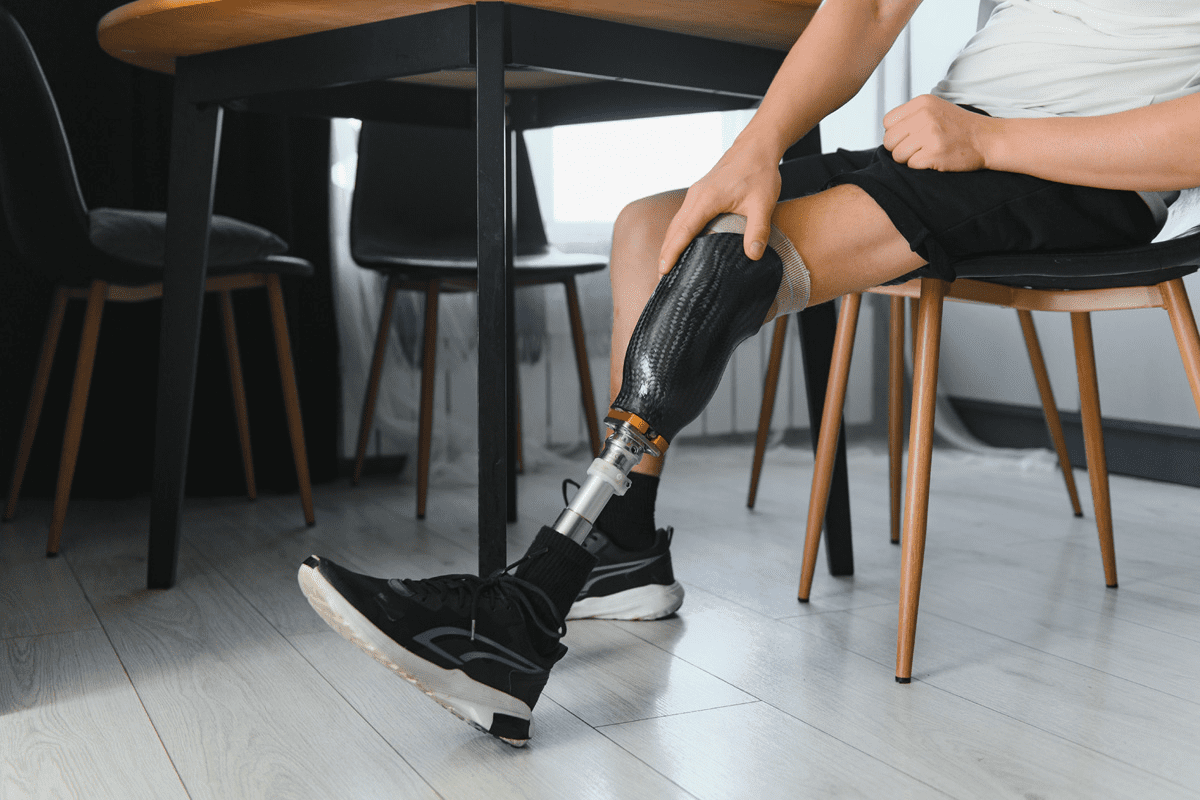
Socket design is key in prosthetic rehab, greatly affecting the lives of transtibial amputees. A good socket design is vital for comfort, mobility, and satisfaction with the prosthetic. Understanding socket design is important, given the context of transtibial amputations.
Impact of Transtibial Amputation Statistics
Transtibial amputations, or below-knee amputations, are a big issue worldwide. Lower limb amputations make up a large part of all amputations. The high number of transtibial amputations shows the need for better prosthetics, like improved socket designs.
Research shows socket comfort depends on many things. These include how pressure is spread, the suspension system, and the shape of the residual limb. Making a good socket is hard because of the different needs of amputees.
“A well-fitting socket is the foundation upon which a successful prosthetic rehabilitation is built.”
Key Factors Influencing Socket Comfort and Function
Several factors affect how comfortable and functional a transtibial prosthetic socket is. These include:
- Pressure Distribution: It’s important to spread pressure evenly to avoid discomfort and skin problems.
- Suspension Systems: Good suspension keeps the prosthetic in place during different activities.
- Residual Limb Anatomy: The unique shape of the residual limb is key in designing the socket.
By focusing on these factors, prosthetists can make sockets that improve rehab for transtibial amputees. As prosthetic tech advances, making personalized sockets will remain vital for effective rehab.
Understanding Transtibial Prosthetic Leg Components
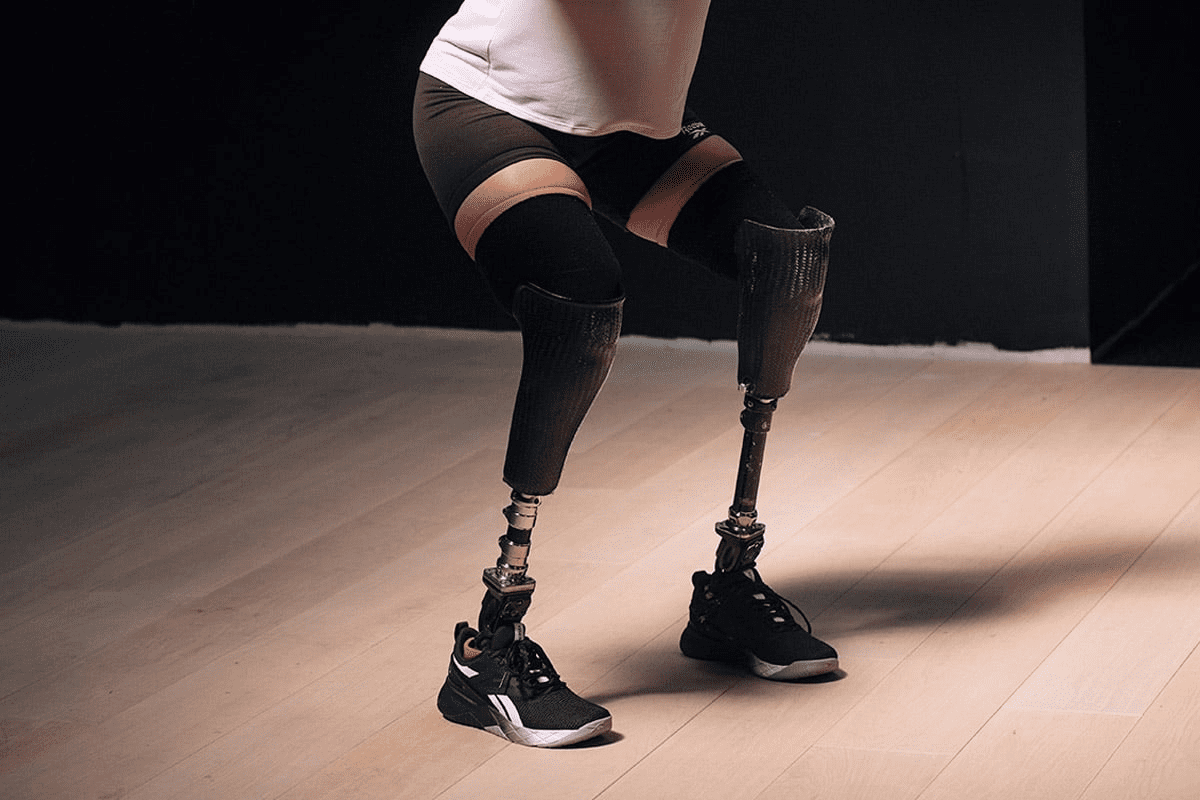
A transtibial prosthetic leg is made up of several important parts. These parts work together to make the prosthetic leg function well. It’s not just one part that makes it work, but how all parts fit together.
Anatomy of a Complete Transtibial Prosthesis
A complete transtibial prosthesis has key parts like the socket, suspension system, prosthetic foot, and sometimes liners or covers. Each part is vital for the user’s mobility and comfort.
The socket is the most important part. It connects the prosthetic to the remaining leg. A good socket design is key for comfort and function. The suspension system keeps the prosthetic in place during activities.
The prosthetic foot is also very important. It’s made to move like a real foot. There are many designs, each for different needs, like energy return or stability.
The Relationship Between Socket Design and Overall Prosthetic Function
The design of the socket greatly affects the prosthetic leg’s function. A well-made socket can improve comfort, prevent skin problems, and enhance mobility.
“The socket is the most intimate part of the prosthesis, and its design can make or break the user’s experience.” – Medical Expert, Prosthetics Expert
Socket design and prosthetic function are closely linked. Here are some key points:
Component | Function | Impact on Prosthetic Function |
Socket Design | Interface with residual limb | Directly affects comfort and stability |
Suspension System | Secures prosthetic to limb | Influences security and confidence during movement |
Prosthetic Foot | Mimics natural foot movement | Enhances mobility and natural gait |
Knowing about these parts and how they work together is key. It helps make the prosthetic better and improves the user’s life.
Patellar Tendon Bearing (PTB) Socket Design
The Patellar Tendon Bearing (PTB) socket is a key design for transtibial prosthetics. It focuses on distributing pressure in a way that’s comfortable and functional. This design is a big help for people with transtibial amputations.
Selective Pressure Distribution Principles
The PTB socket design loads pressure on areas of the residual limb that can handle it. It avoids sensitive spots. The patellar tendon is a key area for this. This way, PTB sockets aim to make prosthetics more comfortable and effective.
Making a PTB socket involves careful casting and fitting. It’s all about matching the socket to the individual’s limb. This ensures the best pressure distribution, boosting comfort and mobility.
Suitable Candidates and Clinical Outcomes
PTB sockets work best for those with transtibial amputations and a healed, well-covered residual limb. The fit and the person’s anatomy are critical for success.
Studies show PTB sockets improve comfort, mobility, and satisfaction with prosthetics. Here’s a look at some key benefits:
Clinical Outcome | Description | Benefit to User |
Improved Comfort | Reduced pressure on sensitive areas | Enhanced daily activity participation |
Increased Mobility | Better weight distribution and balance | Greater independence |
Higher Satisfaction | Customized fit and function | Improved quality of life |
Understanding PTB socket design helps healthcare professionals. They can find the right prosthetic for each person. This improves the user’s life quality.
Total Surface Bearing (TSB) Socket Design
The Total Surface Bearing (TSB) socket spreads the load evenly on the residual limb. This reduces pressure points and boosts comfort. It’s a big step forward in caring for transtibial amputees.
TSB sockets are great because they use uniform load distribution technology. This tech makes sure the weight is spread out. It helps avoid discomfort and skin issues, common with old socket designs.
Uniform Load Distribution Technology
TSB sockets use advanced materials and methods to spread the load evenly. They often come with gel liners for extra cushioning. Together, they make prosthetics more comfortable and useful.
One big plus of TSB sockets is they cut down on pressure points. This even distribution reduces skin irritation and discomfort. So, users can wear their prosthetics longer without pain.
Comparative Advantages Over Traditional Designs
TSB sockets have clear benefits over old prosthetic designs. Here’s a quick look at the main differences:
Feature | TSB Socket | Traditional Socket |
Load Distribution | Even across the limb | Heavy on certain points |
Comfort Level | High, with less pressure | Variable, often uncomfortable |
Use of Gel Liners | Often used for extra cushion | Rarely used |
The table shows TSB sockets beat traditional ones in comfort and load spread. Adding gel liners to TSB sockets makes things even better for users.
In summary, TSB socket design is a big leap in prosthetic tech. It offers even load distribution and less pressure points. This makes prosthetic limbs more comfortable and useful for transtibial amputees.
Hydrostatic Socket Design for Transtibial Prosthetic Leg Users
The hydrostatic socket is a new design for prosthetic legs. It uses fluid to spread pressure evenly. This makes prosthetic legs more comfortable for users.
Pressure Distribution Mechanism
The hydrostatic socket works with fluid pressure. It uses gel liners to fit the leg perfectly. This spreads pressure evenly, making it more comfortable.
Gel liners are key in this design. They cushion the leg and manage pressure. This helps the leg adapt better, improving mobility and comfort.
Clinical Applications and User Experience
Doctors are using hydrostatic sockets more often. They help improve the lives of people with prosthetic legs. Each socket is made to fit the person’s needs.
People with these sockets feel more comfortable and mobile. The design reduces friction and irritation. These are common problems with old socket designs.
Feature | Hydrostatic Socket | Traditional Socket |
Pressure Distribution | Fluid-based, uniform pressure | Variable, with hotspots |
User Comfort | Improved, less friction | Variable, can be uncomfortable |
Tissue Adaptation | Improved, consistent pressure | Variable, depends on fit |
The table shows hydrostatic sockets are better than old designs. They offer even pressure and comfort. This is a big step forward in prosthetics.
Vacuum-Assisted Suspension Socket Systems
Vacuum-assisted suspension socket systems are a big step forward in prosthetic tech. They make wearing a prosthetic more comfortable and functional. The vacuum creates a tight fit, which helps avoid discomfort and injury.
Active vs. Passive Vacuum Technologies
There are two types of vacuum-assisted systems: active and passive. Active systems need an external pump to keep the vacuum. Passive systems use the user’s movements to create and keep the vacuum.
Active Vacuum Systems: These systems keep the suspension steady, no matter what you’re doing. They’re great for people who are very active or need a secure fit.
Passive Vacuum Systems: These systems adjust to your movements, giving a more natural feel. But, they might need more effort from you to keep the vacuum.
Feature | Active Vacuum Systems | Passive Vacuum Systems |
Suspension Consistency | Consistent, regardless of activity | Variable, dependent on user movement |
User Effort | Low | Moderate to High |
Suitability | High activity users | Users seeking a more natural feel |
Impact on Residual Limb Health and Volume Management
Vacuum-assisted systems greatly benefit residual limb health and volume. They ensure a snug fit, which lessens irritation and discomfort. This leads to healthier limbs.
They also help manage volume in the residual limb. The vacuum keeps fluid levels steady, which improves the prosthetic’s fit.
Choosing the right vacuum-assisted system is key. It depends on your activity level, limb health, and personal needs.
Pin and Lock Suspension Socket Design
The pin and lock suspension in socket design has changed prosthetics for the better. It offers better function and is key for secure, comfy prosthetic limbs. This is true for those with transtibial amputations.
Mechanical Locking Mechanisms and Gel Liner Integration
The pin and lock system uses a silicone or gel liner with a pin. This pin locks into a socket mechanism. It makes sure the prosthetic stays in place, even when moving.
Gel liner integration is important for comfort. It cushions the limb and spreads out pressure. This helps with the limb’s changing size.
Donning and Doffing Considerations
Donning and doffing are key parts of using a pin and lock socket. It’s important to know how to do it right to avoid pain or injury. You roll on the gel liner, slide your limb into the socket, and lock it with the pin.
Consideration | Description | Benefit |
Gel Liner Quality | High-quality gel liners provide better cushioning and durability. | Enhanced comfort and reduced risk of skin irritation. |
Locking Mechanism Design | A well-designed locking mechanism ensures secure suspension. | Improved stability and confidence for the user. |
User Training | Proper training on donning and doffing techniques. | Reduced risk of injury and improved user experience. |
Knowing about the mechanical locking, gel liner, and how to put on and take off the socket is key. It helps users get the most out of their prosthetics. This knowledge helps them take better care of their prosthetics, improving their life quality.
AI-Enhanced Custom Socket Designs
AI is changing the prosthetic industry by making sockets more comfortable and precise. This is a big change, thanks to new technologies like artificial intelligence (AI).
Applications of Machine Learning in Socket Fabrication
Machine learning is now used in making prosthetic sockets. These algorithms look at lots of data, like patient feedback and sensor data. They find patterns that humans might miss.
This technology helps make sockets that fit each patient perfectly. It makes prosthetics more comfortable and work better.
Comparing AI-Designed vs. Traditional Socket Comfort
Research shows AI sockets are more comfortable than old designs. AI’s precision makes sockets fit each patient’s body better.
Feature | AI-Designed Sockets | Traditional Sockets |
Customization Level | Highly customized | Moderately customized |
Comfort Level | High | Variable |
Fitting Accuracy | High | Moderate |
We’ll see more improvements in AI socket designs. This will lead to better results for those using prosthetics.
Conclusion: Selecting the Optimal Transtibial Socket Design for Individual Needs
Choosing the right transtibial socket design is key in prosthetic care. It affects how comfortable and useful the prosthetic leg is. We’ve looked at different designs, each with its own good points and downsides.
The right design depends on personal needs and what feels best. For example, the Patellar Tendon Bearing (PTB) socket fits well with a certain size of residual limb. The Total Surface Bearing (TSB) socket spreads the weight evenly, which is great for sensitive limbs.
It’s important to pick a design that matches your needs. This way, people with transtibial amputations can feel better and move more easily. It improves their life a lot.
In the end, the best socket design is one that’s comfortable, stable, and works well. This lets people with amputations live their lives fully and without worry. Knowing about the different designs helps both healthcare teams and individuals find the best fit for their prosthetic leg.
FAQ
What is the primary function of a transtibial prosthetic socket?
A transtibial prosthetic socket makes sure the prosthetic fits well on the leg. It helps you move around easily and comfortably.
What are the different types of transtibial prosthetic socket designs available?
You can choose from several designs. These include Patellar Tendon Bearing (PTB), Total Surface Bearing (TSB), Hydrostatic, and custom designs with AI technology.
How does the Patellar Tendon Bearing (PTB) socket design work?
The PTB design puts pressure on the patellar tendon. This helps support the leg and makes it more comfortable.
What are the benefits of Total Surface Bearing (TSB) socket design?
The TSB design spreads the weight evenly. This reduces pressure points and makes the prosthetic more comfortable.
How does vacuum-assisted suspension socket systems work?
These systems use a vacuum seal. This seal keeps the prosthetic in place, helping the leg stay healthy and manage its volume.
What is the difference between active and passive vacuum technologies in vacuum-assisted suspension socket systems?
Active systems use a pump to create the vacuum. Passive systems rely on the socket’s fit to keep the vacuum.
How do AI-enhanced custom socket designs improve prosthetic comfort?
AI designs use algorithms to shape the socket perfectly. This makes the prosthetic more comfortable and functional for users.
What is the role of suspension systems in transtibial prosthetic rehabilitation?
Suspension systems are key for mobility. They ensure the prosthetic stays in place, allowing for better movement and function.
What are the benefits of pin and lock suspension socket design?
Pin and lock systems offer a secure fit. They use a mechanical lock to keep the prosthetic stable and in control.
How do hydrostatic socket designs distribute pressure?
Hydrostatic designs use fluid to distribute pressure. This creates a comfortable and secure fit for the prosthetic.
What is the importance of socket design in prosthetic rehabilitation?
Socket design is vital for success. It affects how comfortable and functional the prosthetic is.
What is the difference between ischial containment socket and quadrilateral socket?
Ischial containment sockets secure the ischial tuberosity for stability. Quadrilateral sockets have a traditional shape for a different fit.
References
https://pubmed.ncbi.nlm.nih.gov/39071770