Every year, millions of people worldwide face injuries needing quick medical help. Over 200,000 deaths in the United States alone are due to trauma. In these urgent cases, a trauma surgeon is very important.
We often think of trauma surgeons working in the emergency room (ER). They are key in saving lives there. But, their work goes beyond the ER, covering many critical care areas.
Looking into the role of trauma surgeons, we see they do more than emergency surgery. They are also experts in critical care. They give full care to patients with serious injuries.
Key Takeaways
- Trauma surgeons are vital in emergency care but do more than just ER work.
- They are skilled in trauma surgery and critical care.
- Their expertise is key in saving lives and giving full care to patients with severe injuries.
- Trauma surgeons work with other healthcare teams for the best results.
- Their role is diverse, including both surgical and non-surgical care.
What Is a Trauma Surgeon?

A trauma surgeon is a highly skilled doctor who saves lives by treating critical injuries. The Summa Health Neuroscience Institute says trauma surgeons are doctors who give immediate care for severe injuries.
Definition and Specialization
Trauma surgeons are surgical specialists trained to handle severe and life-threatening injuries. They have the skills and knowledge to make quick decisions in emergency situations. We see trauma surgeons as trauma care physicians ready to deal with all kinds of traumatic injuries.
They get advanced training in surgery and trauma care. This prepares them to work in fast-paced places like emergency departments and operating rooms.
Core Competencies
The main skills of a trauma surgeon include performing critical care surgery and making quick decisions. They also lead trauma teams and work with other healthcare professionals.
- Rapid assessment and decision-making in emergency situations
- Proficiency in surgical techniques for trauma care
- Leadership and coordination of trauma teams
- Knowledge of critical care principles and practices
By using these skills, trauma surgeons are key in saving lives and improving patient outcomes in critical situations.
Trauma Surgeons vs. Emergency Physicians
Trauma surgeons and emergency physicians are both key in emergency care. But they have different jobs and skills. Trauma surgeons focus on surgery for sudden injuries. Emergency physicians handle a wide range of urgent medical issues.
Educational Pathways
The paths to becoming a trauma surgeon and an emergency physician are different. Trauma surgeons need 5-7 years of surgical training after medical school. Some even do extra training in trauma surgery. Emergency physicians, on the other hand, complete a 3-4 year emergency medicine residency after medical school.
Here’s a table showing their educational paths:
|
Specialty |
Medical School |
Residency Training |
Fellowship Training |
|---|---|---|---|
|
Trauma Surgeon |
4 years |
5-7 years (surgical residency) |
1-2 years (optional) |
|
Emergency Physician |
4 years |
3-4 years (emergency medicine residency) |
1 year (optional) |
Scope of Practice Differences
Trauma surgeons and emergency physicians have different roles. Trauma surgeons do surgeries for injuries. Emergency physicians manage urgent medical issues, stabilize patients, and decide if surgery is needed.
Key differences in their scope of practice include:
- Trauma surgeons do surgeries, while emergency physicians manage without surgery.
- Trauma surgeons care for patients after surgery. Emergency physicians stabilize patients and then hand them over to the surgical team.
Collaborative Relationships
Trauma surgeons and emergency physicians work together in emergency care. Their teamwork is vital for quick and right treatment of patients.
The Nebraska hospital roster shows many places with both emergency and surgical departments. This shows how important teamwork is between these specialties.
In summary, trauma surgeons and emergency physicians have different jobs and training. But they must work together for the best care in emergencies.
The Trauma Center Environment
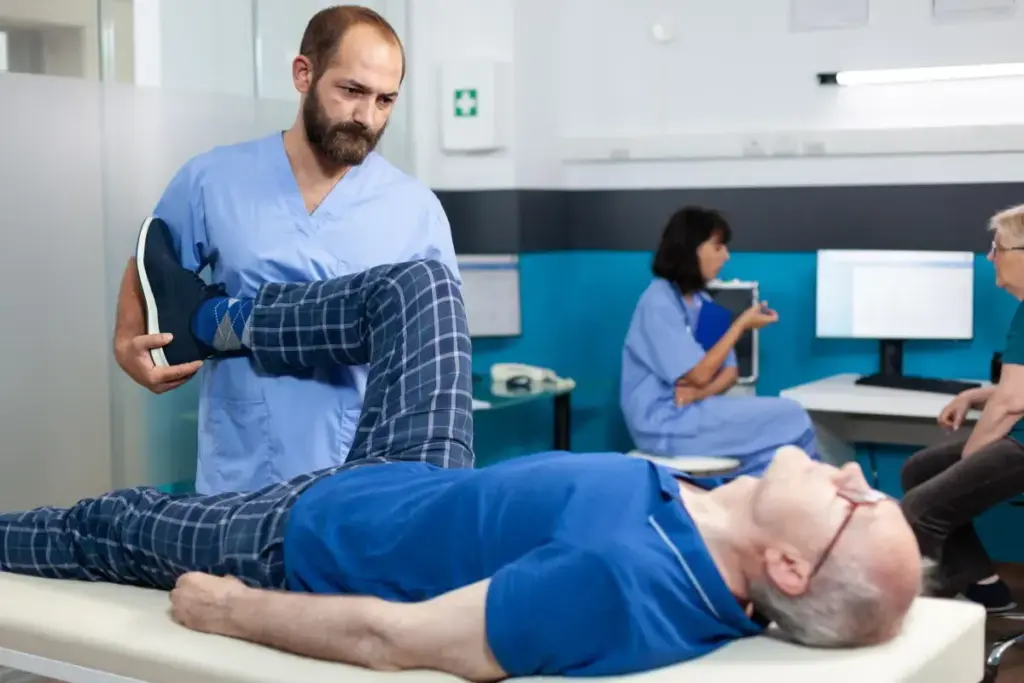
The trauma center environment is key in healthcare. It offers immediate and specialized care for severe injuries. These centers are set up to handle the most critical cases, meeting the urgent needs of trauma patients.
Trauma Center Levels (I-V)
Trauma centers are ranked from I to V based on their care capabilities. Level I centers, like the Summa Health Neuroscience Institute, provide the most advanced care. They have specialized surgical services and intensive care units.
Each level of trauma center is defined by its injury care capabilities. For example, Level I and II centers can handle complex surgeries and have 24/7 specialist coverage.
|
Trauma Center Level |
Description |
Capabilities |
|---|---|---|
|
Level I |
Comprehensive regional resource |
24/7 coverage, complex surgeries, research, and education |
|
Level II |
Able to initiate definitive care |
24/7 coverage, surgical services, and ICU care |
|
Level III |
Can provide initial assessment and stabilization |
Emergency department, some surgical capabilities |
|
Level IV and V |
Basic stabilization and transfer capabilities |
Emergency department, initial assessment, and stabilization before transfer |
Staffing Requirements
Staffing is vital for a trauma center’s success. A team of trauma surgeons, emergency physicians, nurses, and support staff is needed. They work together to provide care from start to finish.
Key staffing components include:
- Trauma surgeons and surgical specialists
- Emergency physicians and nurses
- Intensive care unit (ICU) staff
- Rehabilitation specialists
Activation Protocols
Trauma centers have specific protocols for a quick response to trauma patients. These protocols involve the trauma team working together. They are usually triggered by EMS notifications.
The trauma activation protocol includes:
- Notification of the trauma team
- Preparation of the trauma bay
- Rapid assessment and stabilization of the patient
- Coordination with other hospital departments as needed
Effective trauma center operation needs the right equipment, staffing, and protocols. Understanding trauma center levels, staffing, and protocols shows their importance in saving lives.
Emergency Room Responsibilities
In the emergency room, trauma surgeons make quick decisions and take action. They are key to making sure patients get the care they need fast.
Initial Assessment and Stabilization
When a patient comes in, trauma surgeons quickly check their condition. They focus on those with serious injuries first. Studies show that fast and accurate checks are very important.
They look at the patient’s vital signs, do a physical check, and use scans like X-rays. Working fast, they try to keep patients stable, often with help from others.
Triage Decision-Making
Triage is a big part of a trauma surgeon’s job. They decide who needs care first based on injury severity and urgency. This makes sure everyone gets the right treatment quickly.
They make tough decisions fast, often with a lot of pressure. The triage process changes as new info comes in.
|
Triage Level |
Description |
Typical Interventions |
|---|---|---|
|
Level 1 |
Critical injuries requiring immediate attention |
Emergency surgery, life-saving interventions |
|
Level 2 |
Serious injuries but stable |
Rapid assessment, stabilization, possible surgery |
|
Level 3 |
Less severe injuries |
Observation, minor interventions |
Immediate Surgical Interventions
When surgery is needed right away, trauma surgeons do it. These surgeries are often lifesaving and require great skill.
They decide to operate based on the patient’s condition and injuries. They work with the surgical team to give the best care.
Key considerations for immediate surgical interventions include:
- Assessing the severity of injuries
- Determining the need for surgical intervention
- Coordinating with the surgical team
- Performing the surgery with precision and care
By doing timely and effective surgeries, trauma surgeons are vital in saving lives and improving outcomes in the emergency room.
Beyond the ER: Operating Room Duties
Trauma surgeons do more than just work in the emergency room. They also play a big role in the operating room. There, they handle complex surgeries.
Emergency Surgeries
Trauma surgeons often do emergency surgeries for serious injuries. These surgeries need fast thinking and precise skills.
Some common emergency surgeries include:
- Damage control laparotomy for abdominal injuries
- Thoracotomy for chest trauma
- Vascular repair for severe bleeding
Scheduled Procedures
Trauma surgeons also do scheduled surgeries. These are for injuries that were first treated in the emergency room.
These surgeries allow for better planning. This ensures the best care for patients.
Surgical Team Leadership
Trauma surgeons lead surgical teams in the operating room. Their knowledge helps guide the team through tough procedures.
Good leadership in the operating room means:
- Clear communication with team members
- Strategic decision-making during surgery
- Coordination with other healthcare professionals
The Nebraska hospital roster shows many medical facilities with advanced surgery options. This highlights the key role of trauma surgeons.
|
Surgical Procedure |
Emergency or Scheduled |
Trauma Surgeon’s Role |
|---|---|---|
|
Damage Control Laparotomy |
Emergency |
Primary Surgeon |
|
Vascular Repair |
Emergency |
Lead Surgeon |
|
Orthopedic Reconstruction |
Scheduled |
Collaborating Surgeon |
Intensive Care Unit Management
Managing the intensive care unit (ICU) well is key to better patient care. Trauma surgeons lead this effort. The ICU needs a team of experts to care for patients.
Post-Operative Care
Trauma surgeons are important in patient care after surgery. They watch over patients, handle any problems, and make sure they get the right pain and nutrition.
We follow the best practices for care after surgery. This includes set rules for pain and wound care.
Critical Care Protocols
ICU protocols are vital for quality care. They are based on the latest research and cover many areas, like infection control and monitoring.
Creating and following these protocols is a team effort. Trauma surgeons, nurses, and others all play a part.
Ventilator Management
Managing ventilators is key for ICU patients with breathing problems. Trauma surgeons and respiratory therapists work together. They adjust settings, help patients breathe on their own, and watch for issues.
Good ventilator care means setting the right volumes and pressures. It also means avoiding lung damage and helping lungs work better.
|
Aspect of Care |
Description |
Responsible Personnel |
|---|---|---|
|
Post-Operative Care |
Monitoring recovery, managing pain and complications |
Trauma Surgeons, Nurses |
|
Critical Care Protocols |
Implementing evidence-based guidelines for ICU care |
Trauma Surgeons, ICU Team |
|
Ventilator Management |
Managing ventilator settings, weaning patients off ventilators |
Trauma Surgeons, Respiratory Therapists |
Outpatient Clinics and Follow-Up Care
After the emergency room and surgery, trauma surgeons keep caring for patients in outpatient clinics. This stage is key for full recovery and getting back to normal.
In these clinics, trauma surgeons watch over patients, handle any issues, and tweak treatment plans. They focus on wound care, monitoring recovery, and planning for long-term rehabilitation.
Wound Care
Good wound care stops infections and helps wounds heal. Trauma surgeons check wounds, remove dead tissue, and apply the right dressings. They also teach patients how to care for their wounds at home.
The Summa Health Neuroscience Institute uses advanced methods for wound care. They use negative pressure therapy and special dressings to help wounds heal.
Recovery Monitoring
Watching over a patient’s recovery is vital in outpatient care. Trauma surgeons track healing, manage pain, and solve any problems. Regular visits let them adjust treatment and offer ongoing support.
They also check the patient’s overall health and tackle related issues like nutrition or mental health.
Long-term Rehabilitation Planning
Planning for long-term rehabilitation is a big part of outpatient care. Trauma surgeons work with a team to create plans for each patient. This might include physical therapy, occupational therapy, and mental support.
The goal is to help patients get back to their daily lives. They set goals, find the right therapies, and work with other healthcare professionals.
|
Aspect of Care |
Description |
Benefits |
|---|---|---|
|
Wound Care |
Assessment, dressing, and education on wound management |
Prevents infection, promotes healing |
|
Recovery Monitoring |
Tracking healing progress, managing pain, addressing complications |
Ensures proper healing, addresses concerns promptly |
|
Rehabilitation Planning |
Developing tailored plans with a multidisciplinary team |
Helps patients regain functional abilities, returns to daily life |
In conclusion, outpatient clinics are essential for trauma patients. They offer follow-up care like wound care, recovery monitoring, and long-term planning. Trauma surgeons help patients get the best results.
Administrative and Teaching Responsibilities
Trauma surgeons do more than just surgery. They lead in teaching and improving care. They help shape the future of trauma care by guiding the next doctors and improving patient care.
Quality Improvement Initiatives
Trauma surgeons are key in making care better. They work on teams to improve safety and reduce harm. For example, they might lead a committee to make care better.
Improving quality means always looking at data and making things better. They work with others to find and fix problems. This helps make healthcare safer and better.
Medical Student and Resident Education
Trauma surgeons teach the next doctors. They teach them how to do surgery and care for patients. They share their knowledge through classes and hands-on training.
Many teach at hospitals like those in Nebraska. These places offer great chances to learn and grow in trauma care.
Protocol Development
Trauma surgeons also create care plans. They work with teams to make sure patients get the best care. These plans help make sure care is consistent and high quality.
Creating good plans means keeping up with new research. They need to balance following rules with adapting to each patient’s needs.
A Day in the Life of a Trauma Surgeon
The life of a trauma surgeon is full of surprises. Each day brings new challenges and chances to help others. They are key to the healthcare system, giving life-saving care to those with severe injuries.
On-Call Shifts
Trauma surgeons often work long hours, including being on call. The Summa Health Neuroscience Institute says being on call means being ready to respond to emergencies anytime. This job is tough, both physically and mentally, as surgeons must make quick decisions under pressure.
During on-call shifts, they assess patients, make fast diagnoses, and do emergency surgeries. Staying calm and focused is key to doing well in this role.
Scheduled Clinical Days
Besides on-call duties, trauma surgeons have scheduled clinical days. These days include elective surgeries and follow-up clinics for patients. This part of their job is more planned and routine compared to on-call shifts.
On these days, surgeons also do administrative tasks like updating patient records and talking with other healthcare professionals. This is important for keeping care consistent and working well with the team.
Work-Life Balance Challenges
Finding a work-life balance is hard for trauma surgeons. Long hours, night shifts, and being on call can hurt personal relationships and health.
To deal with this, many surgeons and their families find ways to cope. This might include having a supportive family, doing things to reduce stress, and focusing on health. Despite the difficulties, many find their job very rewarding, like saving lives and helping patients.
In summary, being a trauma surgeon is demanding and unpredictable. It needs a mix of medical skills, personal strength, and dedication. Yet, the job is very rewarding for those who love to provide critical care and make a difference in patients’ lives.
Common Surgical Procedures Performed by Trauma Surgeons
Trauma surgeons handle a wide range of surgeries. They deal with urgent and planned surgeries. Their skills are key in trauma cases, where quick and precise surgery is needed.
Emergency Procedures
Emergency surgeries are a big part of trauma care. Trauma surgeons do these operations to keep patients stable with severe injuries. Some common ones include:
- Damage control surgery to stop bleeding and prevent infection.
- Emergency thoracotomy to fix heart or major blood vessel injuries in the chest.
- Exploratory laparotomy to check and fix injuries in the belly.
A famous trauma surgeon says, “The key to successful trauma surgery is not just the technical skill, but the ability to make rapid decisions in a high-pressure environment.” This shows how important training and experience are in emergency surgeries.
Non-Emergency Procedures
Trauma surgeons also do non-emergency surgeries. These are planned and scheduled ahead of time. This allows for a more controlled setting. Examples include:
- Reconstructive surgeries to fix damage from past traumas or injuries.
- Surgical interventions to handle complications from previous surgeries.
- Elective procedures to improve life quality for patients with chronic conditions from trauma.
A study in a Journal says, “The role of trauma surgeons extends beyond the acute care setting, into the realm of reconstruction and rehabilitation.” This shows trauma surgery covers both immediate and long-term care.
Trauma surgeons can do many surgeries, from emergency to planned ones. This shows their versatility and skill. The Nebraska hospital roster lists many places with advanced surgical capabilities. This highlights the role of trauma surgeons in healthcare.
The Trauma Team Composition
A well-coordinated trauma team is key for top-notch care in emergencies. Its success comes from a multidisciplinary approach. This means many medical experts work together to give full care.
Multidisciplinary Approach
The team includes surgeons, nurses, therapists, and more. They all work together to meet trauma patients’ complex needs. The Summa Health Neuroscience Institute says this teamwork ensures patients get the right care when they need it.
Role Delineation
It’s important for each team member to know their role. This avoids confusion and makes sure all patient needs are met. Roles range from initial assessment to surgery and aftercare. Clear roles help the team work better and care for patients better.
Communication Protocols
Good communication protocols are key for the team’s success. They help team members talk clearly and on time. This ensures everyone is on the same page. In trauma care, clear communication can be a matter of life and death.
With a team approach, clear roles, and good communication, the trauma team can give the best care to those in need.
Trauma Surgeon Training and Certification
To become a trauma surgeon, one must go through a detailed program of medical education and surgical training. This path includes several stages, from medical school to specialized surgical training and certification.
Foundational Education and Training
The journey starts in medical school, where students learn a wide range of medicine and surgery. After medical school, aspiring trauma surgeons enter a residency in general surgery. This hands-on experience teaches them surgical techniques and patient care.
During their residency, surgeons learn about different surgery areas, including trauma care. This time is key for developing the skills and judgment needed for trauma surgery. Residency programs are typically five to seven years long and cover all surgical principles and practices.
Advanced Training through Fellowships
After finishing their general surgery residency, many surgeons pursue fellowships for more specialized training. Fellowships in trauma surgery or surgical critical care focus on managing complex trauma cases and critical care. These programs last one to two years and provide deep knowledge and practical experience in trauma surgery.
Certification Requirements
Getting board certified is a key step for trauma surgeons. In the United States, the American Board of Surgery (ABS) certifies surgeons in specialties like general surgery. Trauma surgeons must be certified in general surgery before they can pursue additional certifications in areas like surgical critical care.
The certification process includes a tough exam that tests a surgeon’s knowledge, skills, and judgment. To keep their certification, surgeons must continue their education and follow professional standards. This ensures they stay current with the latest in their field.
Career Outlook and Compensation
Trauma surgeons are in high demand, and their pay reflects the importance of their work. Their role is critical in healthcare systems around the world. The need for skilled trauma surgeons keeps growing.
Job Market Analysis
The job market for trauma surgeons is strong. This is due to an aging population, more traumatic injuries, and new medical technology. The demand for surgeons, including trauma specialists, is expected to stay high.
Several factors shape the job market:
- Increasing Demand for Emergency Services: As populations grow and age, the need for emergency surgical services, including trauma care, is on the rise.
- Advancements in Medical Technology: Improvements in surgical techniques and technology are expanding the scope of trauma surgery, creating new opportunities for surgeons.
- Workforce Dynamics: The surgical workforce is subject to factors like retirement rates and training program capacities, which can impact the availability of trauma surgeons.
Salary Ranges
Compensation for trauma surgeons is among the highest in medicine. The Bureau of Labor Statistics reports a median annual salary of around $409,665 for surgeons, including trauma surgeons. Salaries vary based on location, experience, and employer type.
Several factors affect salary ranges:
- Geographic Location: Urban areas and regions with high costs of living tend to offer higher salaries.
- Experience and Expertise: More experienced surgeons and those with specialized skills can command higher compensation.
- Type of Employer: Salaries can differ between academic institutions, private practices, and government hospitals.
Geographic Variations
Geographic location significantly impacts demand and pay for trauma surgeons. Areas with higher population densities, like those with level I trauma centers, have a greater need for these specialists.
Some regions offer bonuses or loan forgiveness to attract top trauma surgeons. Knowing these variations is key for those considering a career in trauma surgery.
The career outlook for trauma surgeons is promising, with high demand and good pay. As healthcare evolves, the role of trauma surgeons becomes even more vital. It offers a rewarding and challenging career for medical professionals.
Conclusion
Trauma surgeons are key in healthcare, helping patients with severe injuries. They are experts in emergency surgery and critical care. Their work is vital in saving lives.
These doctors work in many places, like emergency rooms and intensive care units. They do more than just surgery. They also assess patients, stabilize them, and plan for their long-term care.
Being a trauma surgeon means combining technical skills, making quick decisions, and showing compassion. They handle the toughest cases, making a big difference in patient care.
In short, trauma surgeons are the heart of trauma care. They provide expert surgery and critical care to those in need. Their hard work and skill are essential to healthcare, saving countless lives.
FAQ
What does a trauma surgeon do?
A trauma surgeon treats patients with severe injuries in emergency situations. They are skilled in surgeries and critical care for life-threatening conditions.
What is the difference between a trauma surgeon and an emergency physician?
Both work in the emergency room but have different roles. Trauma surgeons do surgeries, while emergency physicians diagnose and stabilize patients. They work together for complete care.
What kind of training do trauma surgeons receive?
Trauma surgeons get a lot of training. This includes medical school, residency, and sometimes fellowship. They also need to get certified in surgery.
What are the most common surgical procedures performed by trauma surgeons?
Trauma surgeons do many surgeries. This includes emergency surgeries like laparotomies and thoracotomies. They also do non-emergency surgeries, like reconstructive ones.
How do trauma surgeons work with other medical professionals?
Trauma surgeons work with a team. This team includes emergency physicians, nurses, and other specialists. They all work together to care for patients.
What is the role of a trauma surgeon in the intensive care unit (ICU)?
In the ICU, trauma surgeons manage patients. They provide post-operative care and manage critical care. They also oversee ventilator management.
How do trauma surgeons contribute to quality improvement initiatives?
Trauma surgeons help improve care. They develop protocols, review cases, and teach others. This helps make care better for everyone.
What are the challenges faced by trauma surgeons?
Trauma surgeons face many challenges. They work under high pressure, make quick decisions, and try to balance work and life.
What is the demand for trauma surgeons like?
The demand for trauma surgeons is high. This is true in areas with a lot of trauma. They are key in saving lives in emergencies.
How do trauma surgeons care for patients beyond the acute phase of treatment?
Trauma surgeons care for patients long-term. They do wound care, monitor recovery, and plan for long-term rehabilitation.
What is the salary range for trauma surgeons?
Trauma surgeons’ salaries vary. This depends on location, experience, and where they work. They are well-paid for their skills and the demands of their job.
Reference
National Center for Biotechnology Information. Evidence-Based Medical Insight. Retrieved from https://www.ncbi.nlm.nih.gov/books/NBK547757