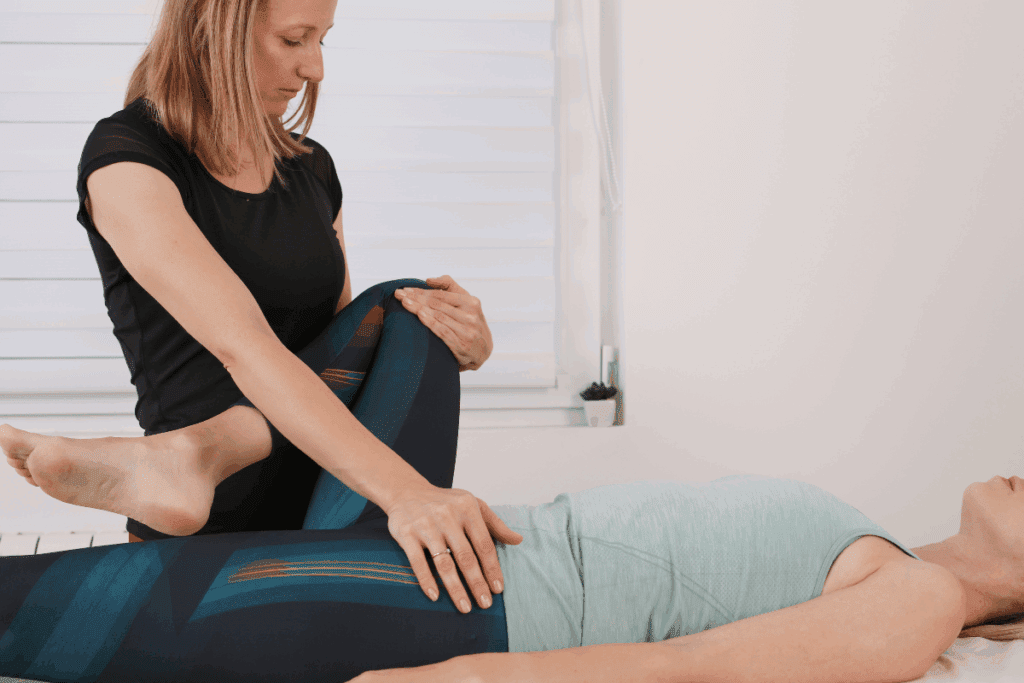
Hip flexor tendonitis is a common issue that affects many people. It causes pain and limits how well you can move. It’s estimated that millions worldwide deal with this problem, with athletes and those who are very active being more likely to get it.
The reasons for treat hip flexor pain tendonitis can differ, but it often comes from too much use, repetitive strain, or sudden injury. Knowing what caused it is key to treating it right and getting better.
Key Takeaways
- Understanding the causes of hip flexor tendonitis is key to effective treatment.
- Getting a proper diagnosis is vital for creating a treatment plan.
- Treatment choices depend on how severe the condition is.
- Rest and physical therapy are often suggested to manage symptoms.
- In some cases, medical help might be needed.
Understanding Hip Flexor Tendonitis
It’s important to know about hip flexor tendonitis to treat it well. This condition hurts the tendons that link the hip flexor muscles to the bone. It causes pain and discomfort.
What Are the Hip Flexors?
The hip flexors are muscles and tendons that help us move. They are key for walking, running, and climbing stairs. The main muscles are the iliacus, psoas major, and rectus femoris.
The iliopsoas, or hip flexor, is vital for lifting the knee. It runs from the lower back to the femur. The rectus femoris, part of the quadriceps, also helps in lifting the knee.
How Tendonitis Develops in the Hip Flexors
Tendonitis in the hip flexors happens when the tendons get inflamed or irritated. This can be due to too much use, repetitive strain, or sudden injury. Running or cycling can cause tendonitis because they involve a lot of hip flexion.
Poor movement or body shape can also lead to tendonitis.
“Tendonitis is often a result of repetitive strain on the tendons, leading to inflammation and pain.” –
A renowned orthopedic specialist
Tendonitis vs. Tendinopathy vs. Tendinosis
It’s key to know the difference between tendonitis, tendinopathy, and tendinosis. Tendonitis is inflammation of the tendons, usually from injury or overuse. Tendinopathy is a wider term that includes both tendonitis and tendinosis. Tendinosis is a long-term condition where the tendon’s collagen breaks down, often without inflammation.
- Tendonitis: Inflammation of the tendons, often due to acute injury or overuse.
- Tendinopathy: A general term for tendon disorders, including tendonitis and tendinosis.
- Tendinosis: Chronic degeneration of the tendon’s collagen, often without inflammation.
Getting the right diagnosis is key for good treatment. Knowing the exact condition helps doctors choose the best treatment.
Common Causes of Hip Flexor Tendonitis

Knowing what causes hip flexor tendonitis is key to preventing and treating it. This condition happens when the tendons around the hip flexor muscles get inflamed or irritated. Several things can lead to this issue.
Overuse and Repetitive Movements
Overusing or straining the hip flexor muscles and tendons is a main cause. Running, cycling, or playing soccer can irritate the tendons. Repetitive movements without rest can make it worse.
Sports and Activities That Increase Risk
Some sports and activities raise the risk of hip flexor tendonitis. These include:
- Endurance sports like distance running and cycling
- High-impact activities such as jumping and sprinting
- Dance and gymnastics, which involve complex movements and repetitive hip flexion
People doing these activities should know the risks and take steps to prevent it.
Anatomical and Biomechanical Factors
Body structure and how it moves also affect hip flexor tendonitis. These include:
| Factor | Description | Impact |
| Muscle Imbalance | Weakness or tightness in the hip flexor muscles | Alters movement patterns, increasing strain on tendons |
| Poor Posture | Abnormal posture affecting hip alignment | Increases stress on hip flexor tendons |
| Biomechanical Issues | Abnormal gait or movement patterns | Places additional stress on the hip flexor tendons |
Can Stress Cause Hip Flexor Pain?
While physical factors are main causes, stress can also contribute. Stress can tighten the hip flexor muscles, making tendonitis worse. Managing stress can help alongside other treatments.
Recognizing Hip Flexor Tendonitis Symptoms
It’s important to know the signs of hip flexor tendonitis to get the right treatment. This condition can show up in different ways, affecting your daily life and health.
Pain Patterns and Locations
The pain from hip flexor tendonitis usually happens in the front of the hip or groin. It might feel sharp or just a dull ache. Activities like lifting your knee or bending at the hip can make it worse.
Functional Limitations
People with hip flexor tendonitis might find it hard to move or do things. Walking, running, or climbing stairs can be tough. Even simple actions like standing up from sitting can hurt.
Hip Flexor Pain When Sitting
Pain from sitting for a long time is a common sign of hip flexor tendonitis. This happens because the tendon is in a tight position, which irritates it.
Front Hip Flexor Pain
Many people with hip flexor tendonitis feel pain in the front of their hip. This pain can spread to the thigh or knee, making it hard to figure out what’s wrong.
| Symptom | Description |
| Pain Location | Front of the hip or groin area |
| Pain Characteristics | Sharp, stabbing, or dull ache |
| Activities that Exacerbate Pain | Lifting the knee, bending at the hip |
| Functional Limitations | Difficulty walking, running, climbing stairs |
Spotting these symptoms early can lead to quicker treatment. This can help avoid more serious problems and speed up recovery.
Diagnosing Hip Flexor Tendonitis
To find out if you have hip flexor tendonitis, doctors use many methods. They do physical exams and imaging studies. This helps them create a good treatment plan for you.
Physical Examination Techniques
Doctors start by checking your hip with a physical exam. They look at how well your hip moves, its strength, and where it hurts. They might do special tests to see if they can make your pain worse.
Palpation helps them find tender spots. They also check for swelling or a grinding feeling over the tendon. Your walking and standing are checked to see if there are any problems with how your body moves.
Hip Tendonitis Tests
There are specific tests for hip flexor tendonitis. The Thomas test checks your hip’s flexibility and strength. The resisted hip flexion test tests how well you can move your hip against resistance. If you have tendonitis, this test might hurt.
Imaging Studies
Imaging tests are key in confirming hip flexor tendonitis. Ultrasound and MRI (Magnetic Resonance Imaging) are the top choices. Ultrasound shows how the tendon moves and if there’s inflammation or tears. MRI gives detailed pictures of the tendon and the area around it.
Recent studies on transplanting blood vessels show how important accurate imaging is. This is true for diagnosing hip flexor tendonitis too. Imaging helps rule out other problems and confirms tendonitis.
Differentiating from Other Hip Conditions
It’s important to tell hip flexor tendonitis apart from other hip issues. These include hip osteoarthritis, femoral-acetabular impingement, or iliopsoas bursitis. A detailed diagnosis, including your medical history, physical exam, and imaging, helps doctors make the right call.
By using these methods together, doctors can accurately diagnose hip flexor tendonitis. Then, they can create a treatment plan that really works for you.
Immediate Actions to Treat Hip Flexor Pain
When hip flexor pain hits, knowing what to do first is key. Hip flexor tendonitis or strain needs quick action to lessen pain and avoid more harm.
The RICE Protocol
The RICE protocol is a well-known way to treat acute injuries like hip flexor tendonitis. RICE means Rest, Ice, Compression, and Elevation.
- Rest: Stay away from activities that make the pain worse.
- Ice: Use ice to cut down on pain and swelling.
- Compression: A compression bandage can help lessen swelling.
- Elevation: Keep the affected leg higher than your heart to reduce swelling.
Activity Modification
Changing how you do activities is key in managing hip flexor pain. This means avoiding actions that make the pain worse, like repetitive hip flexion.
For athletes, this might mean changing their training to avoid making the injury worse. For example, a runner might cut back on their miles or switch to low-impact activities like cycling or swimming.
Pain Management Strategies
Managing pain well is important when you first get hip flexor tendonitis. This can include:
- Using over-the-counter pain relievers like ibuprofen or acetaminophen.
- Applying topical creams or gels with anti-inflammatory properties.
It’s important to follow the dosage instructions and talk to a healthcare professional before starting any new medication.
How to Relieve Hip Flexor Pain Quickly
To quickly ease hip flexor pain, use the RICE protocol, modify activities, and manage pain. Also, gentle stretching can help loosen up the hip flexor muscles.
“Gentle stretching can help reduce muscle tension and promote healing. But, it’s important to avoid overstretching, which can make the injury worse.”
Heat or cold therapy can also help. Ice is often used first to reduce swelling. Later, heat can be used to relax muscles and improve flexibility.
Medical Treatments for Hip Tendonitis
Hip tendonitis treatment includes many strategies to reduce pain and inflammation. Each plan is made for the person’s specific needs and how bad their symptoms are.
Over-the-Counter Medication Options
OTC meds are often the first choice for hip tendonitis. Nonsteroidal anti-inflammatory drugs (NSAIDs) like ibuprofen and naproxen help with pain and swelling. Always follow the dosage and talk to a doctor, if you have stomach problems or other health issues.
Prescription Medications
For serious cases or when OTC meds don’t work, doctors might prescribe stronger drugs. These can include stronger NSAIDs or other pain and swelling fighters. It’s important to take these as directed by a doctor because of possible side effects and interactions.
Corticosteroid Injections
Corticosteroid injections can help with inflammation and pain in hip tendonitis. These injections, guided by ultrasound, put corticosteroids right where they’re needed. But, they’re used carefully because they can weaken tendons.
Advanced Therapeutic Approaches
New treatments are being developed for hip tendonitis. These include:
- Platelet-rich plasma (PRP) therapy, which uses the patient’s own blood to help healing.
- Therapeutic ultrasound and other methods to fix tissues.
- Prolotherapy, a treatment that tries to make the tendons stronger.
These options are considered when usual treatments don’t help enough.
Physical Therapy for Hip Flexor Tendonitis
Physical therapy for hip flexor tendonitis combines assessment, manual techniques, and rehabilitation. This approach aims to fix the problem, ease pain, and get you moving right again.
Assessment and Treatment Planning
The first step is a detailed check-up to see how bad the tendonitis is. This might include a physical exam, looking at your medical history, and maybe some imaging tests. Then, a treatment plan is made just for you. It will focus on easing pain, getting you more flexible, and making your hip flexor muscles stronger. For more info on hip issues and care, check out Alberta Health Services.
Manual Therapy Techniques
Manual therapy is a big part of treating hip flexor tendonitis. It includes deep tissue massage, soft tissue mobilization, and joint mobilization. These methods help relax muscles, improve blood flow, and aid in healing. They’re really helpful in the beginning to ease pain and get you moving better.
Progressive Rehabilitation Protocols
Rehab plans get you stronger, more flexible, and back to normal. You’ll do exercises that fit your needs and how you’re doing. These might include stretching, strengthening, and training for everyday activities. The goal is to get you back to doing what you love safely and without worry of getting hurt again.
Hip Flexor Rehabilitation Timeline
How long it takes to get better from hip flexor tendonitis varies. It depends on how bad it is and how well you respond to treatment. Usually, you’ll see big improvements in 6-12 weeks. But, getting fully better might take longer. A good physical therapy program is essential. It should be adjusted as needed to help you get the best results.
Effective Exercises for Hip Flexor Tendonitis
Hip flexor tendonitis can be managed with exercises that stretch, strengthen, and improve movement. A good exercise plan is key to easing pain, helping the tendon heal, and avoiding future problems.
Essential Stretching Exercises
Stretching is important for making the hip flexor muscles more flexible and less tense. Here are some effective stretches:
- Kneeling Hip Flexor Stretch: Kneel on one knee with the other foot in front, then lean forward, stretching the front of the hip.
- Lying Hip Flexor Stretch: Lie on your back, pull one knee towards your chest, and hold.
- Standing Hip Flexor Stretch: Stand with one foot behind the other, bend the front knee, and lean forward.
Strengthening Exercises
Strengthening the hip flexor muscles is key to supporting the hip joint and preventing injury. Here are some important strengthening exercises:
- Straight Leg Raise: Lie on your back, lift one leg straight up, and hold for a few seconds.
- Hip Flexor Isometrics: Sit on the floor with legs straight, then tighten the hip flexor muscles without moving the leg.
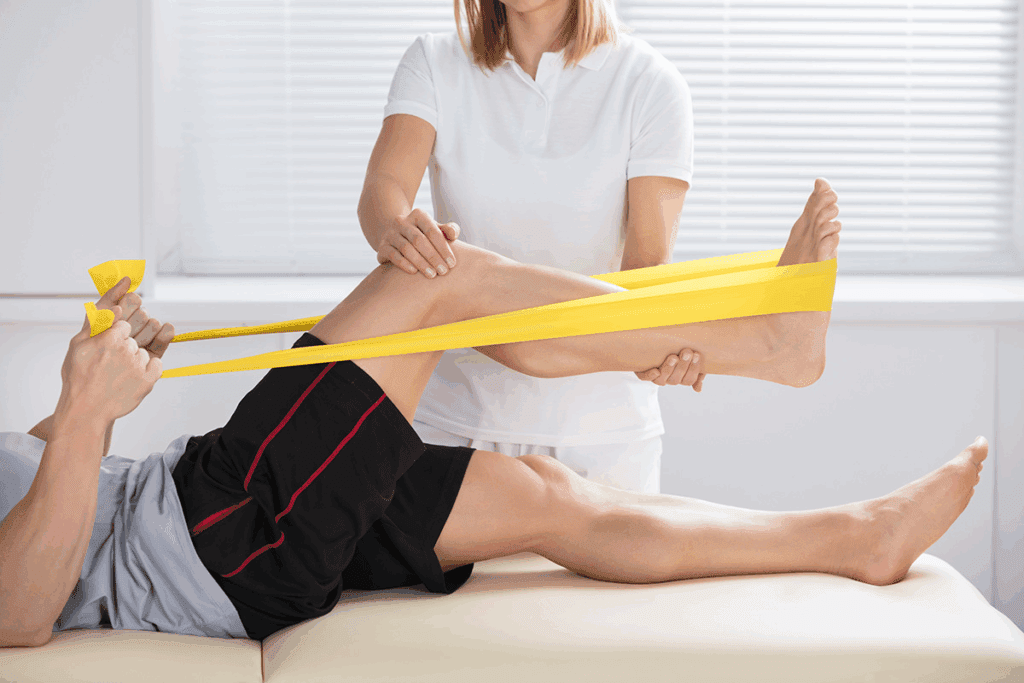
- Resistance Band Exercises: Use a resistance band to perform hip flexor strengthening exercises.
Functional Movement Patterns
Adding functional movement patterns to your routine can boost hip mobility and strength. Here are some examples:
- Squats: Squats strengthen the hip flexors and surrounding muscles.
- Lunges: Lunges are great for strengthening and stretching the hip flexors.
- Step-ups: Step-ups help strengthen the hip flexors and enhance functional movement.
Home Remedies and Self-Care for Hip Tendonitis
There are many home remedies for hip tendonitis. These self-care steps can be part of your daily life. They help ease pain and aid in healing.
Heat and Cold Therapy
Heat and cold therapy are great for hip tendonitis. Switching between heat and cold packs can lessen pain and swelling. Cold packs reduce swelling, while heat relaxes muscles and boosts blood flow.
- Use cold packs for 15-20 minutes, several times a day, after activities.
- Apply heat before activities or at night to relax the hip muscles.
Self-Massage Techniques
Self-massage is a helpful tool for hip tendonitis. Gentle massage techniques can ease muscle tension and aid in healing. It’s important to be gentle to avoid causing more pain.
- Massage the hip area gently with a foam roller or tennis ball.
- Focus on the front and side of the hip, avoiding direct pressure on the tendon.
Supportive Devices and Braces
Supportive devices or braces can offer extra stability and lessen strain on the hip flexor tendons. Hip braces or compression sleeves are very helpful during activities.
- Try a hip flexor strap to lessen tension on the tendon.
- Choose a brace that supports without limiting movement.
Hip Flexor Pain Remedies
There are more ways to ease hip flexor pain. Stretching and strengthening exercises are key in recovery.
Other remedies include:
- Over-the-counter pain relievers, with a healthcare provider’s advice.
- Topical creams or gels to reduce pain and swelling.
By adding these home remedies and self-care steps to your treatment plan, you can better manage hip tendonitis symptoms. This supports the healing process.
Recovery Timeline and Healing Process
The time it takes to recover from hip flexor tendonitis can vary a lot. Knowing the different stages of recovery is key. It helps manage expectations and ensures a good outcome.
Acute Phase Recovery
The first stage, the acute phase, lasts about 2 to 4 days. Here, the goal is to lessen pain and swelling. This is done using the RICE method (Rest, Ice, Compression, Elevation) and other pain relief methods. It’s important to stay away from activities that make the injury worse.
Rehabilitation Phase
After the acute phase comes the rehabilitation phase. This can take weeks to months. It involves exercises to improve flexibility and strength in the hip flexor muscles. Physical therapy is very important here. It helps patients move better and functionally.
Hip Flexor Healing Time
The healing time for hip flexor tendonitis can be between 6 to 12 weeks. This depends on how severe the tendonitis is and how well the treatment works. Age, health, and sticking to the rehab plan also play a role.
Return to Activity Guidelines
Going back to activities too soon can make things worse. So, it’s important to follow a slow return plan. Start with low-intensity activities and gradually move to more challenging ones. Always watch for pain or discomfort and adjust as needed. Listening to your body is key to a successful recovery.
By knowing the recovery timeline and sticking to a rehab plan, people with hip flexor tendonitis can fully recover. They can then get back to their usual activities.
Special Considerations for Different Populations
Hip flexor tendonitis affects people in different ways. This includes athletes, women after childbirth, and older adults. Each group has its own challenges that need special care. Knowing these differences helps in treating and recovering from the condition.
Athletes and Active Individuals
Athletes, like those in sports that involve a lot of hip movement, are at risk. Their treatment often includes modifying their training and doing strengthening exercises. This helps prevent the injury from coming back.
- Gradual return to activity
- Proper warm-up and cool-down routines
- Strengthening of core and hip muscles
Hip Flexor Pain Postpartum
Women after childbirth may feel hip pain. This is because their bodies change a lot during and after pregnancy. Their treatment should include pelvic floor rehabilitation and gentle exercises. These should not make the pain worse.
- Pelvic floor physical therapy
- Gentle stretching and strengthening exercises
- Proper body mechanics during daily activities
Older Adults with Hip Tendonitis
Older adults are more likely to get hip flexor tendonitis because of age-related changes. Their treatment should focus on pain management, gentle exercises, and improving mobility.
Managing Chronic Hip Flexor Pain
Those with long-term hip flexor pain need a detailed treatment plan. This includes lifestyle changes, ongoing physical therapy, and sometimes interventional procedures for pain control.
- Lifestyle adjustments to reduce strain on the hip flexors
- Ongoing physical therapy to maintain strength and flexibility
- Consideration of pain management options
Preventing Hip Flexor Tendonitis Recurrence
To avoid the frustration of recurring hip flexor tendonitis, it’s essential to adopt a complete prevention strategy. This includes proper training, lifestyle adjustments, and ongoing maintenance exercises.
Proper Warm-up and Cool-down Routines
Effective warm-up and cool-down routines are key to preventing hip flexor tendonitis. A good warm-up gets your muscles ready for activity, boosting blood flow and injury prevention.
- Start with 5-10 minutes of light cardio, like jogging or cycling.
- Add dynamic stretches for the hip flexors, such as leg swings and lunges.
- Slowly increase your workout intensity.
Cooling down after exercise is also vital. It helps your muscles relax and return to a resting state.
- Finish with 5-10 minutes of gentle cardio.
- Do static stretches for the hip flexors, holding each for 20-30 seconds.
Training Modifications
Changing your training can help prevent hip flexor tendonitis. You might adjust the intensity, frequency, or type of exercises.
| Training Aspect | Modification |
| Intensity | Lower the intensity of high-impact activities. |
| Frequency | Add more rest days or change how often you do repetitive activities. |
| Exercise Type | Avoid deep knee bends or lunges that stress the hip flexors. |
Lifestyle Adjustments
Some lifestyle changes can also help prevent hip flexor tendonitis. These include keeping a healthy weight, improving posture, and wearing the right shoes.
- Keep a healthy weight to lessen strain on the hip flexors.
- Work on your posture to avoid extra stress on your hips.
- Wear supportive shoes that fit your activities.
Maintenance Exercises
Regular maintenance exercises are essential for long-term prevention. Focus on strengthening the hip flexors and improving flexibility.
- Do strengthening exercises like straight leg raises and hip flexor strengthening.
- Add flexibility exercises, such as hip flexor stretches.
By adding these strategies to your daily routine, you can lower the risk of hip flexor tendonitis and keep your hips healthy.
Conclusion
Effective treatment and prevention of hip flexor tendonitis need a full plan. Knowing the causes, symptoms, and how to diagnose it is key. This first step helps on the road to recovery.
There are many ways to treat it, like physical therapy and exercises. For example, doing the half kneeling stretch, side plank clamshell, and plank can strengthen the hip flexors. Also, proper warm-ups, cool-downs, and lifestyle changes can prevent it from coming back.
For more info on treating hip flexor pain, check out City Physiotherapy. They offer specific exercise plans and treatments.
Using these methods daily can lower the chance of getting hip flexor tendonitis. A good rehab plan is essential for a full recovery. With the right treatment and prevention, you can beat hip flexor tendonitis and get back to your usual activities.
FAQ
What is hip flexor tendonitis?
Hip flexor tendonitis is when the tendons in the hip get inflamed. This usually causes pain in the front of the hip or groin.
What are the common causes of hip flexor tendonitis?
It often happens from overusing the muscles or doing the same movements over and over. Sports, body shape, and stress can also play a part.
How is hip flexor tendonitis diagnosed?
Doctors use physical exams and special tests like the hip flexion test. They might also use ultrasound or MRI to check.
What are the symptoms of hip flexor tendonitis?
You might feel pain in the front of your hip or groin. It can also hurt when you sit or do activities like running.
How can I relieve hip flexor pain quickly?
You can try the RICE method (Rest, Ice, Compression, Elevation). Changing your activities and managing pain can also help.
What are the treatment options for hip flexor tendonitis?
Treatments include medicines you can buy over the counter or get from a doctor. Physical therapy and injections are also options.
How long does it take to recover from hip flexor tendonitis?
Recovery time can vary. It usually goes through phases like the acute phase and rehabilitation. It can take weeks to months to get back to normal.
Can stress cause hip flexor pain?
Yes, stress can make your muscles tense. This can lead to pain in the hip flexors.
What exercises are good for hip flexor tendonitis?
Good exercises include stretching and strengthening. They should target the hip flexor muscles.
How can I prevent hip flexor tendonitis recurrence?
To prevent it, do proper warm-ups and cool-downs. Make changes to your training and lifestyle. Keep up with exercises that maintain muscle health.
Are there any home remedies for hip flexor tendonitis?
Yes, you can try heat or cold therapy at home. Self-massage and using braces can also help.
Is hip flexor tendonitis common in athletes?
Yes, athletes often get it, mainly those in sports that involve a lot of hip flexion. Running and soccer are examples.
Can hip flexor tendonitis be treated without surgery?
Yes, most cases can be treated without surgery. A mix of medical treatments, physical therapy, and self-care works well.
Reference
- National Center for Biotechnology Information. (2016). Conservative management of tendinopathies around hip, https://pmc.ncbi.nlm.nih.gov/articles/PMC5193517/