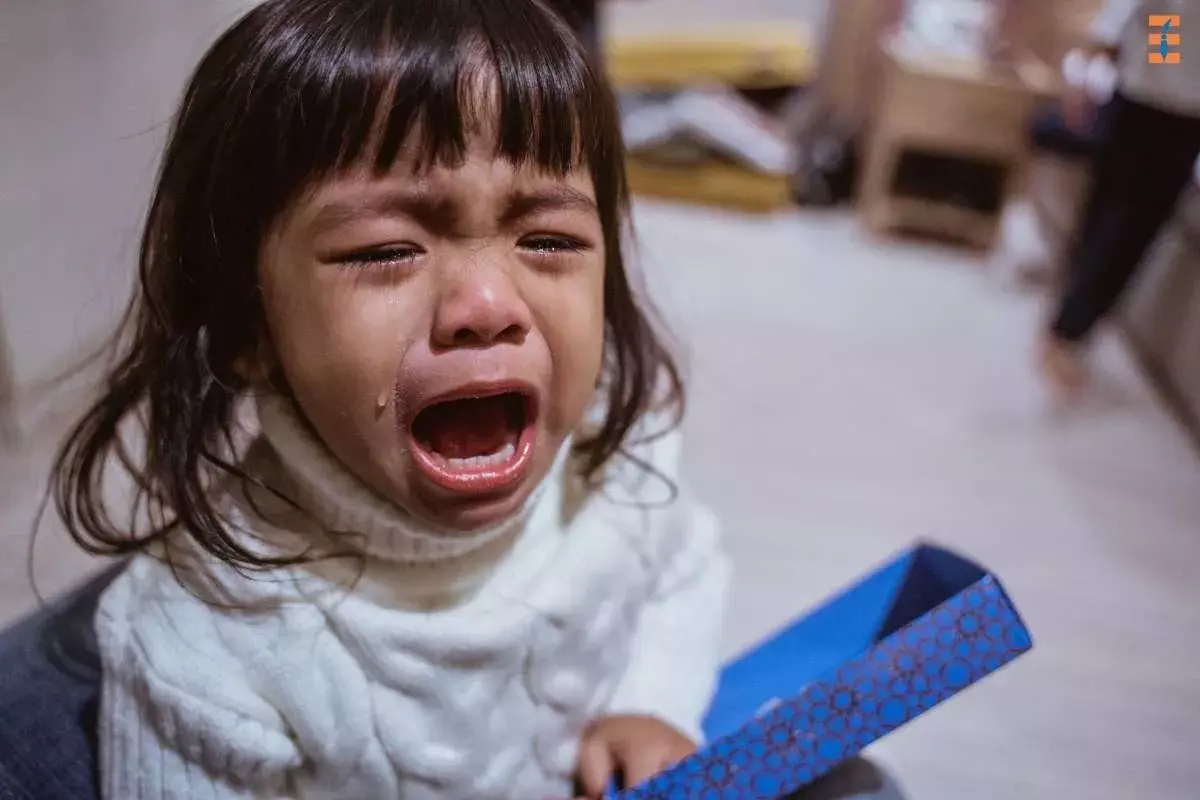
Seeing your child fearfully worried about separation from you is heartbreaking. But, separation anxiety disorder in children can be treated. About 4 to 5 percent of kids in the U.S. face this issue, making it a common childhood anxiety disorder.
Wendy Sue Swanson, MD, MBE, FAAP, says separation anxiety differs in every child. Some kids get very upset when you’re not around for a short time. At Liv Hospital, we use international expertise and caring to help families tackle this condition. We use proven therapies to help.
Key Takeaways
- Separation anxiety disorder is a treatable condition affecting 4 to 5 percent of children in the United States.
- Liv Hospital offers international expertise and compassionate care for families dealing with separation anxiety disorder.
- Evidence-based therapies are available to help children overcome separation anxiety disorder.
- Understanding the symptoms and causes of separation anxiety disorder is key for effective treatment.
- Families can learn strategies to help children cope with separation anxiety disorder.
Understanding Separation Anxiety Disorder Symptoms
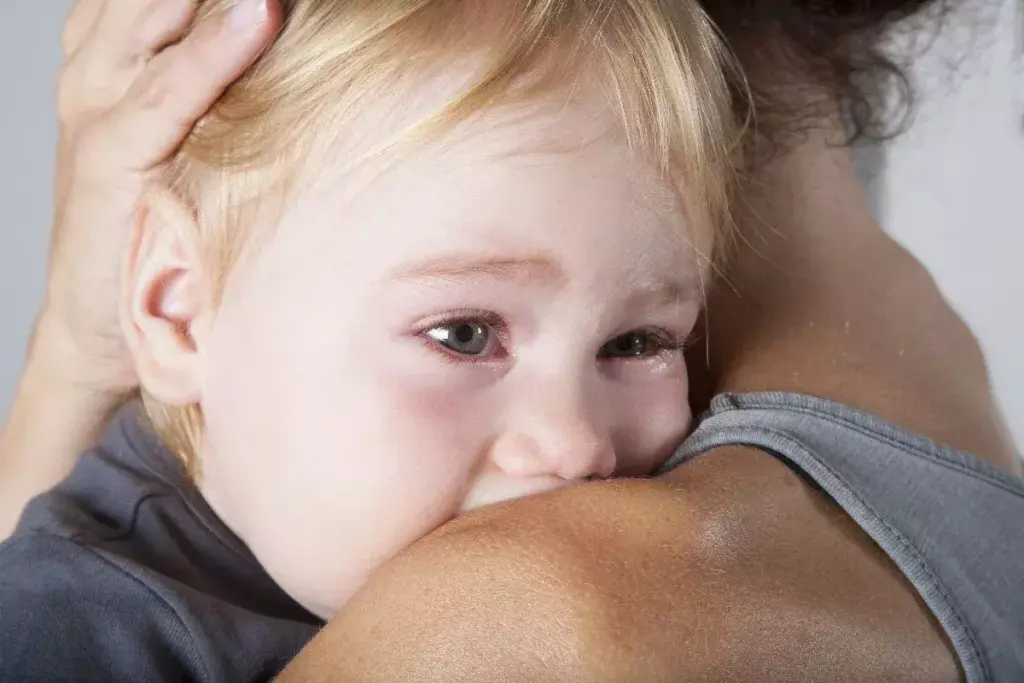
Knowing the signs of separation anxiety disorder is key to helping kids get better. This condition makes kids very scared or worried when they’re away from home or a loved one.
Key Signs: Excessive Worry, School Refusal, and Physical Symptoms
Kids with separation anxiety often show many symptoms. They might worry a lot about being lost or something bad happening to their family. They might also not want to go to school, have trouble sleeping alone, and feel sick like they have a stomachache or headache.
Anxiety Canada says kids with anxiety show both physical and emotional signs. They might have stomachaches, headaches, trouble sleeping, and feel very worried or scared.
- Excessive distress when anticipating or experiencing separation from home or a loved one
- Persistent worry about losing a loved one or about a catastrophic event happening to them
- Reluctance or refusal to go to school or other places due to fear of separation
- Difficulty sleeping alone or without being near a loved one
- Physical complaints such as headaches or stomachaches when separation occurs or is anticipated
Diagnostic Criteria and When to Be Concerned
Doctors look for symptoms that last more than four weeks in kids. These symptoms must cause a lot of distress or make it hard for them to do daily things.
If you notice your child is always very anxious or scared when they’re away, you should be worried. It’s important to get help early to manage and treat this condition.
| Symptom | Description |
| Excessive Distress | Child becomes extremely upset when separated from a loved one or when anticipating separation. |
| Persistent Worry | Child worries excessively about losing a loved one or something bad happening to them. |
| School Refusal | Child refuses to go to school due to fear of separation from parents or loved ones. |
| Physical Symptoms | Child complains of physical ailments like headaches or stomachaches when faced with separation. |
“Children with separation anxiety disorder need understanding, patience, and support. Recognizing symptoms early and getting professional help can help parents support their kids through this tough time.”
Professional Treatment Approaches
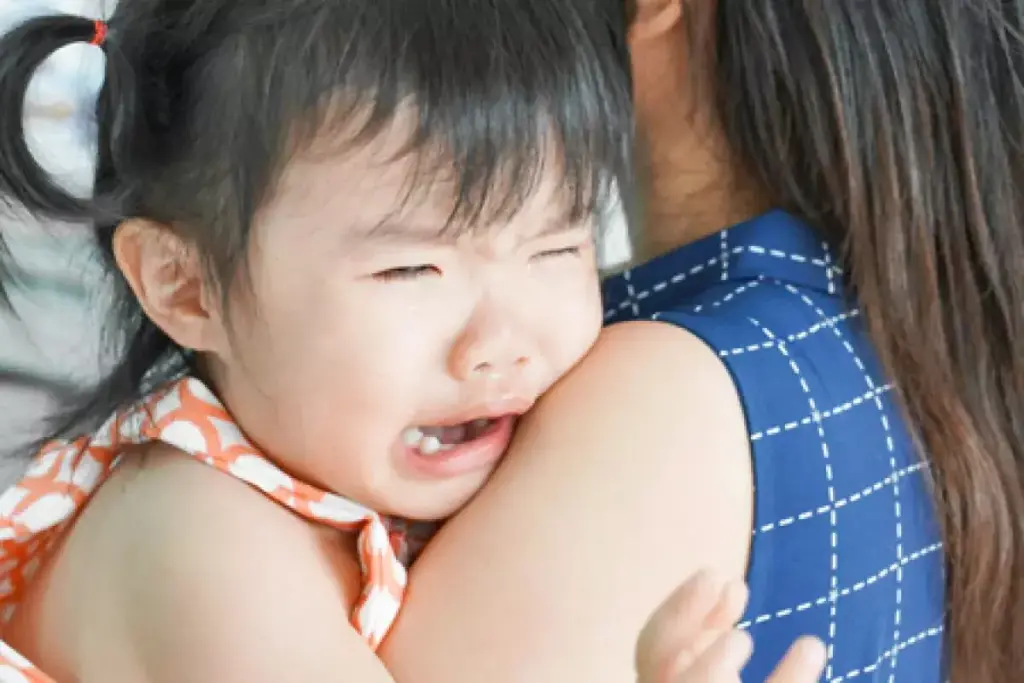
Professional treatment is key for kids with separation anxiety disorder. It often combines different therapies based on the child’s needs.
Cognitive Behavioral Therapy for Separation Anxiety
Cognitive Behavioral Therapy (CBT) is a top choice for treating separation anxiety. CBT helps kids understand and manage their anxiety by changing negative thoughts to positive ones. It teaches them to cope with being apart from their loved ones.
Studies prove CBT is effective for kids with anxiety. It not only lessens anxiety symptoms but also boosts their overall well-being.
Medication Options and When They’re Appropriate
In some cases, medication is part of the treatment plan. Medications like antidepressants and anti-anxiety drugs can ease anxiety symptoms, helping kids with therapy and daily life.
But, medication is usually considered when symptoms are severe or other treatments fail. It’s important to work with a mental health expert to find the right treatment.
Working with Mental Health Specialists
Working with mental health specialists is vital for treating separation anxiety. They can accurately diagnose and create a treatment plan. A team effort involving parents, therapists, and sometimes teachers provides a strong support system for the child.
These specialists offer advice on using therapy strategies at home and in other places. This makes the treatment more effective.
Effective Home and School Strategies
Managing separation anxiety in children needs a mix of home and school efforts. A supportive and consistent environment helps kids feel secure and less anxious. Parents and teachers play key roles in making this happen.
Establishing Consistent Routines and Gradual Separation
Creating consistent routines and gradual separation helps kids with separation anxiety. Wendy Sue Swanson, MD, MBE, FAAP, suggests quick goodbye rituals and being consistent. Giving full attention during separations and keeping promises also helps.
For example, a morning routine can ease a child’s anxiety about school. A simple goodbye ritual, like a special hug or kiss, can be very comforting.
Addressing School Refusal and Classroom Anxiety
School refusal is a common sign of separation anxiety. Working with teachers and school admins is key. They can help create a safe space in the classroom or reassure the child about their feelings.
Teachers are vital in supporting kids with separation anxiety. They can create a supportive classroom. This includes gradual exposure to separation, starting with small steps.
Communication Techniques That Reduce Anxiety
Good communication is essential in managing separation anxiety. Parents and caregivers should use clear, simple language. They should also listen to the child’s concerns and validate their feelings.
By using these strategies and keeping communication open, parents and educators can help kids with separation anxiety. For more help, look into resources that offer personalized support and strategies.
Conclusion: Supporting Your Child’s Journey to Independence
Helping kids with separation anxiety needs a full plan. This includes professional help and home tips. We’ve talked about treating this anxiety with therapy and home strategies.
Working with experts and making plans can help kids get better. Starting with small steps and setting routines can also ease their worries.
It’s important to make a safe space for kids to share their feelings. Anxiety Canada says being understanding is key in helping them.
Using both professional help and home strategies is the best way to help kids. This way, they can learn to be independent and overcome their anxiety.
FAQ
What is separation anxiety disorder in children?
Separation anxiety disorder is when a child feels too scared or worried when they’re away from a parent or someone they love. This fear is very strong and lasts a long time.
How common is separation anxiety disorder in children?
About 4% of kids will deal with separation anxiety at some point. It’s not rare, but it’s not common either.
What are the symptoms of separation anxiety disorder?
Kids with this disorder might worry a lot, refuse to go to school, or get sick easily. They also get very upset when they’re away from someone they love.
How is separation anxiety disorder diagnosed?
A mental health expert will talk to the child, watch how they act, and look at their past. This helps figure out if they have separation anxiety.
What is cognitive behavioral therapy (CBT) for separation anxiety disorder?
CBT helps kids change their negative thoughts and actions. It teaches them how to deal with their anxiety and feel better.
Are medications effective in treating separation anxiety disorder?
Sometimes, doctors might give kids medicine like SSRIs to help with their anxiety. But, it’s usually used along with therapy.
How can parents help a child with separation anxiety disorder?
Parents can help by making a daily routine and slowly getting the child used to being apart. They should also talk to their child in a way that makes them feel better.
What are some strategies for addressing school refusal?
To help kids go back to school, start with small steps. Give them lots of support and make sure their classroom is a safe place.
Can separation anxiety disorder be treated at home?
Yes, some things can be done at home like sticking to a routine and talking in a soothing way. But, seeing a mental health expert is usually needed for the best help.
How long does it take to treat separation anxiety disorder?
How long it takes to get better depends on the child and the treatment plan. But, with the right help, many kids can feel better and do well.