
For those with advanced pancreatic cancer, palliative care is key. It aims to ease symptoms and improve life quality. When usual treatments don’t work, pancreatic surgery like triple bypass surgery brings hope.
Triple bypass surgery is a complex operation. It tackles blockages in the bile duct, duodenum, and pancreatic duct. These are common issues with pancreatic head cancer. The surgery bypasses these blockages, helping with digestion and lowering the risk of more problems.
Dealing with pancreatic cancer can feel overwhelming. Our aim is to offer full support during treatment. Triple bypass surgery is a critical step. It can greatly improve life quality for those facing this tough disease.
Key Takeaways
- Triple bypass surgery is a palliative procedure for advanced pancreatic cancer.
- It addresses obstructions of the bile duct, duodenum, and pancreatic duct.
- The surgery aims to improve quality of life by alleviating symptoms.
- Palliative care is a primary focus for patients with advanced pancreatic cancer.
- Triple bypass surgery can enhance digestion and reduce complications.
Understanding Pancreatic Cancer and Its Complications

Advanced pancreatic cancer can cause many obstructions. These obstructions can greatly affect how well a patient does. As the disease gets worse, it can make life much harder for patients.
Common Obstructions in Advanced Pancreatic Cancer
In later stages, pancreatic cancer often blocks the bile duct, duodenum, and pancreatic duct. These blockages can cause serious symptoms like jaundice, stomach problems, and pancreatitis that keeps coming back.
|
Obstruction Type |
Symptoms |
Complications |
|---|---|---|
|
Bile Duct Obstruction |
Jaundice, itching |
Liver damage |
|
Duodenal Obstruction |
Nausea, vomiting |
Malnutrition |
|
Pancreatic Duct Obstruction |
Abdominal pain |
Pancreatitis |
Impact on Patient Quality of Life
The obstructions from pancreatic cancer can really lower a patient’s quality of life. Symptoms like constant pain, jaundice, and trouble eating can cause malnutrition and make patients feel really bad.
“The management of pancreatic cancer complications is key to better patient outcomes and quality of life.”
Expert Opinion
Prevalence of Multiple Duct Obstructions
Research shows many patients with advanced pancreatic cancer face multiple duct blockages. This shows the importance of good palliative care, like triple bypass surgery, to help symptoms and improve patient results.
When Triple Bypass Surgery Becomes Necessary
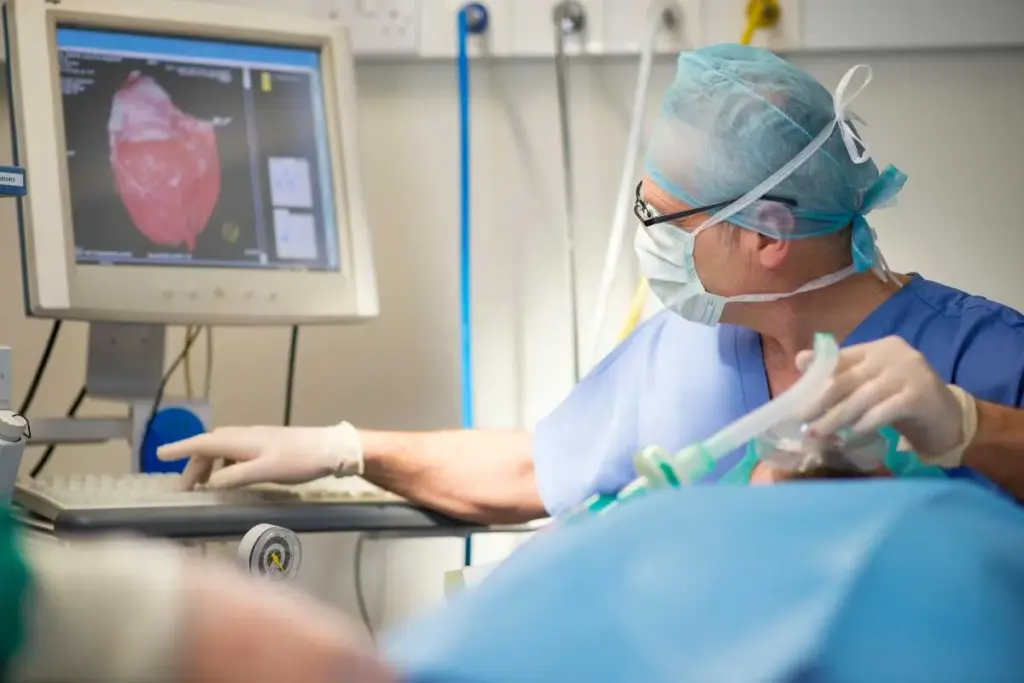
For those with unresectable or metastatic pancreatic cancer, triple bypass surgery can help. It’s a choice when big obstructions really hurt their life quality.
We look at many things to see if surgery is right. We check the cancer’s stage, if there are big obstructions, and the patient’s health.
Patient Selection Criteria for Palliative Procedures
Choosing the right patients for surgery is key. We pick those with big obstructions from cancer. These blockages cause serious problems like jaundice and stomach issues.
Diagnostic Indicators for Intervention
Tests like CT scans and MRI are important. They show how bad the obstructions are. We also look at symptoms, how well the patient eats, and their overall health.
Unresectable and Metastatic Case Considerations
When cancer can’t be removed, we focus on making life better. Surgery can ease symptoms. We weigh the benefits and risks for each patient.
|
Considerations |
Description |
|---|---|
|
Cancer Stage |
Advanced pancreatic cancer with significant obstructions |
|
Symptoms |
Jaundice, gastric outlet syndrome, recurrent pancreatitis |
|
Diagnostic Indicators |
Imaging studies (CT scans, MRI), symptom assessment, nutritional status |
The Three Obstructions Addressed in Triple Bypass
The triple bypass procedure aims to solve three big problems with pancreatic cancer. These are bile duct, duodenal, and pancreatic duct obstructions. These blockages can make life very hard for patients.
Bile Duct Obstruction and Jaundice
Bile duct obstruction happens when a tumor blocks the bile duct. This stops bile from moving into the intestine. It causes jaundice, which makes skin and eyes turn yellow, urine dark, and stools pale.
Jaundice is not only uncomfortable but also indicates a serious underlying condition. A bypass around the blockage, through hepaticojejunostomy, helps restore bile flow. This relieves jaundice and its discomfort.
Duodenal Obstruction and Gastric Outlet Syndrome
Duodenal obstruction occurs when a tumor blocks the duodenum, the first part of the small intestine. This causes gastric outlet syndrome, with symptoms like nausea, vomiting, and trouble eating.
Gastrojejunostomy, part of the triple bypass, makes a new path for food. This bypasses the blockage, easing symptoms and helping with nutrition.
Pancreatic Duct Obstruction and Recurrent Pancreatitis
Pancreatic duct obstruction blocks the pancreatic duct, causing pancreatic secretions to back up. This leads to recurrent pancreatitis, or inflammation of the pancreas. Symptoms include severe abdominal pain and digestive problems.
Pancreaticojejunostomy diverts pancreatic secretions around the blockage. This reduces pancreatitis episodes’ frequency and severity.
Triple bypass surgery tackles these three obstructions. It greatly improves patient outcomes by easing symptoms, boosting quality of life, and sometimes even increasing survival chances.
What is a Triple Bypass in Pancreatic Surgery
As pancreatic cancer gets worse, triple bypass surgery becomes a key option. It helps manage symptoms and improve life quality. This surgery is for when cancer blocks multiple areas.
Definition and Historical Development
Triple bypass surgery for pancreatic cancer creates bypasses around three main blockages. These are the bile duct, duodenum, and pancreatic duct. This method was first used in heart surgery to bypass blocked arteries. It has been adapted for pancreatic surgery to handle cancer complications.
Comparison with Cardiac Triple Bypass
Both cardiac and pancreatic triple bypass surgeries aim to bypass obstructions. But, they differ in where and what they bypass. Cardiac surgery focuses on coronary arteries, while pancreatic surgery targets the digestive tract and pancreatic ducts. Knowing these differences helps understand the unique challenges of pancreatic surgery.
Evolution of Surgical Techniques
Surgical techniques for triple bypass in pancreatic surgery have greatly improved. Advances in imaging, tools, and care have made the surgery safer and more effective. New, less invasive methods are being developed to help patients recover faster and live better.
Components of a Pancreatic Triple Bypass Procedure
The pancreatic triple bypass procedure is a complex surgery. It involves three main parts to help with pancreatic cancer obstructions. This approach aims to improve life quality for those with advanced pancreatic cancer by fixing bile duct, duodenal, and pancreatic duct blockages.
Hepaticojejunostomy: Relieving Bile Duct Obstruction
Hepaticojejunostomy is a key part of the triple bypass. It aims to fix bile duct blockages. This surgery connects the hepatic duct to the jejunum, allowing bile to flow freely into the intestine. It helps get rid of jaundice and its symptoms, making patients more comfortable.
Gastrojejunostomy: Addressing Duodenal Blockage
Gastrojejunostomy is another vital part, focusing on duodenal blockage. It creates a connection between the stomach and the jejunum, bypassing the blocked duodenum. This is important for normal food flow into the intestine, preventing blockages, and improving nutrition.
Pancreaticojejunostomy: Managing Pancreatic Duct Obstruction
Pancreaticojejunostomy is the third main part, tackling pancreatic duct blockages. It connects the pancreatic duct to the jejunum, allowing pancreatic secretions to drain into the intestine. This helps prevent pancreatitis and related issues.
Technical Variations in Anastomosis
The success of these surgeries depends on precise anastomosis creation. Surgeons use different techniques, like hand-sewn or stapled anastomosis, based on the patient’s anatomy and their preference. The chosen method can affect surgery results, with leakage rates and long-term success being key factors.
The Triple Bypass Surgical Procedure in Detail
Triple bypass surgery is a complex operation. It needs a detailed preoperative check-up for the best results. The surgery involves careful preparation, precise techniques, and new surgical methods.
Preoperative Assessment and Preparation
The preoperative check is key. It looks at the patient’s health, the cancer’s size, and any blockages. We use tests like imaging and lab work to plan the surgery.
A study on PMC shows how important this step is. It sets the stage for a successful surgery.
“The preoperative phase is where we lay the groundwork for a successful surgery,” says a renowned pancreatic surgeon. “It’s a meticulous process that requires attention to detail and a deep understanding of the patient’s condition.”
Step-by-Step Surgical Technique
The surgery has three main parts: hepaticojejunostomy, gastrojejunostomy, and pancreaticojejunostomy. Each part is key to fixing the cancer’s blockages.
- Hepaticojejunostomy: relieves bile duct obstruction by creating a bypass around the blocked area.
- Gastrojejunostomy: addresses duodenal obstruction, ensuring the normal flow of food.
- Pancreaticojejunostomy: manages pancreatic duct obstruction, reducing the risk of recurrent pancreatitis.
The surgery needs skill and precision. Each step is important for the surgery’s success.
Innovations in Surgical Approaches
Pancreatic surgery is always getting better. New methods, like minimally invasive surgery, help patients recover faster and with fewer problems.
Minimally Invasive Options
Minimally invasive triple bypass surgery is gaining popularity. It offers less pain, shorter hospital stays, and quicker recovery. We aim to offer the latest in care to our patients.
As we explore new surgical methods, the future of triple bypass surgery looks bright. We hope to see better results and improved lives for our patients.
The Multidisciplinary Team Approach
Triple bypass surgery for pancreatic cancer patients needs a team effort. This complex surgery requires many specialists working together. They aim to get the best results for the patient.
Key Specialists Involved
A team includes surgeons, oncologists, radiologists, and gastroenterologists. Nurses and nutritionists are also key in patient care.
|
Specialist |
Role |
|---|---|
|
Surgeons |
Perform the triple bypass surgery |
|
Oncologists |
Manage cancer treatment and chemotherapy |
|
Radiologists |
Provide imaging guidance for diagnosis and treatment |
Preoperative Planning and Coordination
Good preoperative planning starts with a detailed patient assessment. It includes imaging studies and team discussions. They plan the best surgical approach together.
Postoperative Care Team
The postoperative team, including intensive care specialists and nurses, watches over the patient. They manage pain and any complications that might come up.
The team’s collaboration ensures patients get all-around care. This improves their chances of a good outcome after triple bypass surgery for pancreatic conditions.
Potential Complications and Risks
It’s important for patients to know about the risks of triple bypass surgery. This surgery, like any major one, has risks and complications. These can happen right after the surgery or later on.
Short-term Complications
Right after surgery, patients might face issues like infection, bleeding, or bad reactions to anesthesia. Close monitoring by the medical team is key to avoiding these problems.
Long-term Complications
Long-term issues can really affect a patient’s life. Problems like malabsorption or chronic diarrhea can happen. There might also be long-term effects on the pancreas.
Perioperative Mortality Considerations
The risk of dying during or right after surgery is a big worry. This risk depends on the patient’s health, the cancer stage, and other health problems. Careful patient selection and preoperative optimization are vital to lower this risk.
Risk Mitigation Strategies
To reduce risks, a team of experts works together. They do a detailed check before surgery, use careful surgical methods, and provide good care after.
“The key to successful outcomes lies in a well-coordinated care plan that addresses the patient’s needs before, during, and after surgery.”
Knowing about these risks helps patients make better choices. It’s a tough process, but with the right team and plans, the challenges can be managed.
Recovery After Triple Bypass Surgery
Recovering from triple bypass surgery is a big journey. It includes taking care of yourself right after surgery, a long recovery time, and making lifestyle changes. We know it’s tough, but with the right help, you can get through it.
Immediate Post-Operative Care
Right after surgery, you’ll be watched closely in the ICU. Postoperative care means managing pain, watching for infections, and checking if you’re healing right. It’s key to listen to your doctors during this time.
Long-term Recovery Timeline
The recovery timeline varies for everyone, but it usually takes weeks. It might take months to fully recover. We suggest seeing your healthcare team regularly to check on your progress.
Nutritional and Lifestyle Adjustments
Changing your diet is important for a good recovery. You should eat foods that are easy to digest and full of nutrients. Also, lifestyle adjustments like gentle exercise and avoiding hard activities help you get stronger and healthier.
Understanding the recovery process and following the postoperative care and lifestyle advice can make a big difference. It helps you recover better and enjoy a better life after triple bypass surgery.
Outcomes and Quality of Life Improvements
Triple bypass surgery is a hope for those with complex pancreatic problems. It aims to ease severe symptoms of advanced pancreatic cancer. This surgery is a key step in improving life quality.
Symptom Relief Effectiveness
Research shows triple bypass surgery greatly helps with symptom relief. It tackles three main blockages: bile duct, duodenal, and pancreatic duct. This reduces jaundice, gastric blockage, and pancreatitis.
Survival Rates and Expectations
The main goal of triple bypass surgery is to ease suffering, not just to extend life. Yet, it does help patients live longer by making them feel better. This makes it easier for them to handle other treatments.
Patient Satisfaction Measures
Patients feel much better after triple bypass surgery. They no longer suffer from severe symptoms. This leads to a better quality of life, showing the surgery’s success.
Case Studies and Success Stories
Many case studies show the benefits of triple bypass surgery. For example, a patient with advanced pancreatic cancer saw a big drop in symptoms. Their quality of life improved greatly. These stories prove the surgery’s worth.
- Effective symptom relief
- Improved survival rates
- Enhanced patient satisfaction
Conclusion: The Future of Pancreatic Triple Bypass Surgery
As we’ve seen, pancreatic triple bypass surgery is a complex procedure. It tackles multiple obstructions linked to pancreatic cancer. The surgery has evolved to better patient outcomes and quality of life.
The future of this surgery looks bright. We’ll see more innovations and improvements. Advances in medical tech and surgical methods will make the procedure more effective.
We can look forward to better diagnostic tools, surgical approaches, and care after surgery. These advancements will lead to better results for patients. The future of pancreatic triple bypass surgery is promising for those with pancreatic cancer.
With ongoing medical research and technology, this surgery will remain a key treatment for complex pancreatic cancer. It’s a hopeful sign for patients facing this serious disease.
FAQ
What is triple bypass surgery in the context of pancreatic cancer?
Triple bypass surgery is a surgery for pancreatic cancer. It helps ease symptoms caused by blockages. This surgery is not a cure but helps improve life quality for those with advanced cancer.
What are the common obstructions associated with advanced pancreatic cancer?
Advanced pancreatic cancer often causes blockages. These blockages can lead to jaundice, vomiting, and pancreatitis. They greatly affect a patient’s life quality.
How does triple bypass surgery improve patient outcomes?
This surgery relieves blockages, easing symptoms like jaundice and pain. It improves life quality by allowing better nutrition and less discomfort.
What determines whether a patient is a suitable candidate for triple bypass surgery?
Deciding on surgery depends on cancer stage, obstructions, and health. Imaging and endoscopic studies help make this decision.
How does triple bypass surgery differ from cardiac triple bypass surgery?
Pancreatic triple bypass surgery is different from heart surgery. While heart surgery fixes blocked arteries, pancreatic surgery fixes blockages in the bile duct and pancreas. It aims to ease symptoms of pancreatic cancer.
What are the components of a pancreatic triple bypass procedure?
The procedure includes three parts. Hepaticojejunostomy fixes bile duct issues, gastrojejunostomy addresses duodenal blockages, and pancreaticojejunostomy manages pancreatic duct issues. Each part aims to improve life quality.
What is the recovery process like after triple bypass surgery?
Recovery starts with postoperative care, including pain management. It gradually leads to normal activities. Patients are advised on nutrition and lifestyle changes for healing.
What are the possible complications and risks of triple bypass surgery?
Risks include infections, bleeding, and reactions to anesthesia. Long-term risks include malabsorption and future obstructions. Knowing these risks helps in making informed decisions.
How effective is triple bypass surgery in relieving symptoms?
The surgery is effective in easing symptoms caused by pancreatic cancer. It improves life quality, though results can vary based on disease extent and health.
References
National Center for Biotechnology Information. Evidence-Based Medical Insight. Retrieved from https://pmc.ncbi.nlm.nih.gov/articles/PMC4975731/