

Triple Negative Breast Cancer (TNBC) is a tough type of breast cancer. It’s aggressive and has a poor outlook. It makes up about 15-20% of all breast cancers. It also hits younger women and Black women harder.
Dealing with TNBC is tough because there aren’t many treatments for it. This makes it the hardest breast cancer to fight. Finding new ways to treat TNBC is key to helping patients.
Key Takeaways
- TNBC is a highly aggressive subtype of breast cancer.
- It accounts for 15-20% of all breast cancer diagnoses.
- TNBC disproportionately affects younger women and Black women.
- The lack of targeted treatments complicates TNBC therapy.
- Innovative research is essential for improving TNBC outcomes.
Understanding Breast Cancer Subtypes
It’s important to know about the different types of breast cancer. Each type has its own unique traits and treatment options. This knowledge helps doctors create better plans for patients.
Doctors sort breast cancer into types based on certain receptors on cancer cells. This sorting is key because it affects treatment choices and how well a patient might do. The main types are hormone receptor-positive, HER2-positive, and triple-negative breast cancer.
Hormone Receptor-Positive Breast Cancers
Hormone receptor-positive breast cancers have receptors for estrogen and progesterone. These receptors let cancer cells grow when they get hormones. About 70-80% of breast cancers fall into this category.
Because these cancers have hormone receptors, they might respond to hormone therapy. This therapy blocks hormones from reaching cancer cells. Tamoxifen and aromatase inhibitors are often used for these cancers.
HER2-Positive Breast Cancer
HER2-positive breast cancer has too much of a protein called HER2/neu. This protein helps cancer cells grow fast. These cancers grow quicker and spread more than others.
Thanks to treatments like trastuzumab (Herceptin), HER2-positive cancer patients have better chances. These treatments target the HER2 protein, slowing cancer cell growth.
Triple-Negative Breast Cancer
Triple-negative breast cancer (TNBC) lacks estrogen, progesterone receptors, and too much HER2 protein. It’s aggressive and more likely to come back. About 10-20% of breast cancers are TNBC.
Younger women and those with BRCA1 gene mutations are more likely to get TNBC. Because there are no specific treatments, TNBC is usually treated with surgery, chemo, and radiation.
|
Subtype |
Characteristics |
Common Treatments |
|---|---|---|
|
Hormone Receptor-Positive |
Presence of ER and/or PR receptors |
Hormone therapy (e.g., tamoxifen, aromatase inhibitors) |
|
HER2-Positive |
Overexpression of HER2/neu gene |
Targeted therapy (e.g., trastuzumab) |
|
Triple-Negative |
Absence of ER, PR, and excess HER2 |
Surgery, chemotherapy, radiation therapy |
Knowing about these subtypes helps doctors tailor treatments for each patient. This approach can improve outcomes and quality of life.
Triple Negative Breast Cancer: The Most Challenging Subtype
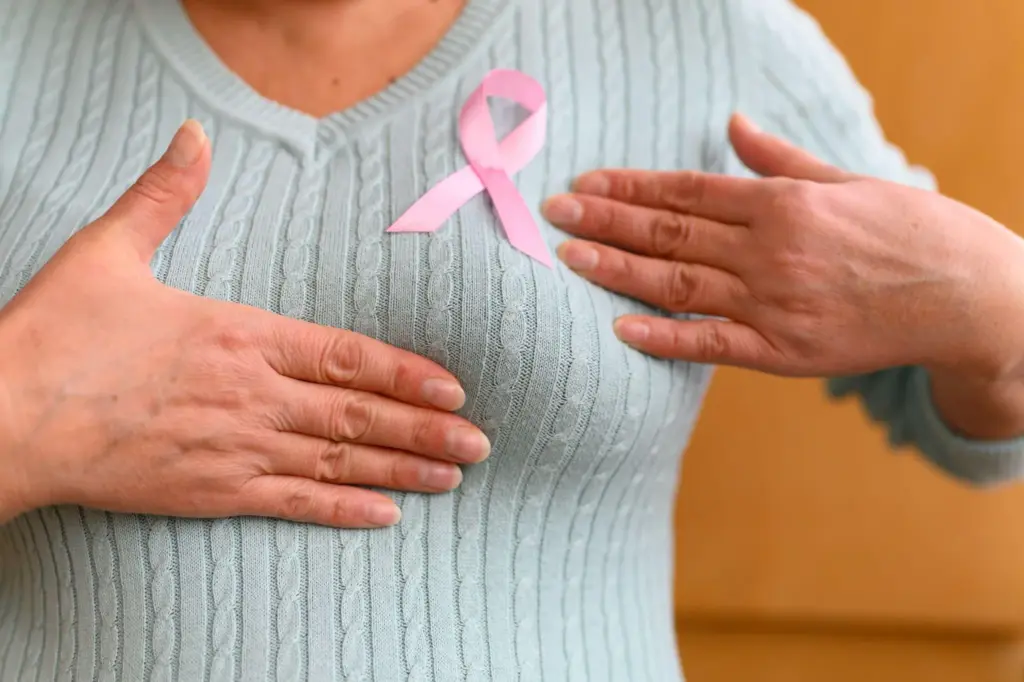
Triple Negative Breast Cancer (TNBC) is known for its aggressive nature and lack of targeted treatments. It doesn’t have estrogen receptors, progesterone receptors, or too much HER2 protein. This makes it different from other breast cancers.
Definition and Characteristics
TNBC doesn’t have estrogen receptors, progesterone receptors, or too much HER2. This is key because it affects how it’s treated and what the future looks like. Without these receptors, treatments that target them don’t work, making it harder to treat.
TNBC grows fast and is often found at a higher stage when diagnosed. People with TNBC usually have a worse outlook than those with other types of breast cancer. Its aggressive nature comes from how quickly it grows and how easily it spreads.
Why TNBC Is Difficult to Treat
TNBC is hard to treat because it’s very aggressive and doesn’t have clear targets for treatment. Unlike other breast cancers, TNBC doesn’t respond to treatments like tamoxifen or trastuzumab. So, treatment mainly includes chemotherapy, surgery, and radiation.
There’s a big need for new ways to treat TNBC. Research into TNBC’s biology has found new targets. This gives hope for better treatments.
Lack of Targeted Therapy Options
Right now, TNBC is mostly treated with chemotherapy because there aren’t many other options. This shows how important it is to find new treatments. New therapies like PARP inhibitors and immunotherapies are being tested in trials. They might offer better ways to fight TNBC.
It’s important to understand the different types of TNBC to find better treatments. Scientists are working hard to find specific targets. This could lead to treatments that are more effective for each patient.
Epidemiology of Triple Negative Breast Cancer
It’s important to understand TNBC to help those most affected. The data on TNBC shows who gets it most and how often. This info helps us make better plans to fight it.
Prevalence and Incidence Rates
TNBC makes up about 10-20% of breast cancer cases. It’s more common in some places and groups. A study in the Journal of Clinical Oncology found it hits younger women and those with a family history harder.
|
Population |
TNBC Incidence Rate |
|---|---|
|
Global |
15% of breast cancer cases |
|
USA |
12-15% of breast cancer cases |
|
Africa |
20-25% of breast cancer cases |
The table shows TNBC rates vary by region. This means we need to tailor our efforts to each area.
Age Distribution
TNBC often strikes women in their 50s and 60s. This is younger than other breast cancers. It changes how we treat and care for these patients.
“The younger age distribution of TNBC patients has significant implications for treatment and survivorship care.” –
A Breast Cancer Researcher
Racial and Ethnic Disparities
Black women face a higher risk of TNBC. The American Cancer Society says they also have a higher death rate from breast cancer. This is a big problem we need to solve.
- Black women: 2-3 times higher incidence rate of TNBC
- Hispanic women: Higher incidence rate compared to non-Hispanic White women
- Asian women: Lower incidence rate compared to White women
Knowing these disparities helps us create better plans to help TNBC patients. It’s all about improving their chances and outcomes.
Risk Factors for Developing TNBC
Several factors can increase the risk of getting Triple Negative Breast Cancer. These include genetics and the environment. Knowing these risks helps find people at higher risk and may lower their chance of getting TNBC.
Genetic Predisposition
Genetics play a big role in TNBC. If you have a family history of breast cancer, you’re at higher risk. Genetic mutations from family members can raise this risk even more.
BRCA Mutations
BRCA1 and BRCA2 mutations are key genetic risks for breast cancer, including TNBC. Women with a BRCA1 mutation face a higher risk of TNBC than those with BRCA2. Genetic testing is advised for those with a strong family history of breast and ovarian cancers.
|
BRCA Mutation |
Risk of Developing TNBC |
|---|---|
|
BRCA1 |
Higher risk, particularly for TNBC |
|
BRCA2 |
Moderate risk, less commonly associated with TNBC |
Lifestyle and Environmental Factors
While we’re not sure what causes TNBC, some lifestyle and environmental factors might play a part. These include obesity, not being active, and exposure to toxins. More research is needed to understand how these factors affect TNBC risk.
Understanding how genetics, BRCA mutations, and lifestyle/environmental factors interact can help in preventing and early detecting TNBC.
Diagnosis and Staging of Triple Negative Breast Cancer

Diagnosing Triple Negative Breast Cancer (TNBC) involves several steps. These include imaging and a detailed look at the tissue. Getting the diagnosis right is key to choosing the right treatment.
Diagnostic Procedures
The first step in diagnosing TNBC is a thorough check-up. This includes a physical exam and looking at your medical history. Next, more tests are done to confirm the tumor’s presence and type.
Imaging Techniques
Imaging is a big part of diagnosing TNBC. Here are some common imaging methods:
- Mammography: It’s the main tool for finding breast tumors.
- Ultrasound: Helps to check out any odd findings from a mammogram.
- MRI (Magnetic Resonance Imaging): Gives detailed views of the breast, helping to see how far the cancer has spread.
Biopsy and Pathology
A biopsy is a must for diagnosing TNBC. It involves taking a piece of tumor tissue for a detailed look. This helps find out if the cancer is triple-negative.
The tissue is examined in several ways:
- Histological examination: Looks at the tumor’s features.
- Immunohistochemistry (IHC): Checks if the tumor has certain receptors (ER, PR, and HER2).
Staging Systems and Classifications
After diagnosing TNBC, the cancer is staged. This tells us how far it has spread. The TNM system is often used. It looks at the tumor size (T), lymph node involvement (N), and if there are distant metastases (M).
Getting the stage right is important. It helps plan treatment and predict how well the patient will do. The stage at diagnosis is a big factor in the patient’s outcome.
Molecular Diversity Within TNBC
Understanding TNBC’s molecular diversity is key to finding effective treatments. TNBC is not just one disease but a group of different subtypes. Each subtype has its own unique molecular features.
TNBC Subtypes
Researchers have found several TNBC subtypes based on gene expression. These include:
- Immunomodulatory subtype, known for immune cell presence and immune response genes.
- Mesenchymal subtype, linked to genes for cell movement and differentiation.
- Luminal Androgen Receptor subtype, showing genes related to androgen receptor signaling.
Each subtype offers different treatment options and challenges.
Genetic and Molecular Profiles
TNBC tumors have complex and varied genetic and molecular profiles. Common genetic changes include:
- BRCA1 and BRCA2 mutations, linked to DNA repair issues.
- TP53 tumor suppressor gene alterations, causing more genetic instability.
- Activation of pathways like PI3K/AKT, which can help tumors grow and survive.
Knowing these molecular changes is vital for creating targeted treatments.
Implications for Treatment Approaches
The molecular diversity of TNBC greatly affects treatment. While chemotherapy is a mainstay, knowing a tumor’s subtype and genetic profile can guide targeted therapies.
For example, TNBC with BRCA1/2 mutations might benefit from PARP inhibitors. These drugs target the tumor’s faulty DNA repair.
Research into personalized treatments based on TNBC’s molecular traits is ongoing. This work offers hope for better outcomes for those with this tough disease.
Survival Rates and Prognosis
Knowing the survival rates and prognosis for Triple Negative Breast Cancer is key for patients and doctors. The outlook for TNBC patients changes a lot based on when they get diagnosed.
5-Year Survival Statistics
The 5-year survival rate is a key measure for cancer patients. For TNBC, this rate changes a lot based on the stage at diagnosis. For example, the 5-year survival rate for localized TNBC is about 91%. But for TNBC that has spread, the rate falls to around 12%.
Stage at Diagnosis is very important for survival rates. Being diagnosed early can greatly improve survival chances. For example, stage I TNBC has a much better survival rate than stage III or IV.
Factors Affecting Prognosis
Several things can affect how well TNBC patients do. These include:
- Tumor Size and Grade: Bigger tumors and higher grades mean a worse outlook.
- Lymph Node Involvement: Cancer in lymph nodes makes treatment harder and usually means a poorer prognosis.
- Patient’s Overall Health: Existing health issues can impact treatment success and outcomes.
- Response to Initial Treatment: Patients who do well with first treatment tend to have a better outlook.
Comparison with Other Breast Cancer Types
TNBC usually has a worse prognosis than other breast cancer types. This is mainly because it’s aggressive and lacks specific treatments. But, better chemotherapy and treatments have raised survival rates over time.
When looking at TNBC compared to other breast cancers, TNBC has a higher risk of coming back. This is often within the first few years after diagnosis. Yet, research into new treatments gives hope for better outcomes for TNBC patients.
Standard Treatment Approaches for TNBC
Treating Triple Negative Breast Cancer (TNBC) often means using surgery, chemotherapy, and radiation therapy together. This approach is needed because TNBC grows quickly and there are no specific treatments for it yet.
Surgery Options
Surgery is a key part of treating TNBC. It aims to remove the tumor and any affected tissue. There are a few surgery options:
- Lumpectomy: This involves removing the tumor and a small area of tissue around it.
- Mastectomy: This is when the whole breast is removed. It can be a simple mastectomy or a more detailed procedure like a modified radical mastectomy.
Choosing between lumpectomy and mastectomy depends on the tumor’s size, location, and the patient’s wishes.
Chemotherapy Regimens
Chemotherapy is very important in treating TNBC because it responds well to these treatments. The treatments often include a mix of drugs given before (neoadjuvant) or after (adjuvant) surgery.
Some common chemotherapy drugs for TNBC are:
- Anthracyclines (e.g., doxorubicin)
- Taxanes (e.g., paclitaxel, docetaxel)
- Platinum agents (e.g., cisplatin, carboplatin)
|
Chemotherapy Agent |
Class |
Common Side Effects |
|---|---|---|
|
Doxorubicin |
Anthracycline |
Cardiotoxicity, hair loss, nausea |
|
Paclitaxel |
Taxane |
Neuropathy, hair loss, myelosuppression |
|
Cisplatin |
Platinum agent |
Nephrotoxicity, ototoxicity, neuropathy |
Radiation Therapy
Radiation therapy is used after surgery to kill any cancer cells left behind. It helps lower the chance of the cancer coming back.
Whether or not to use radiation therapy depends on the surgery type and the cancer’s characteristics.
Neoadjuvant vs. Adjuvant Treatment
Neoadjuvant and adjuvant chemotherapy refer to when chemotherapy is given in relation to surgery.
- Neoadjuvant chemotherapy is given before surgery to make the tumor smaller and easier to remove.
- Adjuvant chemotherapy is given after surgery to kill any cancer cells that might have been left behind.
Choosing between neoadjuvant and adjuvant chemotherapy depends on the tumor size, stage, and the patient’s health.
Challenges in Treating Early-Stage TNBC
Early-stage TNBC is hard to manage because it often comes back and grows quickly. It’s important to understand these challenges to find better ways to treat it.
High Recurrence Rates
Early-stage TNBC has a higher chance of coming back compared to other breast cancers. This is a big worry because coming back often means the cancer is harder to treat.
A study in the Journal of Clinical Oncology showed that TNBC patients face the highest risk of coming back in the first three years. This means we need to watch them closely and treat them aggressively at first.
Aggressive Tumor Biology
TNBC grows fast and aggressively, which makes it hard to cure. Its fast growth and special molecular traits are key reasons for this.
The table below shows why TNBC is so aggressive:
|
Feature |
Description |
Impact on Prognosis |
|---|---|---|
|
High Proliferation Rates |
TNBC tumors often have high Ki-67 levels, indicating rapid cell division. |
Poor prognosis due to rapid growth and early metastasis. |
|
Molecular Characteristics |
TNBC lacks estrogen receptors, progesterone receptors, and excess HER2 protein. |
Limits treatment options, as therapies targeting these receptors are ineffective. |
|
Genetic Instability |
TNBC often exhibits genetic mutations, including BRCA1 and BRCA2 mutations. |
Increases the chance for aggressive behavior and treatment resistance. |
Treatment Resistance
Another big challenge in treating early-stage TNBC is that it can resist treatment. Because there are no specific treatments, chemotherapy is often used. But, many times, the cancer doesn’t respond well to chemotherapy.
Scientists are working hard to understand why this happens. They want to find new ways to predict how well a treatment will work and to find new treatments that can overcome resistance.
Advanced and Metastatic TNBC Treatment Challenges
Advanced TNBC is a tough disease to treat. It grows fast and doesn’t respond well to common treatments. This makes it hard to find the right way to manage it.
Limited Treatment Options
There aren’t many good treatments for advanced TNBC. Unlike other cancers, TNBC doesn’t have specific targets for drugs. So, doctors often use chemotherapy, but it works differently for everyone.
Chemotherapy is a main treatment for advanced TNBC. But, it doesn’t work the same for everyone. Without targeted drugs, treatments might not be as effective.
Patterns of Metastasis
It’s important to know how TNBC spreads. It often goes to organs like the lungs and liver, not bones. This makes treatment harder because these areas need more aggressive care.
|
Site of Metastasis |
Frequency in TNBC |
Typical Treatment Approach |
|---|---|---|
|
Visceral Organs (Lungs, Liver) |
High |
Chemotherapy, Potentially Combined with Local Therapies |
|
Bone |
Less Common |
Bisphosphonates, Radiation Therapy for Symptomatic Relief |
|
Brain |
Variable |
Whole-Brain Radiation Therapy, Stereotactic Radiosurgery |
Quality of Life Considerations
Advanced and metastatic TNBC is very aggressive. Keeping patients comfortable is just as important as trying to cure them. Treatments should aim to improve life quality, not just extend life.
Palliative care is key in managing symptoms and supporting patients. Adding palliative care to treatment plans can greatly improve life quality for those with advanced TNBC.
Emerging Targeted Therapies for TNBC
New treatments are changing how we fight TNBC. Scientists are finding ways to target the cancer’s weak spots. This is helping to create new treatments.
PARP Inhibitors
PARP inhibitors are showing great promise. They work best in TNBC patients with BRCA1/2 mutations. These drugs block the PARP enzyme, causing cancer cells to die.
Studies have shown that drugs like olaparib and talazoparib can help TNBC patients live longer without their cancer getting worse. Researchers are now looking at how to pick the right patients and mix these drugs with others for better results.
Antibody-Drug Conjugates
Antibody-drug conjugates (ADCs) are another exciting option. They use antibodies to find cancer cells and then kill them with a drug. This way, they harm cancer cells more than healthy ones.
Sacituzumab govitecan, an ADC targeting Trop-2, has shown great results. It has helped TNBC patients live longer and respond better to treatment. More studies are looking into other ADCs and how to use them best.
Tyrosine Kinase Inhibitors
Tyrosine kinase inhibitors (TKIs) are also being explored. These drugs block certain enzymes that help tumors grow. While they’re not yet proven, some TKIs have shown promise in early studies.
Other Novel Targeted Approaches
There are also other new ways to fight TNBC. Researchers are looking into:
- PI3K/AKT/mTOR pathway inhibitors
- Androgen receptor inhibitors
- Notch signaling inhibitors
These new treatments offer hope for better care. As research keeps going, we might see even more effective treatments for TNBC patients.
Immunotherapy for Triple Negative Breast Cancer
New ways in immunotherapy are helping treat triple-negative breast cancer (TNBC). This cancer is aggressive and hard to target. Immunotherapy uses the body’s immune system to fight cancer, showing great promise.
Checkpoint Inhibitors
Checkpoint inhibitors are a type of immunotherapy drug. They help the immune system attack cancer cells more effectively. PD-1 and PD-L1 inhibitors are being studied a lot, showing they can improve survival and slow cancer growth in TNBC patients.
Studies support using these drugs in TNBC, but results vary. This means we need biomarkers to know who will benefit most.
Combination Approaches
Researchers are trying different combinations of treatments with immunotherapy. They mix checkpoint inhibitors with chemotherapy, targeted therapy, or other immunotherapies. This aims to make treatments work better together.
- Adding chemotherapy to checkpoint inhibitors might help because it makes tumors more visible to the immune system.
- Targeted therapies could also boost the immune response when used with immunotherapy.
Biomarkers for Immunotherapy Response
Finding good biomarkers is key to knowing who will respond to immunotherapy. PD-L1 is a well-studied biomarker, but more work is needed. Other possible biomarkers include tumor mutations, microsatellite instability, and certain immune cells in tumors.
We need more research to confirm these biomarkers and find new ones. This will help target immunotherapy to those who will benefit most.
Clinical Trials and Research Directions
The search for better treatments for Triple Negative Breast Cancer (TNBC) has led to more clinical trials. These trials are looking at new ways to treat the disease. As researchers learn more about TNBC, these studies are key to improving care and results for patients.
Current Clinical Trials
Many clinical trials are happening now. They’re testing new treatments for TNBC. For example, some trials are looking at targeted therapies like PARP inhibitors and antibody-drug conjugates. Early results show they might help a lot.
“The use of PARP inhibitors in BRCA-mutated TNBC patients has led to significant improvements in progression-free survival”
Immunotherapies are also being tested. Researchers are using checkpoint inhibitors with other treatments. They hope this will make the body fight TNBC cells better.
Promising Research Areas
There are a few areas of research that look very promising for TNBC treatment. These include:
- Looking into how the tumor environment affects TNBC growth and treatment response.
- Creating new antibody-drug conjugates that target TNBC cells more precisely.
- Trying out combination therapies to see if they work better together.
How to Find and Participate in Clinical Trials
If you’re interested in clinical trials, talk to your doctor first. You can also look online at the National Cancer Institute’s database and ClinicalTrials.gov. Make sure to check the trial’s rules and what it might mean for you.
Multidisciplinary Approach to TNBC Management
Managing TNBC requires a team effort. This ensures patients get all-around care. A team of experts works together for the best results.
The Role of the Treatment Team
The TNBC treatment team includes many professionals. They are oncologists, surgeons, radiologists, pathologists, and supportive care specialists. Each one is key to diagnosing and treating TNBC.
Oncologists create and carry out treatment plans. This might include chemotherapy, targeted therapy, or immunotherapy.
Surgeons do surgeries like mastectomies or lumpectomies. They might also do reconstructive surgery.
|
Team Member |
Role in TNBC Management |
|---|---|
|
Oncologist |
Develops and implements treatment plans, including chemotherapy and targeted therapy. |
|
Surgeon |
Performs surgical procedures such as mastectomies or lumpectomies. |
|
Radiologist |
Interprets imaging studies to aid in diagnosis and treatment planning. |
|
Pathologist |
Examines tissue samples to confirm diagnosis and provide information on tumor characteristics. |
|
Supportive Care Specialist |
Provides care to manage symptoms, side effects, and emotional support. |
Supportive Care
Supportive care is vital in TNBC management. It focuses on symptoms, side effects, and emotional support. Specialists like nurses, social workers, and counselors provide this care.
Supportive care boosts the quality of life for TNBC patients. It addresses their physical, emotional, and social needs.
Integrative Approaches
Integrative approaches combine traditional treatments with complementary therapies. These can include acupuncture, meditation, and yoga. They help manage symptoms and improve well-being.
While these approaches shouldn’t replace traditional treatments, they can enhance overall health
Living with Triple Negative Breast Cancer
Living with triple negative breast cancer (TNBC) is tough. It needs a full care plan. Patients face a tough journey, dealing with the disease’s emotional and physical sides.
Coping Strategies
Coping with TNBC means getting emotional support, making lifestyle changes, and knowing about treatments. Support from family and friends is key. It helps patients deal with their diagnosis and treatment.
- Doing stress-reducing activities like meditation or yoga helps with the emotional side of TNBC.
- Knowing about the latest research and treatments helps patients make informed choices.
- Having a support network of peers, family, and healthcare professionals is essential for emotional and practical help.
Support Resources
Having access to support resources is vital for TNBC patients. These include counseling, support groups, and online communities.
|
Resource Type |
Description |
Benefits |
|---|---|---|
|
Support Groups |
Groups where patients can share experiences and advice. |
Emotional support, practical advice. |
|
Counseling Services |
Professional counseling to address emotional and psychological needs. |
Emotional support, coping strategies. |
|
Online Communities |
Online forums and social media groups for TNBC patients. |
Accessibility, community support. |
Survivorship Care
Survivorship care is key for living with TNBC. It includes a plan for long-term effects and watching for recurrence.
Survivorship care includes:
- Regular check-ups with healthcare providers.
- Watching for signs of recurrence or metastasis.
- Managing long-term side effects of treatment.
By using coping strategies, support resources, and survivorship care, patients with TNBC can live better. They can face their journey with more confidence and support.
Conclusion: The Future of TNBC Treatment
The treatment for triple-negative breast cancer is changing fast. New therapies are giving patients hope for better results. Research is making progress, leading to new ways to fight TNBC.
New treatments like PARP inhibitors, antibody-drug conjugates, and immunotherapy are being tested. These could offer patients new choices. They are important because TNBC is hard to treat and often comes back.
It’s likely that future treatments will mix these new options. This will depend on what each patient needs. It’s key for patients to keep up with new findings and talk to their doctors about them.
FAQ
What is Triple Negative Breast Cancer (TNBC)?
Triple Negative Breast Cancer is a type of breast cancer. It doesn’t have estrogen receptors, progesterone receptors, or too much HER2 protein. This makes it hard to treat with usual therapies.
What are the characteristics of TNBC?
TNBC grows fast and often comes back. It’s hard to treat because there aren’t many targeted therapies.
Who is at risk of developing TNBC?
People with BRCA1 mutations are at higher risk. Young women and those of African American or Hispanic descent are also more likely to get it.
How is TNBC diagnosed?
Doctors use mammograms and ultrasounds first. Then, they take a biopsy to check for the lack of certain receptors and proteins.
What are the treatment options for TNBC?
Treatments include surgery, chemo, and radiation. New treatments like PARP inhibitors and immunotherapy are being tested in trials.
What is the prognosis for TNBC?
The outlook depends on when it’s found and the patient’s health. TNBC is often harder to treat and has a worse prognosis than other types.
What is the 5-year survival rate for TNBC?
Survival rates vary by stage. Early-stage TNBC has a better chance, but it drops for more advanced cases.
Are there any clinical trials for TNBC?
Yes, trials are looking at new treatments and combinations. Patients can find trials through the National Cancer Institute or clinical trial registries.
How can patients cope with TNBC?
Patients can find support from family, friends, and groups. There are also resources for survivorship care and mental health.
What is the role of a multidisciplinary team in TNBC management?
A team of doctors and specialists is key in managing TNBC. They provide a full range of care and help with complex needs.
What are the emerging therapies for TNBC?
New therapies include PARP inhibitors, antibody-drug conjugates, and immunotherapy. These are being tested in trials to improve treatment for TNBC.
References
- SEER (Surveillance, Epidemiology, and End Results) Program: https://seer.cancer.gov/statfacts/html/breast-subtypes.html