
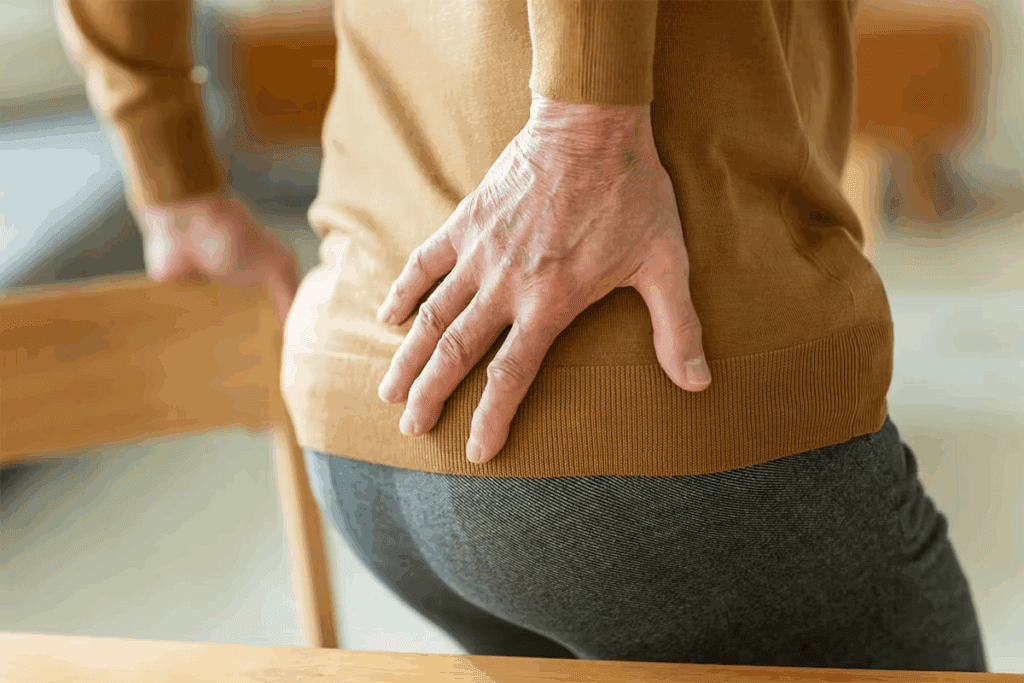
Did you know that trochanteric bursitis, also known as hip bursitis or greater trochanteric pain syndrome, affects millions of people worldwide? It causes significant discomfort and hinders mobility.
We are here to explore this condition. It is characterized by inflammation of the bursa near the hip joint. Trochanteric bursitis symptoms are a common issue that leads to pain on the outer hip. It makes everyday activities challenging.
Understanding the causes of trochanteric bursitis is key for effective management and treatment. We will look into the factors that contribute to this condition. We will also explore its symptoms and treatment options.
Key Takeaways
- Trochanteric bursitis is a condition that causes hip pain and inflammation.
- It is also known as hip bursitis or greater trochanteric pain syndrome.
- The condition affects the bursa near the hip joint.
- Understanding its causes is critical for effective management.
- Symptoms include pain on the outer hip, which can impair mobility.
Understanding Hip Anatomy and Trochanteric Bursitis

To understand trochanteric bursitis, knowing the hip’s parts is key. The hip joint is complex, allowing for movement and supporting our weight. It has bones, ligaments, muscles, and bursae working together.
The Structure of the Hip Joint
The hip joint, or coxofemoral joint, is a ball-and-socket joint. It connects the femur to the pelvis. The femoral head fits into the acetabulum, making it stable yet mobile. Ligaments and muscles support it, enabling movement and strength.
What is a Bursa and Its Function
A bursa is a small, fluid-filled sac that reduces friction. In the hip, the trochanteric bursa is key. It’s between the greater trochanter and gluteal tendons. Its job is to cushion and reduce friction during movement.
The Greater Trochanter and Surrounding Tissues
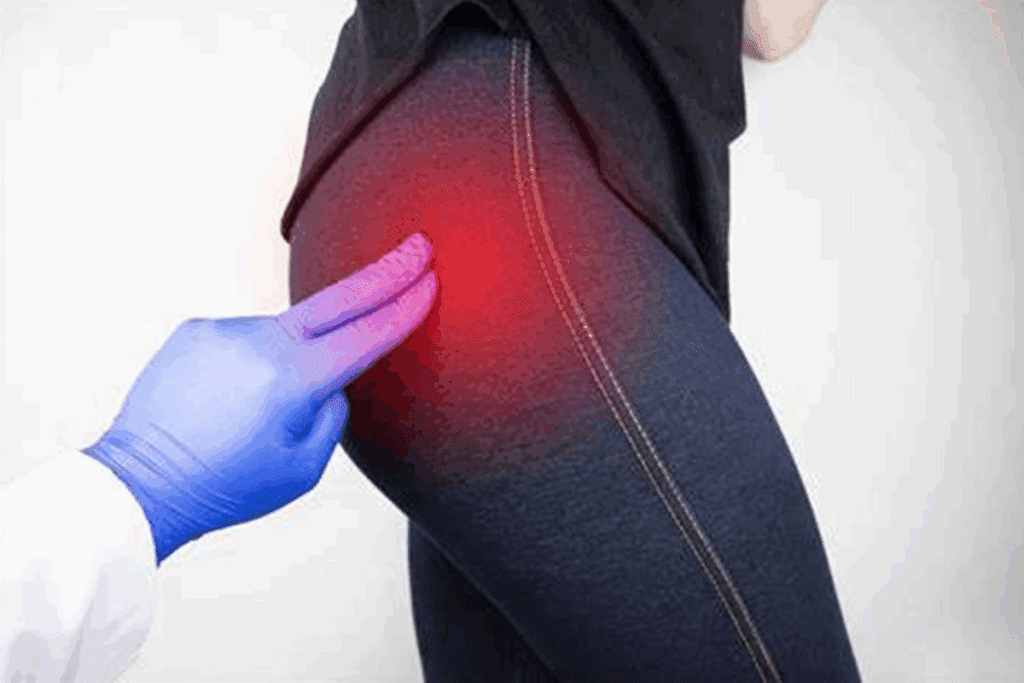
The greater trochanter is a bony part of the femur. It’s where muscles and tendons attach, like the gluteus medius and minimus. The trochanteric bursa helps these tendons move smoothly. Inflammation can cause trochanteric bursitis.
| Anatomical Structure | Function | Relation to Trochanteric Bursitis |
| Hip Joint | Facilitates movement and supports body weight | Complex structure contributes to bursitis development |
| Trochanteric Bursa | Reduces friction between bones and tendons | Inflammation leads to trochanteric bursitis |
| Greater Trochanter | Attachment site for muscles and tendons | Irritation can cause bursitis |
The Most Common Causes of Trochanteric Bursitis
Knowing what causes trochanteric bursitis is key to treating and preventing it. This condition often comes from a mix of things that bother the bursa and the tissues around it.
Repetitive Stress and Overuse Injuries
Repetitive stress and overuse injuries are big reasons for trochanteric bursitis. Running or cycling can cause the bursa to get inflamed. Repetitive stress damages the bursa and tissues, causing irritation and swelling.
People who do sports or activities that make them run, jump, or change direction fast are more likely to get trochanteric bursitis. This is because their hips get stressed a lot.
Biomechanical Abnormalities and Gait Issues
Biomechanical problems and gait issues can also lead to trochanteric bursitis. Bad gait or structural problems, like leg length differences or hip misalignment, can stress the hip unevenly.
This uneven stress can make the bursa inflamed as the body tries to adjust. Fixing biomechanical problems with physical therapy or orthotics can help ease symptoms and stop them from coming back.
Direct Trauma and Injury to the Hip
Direct trauma to the hip, like a fall or hit, can also cause trochanteric bursitis. This injury can make the bursa inflamed and painful right away.
It can also cause bleeding in the bursa, making the inflammation worse. This can lead to chronic bursitis if not treated right.
Secondary Causes and Contributing Factors
Understanding the secondary causes of trochanteric bursitis is key to managing it well. While we know about primary causes like repetitive stress and direct trauma, other factors also play a big role. These factors can make the condition worse.
Inflammatory Conditions and Autoimmune Disorders
Inflammatory conditions and autoimmune disorders can greatly affect trochanteric bursitis. Diseases like rheumatoid arthritis can spread inflammation to the hip bursae. This shows why we need a full approach to manage it.
Patients with these conditions need special treatment. It must tackle both their main condition and the bursitis.
Bone Spurs and Calcium Deposits
Bone spurs and calcium deposits are also secondary causes. They can irritate the bursa and cause pain. Finding these can make diagnosing the condition more complex.
Diagnostic imaging is vital for spotting these issues. X-rays and MRI help find bone spurs and calcium deposits. This guides how to treat the patient.
Post-surgical Complications
Complications after hip surgery can lead to trochanteric bursitis. Surgery is needed but can sometimes cause bursitis. “Post-operative care should include monitoring for signs of bursitis, even in those with hip surgery history,” it’s important to watch for this.
It’s critical to monitor patients closely after surgery. This helps catch any issues like trochanteric bursitis early. It ensures they recover well.
Risk Factors for Developing Hip Bursitis
Several factors can increase your chance of getting hip bursitis. These include your age, gender, and how active you are. Knowing these risks can help you prevent it and get help early if you start to feel symptoms.
Age-Related Changes in Hip Structure
As we get older, our joints wear down. This makes it more likely for hip bursitis to happen. The soft tissues around the hip joint get less strong and more likely to get inflamed. So, older people are more at risk of hip bursitis.
Gender Differences: Why Women Are More Susceptible
Studies show that women are more likely to get hip bursitis than men. This is because of differences in pelvic shape, hormones, and the wider Q-angle in women. These factors can put more stress on the hip joint.
Impact of Physical Activity and Occupation
How active you are and your job can also affect your risk. People who do a lot of hip movements, like runners or cyclists, are at higher risk. Jobs that involve a lot of standing, walking, or climbing also increase the risk of hip bursitis.
| Risk Factor | Description |
| Age | Older adults are more prone to hip bursitis due to natural wear and tear. |
| Gender | Women are more susceptible due to differences in pelvic structure and biomechanics. |
| Physical Activity | Repetitive hip movements increase the risk, affecting athletes and individuals with certain occupations. |
Trochanteric Bursitis Symptoms
Knowing the symptoms of trochanteric bursitis is key for the right diagnosis and treatment. We will look at the typical pain patterns, what triggers or makes pain worse, and other symptoms patients might have.
Characteristic Pain Patterns and Location
The pain from trochanteric bursitis usually happens on the outside of the hip, near the greater trochanter. It can feel sharp, intense, or just a dull ache. This pain often spreads down the thigh to the knee. The pain’s location and how it feels are important signs of this condition.
Common characteristics of the pain include:
- Pain on the outer hip or thigh
- Sharp or intense pain, often when lying on the affected side
- Pain that spreads down the thigh to the knee
- Dull ache or tenderness over the greater trochanter
Pain Triggers and Aggravating Activities
Some activities can make the pain from trochanteric bursitis worse. These include:
- Prolonged standing or walking
- Climbing stairs
- Running or cycling
- Lying on the affected side
- Crossing the legs or standing on one leg
Knowing what triggers the pain can help manage it and lessen the discomfort.
Associated Symptoms and Functional Limitations
Besides pain, trochanteric bursitis can cause other symptoms and limit how you move. These might be:
- Limited mobility or stiffness in the hip
- Swelling or tenderness over the greater trochanter
- Difficulty walking or doing daily tasks
- Pain at night or at rest in severe cases
Spotting these symptoms and seeing how they affect your daily life is vital. It helps you get the right medical care and find ways to manage the condition.
Greater Trochanteric Pain Syndrome Explained
GTPS is a complex condition affecting the greater trochanter area. It’s often linked to tendinopathy. This condition causes pain on the outer hip, which can severely impact a person’s life.
Differentiating GTPS from Simple Bursitis
GTPS and trochanteric bursitis both affect the hip but are different. Trochanteric bursitis mainly involves inflammation of the bursa near the greater trochanter. GTPS, on the other hand, includes tendinopathy of the gluteus medius and minimus tendons.
Key differences between GTPS and simple bursitis:
| Characteristics | GTPS | Simple Bursitis |
| Primary Pathology | Tendinopathy of gluteus medius/minimus | Bursitis |
| Pain Location | Lateral hip | Lateral hip, more localized |
| Diagnostic Challenges | Often requires imaging to confirm tendinopathy | Clinical diagnosis, sometimes confirmed with imaging |
The Role of Tendinopathy in GTPS
Tendinopathy, mainly in the gluteus medius and minimus tendons, is key in GTPS. It causes degenerative changes in the tendons, leading to pain and dysfunction. This can happen due to repetitive stress, biomechanical issues, or aging.
Diagnostic Challenges and Clinical Implications
Diagnosing GTPS can be tough because it looks similar to other hip issues. A detailed clinical evaluation, including history and physical exam, is vital. Imaging like ultrasound or MRI might be needed to confirm tendinopathy or other GTPS-related issues.
It’s important for healthcare providers to understand GTPS and its challenges in diagnosis. Accurate diagnosis and treatment can greatly improve patient outcomes. This helps prevent chronic pain and disability.
Diagnosing Trochanteric Bursitis
To diagnose trochanteric bursitis, doctors use a few key steps. These include clinical evaluation, imaging studies, and ruling out other conditions. Let’s look at how doctors figure out if you have trochanteric bursitis.
Clinical Evaluation and Physical Examination
First, doctors take a detailed look at your medical history. They want to know about any past hip injuries or conditions. Then, they check your hip’s movement and look for tender spots.
They might do special tests to see where the pain is coming from. This helps them understand how bad the condition is.
Imaging Studies: X-rays, MRI, and Ultrasound
Imaging tests are key to confirming trochanteric bursitis. The right test depends on your symptoms and what the doctor suspects.
- X-rays: X-rays can spot other hip problems like fractures or osteoarthritis, even if they’re not bursitis.
- MRI (Magnetic Resonance Imaging): MRI is great at showing inflammation in the bursa and soft tissues around it.
- Ultrasound: Ultrasound lets doctors see the bursa and tendons in action, helping spot problems.
Differential Diagnosis: Ruling Out Other Conditions
Doctors also look at other possible causes of your symptoms. This is called differential diagnosis. They check for:
- Hip Osteoarthritis: Wear and tear in the hip joint that causes pain and stiffness.
- Tendinopathy or Tendon Tears: Problems with the tendons around the hip, like gluteal tendinopathy.
- Stress Fractures: Small bone cracks from too much stress or overuse.
- Referred Pain: Pain from another area, like the lower back, that feels like it’s in the hip.
By using clinical evaluation, imaging, and differential diagnosis, doctors can accurately diagnose trochanteric bursitis. Then, they can plan the best treatment for you.
Conservative Treatment Approaches
Managing trochanteric bursitis often starts with conservative treatments. These methods aim to lessen pain and swelling. They also help improve hip function and enhance life quality.
Rest and Activity Modification Strategies
One key step is to change activities that make the condition worse. Avoiding repetitive hip movements and reducing hip joint stress is important. Taking regular breaks to rest is also vital.
- Avoid activities that aggravate the condition, such as running or cycling.
- Modify daily routines to reduce stress on the hip.
- Use assistive devices if necessary to reduce strain.
Physical Therapy Protocols and Exercises
Physical therapy is key in managing trochanteric bursitis. A custom exercise program can strengthen hip muscles and improve flexibility. It also helps reduce pain.
Some common exercises include:
- Gluteal strengthening exercises to support the hip.
- Stretching exercises to improve hip flexibility.
- Core strengthening exercises to enhance overall stability.
Anti-inflammatory Medications and Pain Management
Anti-inflammatory medications help manage pain and swelling. Over-the-counter NSAIDs are often recommended. In some cases, stronger medications may be prescribed.
It’s important to follow a healthcare professional’s advice when using these medications. This helps avoid side effects.
Ice and Heat Therapy Applications
Ice and heat therapy are simple yet effective for pain and swelling management. Ice packs reduce inflammation in the early stages. Heat therapy relaxes muscles and improves blood flow during recovery.
- Apply ice packs for 15-20 minutes, several times a day, during the initial phase.
- Use heat therapy, such as warm baths or heating pads, to relax the muscles and promote healing.
By using these conservative treatments, many people find relief from trochanteric bursitis symptoms. They also see an improvement in their hip health.
Advanced Treatment Options
When simple treatments don’t work, more advanced options are needed for trochanteric bursitis. These options help manage pain and aid in recovery for those who haven’t seen improvement.
Corticosteroid Injections: Benefits and Limitations
Corticosteroid injections are a common treatment for trochanteric bursitis. They deliver anti-inflammatory medication directly to the bursa. This can greatly reduce pain and inflammation.
But, there are downsides. Side effects can occur, and you might need more than one injection.
It’s important to think about the pros and cons of corticosteroid injections. They can help in the short term, but their long-term effects on tissue health are a concern.
Platelet-Rich Plasma and Regenerative Approaches
Platelet-rich plasma (PRP) therapy is a regenerative treatment for trochanteric bursitis. It uses the patient’s own blood to stimulate healing. PRP can help with faster recovery and less inflammation by using the body’s natural healing abilities.
PRP therapy is promising, but more research is needed to understand its full benefits and how it works best for trochanteric bursitis.
Surgical Interventions: When They’re Necessary
If other treatments don’t work, surgery might be an option. Surgery can include removing the bursa or fixing tendonitis or bone issues. Surgery is usually for severe cases where other treatments haven’t helped.
We decide on surgery based on how bad the symptoms are, how much they affect your life, and if there are other complicating factors.
How to Heal Hip Bursitis Quickly
To heal hip bursitis fast, you need to mix medical treatments with lifestyle changes and therapies. A good recovery plan tackles the main causes of the problem and boosts hip health.
Evidence-Based Recovery Acceleration Techniques
Several proven methods can speed up recovery from hip bursitis. Physical therapy is key, focusing on exercises that strengthen the hip and improve flexibility. Stretching exercises, like the piriformis stretch, help ease bursa tension.
Manual therapy, which includes massage and mobilization, is also vital. It helps reduce pain and enhance hip function. Taking anti-inflammatory medications is also recommended to manage pain and inflammation.
| Therapy | Description | Benefits |
| Physical Therapy | Exercises to strengthen hip muscles and improve flexibility | Reduces pain, improves hip function |
| Manual Therapy | Massage and mobilization techniques | Reduces pain, improves hip mobility |
| Anti-inflammatory Medications | Medications to reduce inflammation and manage pain | Reduces pain and inflammation |
Lifestyle Modifications for Faster Healing
Changing your lifestyle is key for quicker healing. Maintaining a healthy weight eases the load on your hip. Also, avoiding activities that worsen the condition helps prevent more irritation.
Ergonomic adjustments to daily tasks can also help. Simple changes, like using a higher chair or taking breaks, can make a big difference.
Complementary Therapies and Their Effectiveness
Complementary therapies offer extra relief and support healing. Acupuncture can reduce pain and inflammation. Ultrasound therapy aids in tissue healing.
Laser therapy and shockwave therapy are also effective. They help stimulate healing and lessen pain.
By using these techniques, making lifestyle changes, and trying complementary therapies, patients can recover faster from hip bursitis. They can get back to their usual activities sooner.
Self-Care Strategies for Managing Hip Bursitis
Managing hip bursitis can be done through self-care. By adding these strategies to your daily routine, you can ease symptoms and live better. We’ll look at three main areas: home exercises, making ergonomic changes, and using supportive devices.
Home Exercise Program Recommendations
Starting a home exercise program is key for hip bursitis. Gentle exercises can strengthen hip muscles, improve flexibility, and lessen pain. Begin with low-impact activities like swimming or cycling to keep joints moving without too much strain.
Exercises that target the hip abductors and external rotators are very helpful. Try clamshell exercises and side-lying leg lifts to strengthen these muscles. Start with easy exercises and slowly make them harder as your hip gets more comfortable.
| Exercise | Description | Repetitions |
| Clamshell Exercise | Lie on your side with knees bent and feet touching. Lift the top knee. | 10-15 |
| Side-Lying Leg Lift | Lie on your side with legs straight. Lift the top leg. | 10-15 |
| Hip Abduction | Stand with feet shoulder-width apart. Lift one leg out to the side. | 10-15 per leg |
Ergonomic Adjustments for Daily Activities
Making ergonomic changes in daily activities can help reduce hip strain. Simple adjustments, like using a raised toilet seat or adjusting chair heights, can ease discomfort. When sitting, keep your torso and thighs at a 90-degree angle.
For those who drive a lot, adjusting the seat to avoid hip pressure is important. Adding a cushion or lumbar support can also help keep a comfortable posture.
Supportive Devices and Cushioning Options
Supportive devices and cushions can offer extra comfort and protection for the hip. Orthotics, shoe inserts, and hip abduction pillows can help reduce strain. Always consult a healthcare professional to choose the right supportive devices.
Cushions like gel-filled ones or foam pads can be used on chairs or beds to ease hip pressure. They’re great for people who sit or lie down a lot.
By using these self-care strategies, people with hip bursitis can better manage their symptoms and improve their well-being.
Prevention Strategies for Recurrent Bursitis
Understanding the causes of trochanteric bursitis is key to preventing it from coming back. We’ll look at ways to stop it from happening again. This will help keep your hips healthy and working well.
Strengthening and Flexibility Programs
Having a good exercise plan is important to avoid bursitis coming back. Strengthening the muscles around the hip, like the gluteals, helps keep the joint stable. This reduces the pressure on the bursa. Try exercises like squats, lunges, and leg press to work these muscles.
It’s also important to keep your hip flexible. Regular stretching can help. Try stretches for the hip flexors, hamstrings, and piriformis to keep your hip moving well.
Proper Exercise Techniques and Body Mechanics
Using proper exercise techniques is key to avoiding hip stress. Avoid overstriding and keep your posture right during workouts. Make sure your movements are smooth and controlled.
Good body mechanics are also important in everyday life. Keep your posture right, lift correctly, and avoid repetitive strain on your hip. Being mindful of your movements can help prevent bursitis from coming back.
Weight Management and Its Impact
Maintaining a healthy weight is vital to prevent bursitis from coming back. Extra weight puts more stress on your hip joint, leading to inflammation and irritation. Eating right and exercising can help manage your weight and reduce hip strain.
By following these prevention tips, you can lower your risk of getting trochanteric bursitis again. It’s all about making smart choices for your hip health and being proactive.
Special Considerations for Female Hip Bursitis
It’s important to understand how hip bursitis affects women differently. Women are more likely to get trochanteric bursitis. Several factors explain this difference.
Anatomical Differences Affecting Women
Women’s hips are wider, and their femur angles are more pronounced than men’s. This can put more stress on the trochanteric bursa. Key anatomical factors include:
- A wider pelvis, which can alter gait mechanics
- A greater Q-angle, potentially leading to increased stress on the hip joint
- Differences in muscle strength and flexibility around the hip
Hormonal Influences on Tissue Inflammation
Hormonal changes in women can affect their muscles and joints. Notably, changes during pregnancy and menopause can impact the hip joint and surrounding tissues.
Hormonal influences include:
- Relaxin hormone during pregnancy, which can lead to increased ligament laxity
- Changes in estrogen levels, which can affect tendon and ligament strength
- Hormonal shifts during the menstrual cycle, potentially impacting pain perception
Female-Specific Treatment Approaches
When treating hip bursitis in women, it’s essential to consider these gender-specific factors. Treatment strategies may include:
- Physical therapy tailored to address specific anatomical and biomechanical issues
- Strengthening exercises targeting the hip abductors and external rotators
- Manual therapy techniques to address soft tissue restrictions
By acknowledging and addressing these special considerations, healthcare providers can offer more effective, personalized care for women with hip bursitis.
Conclusion
Managing trochanteric bursitis requires a mix of treatments. This includes both simple and advanced methods to help symptoms and aid in healing. We’ve looked into the hip’s anatomy, what causes trochanteric bursitis, and the treatments available.
A good treatment plan is key. It should include rest, physical therapy, and medicines to reduce inflammation. Sometimes, more advanced treatments like corticosteroid injections are needed to fix deeper problems.
Knowing the causes and symptoms of trochanteric bursitis is important. Taking action early can help prevent it from coming back. It’s also vital to get medical advice for a treatment plan that fits your needs.
FAQ
What is trochanteric bursitis?
Trochanteric bursitis is when the bursa sac near the greater trochanter gets inflamed. This area is on the outside of the hip. It can cause pain and tenderness in the hip.
What are the common causes of trochanteric bursitis?
Causes include repetitive stress and biomechanical issues. Direct trauma, inflammatory conditions, and bone spurs also play a role. Knowing these causes helps in managing the condition.
How is trochanteric bursitis diagnosed?
Doctors use a clinical evaluation and physical exam to diagnose it. Imaging studies like X-rays, MRI, or ultrasound are also used. They help rule out other conditions.
What are the symptoms of trochanteric bursitis?
Symptoms include pain on the outer hip. Pain can be triggered by lying on the affected side or climbing stairs. Swelling or tenderness may also occur.
How is trochanteric bursitis treated?
Effective treatment includes rest, physical therapy, and anti-inflammatory medications to ensure better recovery.
Can trochanteric bursitis be prevented?
Yes, prevention is possible. It involves strengthening and flexibility exercises, proper exercise techniques, and weight management. Ergonomic adjustments can also help reduce strain on the hip.
Are women more susceptible to hip bursitis?
Yes, women are more likely to get trochanteric bursitis. This is due to anatomical differences and hormonal influences. Female-specific treatments may be necessary.
How can I accelerate recovery from hip bursitis?
Recovery can be sped up with evidence-based techniques and lifestyle changes. A home exercise program and supportive devices can also help.
What is the role of physical therapy in treating trochanteric bursitis?
Physical therapy improves hip mobility and strengthens muscles. It reduces pain. Customized exercise programs help manage symptoms and prevent recurrence.
When is surgery considered for trochanteric bursitis?
Surgery is considered when other treatments fail. It’s needed when the condition severely impacts daily life. Surgical options include bursectomy or other procedures.
Can hip bursitis be cured?
Hip bursitis can be managed effectively. The term “cure” depends on addressing the underlying causes and using preventive strategies. Many people find significant relief through proper treatment.
References
- Zhao, J., et al. (2013). Sonography of greater trochanteric pain syndrome and the associated tendinopathy. American Journal of Roentgenology, 201(4), 834-841. https://ajronline.org/doi/10.2214/AJR.12.10038



 Departments
 Related Videos
 Our Doctors
 News
News