

Did you know that nearly 10% of PET scans show false positives? This can lead to unnecessary treatments and worry for patients. Inflammation is often the reason behind these false results.
Inflammation can greatly affect how accurate PET scans are. It can cause false-positive readings. These might look like cancer or other serious issues. It’s key to understand how inflammation and PET CT scans relate for correct diagnoses.
A high SUV on a PET scan might mean inflammation, not cancer. It’s vital to think about inflammation when looking at PET CT results. This helps avoid wrong diagnoses.
Key Takeaways
- Inflammation can cause false-positive PET scan results.
- A high SUV on a PET scan may indicate inflammation, not cancer.
- Understanding PET CT scans is key for accurate diagnoses.
- Inflammation can lead to wrong interpretations of PET CT results.
- Correctly reading PET CT scans means considering inflammation.
Understanding PET-CT Scans and Their Function
PET-CT scans combine PET and CT technologies. They give detailed insights into how the body works. This mix of technologies offers a full view of the body’s inner workings.
What is a PET-CT Scan?
A PET-CT scan uses PET to see how tissues and organs work. It also uses CT to show detailed images of the body’s inside. This helps doctors diagnose and track diseases like cancer and heart issues.
The PET part uses a special substance called a radiotracer. This substance is taken up by active cells. The most common one is Fluorodeoxyglucose (FDG), which shows how cells use glucose.
How PET-CT Scans Work
First, a radiotracer like FDG is given to the patient. Then, the PET-CT scanner captures signals from the tracer. This shows where the body is most active.
The steps include preparing the patient, giving the tracer, and scanning. The scanner takes both PET and CT images. These are then combined to show the body’s metabolic and structural details.
The Role of Radiotracers in Imaging
Radiotracers are key in PET-CT scans. They help measure different metabolic activities. FDG is the most used, showing glucose use. Other tracers measure amino acid use or cell growth.
The right tracer depends on the question being asked. For example, FDG is key in cancer treatment. Knowing about radiotracers helps understand PET-CT scan results.
| Radiotracer | Biological Process | Clinical Application |
| FDG (Fluorodeoxyglucose) | Glucose Metabolism | Oncology, Infection, Inflammation |
| FET (Fluoroethyltyrosine) | Amino Acid Metabolism | Brain Tumors |
| FLT (Fluorothymidine) | Cell Proliferation | Cancer Research |
The Significance of “Uptake” in PET Scan Interpretation
PET scans rely on the concept of “uptake.” This means how much radiotracers are absorbed by tissues or cells. It’s key for diagnosing and tracking conditions like cancer.
Defining Radiotracer Uptake
Radiotracer uptake shows how much of the radiotracer is taken up by body tissues or cells. FDG (Fluorodeoxyglucose), a common radiotracer, goes to areas with lots of activity, like growing cancer cells. The amount taken up can show if there’s disease, how bad it is, and if treatment is working.
What Does High SUV Mean?
The Standardized Uptake Value (SUV) measures radiotracer uptake. A high SUV means more activity, often seen in cancer. But, high values can also mean inflammation or infection.

Normal vs. Abnormal Uptake Patterns
Telling normal from abnormal uptake is key for PET scan results. Normal patterns are seen in organs like the brain, heart, and liver. But, abnormal uptake can mean disease, like FDG-avid lymph nodes suggesting lymphoma or cancer spread. It can also mean inflammation.
Healthcare providers need to understand radiotracer uptake and SUV values well. They must look at PET scan results carefully, considering the uptake level and the patient’s situation.
PET CT False Positives: An Overview
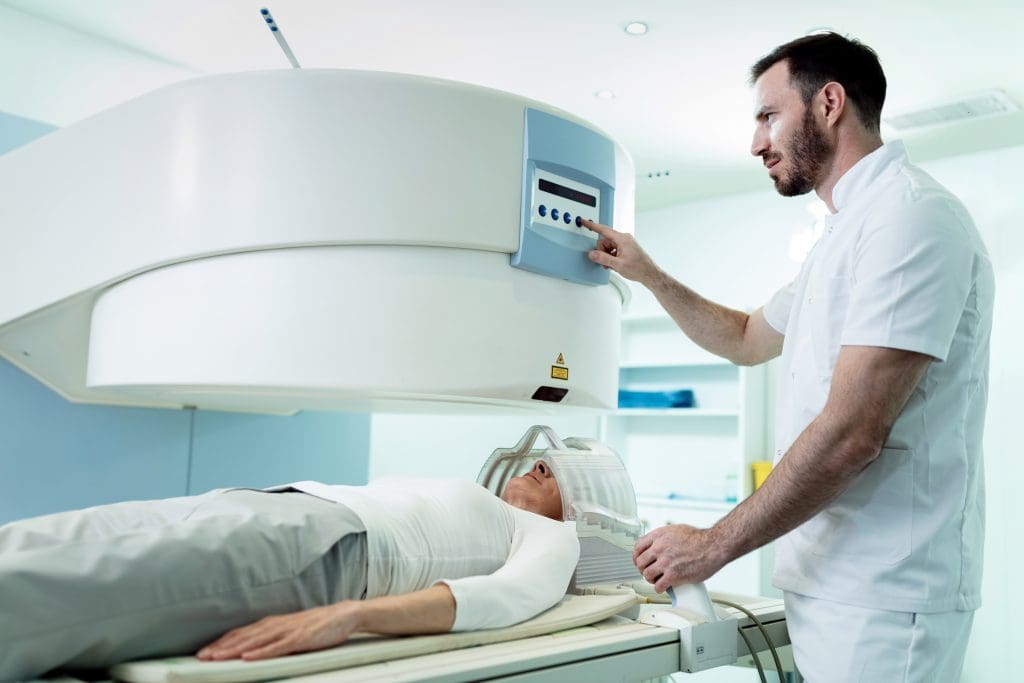
Understanding PET-CT scan limitations, including false positives, is key for accurate diagnosis. These scans are vital for diagnosing conditions like cancer. Yet, they’re not flawless and can sometimes show false positives.
Defining False Positive Results
A false positive PET-CT scan shows a condition like cancer when it’s not there. This can be due to inflammation, infection, or other non-cancerous processes. These can look like cancer on the scan.
False positives can cause a lot of worry for patients. They might lead to more tests and treatments that aren’t needed. So, it’s important to know why and how false positives happen.
Frequency of False Positives in Clinical Practice
The rate of false positives in PET-CT scans varies. It depends on the patients, the technology used, and how results are interpreted. Research shows that false positive rates differ a lot in different situations.
| Clinical Context | False Positive Rate |
| Cancer Screening | 5-15% |
| Inflammatory Conditions | 10-20% |
| Post-Surgical Evaluation | 15-30% |
Impact on Patient Care and Diagnosis
False positives in PET-CT scans can affect patient care and diagnosis a lot. They might lead to more tests and treatments that aren’t needed. This can harm the patient and cause a lot of stress for them and their families.
- Nuclear Medicine Specialist
To lessen the impact of false positives, it’s important to look at scan results with clinical information and other tests. This helps make more accurate diagnoses and avoids the problems of false positives.
Inflammation as a Cause of Positive PET Scans
Understanding how inflammation affects PET scans is key for accurate diagnosis. Inflammation can cause false-positive results on PET scans by increasing glucose metabolism.
The Inflammatory Process and Glucose Metabolism
Inflammation is the body’s immune response to injury or infection. Cells like macrophages and lymphocytes use more glucose during this process. This leads to higher FDG uptake, making inflamed areas appear as “hot spots” on scans.
Key aspects of inflammation affecting PET scans include:
- Increased glucose consumption by inflammatory cells
- Higher FDG uptake in inflamed tissues
- Potential for false-positive results due to inflammation
Types of Inflammatory Conditions That Affect PET Results
Many inflammatory conditions can impact PET scan results. These include:
- Infectious processes such as pneumonia or abscesses
- Autoimmune disorders like rheumatoid arthritis
- Post-surgical inflammation
- Post-radiation inflammation
Each condition can cause increased FDG uptake, leading to misinterpretation of PET scan results.
Distinguishing Inflammatory Uptake from Malignancy
Distinguishing between inflammatory and malignant uptake is vital for accurate diagnosis. Several factors can help in differentiation:
| Characteristics | Inflammatory Uptake | Malignant Uptake |
| Intensity of Uptake | Moderate to high | Typically high |
| Pattern of Uptake | Diffuse or patchy | Focal or mass-like |
| Clinical Context | Recent surgery, infection, or inflammation | Known or suspected malignancy |
Healthcare providers can enhance the accuracy of PET scan interpretations by correlating findings with clinical information and considering relevant factors.
Common Inflammatory Conditions That Mimic Cancer on PET Scans
When we look at PET scans, we must think about inflammatory conditions that can look like cancer. These conditions can make the body use more glucose, which PET scans pick up. This can lead to false positives.
Infectious Processes
Infections can cause a lot of inflammation, which shows up on PET scans. For example, infections from bacteria, viruses, or fungi can look like tumors because they use a lot of energy.
Examples of infections that can cause false-positive PET scans include:
- Tuberculosis
- Abscesses
- Pneumonia
Autoimmune Disorders
Autoimmune diseases happen when the body attacks itself, causing inflammation. Some of these diseases can make PET scans look like they show cancer.
Notable autoimmune conditions that can affect PET scan results include:
| Condition | Description | Potential PET Scan Finding |
| Rheumatoid Arthritis | An autoimmune disease causing joint inflammation | Increased uptake in affected joints |
| Sarcoidosis | A condition characterized by granulomatous inflammation | Uptake in lymph nodes and organs affected by granulomas |
Post-Surgical and Post-Radiation Inflammation
Surgery and radiation therapy can cause a lot of inflammation. This is part of healing but can make PET scans hard to read.
Key considerations for post-surgical and post-radiation inflammation include:
- The timing of the PET scan relative to the intervention
- The extent of tissue involved in the inflammatory process
- The presence of other clinical indicators of inflammation or infection
The “Dinner Glow” Phenomenon and Other Physiologic Uptake Patterns
Understanding the “dinner glow” is key for correct PET scan reading. It’s a normal body reaction to eating. The “dinner glow” shows up as increased FDG uptake in the gut after a meal. It can sometimes look like disease.
What Causes the “Dinner Glow” on PET Scans
The “dinner glow” happens because of how our body reacts to food. When we eat, our gut gets busy using glucose and FDG. This makes the gut show up more on PET scans, creating the “dinner glow.”
Normal Physiologic Uptake in Various Organs
There are other normal patterns to know about in PET scans. For example, the brain always uses a lot of glucose. The heart and liver’s uptake can change based on how active they are and when we last ate.
Some people might show uptake in brown fat, which is okay. It’s found in the neck and near the collarbone. It helps with keeping warm, not disease.
How to Differentiate Physiologic from Pathologic Uptake
It’s important to tell the difference between normal and disease activity on PET scans. Normal activity is usually spread out and even. Disease activity is more focused and intense.
The “dinner glow” is spread out in the gut and matches when we last ate. Disease activity, on the other hand, is more focused and intense.
Knowing these normal patterns helps doctors read PET scans better. This means fewer mistakes and better care for patients.
Understanding FDG is key to reading PET scans right. FDG, or Fluorodeoxyglucose, is a glucose-like substance used in PET scans. It shows how active cells are in the body.
What is FDG (Fluorodeoxyglucose)?
FDG is a radioactive tracer that acts like glucose. It gets taken up by cells in the body. This makes it great for PET scans to spot high glucose use, which can mean different things, like cancer.
FDG is a big deal in cancer care. It helps doctors find cancer by showing where cells are using a lot of glucose.
The Mechanism of FDG Uptake
FDG uptake is all about glucose use. Cells that use a lot of glucose take up FDG. Then, hexokinase turns it into FDG-6-phosphate.
Unlike glucose, FDG-6-phosphate can’t be broken down. So, it stays in the cell. This lets us see where cells are most active.
Key factors influencing FDG uptake include:
- Glucose metabolism rate
- Cellular density
- Presence of inflammation or infection
Interpreting FDG-Avid Lesions
FDG-avid lesions show up bright on PET scans because they use a lot of FDG. This can mean cancer, but it’s not always cancer.
Things like inflammation or infection can also show up as FDG-avid lesions. So, it’s important to look at the whole picture, not just the scan.
When looking at FDG-avid lesions, doctors need to think about the whole situation. This includes the patient’s history, symptoms, and other test results.

Some common causes of FDG-avid lesions include:
- Malignant tumors
- Inflammatory conditions
- Infectious processes
Lymph Node Uptake: Cancer or Inflammation?
Lymph node uptake on PET scans can be tricky to read. It can show up in both cancer and inflammation. Knowing why this happens is key for correct diagnosis and treatment.
Why Lymph Nodes “Light Up” on PET Scans
Lymph nodes might show more FDG uptake for several reasons. This includes infections, inflammation, and cancer. Seeing FDG-avid lymph nodes can mean the body is fighting off an infection or there’s cancer.
Key factors influencing lymph node uptake include:
- Infection or inflammation in the drainage area
- Malignant infiltration
- Reactive changes due to nearby pathology
Patterns Suggesting Malignancy vs. Inflammation
Telling apart cancer and inflammation in lymph nodes is important. Certain patterns can help:
| Characteristics | Malignant Uptake | Inflammatory Uptake |
| Intensity of Uptake | Typically high SUV values | Variable, often lower SUV |
| Distribution | Focal or multifocal | Often diffuse or bilateral |
| Correlation with Other Findings | Associated with known malignancy | Related to inflammatory or infectious processes |
Clinical Correlation and Further Testing
When PET scans show lymph node uptake, it’s important to look at the bigger picture. More tests, like biopsies or other scans, might be needed to be sure.
Clinical considerations include:
- Patient history and symptoms
- Laboratory results (e.g., inflammatory markers)
- Other imaging findings (e.g., CT or MRI)
By combining PET scan results with clinical info and other tests, doctors can make better decisions for patient care.
Cancer-Specific Considerations in PET-CT False Positives
It’s key to know why PET-CT scans sometimes show false positives. This is vital for correct cancer diagnosis and treatment plans. Each cancer type has its own traits that can impact how PET-CT scans are read. So, it’s important to think about these traits when looking at scan results.
Lung Cancer and Pulmonary Nodules
Lung cancer is often found with PET-CT scans. But, false positives can happen. This is because of conditions like pneumonia or granulomatous disease, which can look like cancer. Pulmonary nodules add to the confusion, as some are not cancerous but can show up on scans.
Lymphoma and Reactive Lymphadenopathy
Diagnosing lymphoma with PET-CT scans can be tricky. This is because of reactive lymphadenopathy, a condition that makes lymph nodes show up on scans. It’s important to carefully look at the scan and consider the patient’s overall health to tell cancer from this condition.
Colorectal and Gastrointestinal Cancers
Diagnosing colorectal cancer with PET-CT scans can be tricky. False positives can happen due to inflammatory bowel disease or other conditions. It’s important to understand the patient’s history and other test results to correctly interpret PET-CT scans for these cancers.
Ovarian Cancer and Gynecologic Malignancies
Ovarian cancer and other gynecologic cancers can be hard to diagnose with PET-CT scans. This is because of false positives from benign ovarian cysts or other non-cancerous conditions. It’s essential to carefully review the scan, consider the patient’s health, and use other tests for accurate diagnosis.
Other Common Causes of PET CT False Positives
False-positive PET-CT results can come from many sources, not just cancer. It’s important to know these causes for accurate diagnosis and care.
Brown Fat Activation
Brown adipose tissue (BAT) is a type of fat that burns a lot of energy. On PET scans, it can look like cancer because it takes up FDG. Brown fat activation happens more in cold places and when it’s cold. It shows up symmetrically in the neck, under the collarbone, and along the spine.
To tell brown fat from cancer, looking at CT images is key. The CT can show if the tissue is fatty. Keeping the patient warm before the scan can also help avoid brown fat activation.
Muscle Uptake and Physical Activity
Being active can make muscles take up more glucose on PET scans, leading to false positives. Muscle uptake happens in active patients or those with tense muscles. This can be due to exercise or feeling anxious or uncomfortable during the scan.
Muscle uptake usually shows up in the neck, shoulders, and muscles near the spine. To reduce muscle uptake, patients should avoid hard exercise before the scan. They should also try to relax during the scan.
Benign Tumors and Growths
Some benign tumors and growths can also show up on PET scans. Examples include benign tumors like adenomas, fibroids, and certain cysts. The problem is figuring out if they are benign or cancerous.
Looking closely at the PET-CT images and knowing the patient’s history is important. For example, knowing about benign conditions can help. Sometimes, more scans or images are needed to be sure.
Knowing why PET-CT scans can show false positives helps doctors make better diagnoses and treatment plans.
Accuracy of PET Scans: Statistics and Limitations
PET scans are very useful in fighting cancer. But, their accuracy can change based on several factors. It’s important for doctors and patients to know these limits to make good choices.
Sensitivity and Specificity by Cancer Type
PET scans work differently for each cancer type. They are very good at finding some cancers like lymphoma and melanoma. But, they might not work as well for others, like prostate cancer.
| Cancer Type | Sensitivity (%) | Specificity (%) |
| Lymphoma | 85-90 | 80-85 |
| Melanoma | 90-95 | 85-90 |
| Prostate Cancer | 60-70 | 70-80 |
The table shows how PET scans’ accuracy can change with cancer type. This means results need careful thought.
Factors Affecting Accuracy
Many things can change how accurate PET scans are. These include the type of radiotracer, how well the patient is prepared, and if there’s inflammation. Inflammation can make scans show false positives because it makes the radiotracer take up more.
“The presence of inflammation can significantly affect the accuracy of PET scans, making it challenging to distinguish between malignant and benign processes.”
- Oncologist
Comparing PET-CT to Other Imaging Modalities
PET-CT scans mix PET’s function info with CT’s body details. This gives a better view than either alone. Compared to MRI, PET-CT has its own strengths and weaknesses.
In summary, PET scans are a key tool in cancer care. But, knowing their limits is key for accurate use and decision-making.
Improving PET-CT Accuracy and Reducing False Positives
Getting accurate PET-CT results is key for good patient care. There are many ways to make them better. These include getting patients ready right, using new imaging methods, and creating new tracers.
Patient Preparation Guidelines
Getting patients ready right is very important. Key steps include:
- Fasting before the scan to avoid glucose interference
- Avoiding hard exercise to prevent muscle uptake
- Keeping a comfortable temperature to avoid brown fat activation
- Checking medications that might affect the scan
By following these steps, patients help make sure their scans are as accurate as possible.
Advanced Imaging Techniques
New imaging tech has made PET-CT scans better. Time-of-flight PET and respiratory gating cut down on errors and improve images. Also, artificial intelligence in image making is getting more common. It helps make readings more precise.
New Radiotracers Beyond FDG
Creating new tracers like Fluorothymidine (FLT) and Fluoromisonidazole (FMISO) is a big area of research. These tracers show different things about tumors, like how fast they grow and if they’re getting enough oxygen. They help doctors tell tumors apart and figure out if they’re cancerous.
By getting patients ready right, using the latest tech, and making new tracers, doctors can make PET-CT scans more accurate. This means fewer mistakes and better care for patients.
Conclusion: Navigating PET-CT Results with Confidence
Understanding PET-CT scans is key for diagnosing and planning treatments. Knowing how to read these scans can greatly improve patient care. It helps tell the difference between cancer and other conditions, like inflammation.
To make sense of PET-CT results, you need to know about radiotracer uptake. It’s important to watch out for false positives. Healthcare providers can make better choices with this knowledge, leading to better care for patients.
Being sure about PET-CT diagnoses comes from knowing its strengths and weaknesses. Many things can affect the results, like inflammation or normal body functions.
This article helps readers better understand PET-CT scans. Knowing how to interpret them is vital. It ensures patients get the right care based on accurate diagnoses.
FAQ
What is a PET-CT scan, and how does it work?
A PET-CT scan combines two technologies: PET and CT. It shows how the body’s cells work and its structure. A special dye is given to the body, which cells absorb. The PET scan sees this dye, while the CT scan shows the body’s layout.
What does “uptake” mean in a PET scan, and how is it interpreted?
“Uptake” means how much dye cells in the body take in. This is measured by the Standardized Uptake Value (SUV). A high SUV might mean cancer or other issues. But, it’s not always cancer.
Can inflammation cause a false positive PET scan result?
Yes, inflammation can make a PET scan look like it shows cancer when it doesn’t. This includes infections, autoimmune diseases, and inflammation after surgery or radiation.
What is the “dinner glow” phenomenon on PET scans?
The “dinner glow” is when the stomach and intestines show up on a PET scan after eating. It looks like cancer but is harmless.
How can PET-CT scans be used to diagnose cancer, and what are their limitations?
PET-CT scans can spot cancer by looking at how cells work. But, they’re not perfect. They can miss cancer or show false positives. How well they work depends on the cancer type, how well the patient is prepared, and the imaging used.
What are some common causes of PET CT false positives?
PET CT false positives can happen for several reasons. These include inflammation, brown fat, muscle activity, and benign tumors. Knowing these can help doctors understand PET-CT scan results better.
How can the accuracy of PET-CT scans be improved?
To make PET-CT scans more accurate, better patient preparation and new imaging methods are needed. New dyes and combining scans with other tests also help. This way, doctors can make more accurate diagnoses.
What is the role of FDG in PET scans, and how is it used to diagnose cancer?
FDG is a dye used in PET scans to find cancer. Cancer cells use more glucose, which FDG picks up. But, other conditions can also show up on PET scans.
Can PET scans be used to monitor treatment response in cancer patients?
Yes, PET scans can track how well cancer treatment is working. Changes in how much dye the tumor takes up show if the treatment is effective.
What are the benefits and limitations of using PET-CT scans in clinical practice?
PET-CT scans are very useful for finding and tracking cancer. They help doctors see how well treatments are working and if cancer comes back. But, they can also give false results. So, doctors use them with other tests and think carefully about the results.