
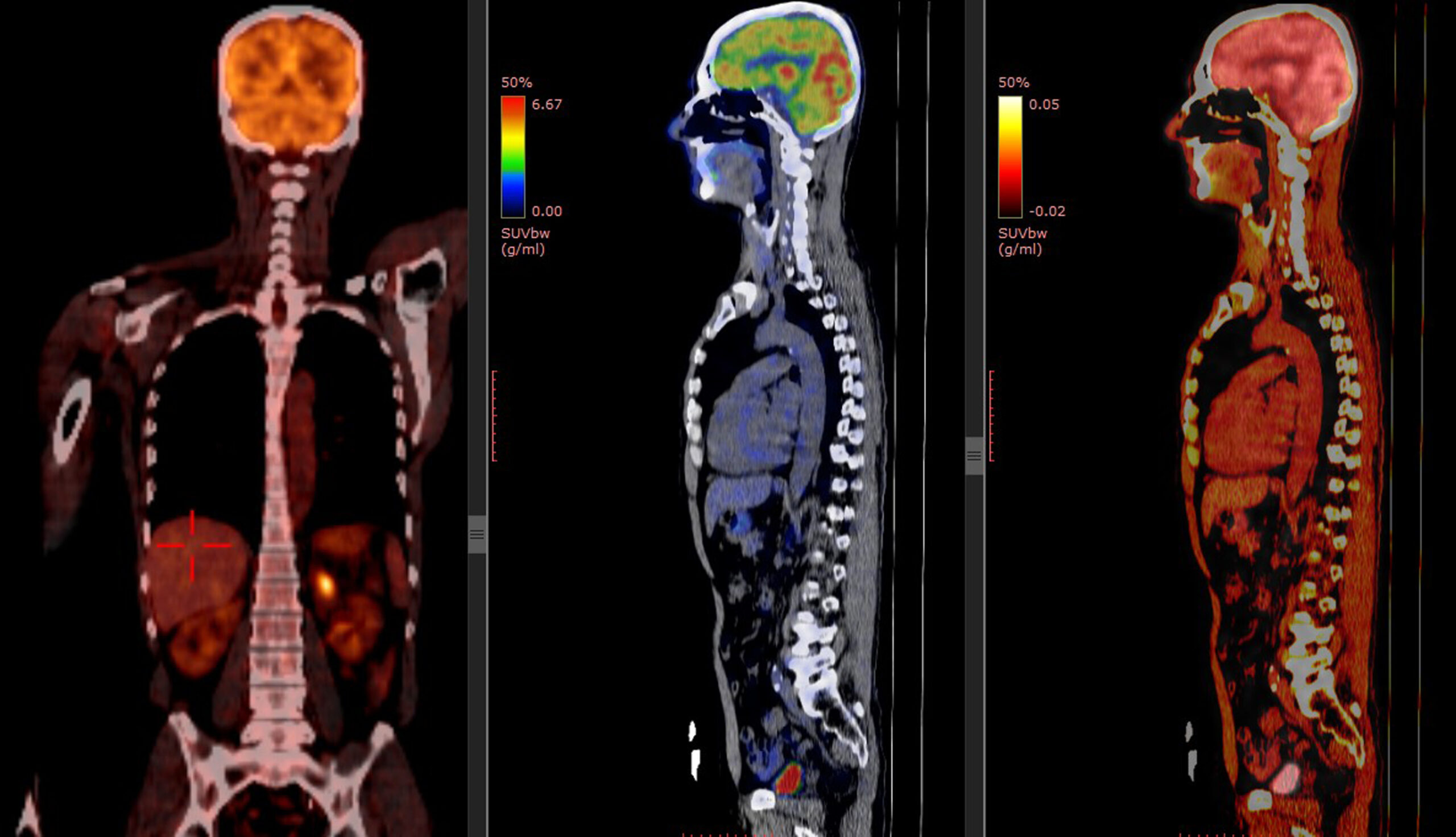
Nearly 1.9 million new cancer cases are expected in the United States this year. This shows how important it is to have good tools like Positron Emission Tomography (PET). A PET scan is key in fighting cancer, helping doctors find and track the disease.
A PET scan uses a radioactive glucose to spot cancer cells. These cells eat more glucose than normal cells. This helps PET scans find cancer. Knowing how PET scans work helps both patients and doctors make better treatment plans.
Key Takeaways
- Cancer detection rates are improving with advanced imaging techniques.
- PET scans play a critical role in diagnosing and monitoring cancer.
- The technology behind PET scans involves the use of radioactive glucose.
- Cancerous cells can be identified through their higher glucose consumption.
- Understanding PET scan results is vital for effective cancer treatment planning.
The Fundamentals of Cancer Detection Imaging
Imaging is key in finding and managing cancer. Seeing tumors and their area is vital for right diagnosis and treatment plans.
Why Visualization Matters in Cancer Diagnosis
Seeing cancer isn’t just about spotting the tumor. It’s about knowing its size, where it is, and how it works. PET scans and other methods give vital info for treatment choices.
Visualization helps doctors spot cancer early, track its growth, and check if treatments work. PET/CT scans mix function and anatomy, giving a full view of the disease.
Overview of Modern Cancer Imaging Techniques
Today’s cancer imaging uses many methods, each with its own strengths. Some top ones are:
- PET (Positron Emission Tomography)
- CT (Computed Tomography)
- MRI (Magnetic Resonance Imaging)
- PET/CT fusion imaging
These methods are often mixed to get a better picture of cancer. For example, PET/CT scans mix PET’s metabolic info with CT’s body details, making diagnosis better.
| Imaging Modality | Primary Use in Cancer | Key Benefits |
| PET | Assessing metabolic activity | Detects cancerous tissues based on metabolic rate |
| CT | Anatomical imaging | Provides detailed structural information |
| MRI | Soft tissue imaging | Excellent for visualizing soft tissue tumors |
| PET/CT | Combining metabolic and anatomical imaging | Enhances diagnostic accuracy by combining functional and structural information |
The right imaging method depends on the cancer type, where it is, and its stage. By picking the best method, doctors can make a good treatment plan.
How PET Scan for Cancer Works
PET scan technology detects changes in the body’s metabolism. Positron Emission Tomography (PET) scans are key in cancer diagnosis. They show how cells are metabolically active.
The Science of Positron Emission Tomography
PET scans use a radioactive tracer called Fluorodeoxyglucose (FDG). This is a glucose molecule with a radioactive atom. When injected, FDG goes to areas with lots of activity, like cancer cells.
The PET scan machine picks up the radiation from FDG. It makes images that show where activity is high.
The steps are:
- Injection of the FDG tracer
- Uptake of FDG by cells
- Scanning with a PET scan machine
- Image reconstruction to visualize metabolic activity
Metabolic Activity as a Cancer Indicator
Cancer cells use more glucose than normal cells. This makes them show up on PET scans. They use more FDG because they grow fast.
PET scans can spot cancerous tissues, like in the lungs. The images, called PET scan pics, help doctors diagnose and plan treatments.
Knowing how PET scan works shows its importance in cancer diagnosis. It gives a peek into the body’s metabolic processes. This helps find and track cancer early.
The Color Spectrum of PET Scan Images
Understanding PET scan colors is key for cancer diagnosis and treatment. PET scan images show the body’s metabolic activities in different colors. They are not just simple pictures.
Standard Color Scales in Clinical Practice
PET scans use a standard color scale for metabolic activity. The scale goes from blue (low activity) to red (high activity). It has shades in between for different glucose uptake levels. This helps doctors spot cancerous tissues quickly.
In pet scan pictures of cancer, tumors show up as hot spots. They are usually red or orange, showing high glucose metabolism.
Why Different Colors Are Used in PET Imaging
Different colors in PET imaging have a purpose. Cancer cells, with their high metabolic rates, absorb more glucose. This makes them appear as high-color intensity areas on scans.
“The color representation in PET scans allows for the visualization of physiological functions, making it a powerful tool in oncology for diagnosing and monitoring cancer,”
In pet scan lung cancer or pet scan pulmonar imaging, colors help identify tumors. They also show how aggressive tumors are and how well the body is responding to treatment.
Healthcare professionals look for abnormal color intensity in pet scan images of lung cancer. This indicates cancerous lesions. Understanding these images well requires knowledge of the technology and body physiology.
Decoding the “Hot Spots”: Cancer’s Appearance on PET
Cancer shows up on PET scans in specific ways. Doctors use these patterns and colors to diagnose and understand the disease’s stage. Knowing these visual signs is key to correctly reading PET scan results.
The Typical Colors of Cancerous Lesions
Cancer spots on PET scans show up as red, orange, or yellow. These colors mean cancer cells are active. They are called “hot spots.”
Table: Common Color Representations in PET Scans
| Color | Indication |
| Red/Orange | High metabolic activity, often indicative of cancer |
| Yellow | Moderate metabolic activity, may suggest less aggressive cancer or inflammation |
| Blue/Green | Low metabolic activity, typically seen in normal tissues or benign conditions |
Intensity Variations and Their Meaning
The color’s intensity on a PET scan tells us about the cancer’s aggressiveness. Brighter colors mean more active cancer, which is usually more aggressive.
“The intensity of uptake on PET scans can help differentiate between malignant and benign lesions, guiding further management decisions.”
Healthcare providers need to understand PET scan images. This includes the colors and how bright they are. It helps them make better decisions for patient care.
The Critical Role of FDG in Cancer Visualization
Fluorodeoxyglucose (FDG) is key in cancer imaging with PET scans. It changes how we find and treat cancer. FDG works because cancer cells use glucose differently.
What is Fluorodeoxyglucose (FDG)?
FDG is a special glucose with fluorine-18, a radioactive tag. This lets it enter cells like glucose but can’t be broken down. It’s perfect for studying how cells use glucose.
Key characteristics of FDG include:
- It looks like glucose, so cells take it in the same way.
- Hexokinase phosphorylates it, trapping it inside cells.
- It builds up in cells that use a lot of glucose, like cancer cells.
How Cancer Cells Process Glucose Differently
Cancer cells use more glucose than normal cells, a fact known as the Warburg effect. This means they take up more FDG. So, cancer shows up clearly on PET scans because of its bright signal.
| Cell Type | Glucose Metabolism Rate | FDG Uptake |
| Normal Cells | Low | Low |
| Cancer Cells | High | High |
In short, FDG is vital for spotting cancer because it shows how cancer cells use glucose differently. Knowing how FDG works in PET scans helps doctors find and treat cancer better.
PET/CT Fusion: Enhanced Cancer Detection
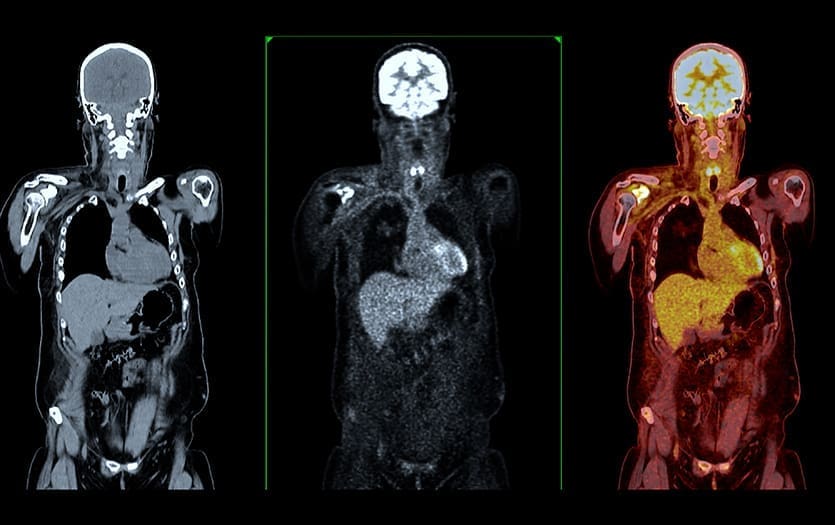
PET/CT fusion is a big step forward in cancer imaging. It combines PET scans’ functional info with CT scans’ detailed anatomy. This mix gives a clearer view of tumors and the tissues around them.
By merging PET and CT into one scan, cancer diagnosis gets more accurate. PET/CT fusion helps doctors pinpoint high metabolic activity spots. These spots often show cancerous lesions.
Combining Functional and Anatomical Imaging
PET/CT’s power comes from mixing functional and anatomical views. PET scans show cell activity, while CT scans detail internal structures. Together, PET/CT scans help doctors understand cancer better.
Experts say, “The blend of PET and CT images boosts cancer diagnosis. It lets doctors pinpoint tumors more accurately.” This is key for treatment planning and tracking disease changes.
Color Representation in Hybrid Imaging
In PET/CT, color is key for spotting important areas. PET data is in color, and CT data is in grayscale. The fusion image overlays color PET data on grayscale CT, making high activity areas stand out.
Color in PET/CT makes complex data easier to read. It helps doctors spot and check cancerous areas. Hybrid imaging with PET/CT is now vital in fighting cancer.
Lung Cancer Visualization on PET Scans
PET scan technology has improved a lot. It helps find and stage lung cancer more accurately. These scans show detailed images of the body’s metabolic activity.
Characteristic Appearances and Colors
Lung cancer shows up as bright spots on PET scans. These spots are intense yellow or red. They mean cancer cells are active and using a lot of glucose.
The look of lung cancer on PET scans changes with the cancer’s type and stage. For example, fast-growing tumors show up more brightly. Slower-growing ones might be less clear.
PET Scan Images of Different Lung Cancer Stages
PET scans help figure out how far lung cancer has spread. Early cancer might look like a small, active area. But advanced cancer shows up as big, active spots in many places.
Here’s how different lung cancer stages look on PET scans:
- Early-stage: Small, localized “hot spots” in the lung.
- Advanced stage: Larger, more intense areas of activity, potentially with spread to lymph nodes or other organs.
Doctors need to understand these images to plan the best treatment. It’s all about the cancer’s stage and how it looks on the scan.
Breast,インスト Colorectal, and Lymphoma PET Imaging
Breast, colorectal, and lymphoma cancers show unique signs on PET scans. This helps doctors diagnose and treat them. PET scans use Fluorodeoxyglucose (FDG), a sugar-like substance that cells absorb based on their activity. Cancer cells, being more active, take up more FDG.
Cancer-Specific Appearance Patterns
Different cancers look different on PET scans because of their metabolic rates. For example:
- Breast Cancer: PET scans can spot aggressive breast cancer types, like triple-negative, which take up a lot of FDG.
- Colorectal Cancer: Tumors in the colon show more FDG, helping doctors find tumors, check for recurrence, and see how well treatments work.
- Lymphoma: Lymphomas, like aggressive diffuse large B-cell lymphoma, show a lot of FDG. This makes PET scans key for staging and tracking treatment.
Comparative Color Intensities
The color on a PET scan shows how active the tissue is. Cancer usually looks brighter, with colors towards red or white, meaning it’s very active.
Looking at color intensity can tell us about cancer’s aggressiveness and how it’s responding to treatment. For instance:
- Cancers with high activity show brighter colors.
- When treatment works, colors get less intense, showing lower activity.
- Less active or benign lesions appear less bright.
Knowing these patterns and intensities is key for understanding PET scans. It helps doctors make better decisions for treating breast, colorectal, and lymphoma cancers.
PET Scan Accuracy in Cancer Diagnosis
PET scans are key in finding cancer, but their accuracy depends on several things. They measure how well PET scans work by looking at sensitivity and specificity. These numbers tell us how precise they are in diagnosing cancer.
Sensitivity and Specificity Rates
Sensitivity shows how well PET scans spot cancer in people who have it. Specificity shows how well they don’t spot cancer in people who don’t. Research shows PET scans are very good at both for many cancers.
For example, in finding some lymphomas, PET scans are 80% to 90% sensitive. They are over 90% specific. This means they’re very good at finding and not finding cancer.
The type of cancer affects how well PET scans can find it. Cancers that use a lot of energy are easier to spot.
Factors Affecting Diagnostic Precision
Several things can change how well PET scans work. These include:
- Cancer Type and Stage: Different cancers show up differently on PET scans because of their energy use.
- Patient Preparation: Blood sugar levels are important. High levels can make it harder to see cancer, leading to false negatives.
- Technical Factors: The PET scanner’s quality, the amount of tracer used, and when the scan is done all matter. They affect how clear the images are and how accurate the diagnosis.
| Factor | Impact on PET Scan Accuracy |
| Cancer Type | Cancers with high metabolic rates are more detectable. |
| Patient’s Blood Glucose Level | High levels can reduce tracer uptake, potentially leading to false negatives. |
| Scanner Quality | Higher quality scanners provide more accurate and detailed images. |
Knowing these factors helps us understand PET scan results better. It helps us make better choices for patient care.
False Positives: When PET Scans Light Up Without Cancer
PET scans are great for finding cancer, but they’re not perfect. Sometimes, they show things that aren’t cancer. This can cause worry and more tests than needed.
Inflammatory and Infectious Conditions
False positives often come from inflammation or infections. Inflammations make cells work harder, like cancer. This can be seen on PET scans.
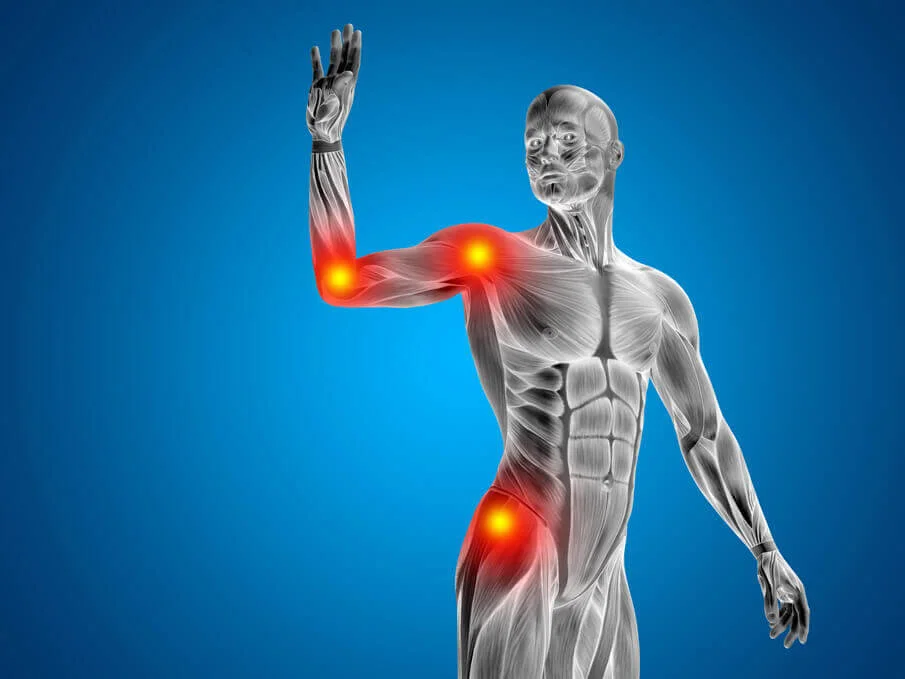
For example, arthritis, infections, or inflammatory bowel disease can make cells take up more glucose. This looks like cancer on a scan.
Some infections also make PET scans light up. The body’s fight against infection can look like cancer. Doctors need to look at the whole picture when they read these scans.
Post-Treatment Changes and Normal Variants
Changes after treatment can also cause false positives. Surgery, chemotherapy, or radiation can make the body react in ways that look like cancer. For example, inflammation after surgery can make glucose levels rise, looking like cancer.
Also, some parts of the body naturally have high activity. This can be mistaken for disease on a PET scan. The brain or brown fat can show up as “hot spots” without being sick.
It’s key to know why PET scans might show false positives. Doctors must look at the whole story of a patient’s health to make the right call.
Limitations: Cancer Types That May Be Missed
PET scans are very useful but have some limits. These limits can make it hard to find certain cancers. It’s important for doctors and patients to know about these limits.
Low-Metabolic Tumors
PET scans work by looking at how much glucose tumors use. Low-metabolic tumors use very little glucose. This makes them hard to spot with PET scans alone.
These tumors might not grow fast but are dangerous if not found and treated. For example, some well-differentiated neuroendocrine tumors or low-grade carcinoids are hard to find. Doctors might need other tests to make sure they catch these tumors.
Size Thresholds for Detection
PET scans also have a size threshold for detection. Tumors smaller than 8-10 mm can be missed. This is because PET scans can’t see very small things.
The resolution limits of PET scans mean doctors should use other tests too. MRI or CT scans can help find tumors that PET scans miss. This way, doctors can be more sure about what they find.
In summary, PET scans are great for finding cancer, but they’re not perfect. Knowing their limits helps doctors find tumors better. This leads to better care for patients.
The Complete PET Scan Procedure for Patients
A PET scan is a detailed test that needs careful preparation for the best results. This guide will walk you through the PET scan process, from start to finish.
Preparation Requirements and Restrictions
Before a PET scan, you must follow certain steps to get accurate results. Fasting is usually needed for 4 to 6 hours before the scan, but you can drink water. Also, avoid strenuous exercise for a day or two beforehand to prevent muscle glucose uptake.
Tell your doctor about any medicines you take and health conditions, like diabetes. Diabetics need to control their blood sugar, as high levels can skew the scan results.
What Happens During and After the Scan
During the PET scan, you lie on a table that moves into a big scanner. The scan is painless and lasts about 30 minutes to an hour. The whole process, including getting ready, can take several hours.
The scan uses a radioactive tracer, like FDG, which goes to active areas, like cancer cells. After the scan, you can go back to your usual activities unless your doctor says not to. The tracer leaves your body in a few hours, and drinking water helps it go faster.
Knowing what happens during and after a PET scan can make you feel less anxious. By following the prep steps and understanding the process, you help make the scan more effective.
From Scan to Results: The Timeline
After a PET scan, patients often wonder when they’ll get their results. The wait can be nerve-wracking, as the results are key for treatment plans.
Standard Processing and Reporting Times
The time to get PET scan results varies. It depends on the facility’s workload, scan complexity, and doctor’s needs. Usually, PET scan results can take from 24 hours to several days.
Some preliminary results might be ready in a day. But, the full report could take longer. The reporting time can be from 2 to 7 business days, based on the radiology team’s work and technology.
When to Expect Your Results
Patients usually get their results from their doctor or the radiologist. The exact timeline for results should be told by the healthcare provider who set up the PET scan.
Some results come fast, but others need more time for detailed analysis. Factors like the PET scan type, facility protocols, and patient condition affect the timeline.
To set expectations, patients should talk to their healthcare provider about the result timeline during scheduling. This can reduce anxiety while waiting for results.
Clinical Interpretation of PET Scan Colors
Understanding PET scan colors is key in cancer diagnosis and treatment. PET scans show tissue activity with a color scale. Different colors mean different glucose uptake levels.
Understanding Standardized Uptake Values (SUVs)
Standardized Uptake Values (SUVs) are important in PET scan color interpretation. SUVs measure the activity in a tumor compared to the body’s average. This helps doctors see how active tumors are and track changes.
The SUV formula is:
- SUV = Activity in the region (MBq/mL) / Total activity in the body (MBq) / Body weight (g)
A high SUV means more glucose use, often seen in cancer. But, it’s important to look at the whole picture, not just the SUV.
How Oncologists Evaluate Color Patterns
Oncologists look at PET scan colors to find cancer. The colors range from blue (low activity) to red (high activity). Bright colors like red or yellow usually mean cancer.
When checking PET scan colors, oncologists consider:
- Intensity: How bright the color is, showing metabolic activity.
- Distribution: Where and how the colors spread, showing disease extent.
- Comparison: Changes in color over time, showing treatment success or disease growth.
By looking at these, oncologists can make better cancer treatment plans and check progress.
Monitoring Cancer Treatment Response with PET
PET scans play a vital role in checking how well cancer treatments work. They help doctors see if treatments are effective. This information helps them decide on the best future care.
Before and After Treatment Comparisons
PET scans are great for comparing before and after treatment images. Doctors can see how cancer reacts to therapy by comparing these images.
Table: Comparison of PET Scan Results Before and After Treatment
| Parameter | Before Treatment | After Treatment |
| PET Scan Color Intensity | High | Low |
| Cancer Metabolic Activity | Active | Reduced |
| Treatment Response | N/A | Positive |
Color Changes Indicating Treatment Effectiveness
Color changes in PET scans show if treatment is working. A decrease in color intensity, like less “hot spots,” means treatment is effective.
For example, a PET scan might show less FDG uptake after treatment. This means the treatment is working well. Doctors use this info to adjust treatment plans.
Using PET scans to monitor treatment helps doctors give better care. This approach improves patient outcomes and quality of life during cancer treatment.
Conclusion: The Significance of Colors in Cancer Imaging
PET scan colors are key in cancer imaging. They give insights into tumor activity. This helps doctors diagnose, stage, and track treatment.
PET scans use colors to show where cancer is. This helps doctors spot cancerous areas. Knowing what these colors mean is critical for understanding scan results.
Using the same color scales in PET imaging helps teams talk clearly. This makes it easier to plan treatment. Patients also get a better grasp of their situation.
As imaging tech gets better, PET scan colors will keep being important. They are a big part of diagnosing and tracking cancer.
FAQ
What does cancer look like on a PET scan?
Cancer shows up as bright spots on PET scans. These spots are red or yellow because cancer cells take up more FDG.
What is FDG in a PET scan?
FDG is short for Fluorodeoxyglucose. It’s a substance that cancer cells grab more than normal cells. This makes cancer visible on PET scans.
How accurate is a PET scan for cancer diagnosis?
PET scans are very good at finding many cancers. But, how accurate they are can change. This depends on the cancer type, how active it is, and other health issues.
What are false positives on a PET scan?
False positives happen when a scan says there’s cancer where there isn’t. This can be because of inflammation, infections, or changes after treatment.
Can PET scans miss certain types of cancer?
Yes, they might miss cancers that don’t use much energy or are too small. That’s why using PET scans with other tools is key.
How long does it take to get PET scan results?
Getting PET scan results can take a few hours to a few days. It depends on how fast the lab can process the scan.
What is the role of PET/CT fusion in cancer detection?
PET/CT fusion combines PET scans with CT scans. This helps doctors see cancer more clearly and get a better idea of how big it is.
How do oncologists interpret PET scan colors?
Oncologists look at PET scan colors to see how active a tumor is. They use SUVs to measure this activity.
Can PET scans monitor cancer treatment response?
Yes, PET scans can track how well treatment is working. They compare before and after images to see if the cancer is shrinking.
What preparation is required for a PET scan?
Before a PET scan, you might need to fast and avoid certain meds. You might also have a special diet to get the best results.
What happens during a PET scan procedure?
During a PET scan, you lie on a table that slides into a scanner. A small amount of radioactive tracer is injected into your body. The scanner then takes images of your metabolic activity.
What do different colors on a PET scan indicate?
Different colors on a PET scan show different levels of activity. Brighter colors mean higher activity, like in cancerous tissues.
Are PET scans used for lung cancer detection?
Yes, PET scans are often used to find and check lung cancer. They show how active lung nodules and tumors are.
How does PET scan detect cancer in lymph nodes?
PET scans find cancer in lymph nodes by showing areas with more activity. This means cancer cells might be present in the nodes.
What are the limitations of PET scans in cancer detection?
PET scans can have false positives and negatives. They might miss small tumors or those with low activity. How well they work can also vary.